

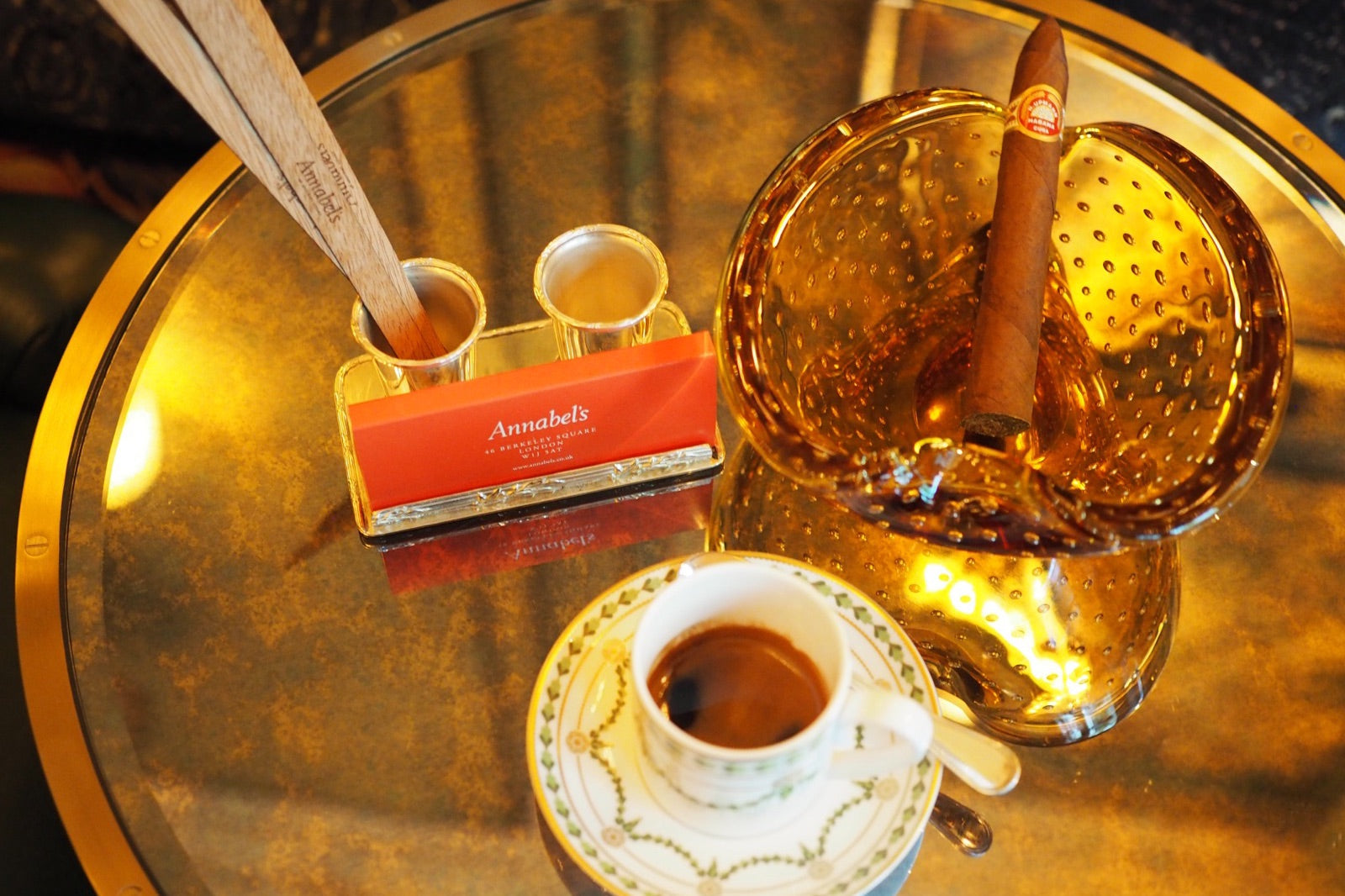
Most cigar smokers smoke. Few taste. The difference is intentionality — the deliberate act of identifying what is actually happening on your palate, not just enjoying the broad fact that something pleasant is happening. Once you start tasting deliberately, you'll find every cigar in your humidor becomes more interesting.
The basic vocabulary
Cigar tasting borrows much of its language from wine and whisky. The major flavour families:
Sweet
Caramel, honey, brown sugar, vanilla, dried fruit, raisin, fig. Sweetness in cigars comes primarily from the wrapper and from natural sugars in the fermentation. Maduros are typically the sweetest; Connecticuts the least.
Woody
Cedar (the most common), oak, pine, mesquite, almond wood. Wood notes are foundational — most cigars have some — and reflect the leaf's interaction with the cedar in the factory and the humidor.
Earthy
Soil, mineral, hay, mushroom, leather, tobacco itself. Earthy notes signal terroir: where the leaf was grown. Cuban cigars are usually the most earthy; Connecticuts the least.

Spicy
Black pepper, white pepper, cinnamon, clove, nutmeg, paprika. Spice typically comes from the binder and ligero filler leaves. Corojo wrappers add their own pepper. Read more in our wrapper guide.
Roasted / dark
Coffee, dark chocolate, cocoa, espresso, char, toast. The signature notes of Maduro cigars and the fuller Nicaraguans (see our Nicaraguan tobacco piece).
Floral and aromatic
Cedar oil, jasmine, white flowers, citrus zest, mint, herb. Less common but distinctive — particular Dominican blends and the lighter Davidoffs. Often the marker of a refined wrapper.
The technique
1. Smell before you light
Hold the cold cigar near your nose — both the foot (the open end) and the wrapper itself. You'll notice barnyard, hay, sometimes cocoa or stone fruit. These pre-smoke aromas are an honest preview.

2. Retrohale
This is the most important technique in cigar tasting and the most underused. Take a normal draw, hold the smoke in your mouth, then exhale a small portion of it through your nose. You'll suddenly perceive twice as many flavours as you did before. Aromas register through the olfactory pathway, not the taste buds — and you can't get to them through the mouth alone.
Start gently. The first retrohale of your life will be more intense than you expect; build up to it across several cigars. After a few months, retrohaling becomes second nature, and you'll wonder how you ever tasted cigars without it.
3. Pause between draws
The flavours of cigar smoke linger on the palate. If you draw every fifteen seconds, you taste smoke; if you draw every minute, you taste cigar. The slower pace also keeps the cigar from overheating (see our technique guide).

4. Track the thirds
A premium cigar develops through three movements:
- First third: dominated by the wrapper. The opening notes — bright, often the most aromatic — but also the youngest.
- Second third: the wrapper, binder and filler integrate. The middle, often the most balanced.
- Final third: the heat builds, the flavours concentrate, sometimes become almost sweet, sometimes turn bitter. Knowing when to put a cigar down is as much a skill as smoking it.
Take notes. Even informal ones. You'll find a cigar you remember loving was actually only loved in the middle third — and that the cigar you remember dismissing had a phenomenal final third you ignored.
Tasting flights
The fastest way to build a vocabulary is to smoke contrasting cigars in sequence. Three suggestions to start:
- Wrapper flight: a Connecticut, a Habano and a Maduro from the same brand. The Perdomo Legacy range offers all three at the same price point — see Perdomo.
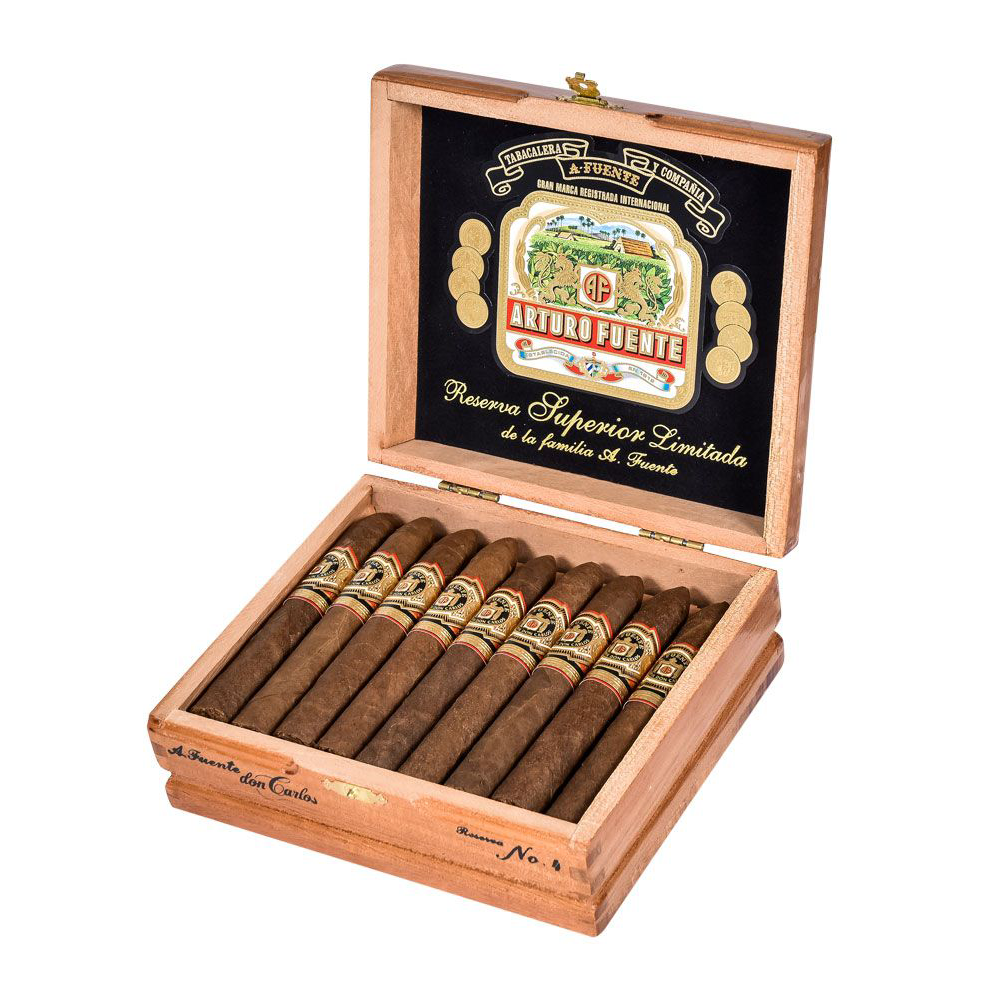
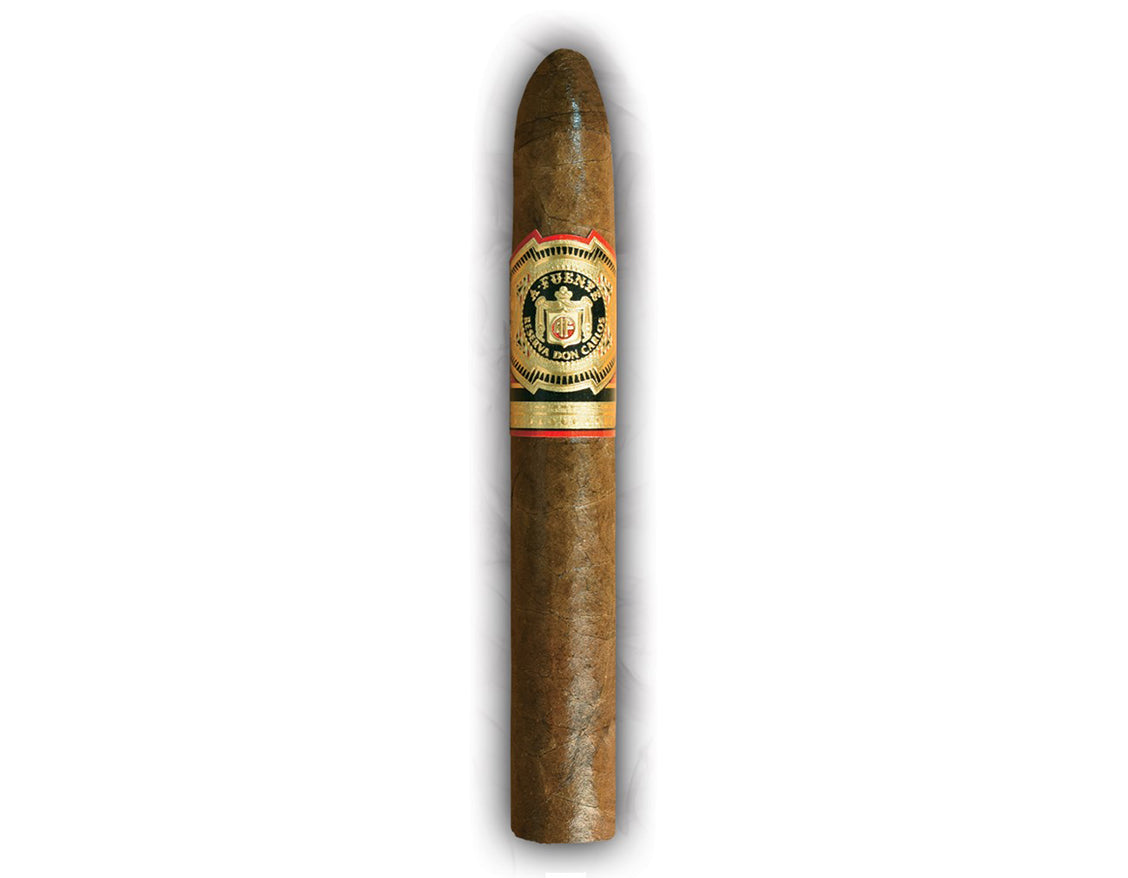
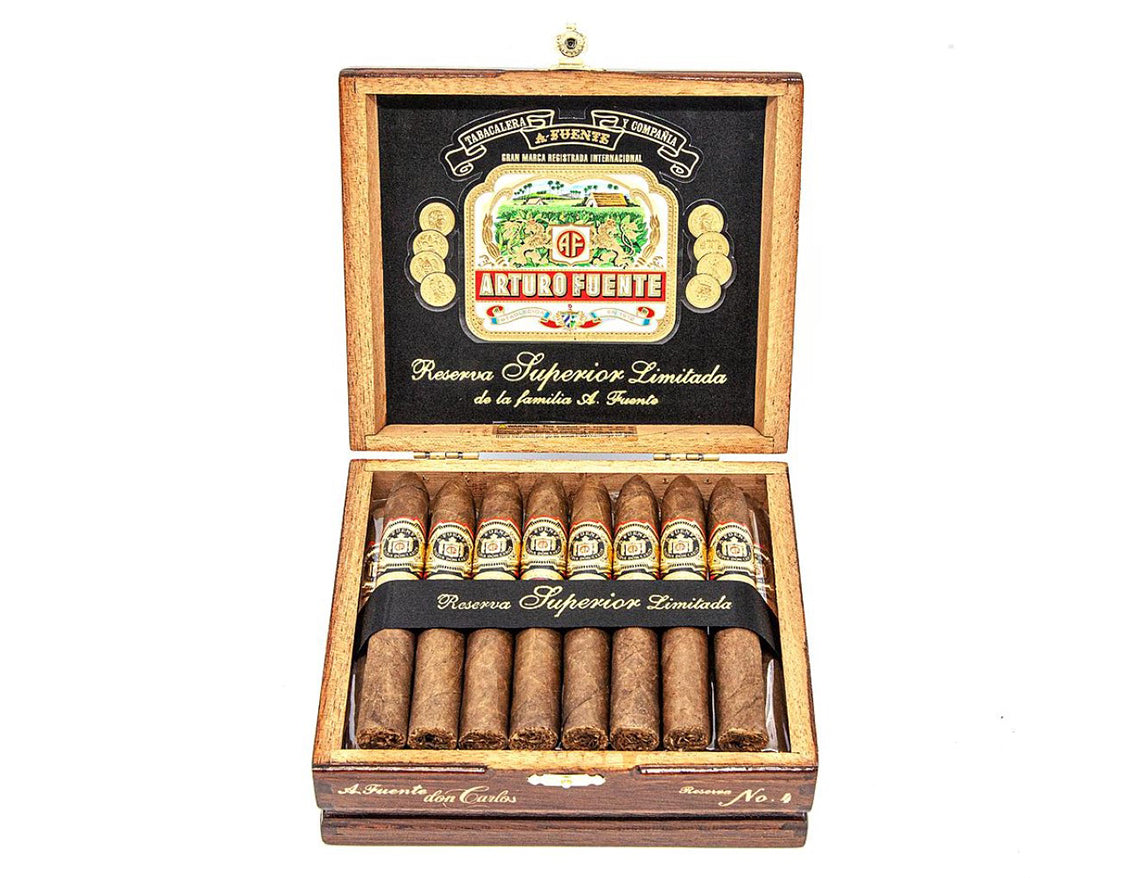
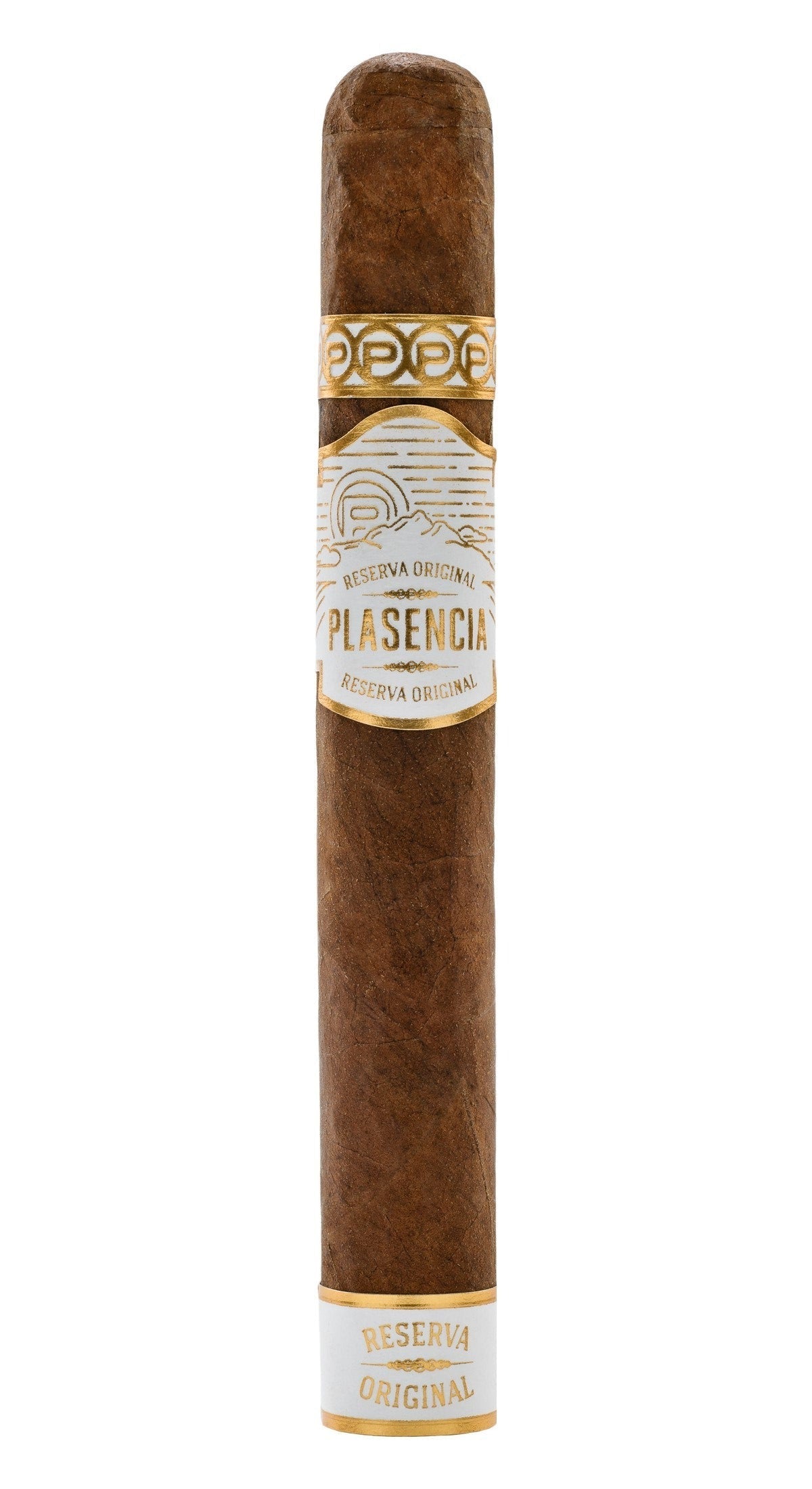
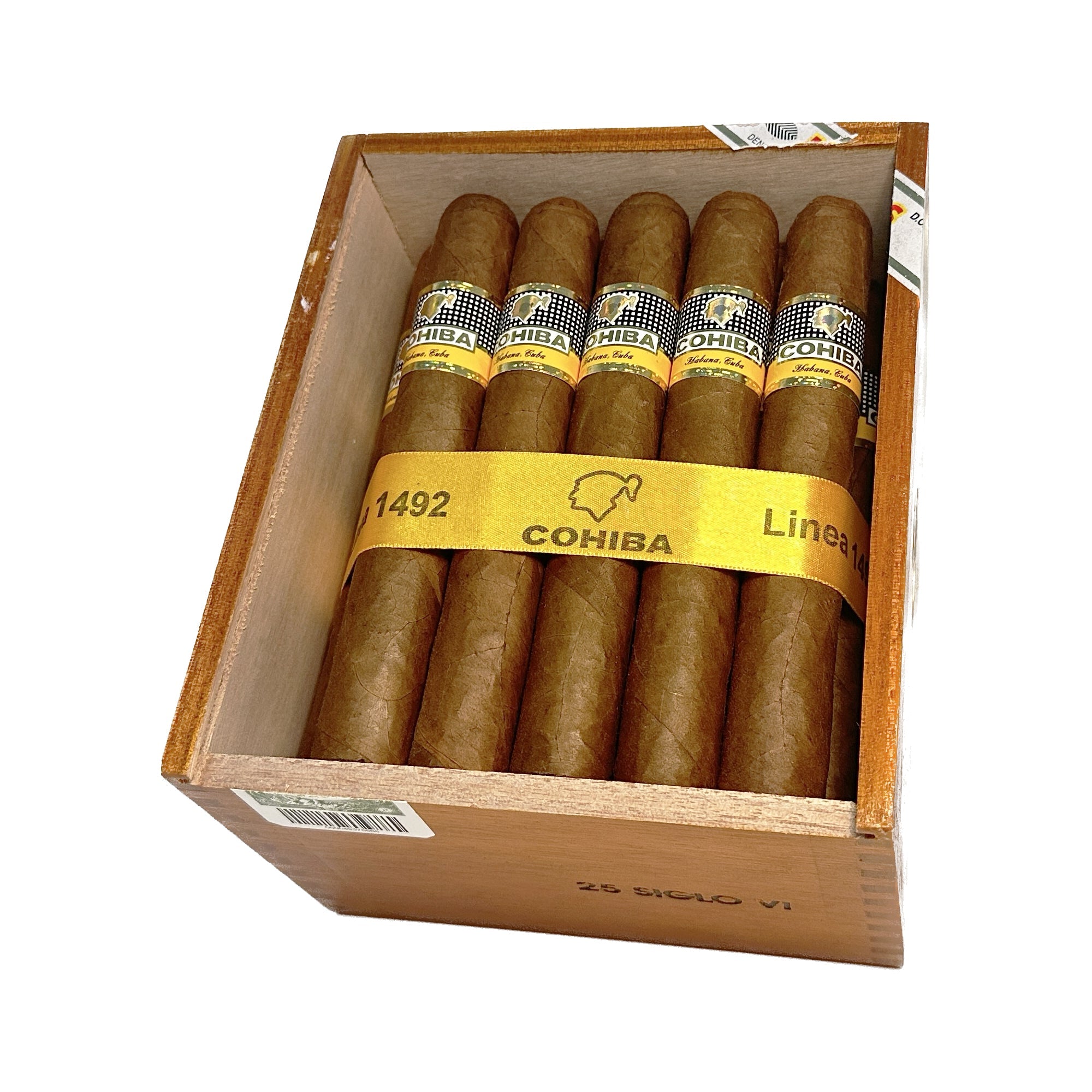
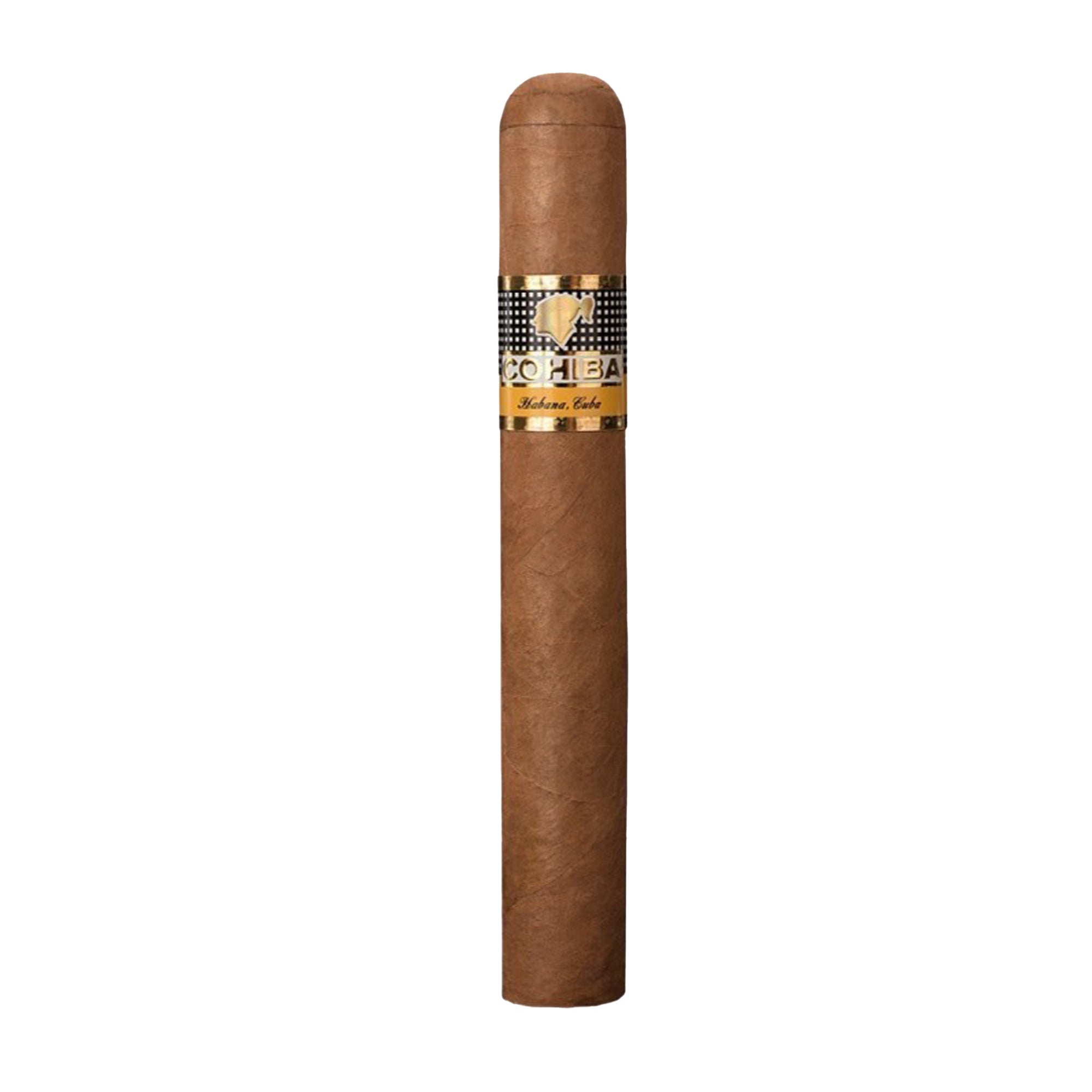
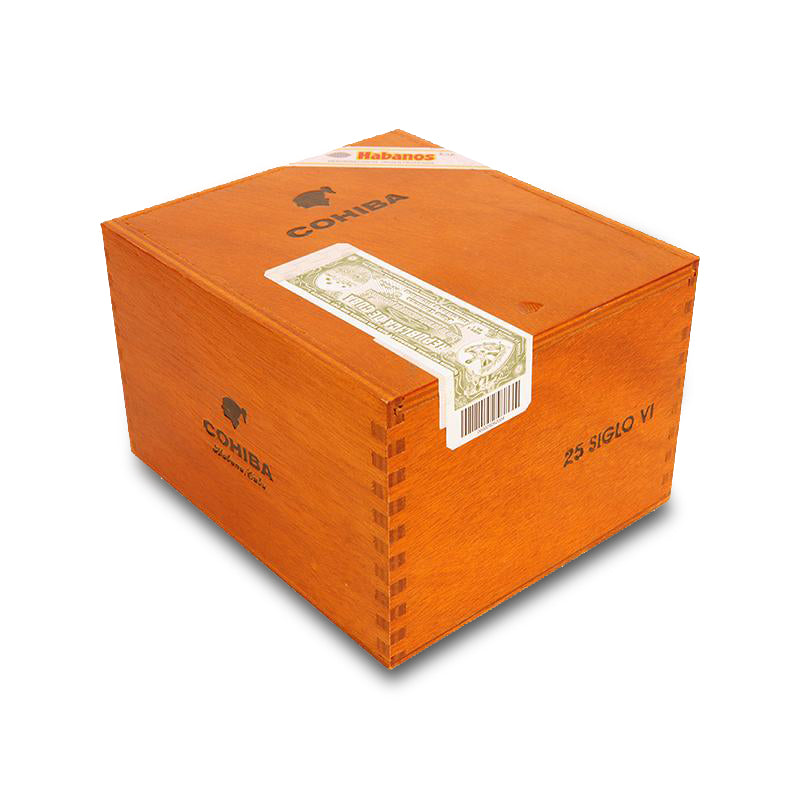
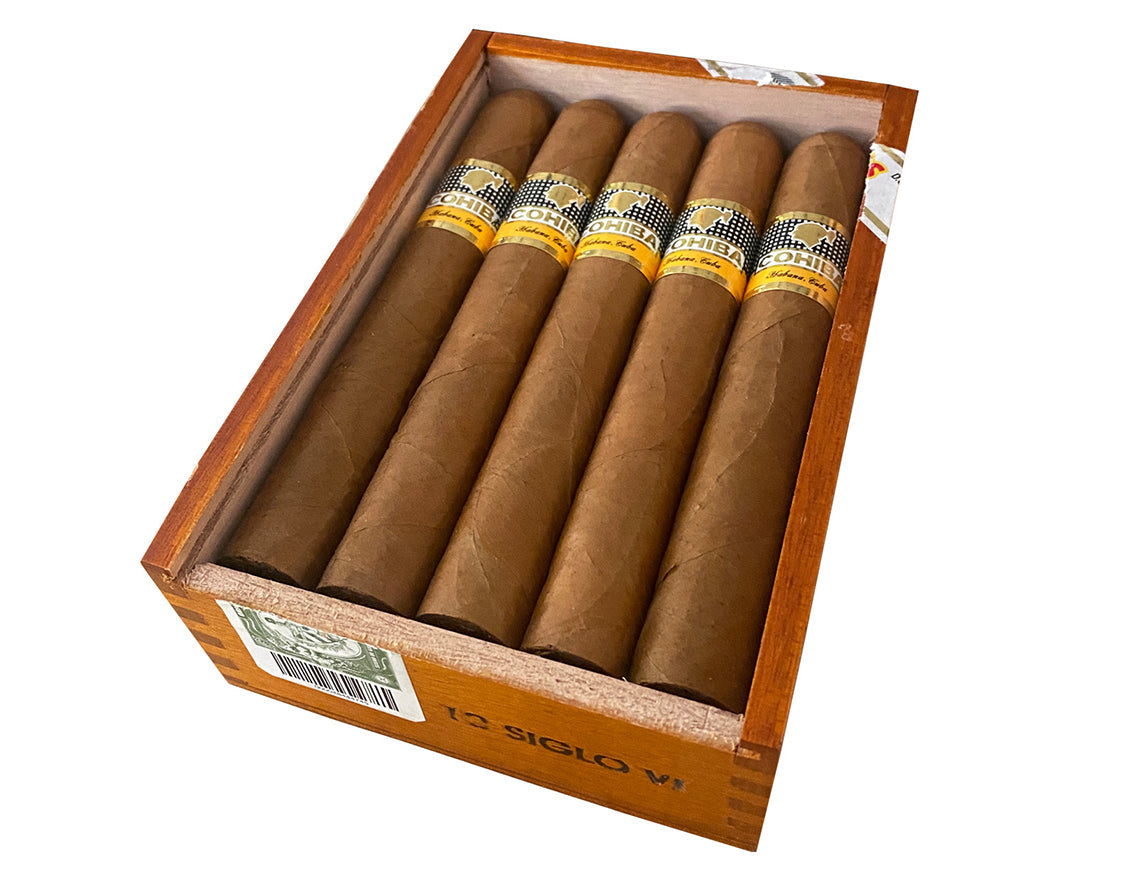
- Origin flight: a Dominican (Arturo Fuente Don Carlos), a Nicaraguan (Plasencia Reserva Original) and a Cuban (Cohiba Siglo VI). Same evening, ideally separated by water and bread.
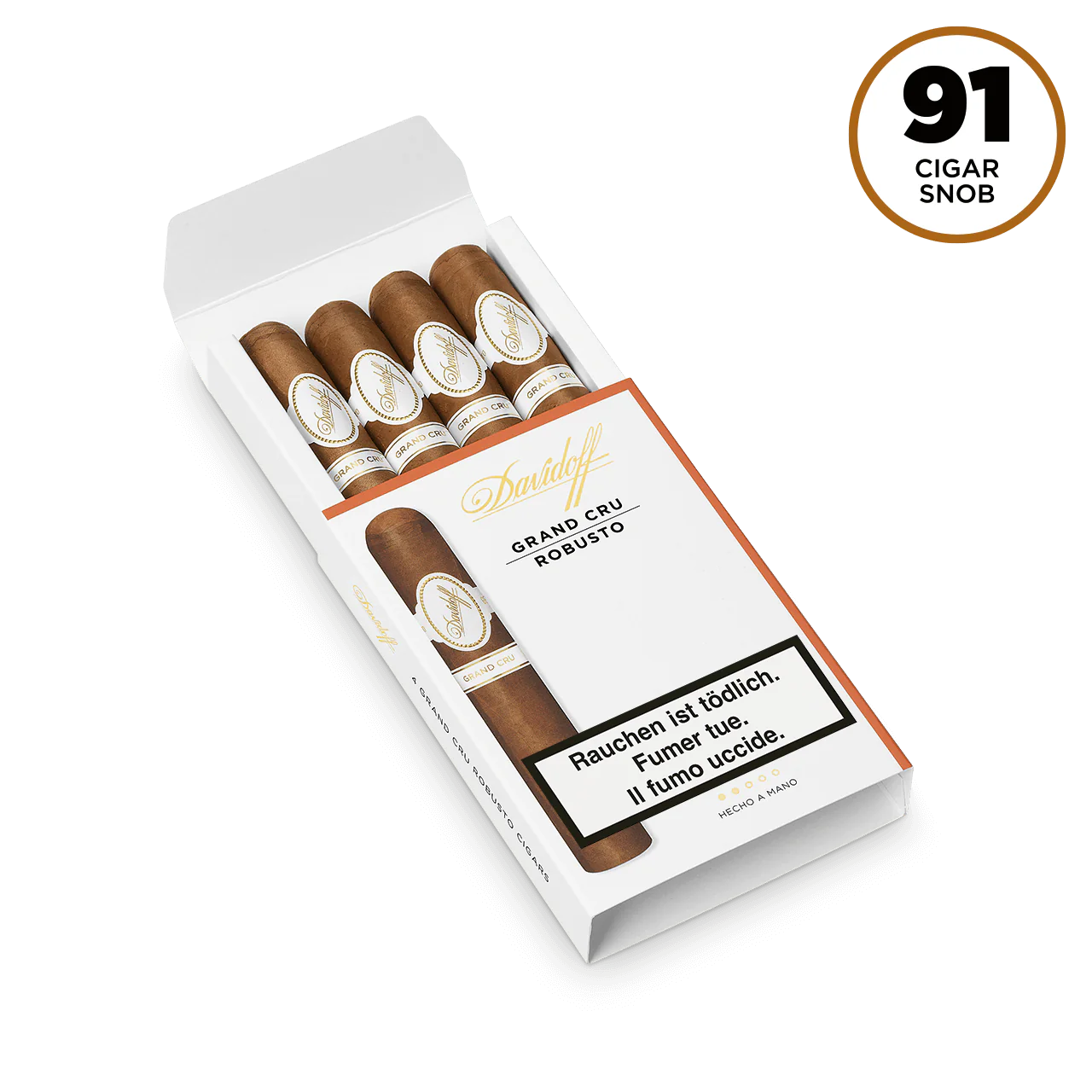
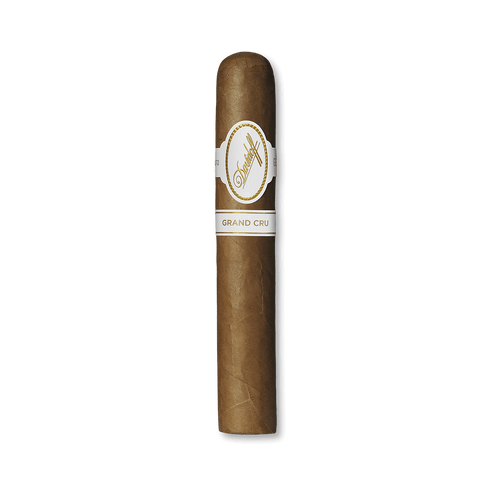
- Size flight: the same blend in three sizes — Petit Corona, Robusto, Toro. The wrapper-to-filler ratio changes, and so does the experience. See the Davidoff Grand Cru range for a full size set.
For the right pairing to accompany a tasting evening, see our guides on coffee, cognac and whisky.


Share:
How to Choose Your First Premium Cigar
How to Cut, Light and Smoke a Cigar Properly