


If you walked into a humidor in 1985, the great non-Cuban premium cigars came from the Dominican Republic. Nicaragua was an afterthought. Today, the country produces some of the most acclaimed cigars in the world, and Nicaraguan tobacco appears in blends from nearly every major brand. The shift in forty years is one of the most striking in the industry.
The land
Nicaragua sits in a fortunate geological accident. The volcanic spine running down the country has, over millennia, deposited mineral-rich black soil across the major tobacco-growing valleys. The four key regions:
Estelí
The northern highland valley, cooled by altitude. Estelí tobacco is powerful, oily, peppery — the source of the famous Nicaraguan punch. Most of the major Nicaraguan factories are based here, including the operations of Plasencia and Perdomo.
Condega
Just south of Estelí, slightly warmer. Condega produces tobacco that is rounder and sweeter than Estelí's, often used as a binder to balance more aggressive Estelí filler.
Jalapa
The northernmost valley, near the Honduran border. Jalapa is famous for wrappers — the climate produces leaf with excellent burn characteristics and a sweet, slightly floral character. Many of the best Nicaraguan wrappers come from here.
Ometepe
The smallest and most recent region — a volcanic island in Lake Nicaragua. The soil and climate produce a distinctive, lightly mineral leaf that has become prized for adding complexity to premium blends. Plasencia in particular has invested significantly in Ometepe.

What Nicaraguan tobacco tastes like
The shorthand: more. Compared to Dominican leaf, Nicaraguan tobacco is more peppery, more earthy, more oily, more intense. It produces cigars that announce themselves rather than whisper. This isn't to say it's better — Dominican cigars from the great producers are exquisite in their own register — but Nicaraguan tobacco has range that runs from medium-bodied refinement to genuinely strong.
The chemistry follows from the volcanic soil. High mineral content means richer tobacco, which translates to more complex combustion and more pronounced flavour development across the cigar.

Why Nicaragua now matters more than Cuba (commercially)
This is the controversial part. Cuba still produces the most famous brands, supported by 200 years of marketing and the Habanos SA distribution machinery. But:
- Nicaragua produces more premium tobacco by volume.
- Nicaraguan factories operate at higher capacity and with more modern equipment.
- Many of the world's most acclaimed cigars in blind tastings over the last decade are Nicaraguan.
- Nicaraguan tobacco enters the United States, the world's largest cigar market, without the political restrictions on Cuban tobacco.
The result is that, in 2026, the centre of gravity of the premium cigar industry is in Estelí, not Havana — even if the cultural centre remains Cuban.

Where to start with Nicaraguan cigars
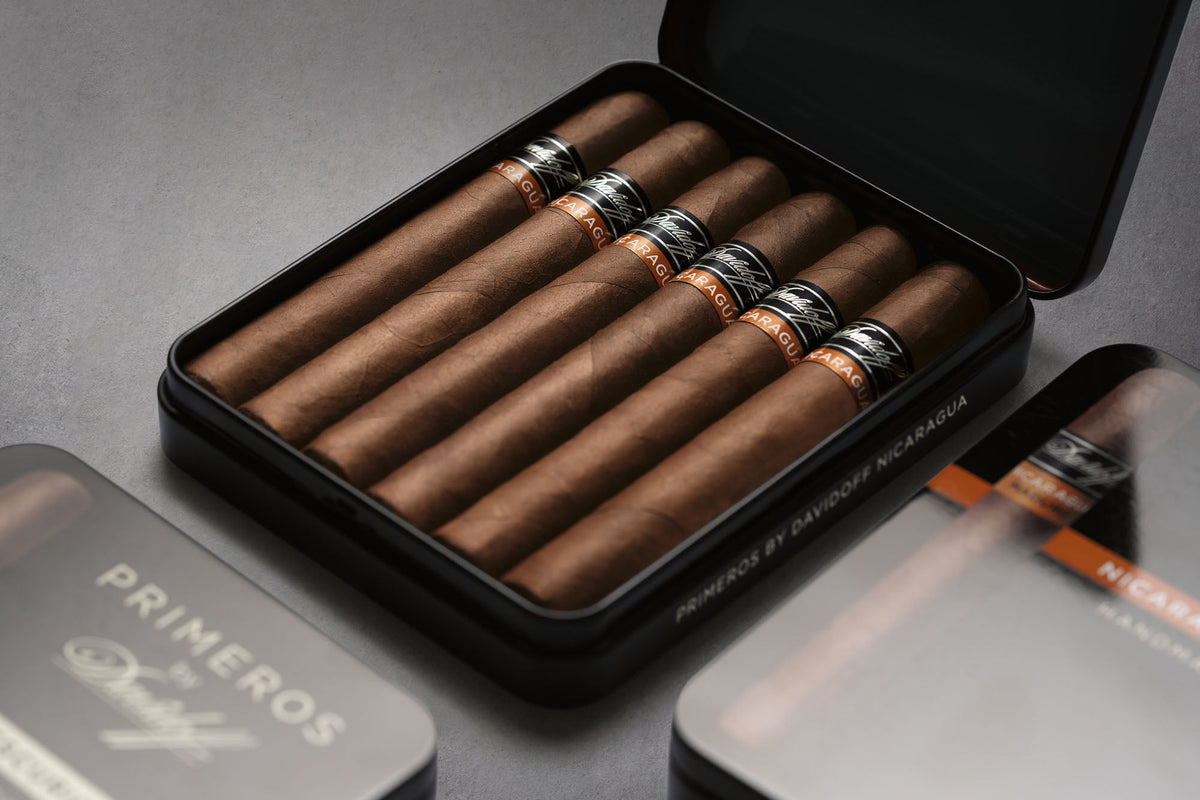
If you have already explored Dominicans (Davidoff, Arturo Fuente — see our Davidoff story and Fuente history), Nicaraguan cigars are the natural next step. The straightforward route:
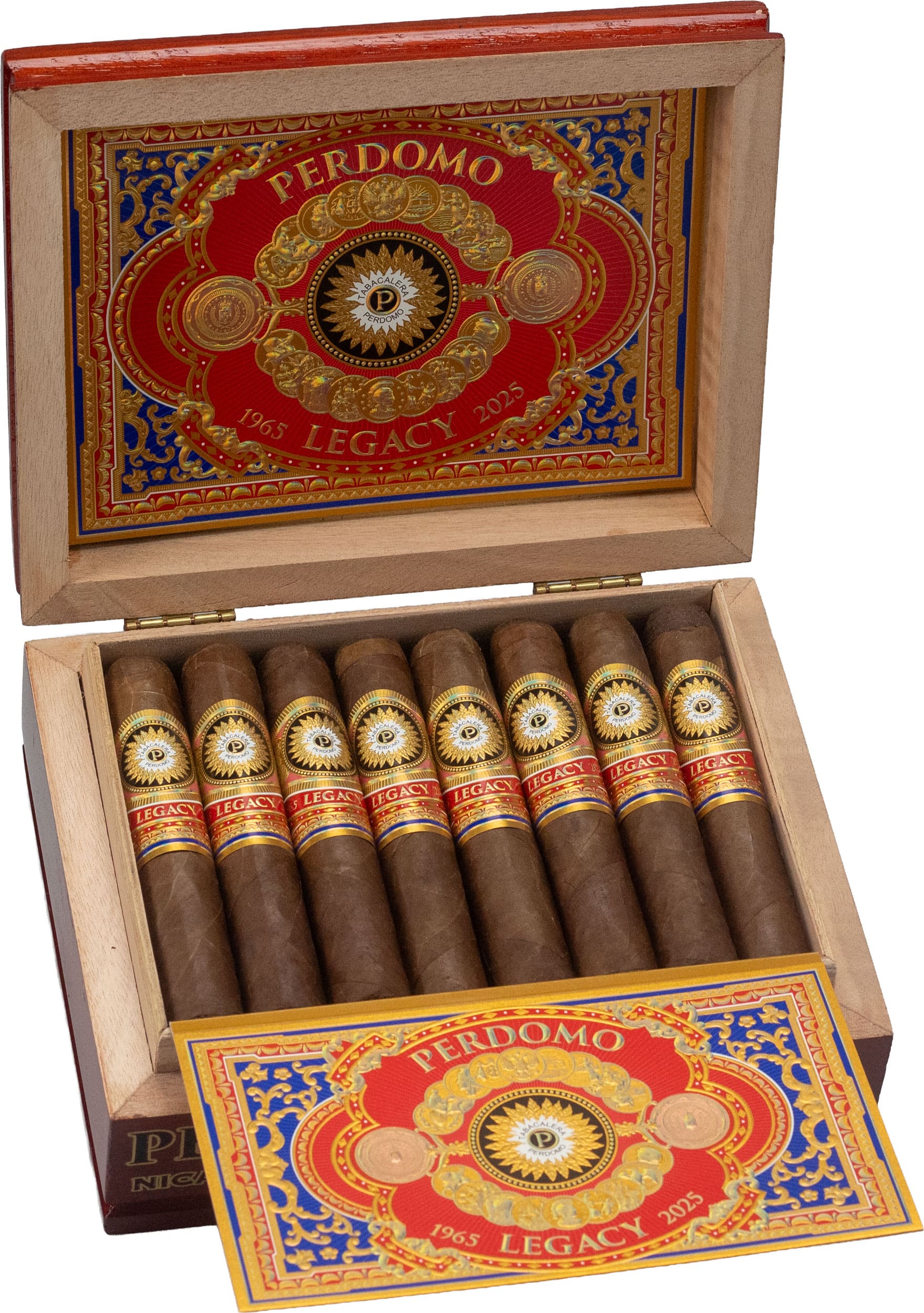
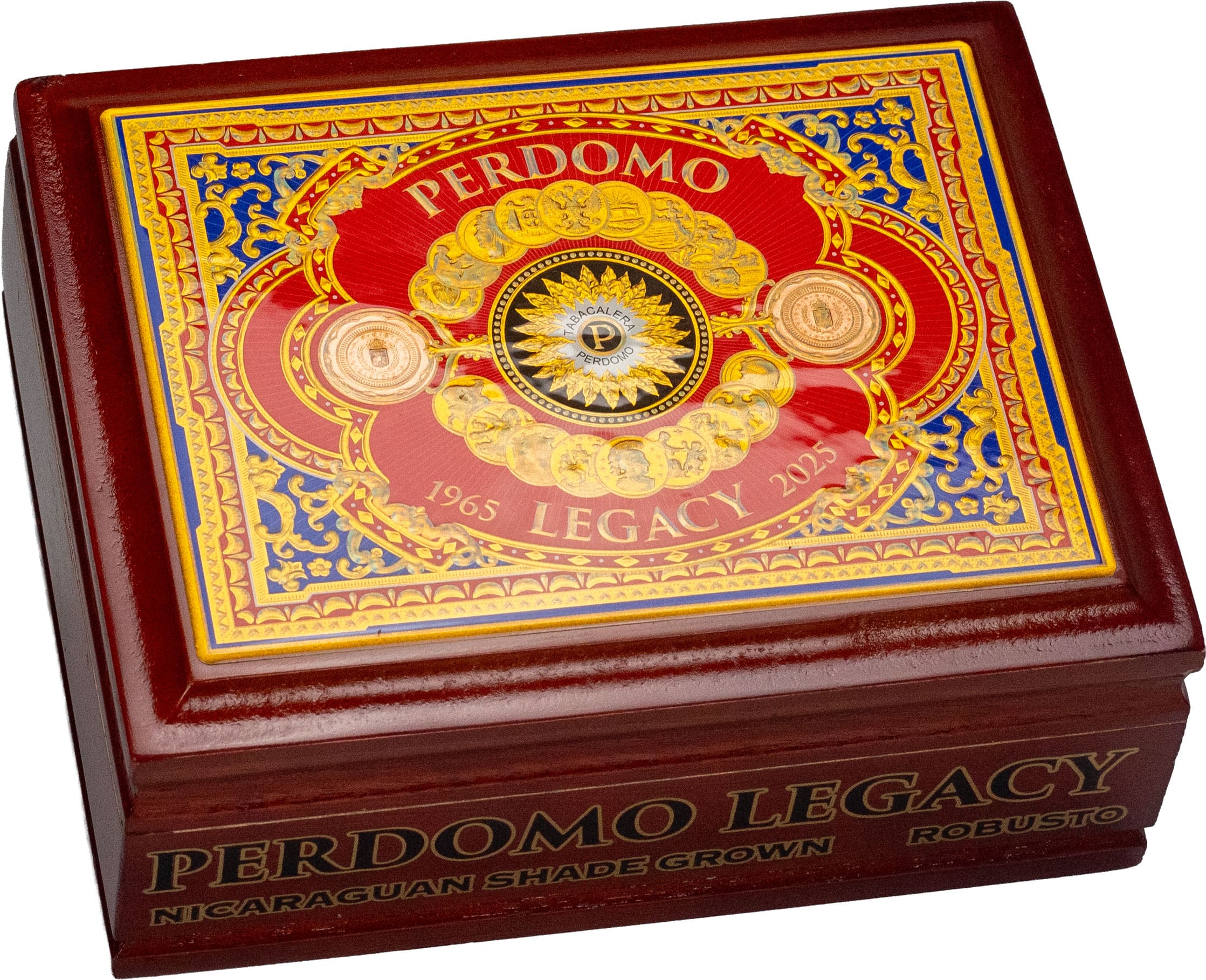
- Medium-bodied entry: Perdomo Legacy Shade Grown Robusto or any of the Oliva Serie V line.
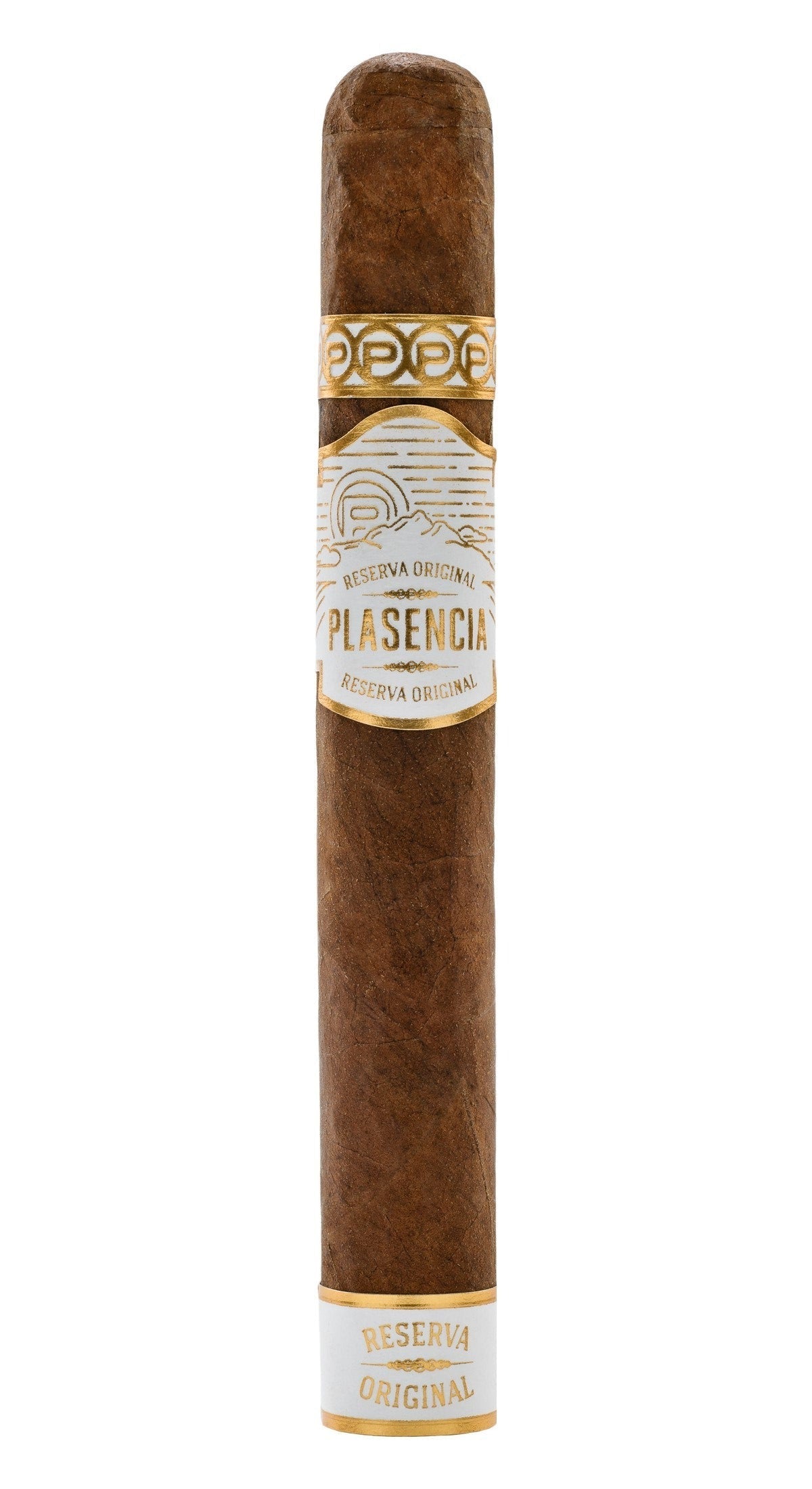
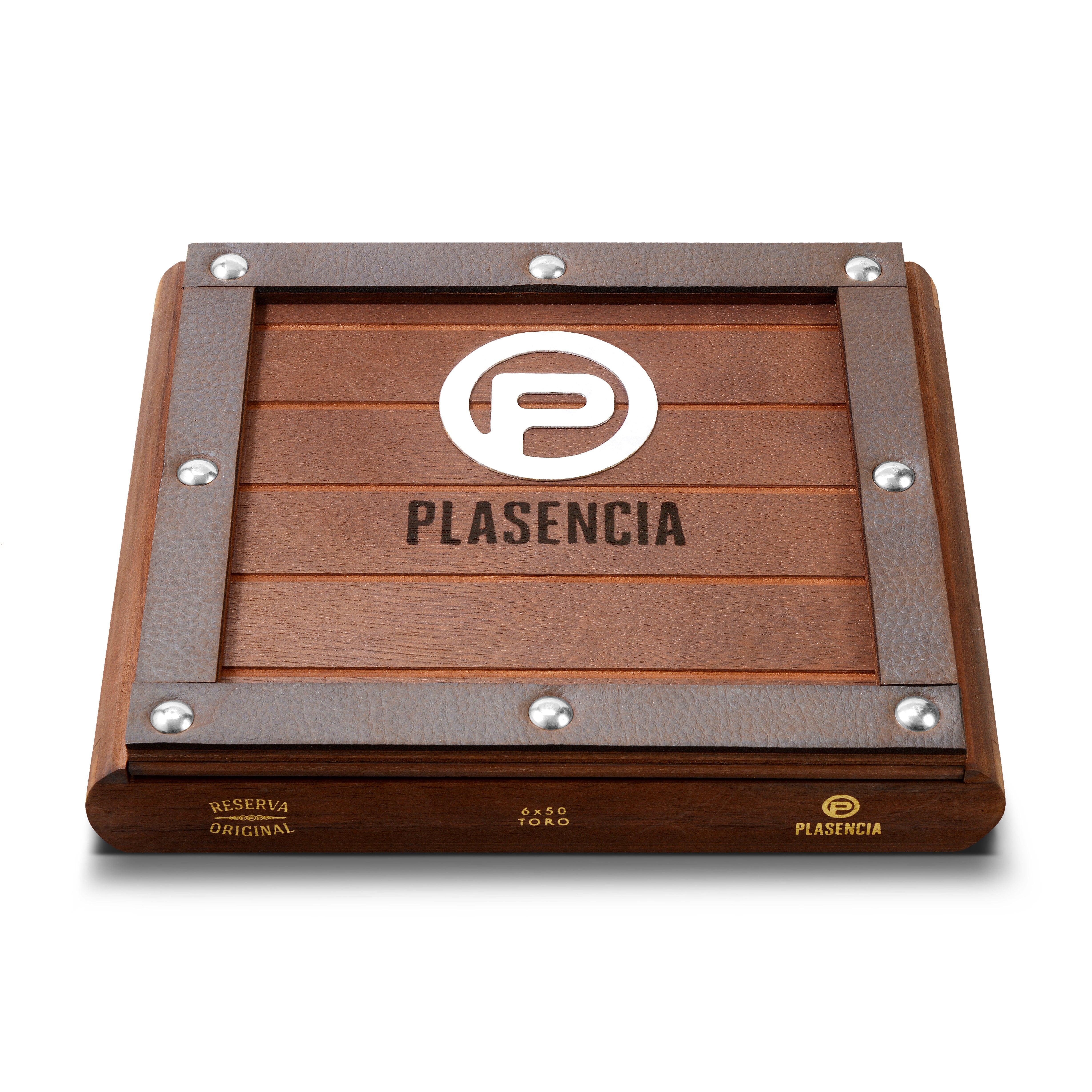
- Full-bodied benchmark: Plasencia Reserva Original Toro.
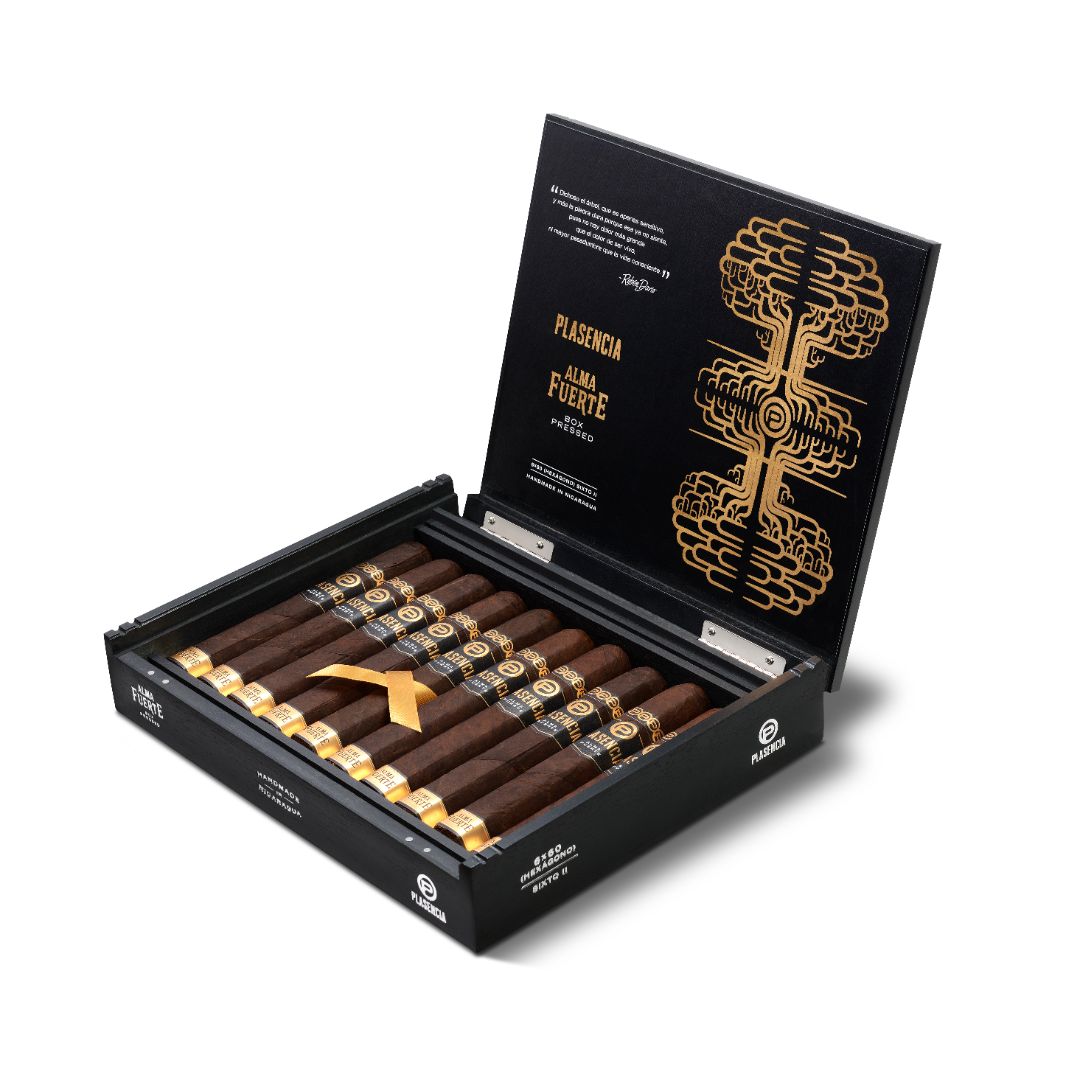
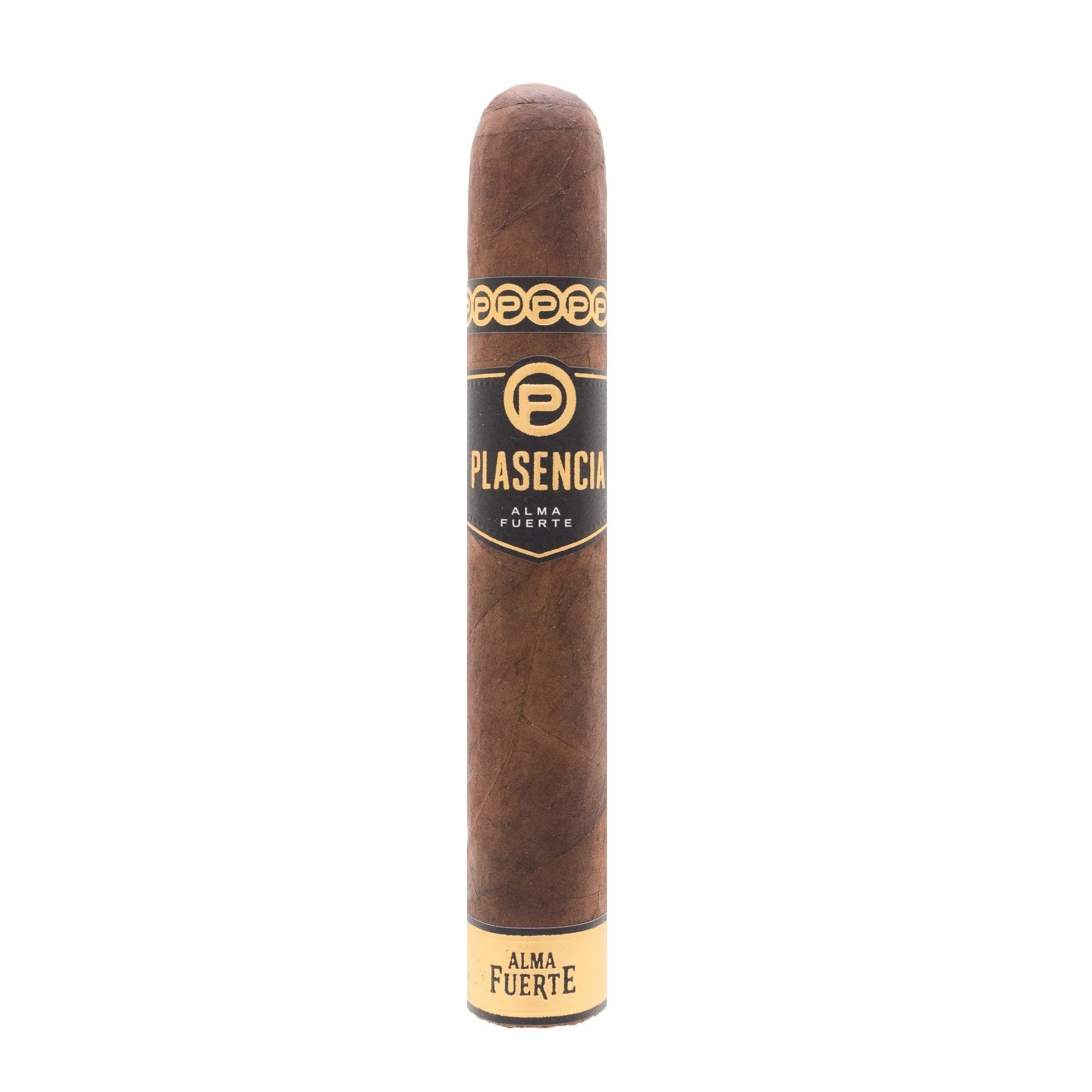
- Premium destination: Plasencia Alma Fuerte Sixto II.
For pairing, Nicaraguan cigars work particularly well with bourbon and full-bodied rum — see our pairing guides on whisky and rum.
Share:
How to Store Cigars: Humidors, Pouches and Humidity 101
Davidoff: The Legacy of Zino Davidoff