

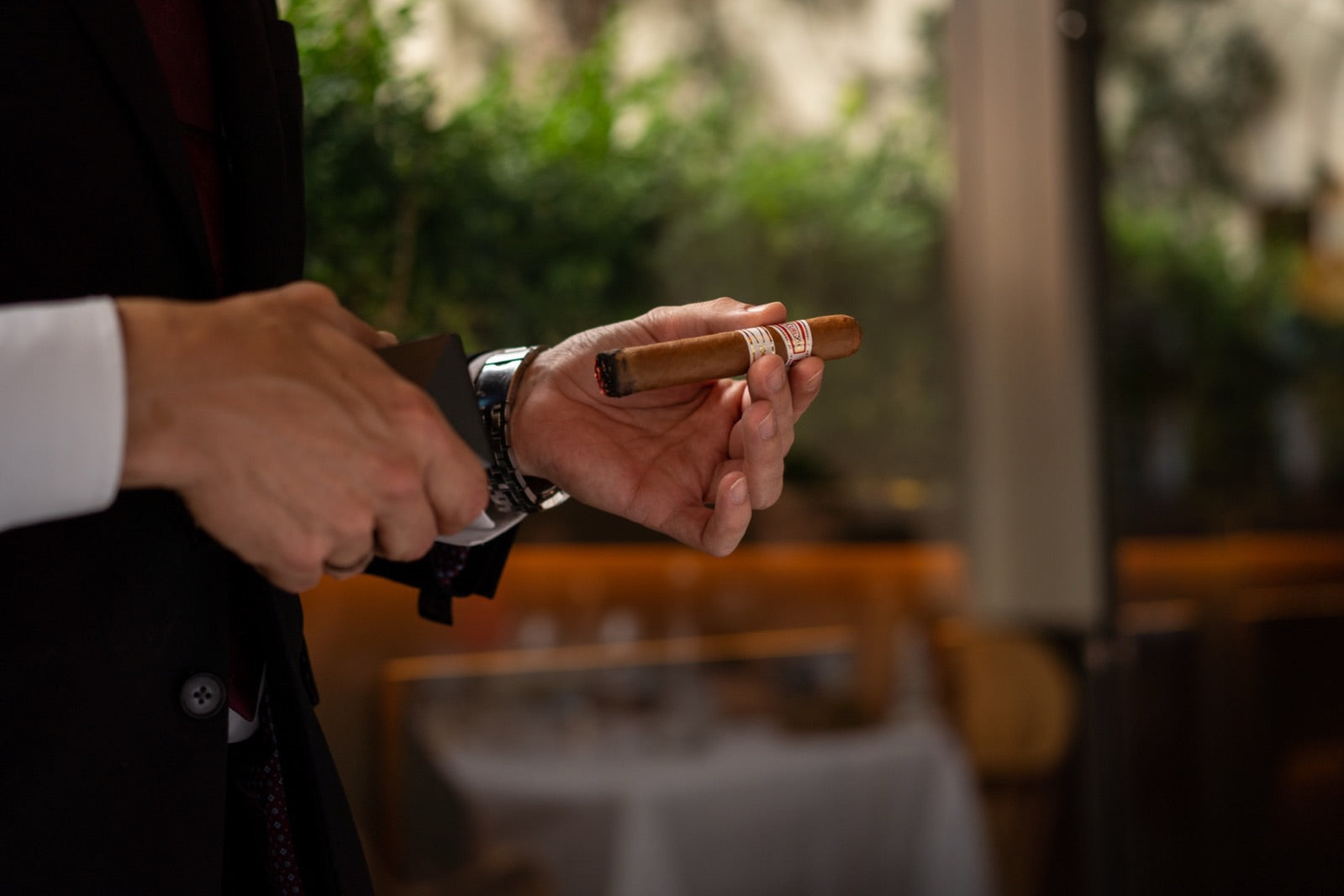
A poorly cut, poorly lit cigar can ruin an excellent blend. A well-cut, well-lit one can rescue an average one. Here is the technique, written for people who want to do it right without overthinking it.
1. The cut
You are removing the closed cap at the head of the cigar — the end that goes in your mouth. Cut just above the cap line, which is the seam where the wrapper turns inward. Cut too low and the wrapper unravels; cut too high and the draw is restricted.
Cutter types
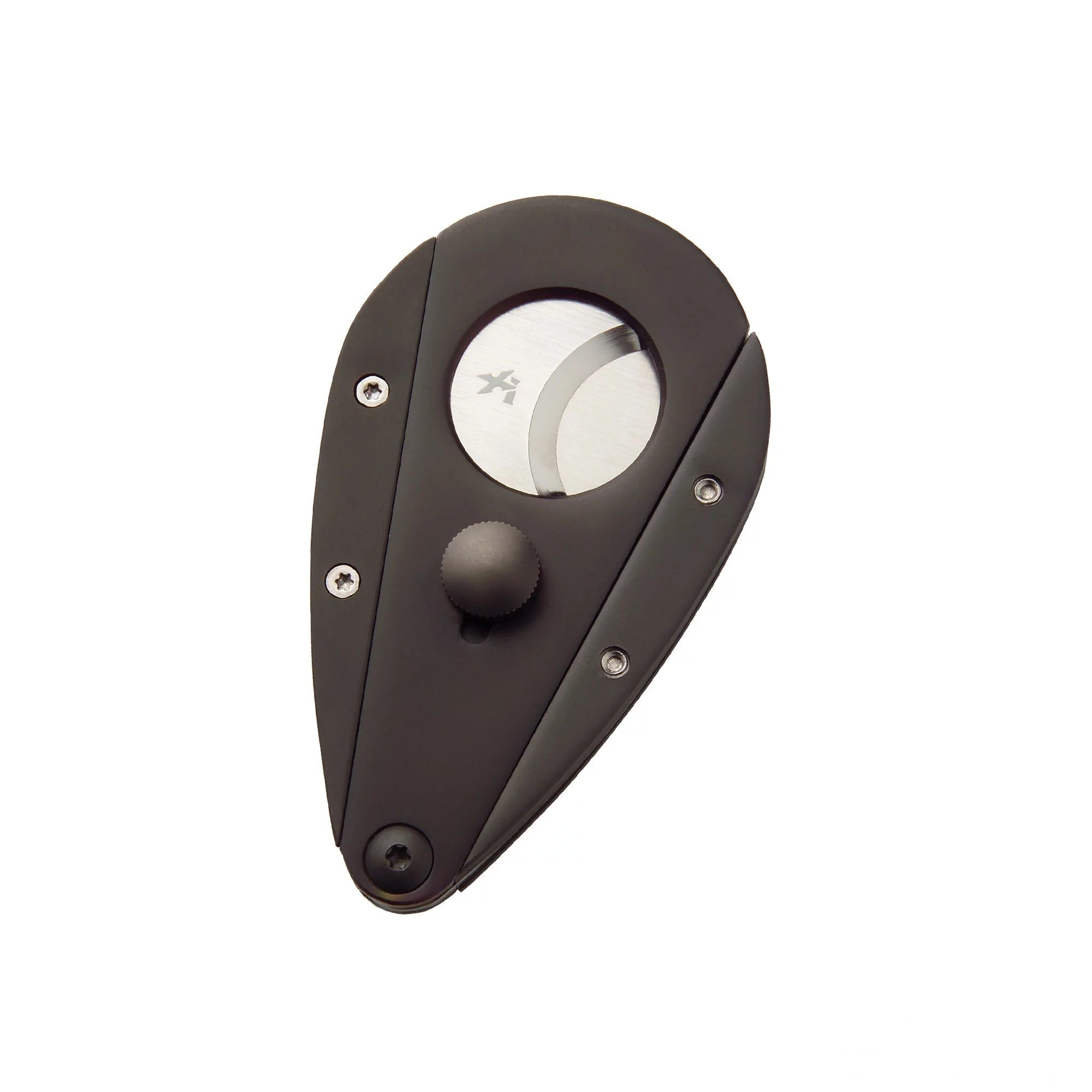
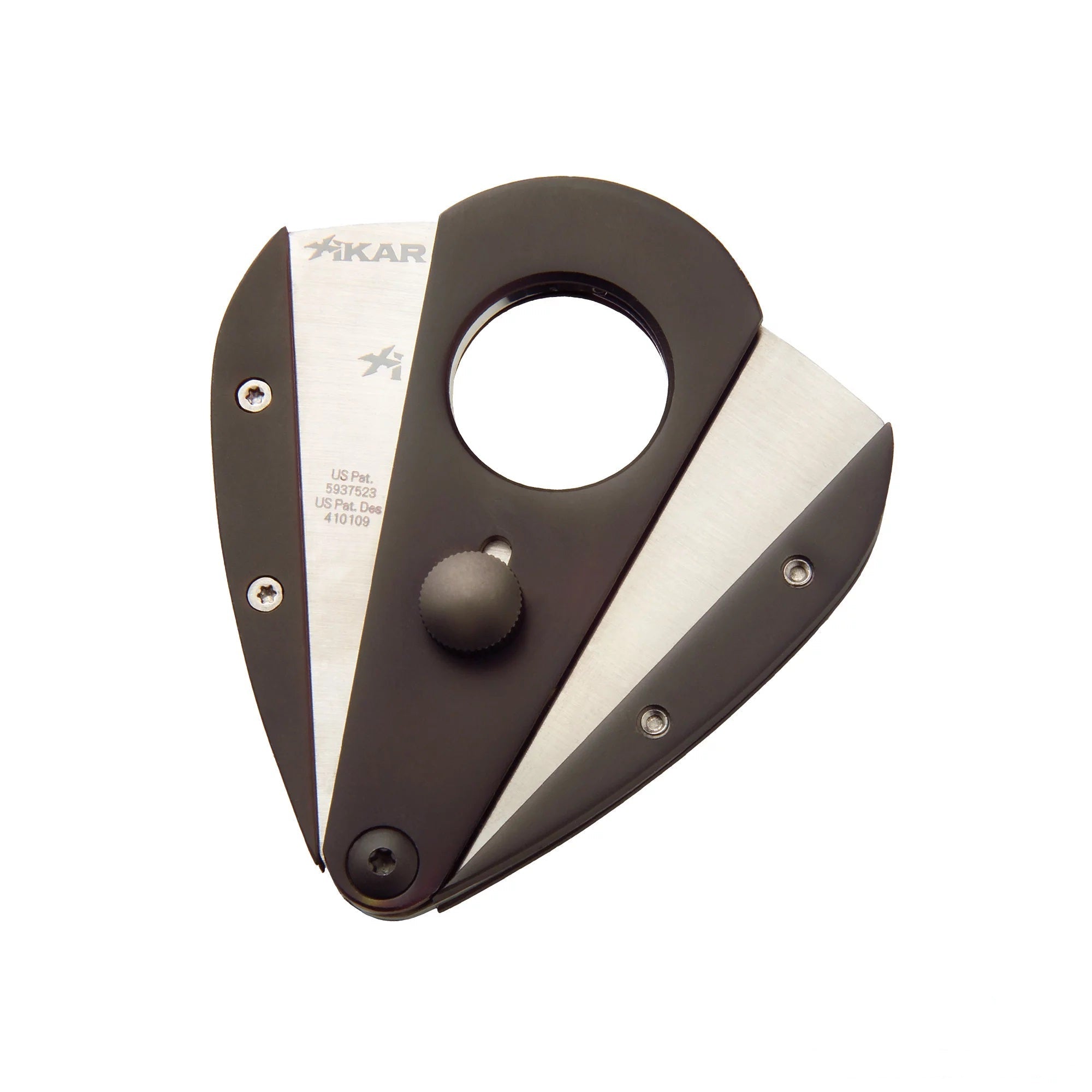
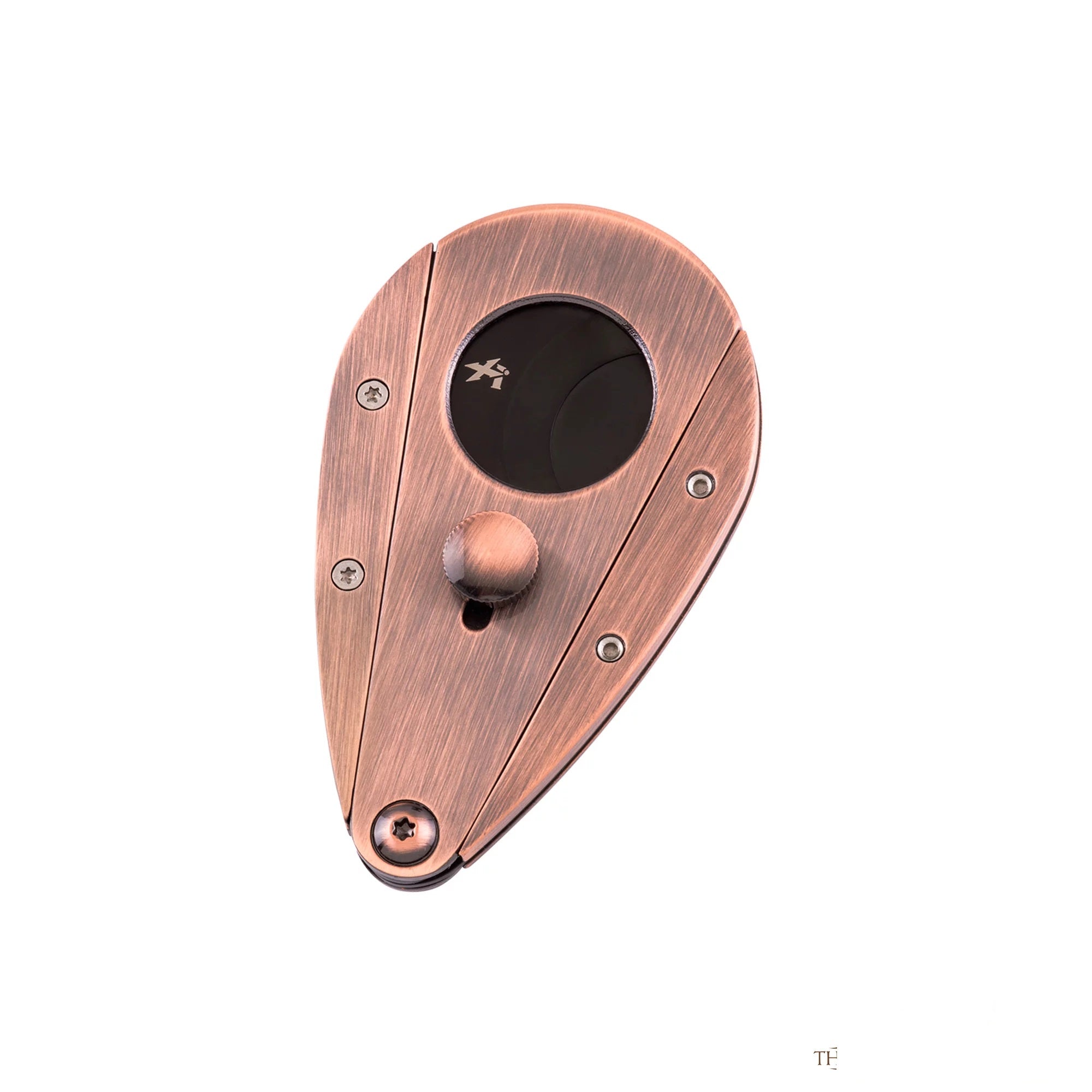
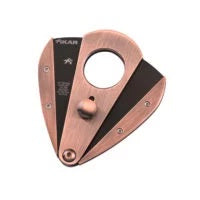
- Guillotine (straight cut) — the most common. Single or double blade. The Xikar Xi3 is a reliable workhorse.
- V-cut (cat's eye) — channels the smoke without opening the entire head. Concentrates flavour; some cigars prefer it.
- Punch — a small circular hole. Good for thicker ring-gauge cigars on the move.
For most cigars, a sharp guillotine is the right answer. Avoid scissors, knives and teeth — all three will damage the cap and the draw.

2. The light
This is where most beginners rush and most enthusiasts still cut corners. Take your time.
Step by step
- Toast the foot first. Hold the cigar at a 45° angle above the flame — not in it — and rotate slowly. The end should glow evenly without the flame touching the wrapper. This takes 15–20 seconds.
- Take your first draws. Put the cigar in your mouth and draw gently while continuing to rotate the foot above the flame. Aim for an even glow across the whole circle.
- Check the burn. Blow gently across the foot. It should glow uniformly. If one side is ahead of the other, touch it up at the next light.
What to light with
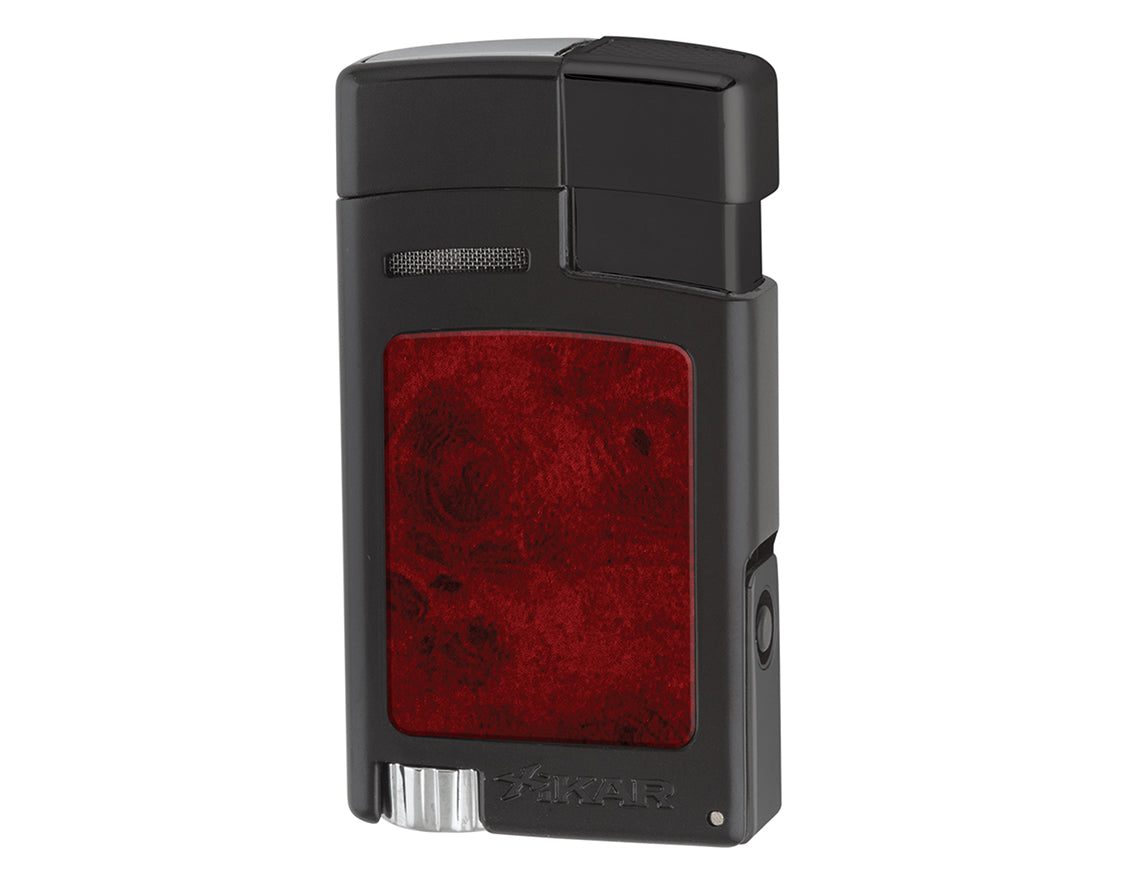
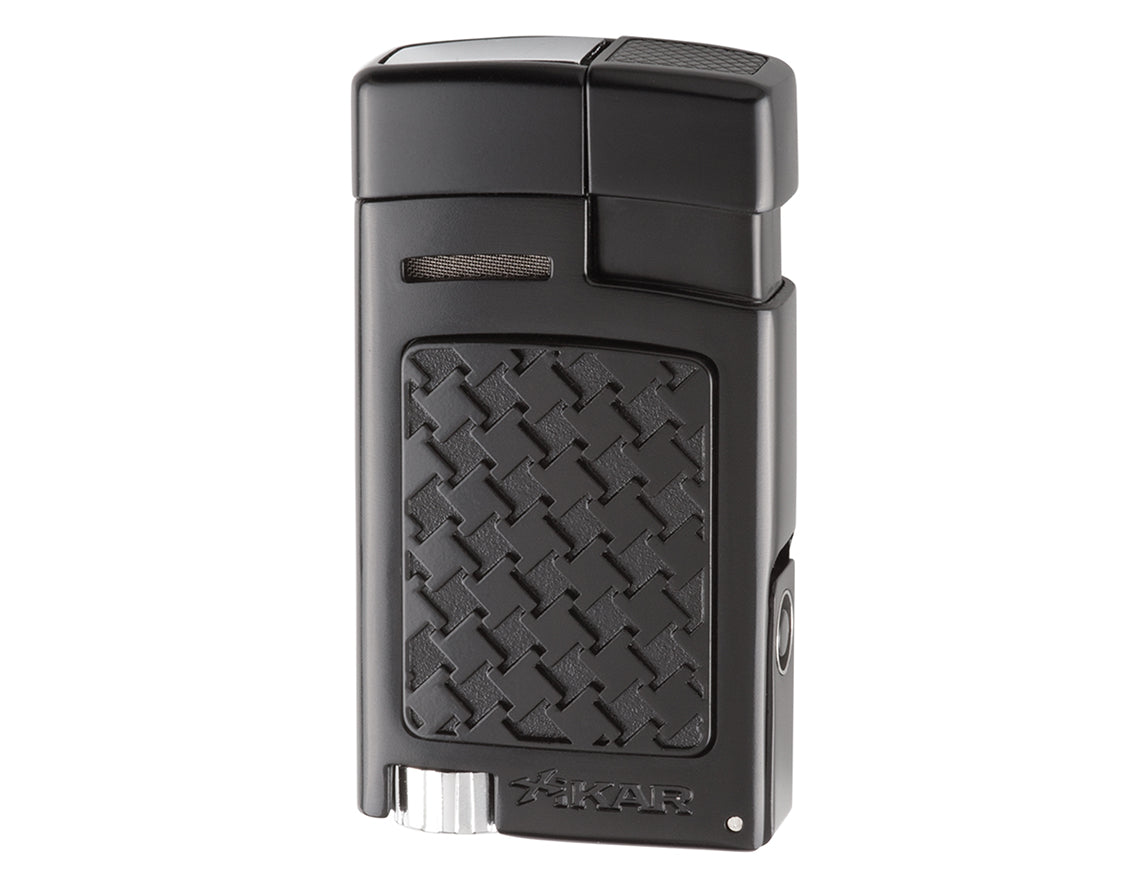
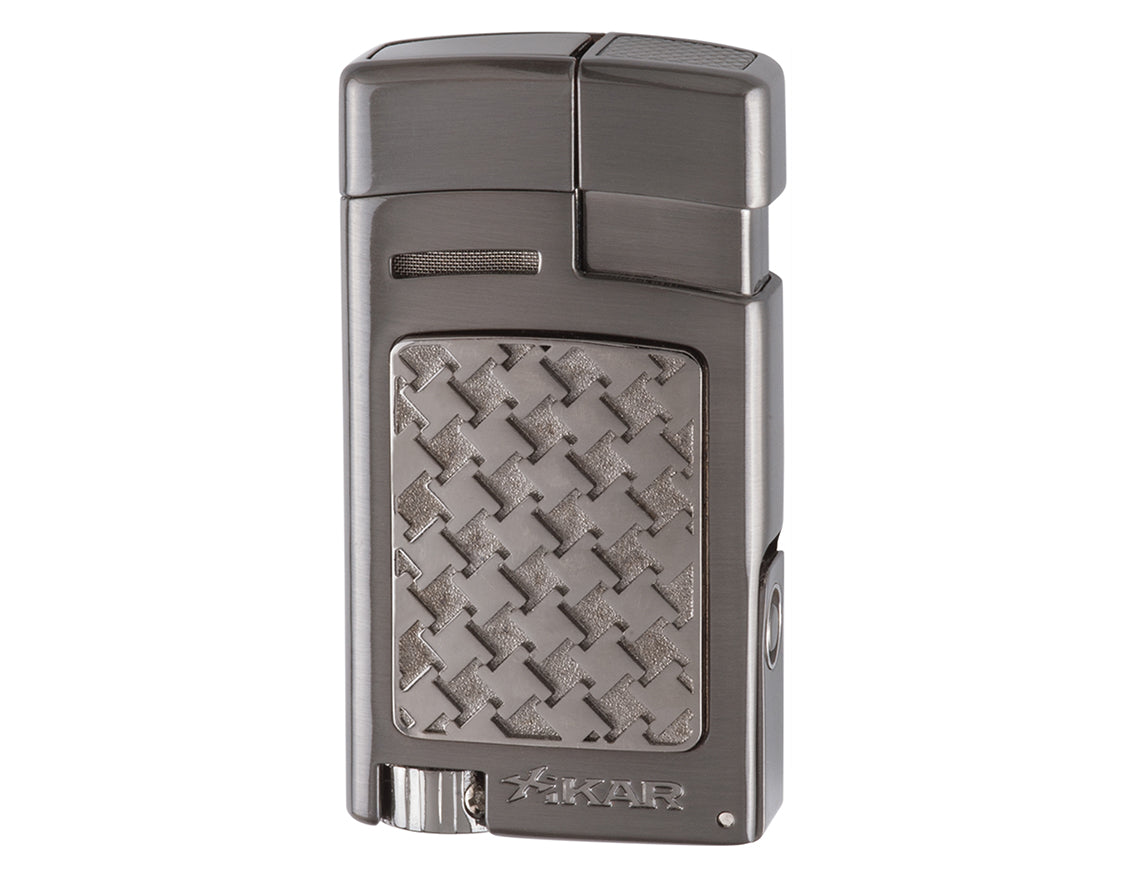
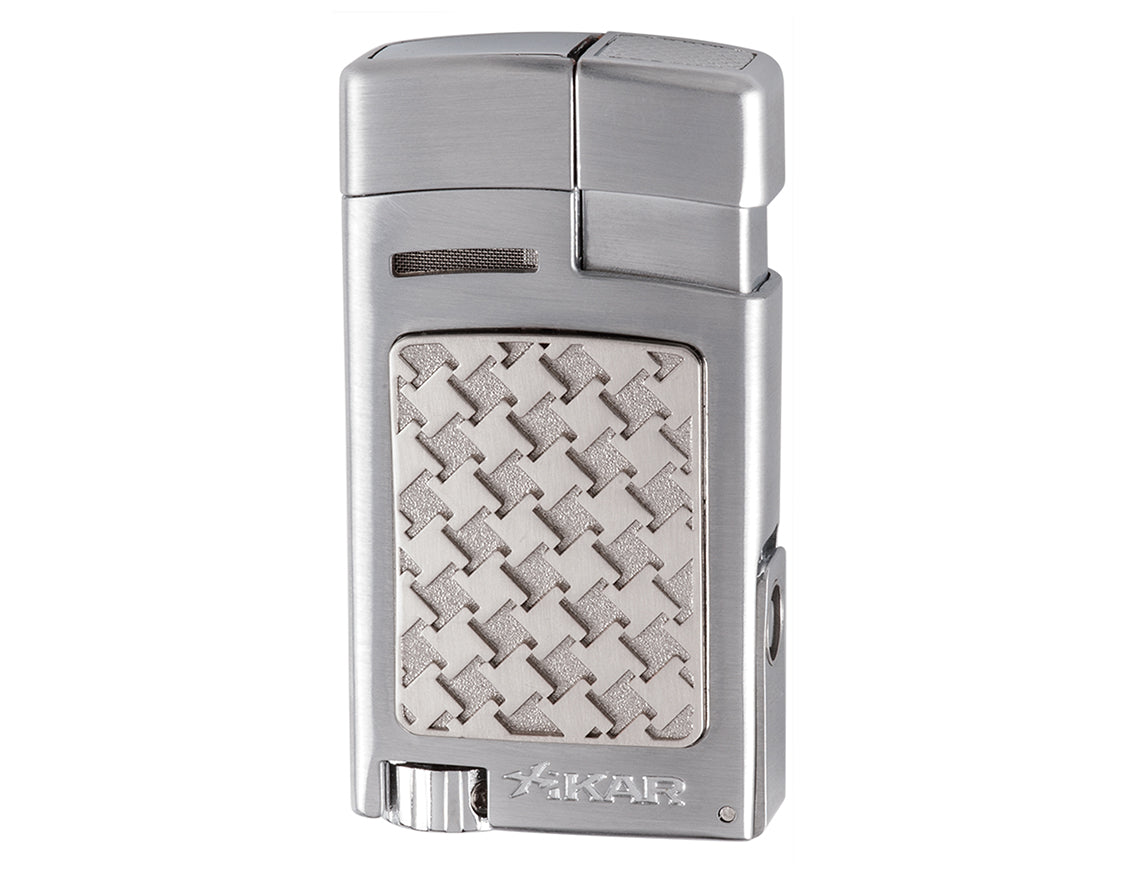
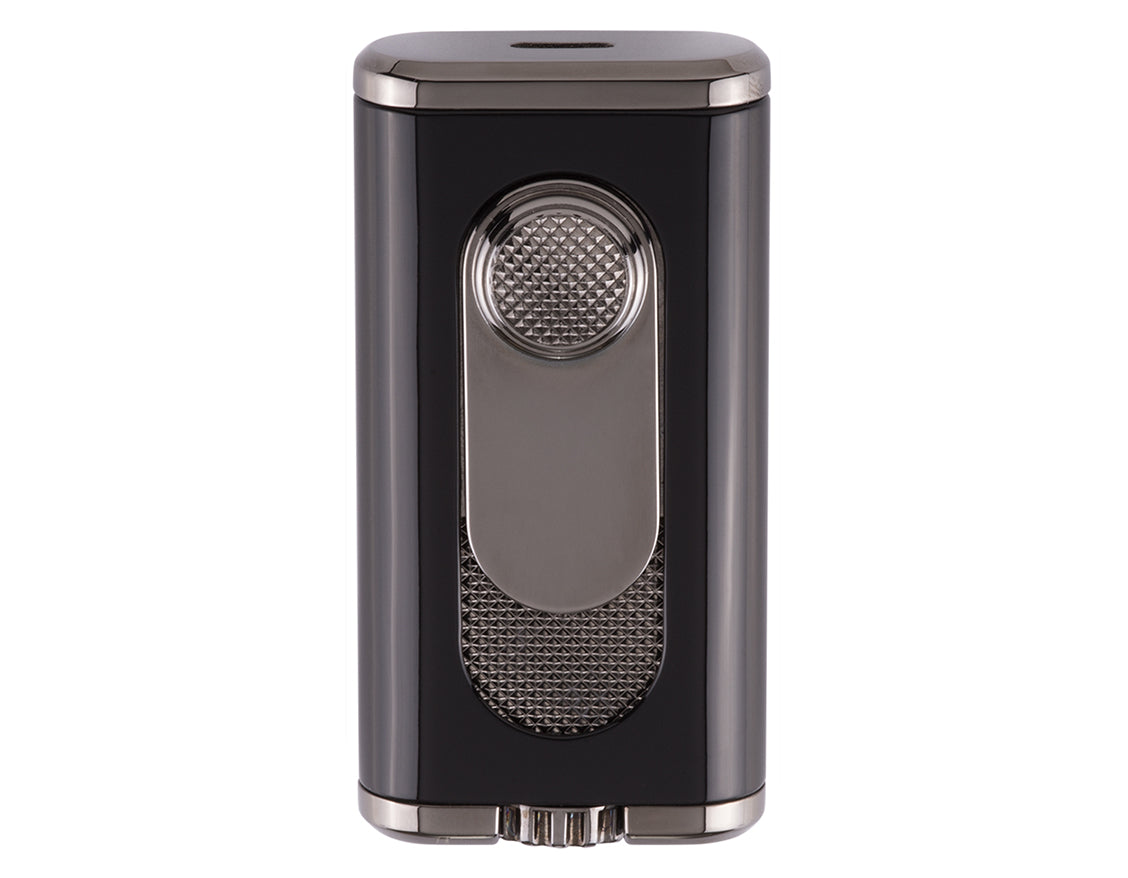
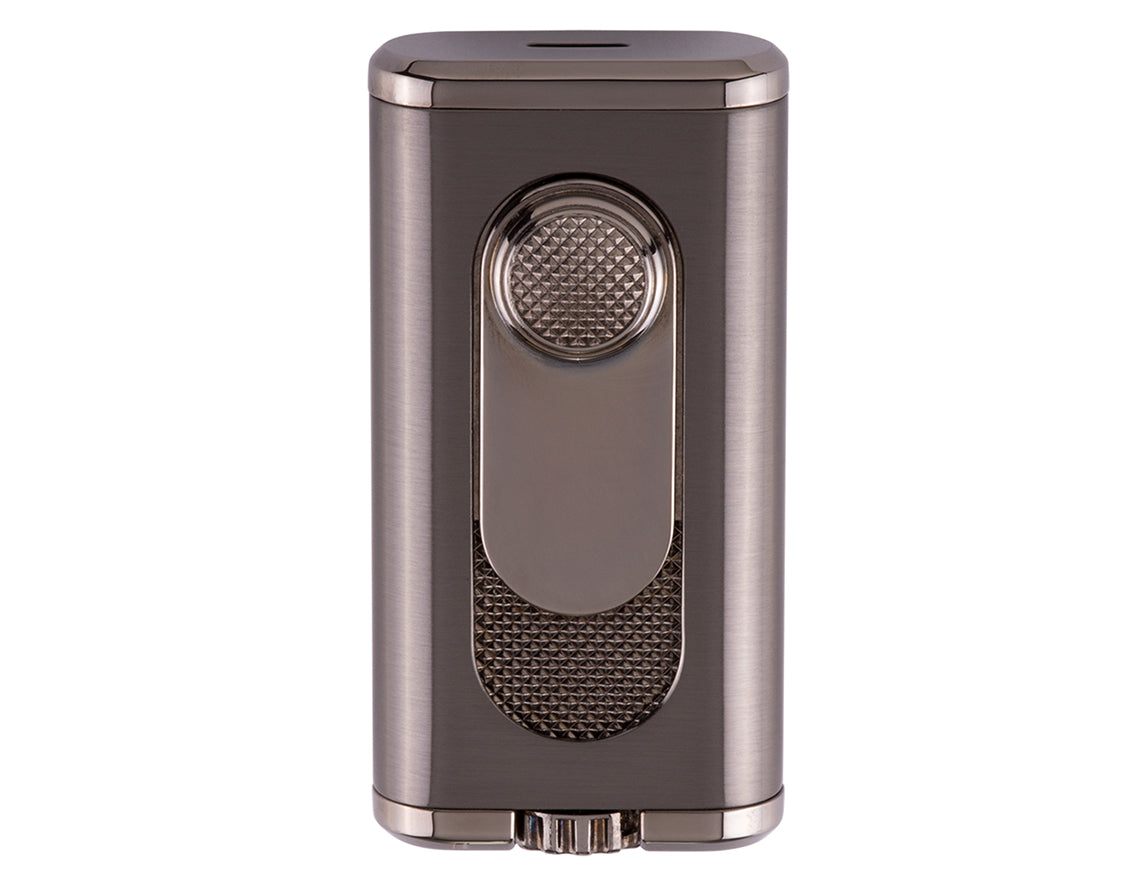
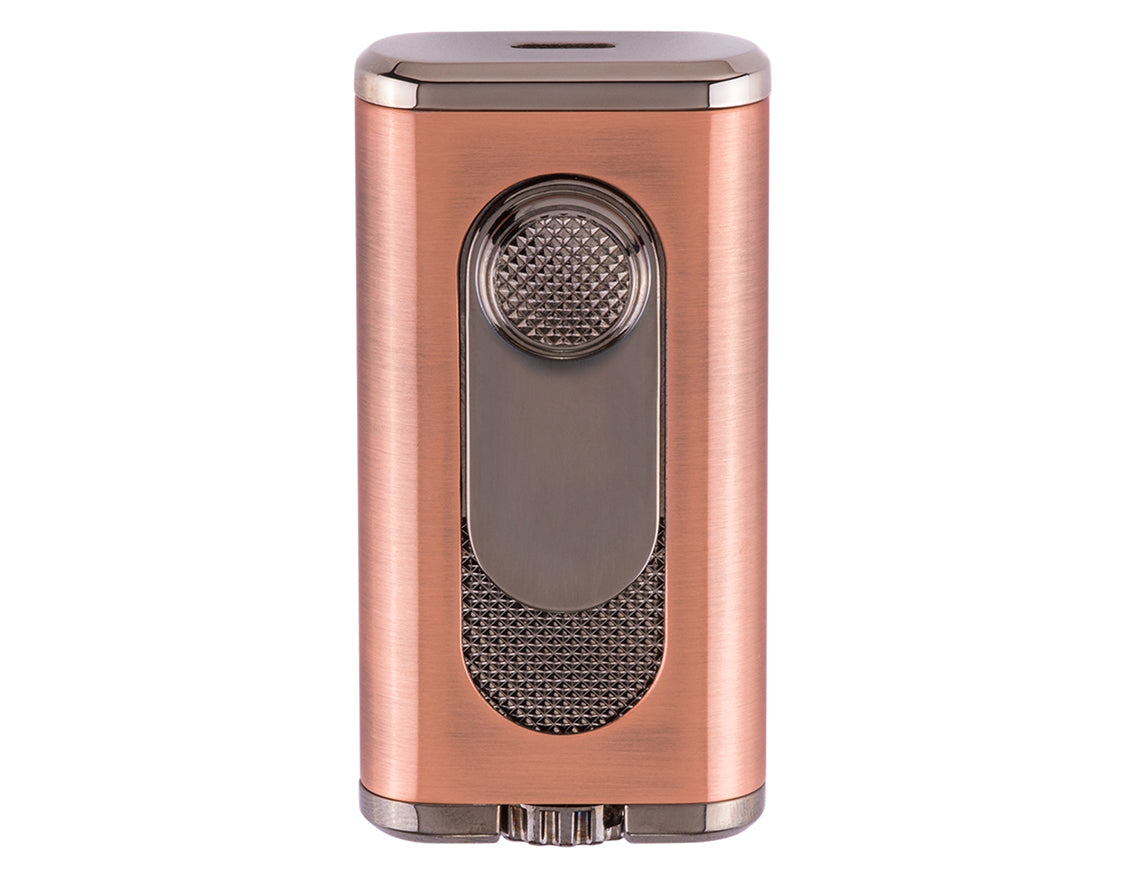
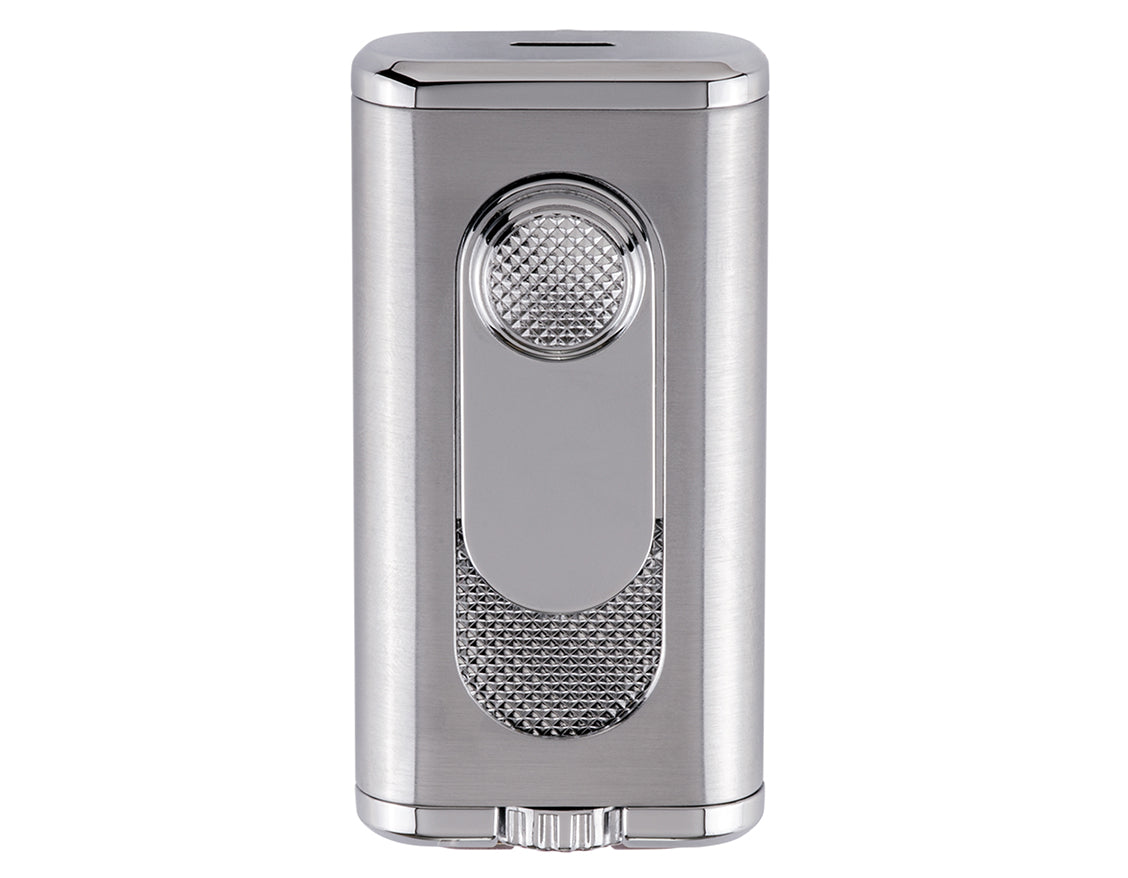
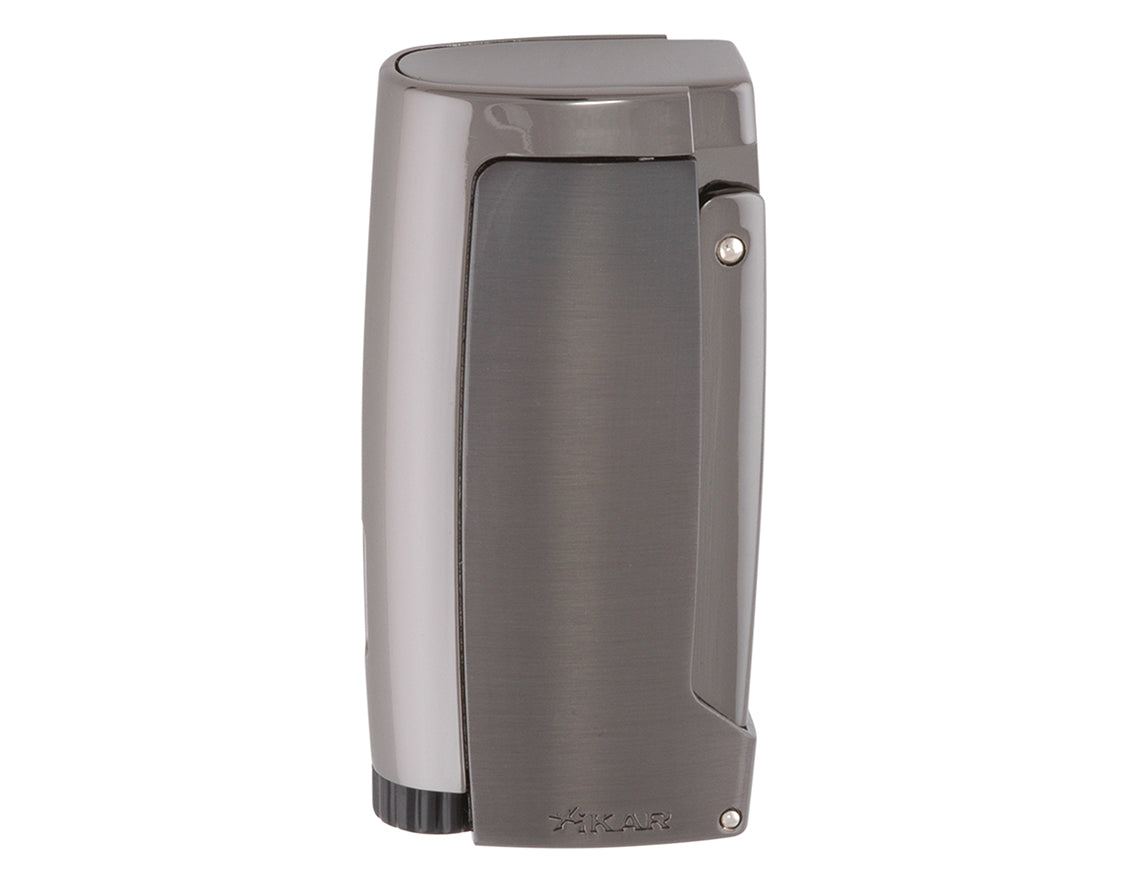
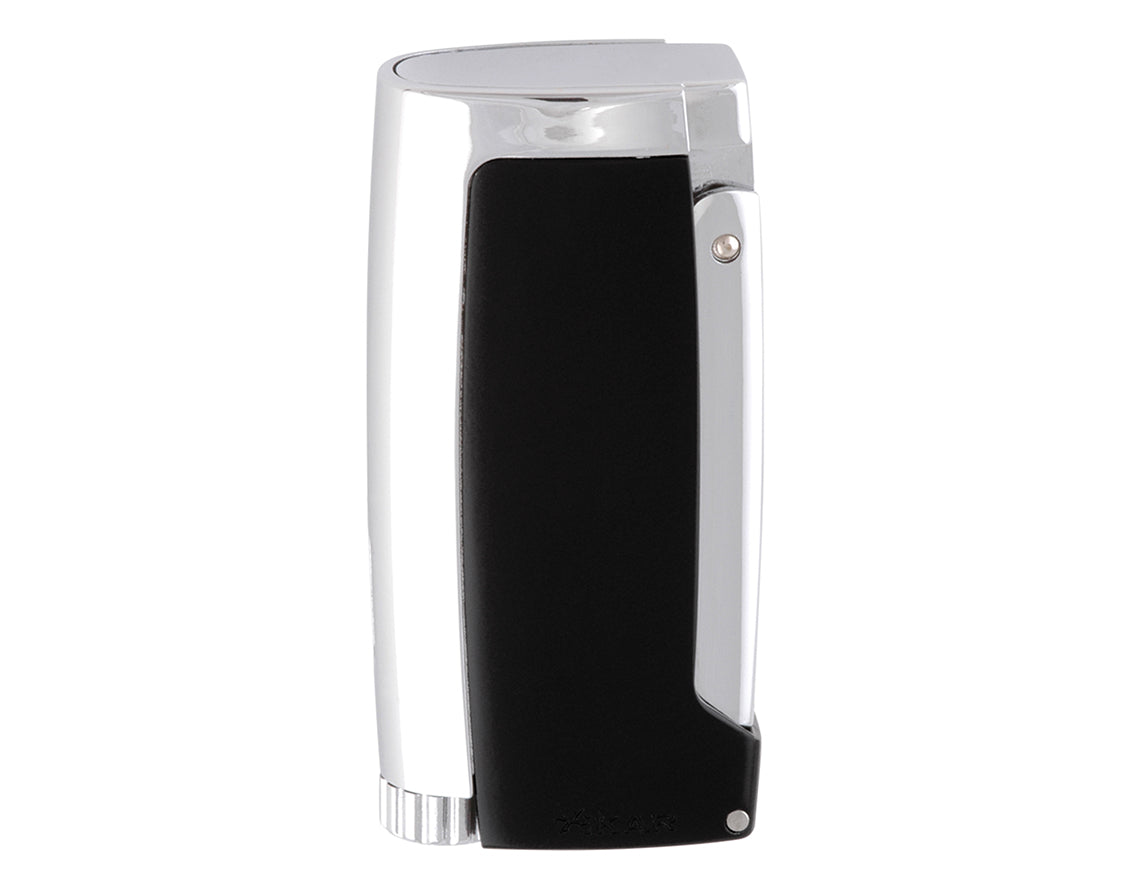
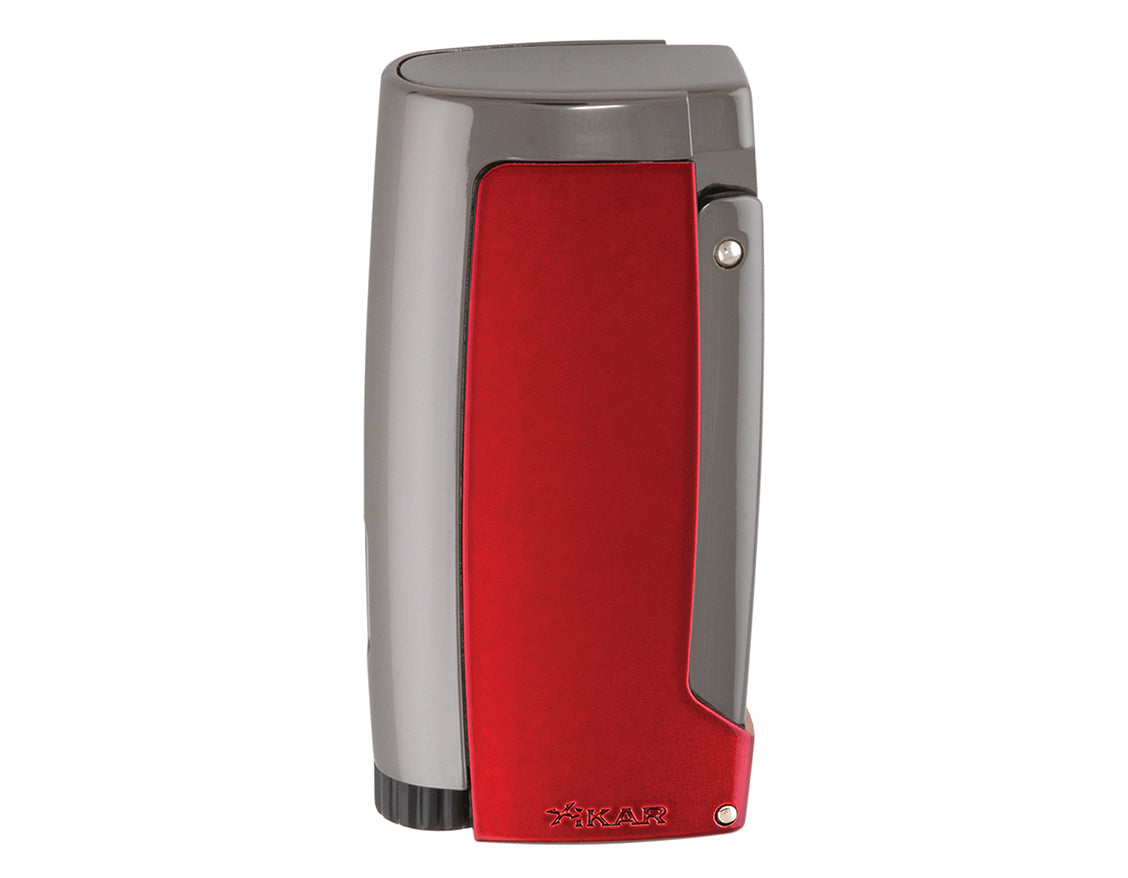
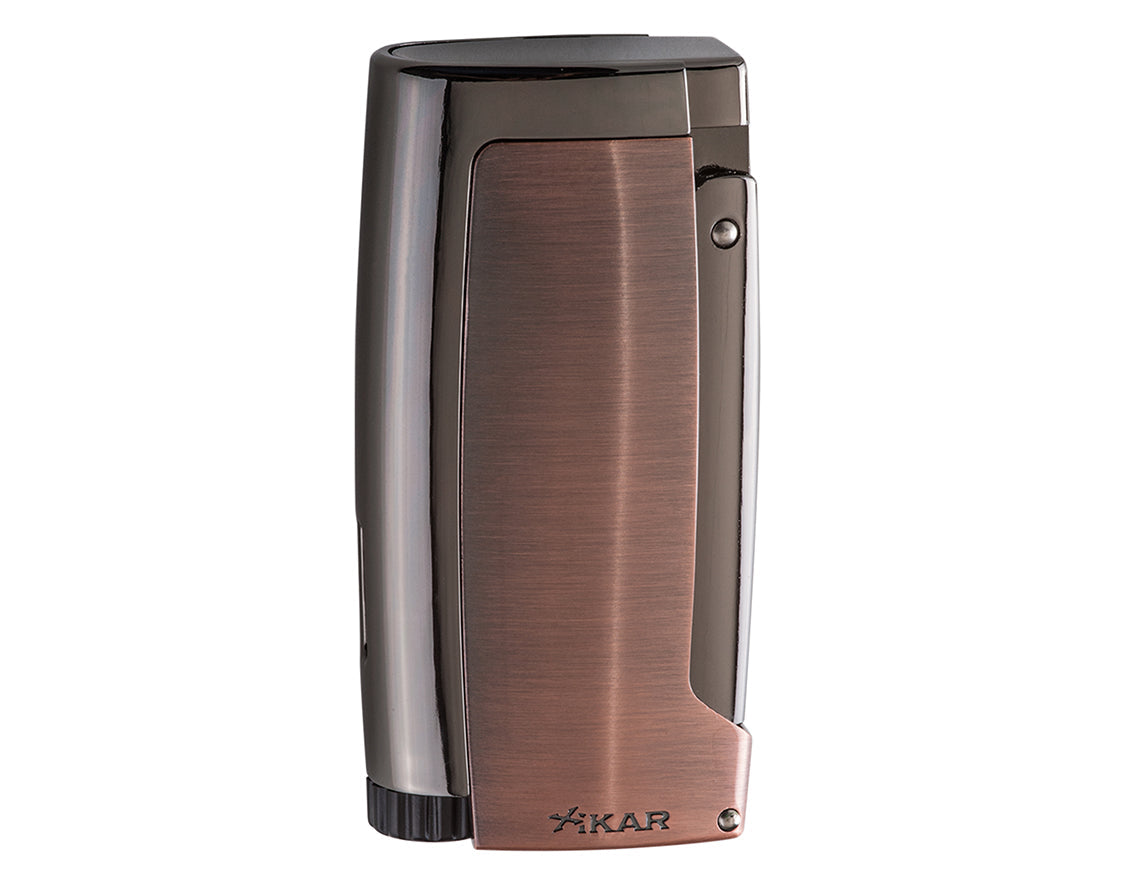
Butane is essential — petrol lighters and matches with sulphur tips leave chemical notes in the first inch of the cigar. A torch flame is fastest; a soft flame is gentler and many connoisseurs prefer it for the toasting step. We carry both:
- Soft flame — Xikar Forte Soft Flame
- Single jet (precise, slightly windproof) — Xikar Verano Flat Flame
- Triple jet (for outdoor use) — Xikar Pulsar Triple Jet

3. The smoke
Three points settle 90% of beginner mistakes:
- Don't inhale. Cigar smoke is meant for the mouth and nose, not the lungs. Draw, hold, and exhale.
- Pace yourself. A draw every 30–60 seconds is right. Smoking too fast overheats the cigar and turns the flavour bitter; smoking too slow lets it go out.
- Let the ash form. A long ash is a sign of a well-rolled cigar. Don't tap it constantly — let it fall when it's ready. About an inch of ash is the rule of thumb before gently rolling it off in the ashtray.

If it goes out
Relighting a cigar is fine — most cigars are relit at least once during a long smoke. Tap off the dead ash, toast the foot again, and continue. Avoid relighting a cigar more than a couple of hours after putting it down; the flavour deteriorates significantly.
Equipment recommendations
The basics: a sharp cutter, a butane lighter, an ashtray deep enough to rest a long cigar. None of these need to be expensive to be good. Browse our full accessories selection if you're building out a kit.

Share:
How to Choose Your First Premium Cigar
Cigars and Rum: A Caribbean Match