


If you read cigar reviews regularly, you will have seen the same words appear and reappear: Connecticut Shade, Habano, Corojo, Maduro, San Andrés. These are not brands. They are wrappers — the outermost leaf of a cigar — and they account for the majority of what you taste in the first third of a smoke. Knowing the difference between them tells you what to expect before you cut the cap.
Why the wrapper matters
The wrapper is one leaf, perhaps 5% of the tobacco in a cigar by weight. But because it is the only leaf in direct contact with the flame and your mouth, it contributes a disproportionate share of the flavour, particularly early on. Roll a poor wrapper around the best filler in the world and you have an average cigar. The wrapper is the soloist.

The major wrappers, by colour and character
Connecticut Shade
Grown under cheesecloth tents in the Connecticut River Valley (or in Ecuador, where the natural cloud cover does the same job). Pale, smooth, fine-veined. Flavours are mild — cream, hay, light cedar, a hint of nut. The dominant beginner-friendly wrapper for good reason. Most of our Aladino Connecticut line uses this style, as does the Davidoff Signature range.
Habano
Originally a Cuban seed cultivar, now grown across Nicaragua, Honduras and Ecuador. Light brown, slightly more robust than Connecticut. Brings cedar, pepper and a noticeable sweetness. The default 'New World medium' wrapper. Many Perdomo and Camacho blends use Habano wrappers.
Corojo
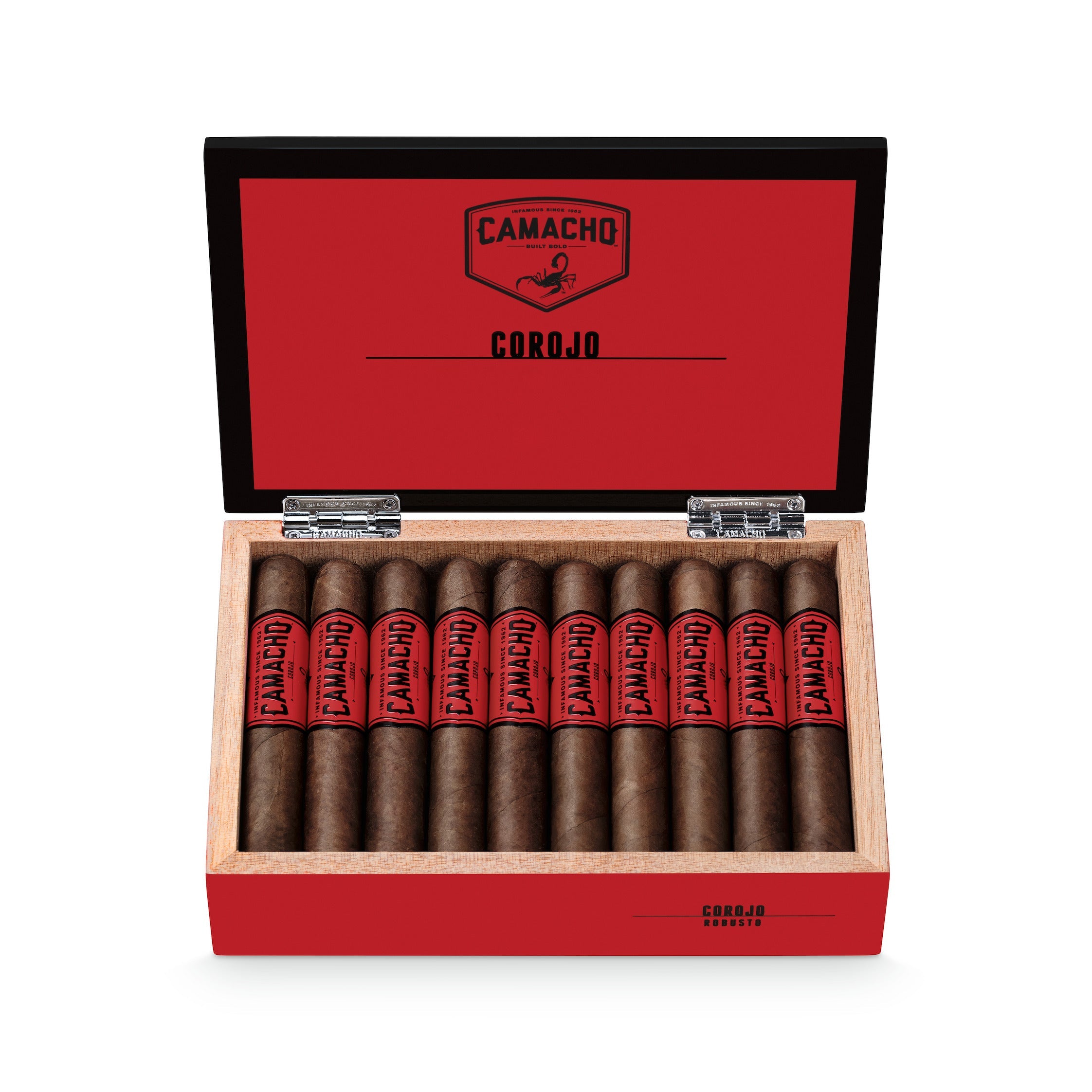
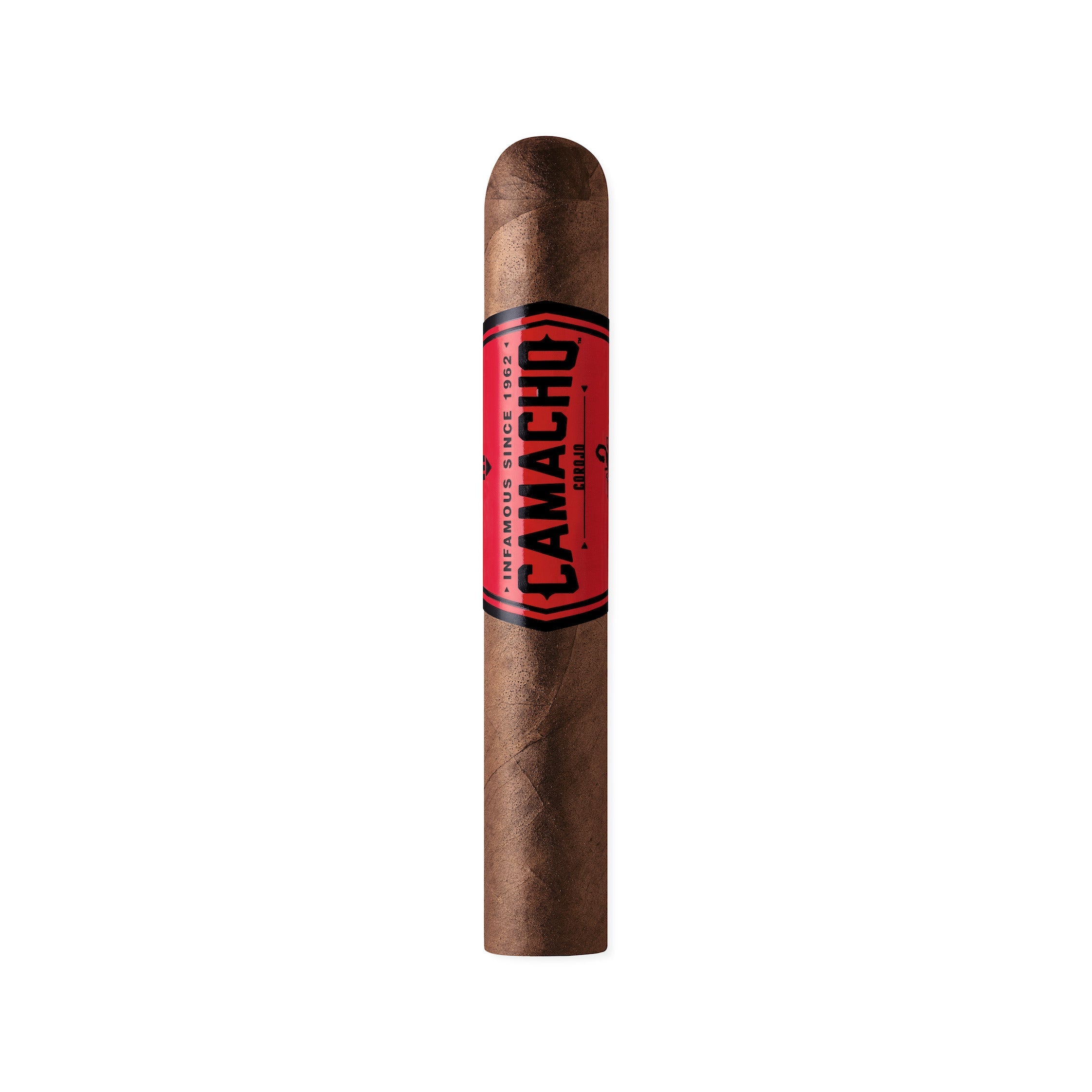
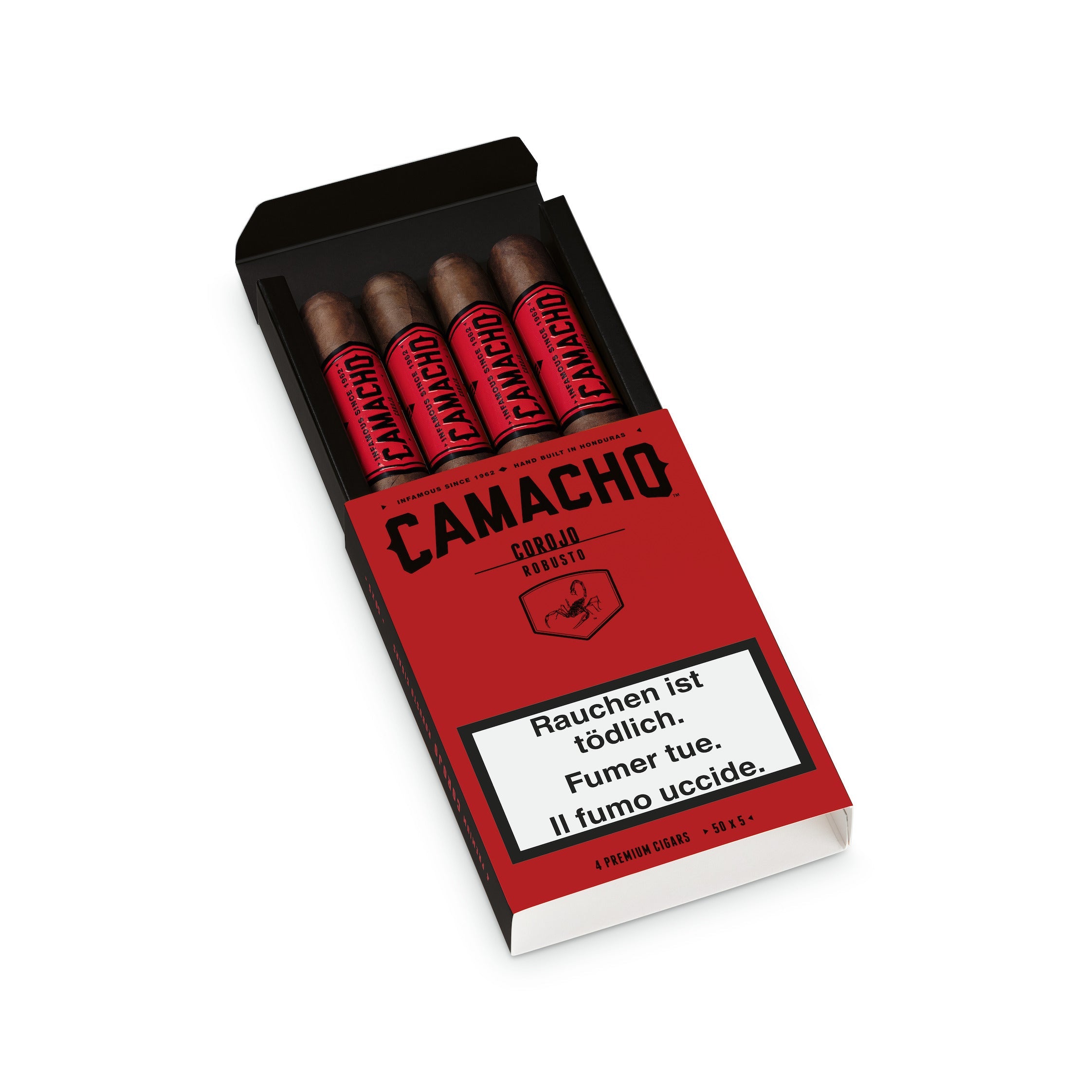
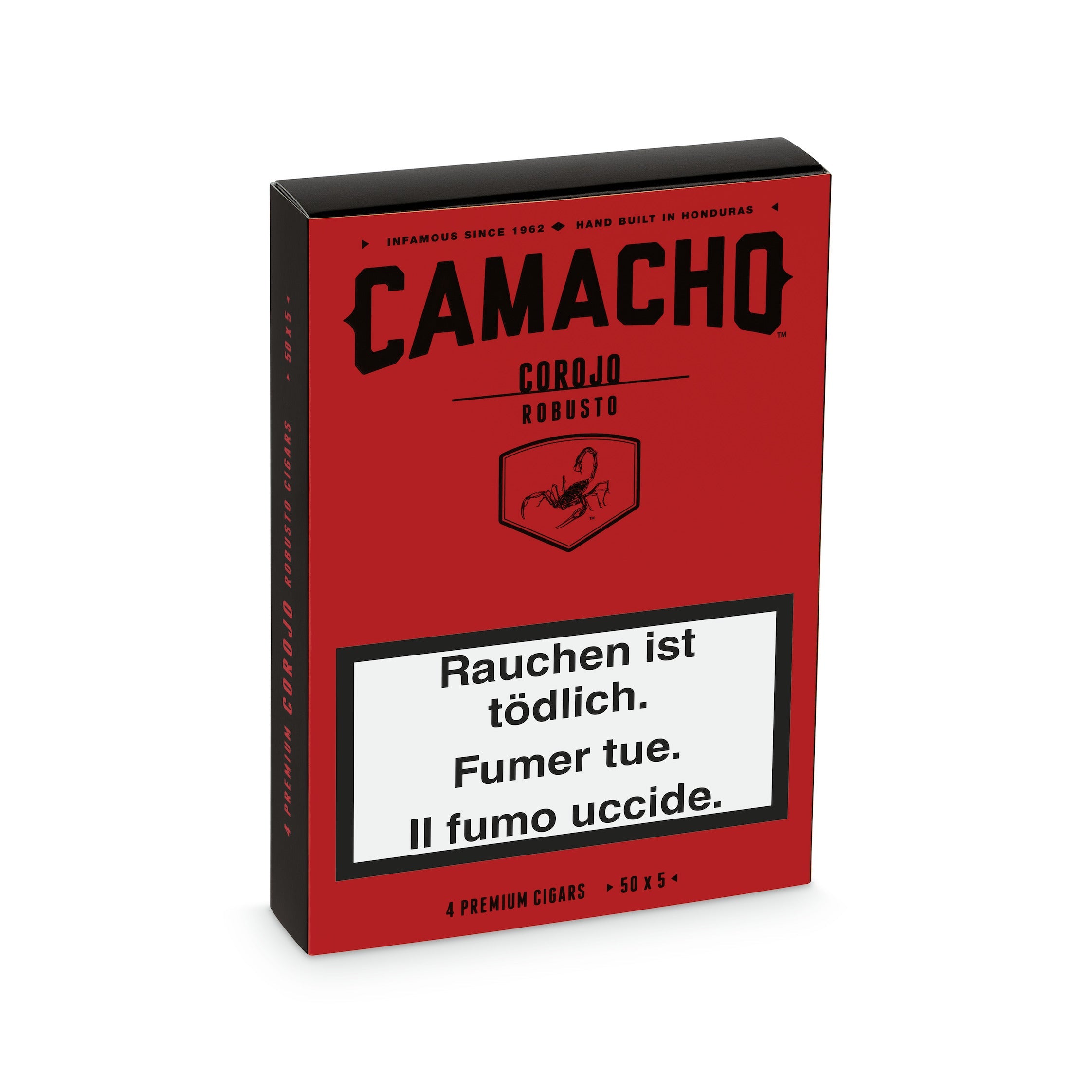
Cuban-origin seed grown primarily in Honduras. Reddish-brown, oily, robust. Naturally spicy — pepper, leather, baking spices, a long finish. The wrapper for smokers who want body without going Maduro. The Camacho Corojo Robusto is a textbook example.
Sumatra
Indonesian-origin seed, grown in Ecuador for most premium cigars today. Brown with a reddish tint. Sweet, woody, with a touch of dried fruit. Found on many medium-bodied Nicaraguans.
Maduro
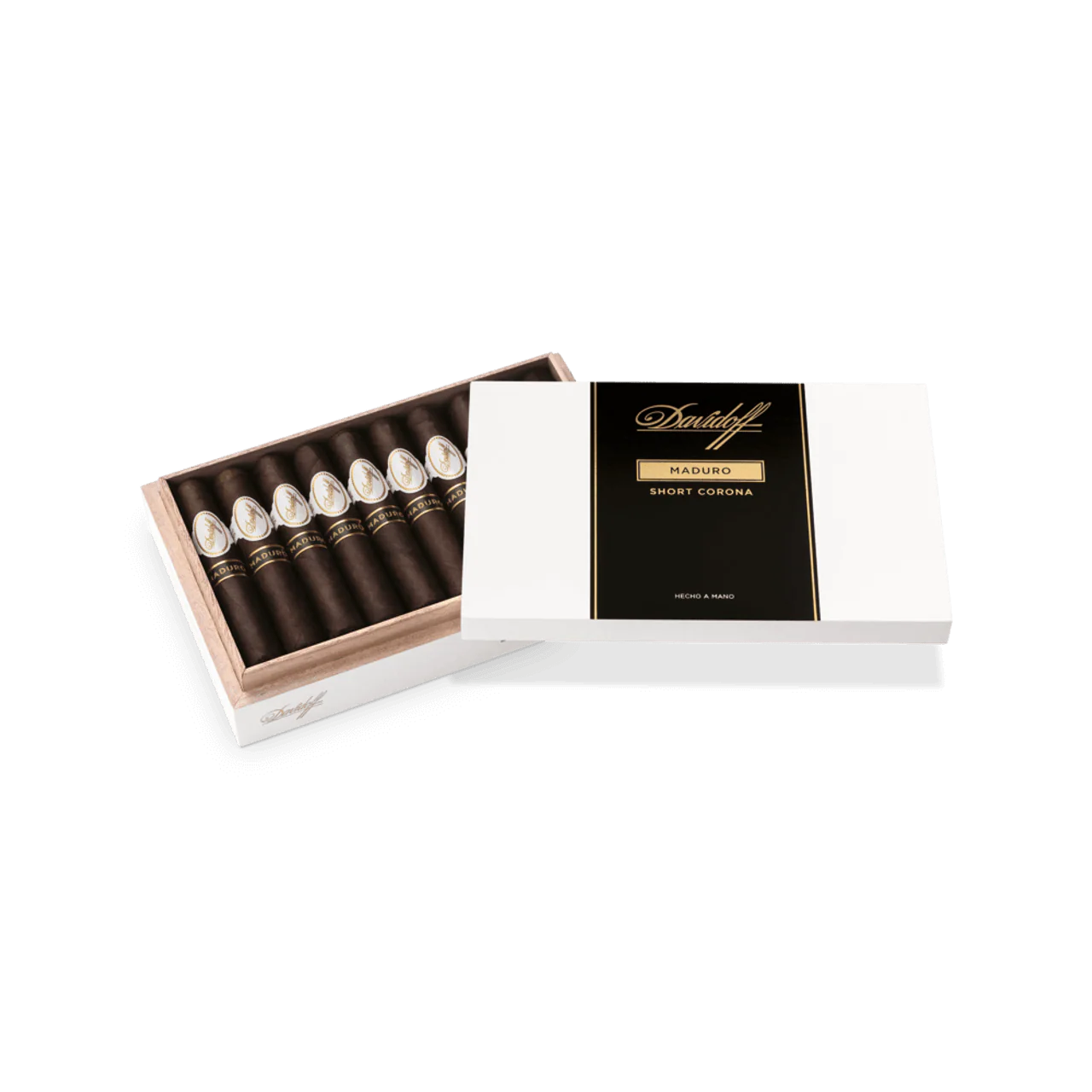
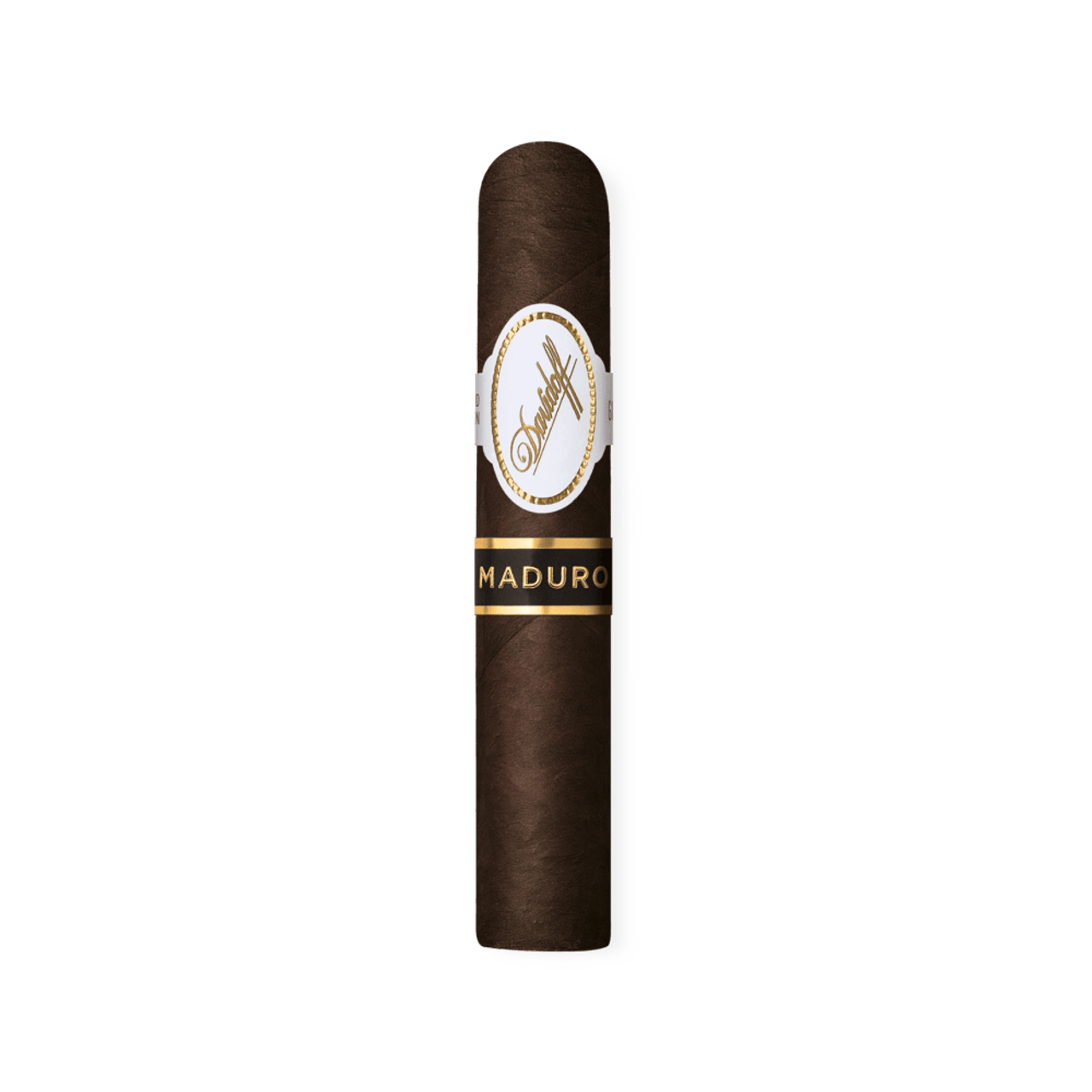
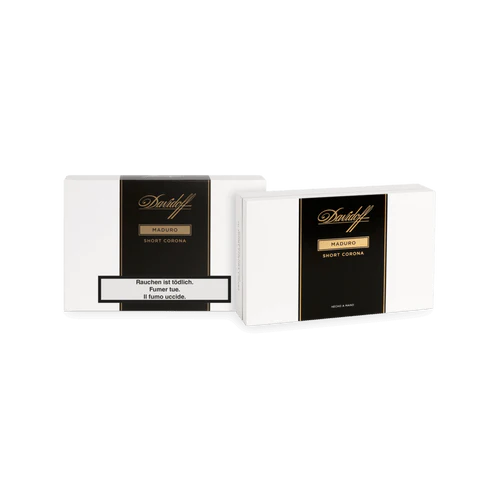
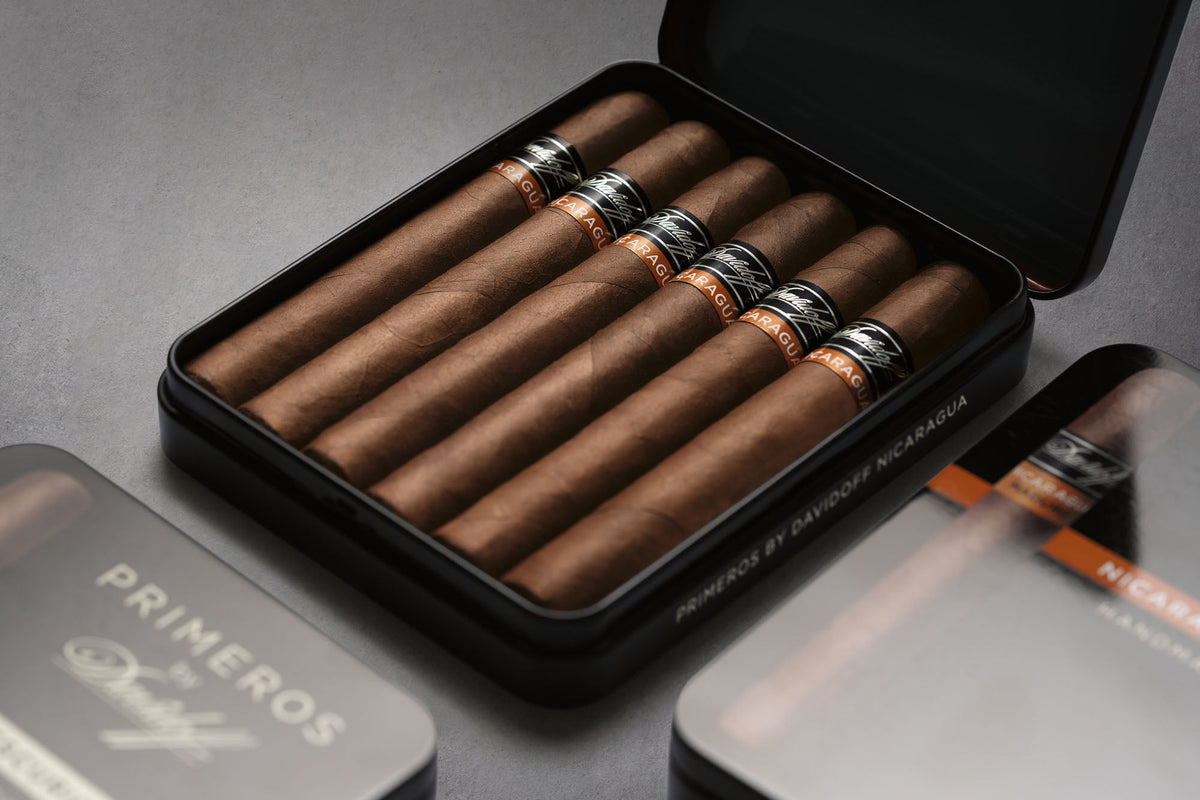
Not a seed but a process. A wrapper aged longer and fermented more aggressively to darken the leaf and develop its sugars. Maduros are dark brown to near-black, with notes of dark chocolate, coffee, dried fruit and earth. The misconception is that Maduro means strong — it doesn't. Maduros are sweet and rich, but not necessarily high in nicotine. See the Perdomo Maduro line or Davidoff Maduro Short Corona.
Oscuro and San Andrés
Oscuro is the darkest classification — essentially a Maduro taken further. San Andrés is a Mexican-grown leaf often used for Maduros and Oscuros; it has its own character of dark chocolate, leather and a slight tang. Increasingly common as the wrapper of choice for full-bodied Nicaraguans.

Reading a cigar before you smoke it
If you know the wrapper, you can predict the first third with some accuracy. Combined with the filler origin (Nicaraguan tends to be peppery, Dominican refined, Honduran earthy), you have a rough flavour map before you even light up. That doesn't replace smoking the cigar — but it makes you a better shopper.

Where to start if you are exploring
If you have read our guide to choosing your first premium cigar, you will already know to start with Connecticut. From there, the natural progression is: Connecticut → Habano → Corojo → Maduro. Each step adds body and complexity without skipping ahead. Many of the cigars referenced in our whisky pairing guide are grouped specifically by wrapper for this reason.
Browse our full selection at all cigars, or filter by brand from the New World and Cuban collections.
Share:
Best Cuban Cigars for Beginners: Where to Start with Habanos
Best Cigars to Give as a Gift: A Curated Selection