


To relight a cigar, gently blow through it to expel stale smoke, hold the flame just below the foot without touching it, and rotate the cigar while drawing slowly until the entire ring glows evenly. A cigar that has gone out is not a cigar spoiled — rested briefly and relit with care, it will smoke beautifully a second time.
- Resting is normal. Setting a cigar down for a few minutes between draws keeps it cool and the flavours composed.
- Purge before you relight. Blow gently outward through the cigar to clear bitter, stagnant smoke from the head.
- Toast, don't scorch. Hold the flame a centimetre below the foot and rotate; let the heat draw up rather than charring the leaf.
- Mind the clock. A relight within a couple of hours is seamless; the next morning a cold stub is best retired with grace.
- The right flame helps. A clean butane lighter relights far more evenly than a guttering match.
Why do cigars go out, and is that a problem?
A premium cigar is a slow, living thing. Unlike a cigarette, it is not designed to burn continuously — it relies on a gentle, regular draw to keep its ember alive. Pause in conversation, set it on the rest while you pour a drink, or simply savour the moment for a little too long, and the foot will quietly extinguish itself. This is entirely ordinary, and among experienced aficionados it is no cause for concern.
Hand-rolled Cuban and New World cigars are also rolled with a degree of moisture, ideally stored at a relative humidity of around 68–72%. A well-humidified cigar burns more slowly and is therefore more inclined to rest between puffs. Far from being a flaw, this measured pace is part of what distinguishes a fine cigar from a hurried smoke. The skill lies simply in knowing how to bring it back.
How long can you leave a cigar before relighting?
There is a meaningful difference between a brief rest and a long absence, and the result on the palate tells you which you have had.
- A few minutes: entirely seamless. The ember may still be warm, and a single draw or a brief touch of flame revives it instantly.
- Up to one or two hours: very good. The cigar will have cooled, but the tobacco oils remain fresh. Purge it, relight, and you will scarcely notice the interruption.
- The same evening, several hours on: still enjoyable, though the final third may carry a touch more of that characteristic "second-light" depth — a heavier, earthier note some smokers actively prefer.
- The next day: best left. A cold stub that has sat overnight absorbs stale, ashy compounds; relighting it tends to disappoint. There is no shame in retiring it and beginning afresh.
The guiding principle is simple: the sooner you return, the truer the flavour. If you know you will be stepping away for a while, there is no harm in letting the cigar go out deliberately rather than leaving it to smoulder and overheat.

How do you rest a cigar without ruining it?
Resting well is the quiet art that makes relighting easy. The single most common cause of a harsh, bitter cigar is not relighting at all — it is smoking too quickly and letting the cigar grow hot.
Draw slowly and let it breathe
Aim for a draw roughly once a minute. Drawing more often builds heat at the foot, scorches the wrapper oils and pushes acrid smoke up through the body. Spacing your puffs keeps the ember cool, the smoke cool, and the flavours articulate.
Rest it on its side, never balanced on the head
Lay the cigar across an ashtray rest so air can reach the foot. Resist tapping it like a cigarette; the ash forms a natural insulating cap that regulates the burn. Let it fall away of its own accord — a long, pale, intact ash is the mark of a cigar smoked with patience.
Keep it cool, keep it clean
If you find the cigar overheating — the smoke turning sharp and hot on the tongue — set it down for a full minute and let it recover before your next draw. A cigar that is allowed to cool between puffs almost never needs rescuing in the first place. For the deeper mechanics of an even burn, our guide to common cigar problems such as tunnelling and canoeing is a worthwhile companion read.

How do you relight a cigar properly?
Done with a little ceremony, relighting takes under a minute and restores the cigar almost completely. The sequence matters.
Step one: purge the stale smoke
This is the step most people miss. When a cigar sits, smoke condenses inside the body and turns bitter. Before you reach for a flame, blow gently outward through the cigar — a soft, steady exhale through the foot — to expel that stagnant air. You will see a small wisp of stale smoke leave the foot. This alone transforms the quality of the relight.
Step two: clear the dead ash
Tap or gently blow away any loose, blackened ash clinging to the foot. You want to present clean, exposed tobacco to the flame so the heat reaches the leaf directly rather than smouldering through spent ash.
Step three: toast the foot
Hold the cigar at roughly forty-five degrees and bring the flame to just below the foot, about a centimetre away, without letting it touch the tobacco. Rotate the cigar slowly so the heat licks evenly around the rim. Patience here prevents the scorched, uneven char that ruins the first inch.
Step four: draw it to life
Once the edge begins to glow, place the cigar to your lips and draw gently while keeping the flame near — but not on — the foot, still rotating. Take a few unhurried puffs until the entire ring gauge is glowing uniformly. Then set it down, let it settle for thirty seconds, and resume as before.

Does the lighter you use make a difference?
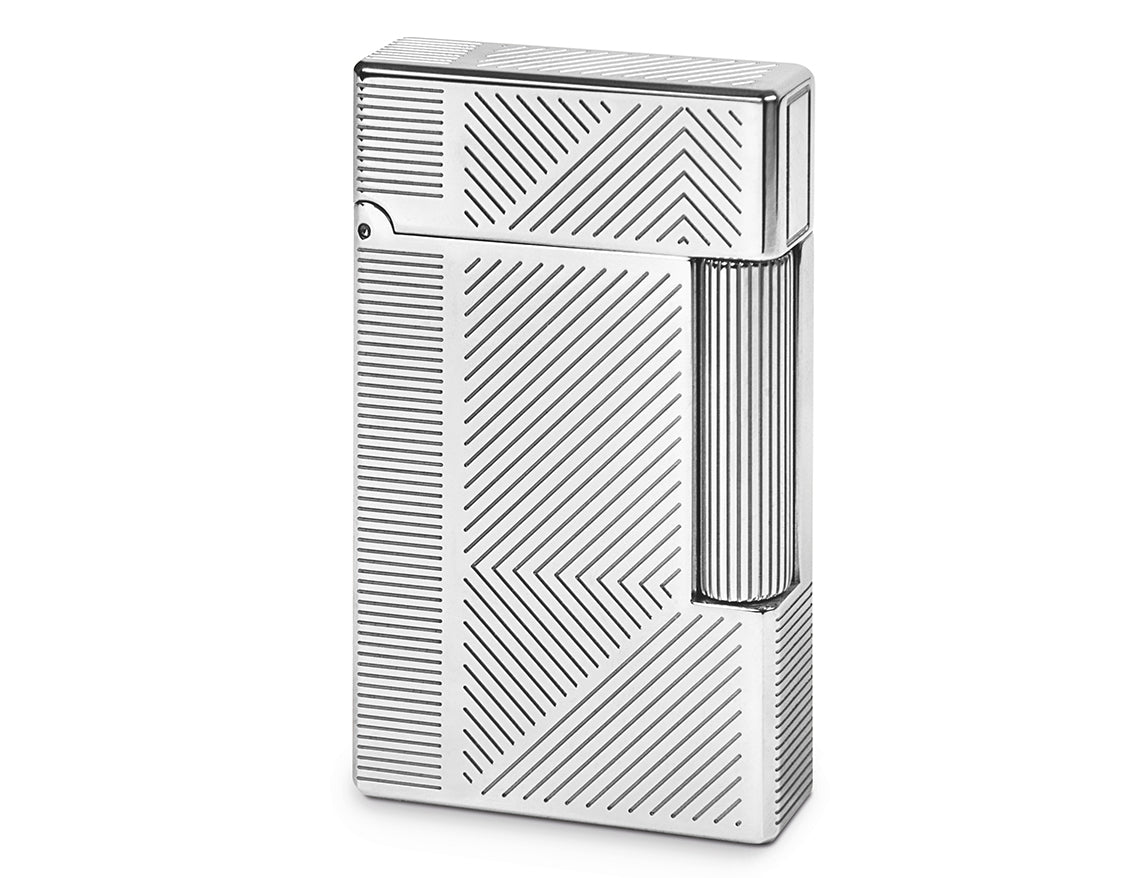
Considerably. An even relight depends on an even, clean flame. Paper matches and sulphur-tipped wooden matches can impart off-notes, and a windblown soft flame relights one side while leaving the other cold. A quality butane lighter — single, double or triple jet — delivers a clean, odourless flame that toasts the foot uniformly in seconds, which is precisely what a relight demands.
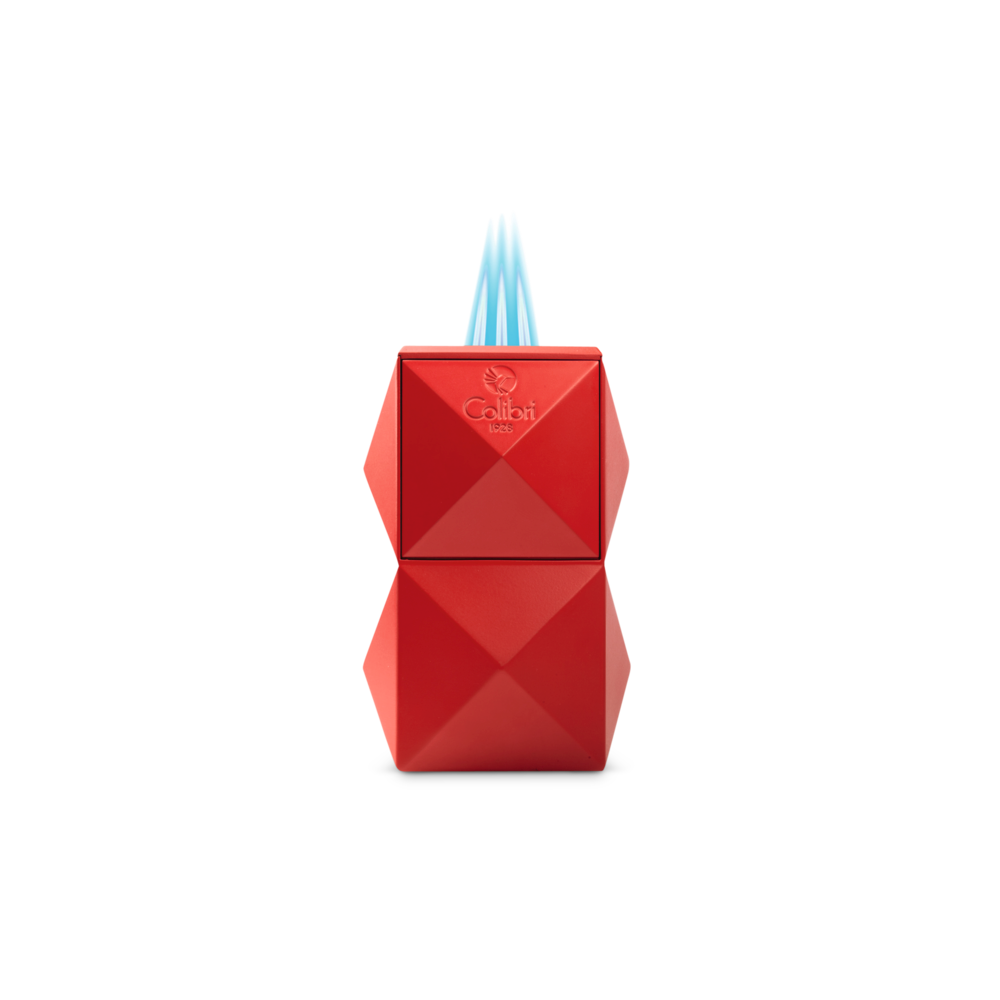
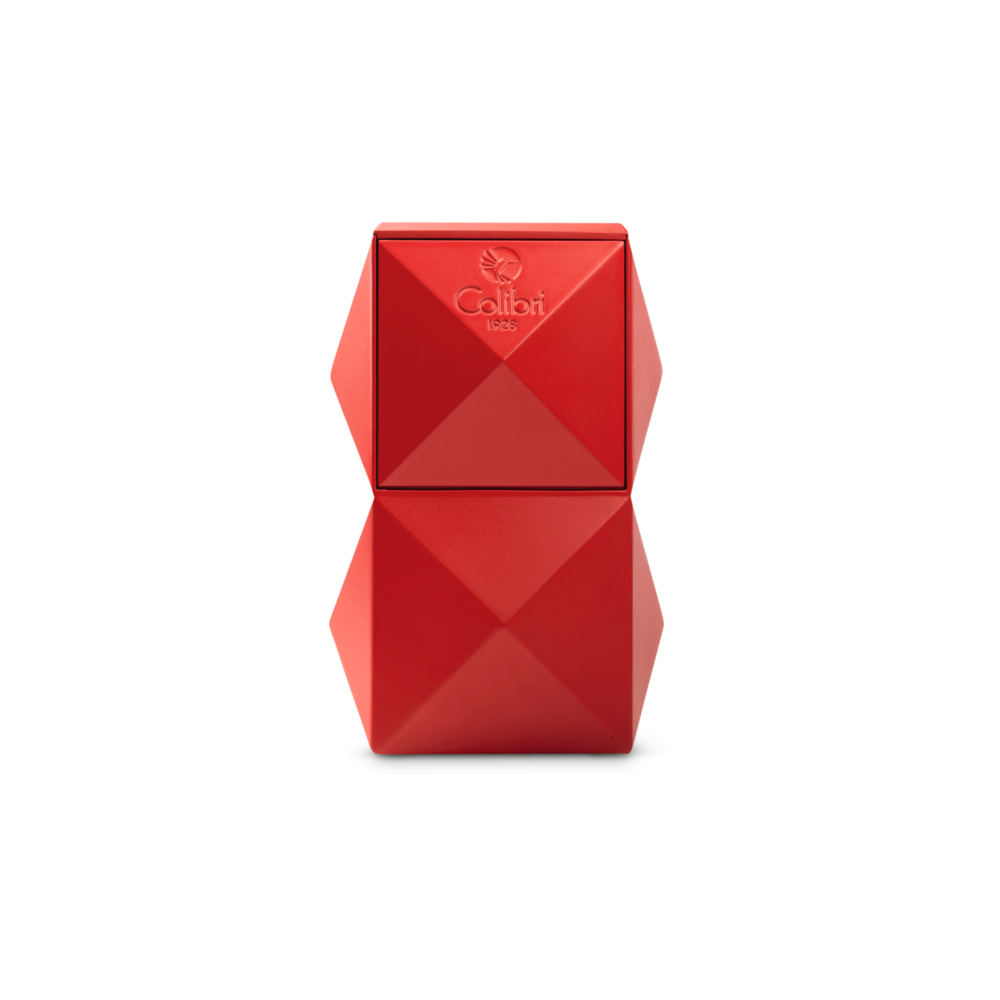
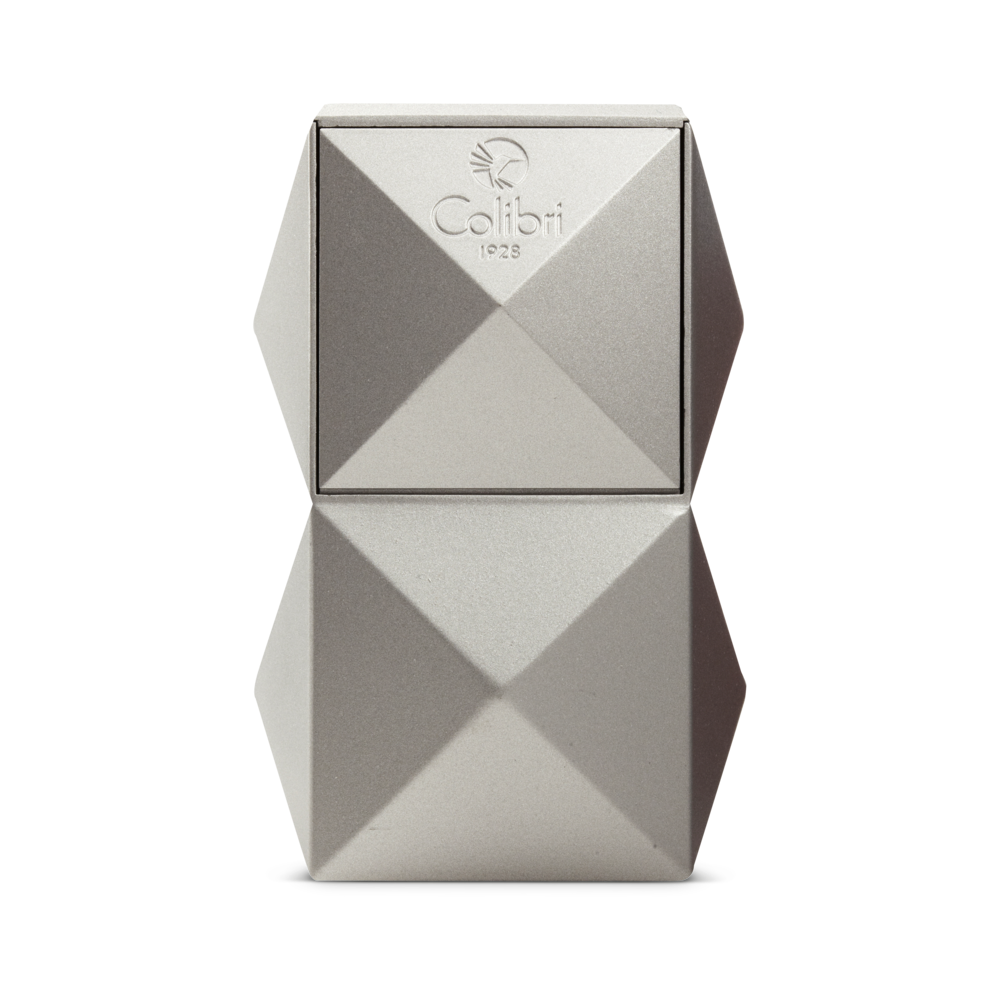
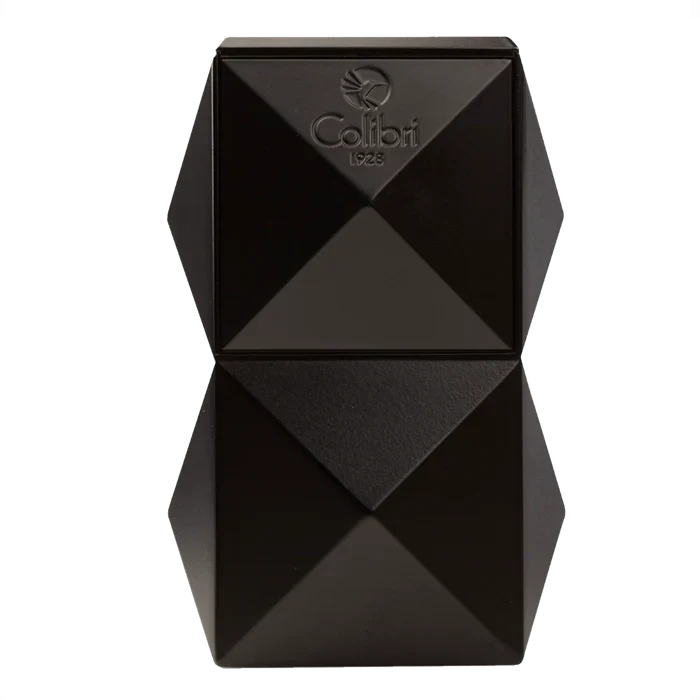
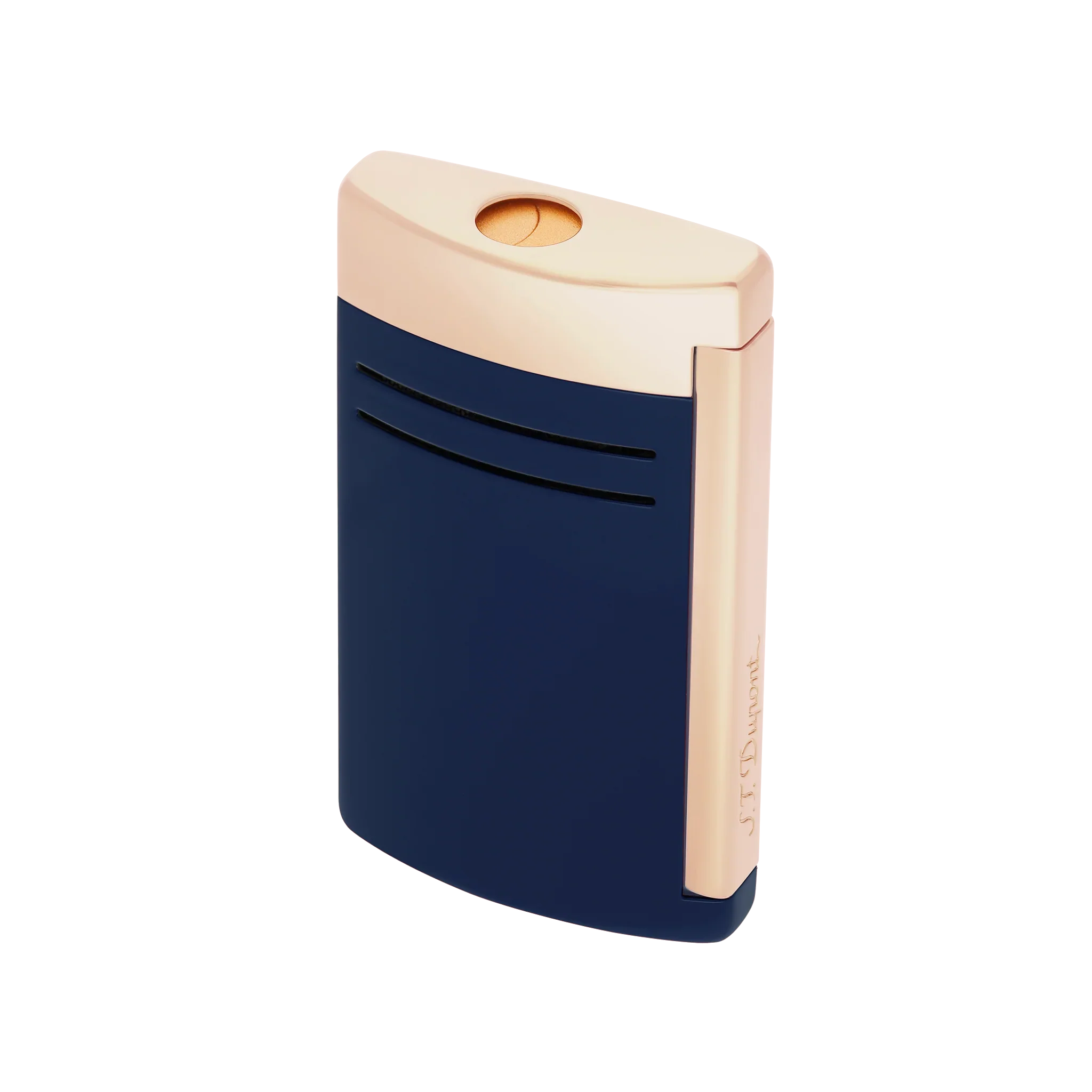
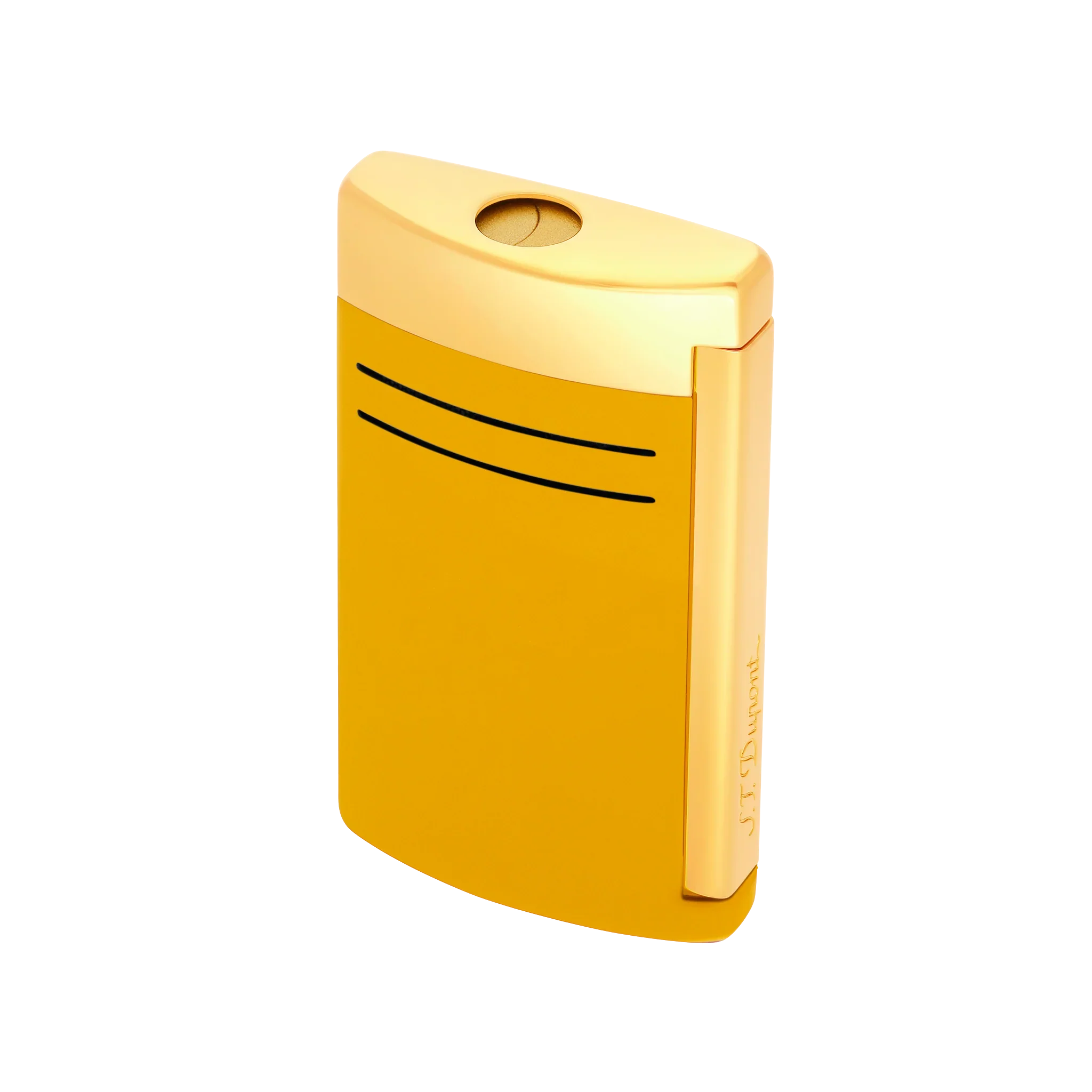
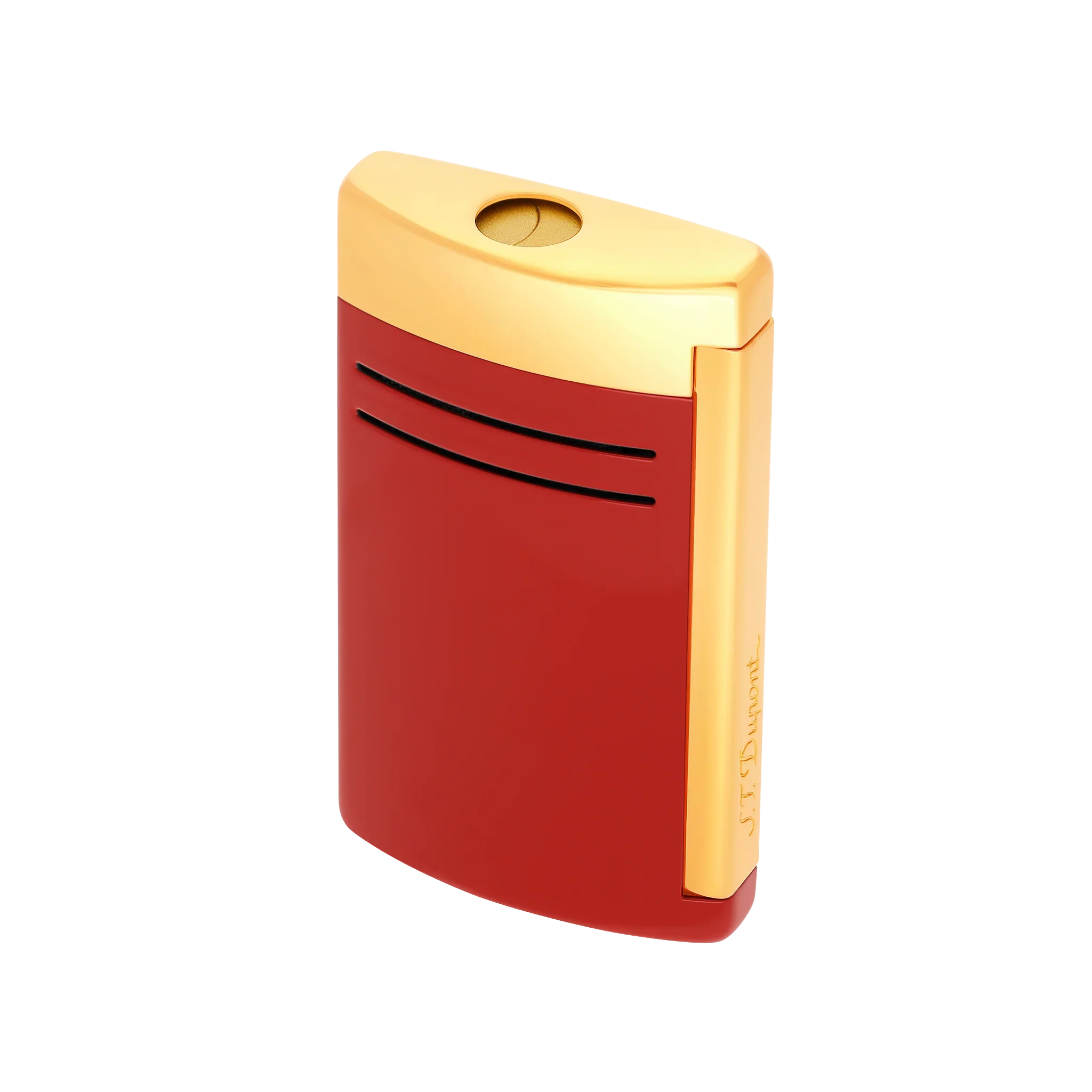
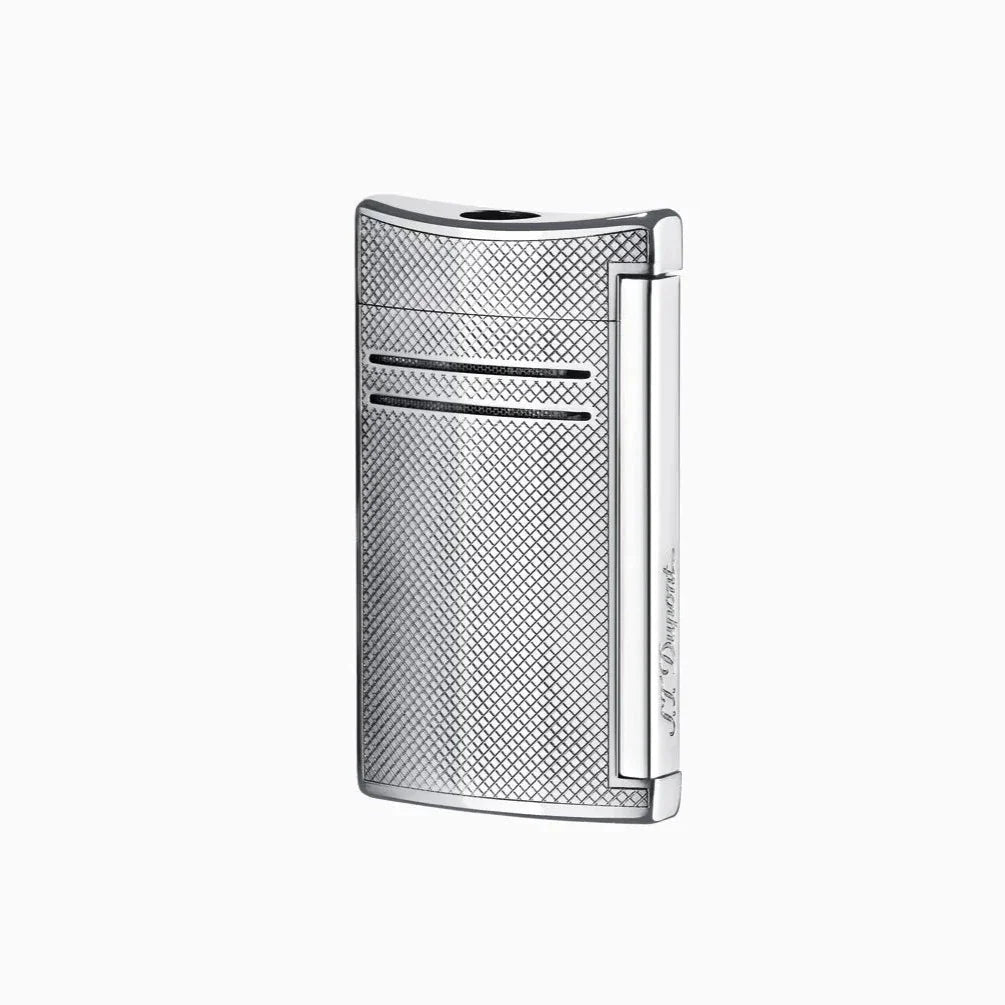
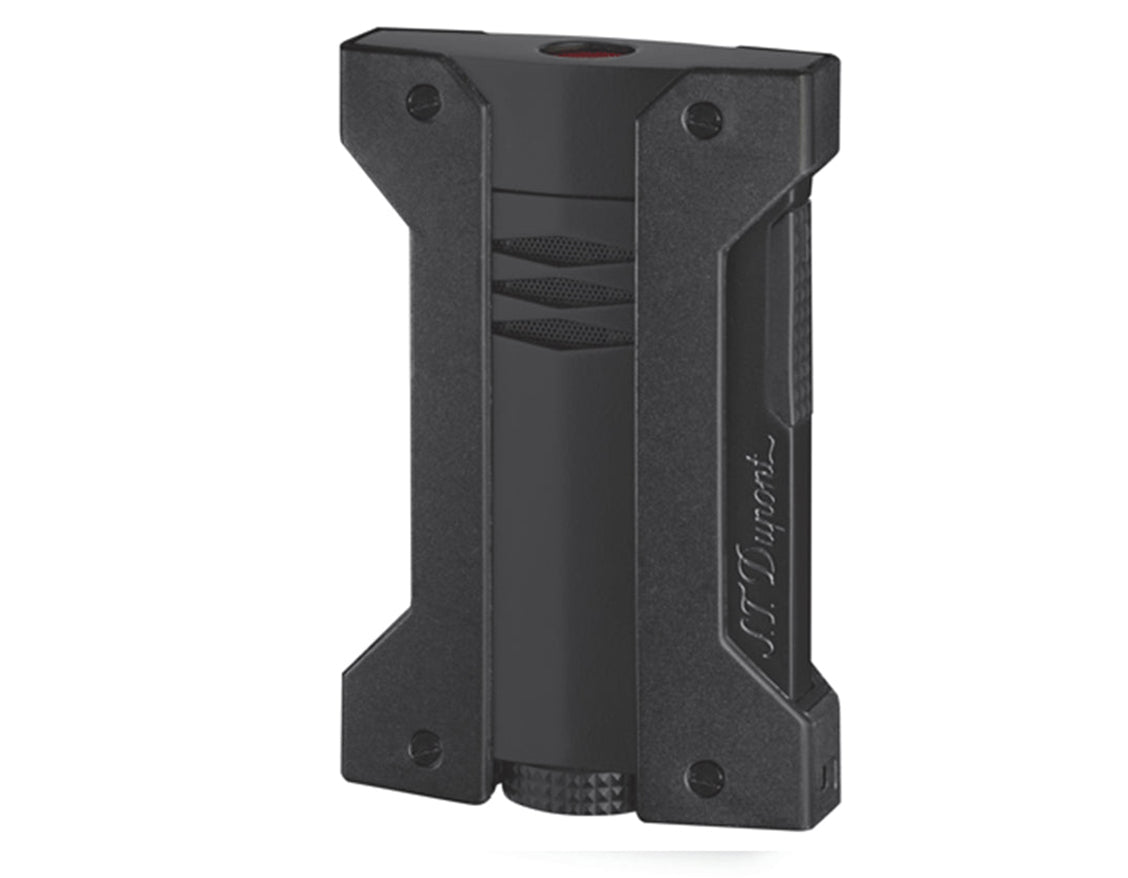
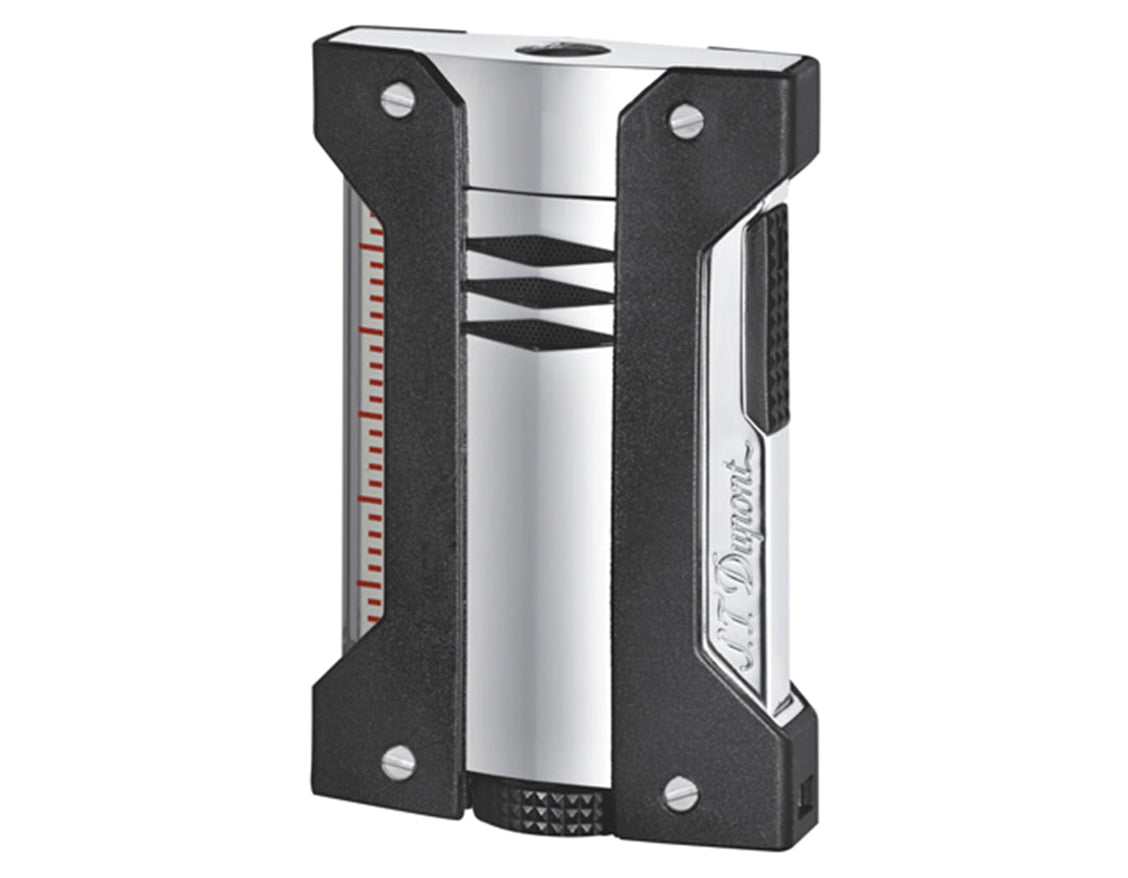
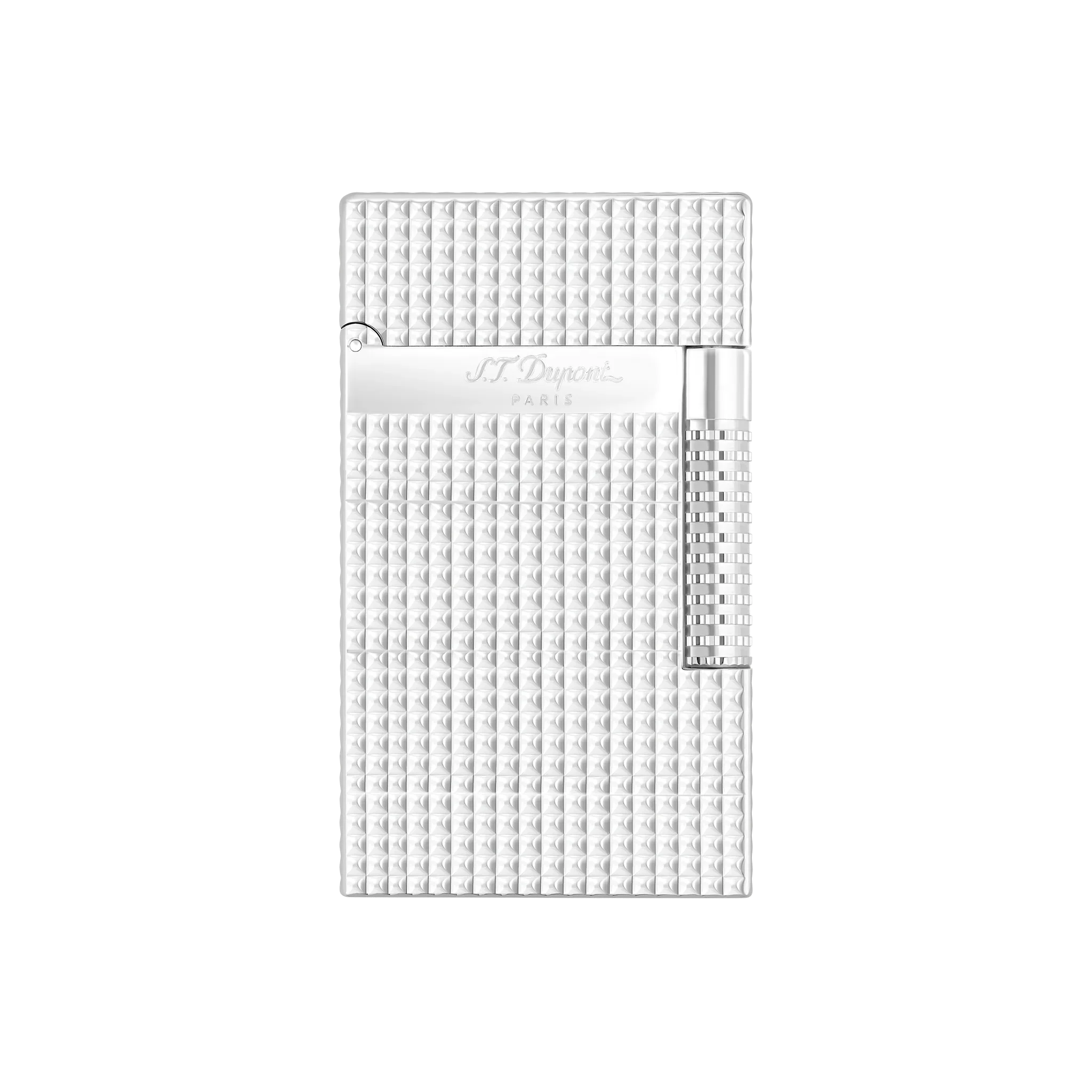
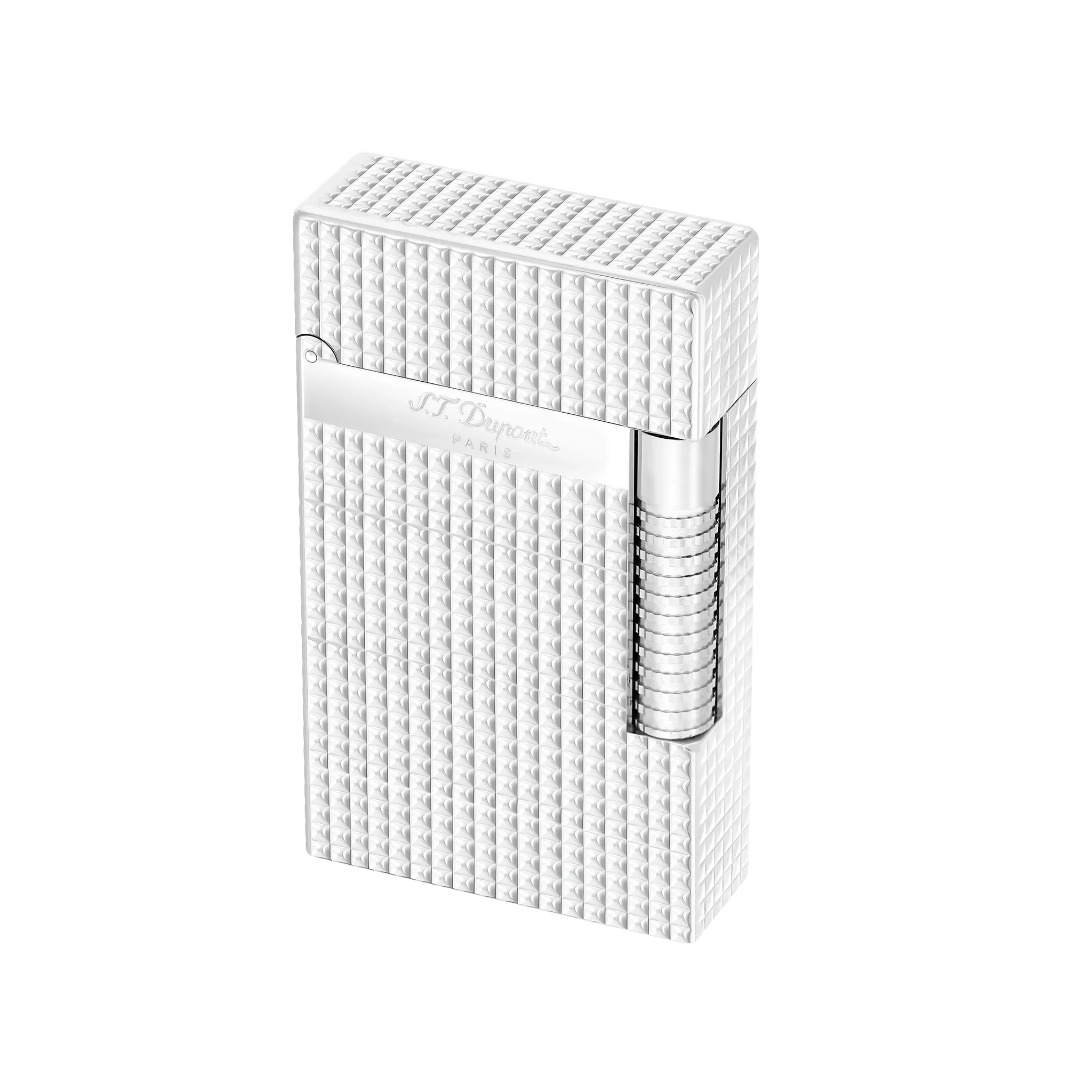
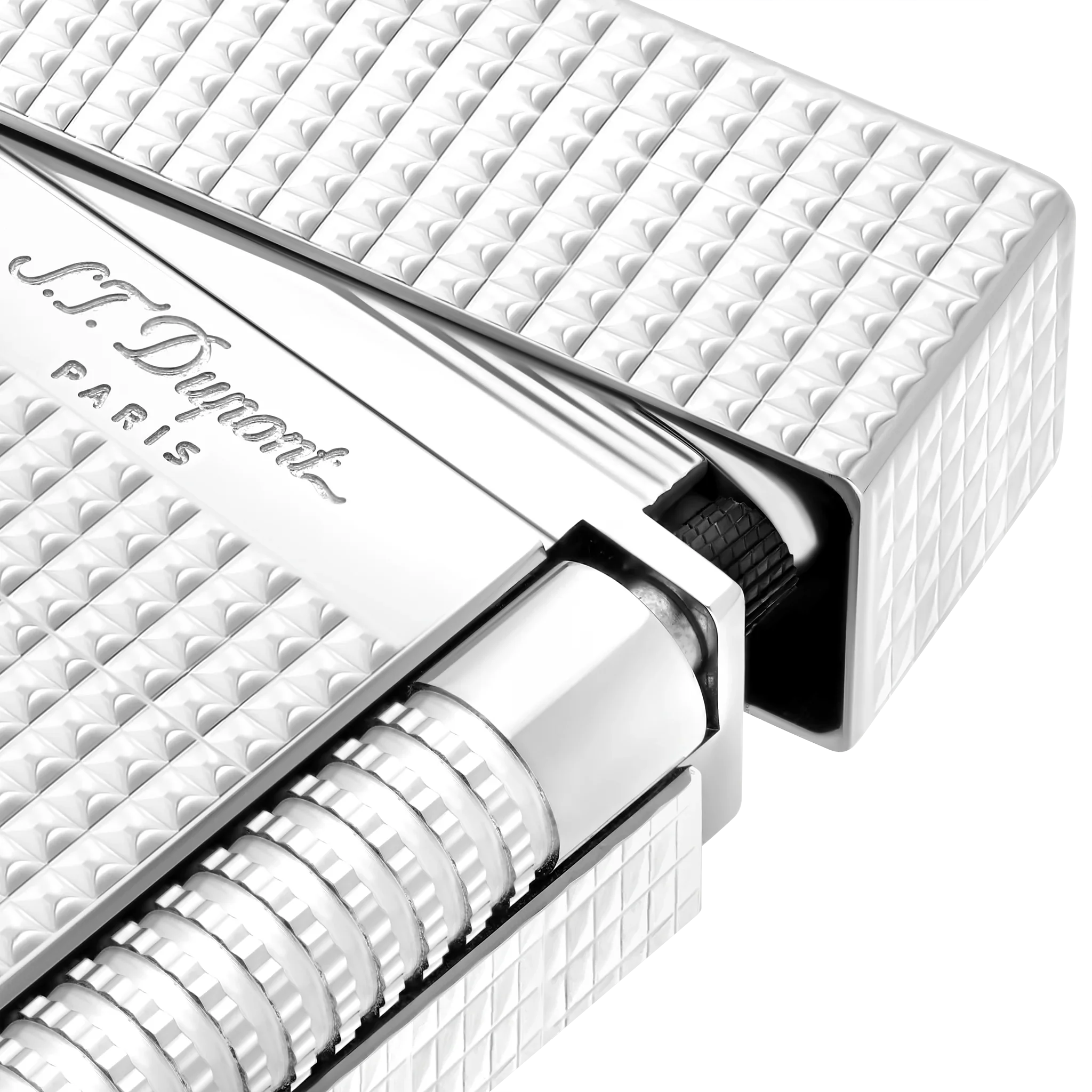
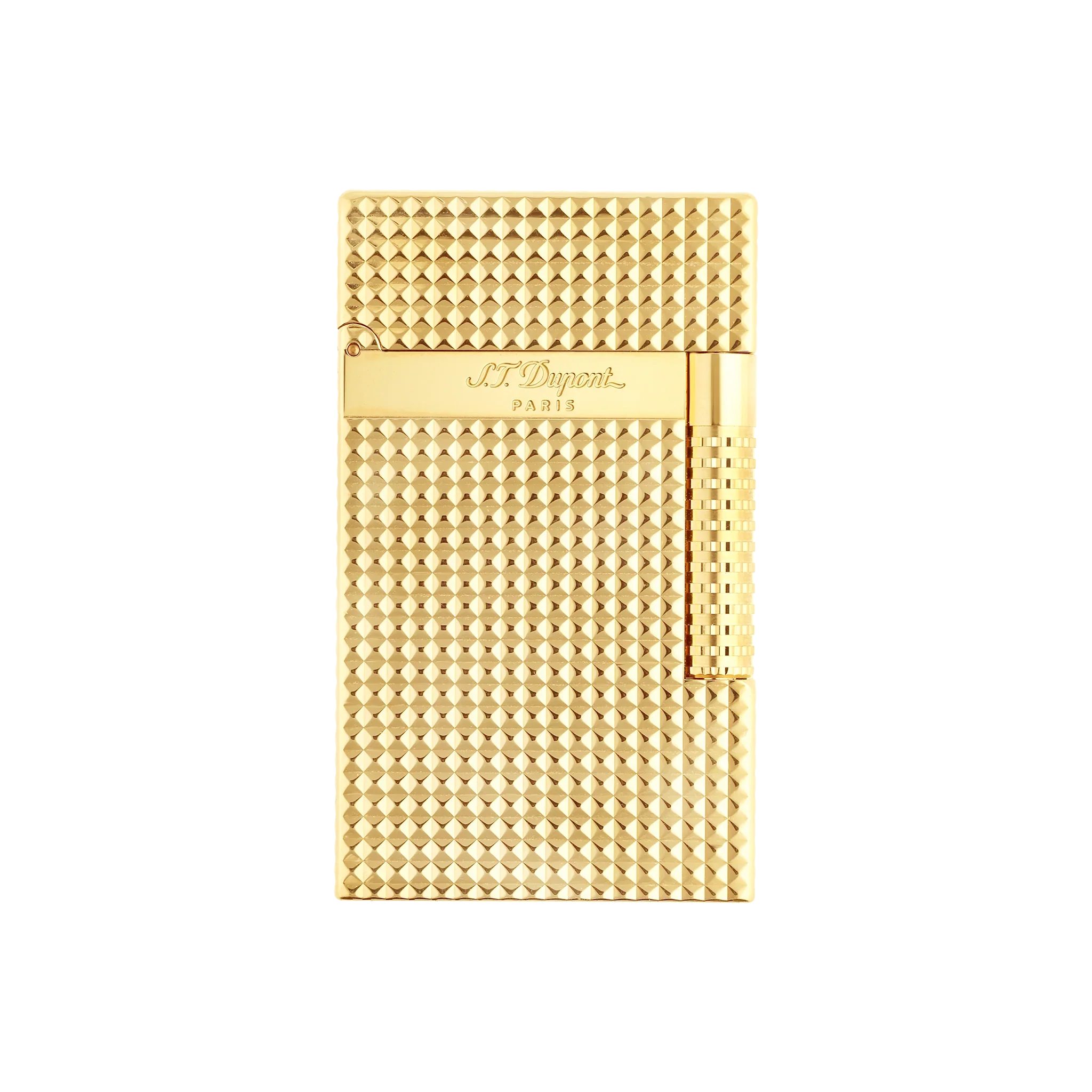
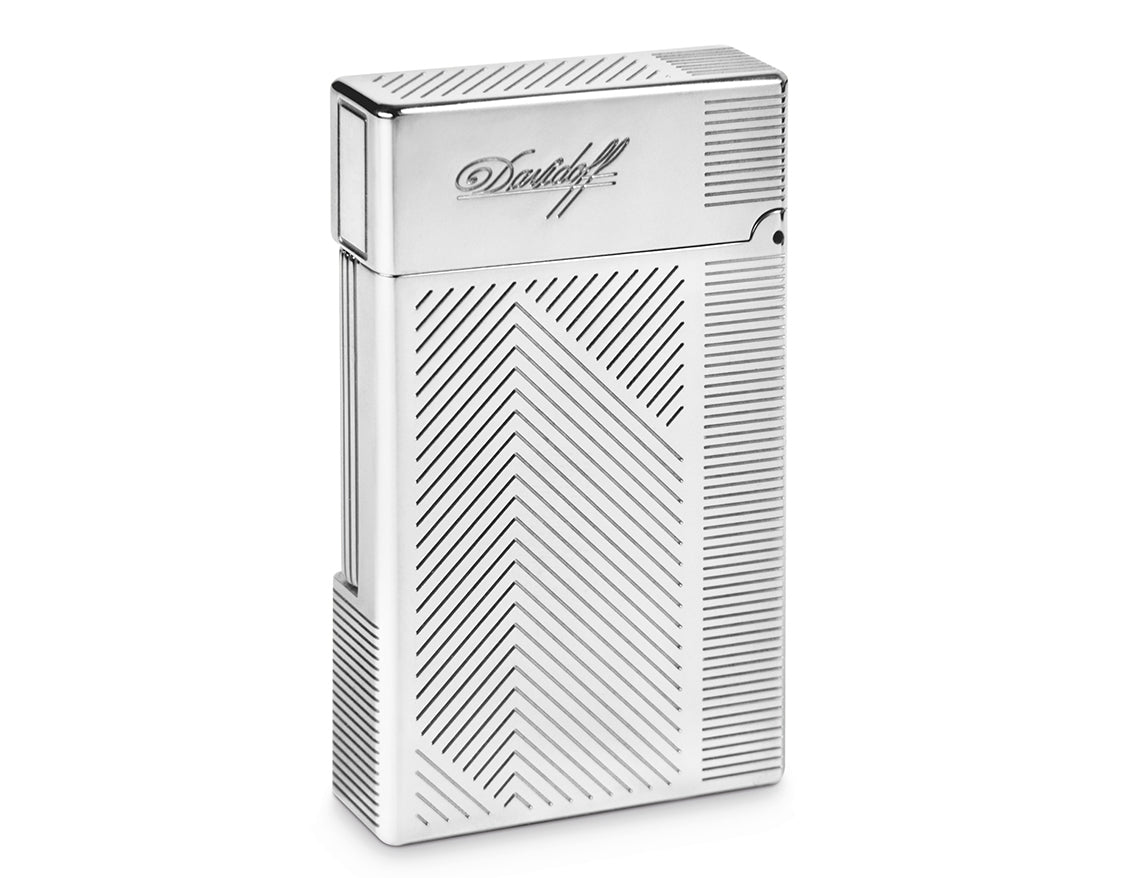
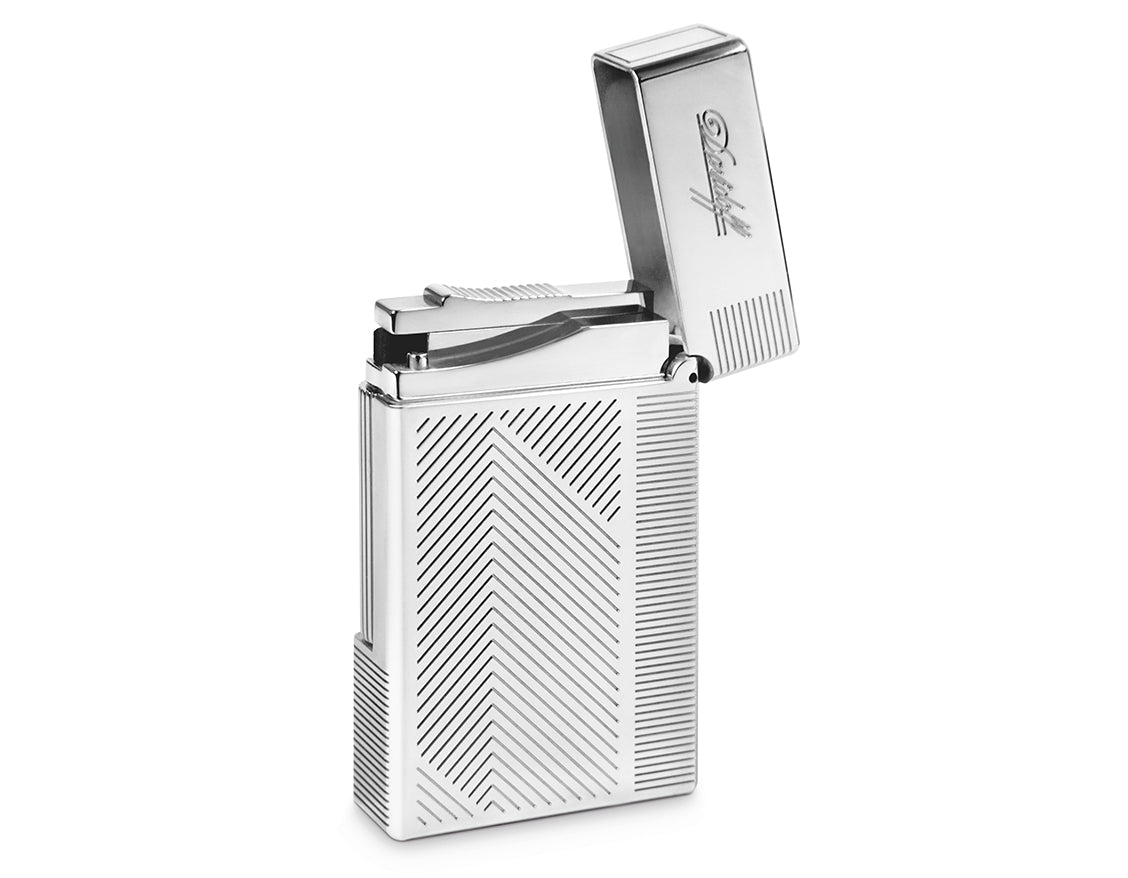
For the table, a substantial desk piece such as the Colibri Quasar Desk Lighter gives you a steady, generous flame ideal for unhurried relighting at home. For pocket and travel, the jet lighters from S.T. Dupont are exemplary: the S.T. Dupont MaxiJet and the windproof S.T. Dupont Défi Extrême both relight reliably outdoors, while the S.T. Dupont Le Grand and the Davidoff Prestige Palladium bring a measure of occasion to the ritual. Browse the full collection of lighters to find the flame that suits your style.
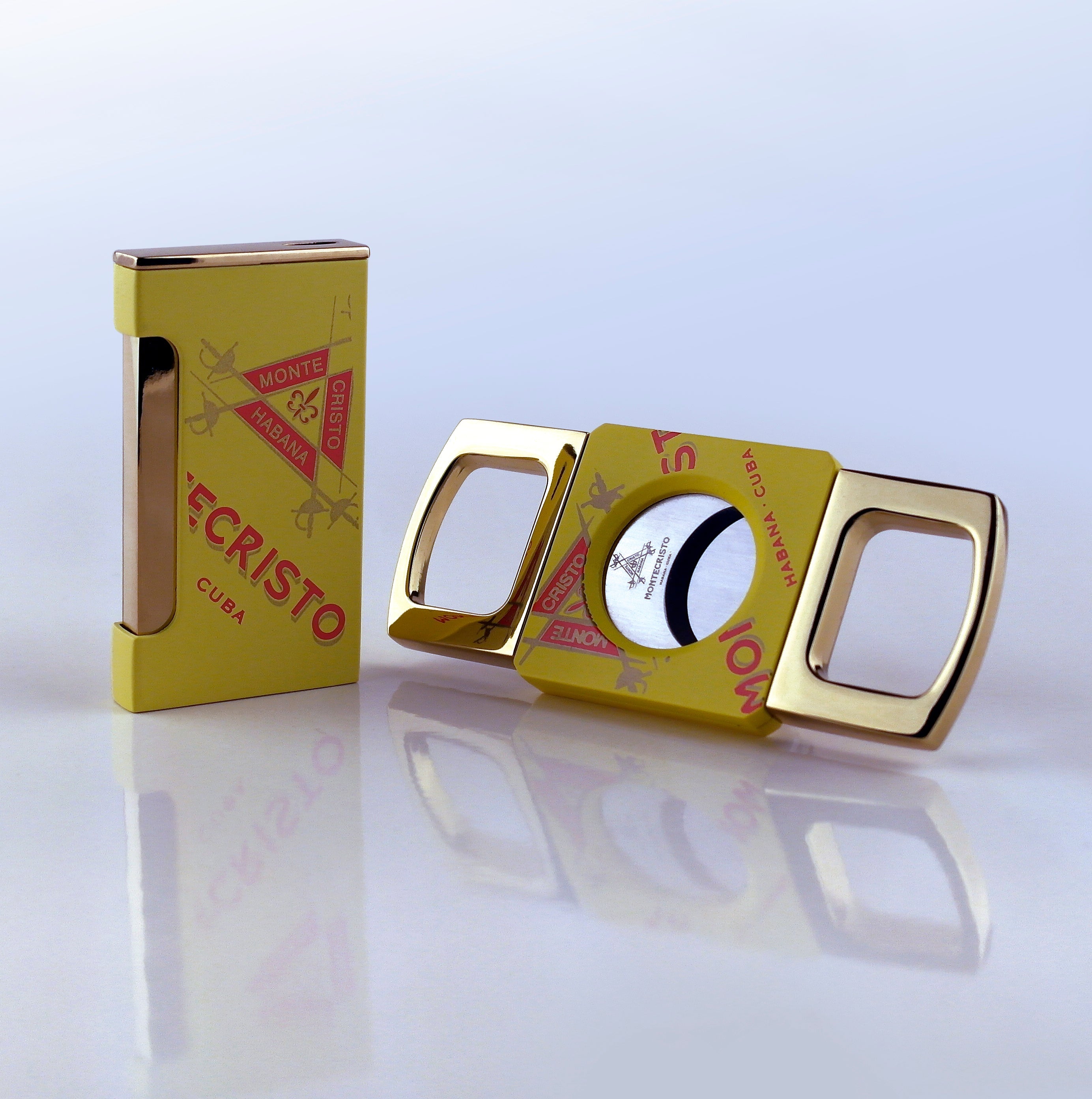
If you prefer everything to hand in one place, a matched cutter-and-lighter set keeps your tools coordinated and travel-ready — the Montecristo Cutter and Lighter Set and the La Casa del Habano Cutter and Lighter Set are handsome examples among our cigar accessories.
What about resting a cigar over days, not minutes?
Occasionally you may wish to set aside a large vitola — a Double Corona at 194mm and 49 ring gauge, say, or a generous Churchill — that you simply cannot finish in one sitting. The honest answer is that a half-smoked cigar does not keep well; its cut, ash-stained end will stale within hours. Far better to choose a vitola matched to your time: a Petit Corona or a Half Corona of around 100–110mm rewards a shorter window, while the grand sizes deserve an unhurried evening.
What does keep beautifully is the unsmoked cigar. Maintaining your collection at a stable 68–72% RH ensures every cigar lights — and relights — exactly as the roller intended. When you travel, a dedicated case such as the Xikar Travel Humidor protects that condition on the move. For the broader ritual from cut to final ash, our guide on how to cut, light and smoke a cigar properly sets the foundation that makes relighting almost unnecessary.
Frequently asked questions
Does relighting a cigar ruin the flavour?
Not if done promptly and properly. Within an hour or two, a purged and carefully relit cigar tastes almost identical to a continuously smoked one. The key is to blow out the stale smoke before applying flame; skipping that purge is what introduces bitterness, not the relight itself. Many smokers find the second light adds welcome depth.
How long is it acceptable to leave a cigar resting?
A few minutes between draws is ideal and keeps the cigar cool. You can comfortably relight within one to two hours with no loss of quality. Several hours on, it remains enjoyable with a slightly earthier character. A cigar left overnight, however, is best retired rather than revived.
Should I tap the ash off before relighting?
Tap away only the loose, blackened ash at the very foot so clean tobacco meets the flame. Do not knock off a long, intact ash mid-smoke — it insulates the ember and helps regulate the burn. Let it fall naturally, then clear the foot gently before you toast and relight.
Can I relight a cigar with a soft-flame lighter or match?
You can, but a clean butane jet lighter gives a far more even relight, especially outdoors. Matches and petrol lighters risk imparting off-notes to the wrapper. If using a soft flame, toast patiently and rotate the foot to ignite the whole ring rather than scorching one side.
Share:
The Best Cigar Samplers & Gift Sets: A Connoisseur's Guide
San Cristóbal de la Habana: The City in a Cigar