

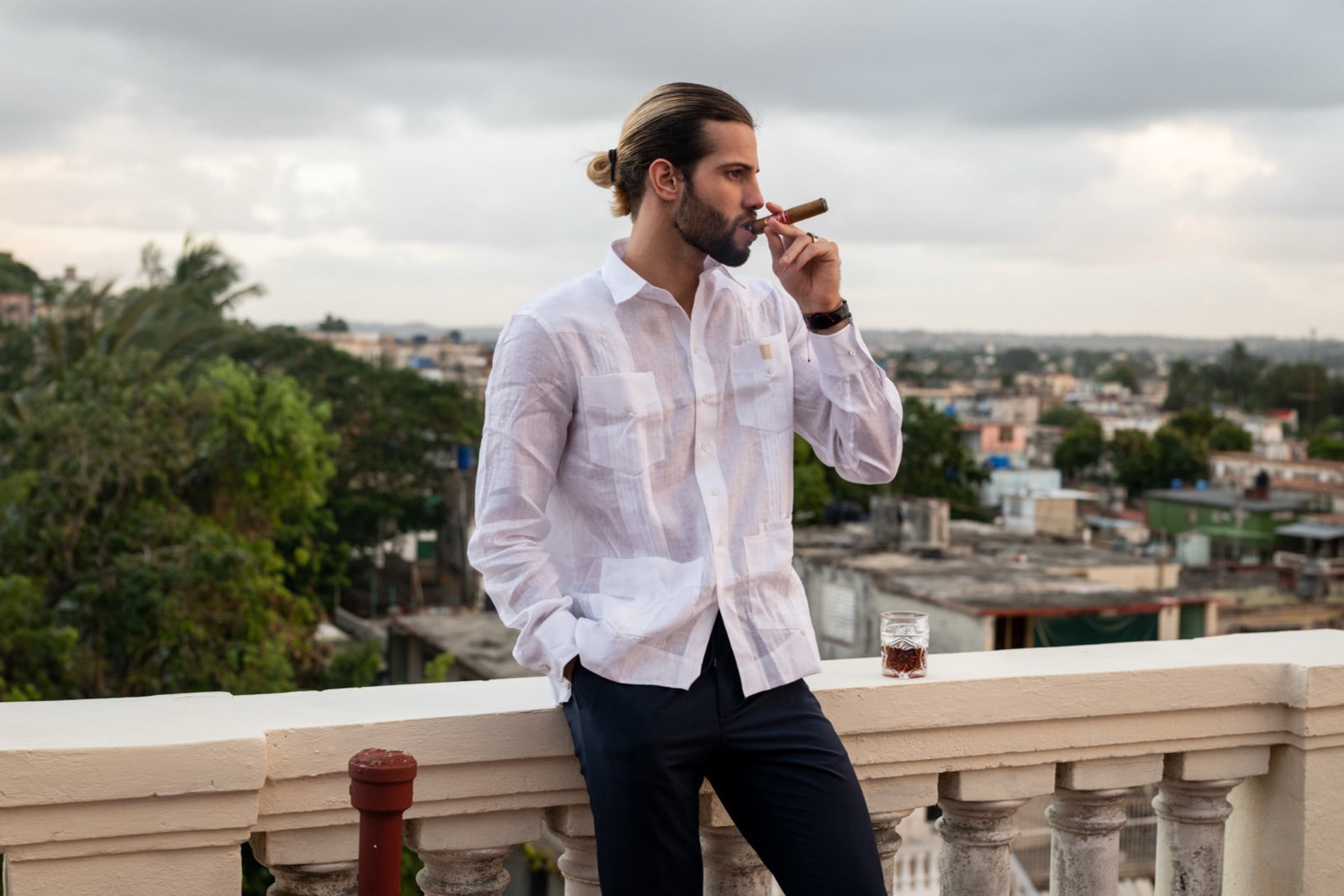
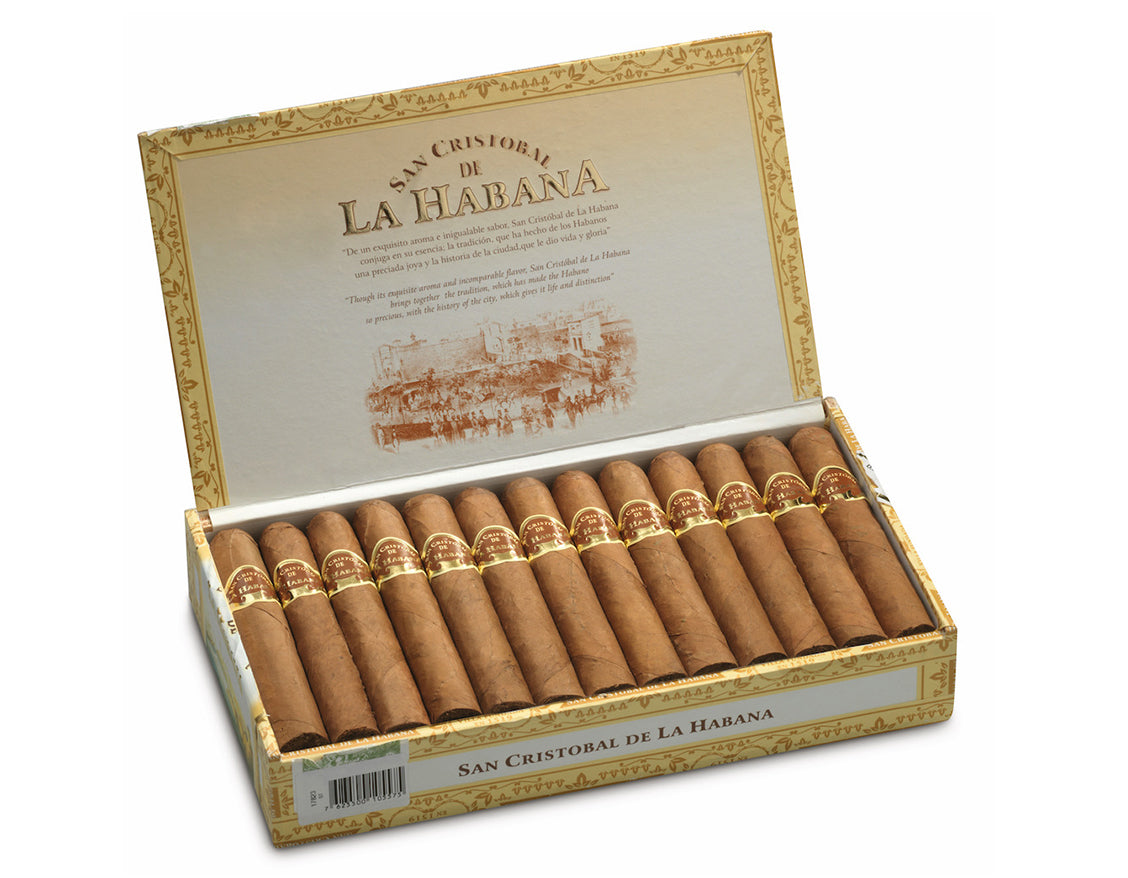
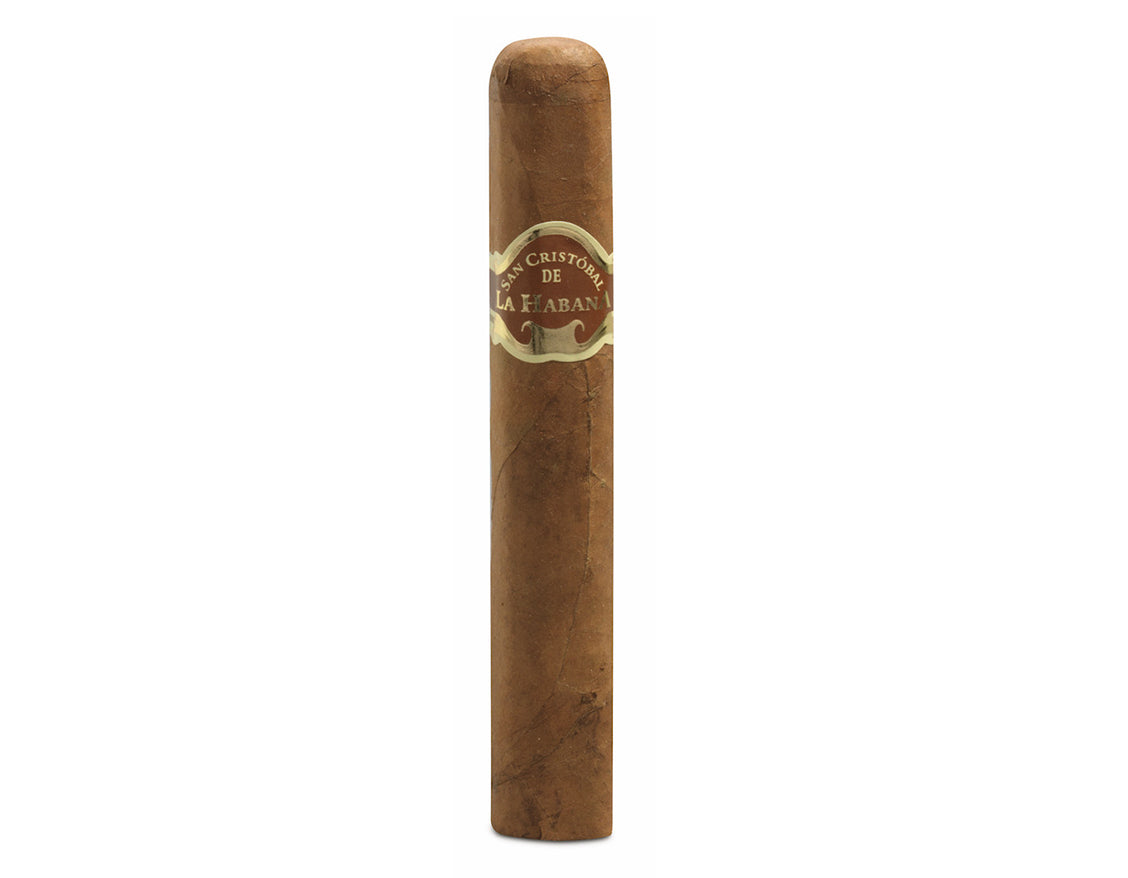
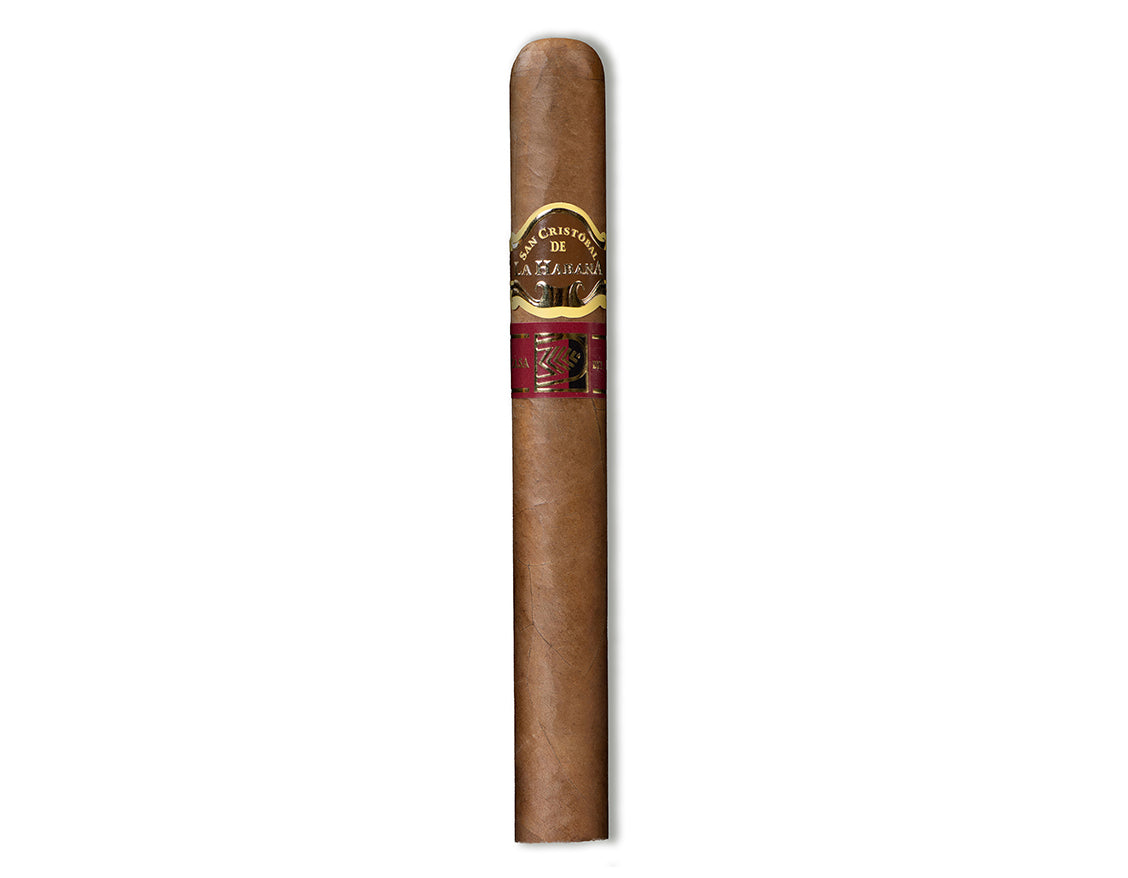
San Cristóbal de la Habana is a boutique Cuban marca that takes its name — and its character — from Havana itself, with each vitola christened after the four fortresses and the historic streets of the old colonial city. The result is a refined, medium-bodied Habano built around bright cedar, toasted nuts, gentle spice and a thread of honeyed sweetness, ideal for the smoker who wants Havana elegance without the heft of the heavyweight marcas.
- Launched by Habanos in 1999, San Cristóbal de la Habana is one of the youngest classic Cuban brands, named after Havana's colonial fortresses and streets.
- The core line runs from the elegant El Príncipe to the fuller La Fuerza, with a house signature of cedar, light spice, toasted almond and honey.
- Most vitolas sit in the medium body bracket — approachable yet layered, and beautifully suited to daytime and after-dinner smoking alike.
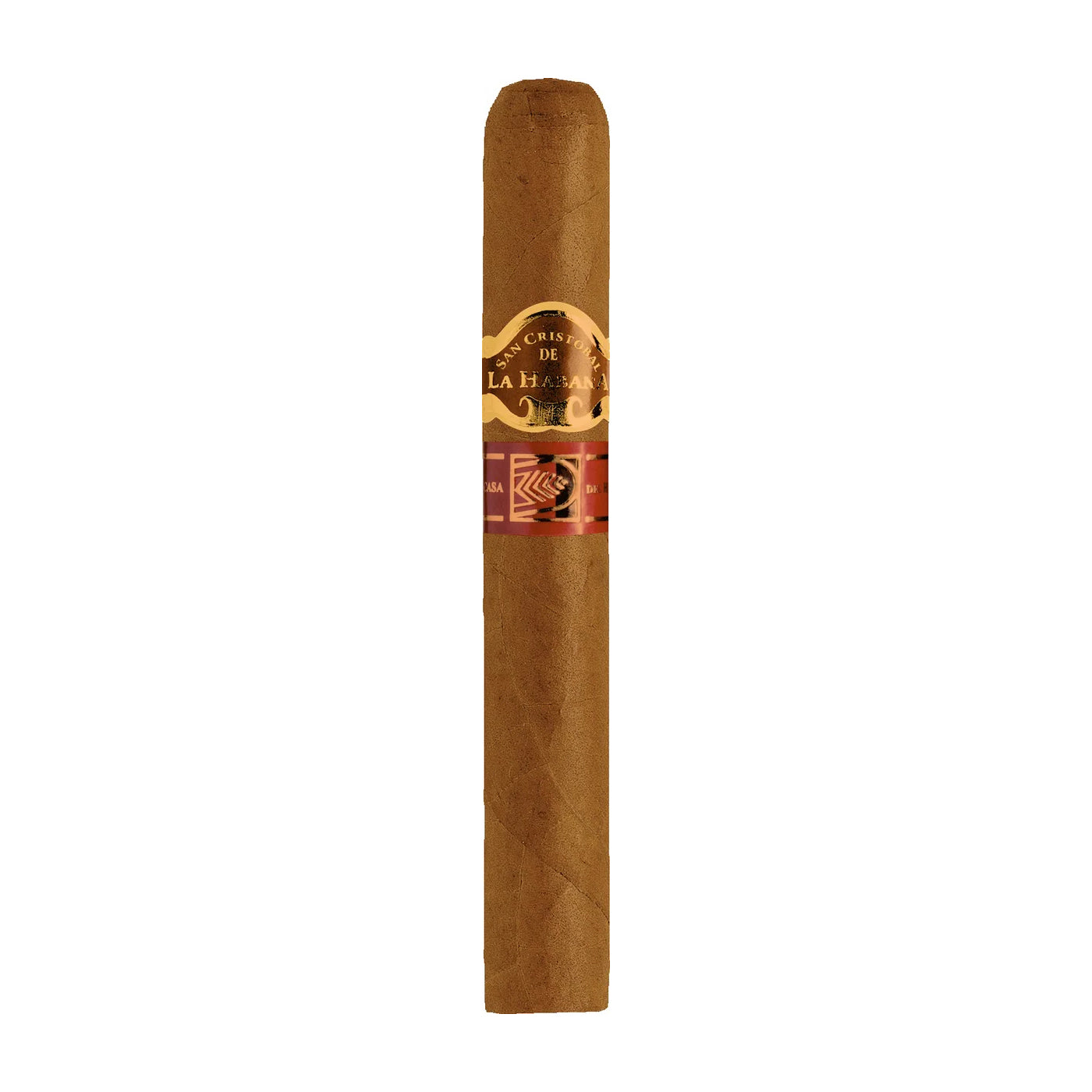
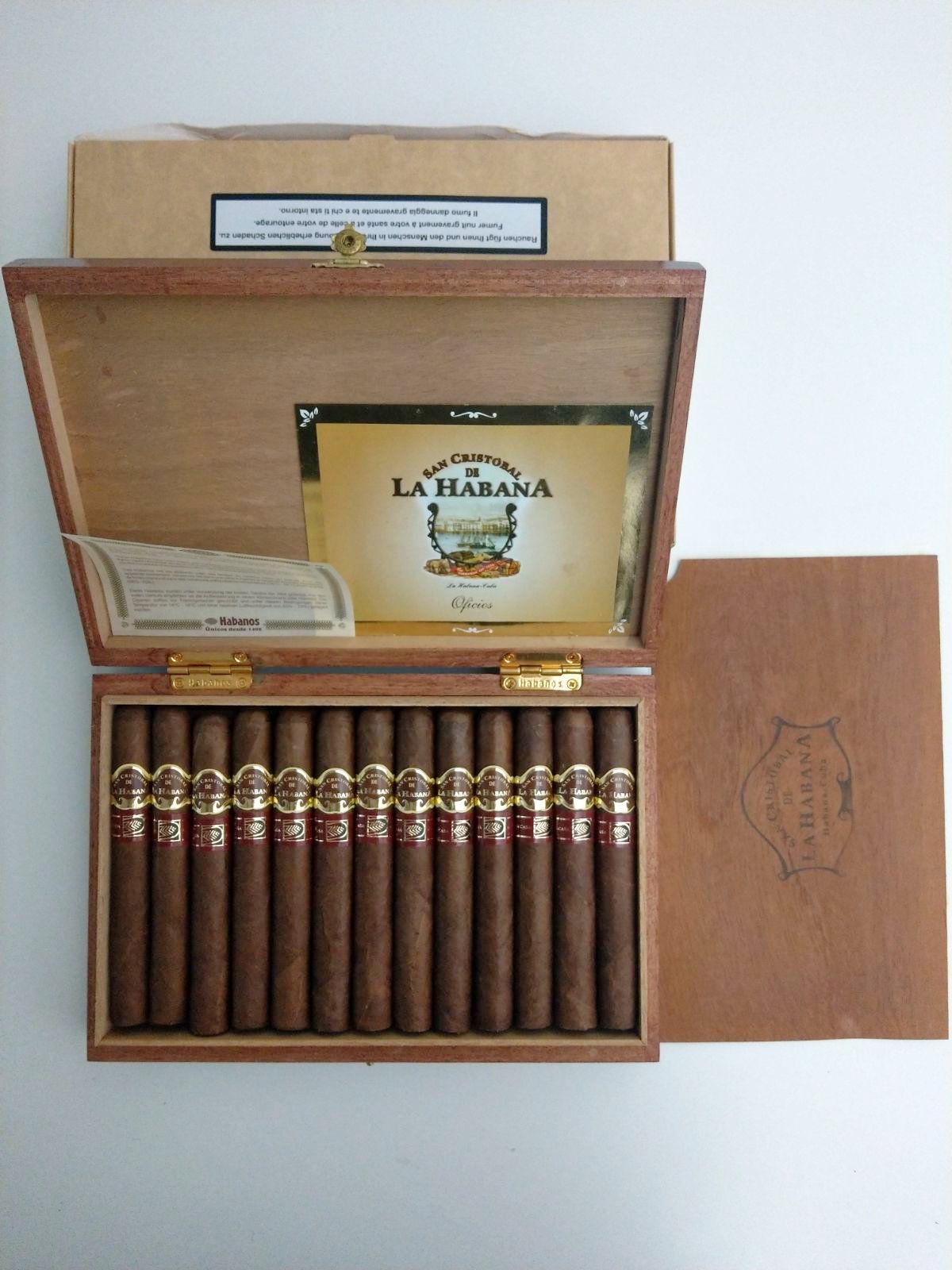
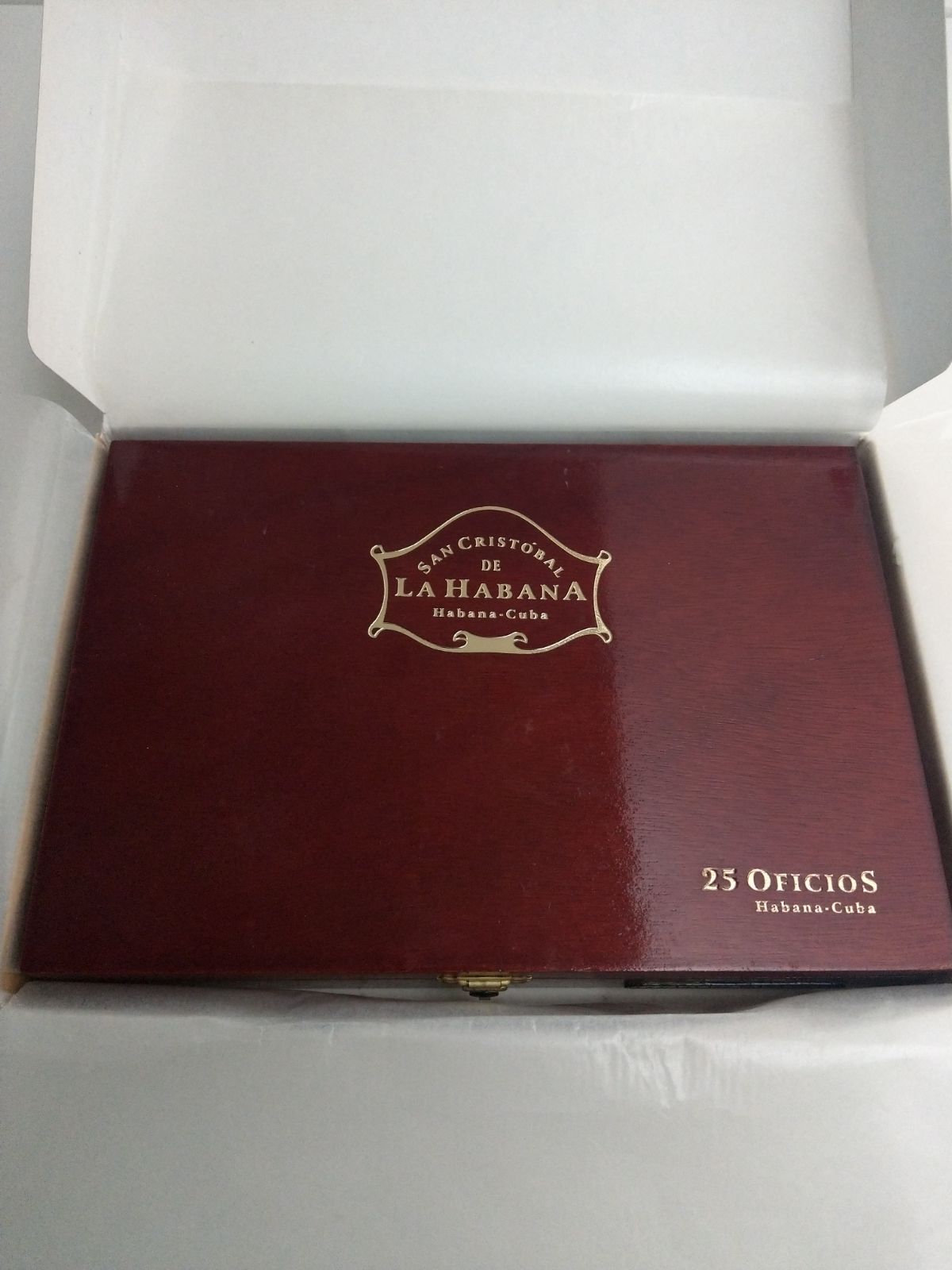
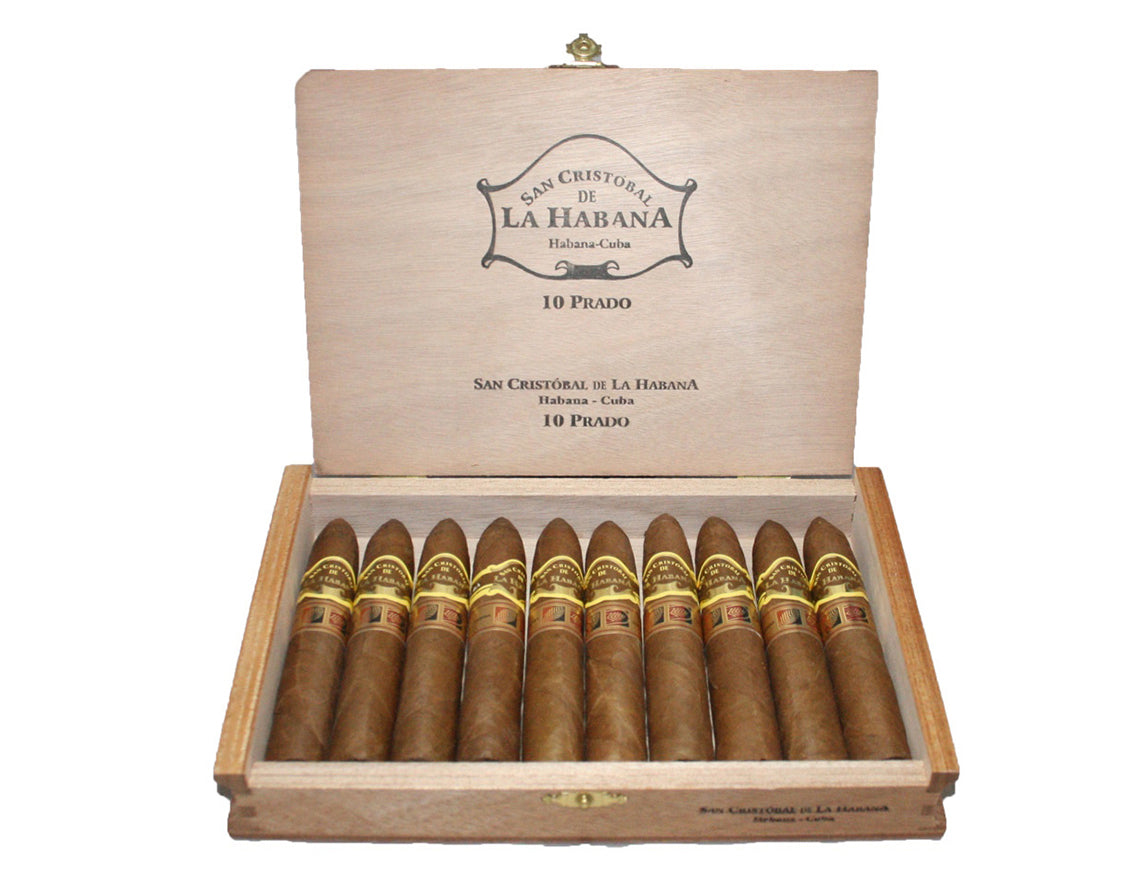
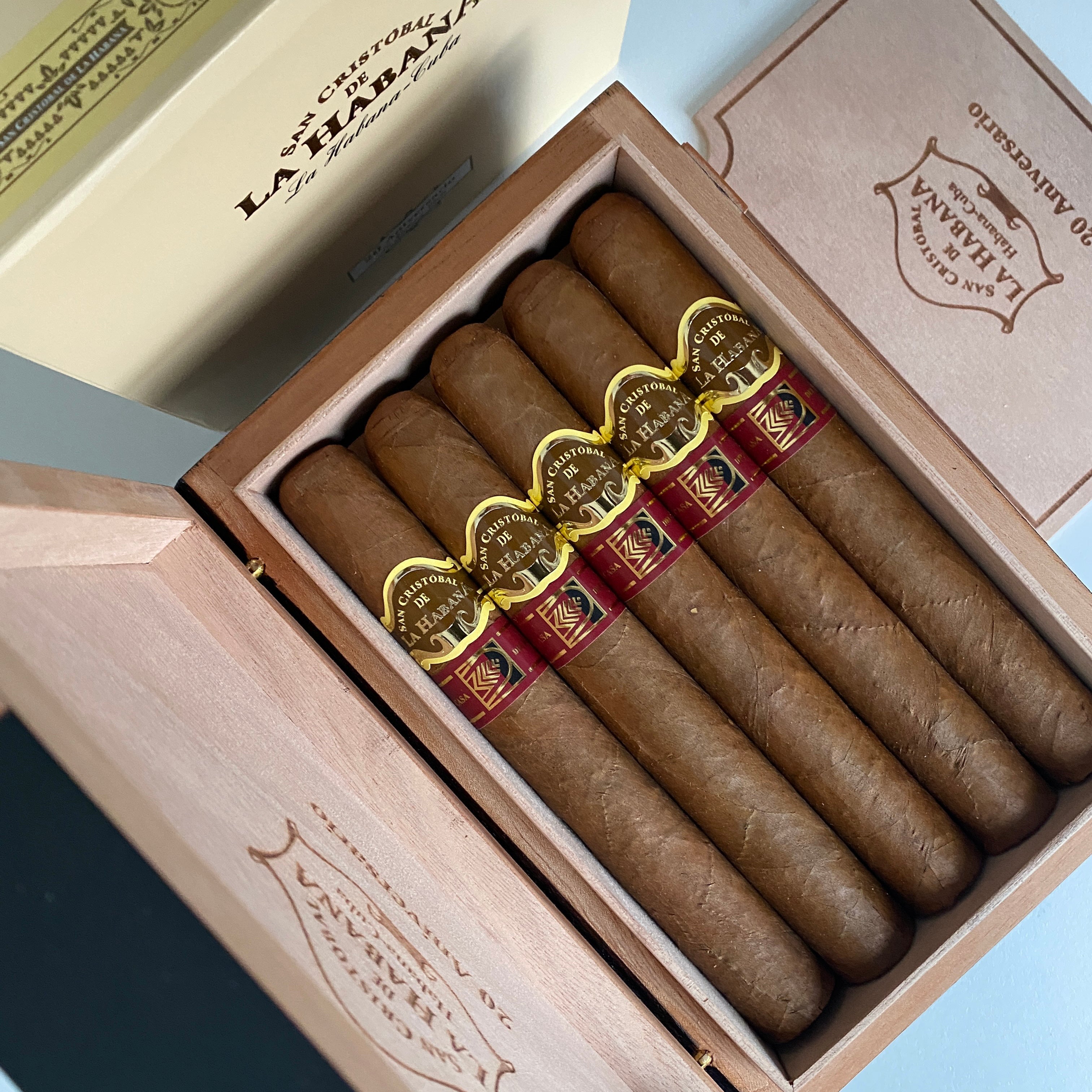
- Regional Editions and La Casa del Habano releases (the Prado, Oficios, Torreón and 20 Aniversario among them) are the connoisseur's treasures to seek out.
- Store at 16–18 °C and 68–72% relative humidity to keep the wrapper supple and the flavours singing.
What is San Cristóbal de la Habana?
San Cristóbal de la Habana is a Habanos marca introduced in 1999, making it one of the more recent additions to the canon of classic Cuban brands. Its name is the original, full colonial name of the Cuban capital, founded in 1519 — and the brand wears that heritage proudly. The original vitolas were named after the four great fortresses that guarded the bay: El Morro, La Punta, La Fuerza and El Príncipe. Later additions borrowed the names of Old Havana's evocative streets, such as Oficios and Prado.
The tobacco is grown in the celebrated Vuelta Abajo region of Pinar del Río, where Cuba's finest leaf has been cultivated for generations. What sets San Cristóbal apart from heavier marcas is its poise: this is a brand built for nuance rather than power, offering a polished, medium-bodied smoke that rewards unhurried attention.
What do San Cristóbal cigars taste like?
The house style is wonderfully consistent. Expect a foundation of warm cedar and toasted cereal, layered with notes of roasted almond and hazelnut, a measured black-pepper spice on the retrohale, and — most distinctively — a soft honeyed sweetness that lingers on the finish. Leather and coffee notes emerge in the larger, more aged vitolas, while the slimmer formats lean brighter and more floral.
It is a profile that flatters newcomers to Cuban tobacco and satisfies seasoned aficionados in equal measure. If you enjoy the refinement of brands explored in our guide to the best Cuban cigars of 2026, San Cristóbal sits comfortably among them as a quietly sophisticated choice.

Which San Cristóbal vitolas should you try first?
The current line offers a clear progression from light-medium to medium-full, so there is a natural entry point for every palate and every moment of the day.
For an elegant short smoke
The San Cristóbal de la Habana El Príncipe is a Petit Cigarillo-format gem in the brand's vocabulary — a compact vitola at roughly 110 mm with a 42 ring gauge, delivering creamy cedar and gentle nut in around half an hour. It is the perfect companion to a mid-morning espresso when time is short but standards remain high.
For a balanced everyday Habano
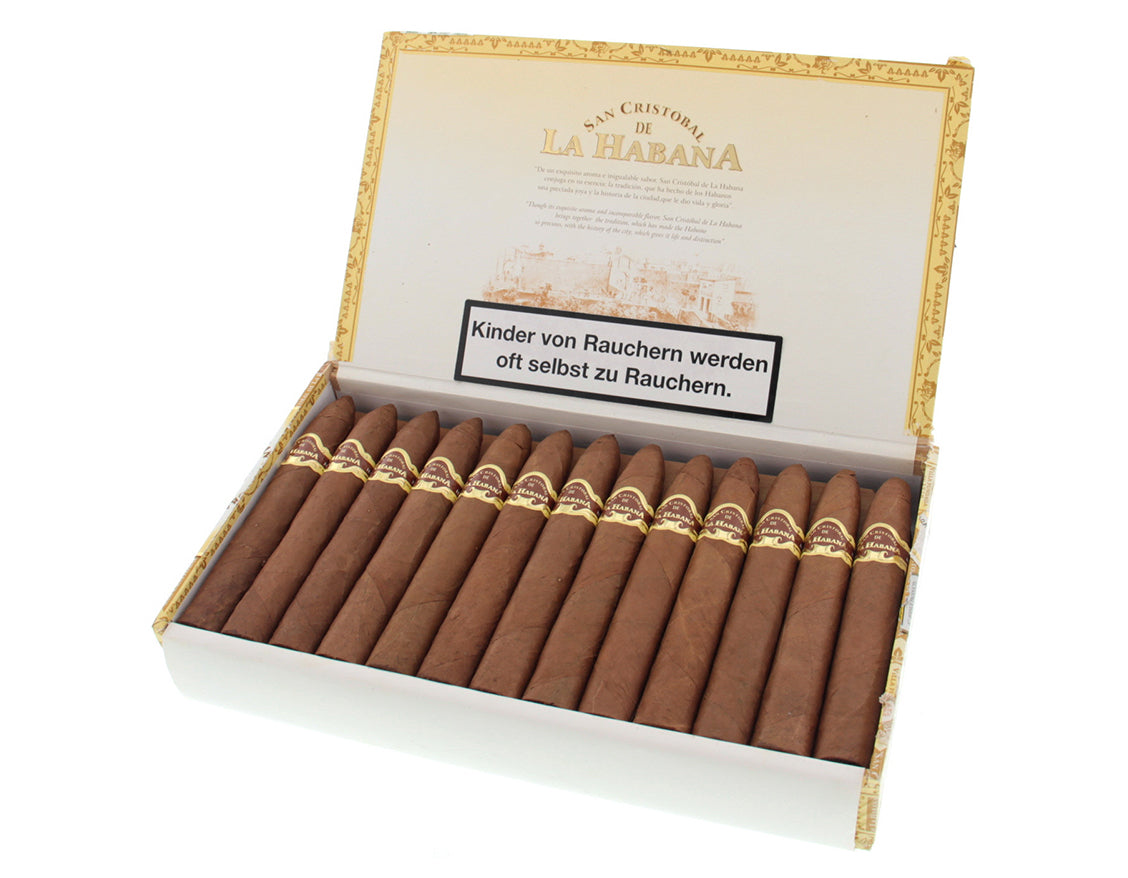
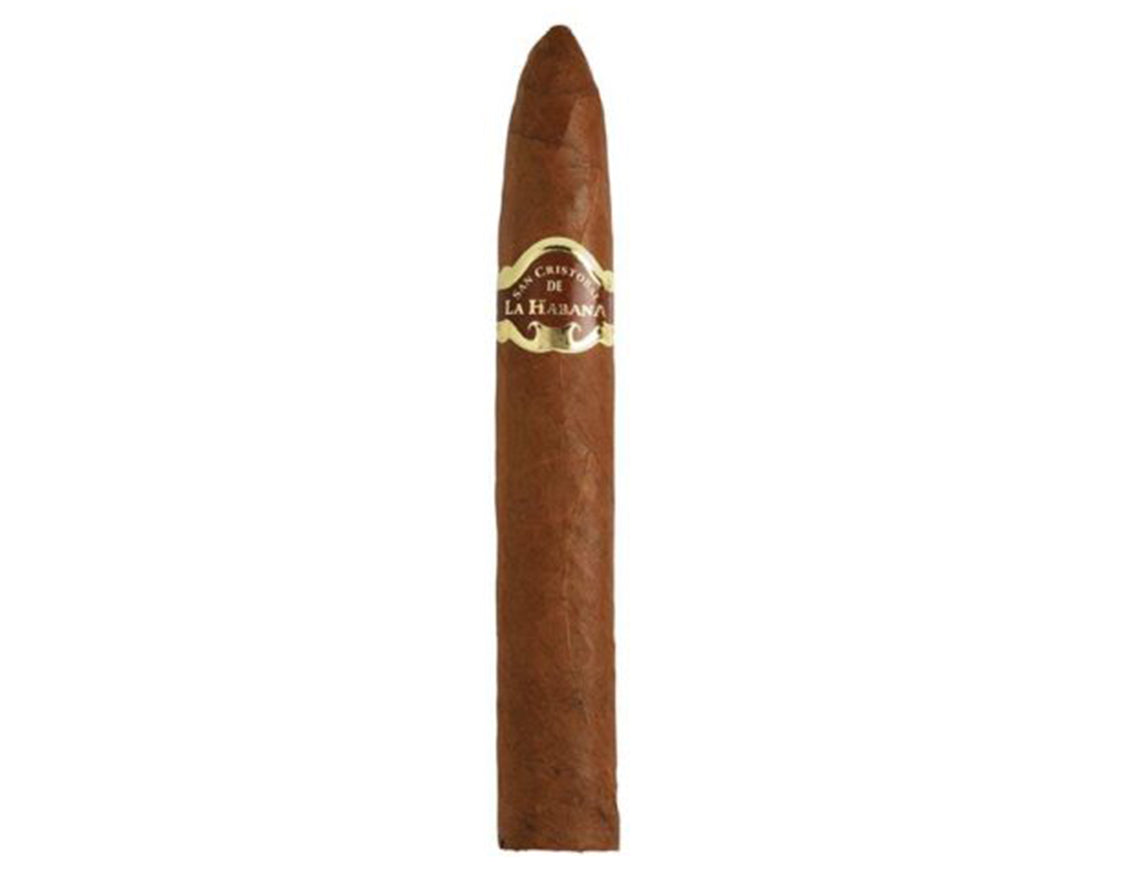
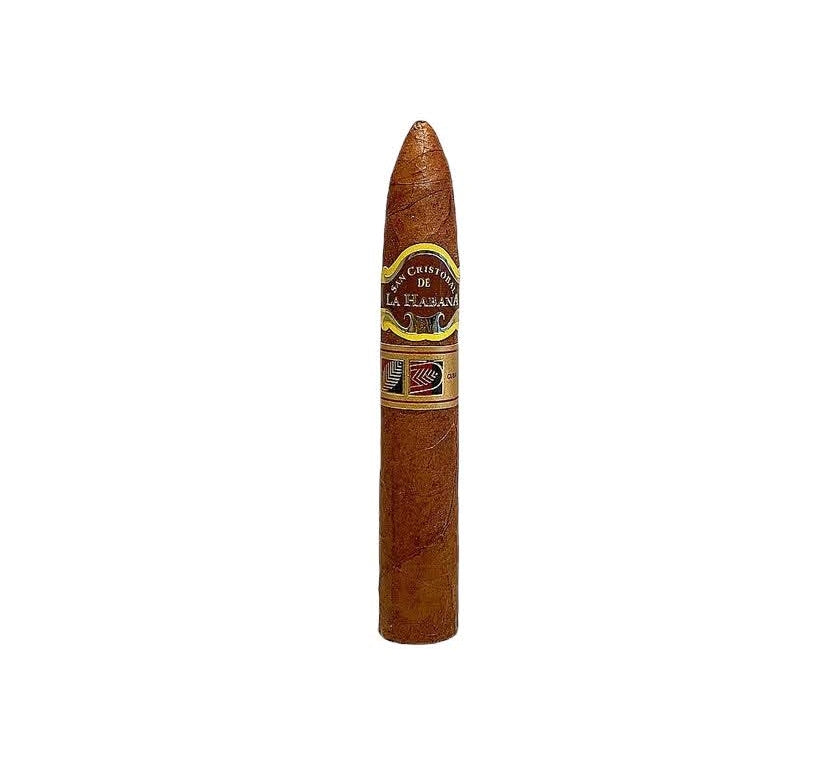
The San Cristóbal de la Habana La Punta is the brand's torpedo, a Campanas vitola measuring 140 mm by a 52 ring gauge. The tapered head concentrates the smoke beautifully, drawing out toasted almond, sweet cedar and a clean peppery lift. It is arguably the most characterful of the standard line and a favourite among those who appreciate a figurado shape.
For a fuller, after-dinner experience
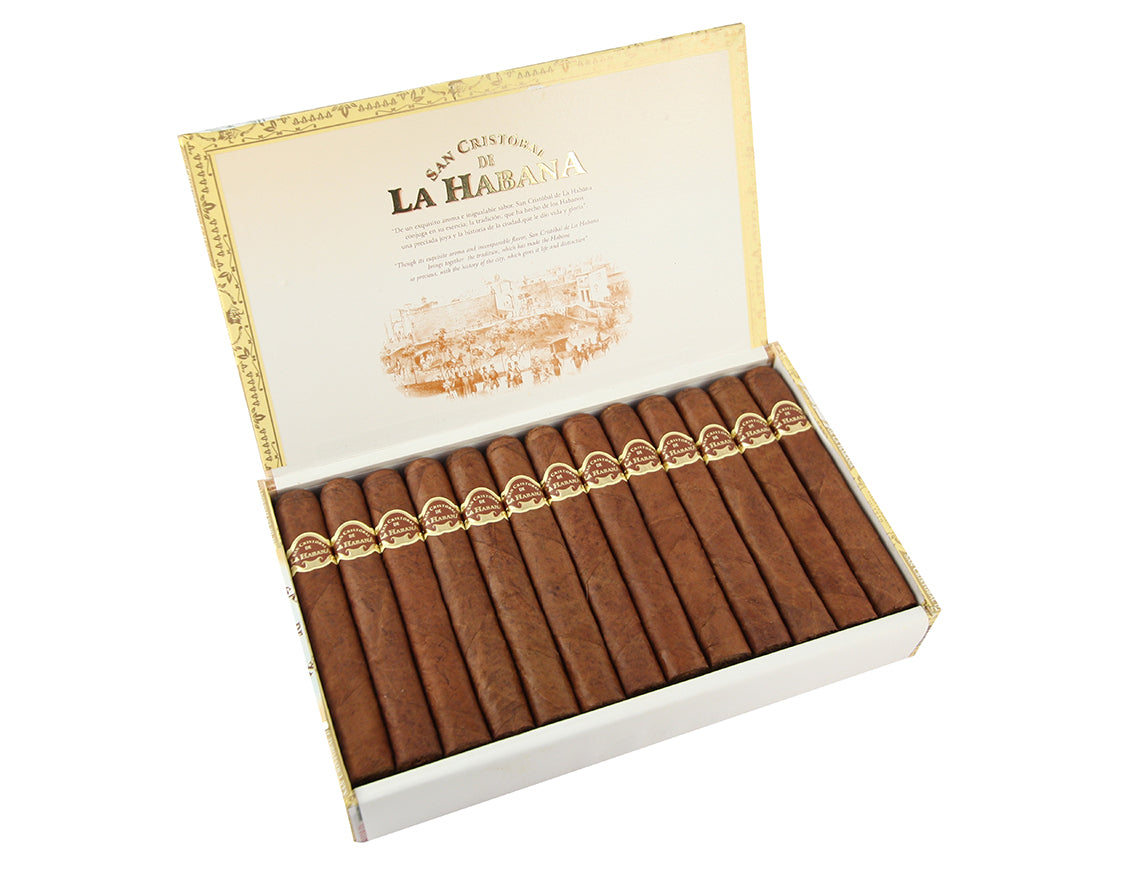
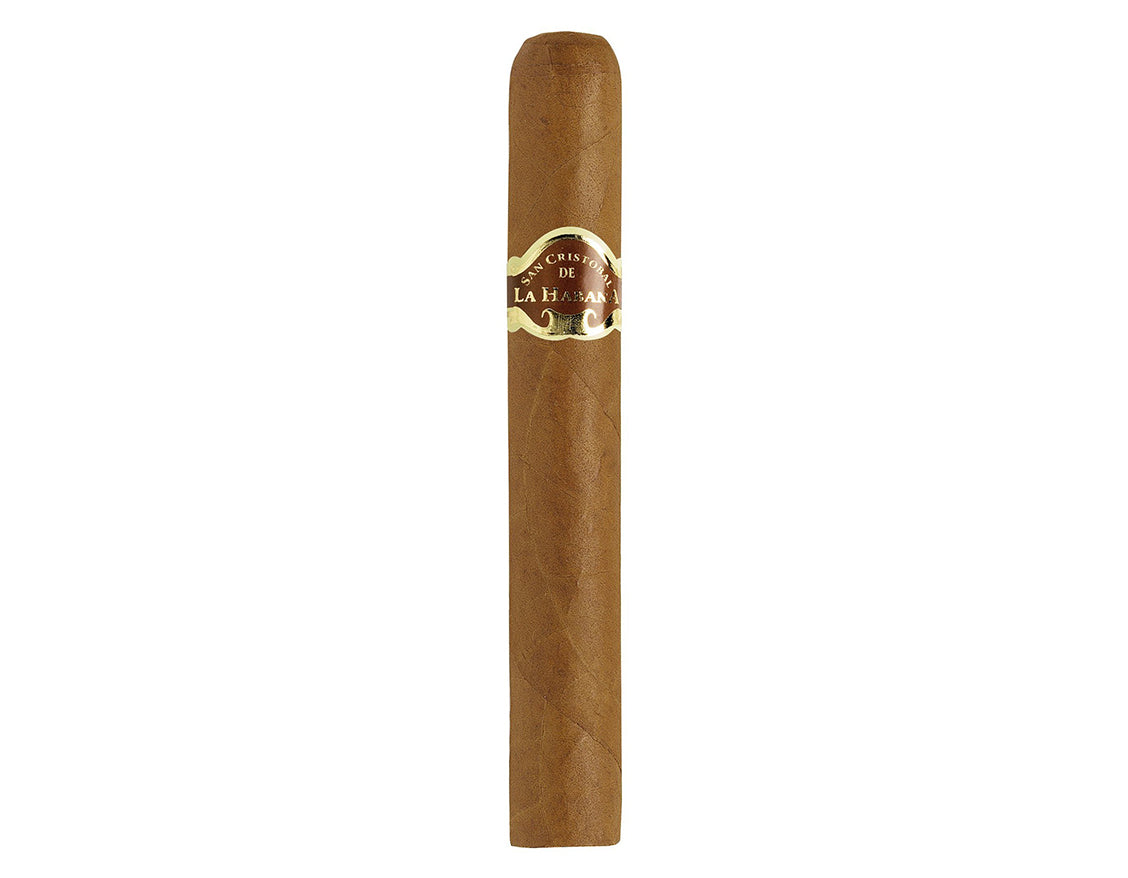
When you want more depth, reach for the San Cristóbal de la Habana La Fuerza. This robusto-leaning vitola (145 mm by a 50 ring gauge) is the most substantial of the four fortress cigars, building from cedar and roasted nuts into leather, espresso and a richer honeyed sweetness across an hour or more. Paired with an aged rum or a single malt, it is a deeply rewarding way to close an evening.

What about the rare and special editions?
Beyond the regular production line, San Cristóbal has produced a series of sought-after releases that elevate the marca into collector territory. These are the cigars to prize on the shelf and to share on a special occasion.
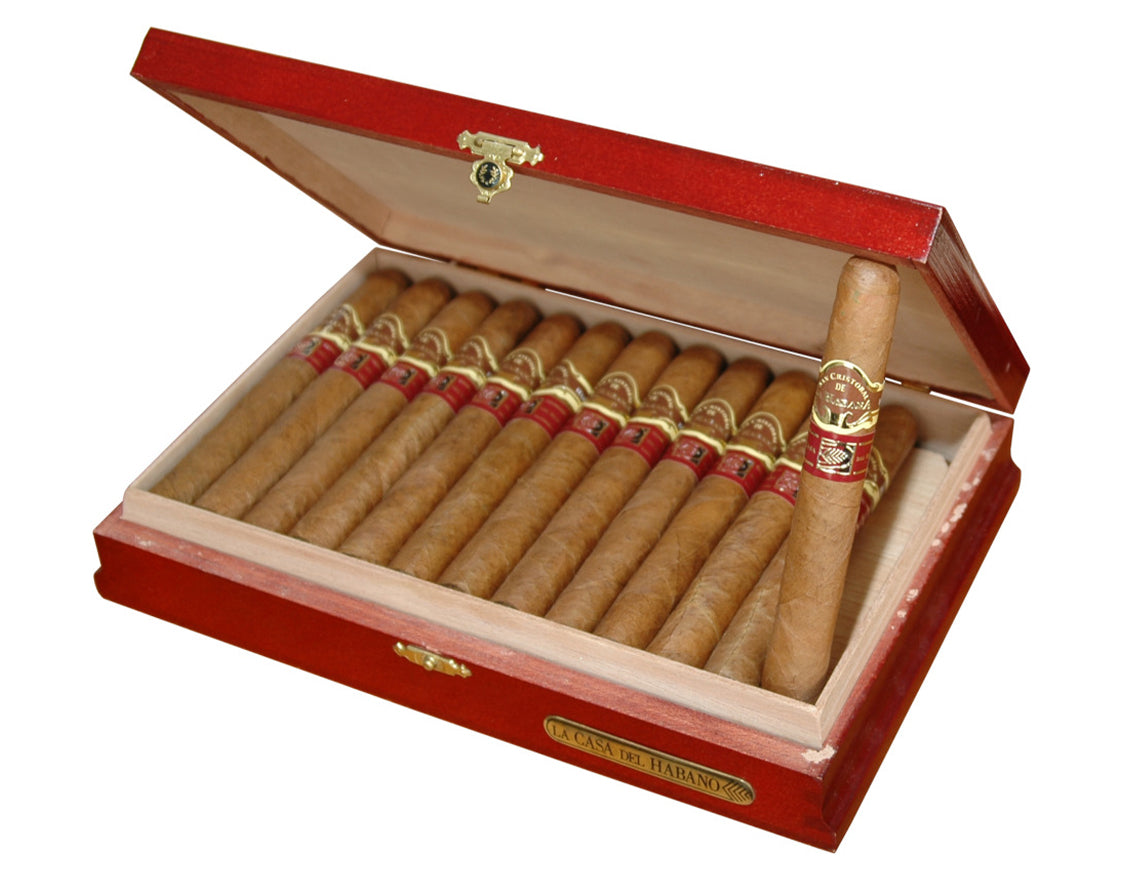
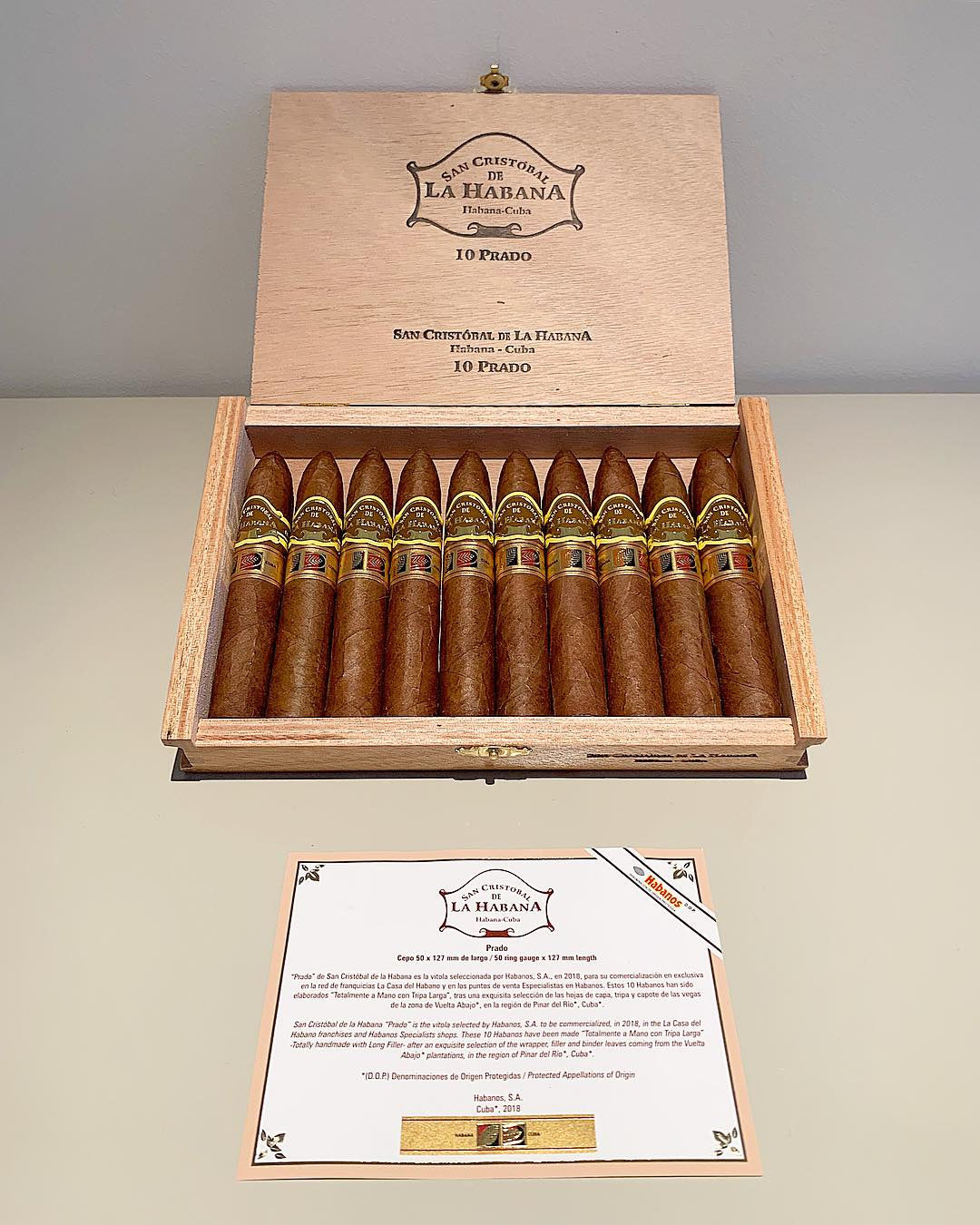
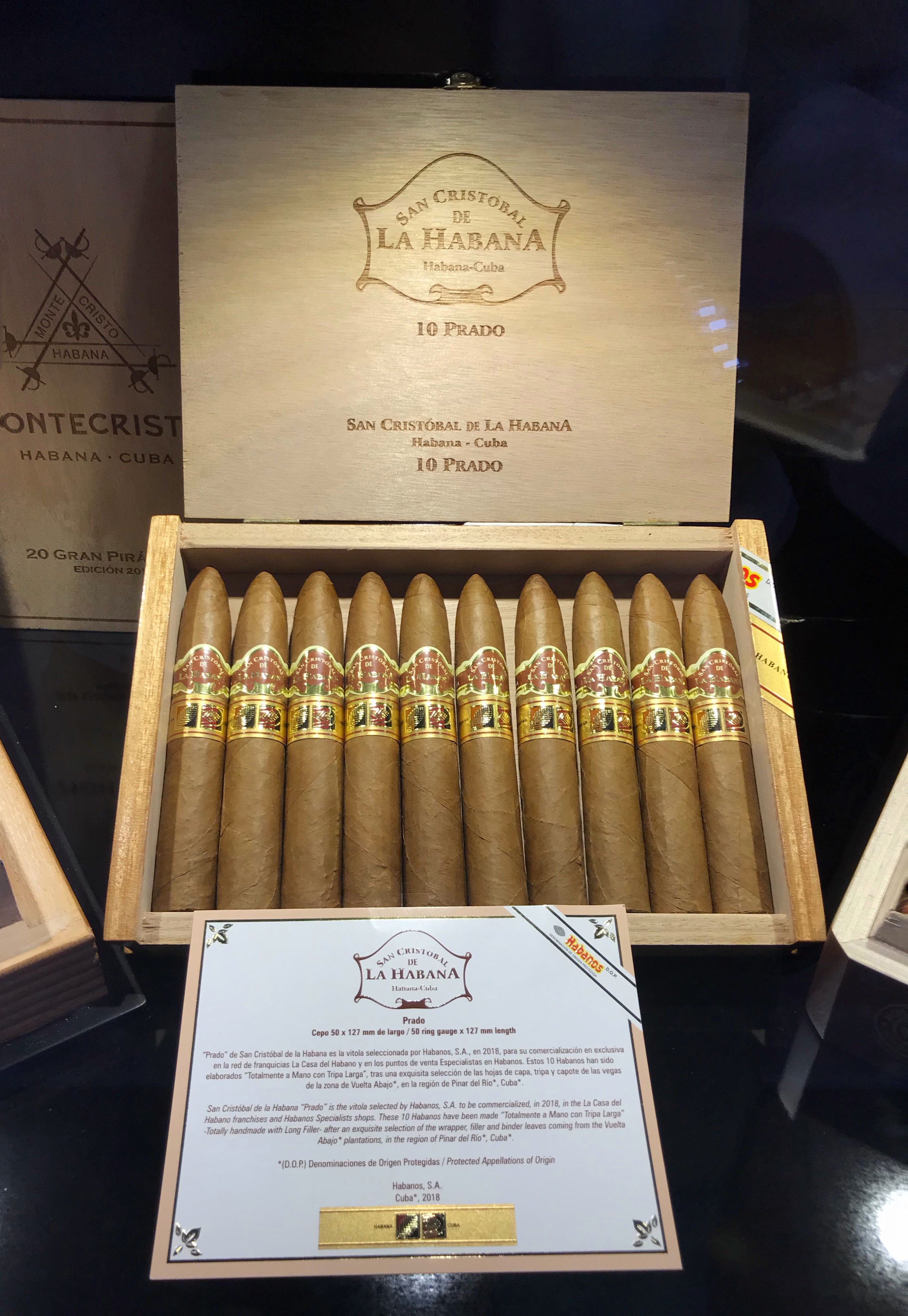
- The San Cristóbal de la Habana Oficios and the San Cristóbal de la Habana Prado are La Casa del Habano exclusives, named for two of Old Havana's most atmospheric streets. Both showcase the house profile in larger, more contemplative formats with added cedar-aged complexity.
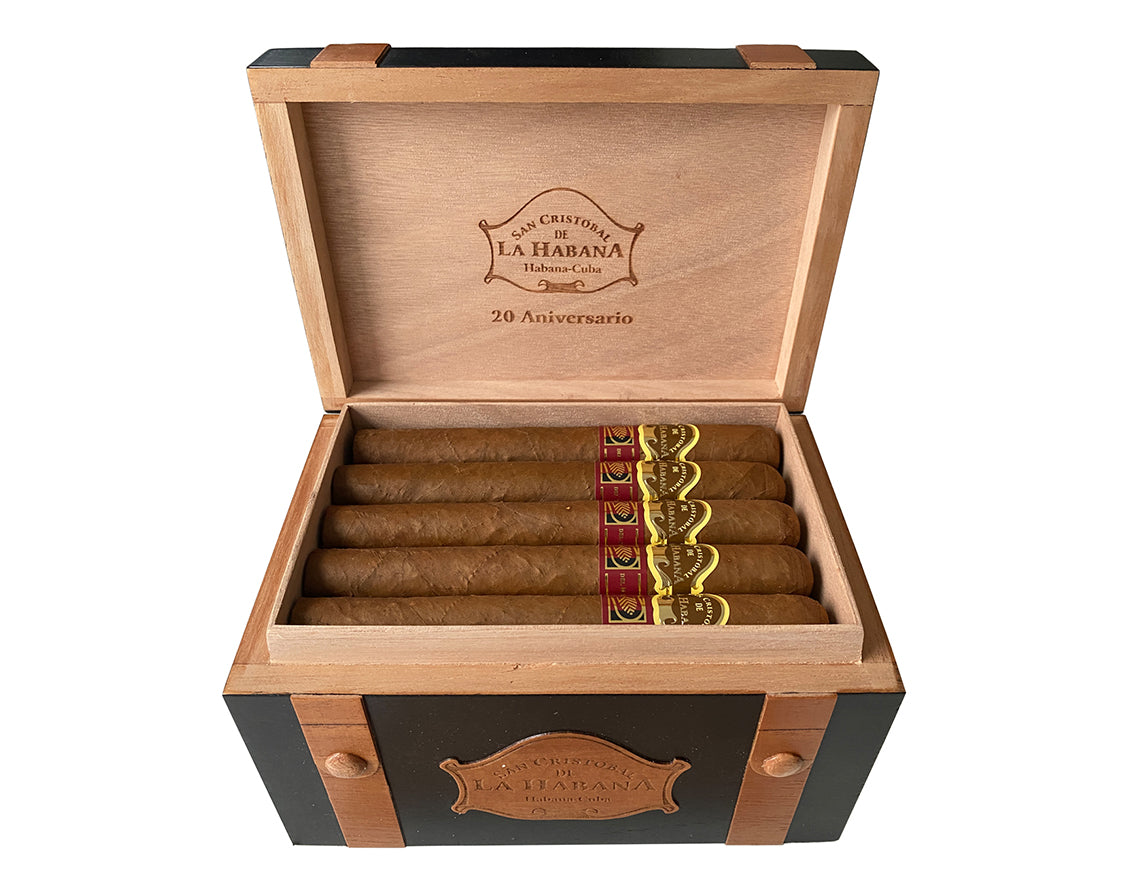
- The San Cristóbal de la Habana 20 Aniversario is an LCDH commemorative marking two decades of the brand — a refined, beautifully presented release for marking a milestone of one's own.
- The San Cristóbal de la Habana Torreón, presented in a ceramic jar of 25, is a handsome centrepiece for a home humidor and a generous cigar for relaxed sharing.
For the dedicated collector, Regional Editions such as the Harimau Malaya (Malaysia, 2020) and La Cabaña (Cuba, 2019) represent the brand at its most exclusive — limited runs crafted for specific markets and increasingly hard to find. Browse the full selection within our Cuban cigars collection to see what is currently available.

How should you store and serve San Cristóbal cigars?
Like all Habanos, San Cristóbal cigars are at their best when kept in stable conditions. Aim for a relative humidity of 68–72% and a temperature of around 16–18 °C. This keeps the wrapper supple, the draw consistent and the delicate honeyed notes intact. A dedicated humidor — whether a desktop box or a presentation piece such as the San Cristóbal de la Habana 1519 humidor, named for the year Havana was founded — is the surest way to age these cigars gracefully.
Given their medium body, San Cristóbal vitolas reward a slow, even draw. Allow the cigar to rest between puffs so the flavours can settle, and resist the urge to relight too aggressively. With a little patience, even the standard line reveals layers that hurried smoking would miss.
Which San Cristóbal cigar suits the occasion?
- Morning or short break: El Príncipe — bright, creamy and quick.
- Daytime relaxation: La Punta — balanced, characterful and the connoisseur's everyday pick.
- After dinner: La Fuerza — fuller, richer and built for an unhurried hour.
- Celebration or gift: the 20 Aniversario or a Torreón jar — presentation pieces with real occasion.
For broader pairing and selection ideas across the Cuban marcas, our best Cuban cigars of 2026 feature offers further inspiration.
Frequently asked questions
Is San Cristóbal de la Habana a strong cigar?
No — San Cristóbal is best described as medium-bodied. The standard line ranges from light-medium in the El Príncipe to a fuller medium in the La Fuerza, but none reaches the intensity of the heavyweight Cuban marcas. The signature is balance and elegance: cedar, toasted nuts, gentle spice and honeyed sweetness, making it a refined choice for most palates.
Why is the brand named after Havana?
San Cristóbal de la Habana is the full original name of the Cuban capital, founded in 1519. The marca celebrates Old Havana directly: its core vitolas — El Morro, La Punta, La Fuerza and El Príncipe — are named after the four colonial fortresses that guarded the harbour, while later releases borrow the names of historic streets such as Oficios and Prado.
What is the best San Cristóbal cigar for a beginner?
Start with the El Príncipe for a brief, approachable smoke, or the La Punta if you want a fuller experience of the house style. Both deliver the brand's hallmark cedar, almond and honey character without overwhelming a developing palate. The tapered La Punta in particular offers wonderful clarity of flavour and is an excellent first impression of the marca.
How long should I age San Cristóbal cigars?
These cigars smoke beautifully young, but a year or two of rest at 68–72% relative humidity allows the spice to mellow and the cedar and honey notes to integrate further. The larger La Casa del Habano and Regional Editions, with their thicker ring gauges, tend to benefit most from patient ageing in a well-maintained humidor.
Share:
How to Relight and Rest a Cigar
What Is a Double Corona? The Grand Format