

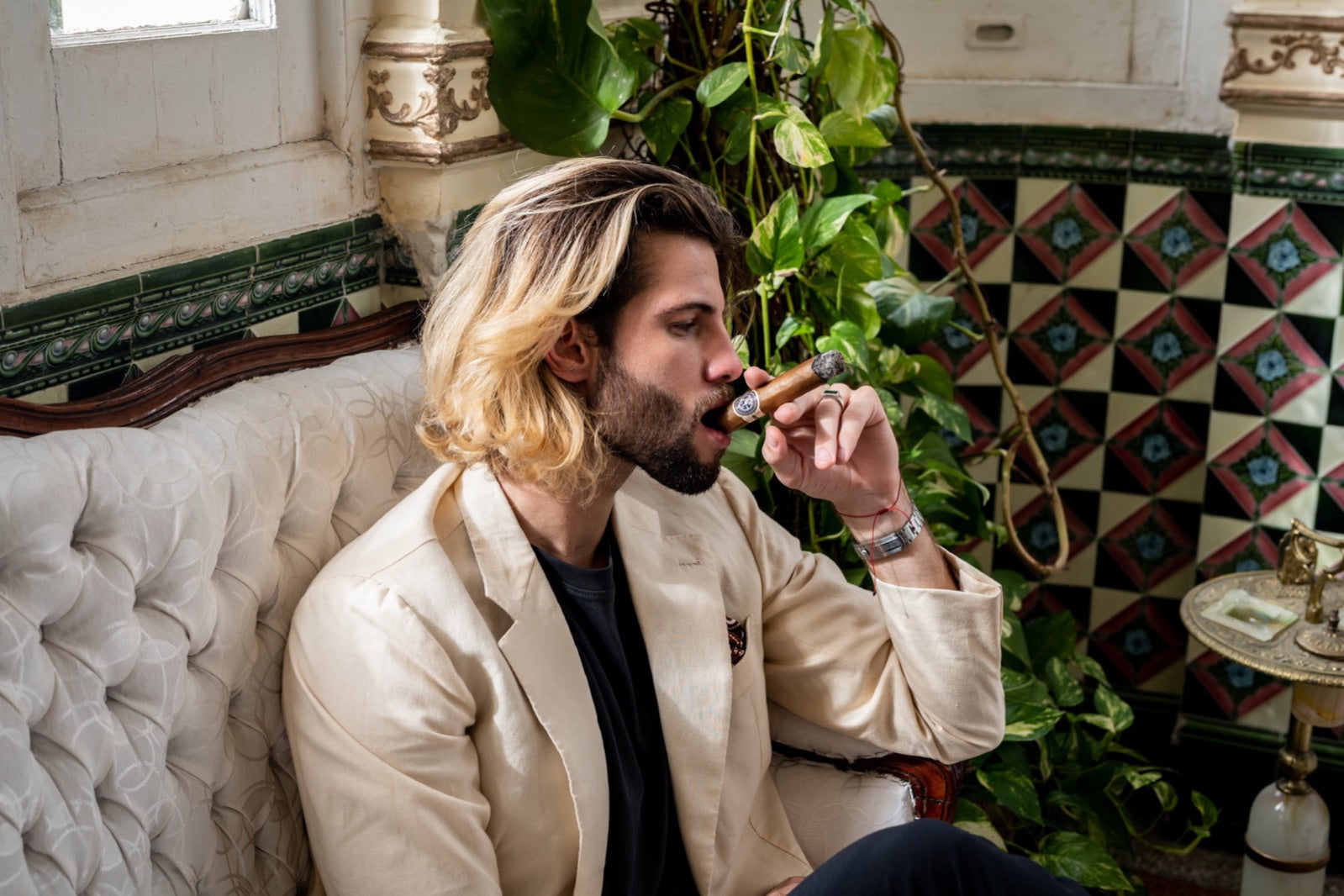
Agave spirits are among the most natural companions a cigar can find: a well-aged tequila brings bright, honeyed sweetness that lifts a cigar's woody core, while mezcal answers smoke with smoke, mirroring the leaf's own toasted character. The simplest rule is to match intensity — a delicate blanco beside a creamy Connecticut, a brooding mezcal beside a peppery corojo or maduro.
- Tequila (reposado/añejo) flatters medium cigars with its vanilla-and-caramel oak; pair it with Habano or Corojo wrappers.
- Mezcal brings campfire smoke and minerality — best with bolder maduros and full-flavoured Nicaraguan blends.
- Start with a chilled blanco alongside a mild Connecticut-wrapped cigar if you are new to the pairing.
- Serve both spirits neat at room temperature in a small tulip glass — no ice, no salt, no lime for sipping.
- Match weight to weight: light spirit with light cigar, smoky spirit with dark, oily wrapper.
Why do tequila and mezcal pair so well with cigars?
Both spirits are distilled from the agave plant, whose roasted, vegetal sweetness shares a surprising amount of common ground with fermented and aged tobacco. Where Caribbean rum offers molasses and dried fruit — a pairing we explore in our piece on cigars and rum — agave spirits bring something more savoury: green pepper, citrus peel, mineral earth and, in mezcal's case, a distinct smokiness from agave hearts roasted in underground pits.
That smoke is the key. A cigar's flavour is built on combustion — toasted cedar, leather, cocoa, black pepper — and mezcal speaks the same language. Tequila, by contrast, is steamed or autoclaved rather than fire-roasted, so its profile is cleaner and brighter, making it the gentler, more versatile partner of the two.
What kind of tequila should I pair with a cigar?
Tequila is graded by time in oak, and that ageing dictates the pairing. Knowing the categories makes choosing far easier.
- Blanco (unaged): crisp, peppery, full of raw agave and citrus. Best with mild, creamy cigars where it refreshes the palate rather than overwhelming it.
- Reposado (2–12 months in oak): the sweet spot for most smokers — soft vanilla and caramel rounding off the agave's edge. A natural match for medium-bodied Habano and Corojo wrappers.
- Añejo (1–3 years): richer, with toffee, dried fig and warm spice. Pair it with fuller cigars that can stand up to the wood.
- Extra añejo (3+ years): deep, almost cognac-like; reserve it for your most powerful maduro.
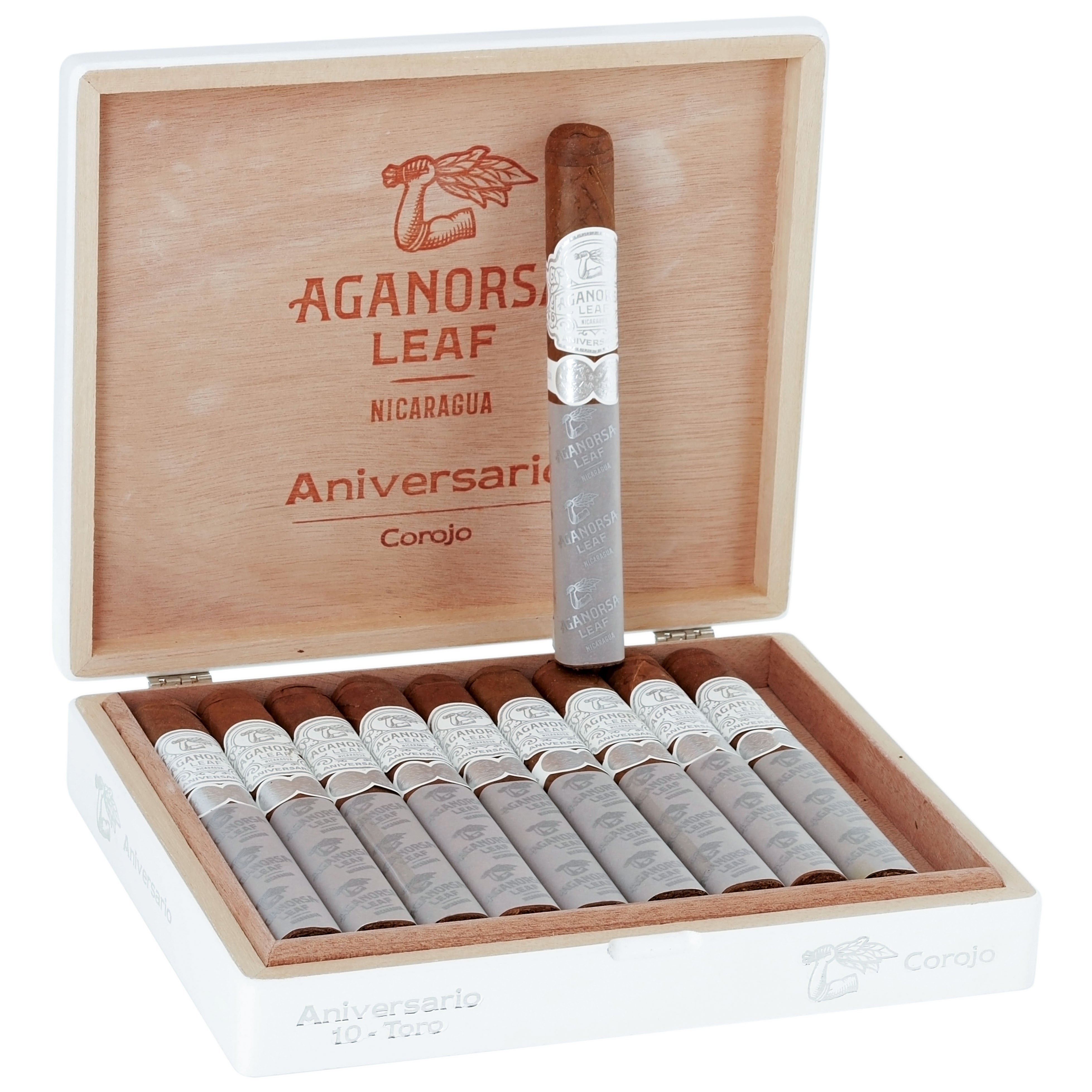
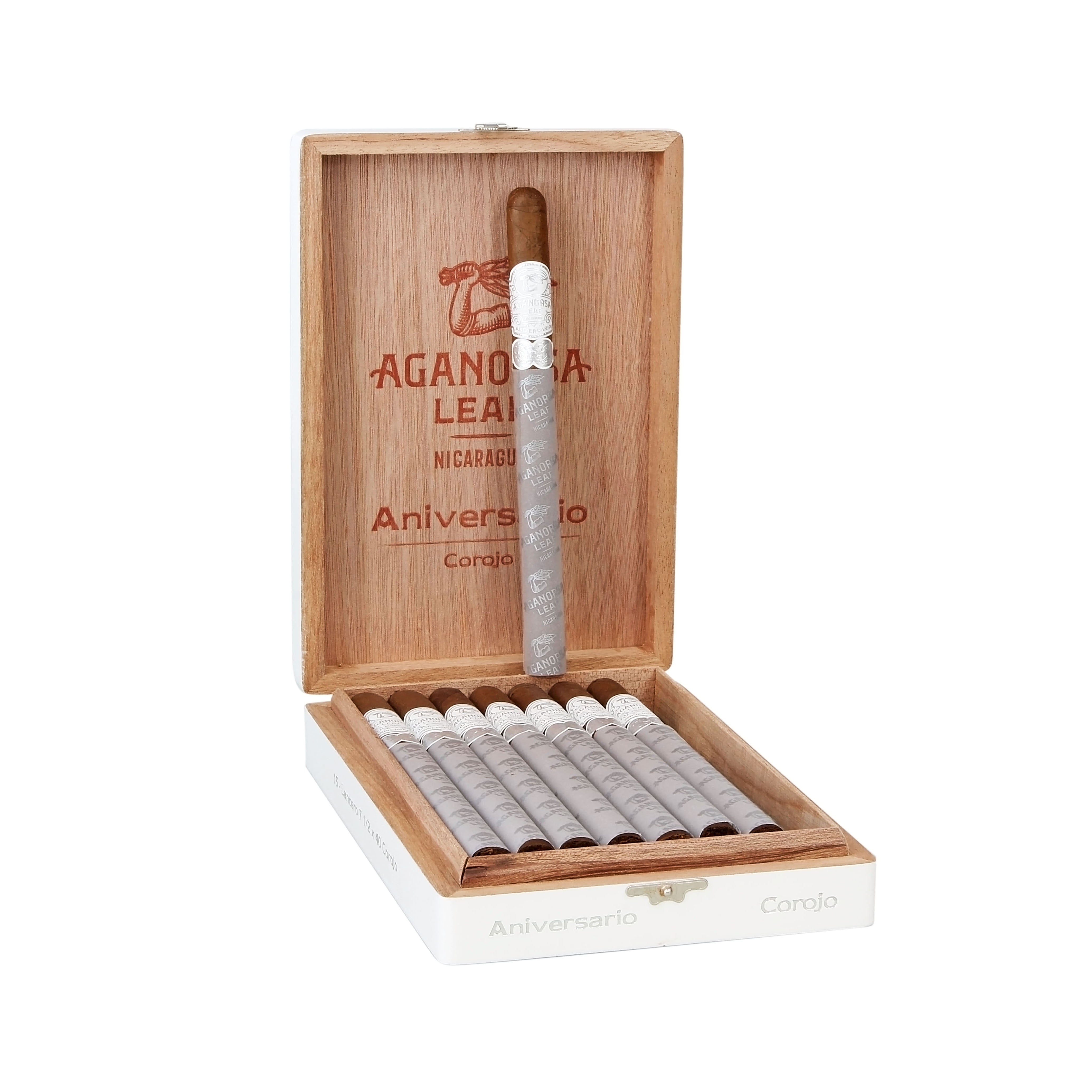
For a reposado or añejo, a Nicaraguan corojo is hard to beat. The Aganorsa Leaf Anniversario Corojo – Toro (152 mm × 52 ring gauge) offers leather, black pepper and roasted nuts that wrap around the spirit's caramel oak beautifully. If you prefer a slower, more elegant smoke, the Anniversario Corojo – Lancero (a slim 191 mm × 38) concentrates the wrapper's spice and lets a sipping añejo shine between draws.

When should I reach for mezcal instead?
Mezcal is the connoisseur's choice when you want smoke to meet smoke. Its roasted-agave, mineral and faintly medicinal character can flatten a delicate cigar, so save it for blends with backbone. A good rule: if a cigar can hold its own against an espresso, it can hold its own against mezcal.
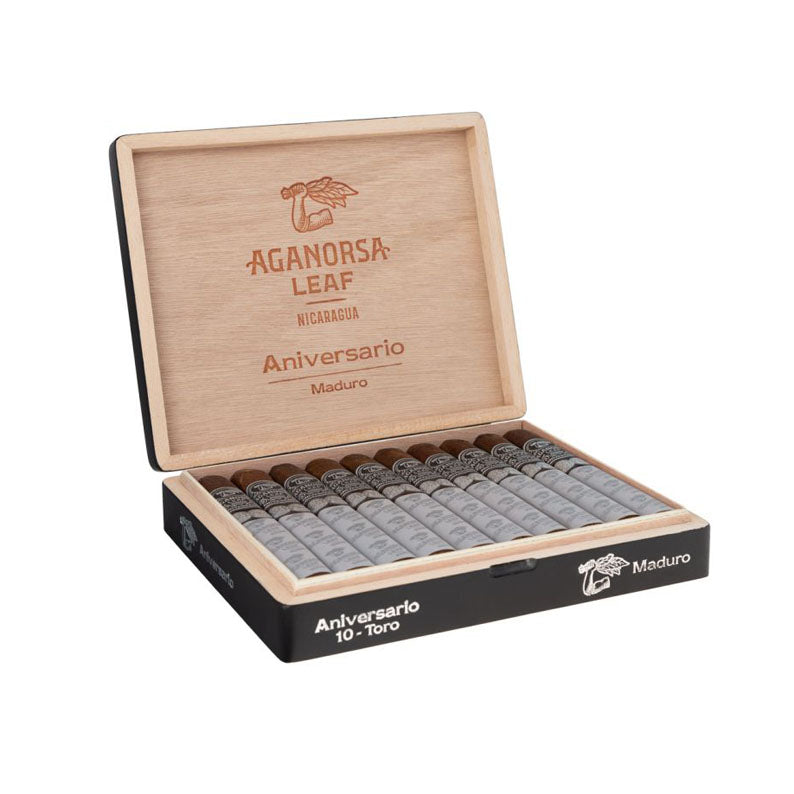
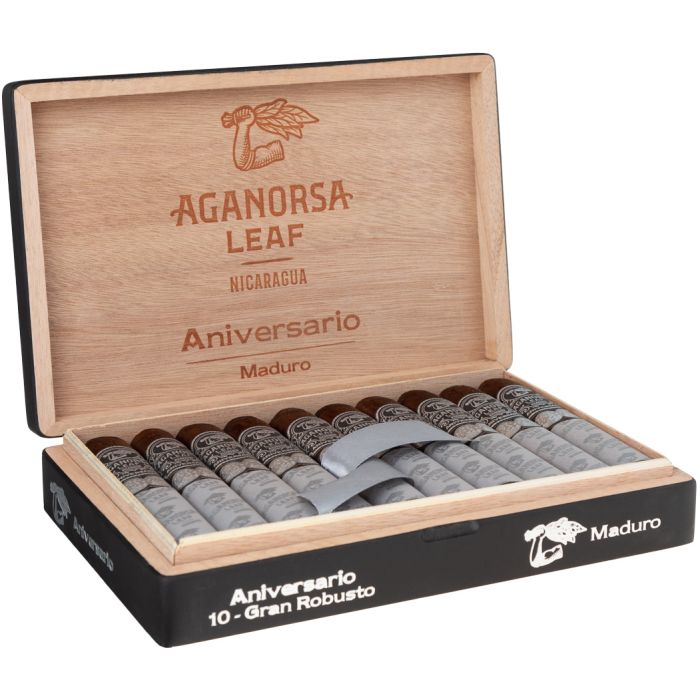
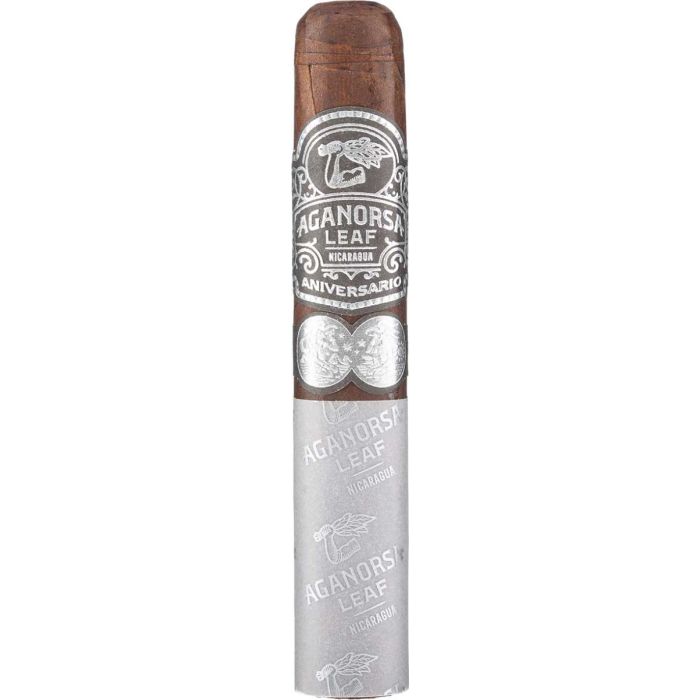
Maduro wrappers — fermented longer and darker, full of cocoa, dark fruit and sweet earth — are the obvious target. Try the Aganorsa Leaf Anniversario Maduro – Toro (152 mm × 52), whose bittersweet chocolate notes find an echo in mezcal's char, or the chunkier Anniversario Maduro – Gran Robusto for a shorter, more concentrated session. The smokier the mezcal, the darker and oilier your wrapper should be.

What if I prefer a lighter, milder cigar?
Not every pairing has to be a duel of intensity. A chilled blanco tequila or a softer espadín mezcal is lovely beside a smooth Connecticut-shade cigar, the kind whose creamy cedar, almond and gentle white-pepper notes won't be steamrolled.
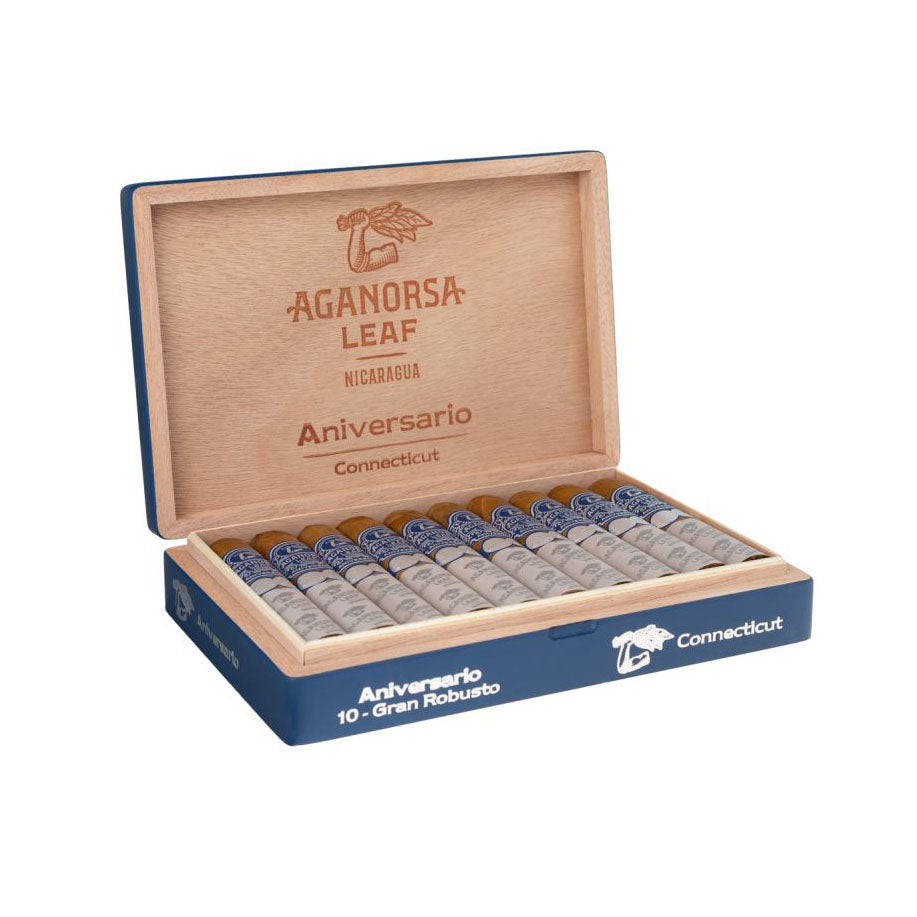
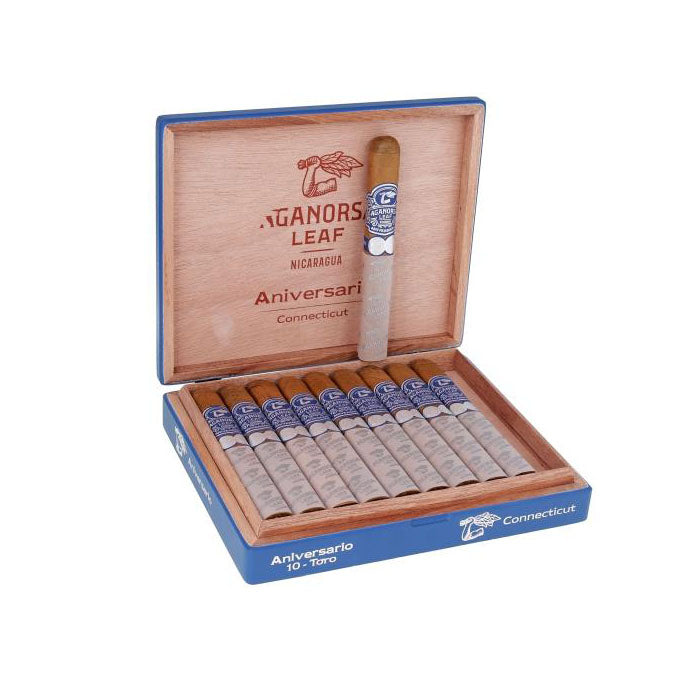
The Aganorsa Leaf Anniversario Connecticut – Gran Robusto and its longer sibling, the Anniversario Connecticut – Toro, are ideal first steps: mellow enough for a daytime pairing, complex enough to reward attention. For something with a touch more structure, the La Validación Habano – Gran Robusto brings a sweeter, spicier Habano wrapper that bridges nicely toward a reposado. You will find these and other Nicaraguan smokes in our New World cigars collection — a category that has reached extraordinary heights through producers like Aganorsa Leaf and the family-run EGM Cigars, whose Honduran blends share the same agave-friendly depth.

How should I serve and sequence the pairing?
A little ritual goes a long way. Both spirits reward neat, unhurried sipping rather than the shot-and-lime treatment.
- Glassware: a small tulip-shaped copita or a Riedel agave glass concentrates the aromatics. Avoid wide tumblers, which let the perfume escape.
- Temperature: serve at cool room temperature, around 18–20 °C. Over-chilling mutes the nuance.
- No salt, no lime: those belong to cocktail culture. For pairing, taste the spirit clean.
- Sequence: sip first, then draw on the cigar, then sip again. Let each clear the palate for the other.
- Pace: a single 30 ml pour comfortably outlasts a robusto; a toro or lancero may call for two.
If you are building a flight, move from light to dark in both glass and humidor: a blanco with a Connecticut, then a reposado with a Habano or Corojo, finishing with a smoky mezcal beside a maduro. The progression keeps your palate fresh and saves the most assertive flavours for last.
How do I store the cigars I'm cellaring for these pairings?
Whatever you pour, the cigar must be in peak condition. Keep your humidor at 68–72% relative humidity and a steady 16–18 °C. A touch on the drier side (around 65%) suits fuller maduros, giving a cleaner burn and a slightly sharper, more defined flavour that stands up well to mezcal. Allow boxes a few weeks to settle after they arrive, and rotate periodically so the wrappers age evenly. A well-rested cigar always pairs better than a freshly shipped one.
Frequently asked questions
Is tequila or mezcal better with a cigar?
Neither is objectively better — it depends on the cigar. Aged tequila (reposado or añejo) is the more versatile, flattering medium-bodied Habano and Corojo wrappers with vanilla and caramel oak. Mezcal's roasted smoke suits bolder maduros and full Nicaraguan blends. Match the spirit's weight to the cigar's strength and you cannot go far wrong.
Should I drink tequila with ice when pairing it with a cigar?
No. For pairing, serve both tequila and mezcal neat at cool room temperature in a small tulip glass. Ice dilutes the spirit and dulls the very aromatics — vanilla, agave, smoke — that create the harmony with your cigar. Save the rocks, salt and lime for cocktails; this is about clean, considered sipping.
What cigar suits a beginner trying this pairing for the first time?
Start gentle. A creamy Connecticut-wrapped cigar such as the Aganorsa Leaf Anniversario Connecticut Gran Robusto alongside a chilled blanco or soft reposado is forgiving and approachable. Its mild cedar and almond notes let you focus on how the spirit and smoke interact without either element overpowering your palate.
Does mezcal overpower the flavour of a cigar?
It can, if the cigar is too mild. Mezcal's campfire smoke and minerality will flatten a delicate Connecticut. Pair it instead with a dark, oily maduro or a full-bodied Nicaraguan corojo — cigars with enough cocoa, pepper and earth to meet the spirit halfway. Matched well, the two smokes amplify rather than cancel one another.
How long does a tequila or mezcal pairing session usually last?
Plan for roughly an hour. A robusto burns for about 45 minutes, a toro or gran robusto closer to an hour or more, and a lancero longer still thanks to its slim ring gauge. A single 30 ml pour comfortably accompanies a robusto; for the larger vitolas, a second measured sip keeps the pairing balanced to the final third.
Share:
Best Limited Edition Cuban Cigars to Collect
Camacho Cigars: A Guide to Bold New World Flavour