

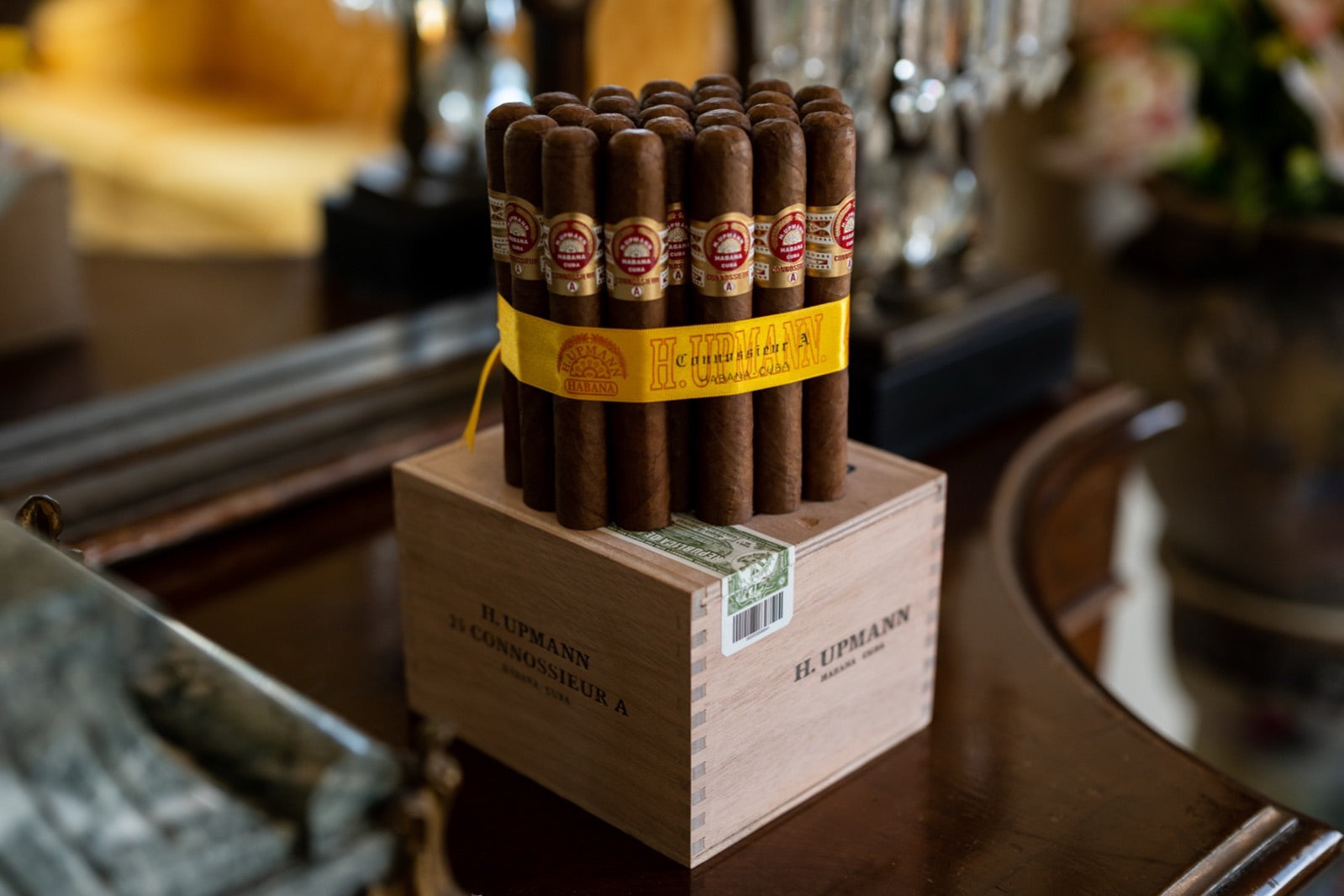
The most collectible Cuban cigars are the strictly limited releases — the Edición Limitada (EL), Reserva and Gran Reserva series, alongside Regional and Edición Exclusiva runs — because each pairs scarce, longer-aged tobacco with a one-time production that rewards patient cellaring. If you are building a collection to enjoy now and treasure later, these are the families to seek out first.
- Edición Limitada cigars use aged wrapper, filler and binder (two years or more) and appear in a single year's release — the cornerstone of any serious collection.
- Reserva (filler and binder aged three years) and Gran Reserva (all leaf aged five years) are Habanos' most coveted, numbered, ultra-limited tiers.
- Look to flagship marcas — Cohiba, Montecristo, Partagás, Romeo y Julieta and Trinidad — whose limited runs tend to age most gracefully.
- Collectability rests on three things: genuine scarcity, ageing potential, and provenance.
- Store boxes at 16–18°C and 68–72% relative humidity and give them years, not weeks.
What makes a Cuban cigar a "limited edition"?
Not every small release qualifies. Habanos S.A. uses several formal designations, and understanding them is the foundation of collecting well.
- Edición Limitada (EL): launched in 2000, these are produced in restricted quantities for a single year, using wrapper, filler and binder aged a minimum of two years. The darker, oilier wrappers are the visual signature.
- Reserva: drawn from a single harvest, with filler and binder leaves aged at least three years, presented in numbered black-and-white boxes of typically 5,000 units worldwide.
- Gran Reserva: the summit. Every leaf — wrapper included — is aged a minimum of five years, from one outstanding cosecha, in individually numbered boxes. These are the cigars collectors chase hardest.
- Regional and Edición Exclusiva: vitolas made for specific markets, often in classic shapes retired from the standard range, which makes them quietly desirable.
The common thread is finite supply and pre-ageing. That combination is precisely what gives a cigar a future. For a wider view of the marcas worth following, our guide to the best Cuban cigars of 2026 is a natural companion to this piece.
Which marcas and releases should a collector prioritise?
The Cuban houses with the deepest limited-edition pedigree are the ones whose blends carry both power and finesse — the qualities that develop most rewardingly over time.
Cohiba
The benchmark for prestige. Cohiba's Behike line and its periodic Edición Limitada and Gran Reserva releases command the most attention from collectors. The triple-fermented medio tiempo leaf used in Behike gives a sweet, leathery, espresso-laden profile that deepens with rest.
Montecristo
The world's most recognised marca, and a perennial source of sought-after EL vitolas. Expect the house's signature cocoa, roasted coffee and bittersweet almond, with limited runs adding a layer of cedar and dried fruit as they age.
Partagás
Famed for full-bodied, earthy blends with notes of leather, espresso and a spice-box finish. The Serie line and Partagás Reserva releases are stalwarts of the secondary collecting world for good reason — they reward a decade in the cellar.
Romeo y Julieta and Trinidad
Romeo y Julieta brings an aromatic, cedar-and-floral elegance that suits collectors who favour finesse over force, while Trinidad's refined, honeyed character has made its limited vitolas increasingly collectible. Both houses release Reserva and EL editions worth watching.

What vitolas hold their value and age best?
Format matters as much as marca. Larger ring gauges hold more filler and therefore more ageing potential, while classic figurados are prized for craftsmanship and rarity.
- Robusto — 124mm × 50 ring gauge: the collector's all-rounder, balanced and consistent as it matures.
- Pirámide / figurado — typically 156mm × 52: the tapered head concentrates the blend and showcases the roller's hand; a favourite in EL releases.
- Double Corona — 194mm × 49: a long, slow, contemplative smoke that ages with real depth.
- Cañonazo — 150mm × 52: the Behike-style format, generous and well suited to long cellaring.
As a rule of thumb, the more filler a cigar contains, the more it has to give over the years — which is why ring gauge and length feature so heavily in collectors' thinking.

New World cigars worth the same collector's eye
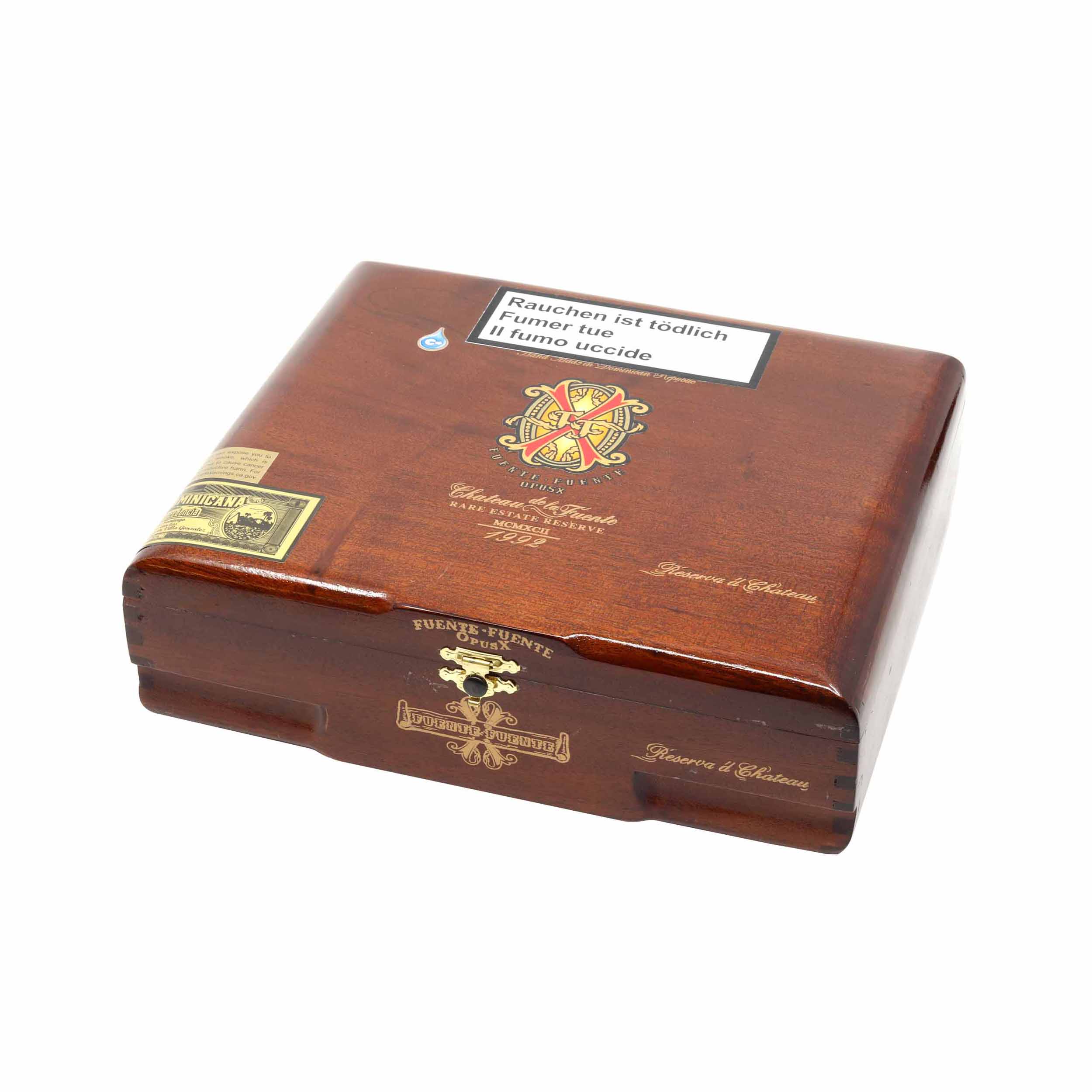
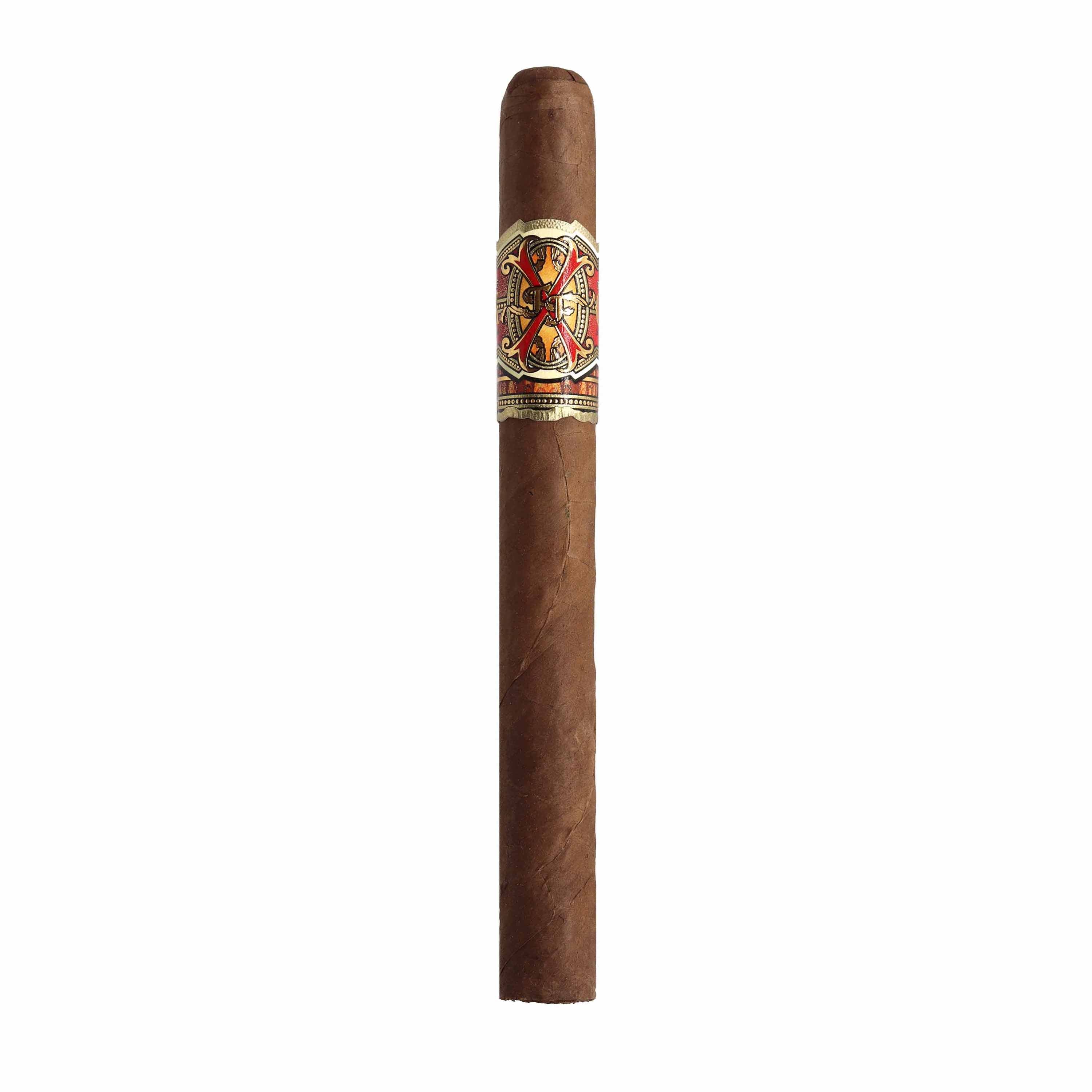
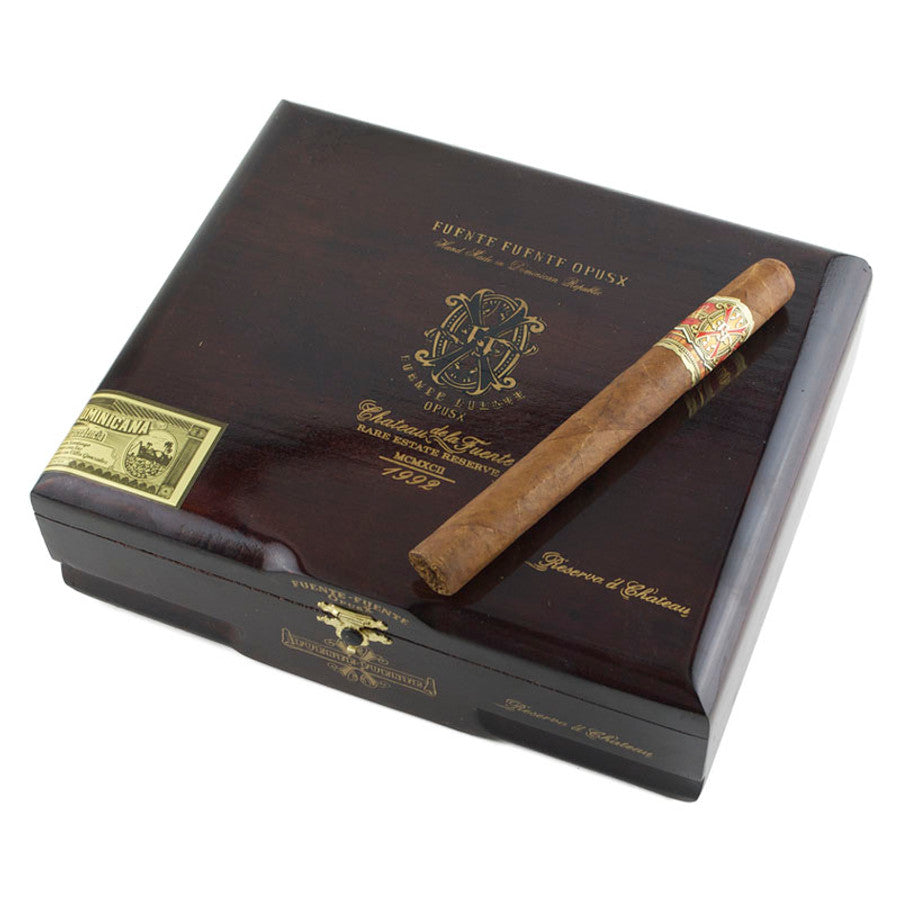
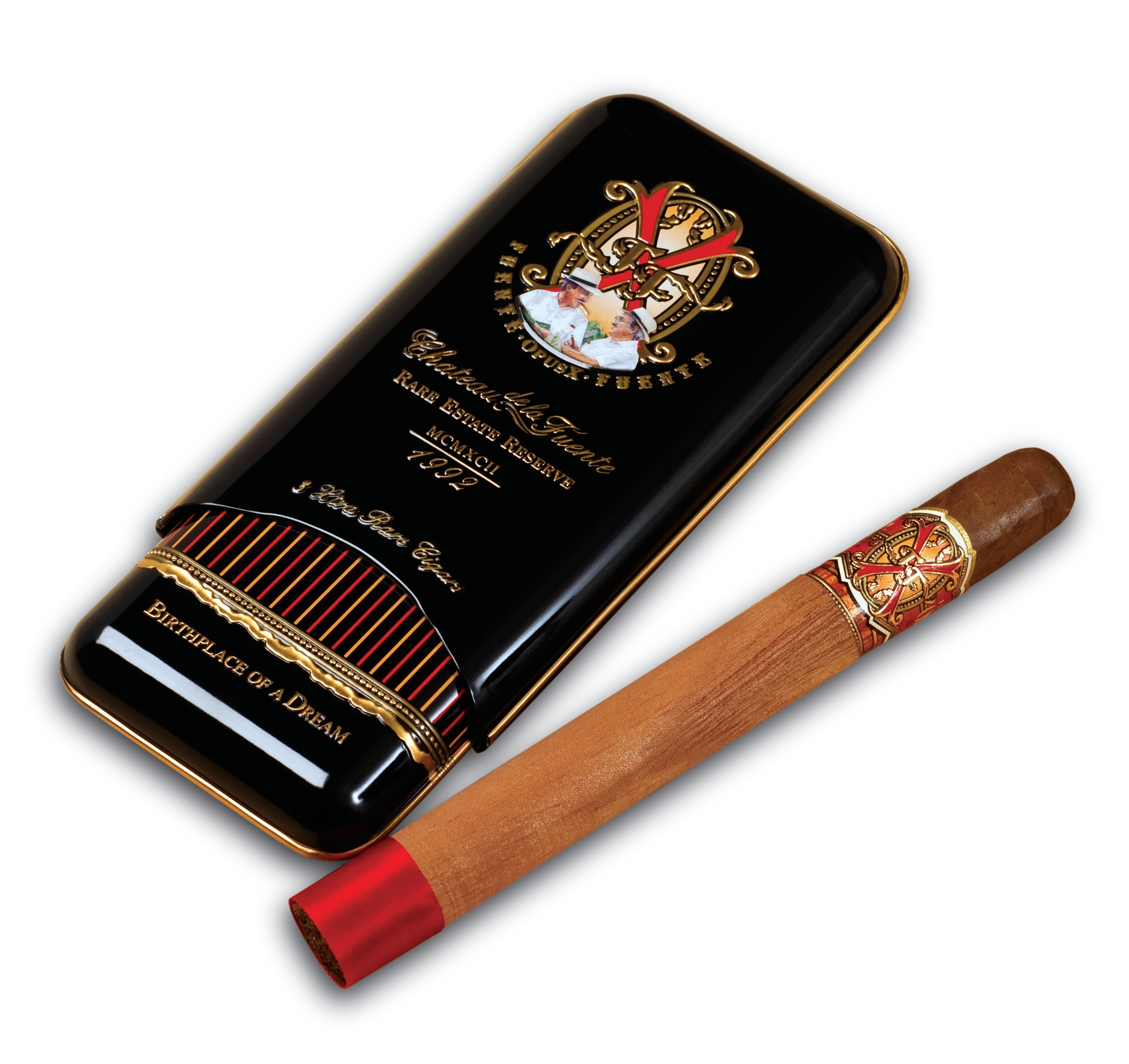
While Cuba sets the template, a complete cellar increasingly holds New World rarities of comparable scarcity and ageing pedigree — and these sit happily alongside Cuban editions. The most celebrated is the Arturo Fuente OpusX Reserva D'Chateau, grown from Cuban-seed tobacco in the Dominican Republic and produced in famously small quantities; its spice, cedar and red-pepper intensity mellow into something extraordinary with age.
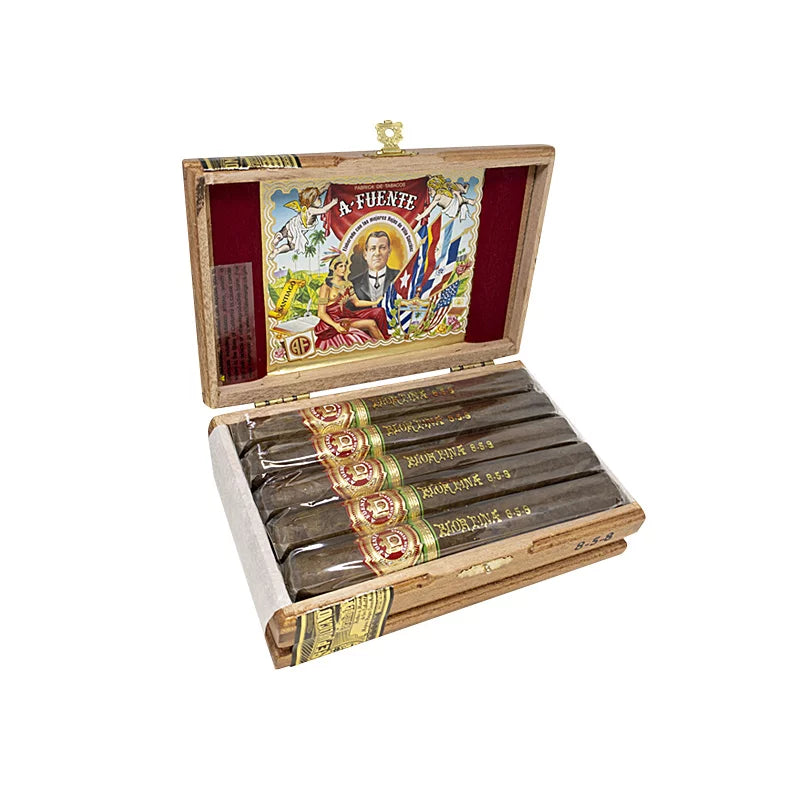
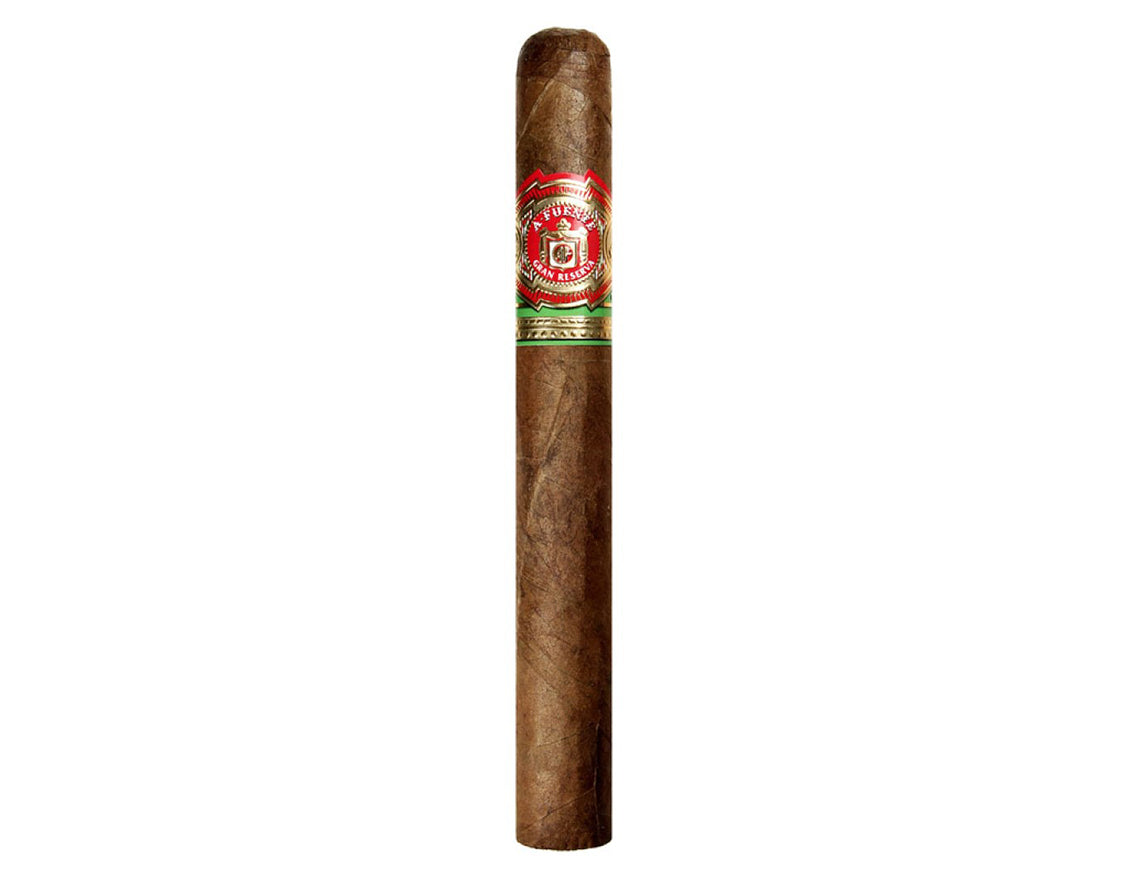
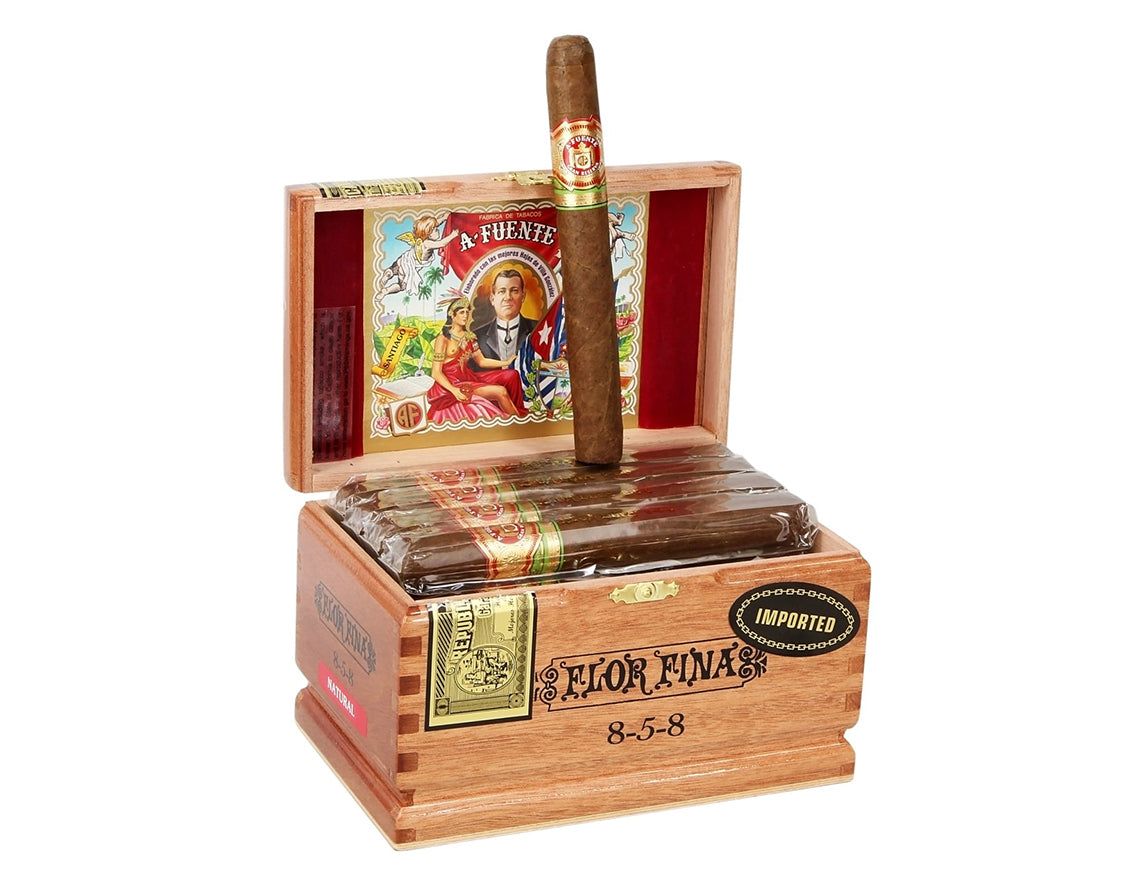
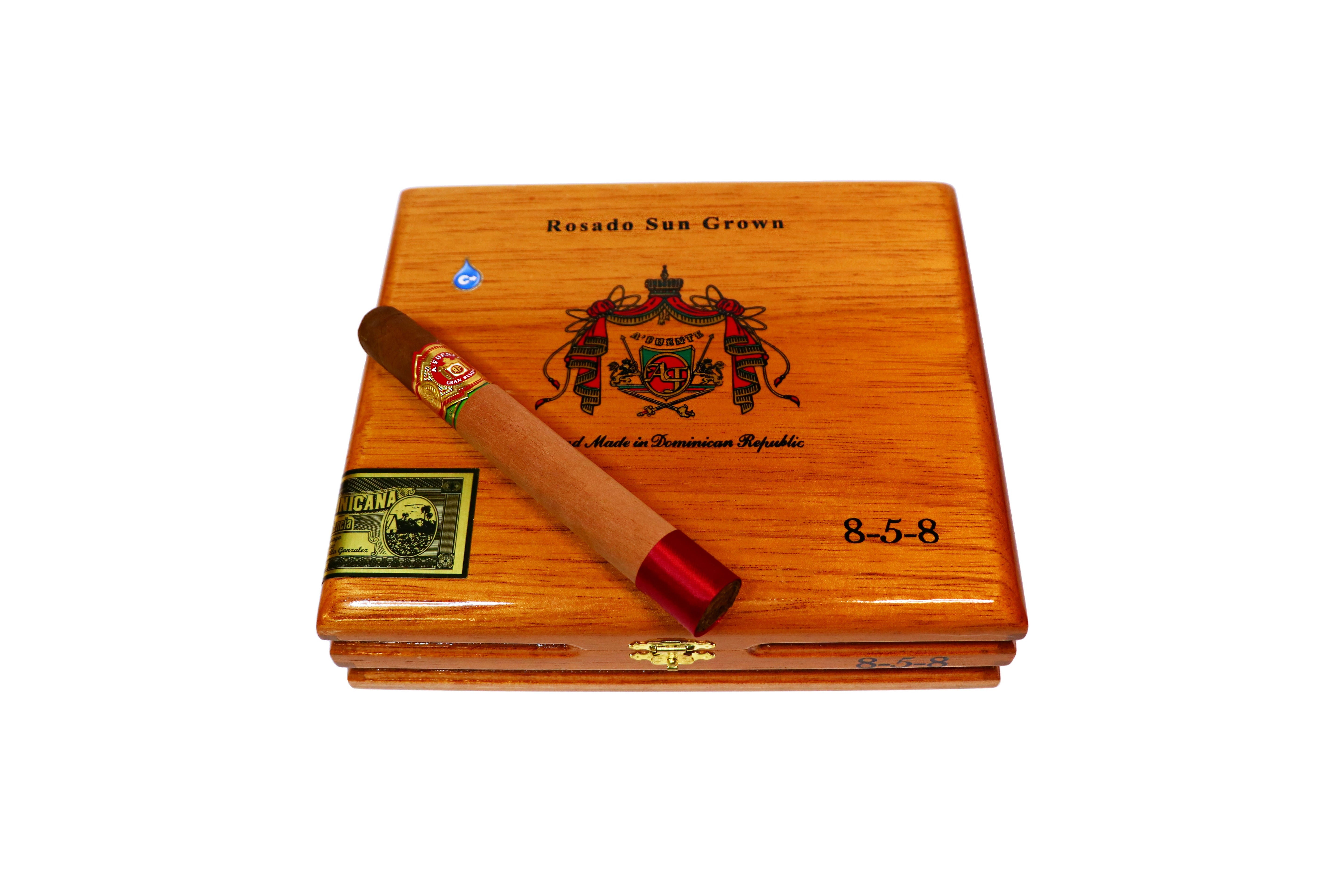
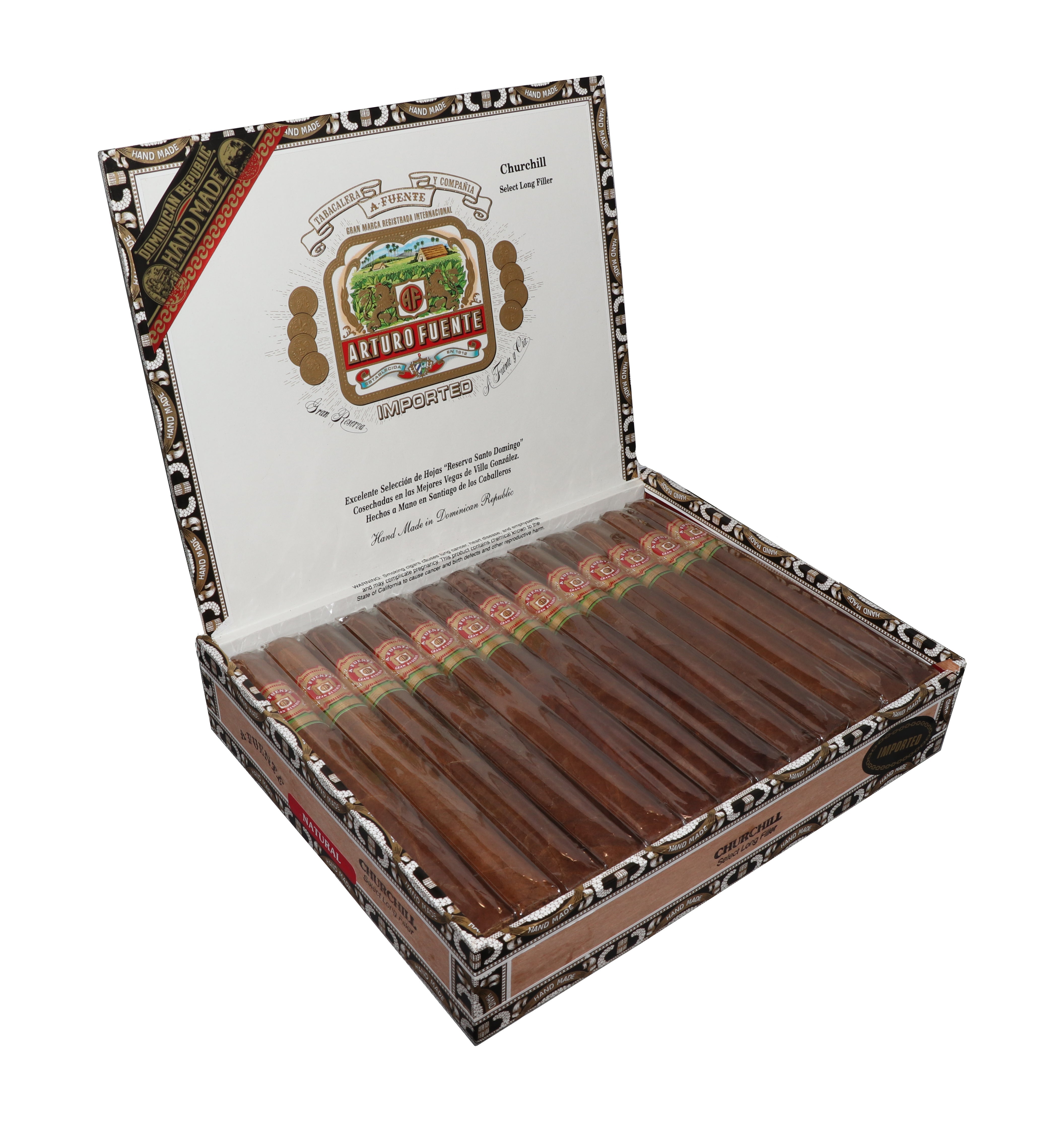
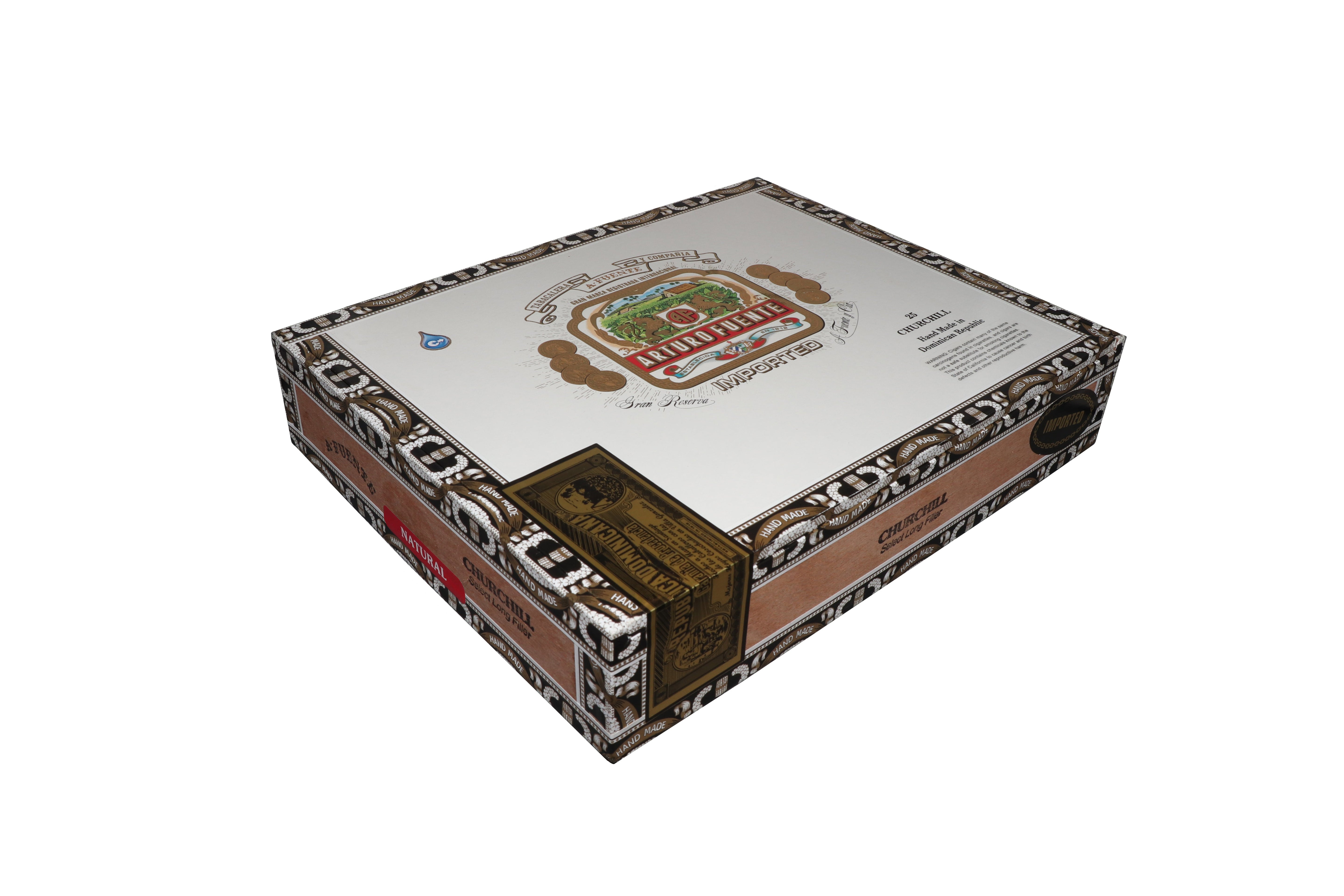
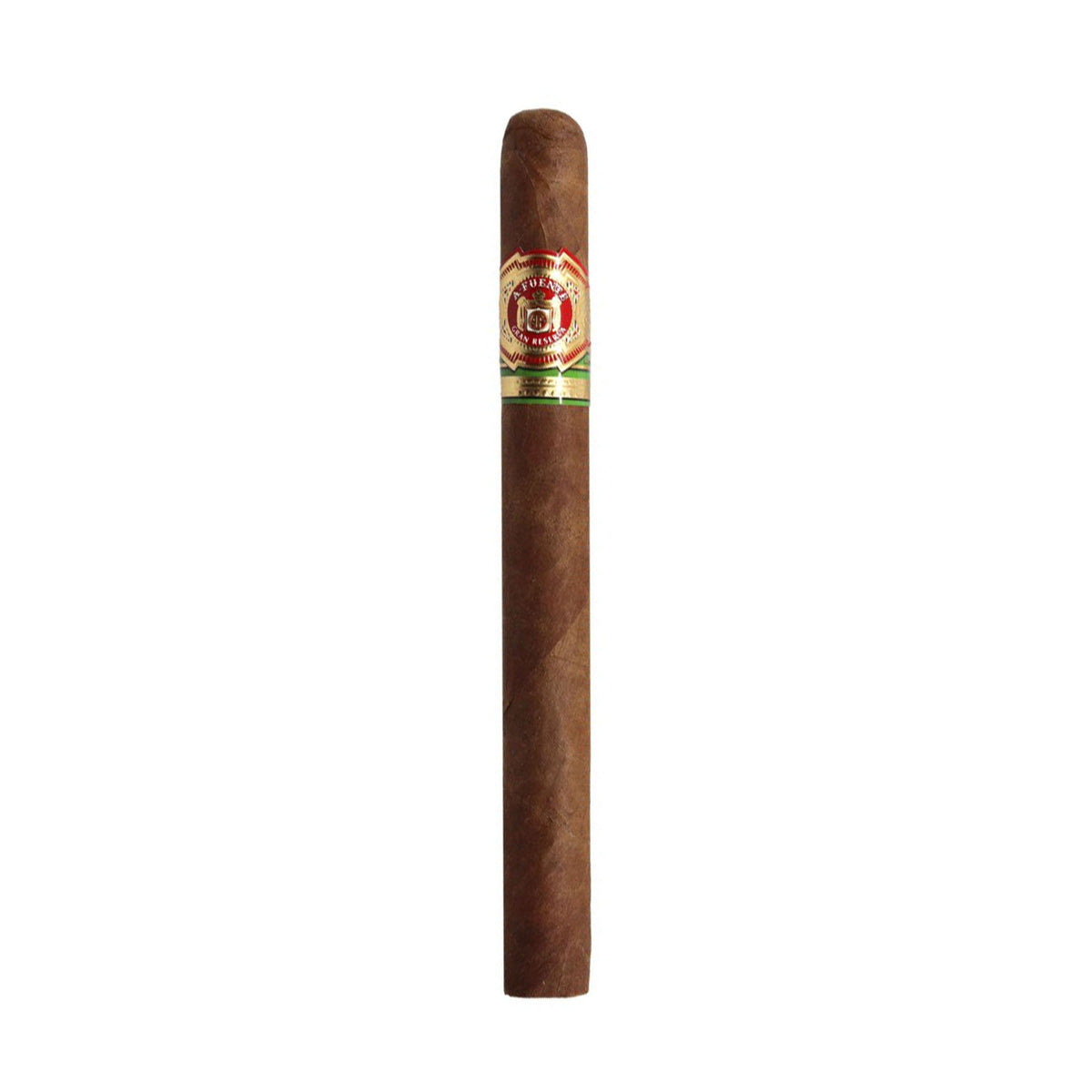
The Fuente Gran Reserva range mirrors the Cuban tiering philosophy beautifully. The Gran Reserva 8-5-8 Anniversary Natural and its 8-5-8 Rosado Sun Grown counterpart are elegant 47-ring-gauge coronas gordas with toasted-nut and sweet-cedar profiles, while the stately Gran Reserva Churchill Natural offers a long, leisurely smoke built for the cellar.
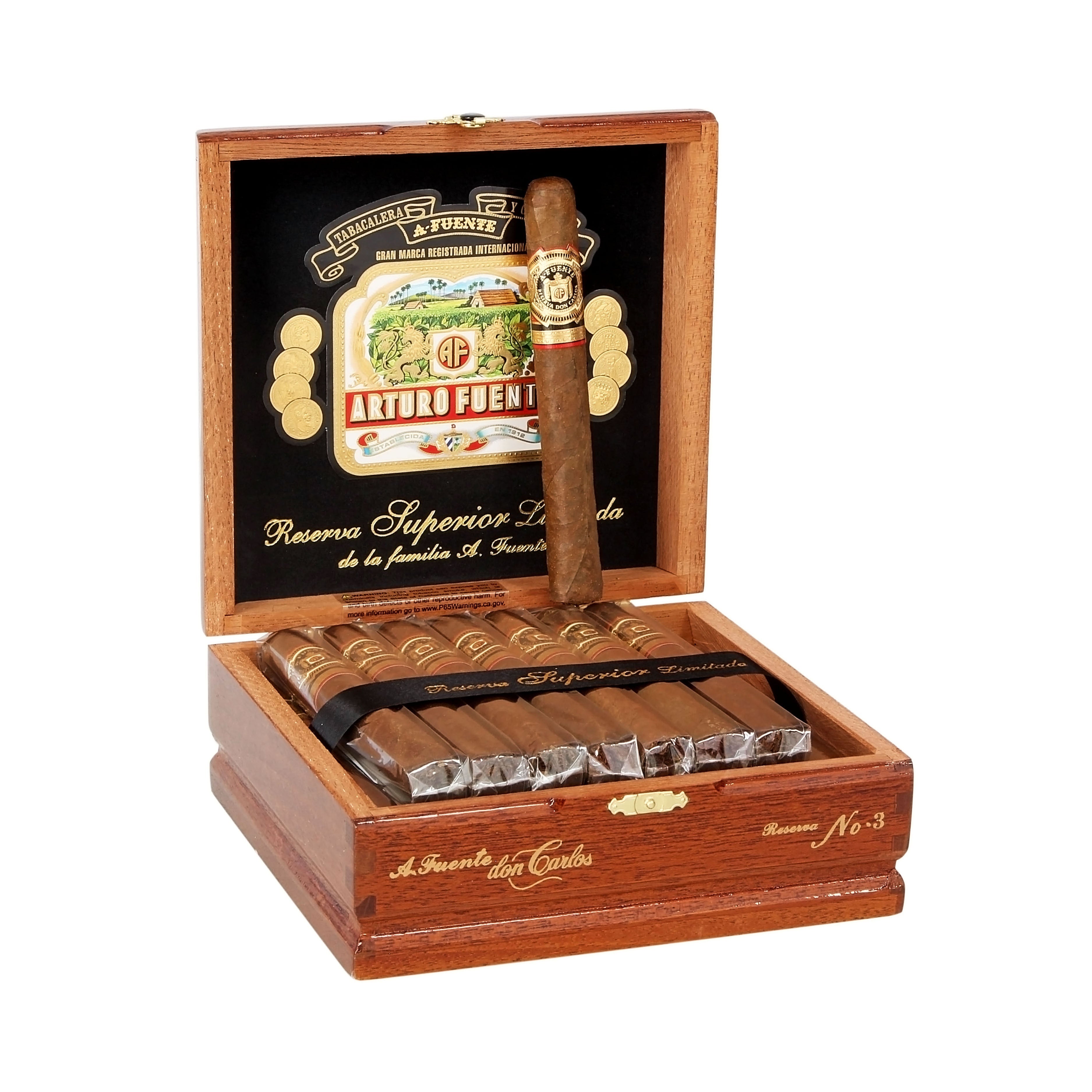
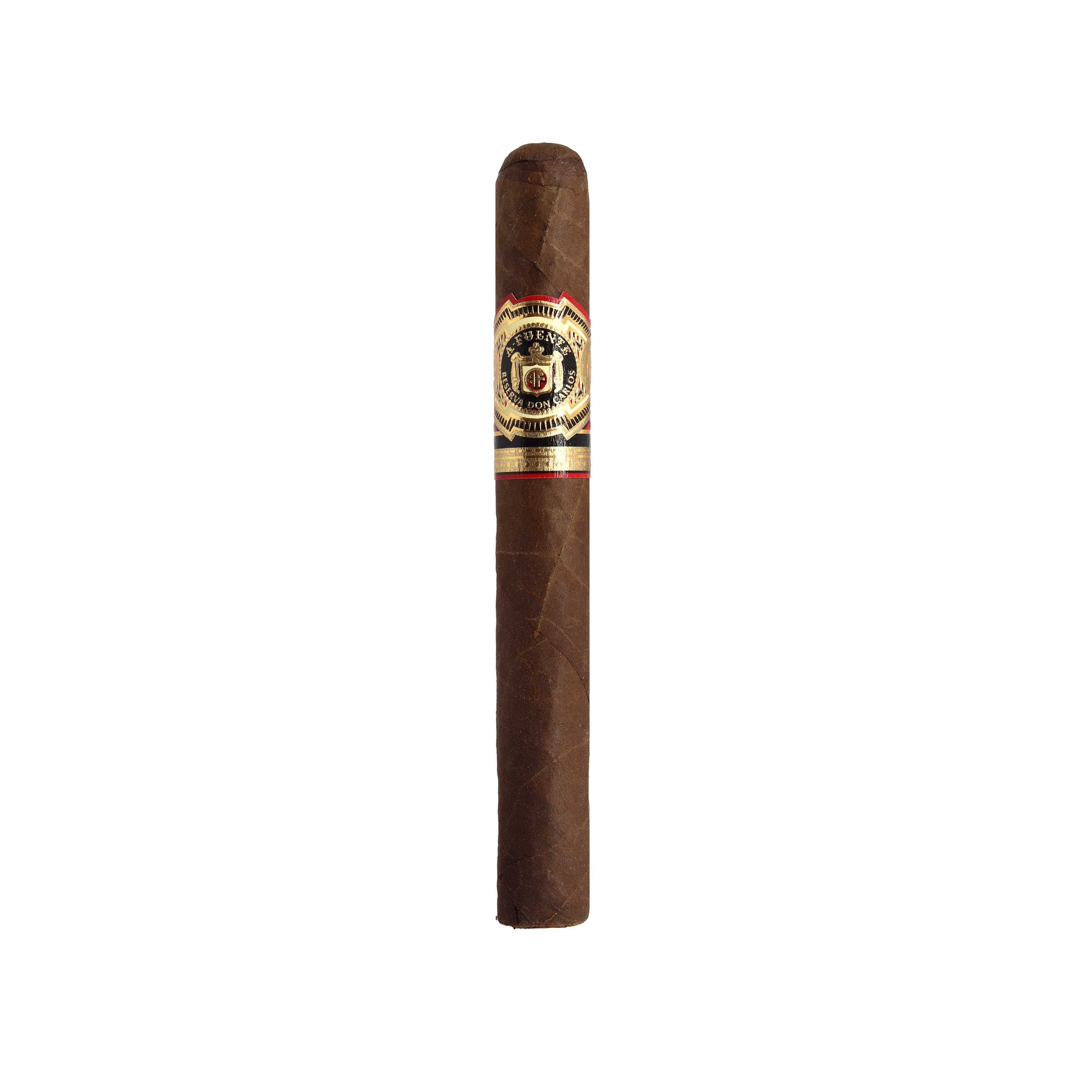
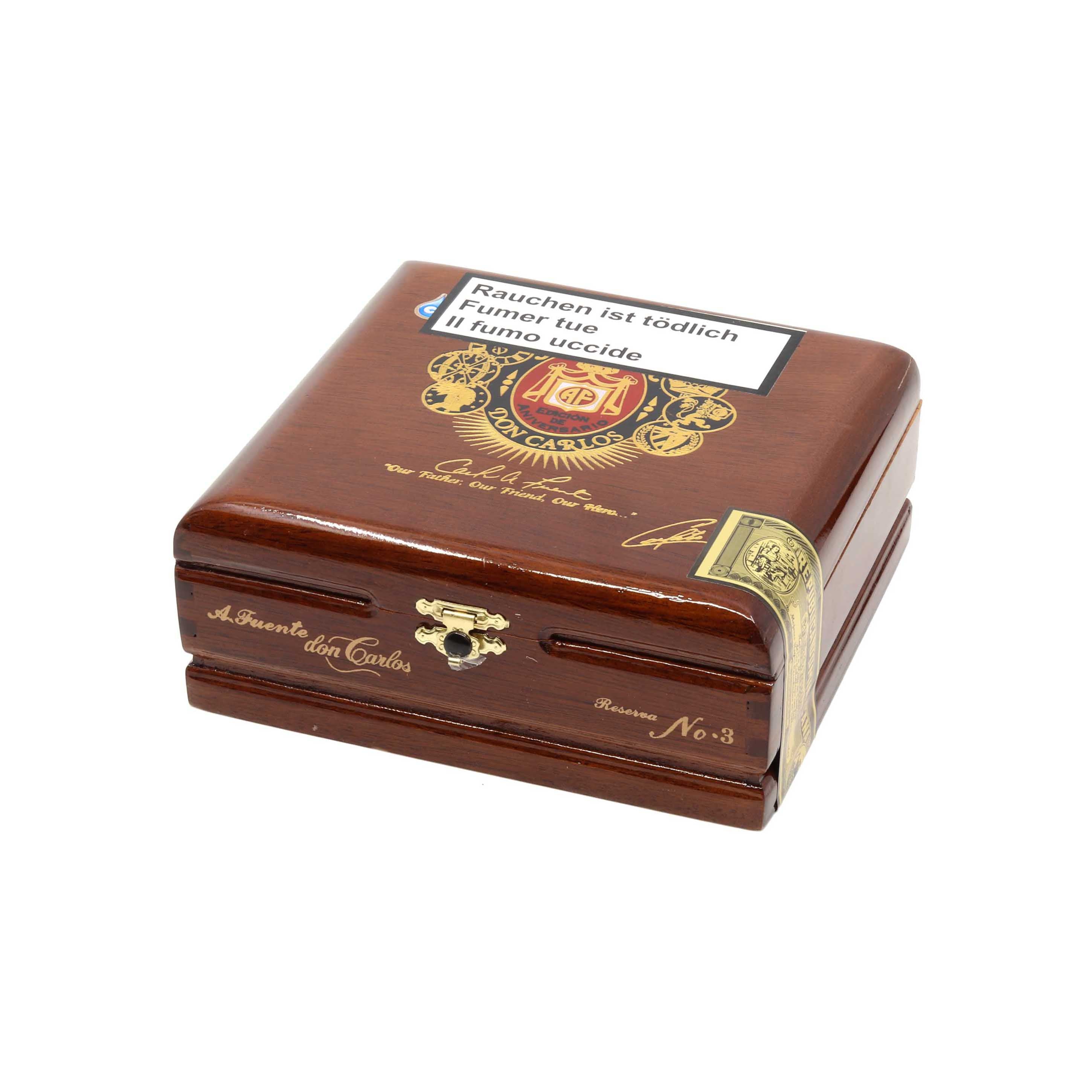
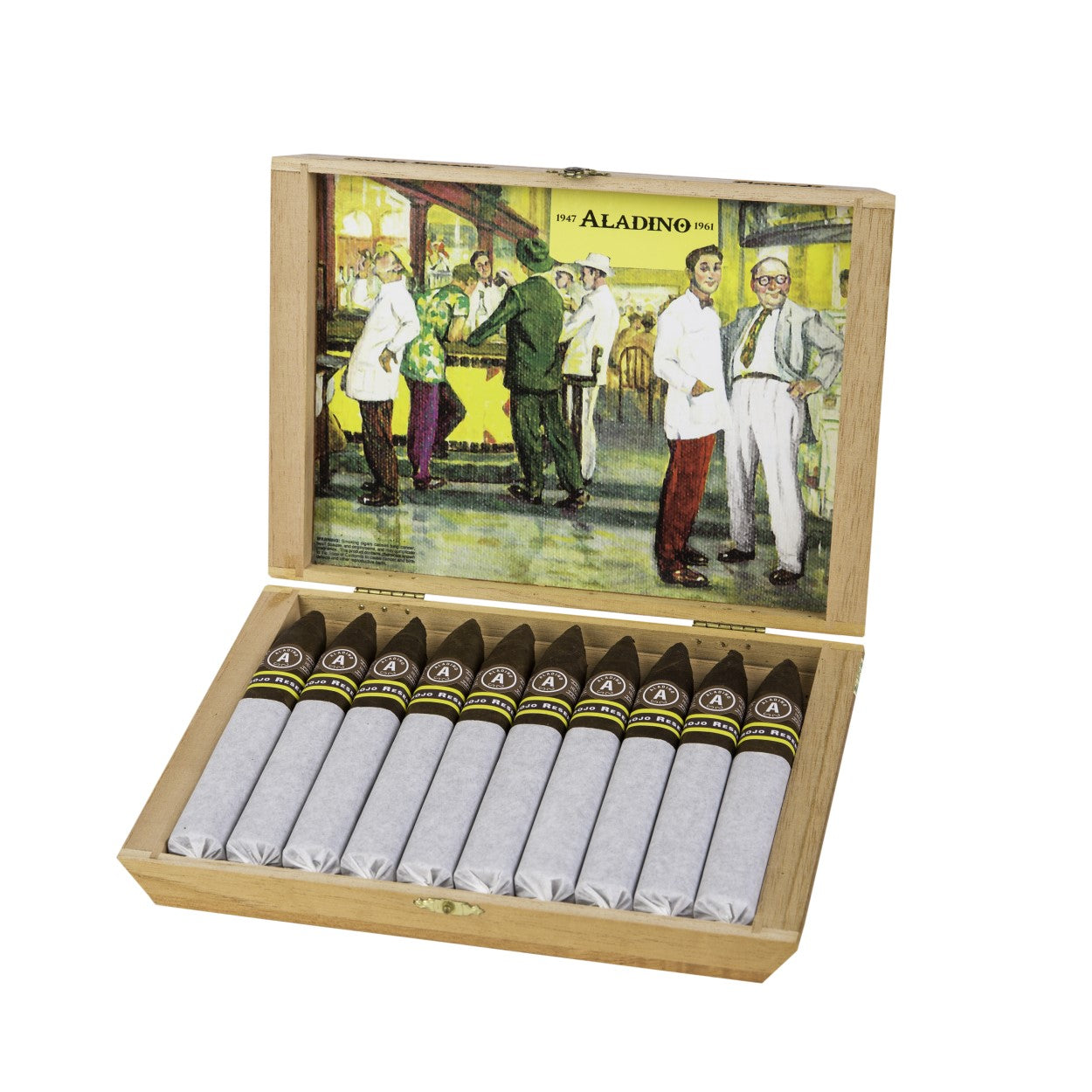
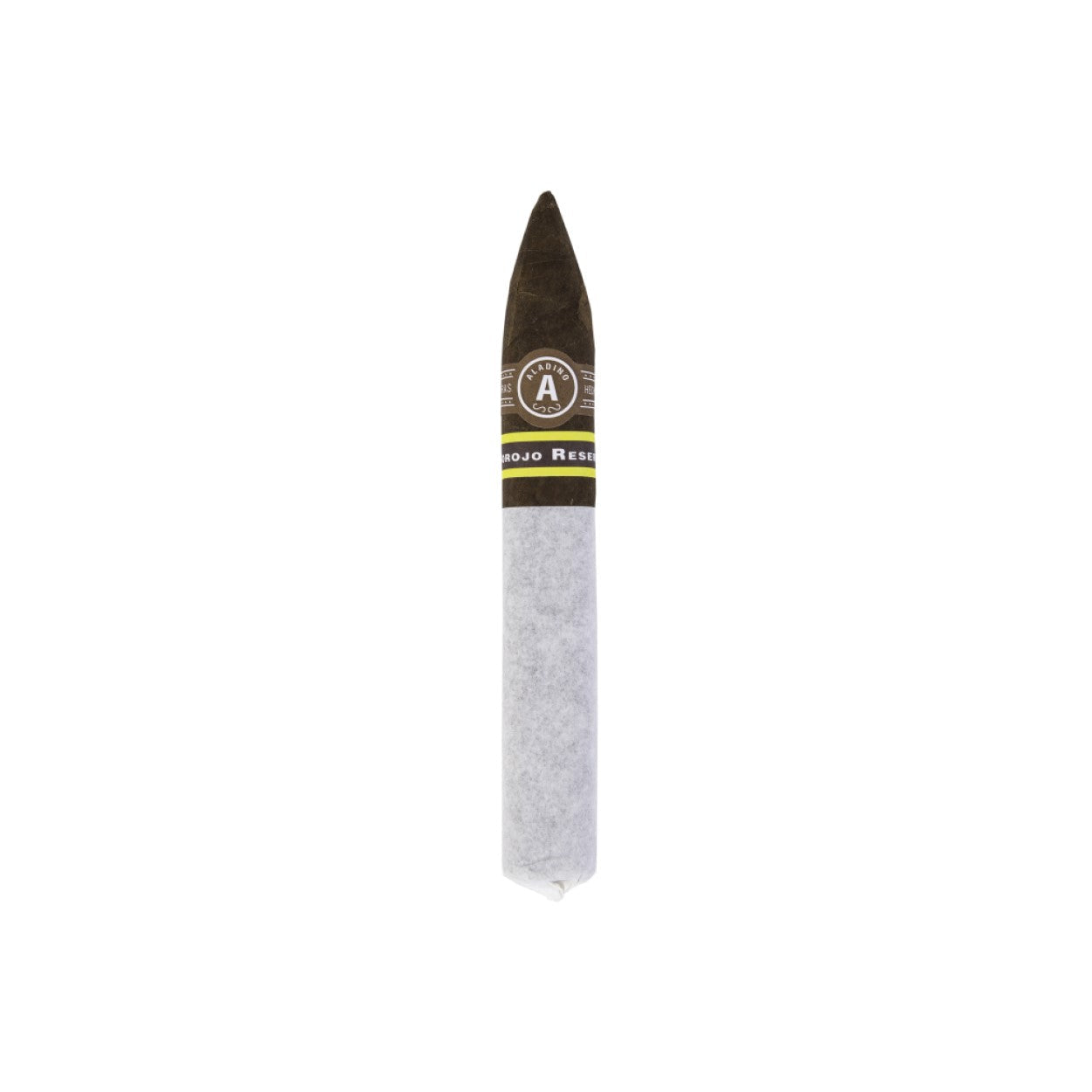
Among the most collectible of all are the Fuente Don Carlos editions — the house's connoisseur blend — with the refined Don Carlos Reserva Superior No. 3 delivering cocoa, espresso and a whisper of black pepper. From Honduras, the Cuban-seed Corojo of the Aladino Corojo Reserva Figurado brings authentic old-Havana character — earth, cream and a gentle sweetness — at a level of craft serious collectors respect. Many of these sit within our wider limited editions selection.

How should you store and age a collection?
A limited edition is only as good as its keeping. The goal of ageing is to let the leaf's components marry — tannins soften, ammonia from fermentation dissipates, and secondary notes of cedar, honey and dried fruit emerge.
- Humidity: hold a steady 68–72% RH. The lower end suits long-term ageing; many collectors favour 65–69% for cigars they intend to rest for years.
- Temperature: a stable 16–18°C. Consistency matters more than hitting an exact figure — swings are the enemy.
- Time: give EL releases at least two to three years of further rest; Reserva and Gran Reserva editions reward five to ten years or more.
- Provenance: keep boxes intact with their codes and seals. Box-date and factory codes are part of a cigar's collectible identity.
If you would like to go deeper on why patience pays, read the art of ageing cigars: when time makes them better. For producers obsessive about pre-ageing their leaf before release, the work of houses such as EGM Cigars is a fine illustration of how aged tobacco transforms a blend.
When are limited editions best enjoyed?
The pleasure of collecting is that every cigar marks an occasion. A Gran Reserva is a fitting close to a milestone celebration; an aged EL pirámide rewards a long, unhurried evening with a fine rum or aged whisky. The Aladino Corojo Reserva No. 4 petit corona makes a graceful shorter smoke, while a Don Carlos Reserva Superior No. 4 is an ideal first cigar of an afternoon. The art lies in keeping a few back to see how they evolve — that is where collecting becomes its own quiet reward.
Frequently asked questions
What is the difference between Reserva and Gran Reserva?
Both come from a single outstanding harvest and arrive in numbered boxes. In a Reserva, the filler and binder leaves are aged at least three years before rolling. A Gran Reserva goes further: every leaf, the wrapper included, is aged a minimum of five years. The result is a smoother, more integrated and considerably scarcer cigar.
How long should I age a limited edition cigar?
Because limited editions are made with pre-aged tobacco, they smoke well on release. For greater complexity, give Edición Limitada cigars a further two to three years, and Reserva or Gran Reserva editions five to ten years or more. Keep conditions stable and sample one occasionally to track how the blend develops over time.
Are New World cigars worth collecting alongside Cuban ones?
Absolutely. Rarities such as the Arturo Fuente OpusX and the Gran Reserva and Don Carlos lines are produced in small quantities from carefully aged, often Cuban-seed tobacco, and age with comparable grace. A thoughtfully built cellar happily holds both traditions, broadening the range of flavours and occasions you can enjoy.
What humidity is best for storing collectible cigars?
Aim for a stable 68–72% relative humidity at 16–18°C. For cigars you intend to rest for many years, many collectors prefer the lower 65–69% range, which slows ageing and helps preserve structure. Above all, avoid fluctuations — steady conditions matter far more than chasing one precise number.
Share:
Best Cigars for an Anniversary Gift
Cigars and Tequila & Mezcal: A Smoky Match