

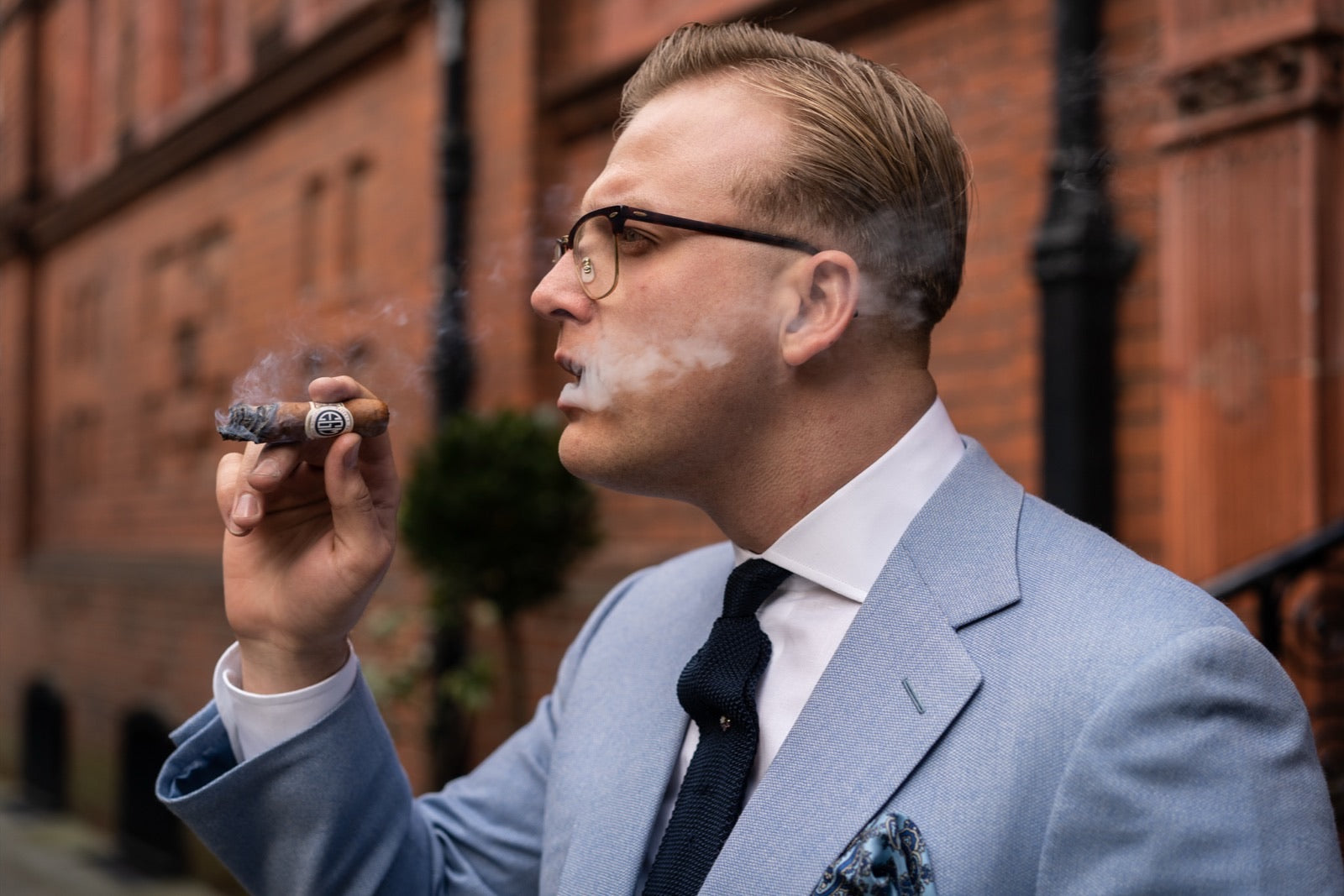
Camacho is a Honduran-rooted house known for unapologetically bold, characterful cigars, anchored by its proprietary Original Corojo tobacco and broadened by smoother Connecticut and rich Broadleaf blends. If you enjoy spice, depth and a cigar with a genuine point of view, Camacho is one of the most rewarding names in the New World.
- Camacho's signature is its Honduran-grown Original Corojo wrapper — peppery, earthy and full-bodied.
- The core range splits neatly: Connecticut (mild-medium, smooth), Corojo (medium-full, spicy) and Broadleaf (full, dark and sweet).
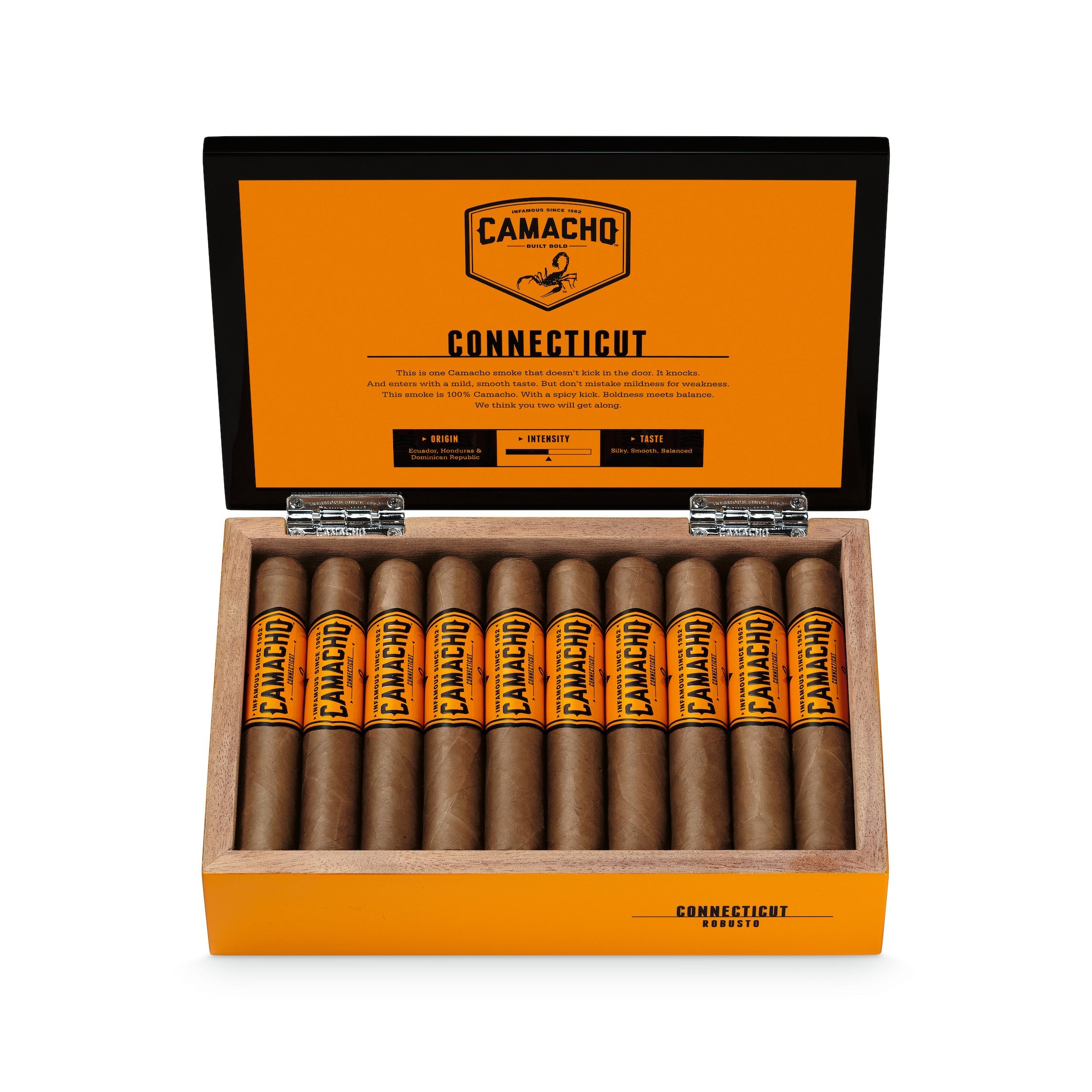
- New to the house? Begin with a Connecticut Robusto; for the full Camacho experience, reach for a Corojo or Broadleaf.
- Vitolas run from short Machitos minis to generous 60-ring Gordos, so there is a format for every occasion.
- Store all of them at 68–72% relative humidity to keep the blends singing.
Who are Camacho and what makes them different?
Camacho built its reputation in the Jamastran Valley of Honduras, a region prized for its rich, mineral soil and the intensity it lends to tobacco. The house is best known for cultivating its own Original Corojo — a heritage seed variety descended from Cuban Corojo and now grown almost exclusively for Camacho. That single decision shapes the entire identity of the brand: where many New World makers chase balance, Camacho pursues boldness, leaning into pepper, leather and earth rather than smoothing them away.
The modern house philosophy is sometimes summed up as making cigars "for the bold". In practice that means generous ring gauges, robust blends and a willingness to put potent Honduran ligero front and centre. It also means a clear, legible range, which makes Camacho an unusually easy brand to navigate once you understand the three pillars below.

How do the Camacho lines compare?
Almost everything in the core catalogue sits within three families, each defined by its wrapper and intended strength.
Camacho Connecticut — the smooth introduction
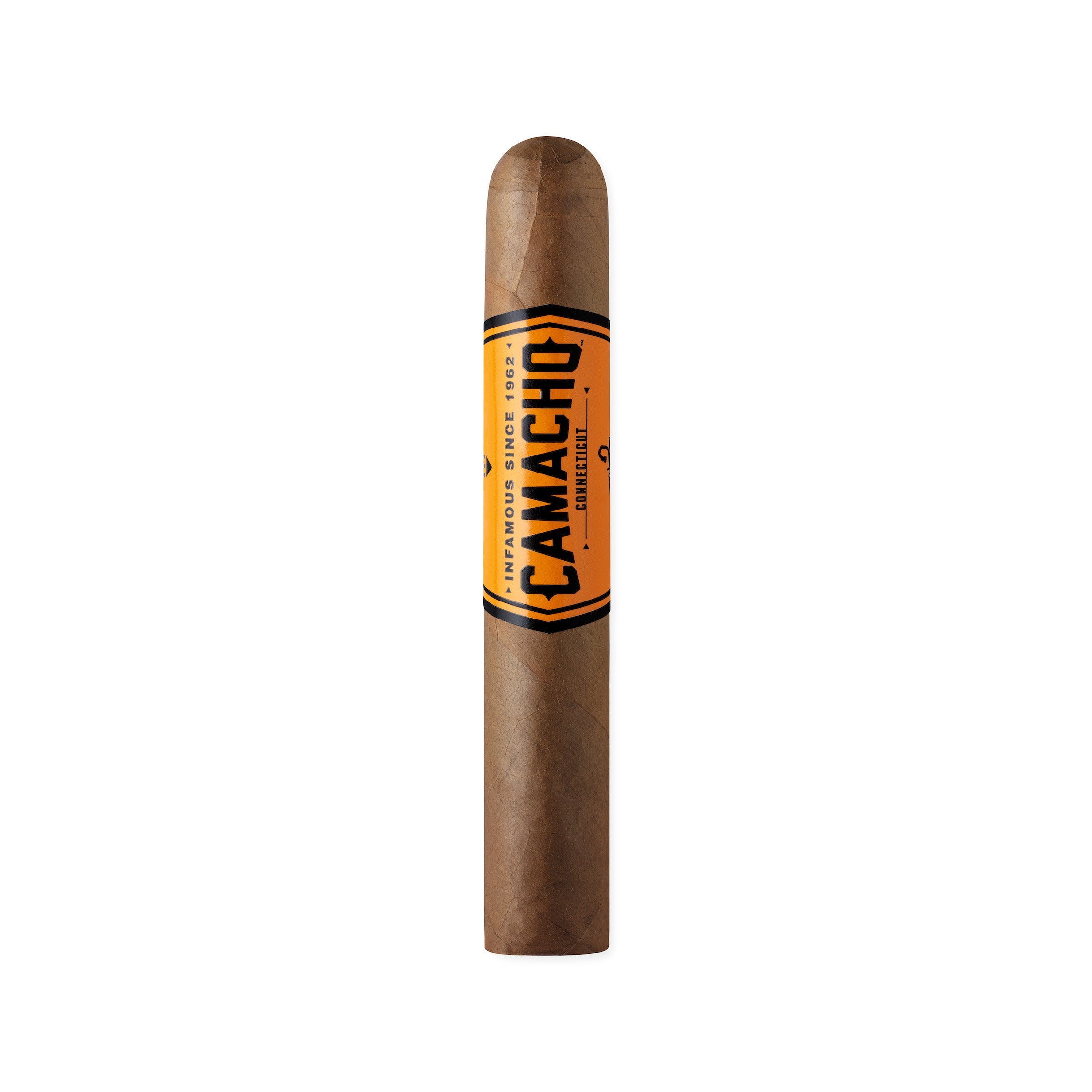
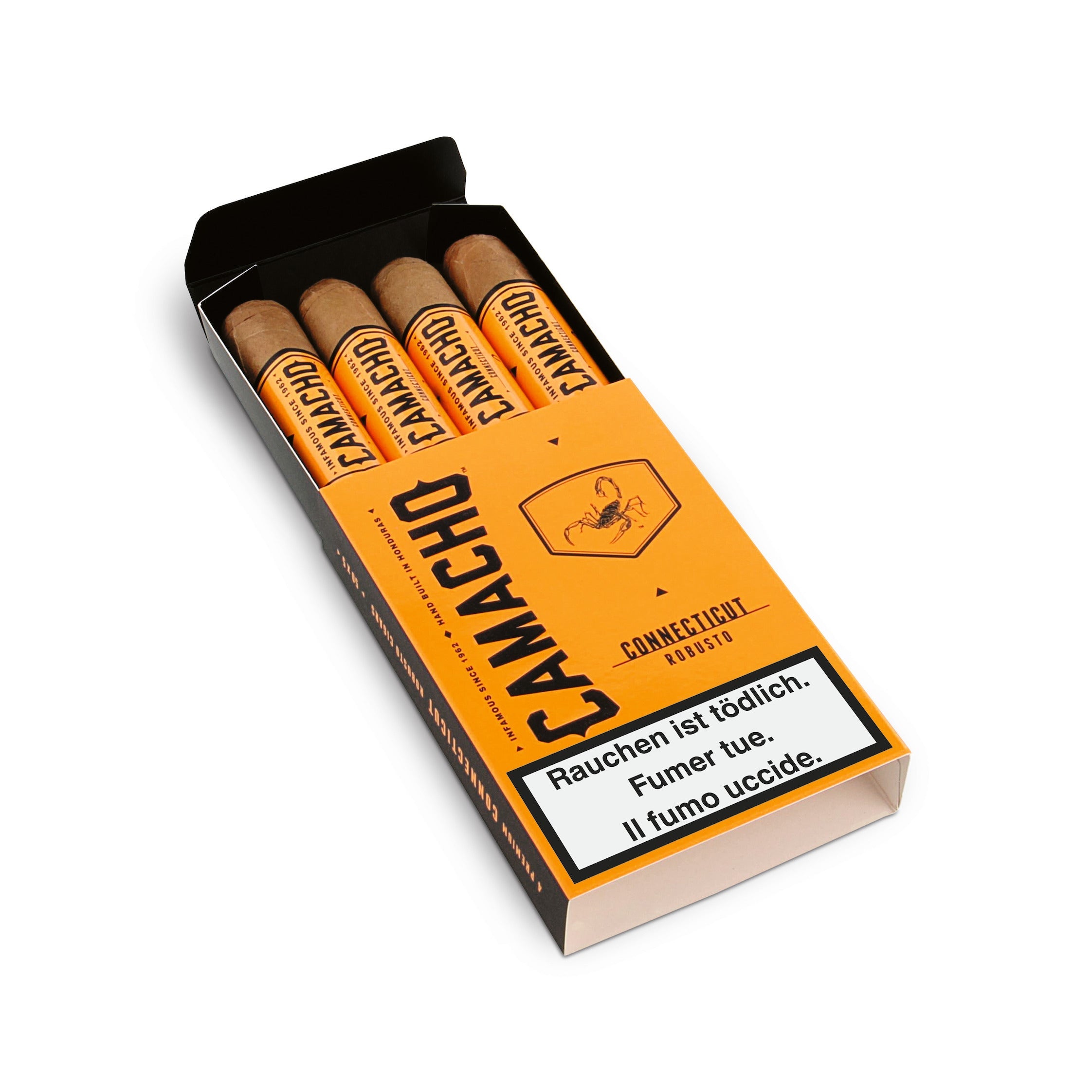
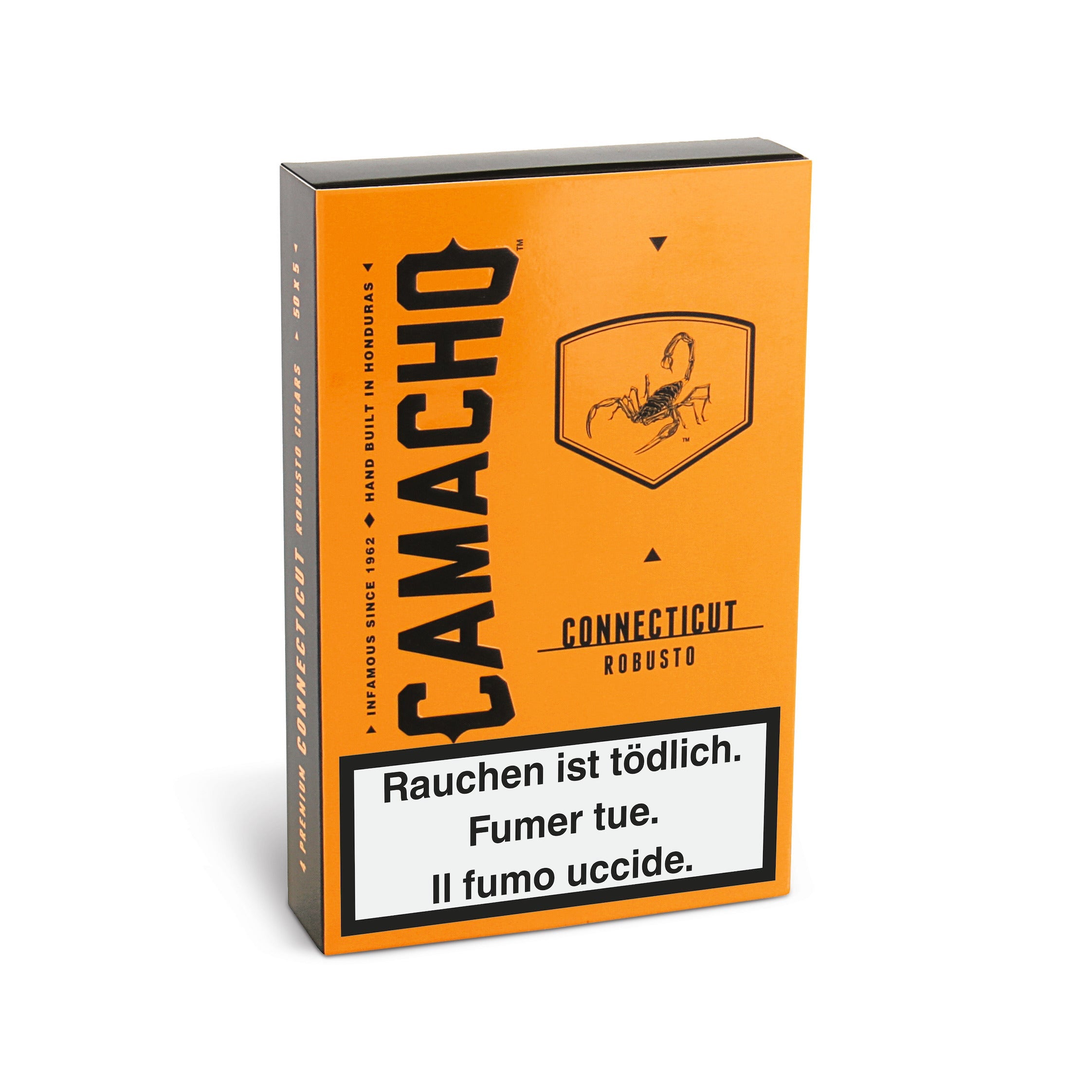
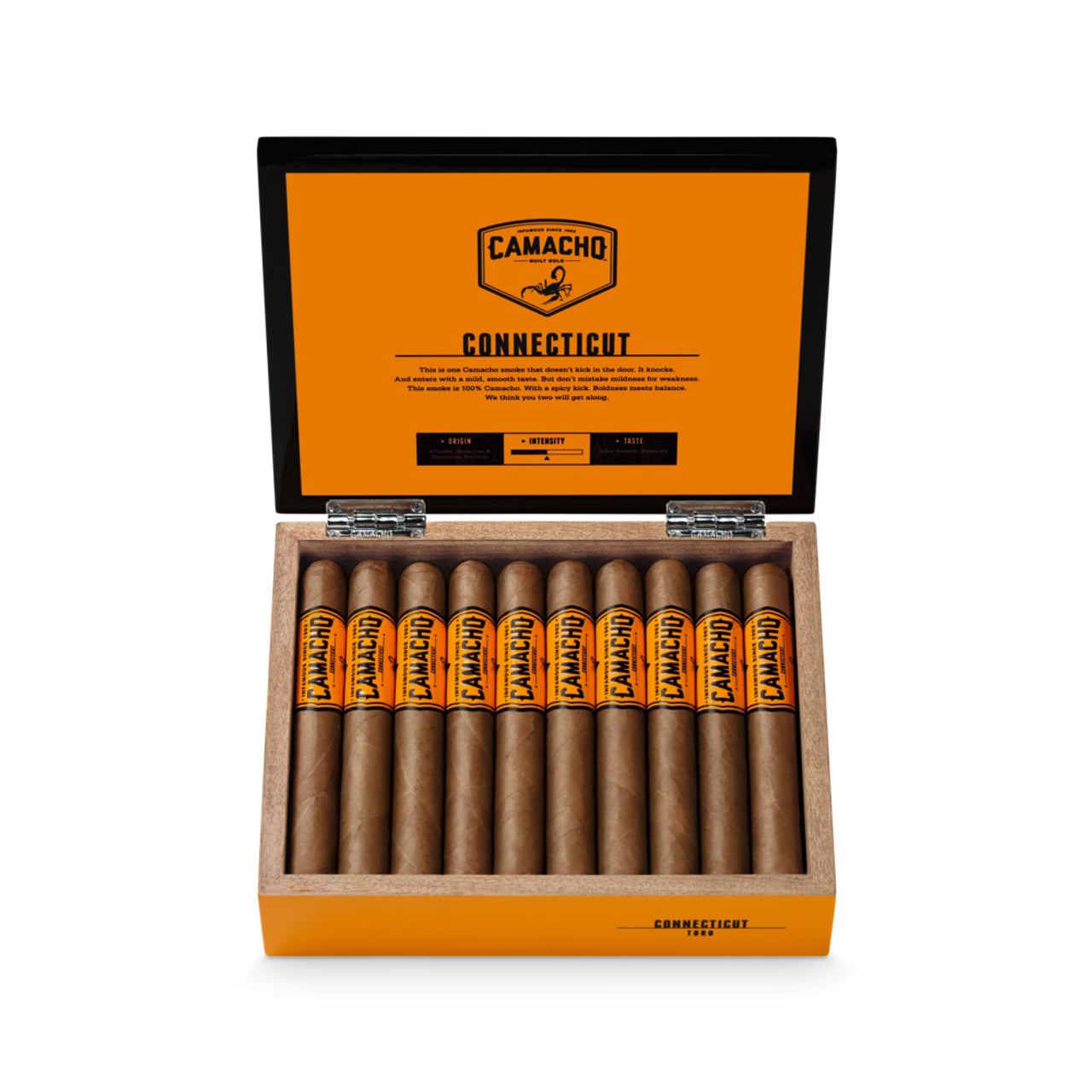
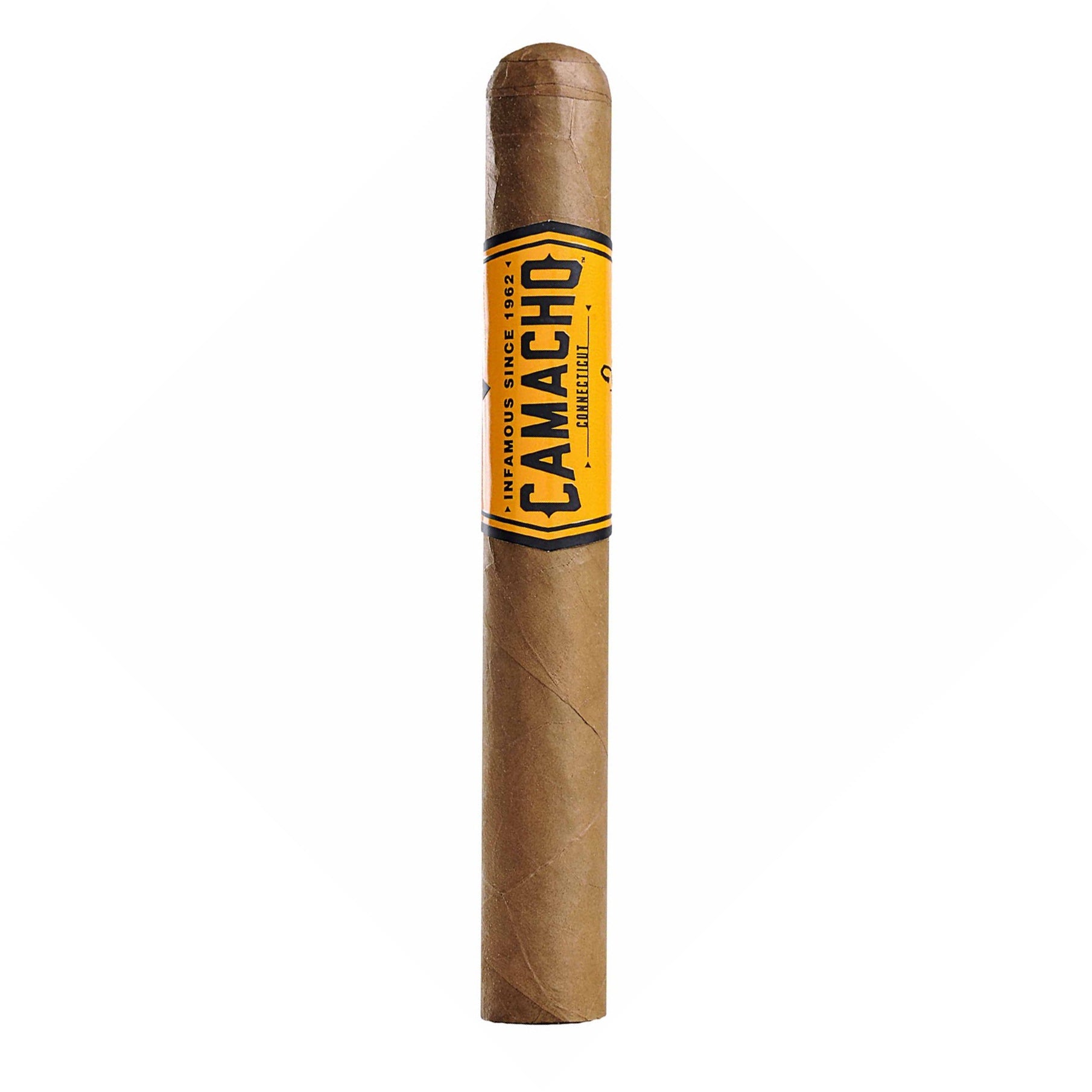
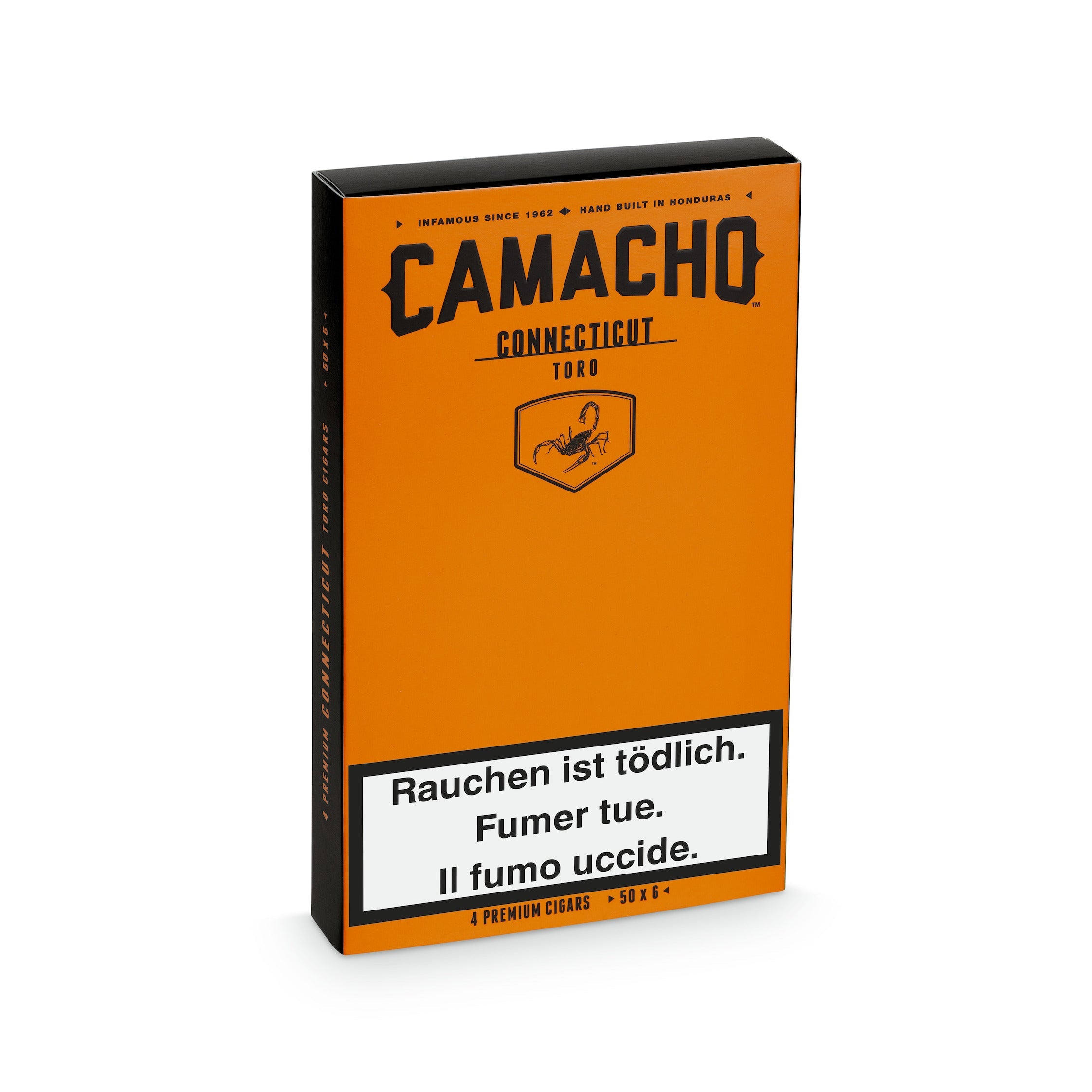
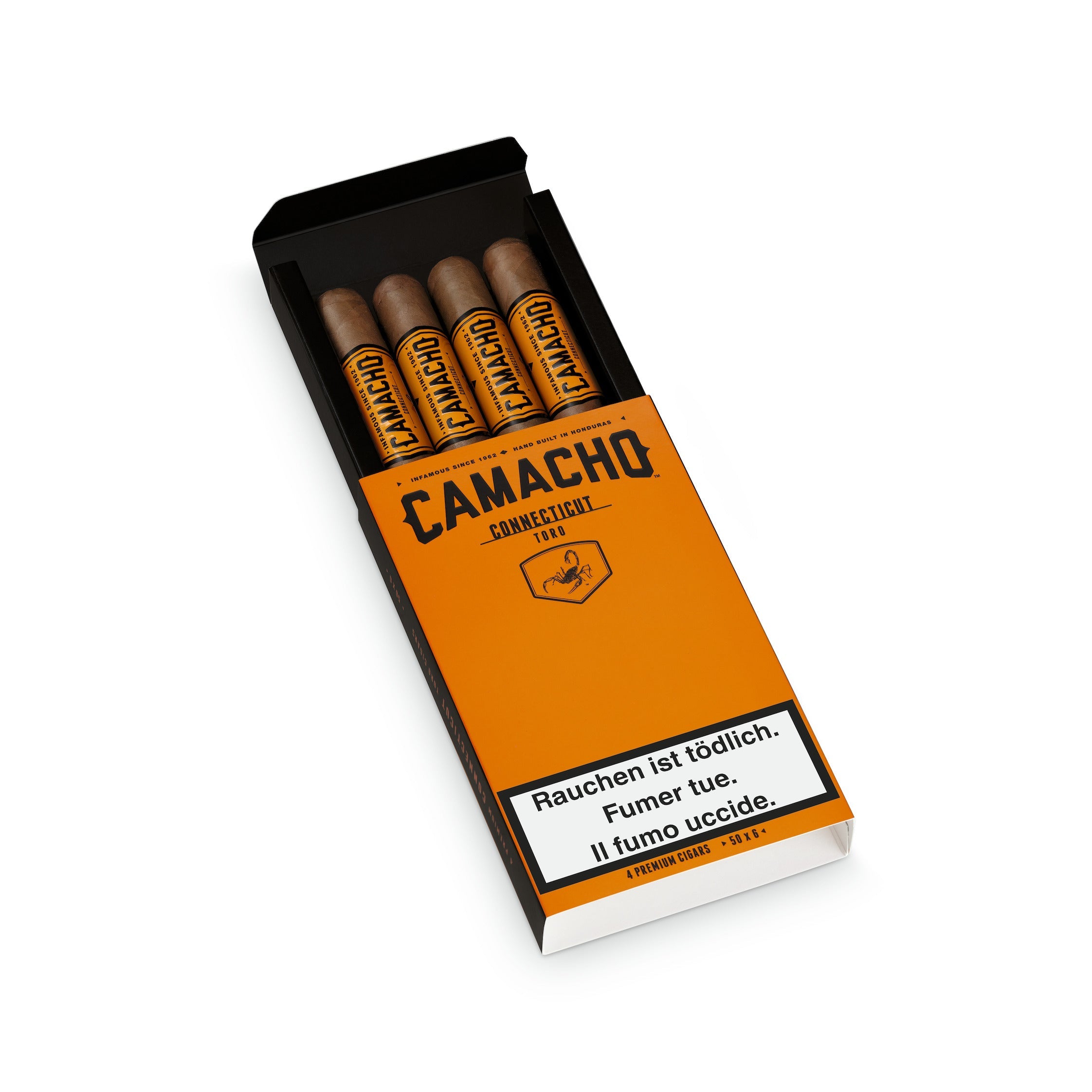
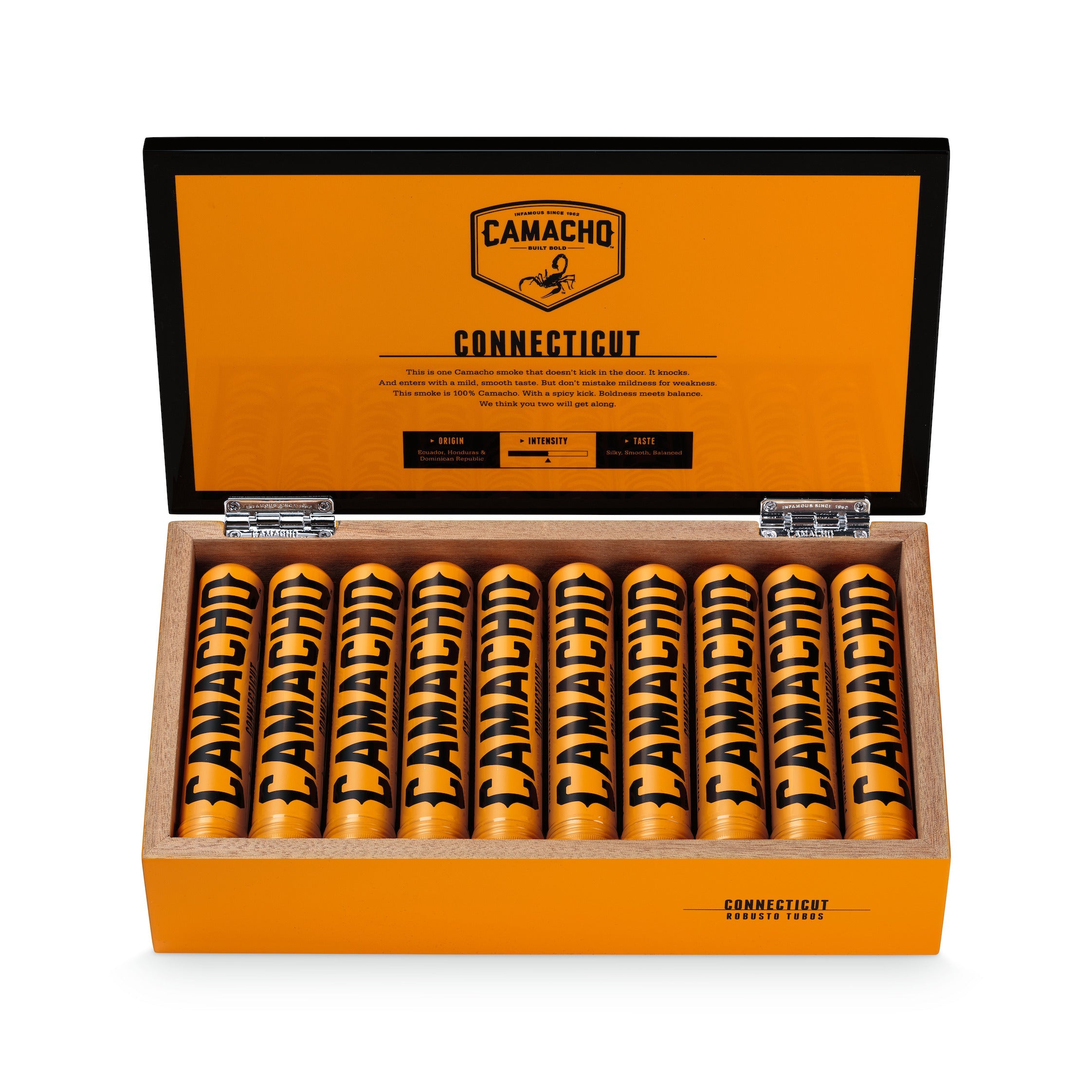
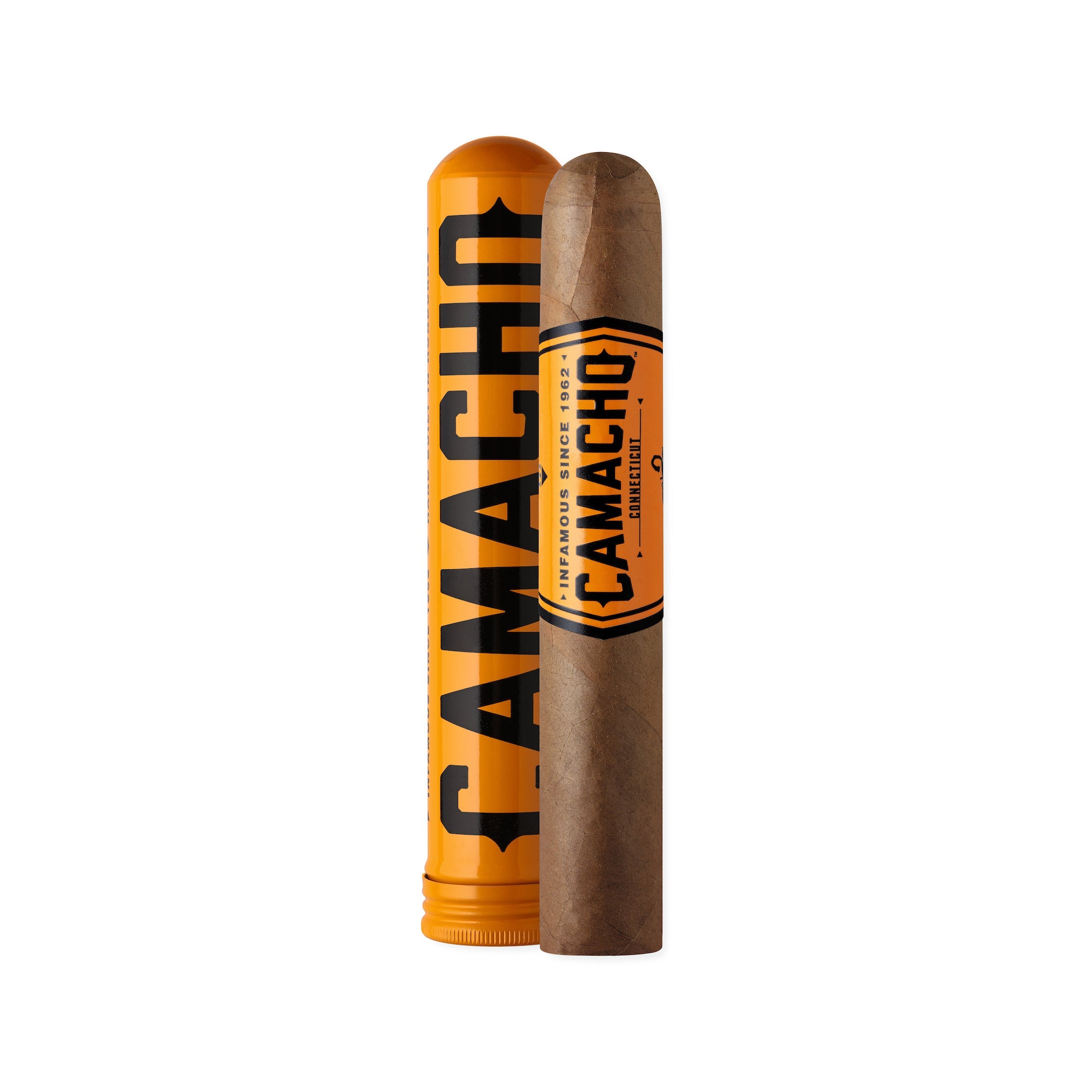
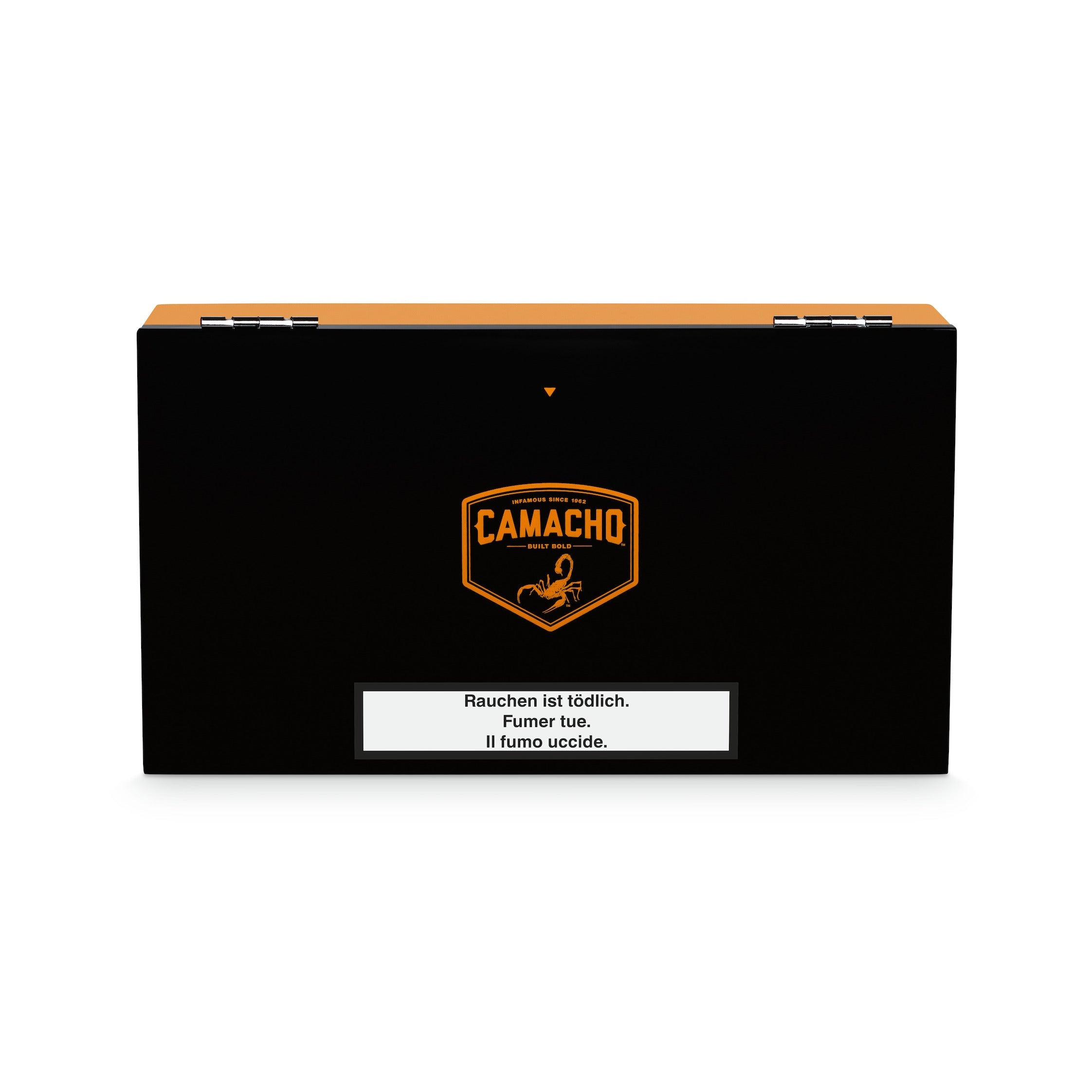
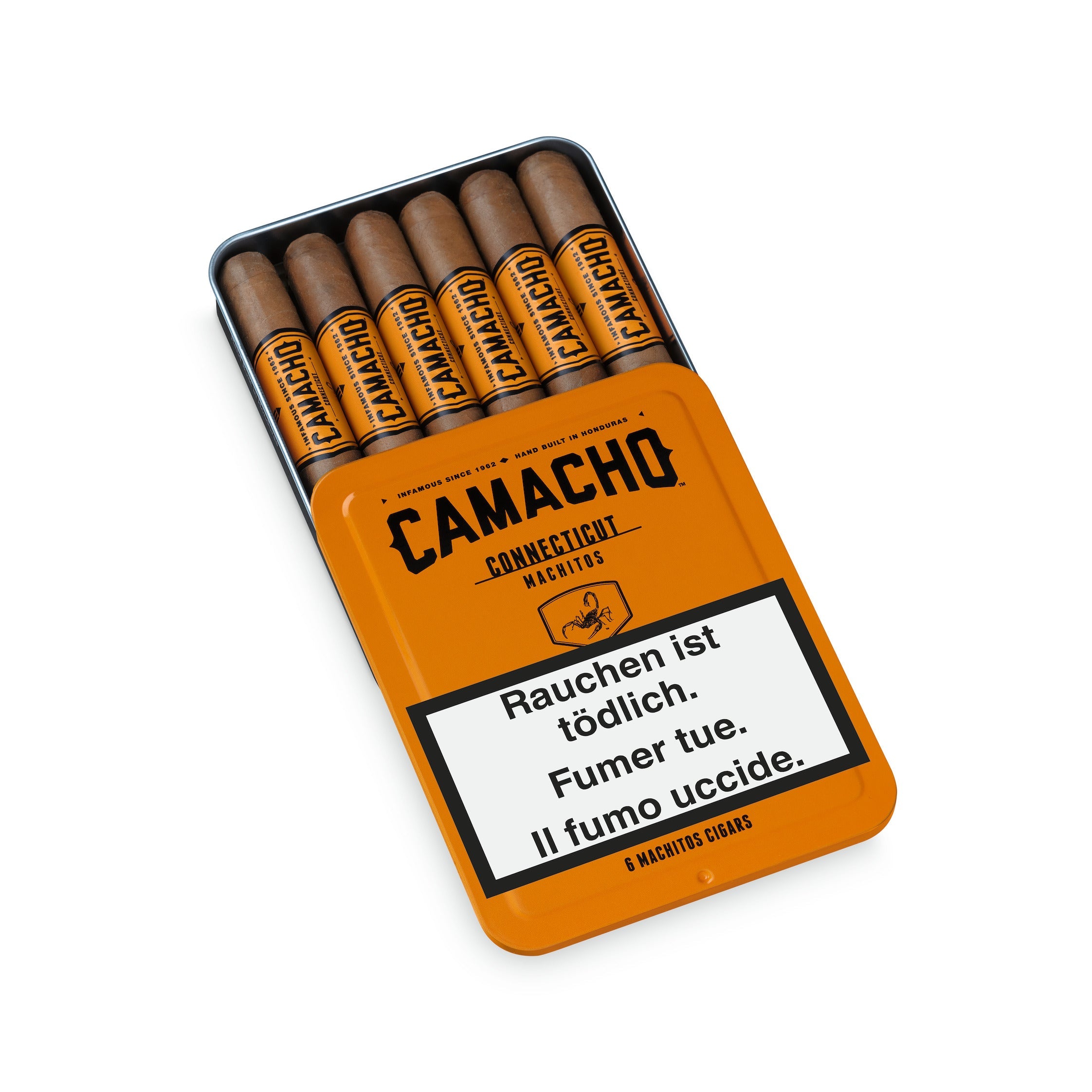
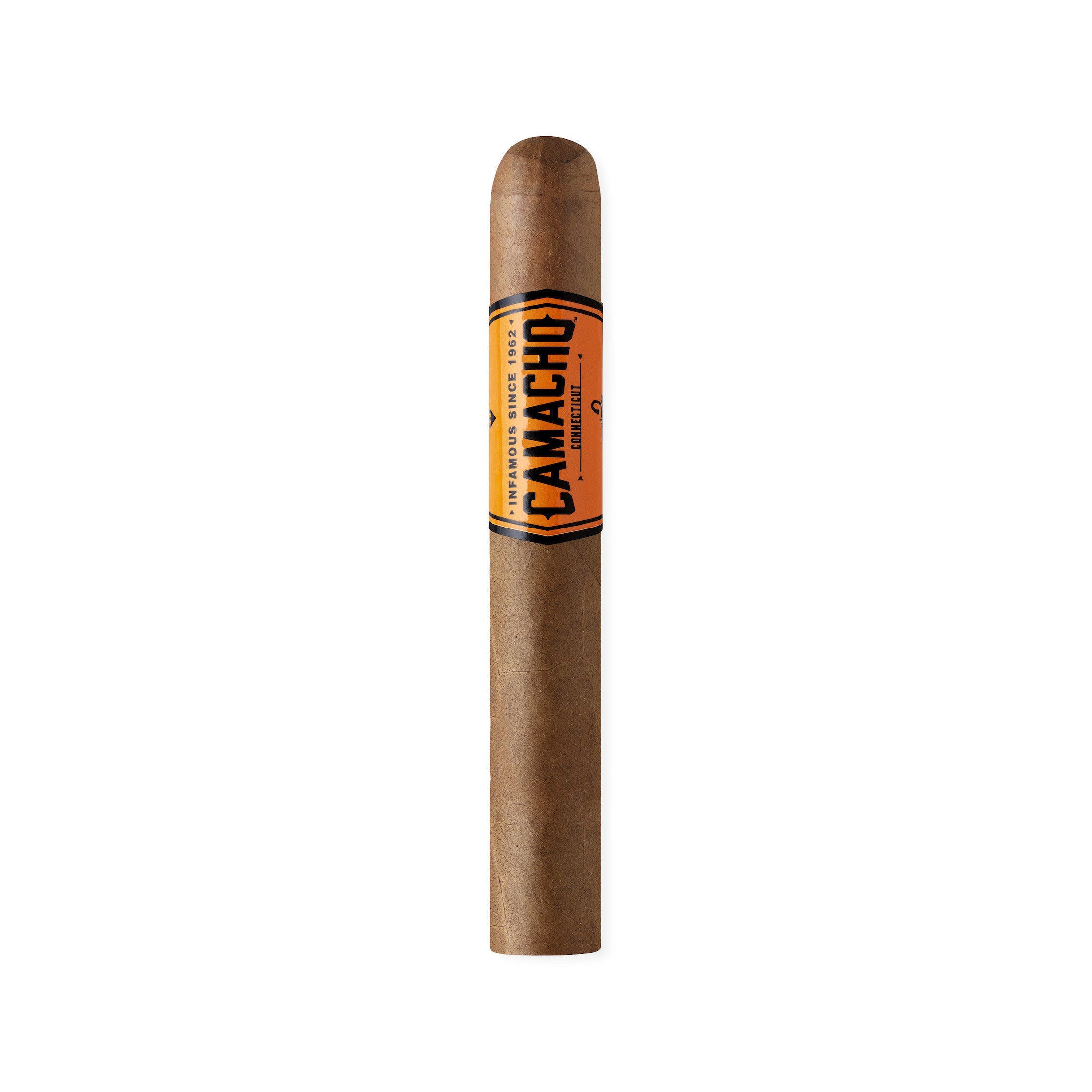
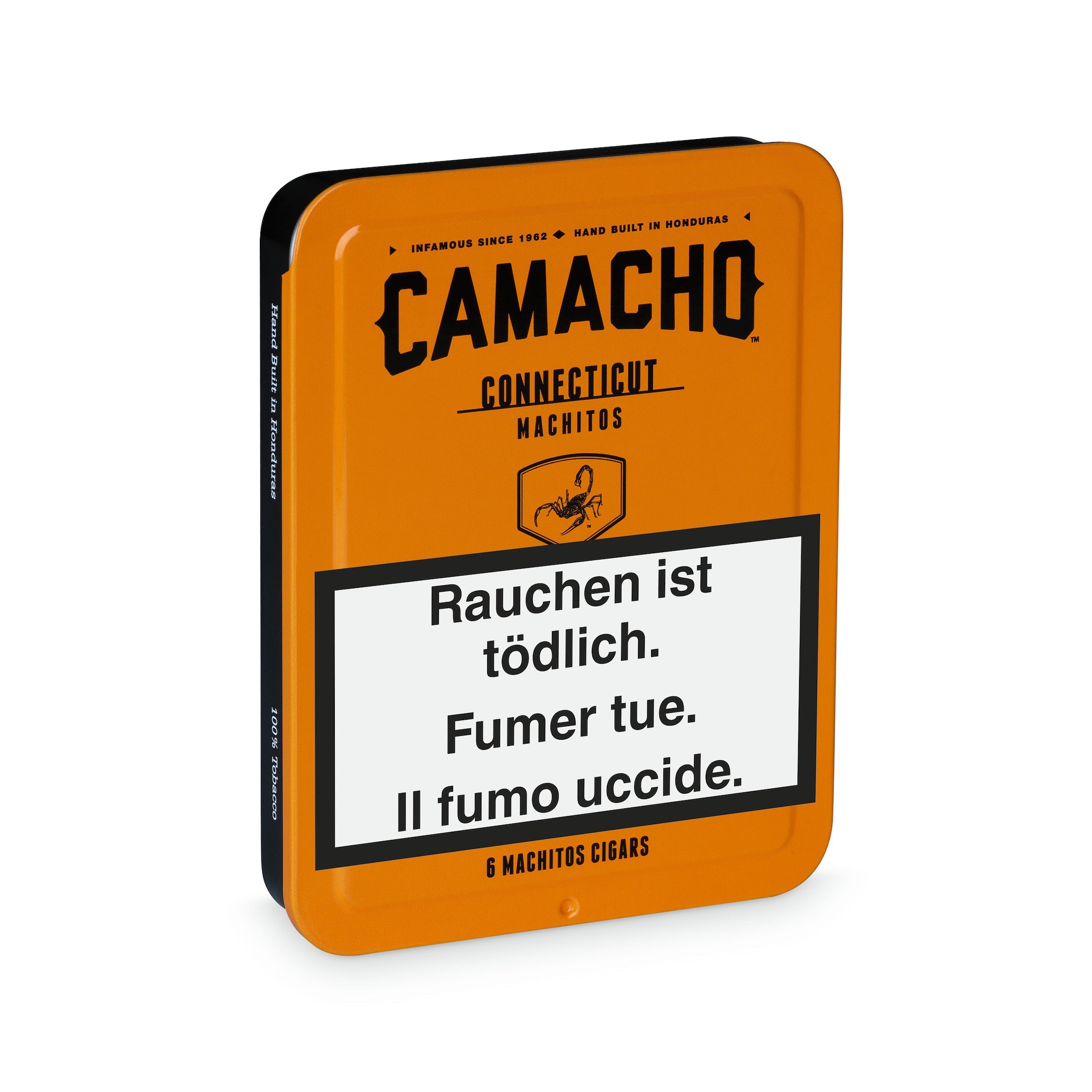
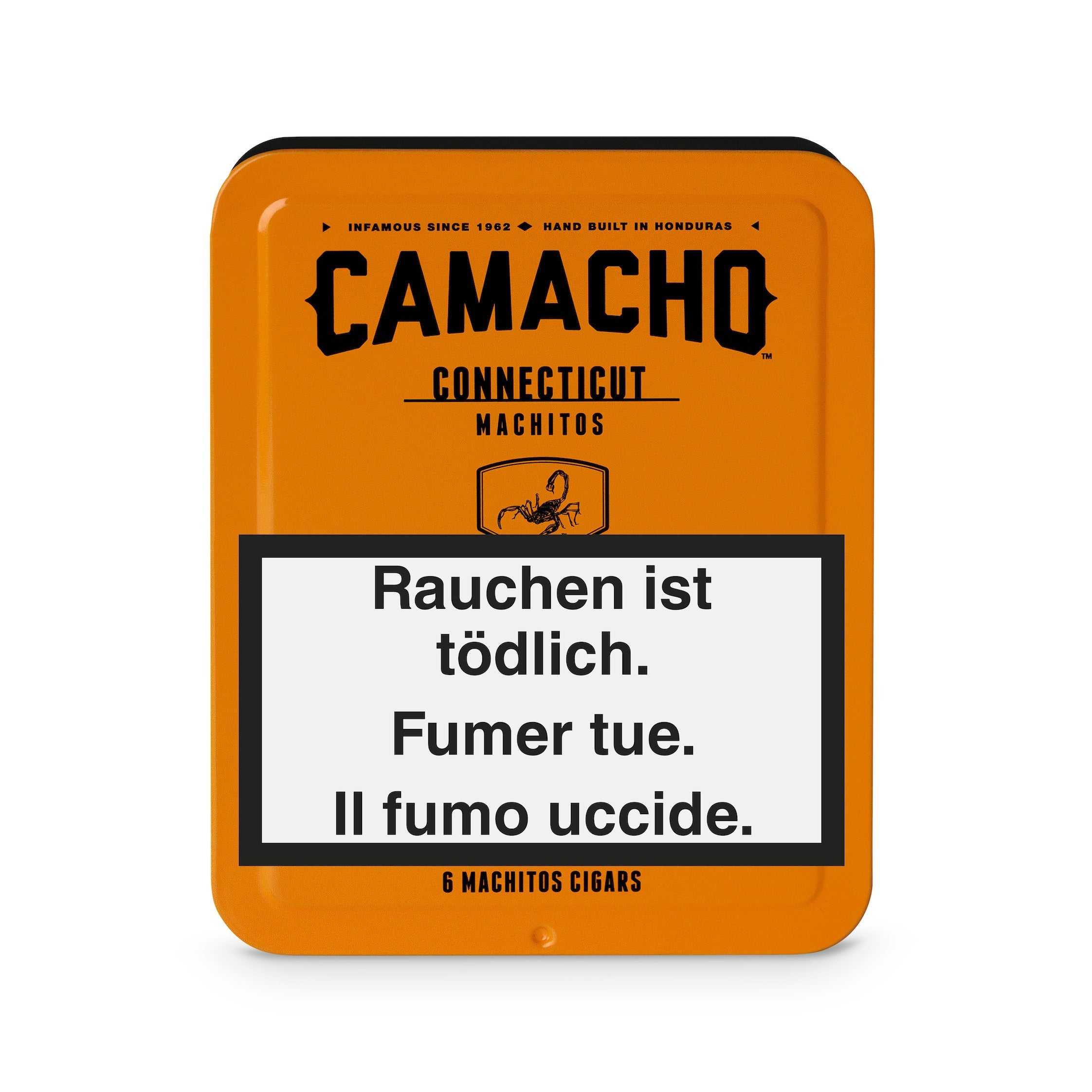
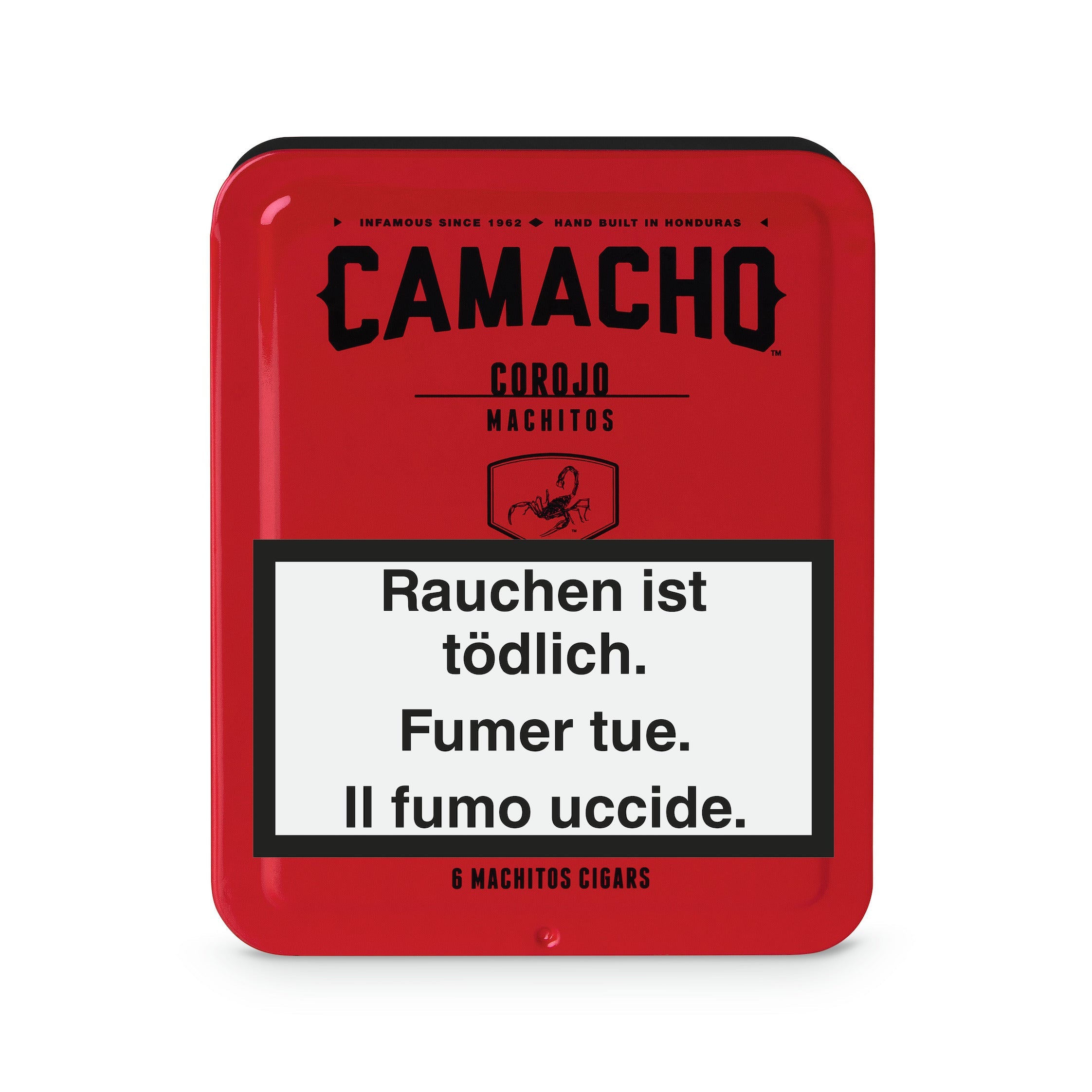
The Connecticut is the gateway blend: a shade-grown Ecuadorian Connecticut wrapper over Honduran and Dominican fillers, delivering a creamy, mild-to-medium smoke with notes of cedar, almond, light coffee and a gentle sweetness. It is the most approachable Camacho and an ideal morning or daytime cigar. The Camacho Connecticut Robusto (roughly 127mm × 50 ring) is the natural starting point, while the Camacho Connecticut Toro (about 152mm × 50) stretches the experience for a longer, leisurely smoke. For travel or a tidy after-dinner option, the Camacho Connecticut Robusto Tubo arrives in a protective aluminium tube, and the petite Camacho Connecticut Machitos in their handy tin are perfect for a fifteen-minute pause.
Camacho Corojo — the house signature
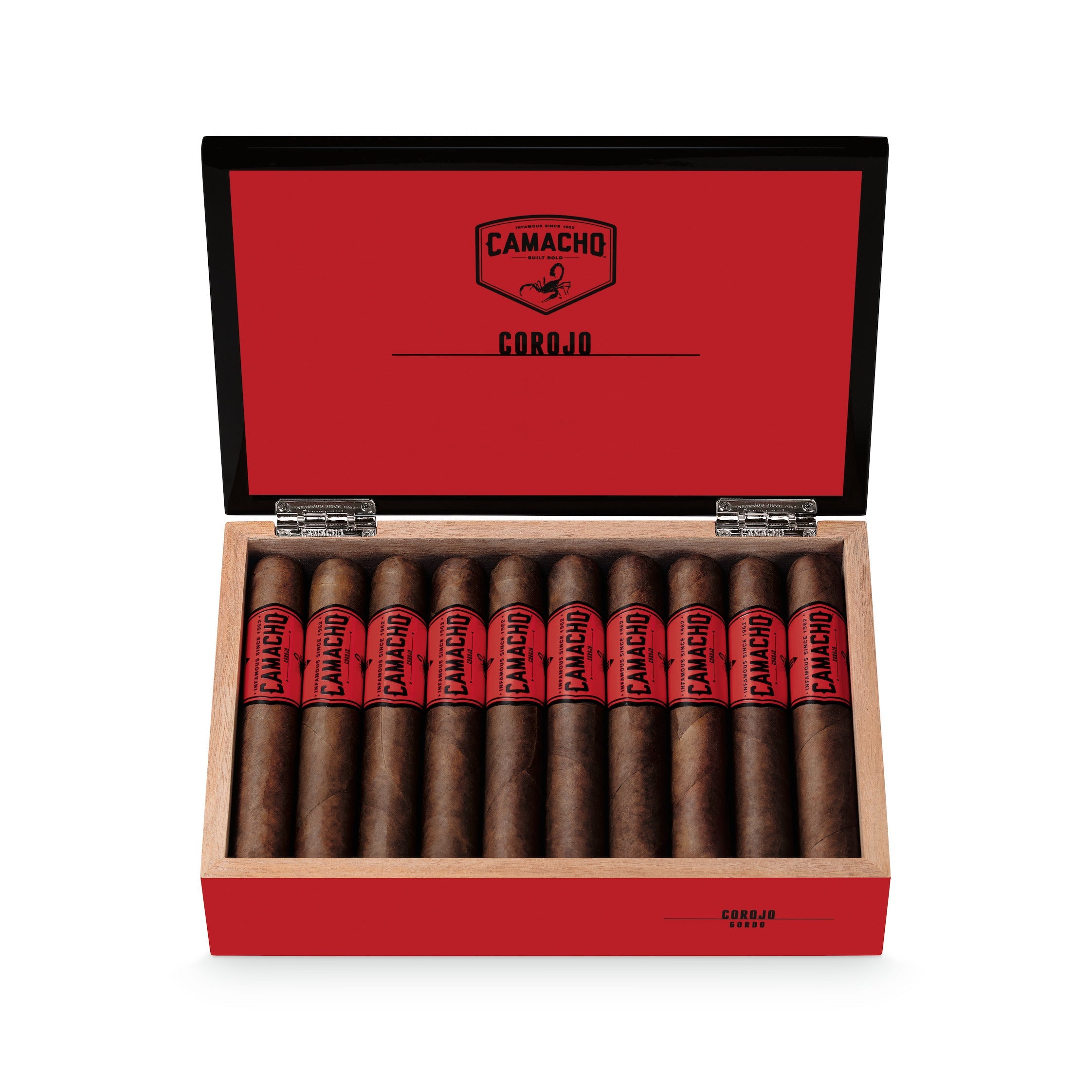
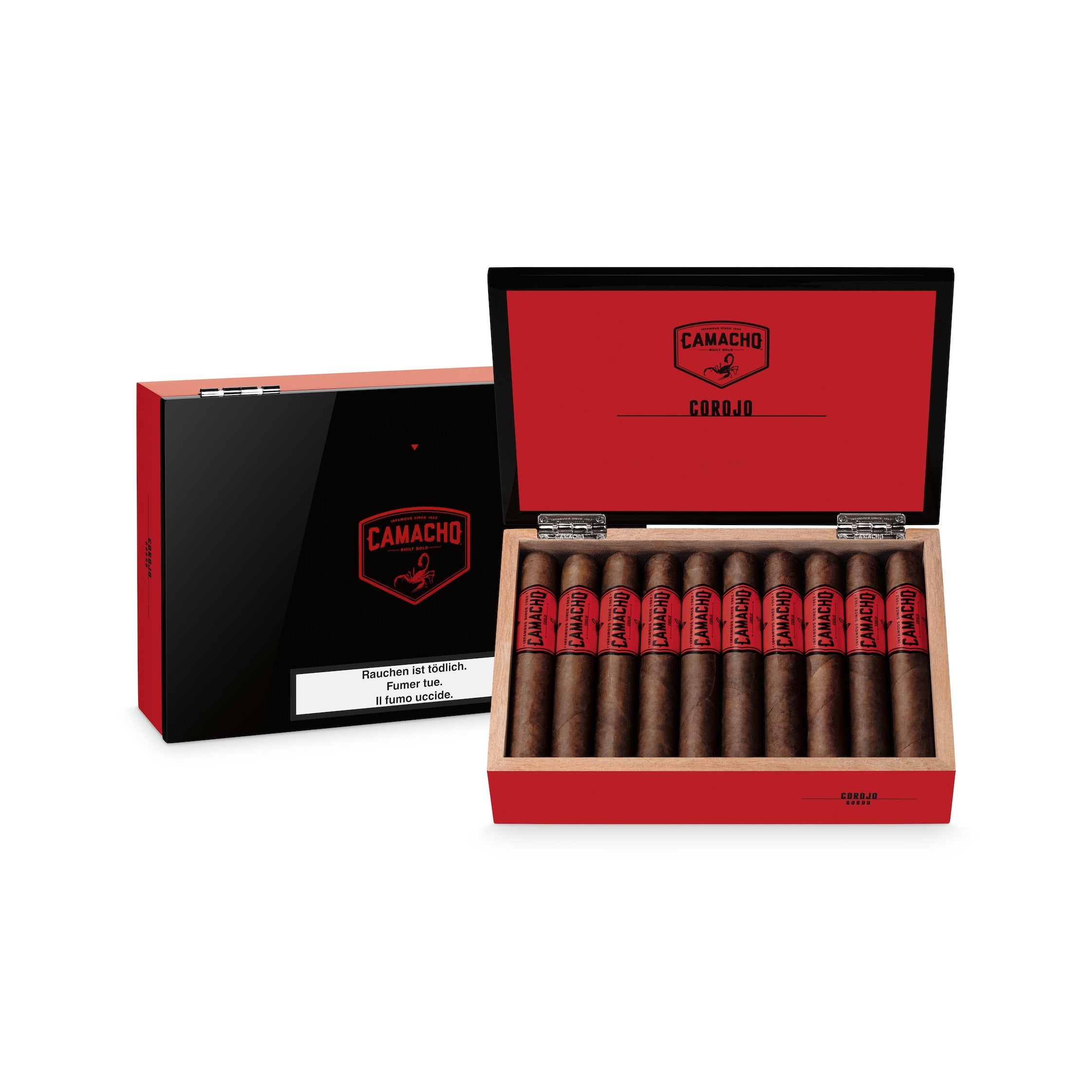
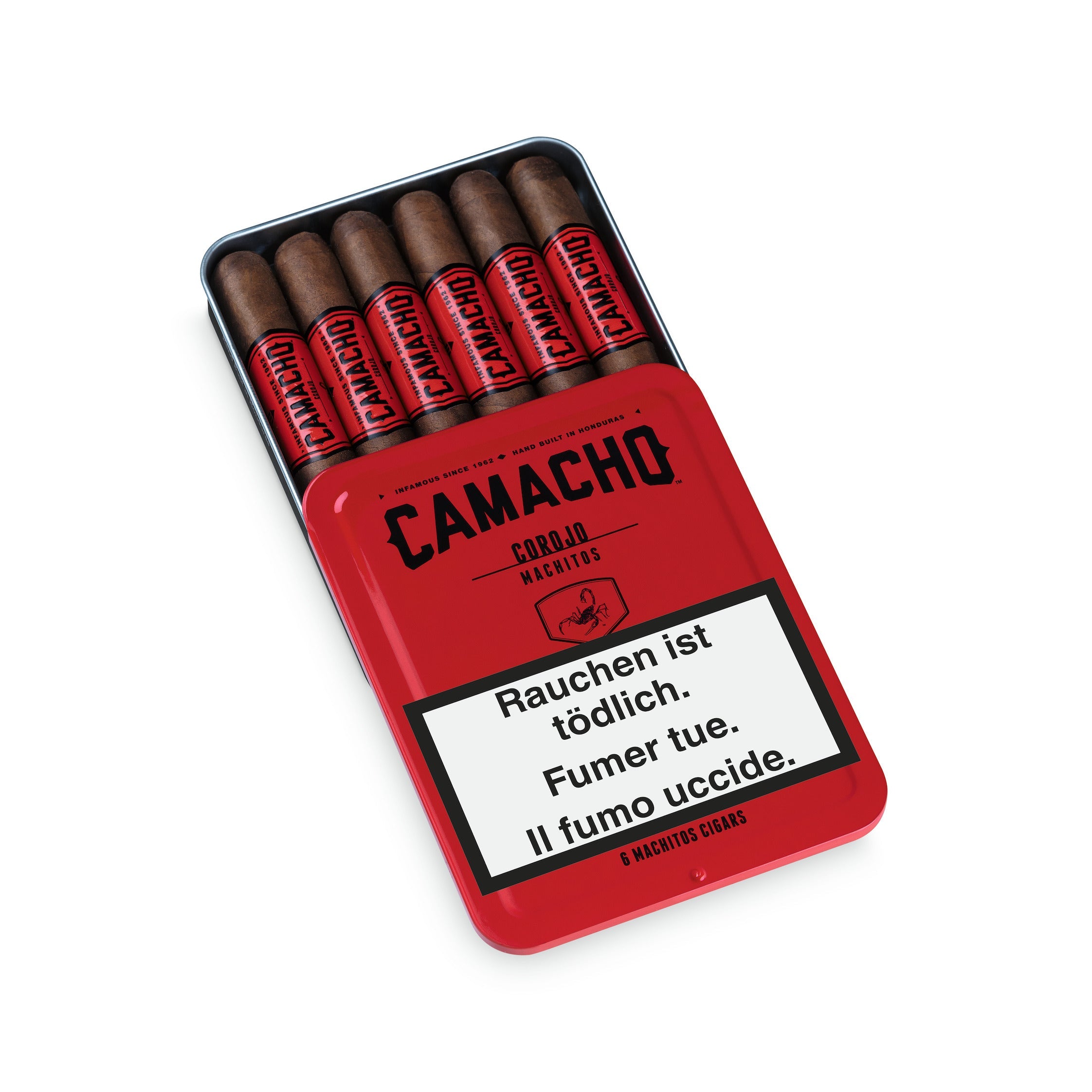
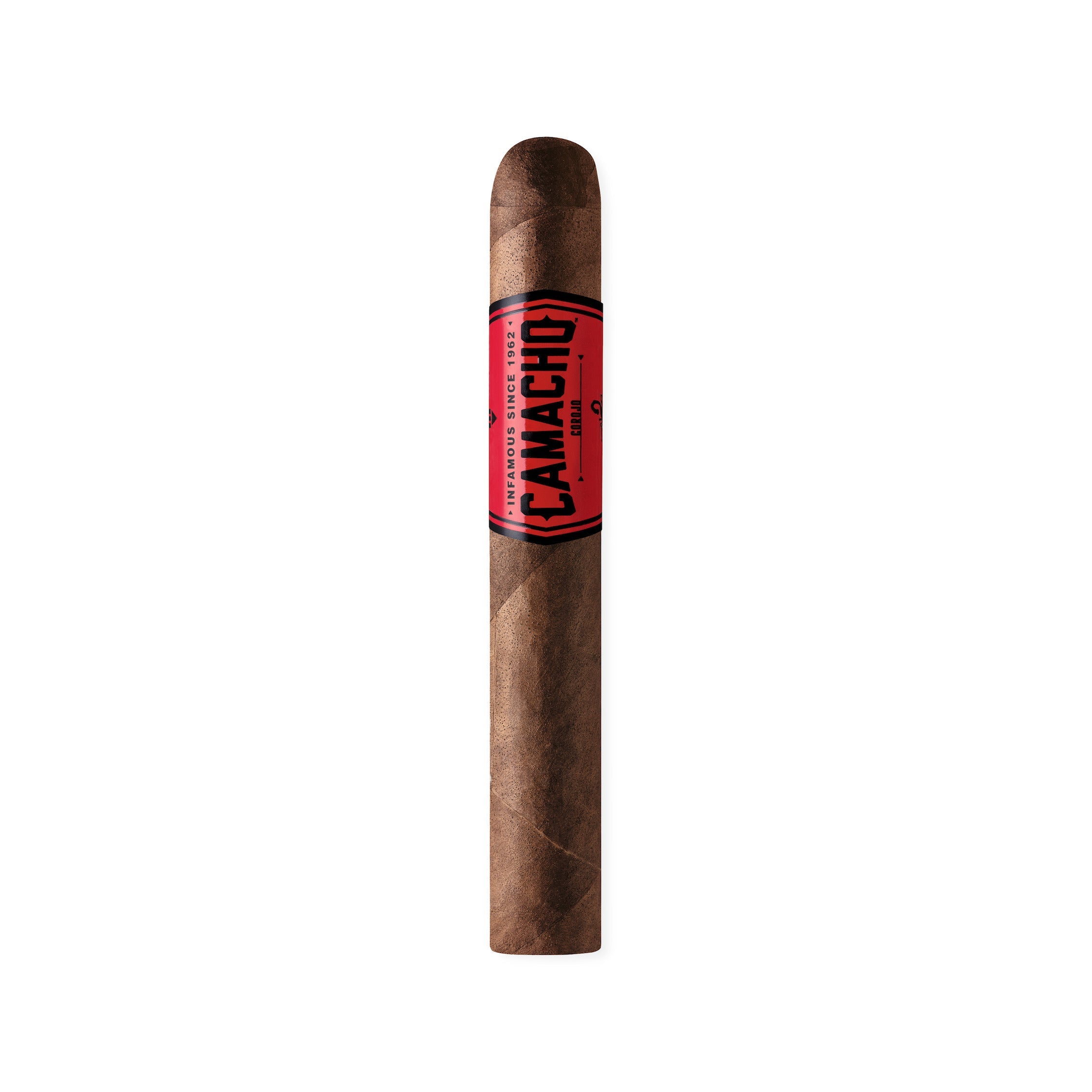
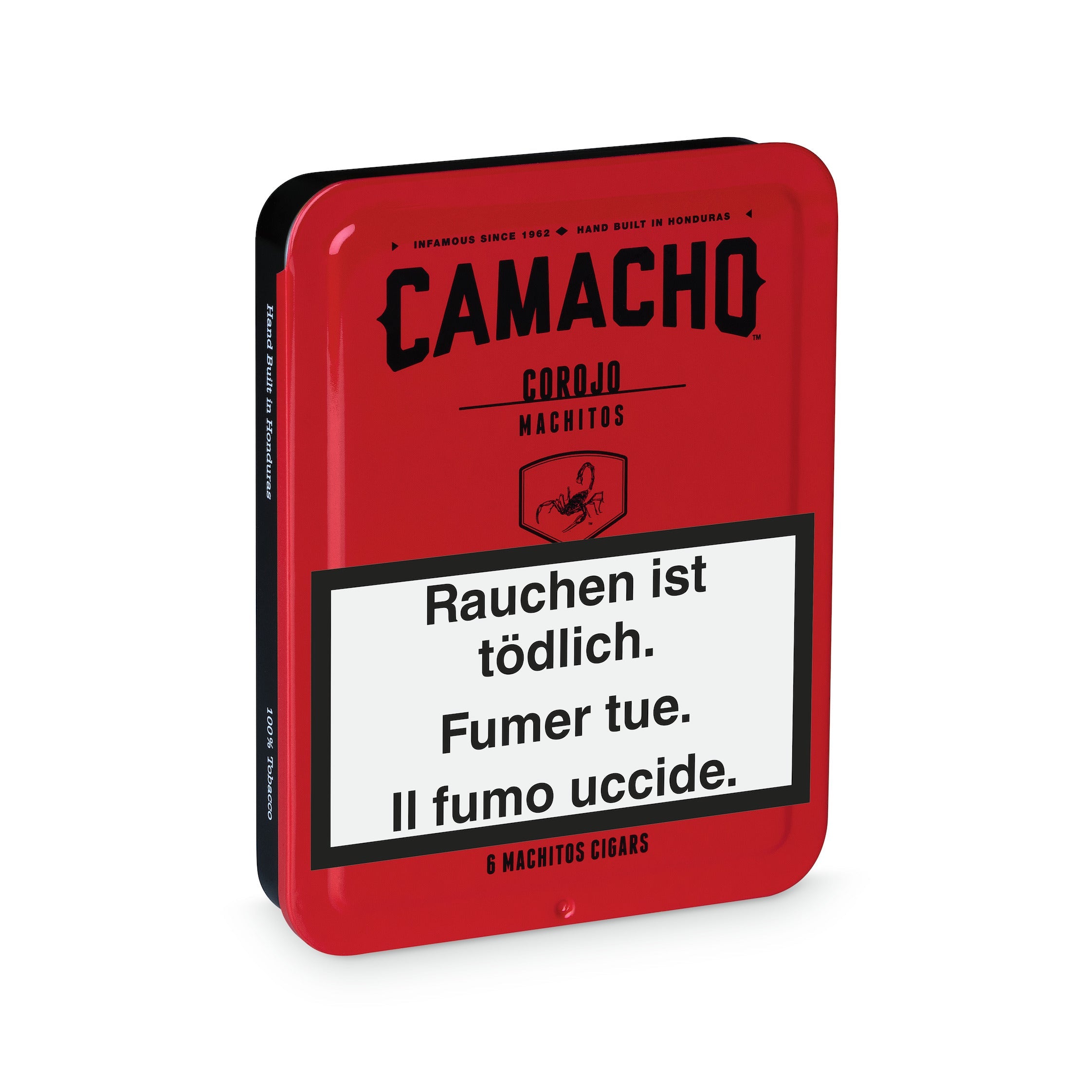
This is the cigar that made the name. Built around the Original Corojo wrapper, it is medium-full to full, with a spicy, peppery core layered over leather, sweet earth, cocoa and a touch of dried fruit. There is a vibrancy here — a brightness on the palate — that distinguishes Corojo from heavier maduro blends. The Camacho Corojo Gordo (around 152mm × 60) gives that wrapper plenty of room to develop across a full hour, while the Camacho Corojo Machitos offer the same spicy character in a small, quick format.
Camacho Broadleaf — the dark, sweet finale
For the richest expression, the Broadleaf wears a US Connecticut Broadleaf maduro wrapper, fermented to coax out dark chocolate, espresso, baking spice and a molasses-like sweetness. It is full-bodied without being harsh, the kind of cigar you reach for after dinner with something aged in the glass. The Camacho Broadleaf Robusto is the most versatile size, the Camacho Broadleaf Toro adds length and complexity, and the Camacho Broadleaf Gordo is for those who want a thick, slow, indulgent smoke.

What do the vitola sizes mean?
Camacho uses familiar New World formats, and knowing the dimensions helps you match a cigar to the time you have:
- Machitos — a short, slim format (roughly 100mm × 32), ideal for a 15–20 minute smoke.
- Robusto — the classic all-rounder, around 127mm × 50, giving 45 minutes to an hour.
- Toro — about 152mm × 50, a touch longer and more evolving.
- Gordo — a thick 60-ring format (often 152mm × 60) that smokes cool and slow, emphasising body.
- 60 × 6 — the Camacho Connecticut 60×6 is a generous six-inch, 60-ring cigar for an unhurried evening.
As a rule, a larger ring gauge burns cooler and brings the wrapper's character forward, while a slimmer vitola concentrates the filler and tends to read a shade spicier.
Which Camacho should you choose first?
Let the occasion and your palate guide you. If you are newer to fuller cigars, or smoking before lunch, begin with the Connecticut Robusto — it is forgiving and genuinely elegant. If you already enjoy a peppery, characterful smoke, go straight to the Corojo to understand what the house is really about. And when you want a dark, dessert-like cigar to close a long dinner, the Broadleaf is hard to better. Pairings follow naturally: Connecticut with morning coffee or a crisp lager, Corojo with a malty ale or aged rum, and Broadleaf with single-malt whisky or a tawny port.
Camacho sits among the most expressive names in our New World cigars collection, alongside other Honduran and Nicaraguan makers who prize depth and intensity. If bold smoking is your thing, our guide to the best full-bodied cigars is a natural next read.

How should you store Camacho cigars?
Like all premium cigars, Camacho keep best at 68–72% relative humidity and around 18–20°C. Within that window, the lower end (around 65–68%) gives a slightly firmer draw and crisper burn, which can flatter the spicier Corojo, while the higher end keeps the rich Broadleaf supple. A reliable hygrometer and a quality humidification system are worth far more than any single box; tobacco this carefully made deserves a stable home. Given a few weeks of rest after travel, the blends settle and reward your patience.
Frequently asked questions
Are Camacho cigars strong?
Strength varies by line. The Connecticut is mild-to-medium and very approachable, the Corojo is medium-full with assertive spice, and the Broadleaf is full-bodied and rich. None is punishing for its category, but the Corojo and Broadleaf are best enjoyed with a little food in you and a drink to hand.
Where are Camacho cigars made?
Camacho cigars are made in Honduras, in the Jamastran Valley, a region celebrated for its fertile soil and robust tobacco. The house is especially known for growing its own Original Corojo, a heritage seed variety that gives the brand its distinctive spicy, full-flavoured signature.
What is Camacho Original Corojo?
Original Corojo is a heritage tobacco descended from Cuban Corojo seed and grown in Honduras largely for Camacho. It produces a peppery, earthy, full-bodied wrapper with notes of leather and cocoa, and it forms the backbone of the brand's flagship Corojo line and its reputation for boldness.
Which Camacho is best for a beginner?
Start with the Camacho Connecticut Robusto. Its creamy, cedar-and-almond profile is smooth and forgiving, giving you a polished introduction to the house before you graduate to the spicier Corojo or the dark, sweet Broadleaf as your palate develops.
How long does a Camacho cigar take to smoke?
It depends on the vitola. A small Machitos takes 15–20 minutes, a Robusto around 45–60 minutes, and a larger Toro or 60-ring Gordo can run well over an hour. Choose the format to suit the time and the moment you have set aside.
Share:
Cigars and Tequila & Mezcal: A Smoky Match
The Best Cigar Samplers & Gift Sets: A Connoisseur's Guide