


Good cigar lounge etiquette comes down to a single principle: move slowly, respect the room, and let the cigar set the pace. Arrive relaxed, choose a comfortable seat, handle your cigar gently, never stub it out, and tip your tobacconist for their guidance — and the rest follows naturally.
- Take your time. A lounge is built for unhurried pleasure — a good cigar deserves an hour or more.
- Let it die gracefully. Never stub out a cigar; simply rest it on the ashtray and it will go out on its own.
- Mind the shared air. Avoid strong cologne, loud calls and clouds blown towards your neighbour.
- Use the house tools properly. A clean cut and a patient light show respect for the leaf and the room.
- Lean on the staff. Asking for a recommendation is a mark of a seasoned guest, not a novice.
What should I expect on my first visit to a cigar lounge?
A proper cigar lounge is a sanctuary of comfort — deep leather chairs, soft lighting, a quiet hum of conversation and the warm, cedary scent of a well-kept humidor. There is no dress code at most modern lounges, though smart-casual attire suits the surroundings and signals that you have come to savour the occasion rather than simply pass through.
On arrival, greet the tobacconist or host and let them know it is your first visit. Far from being a faux pas, this is welcomed: a good lounge prides itself on hospitality, and the staff will happily guide you to a seat, talk you through the humidor and suggest a cigar suited to your palate and the time you have. If you are still finding your feet with the leaf itself, our guide on how to choose your first premium cigar is a gentle place to begin.

Where should I sit, and what are the unwritten rules?
Seating in a lounge is rarely assigned, but there is an etiquette to it. If the room is busy, ask before joining a table or taking the armchair beside a stranger — many regulars treasure their quiet corner. Once settled, keep belongings tucked away and avoid spreading out across multiple seats.
The conversation
Lounges are sociable spaces, and striking up a chat with a fellow enthusiast is part of the charm. The rule is simple: read the room. Some guests come to talk cigars and travel; others come to read in silence. Keep your voice low, take phone calls outside, and never offer unsolicited opinions on someone else's choice of smoke.
The shared air
This is the heart of lounge etiquette. Avoid heavy cologne or perfume, which competes with the tobacco and dulls everyone's palate. Be mindful of where your smoke drifts, and never blow it deliberately towards a neighbour. A lounge runs on mutual consideration of the air everyone is enjoying.

How do I cut and light a cigar properly in the lounge?
Most lounges keep handsome table tools on hand, and using them well is part of the ritual. The cut comes first. For a standard straight cut, position the blade just above the cigar's shoulder — the curved end of the cap — and remove roughly 2–3 mm in one decisive motion. Cutting too deep risks unravelling the wrapper; a clean, confident cut preserves the cigar's structure and draw.
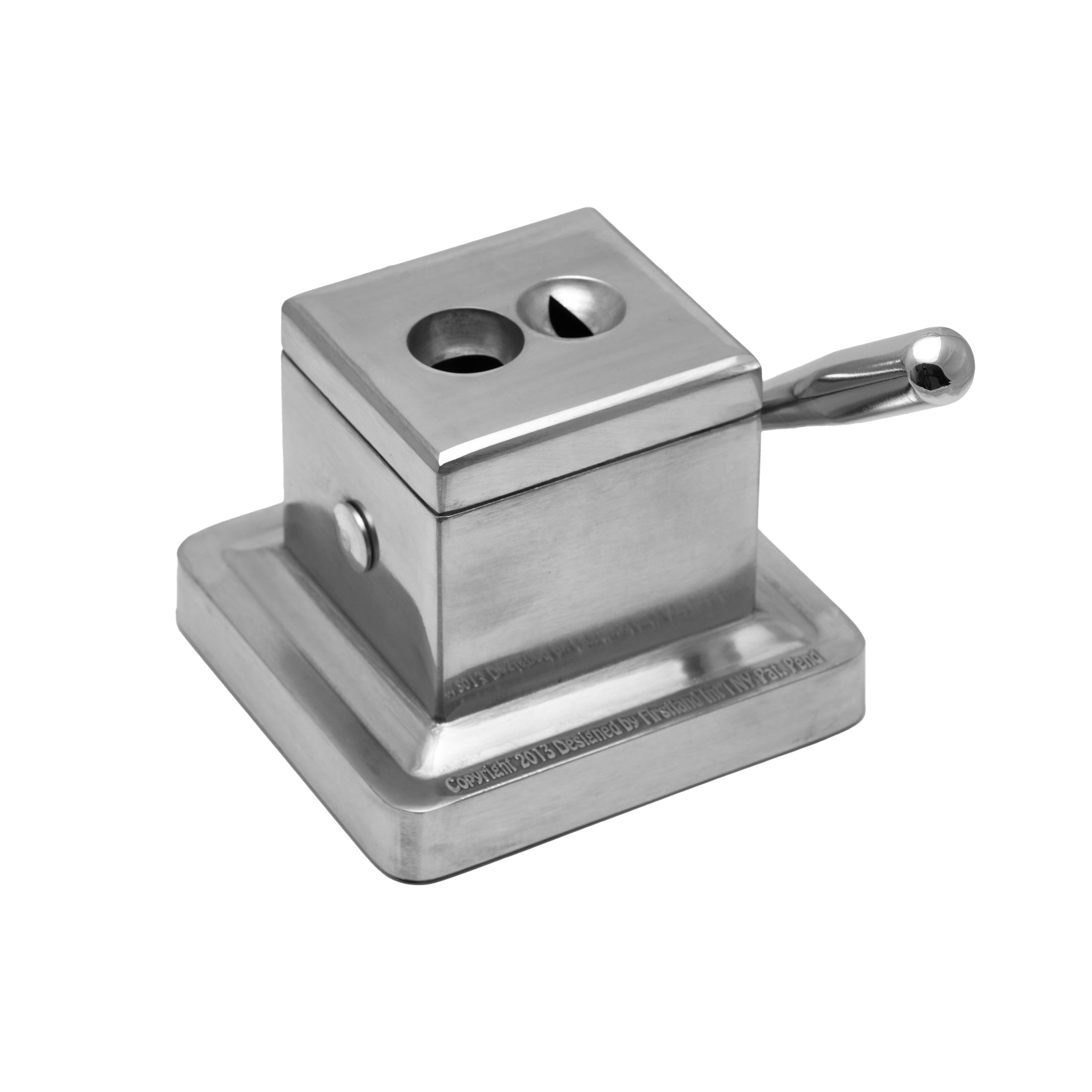
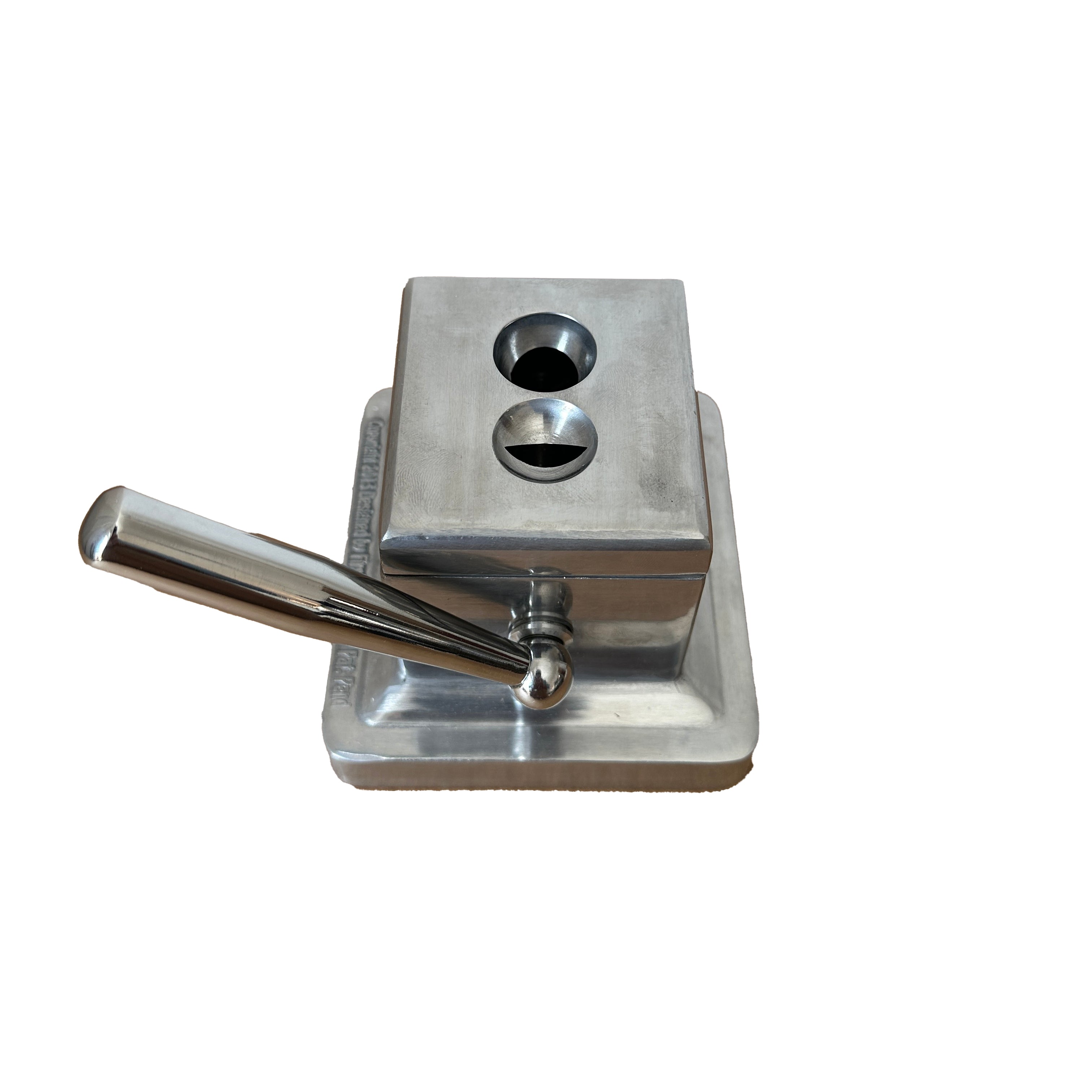
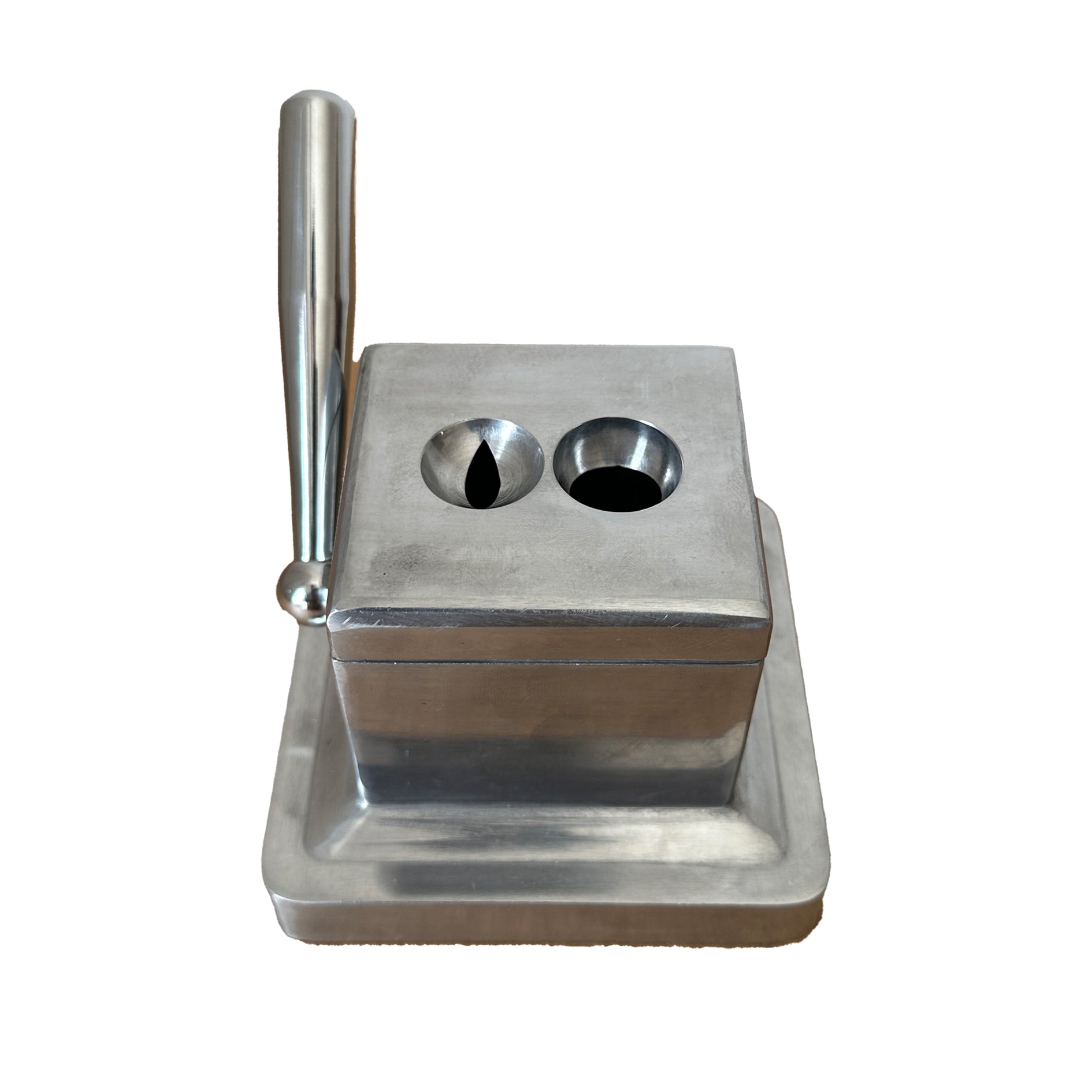
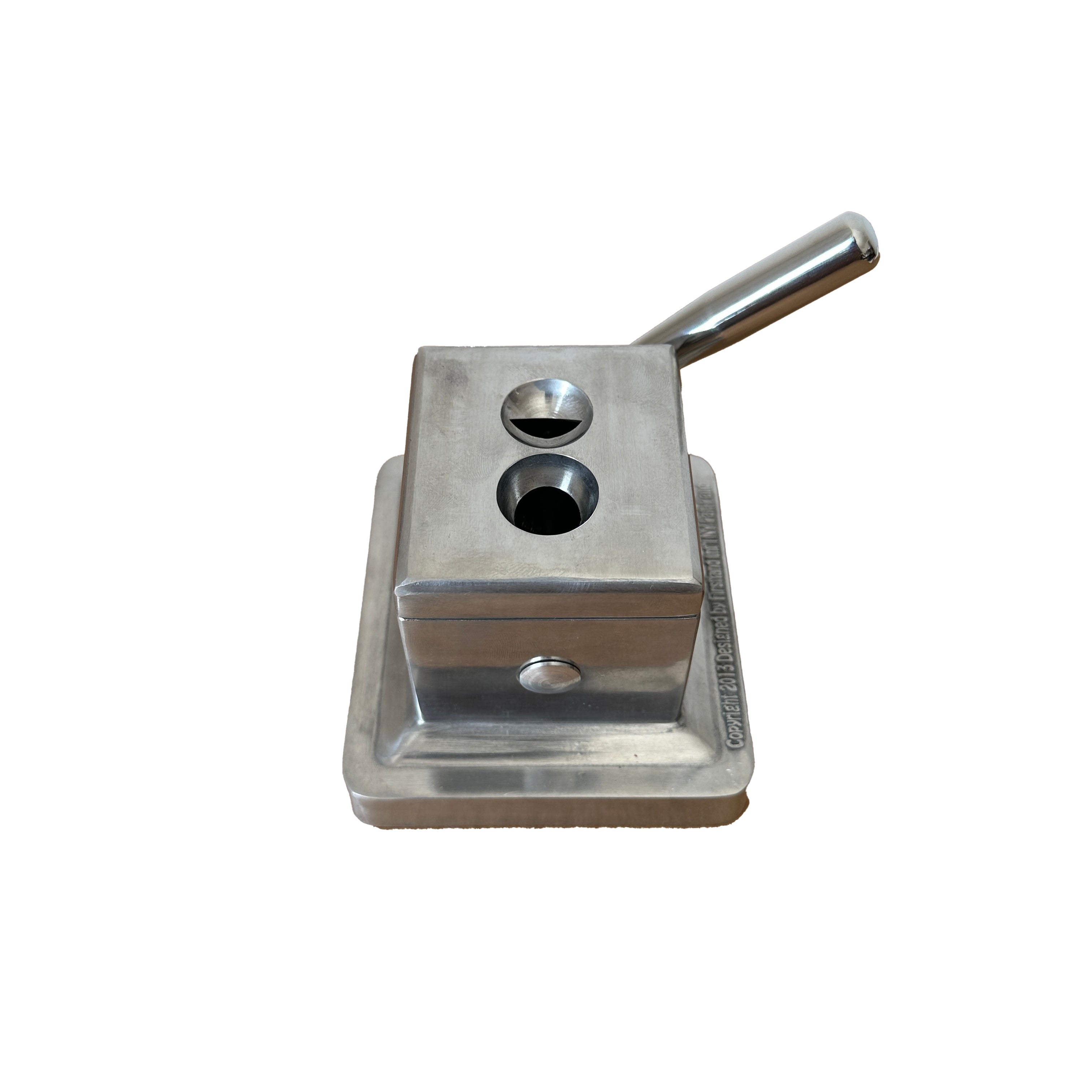
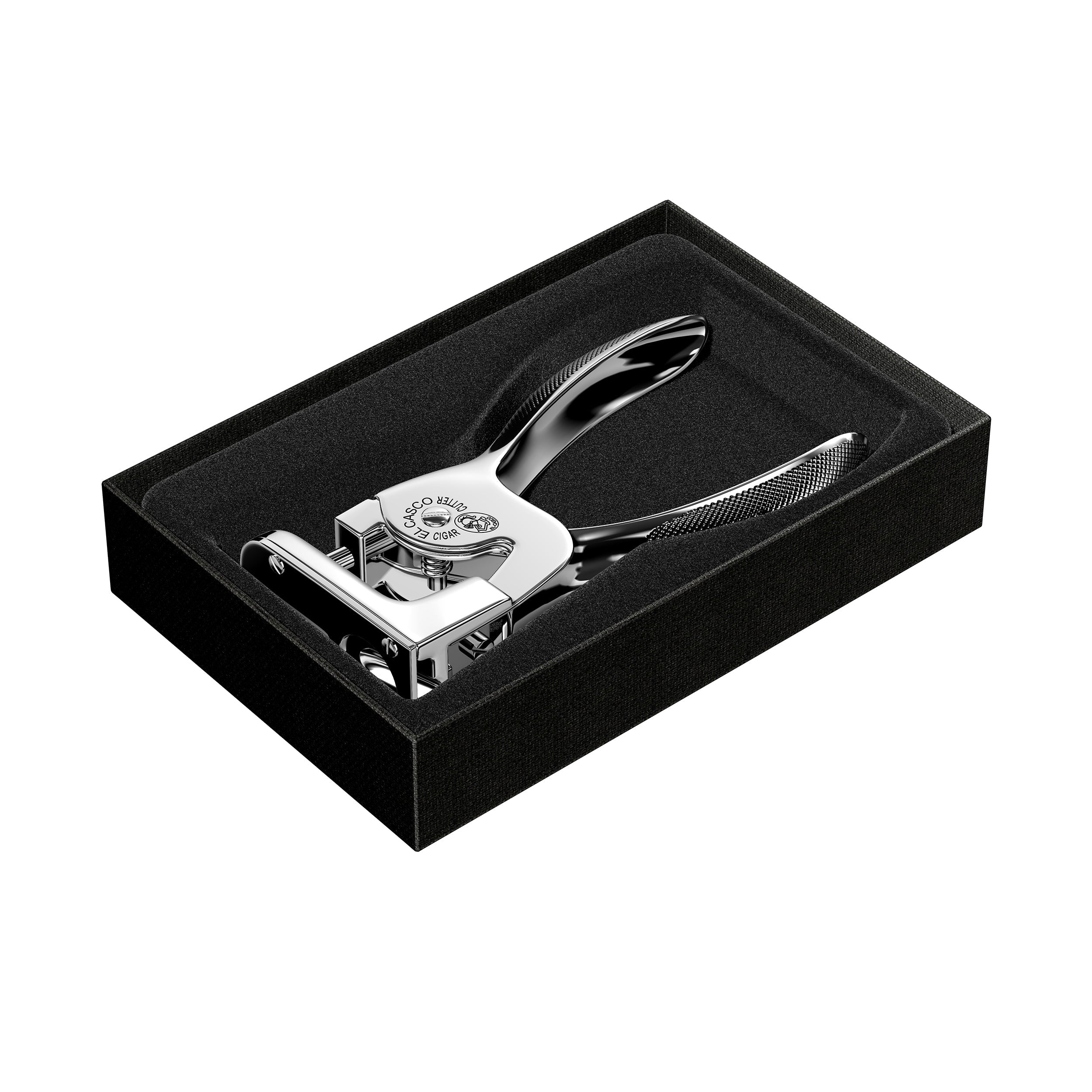
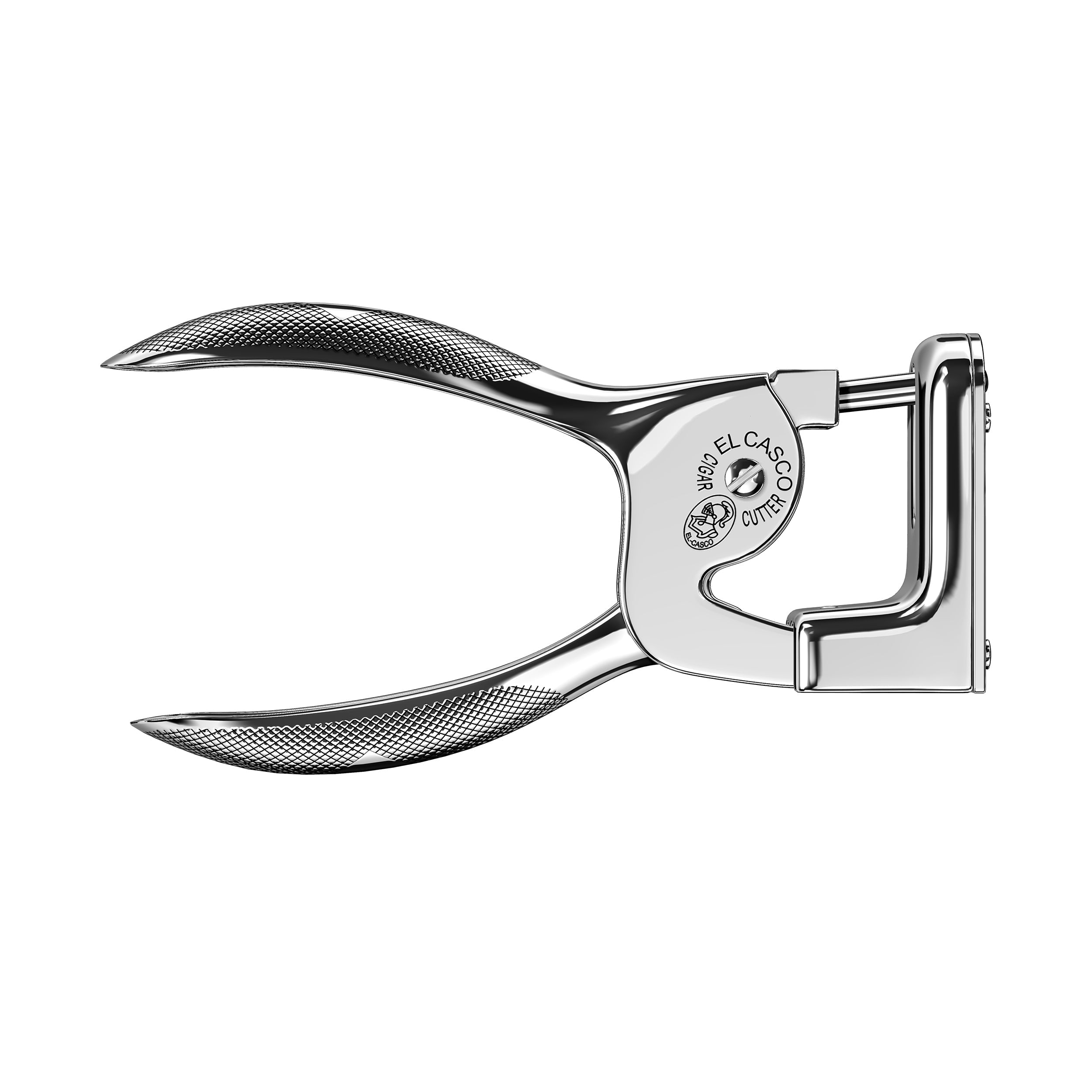
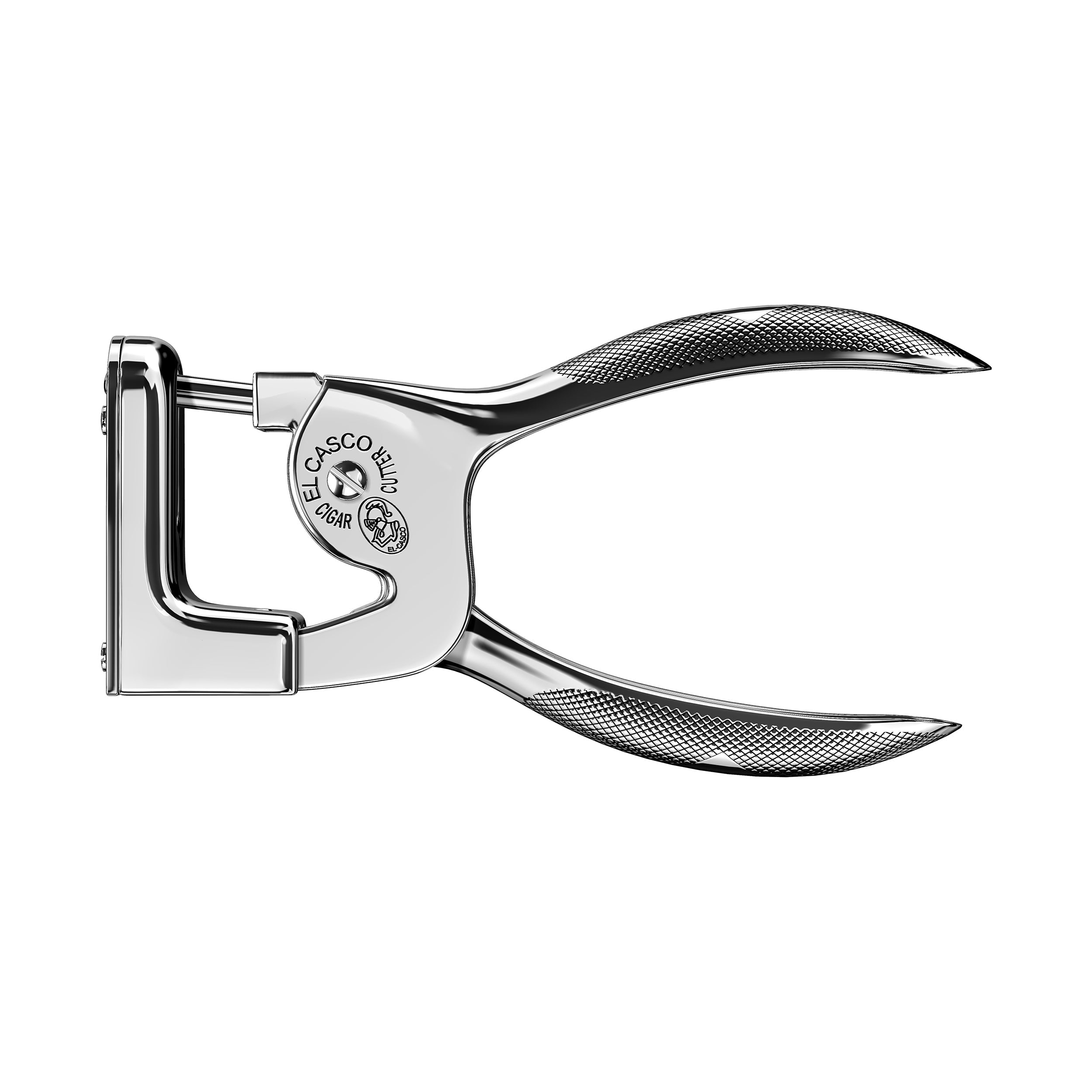
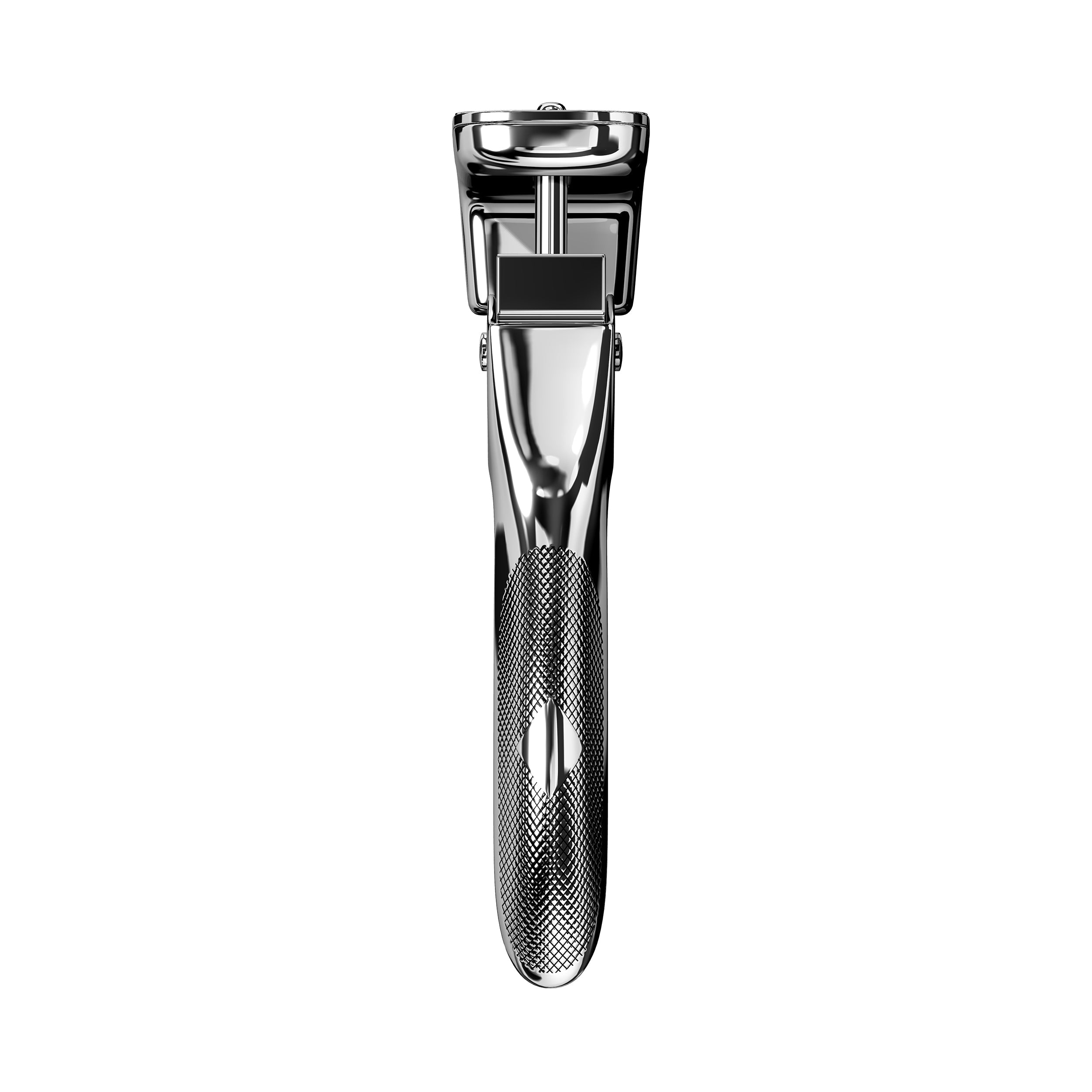
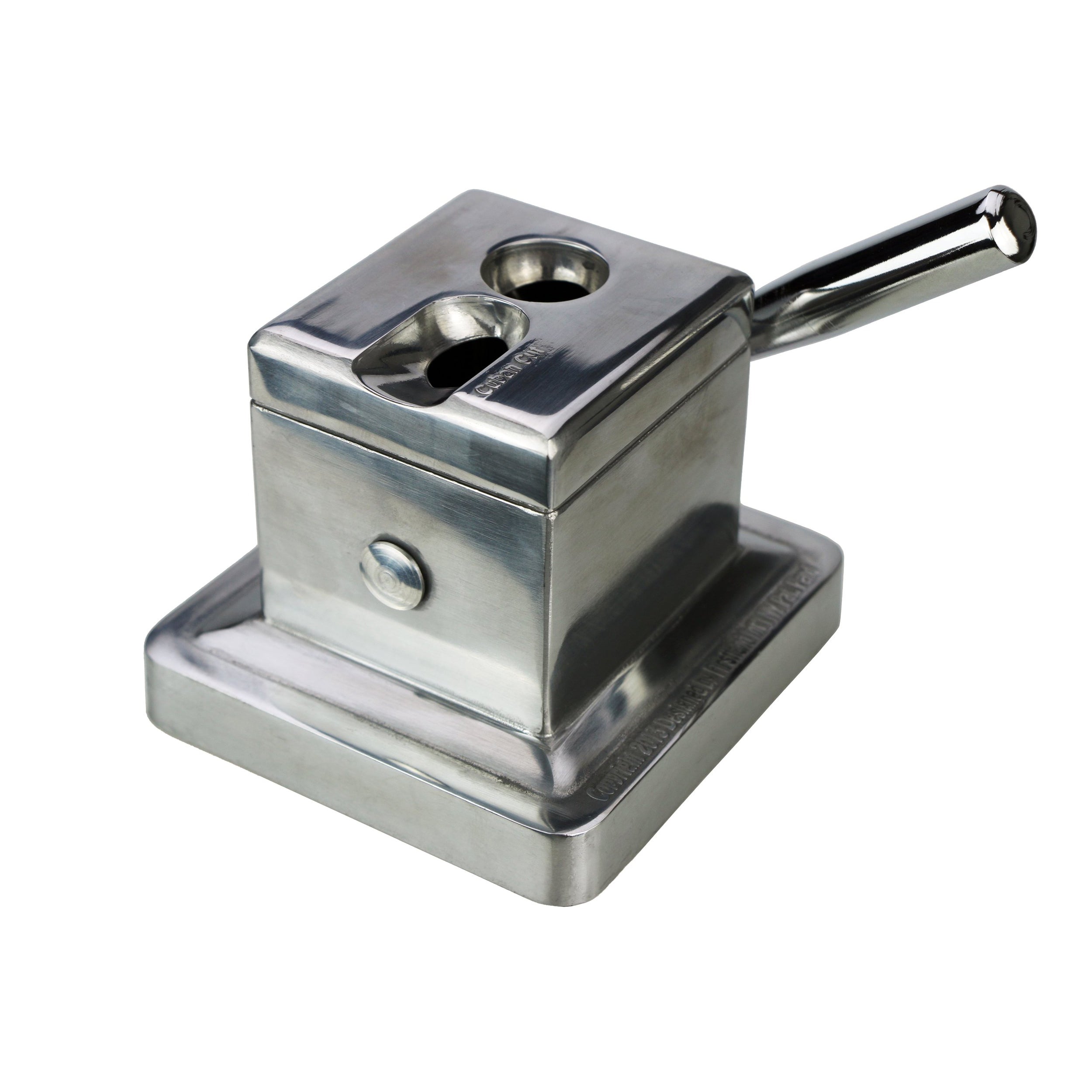
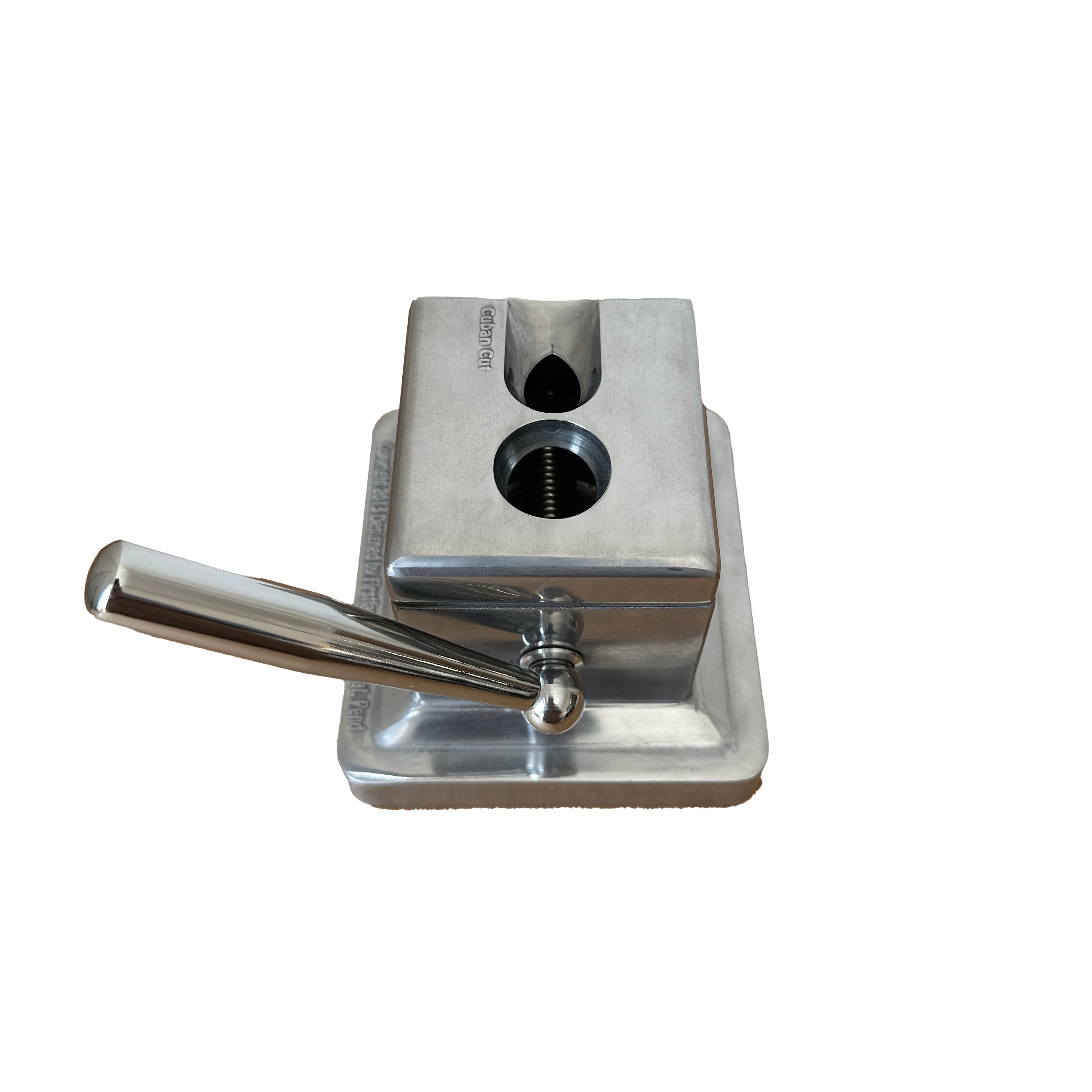
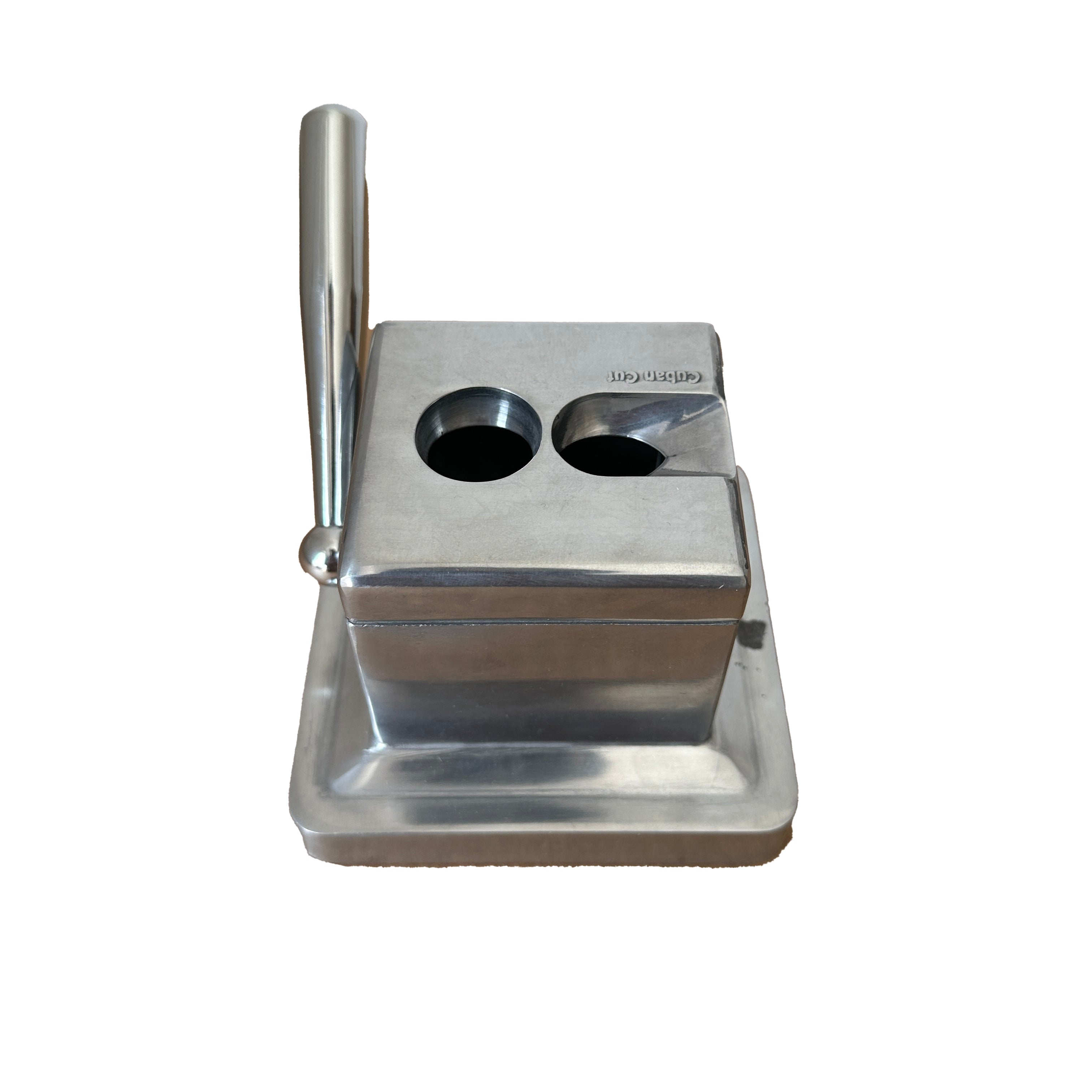
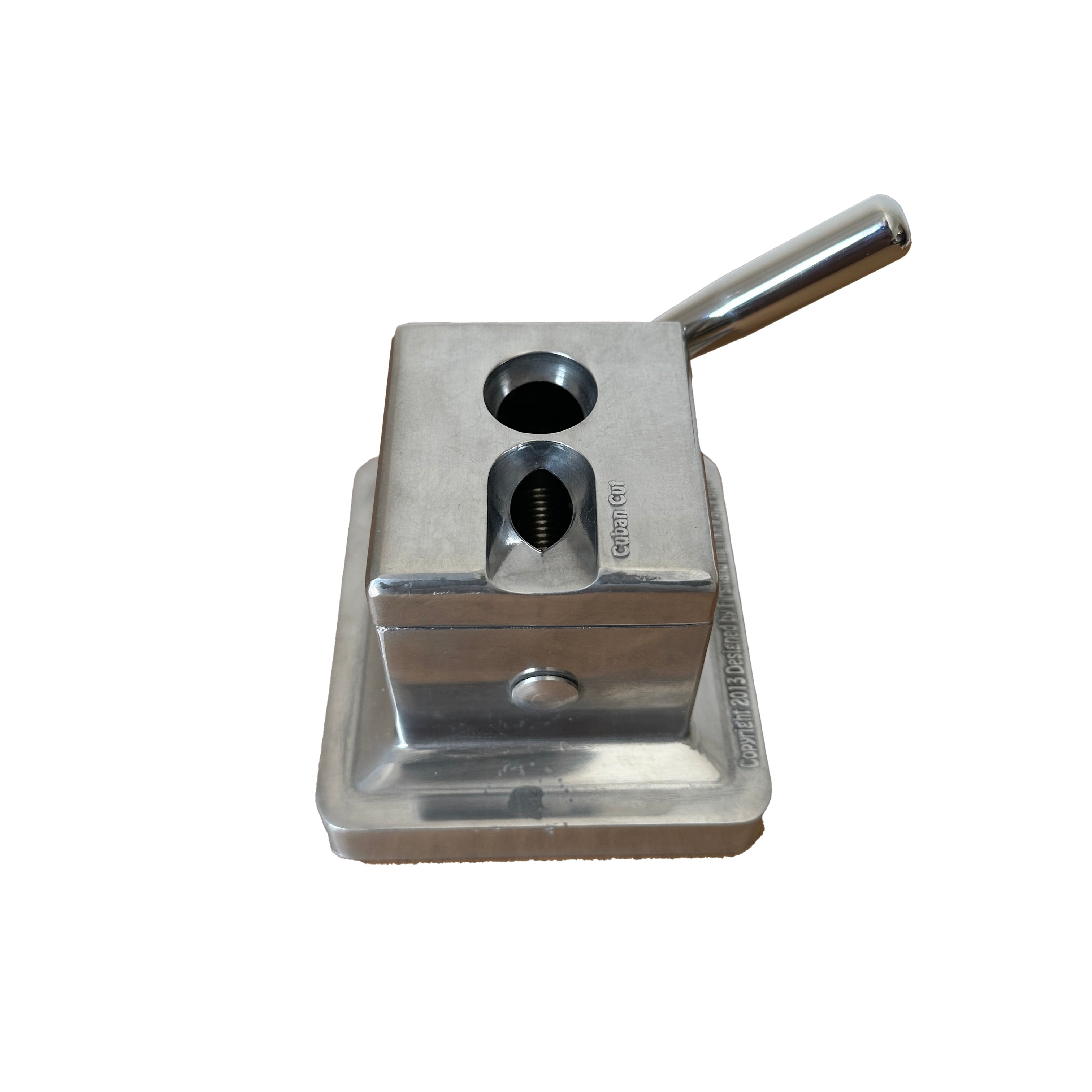
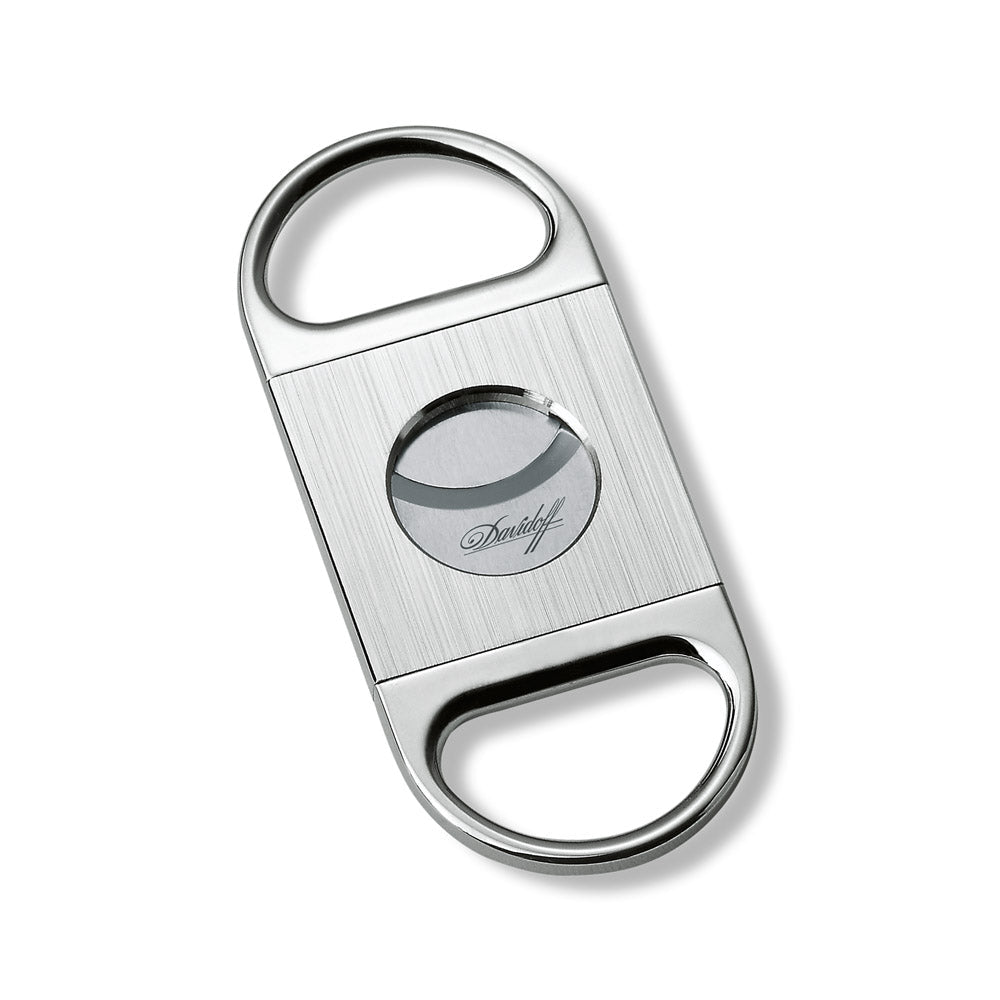
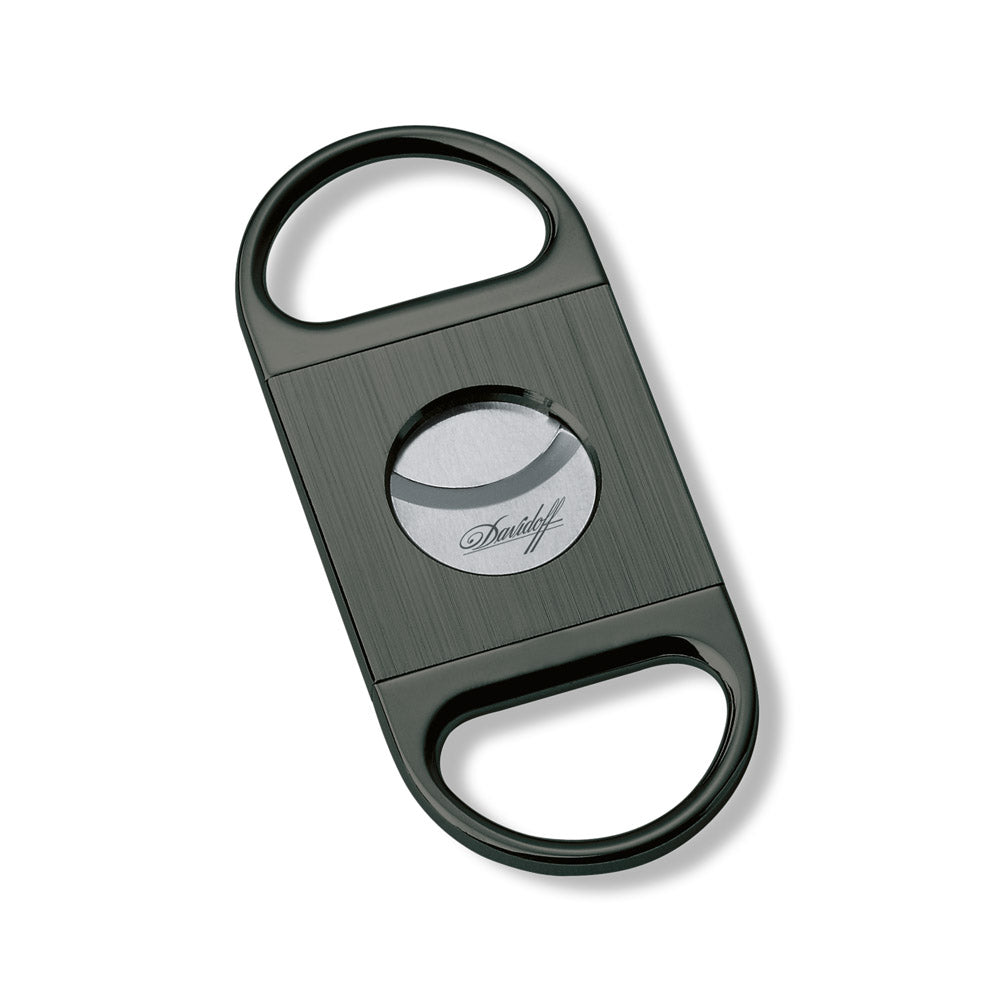
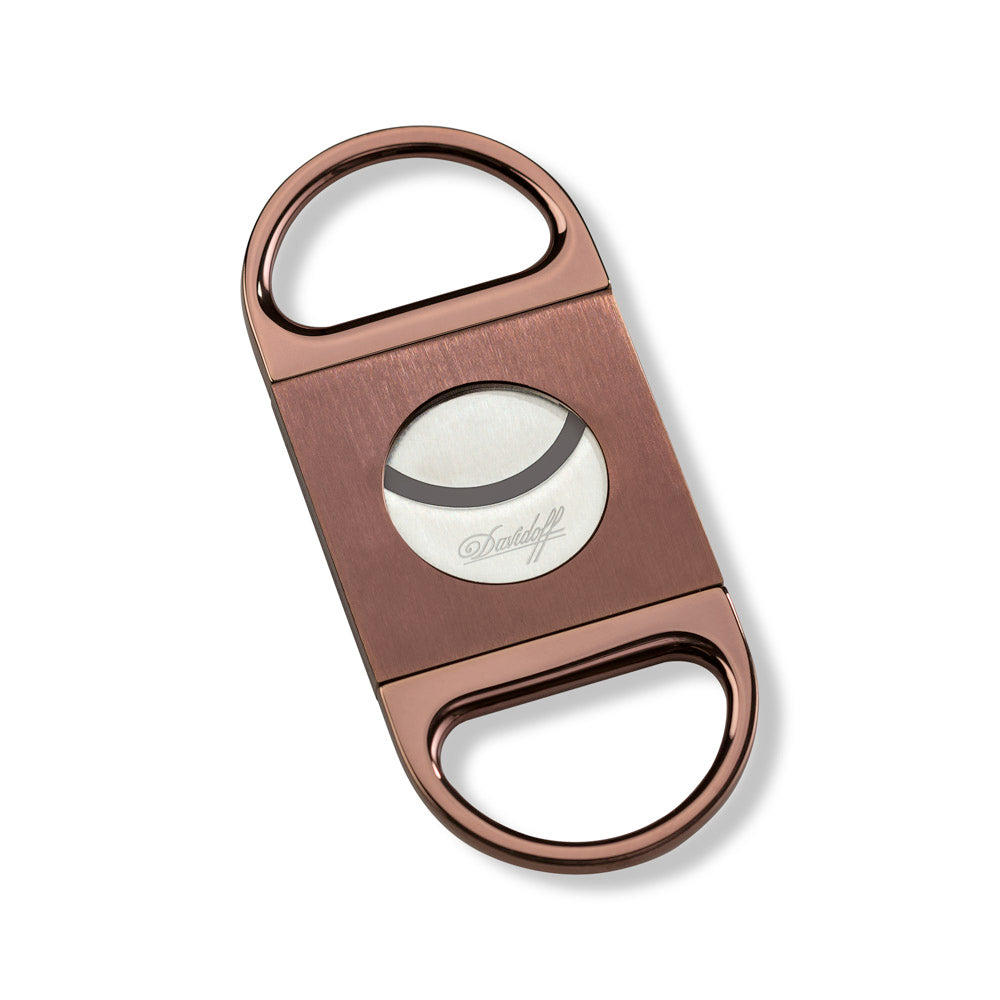
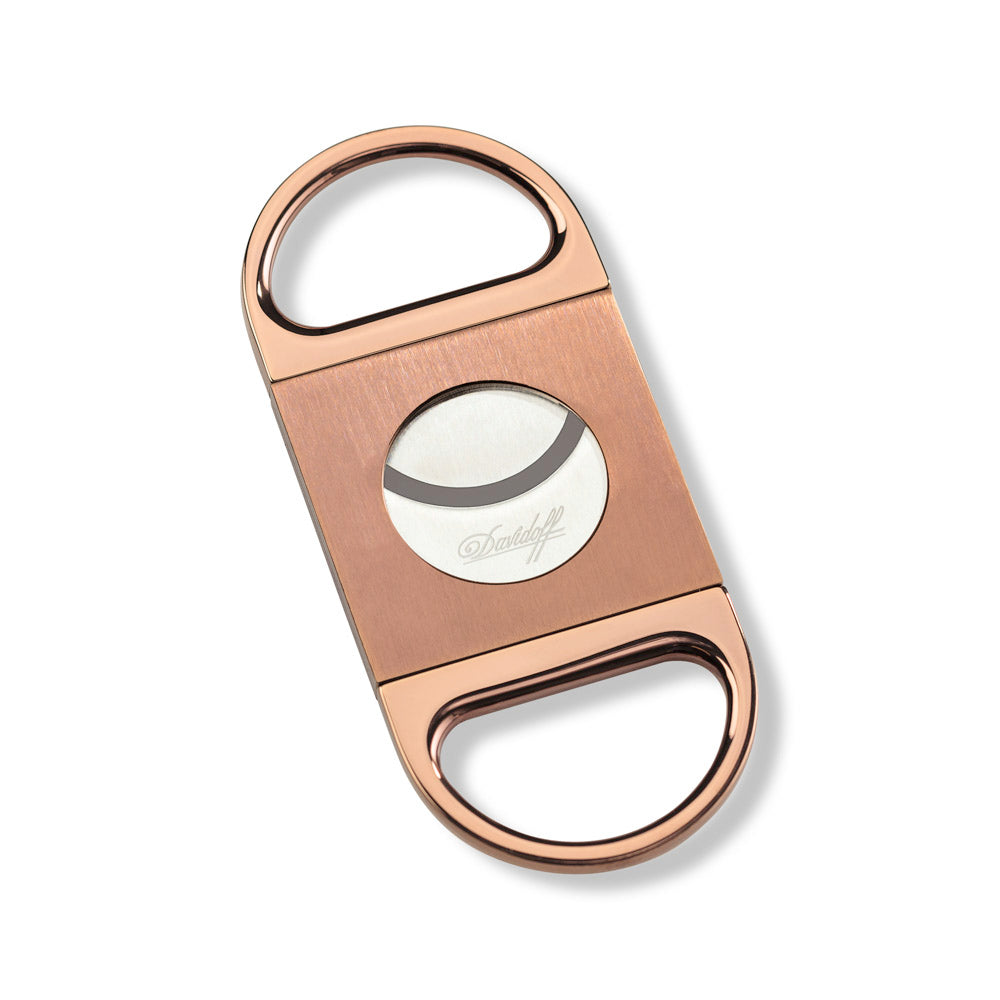
Table cutters are designed for exactly this precision. A guillotine such as the Classic Moon Table Cigar Cutter or the substantial El Casco Shiny Chrome Cigar Cutter seats the cigar securely for a square, even cut across almost any ring gauge, while the Cuban Cut Table Cutter offers a traditional flourish. If you prefer to carry your own, a pocket guillotine like the Davidoff Double Blade Cigar Cutter gives a faster, cleaner severance thanks to its twin blades.
Lighting with patience
Lighting is where first-timers most often rush. Use a butane flame rather than a petrol lighter or a candle, both of which taint the tobacco. Hold the cigar at roughly 45 degrees, just above — never directly in — the flame, and slowly rotate the foot to toast the outer rim. Once the edge glows evenly, place the cigar to your lips and draw gently while continuing to rotate. A patient light yields an even burn for the entire smoke.
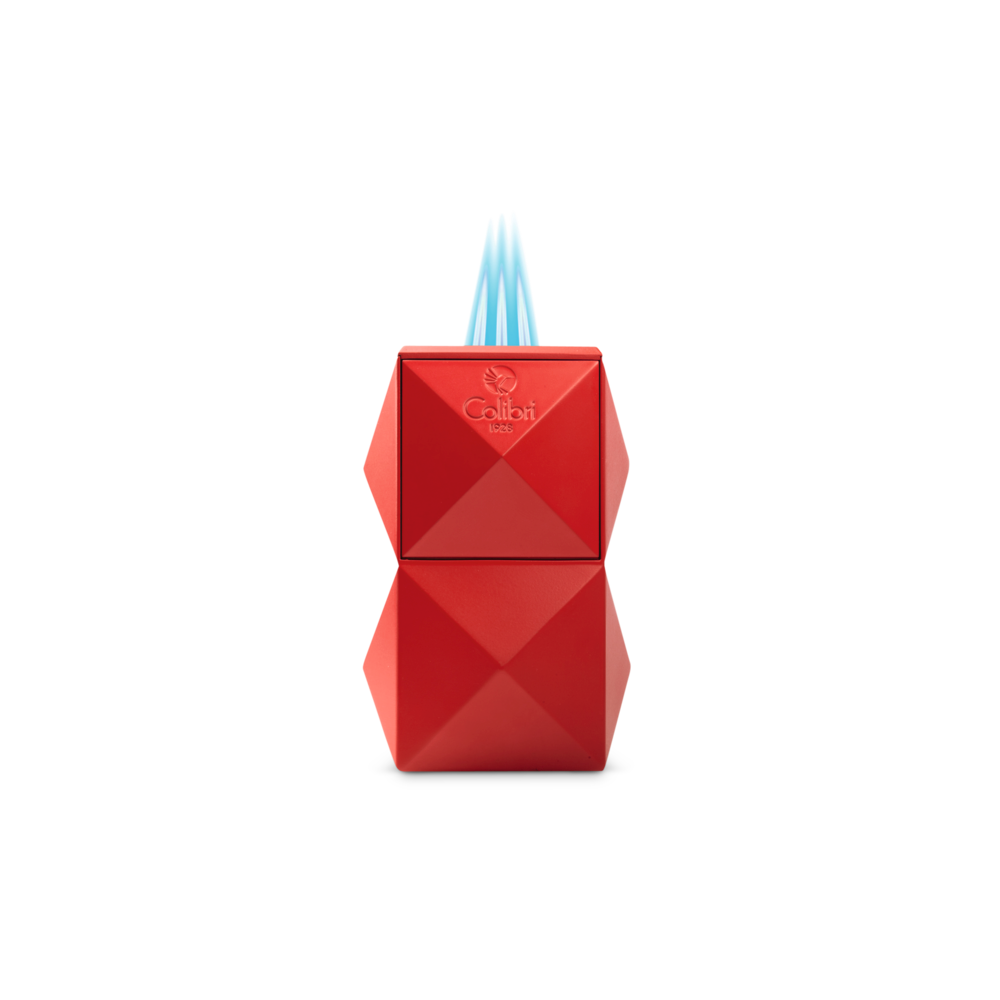
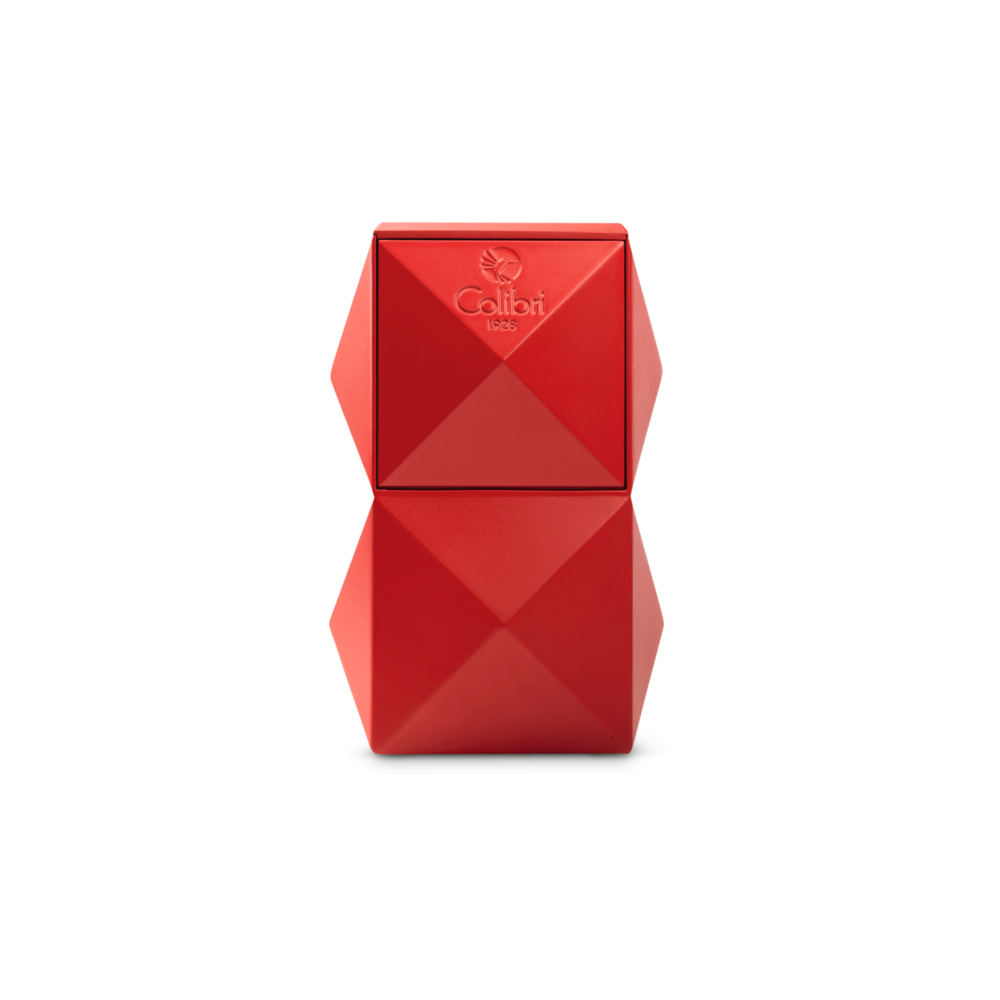
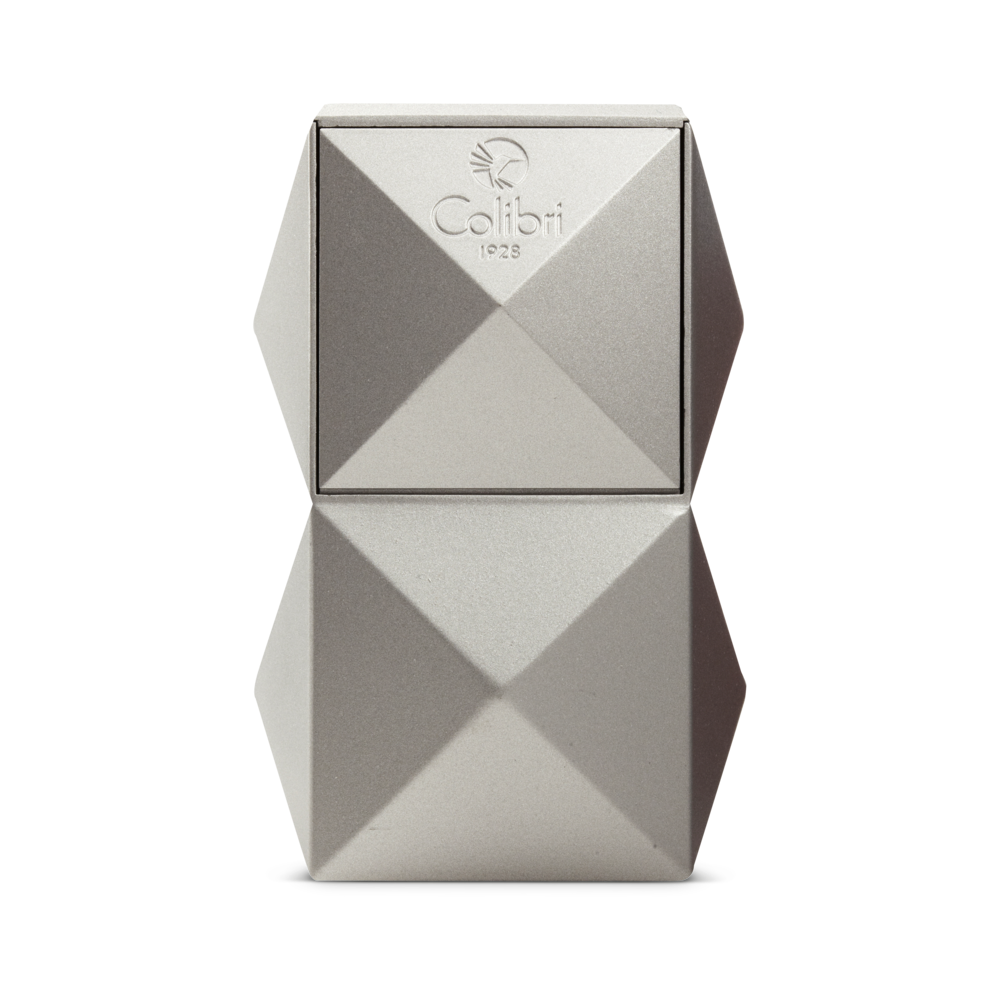
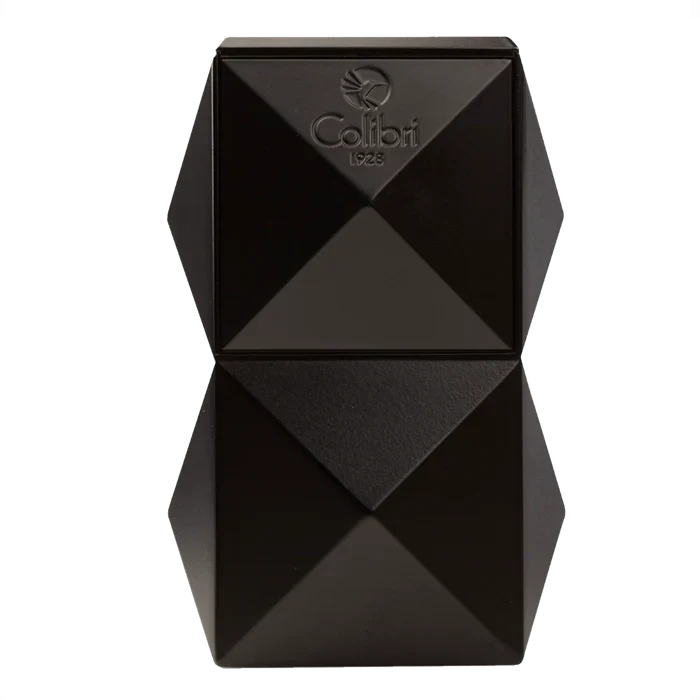
A dedicated table lighter such as the Colibri Quasar Desk Lighter delivers a steady, wind-resistant flame ideal for toasting, and the Colibri Quasar Table Cutter 2-in-1 pairs lighter and cutter in a single elegant piece. For the full technique — from toasting the foot to relighting a cigar that has gone out — see our companion piece on how to cut, light and smoke a cigar properly. You will find a fine selection of both in our cutters and broader accessories collections.
What do I do with the ash — and how do I finish?
A long, firm ash is a sign of a well-made cigar and a sign of a patient smoker. Resist the urge to tap after every puff; a good cigar will hold an inch or more before you gently roll it against the ashtray to let it fall. Knocking ash off prematurely can cause the cigar to burn hotter and faster, muddying the flavour.
When you have smoked down to the final third — usually around the band, which you may remove once the warmth of smoking has loosened its gum — your cigar will begin to turn fuller and sometimes a touch bitter. This is the natural moment to stop. Crucially, never stub out a cigar as you would a cigarette. Crushing it releases a harsh, acrid odour into the room. Instead, simply rest it in the ashtray and it will extinguish itself within a minute or two, leaving the air clean for those still smoking.

How do I pace the experience and tip the staff?
A premium cigar is not a quick indulgence. A robusto (around 124 mm by 50 ring gauge) is a fine introductory size, smoking comfortably in 45 minutes to an hour; a Churchill (178 mm by 47) can stretch well beyond ninety minutes. Aim for roughly one gentle draw per minute — drawing too frequently overheats the cigar and scorches the subtle cedar, leather and cocoa notes you came to enjoy. Pair it with a still water, an espresso or a measured pour of something aged, and let the cigar lead.
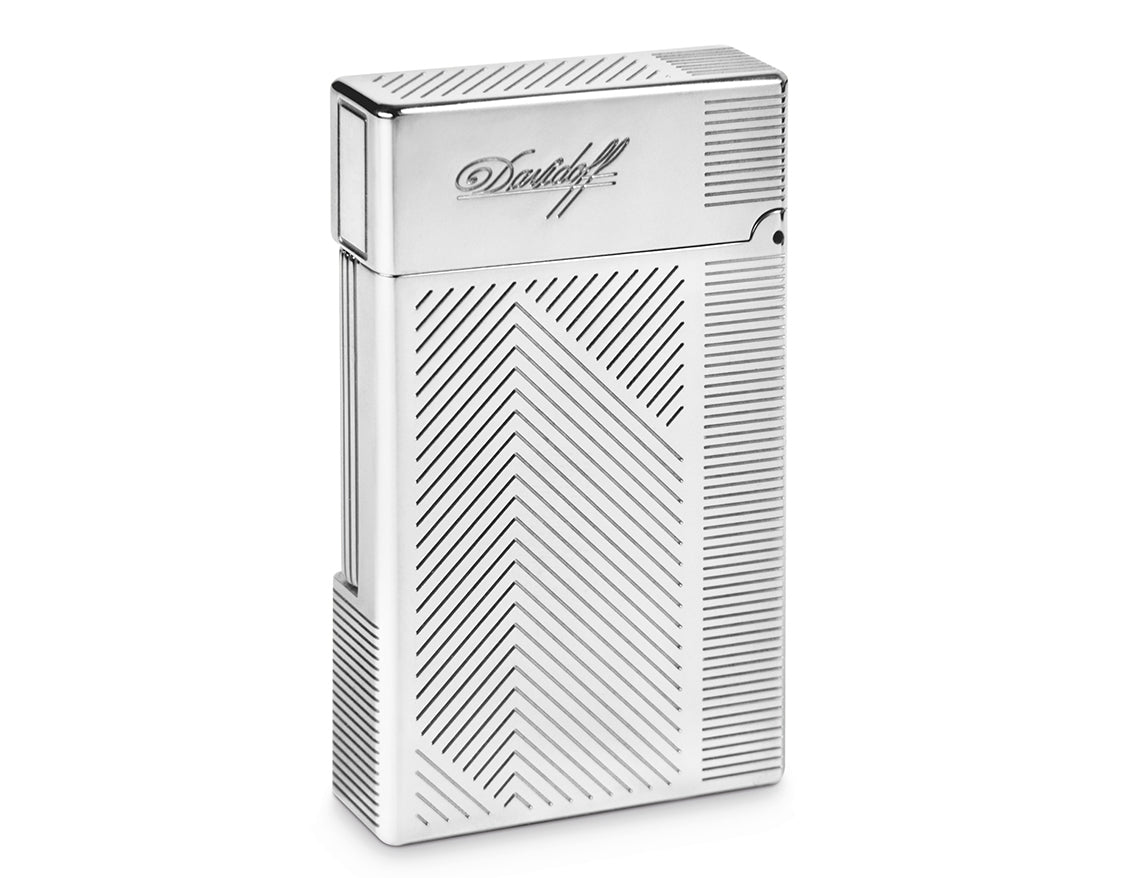
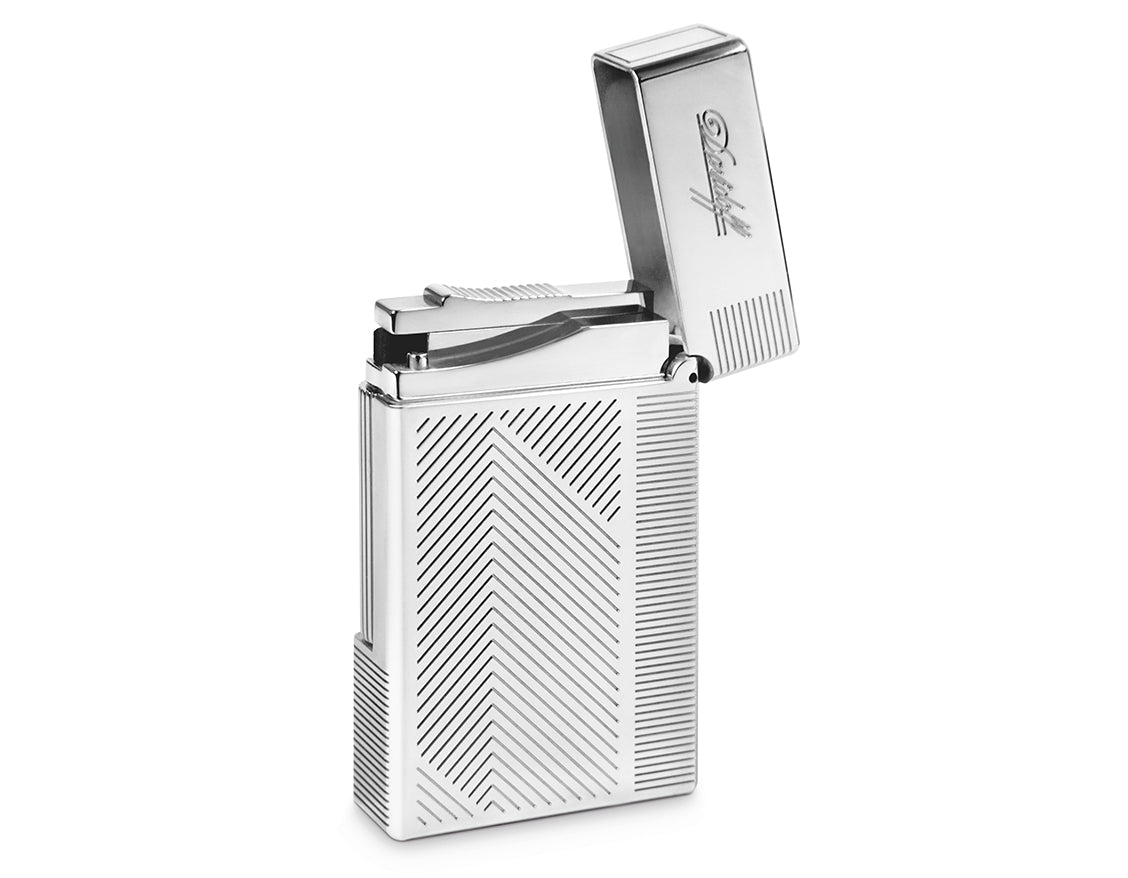
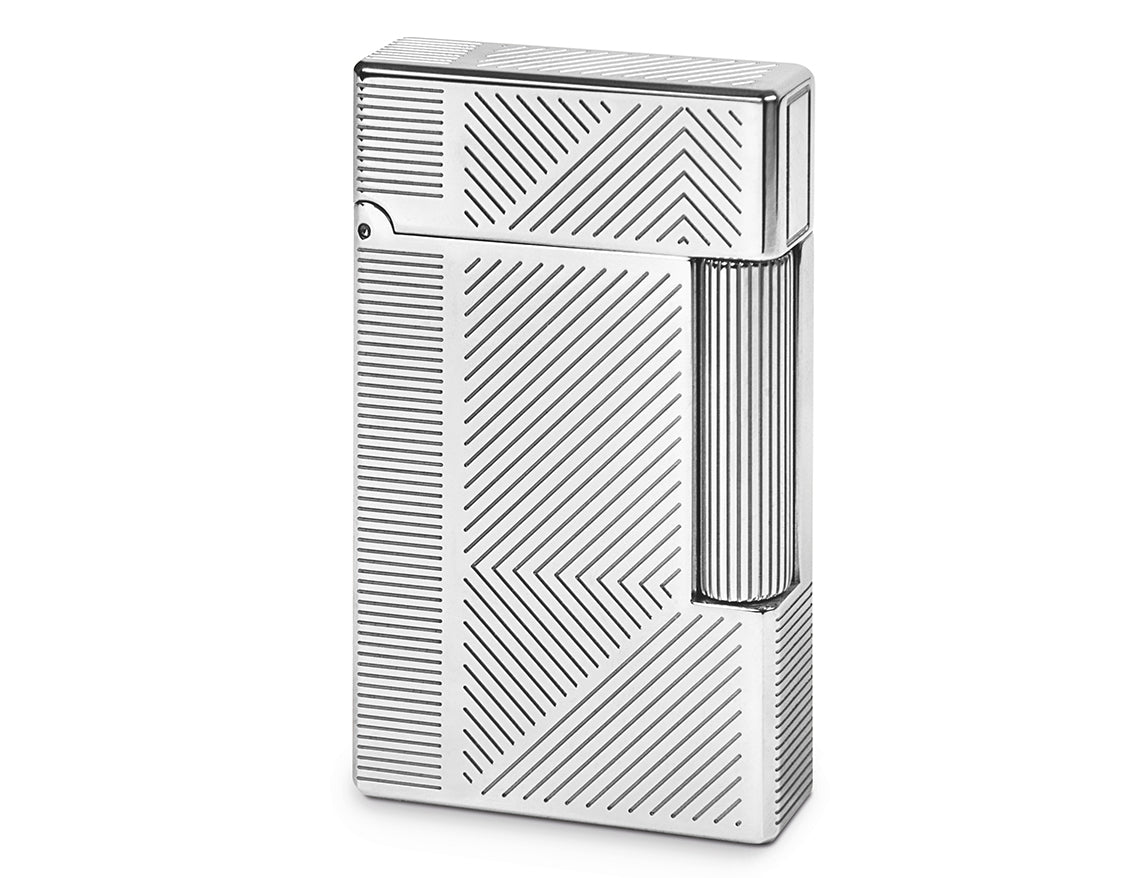
Finally, a word on gratitude. If a tobacconist has guided your selection, opened the humidor for you or talked you through the lounge, a tip is a gracious gesture — much as you would thank a sommelier. It is also how relationships with a lounge are built; return a few times and you will find a seat, a recommendation and a welcome waiting. Should you wish to invest in your own tools for home, refined pieces such as the Davidoff Prestige Palladium Lighter carry the same craftsmanship into your study, where a humidor kept at 68–72% relative humidity will keep your cigars in perfect condition between visits.
Frequently asked questions
Is it rude to ask the staff for help choosing a cigar?
Not at all — it is one of the surest signs of a thoughtful guest. Tobacconists are passionate about their humidor and delight in matching a cigar to your palate, experience and the time you have. Simply mention what you usually enjoy, or that it is your first visit, and let them guide you. Their recommendations are part of the pleasure.
Can I bring my own cigar into a lounge?
Policies vary, so always ask first. Many lounges welcome guests smoking their own cigars, sometimes with a modest corkage-style courtesy, while others prefer you choose from their humidor. A quick, polite enquiry on arrival settles it gracefully and shows respect for the establishment that is hosting you.
How long should I expect to stay?
Plan for at least an hour. A cigar lounge is designed for unhurried enjoyment, and a premium cigar simply cannot be rushed without spoiling its flavour. Most guests settle in for one full smoke alongside a drink. There is no obligation to linger beyond your cigar, but neither should you feel any pressure to hurry away.
What should I do if my cigar goes out?
It happens to everyone and is no cause for embarrassment. Gently tap away any loose ash, then re-toast the foot with a butane flame just as you did at first, rotating slowly until the rim glows evenly before drawing. A cigar relit within an hour or so will taste as intended; one left much longer is best set aside.
Share:
What Is a Toro Cigar? The Modern Favourite
Best Everyday Cigars: Reliable Daily Smokes