


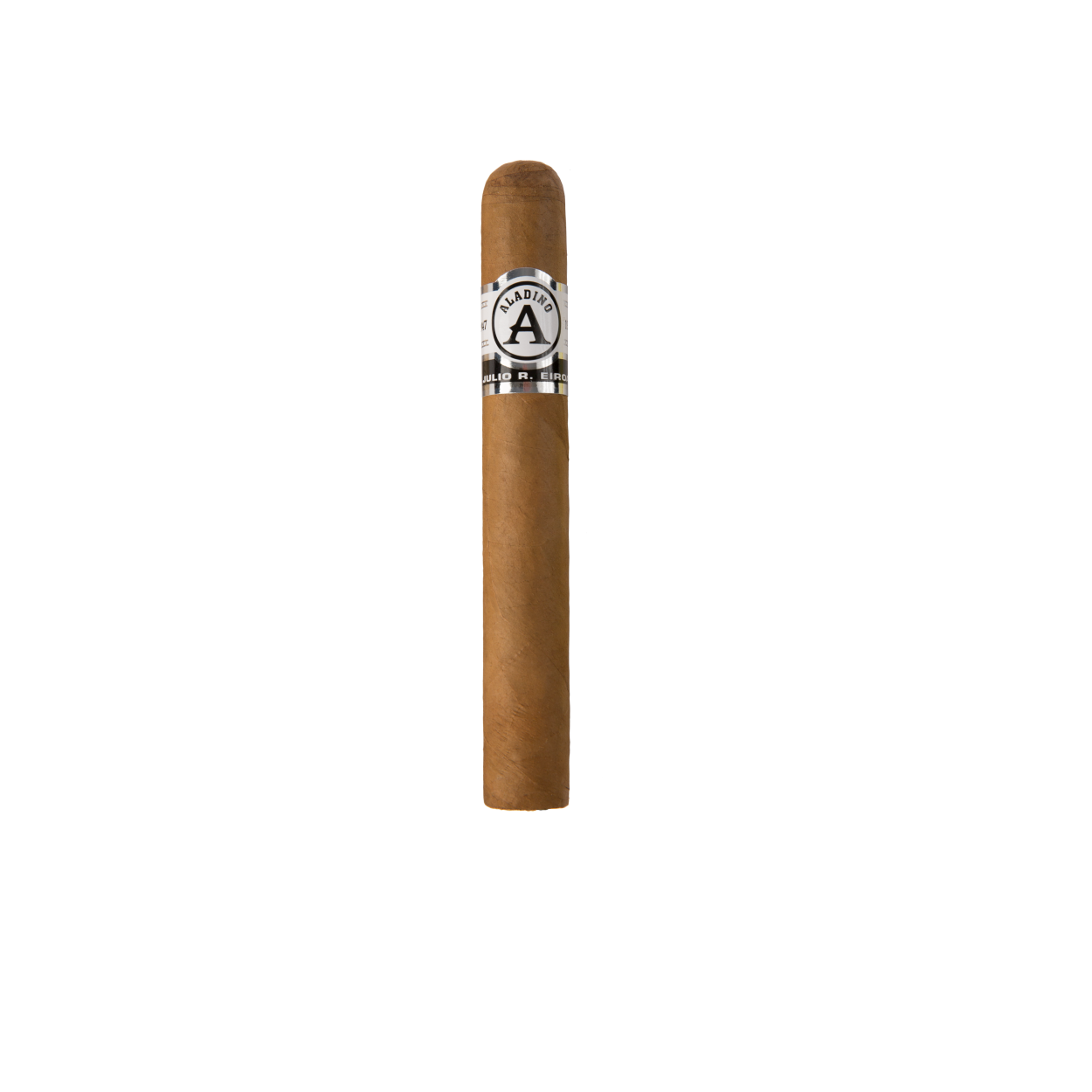
A toro is a medium-to-large cigar that typically measures around 6 inches (152 mm) in length with a 50 ring gauge — meaning a barrel roughly 20 mm in diameter. Substantial without being overwhelming, it has become the most popular single format in the modern cigar world, prized for the balance it strikes between a generous smoking time and a refined, manageable size.
- A toro measures approximately 6 x 50 — about 152 mm long with a ring gauge of 50 (roughly 20 mm wide).
- It delivers a leisurely 60 to 90 minute smoke, longer than a robusto but shorter than a churchill.
- The wider barrel holds more filler leaf, giving a cooler, rounder, more complex draw.
- It suits both newcomers and connoisseurs, and pairs beautifully with coffee, aged rum or whisky.
- Store toros, like all cigars, at 16–18°C and 68–72% relative humidity.
What exactly defines a toro cigar?
In cigar terminology, a vitola is a particular combination of length and ring gauge — the shape and dimensions of a cigar. The toro is one of the most recognisable of these. The defining measurements are a length of around 6 inches and a ring gauge of 50, though the format is a family rather than a single fixed point.
Ring gauge is measured in sixty-fourths of an inch, so a 50 ring gauge equals 50/64 of an inch — close to 20 mm across. That extra girth, compared with slimmer formats, is the toro's signature. You will find toros ranging from a slender 6 x 48 to a fuller-bodied 6 x 52 or 6 x 54, and many brands now offer a "super toro" or "toro gordo" at 6 x 56 and above for those who enjoy a broader barrel. If the language of length and ring gauge is new to you, our guide to cigar sizes, vitolas and ring gauge explains it all in plain terms.
Where does the toro sit among other cigar sizes?
The toro occupies the comfortable middle ground of the size spectrum, which is a large part of its appeal. Placing it alongside its neighbours makes the picture clear:
- Robusto — about 5 x 50. Same girth as a toro but shorter, giving a 45–60 minute smoke. The toro is essentially a robusto with more length to give. See our companion piece on what a robusto cigar is.
- Toro — about 6 x 50. The format in question, offering an hour-plus of relaxed enjoyment.
- Churchill — about 7 x 47. Longer and slightly slimmer, a more ceremonial and time-consuming smoke.
- Corona — about 5.5 x 42. Slimmer and more classic, favouring the wrapper's contribution.
The toro's genius is that it stretches the beloved robusto profile across a longer journey, allowing flavours to develop and shift through distinct stages without demanding the commitment of a churchill.

How does a toro actually smoke?
The wider 50 ring gauge means more filler tobacco sits inside the cigar relative to its wrapper. Because the wrapper leaf is the most intense element, a fuller barrel tends to produce a cooler, smoother and rounder smoke, with the blender's chosen filler leaves given room to express themselves. The result is often greater complexity and a more even balance between wrapper, binder and filler.
A toro also burns at a relaxed pace. Expect 60 to 90 minutes depending on the blend and your cadence — long enough to carry you through three classic phases. The first third tends to be brighter and more focused, the second third deepens and broadens, and the final third often arrives at its richest, most concentrated character. That evolution is precisely why so many enthusiasts reach for a toro when they have the time to savour it.

Which toro cigars are worth trying?
The toro's popularity means almost every great maker offers one, across the full range of wrapper styles. A few from our shelves illustrate the breadth on offer.
For a gentle, creamy start
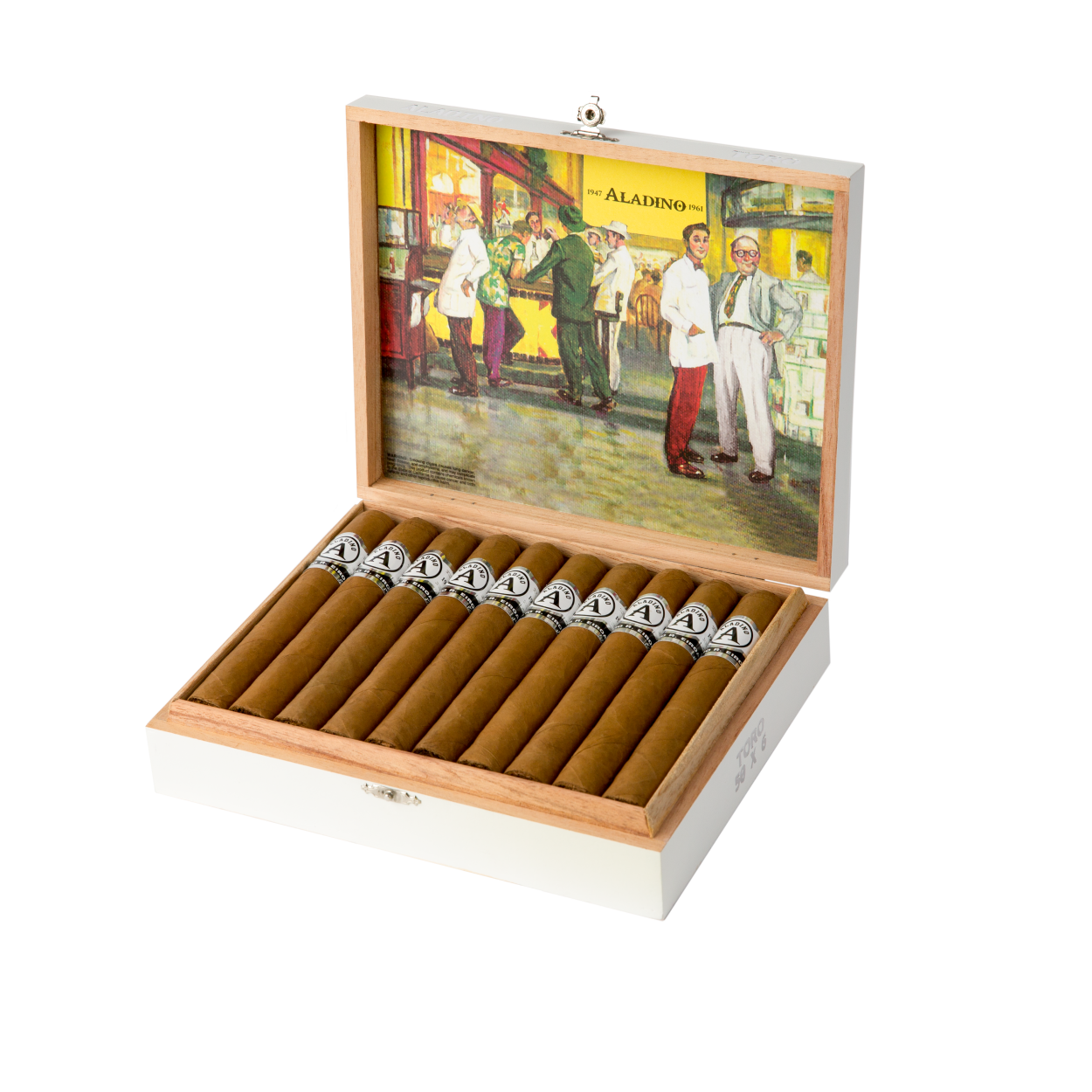
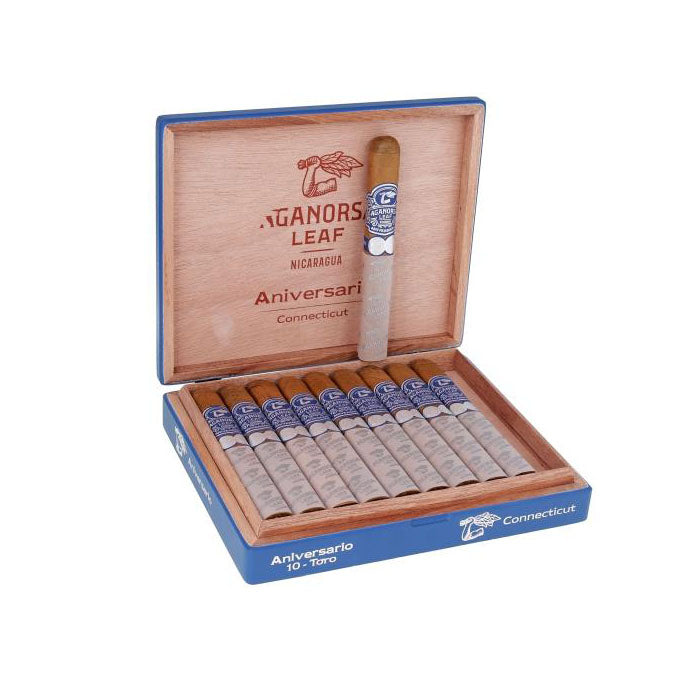
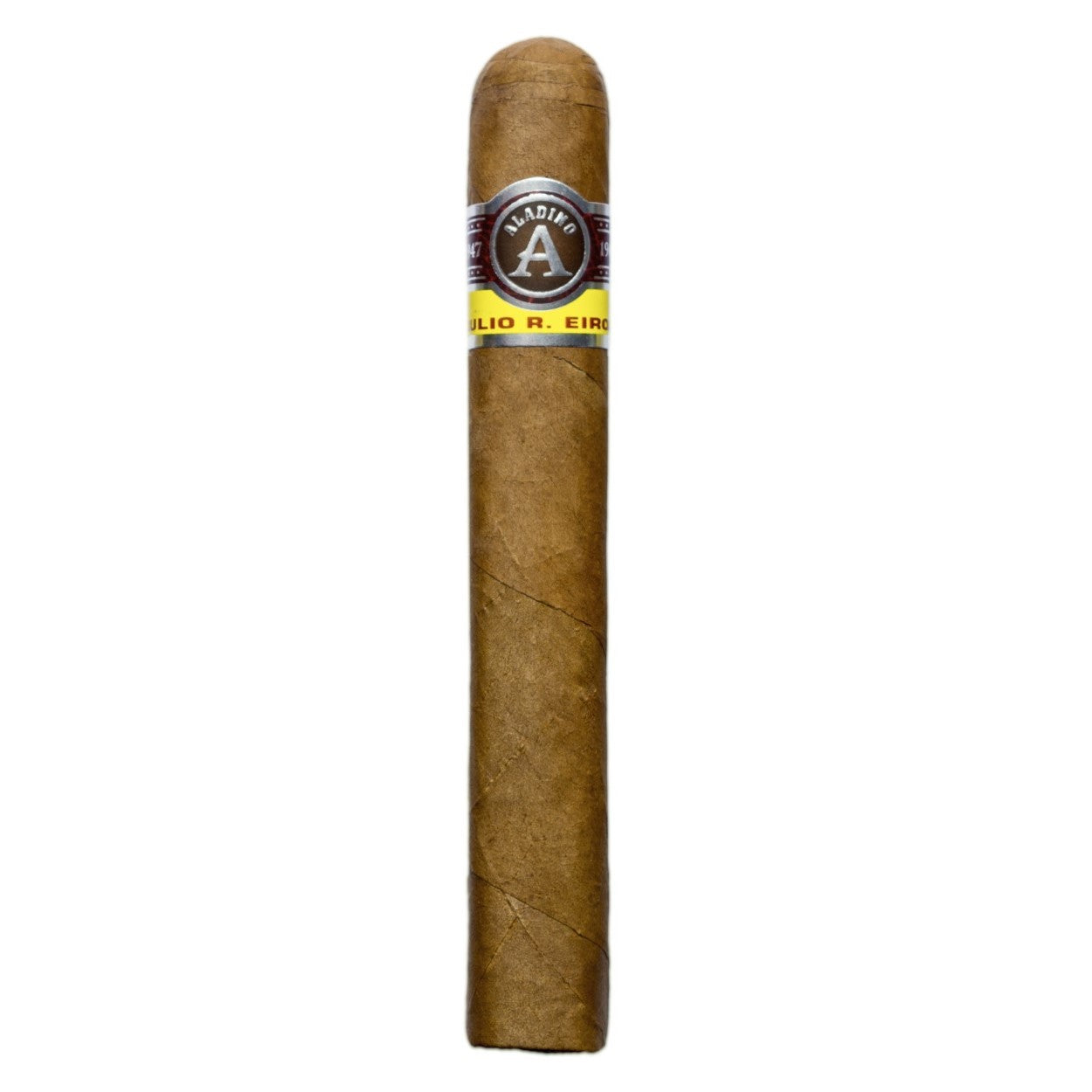
A Connecticut-shade wrapper gives mild, smooth and creamy smoke — ideal for daytime or for those still finding their palate. The Aladino Connecticut Toro is a Honduran beauty built around the Eiroa family's heirloom Corojo tobacco, while the Aganorsa Leaf Anniversario Connecticut Toro layers cedar, almond and a soft buttery sweetness over a Nicaraguan core.
For balanced, spicy character
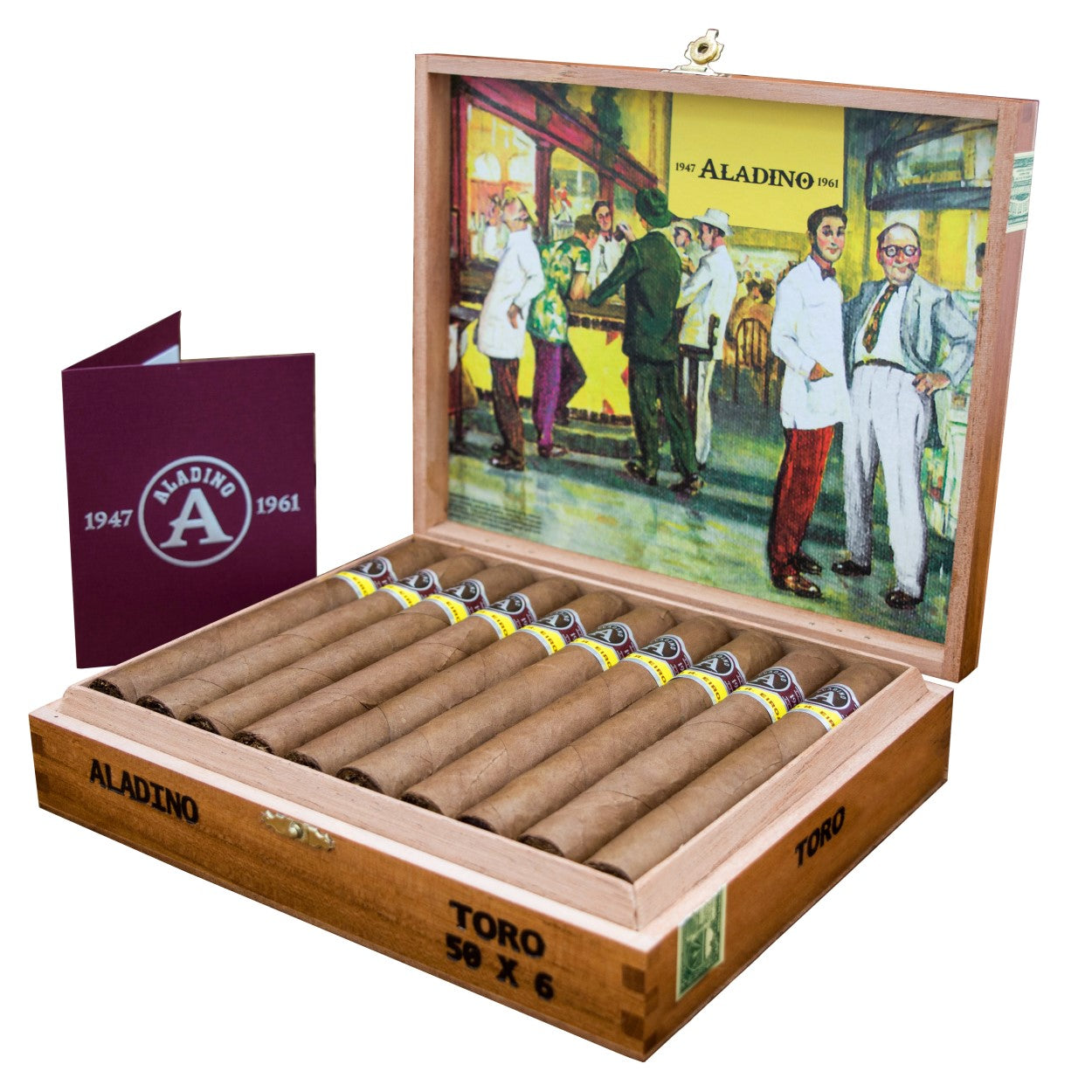
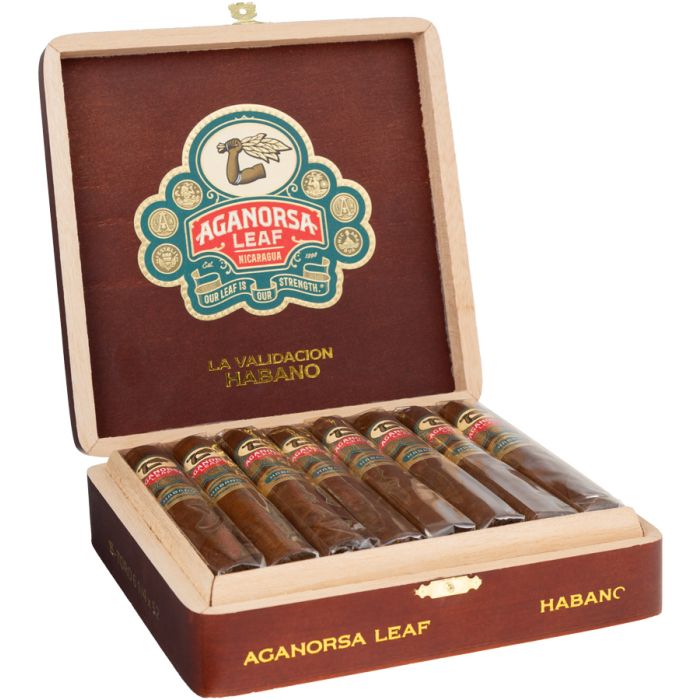
Corojo and Habano wrappers bring pepper, cedar and a warmer spice. The Aladino Corojo Toro is a benchmark of authentic Honduran Corojo, all leather and red-pepper warmth, and the Aganorsa Leaf La Validación Habano Toro offers a generous, full-flavoured Nicaraguan profile with notes of espresso and sweet spice.
For deep, dark richness
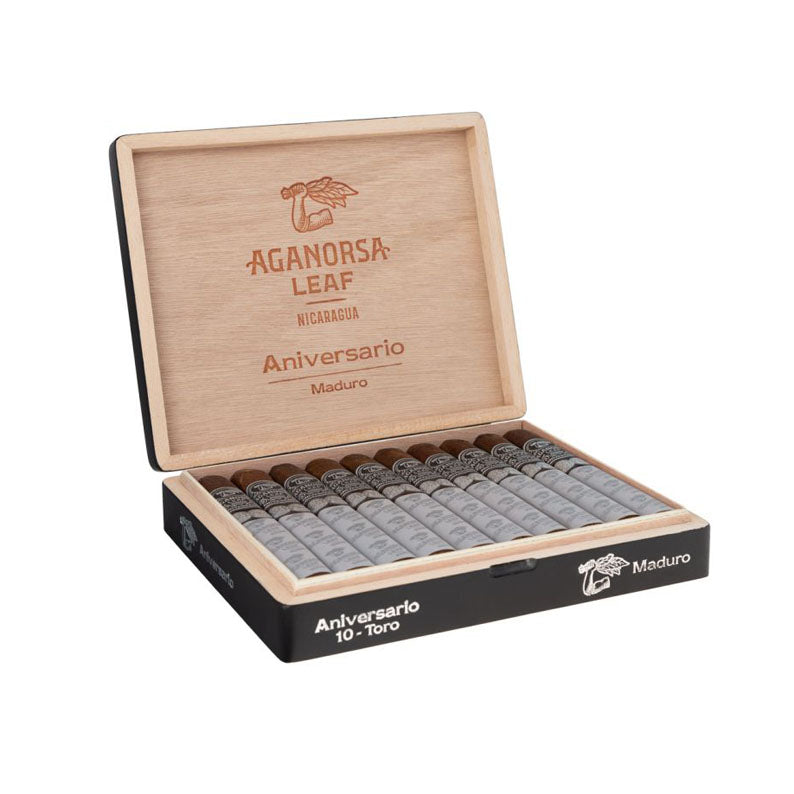
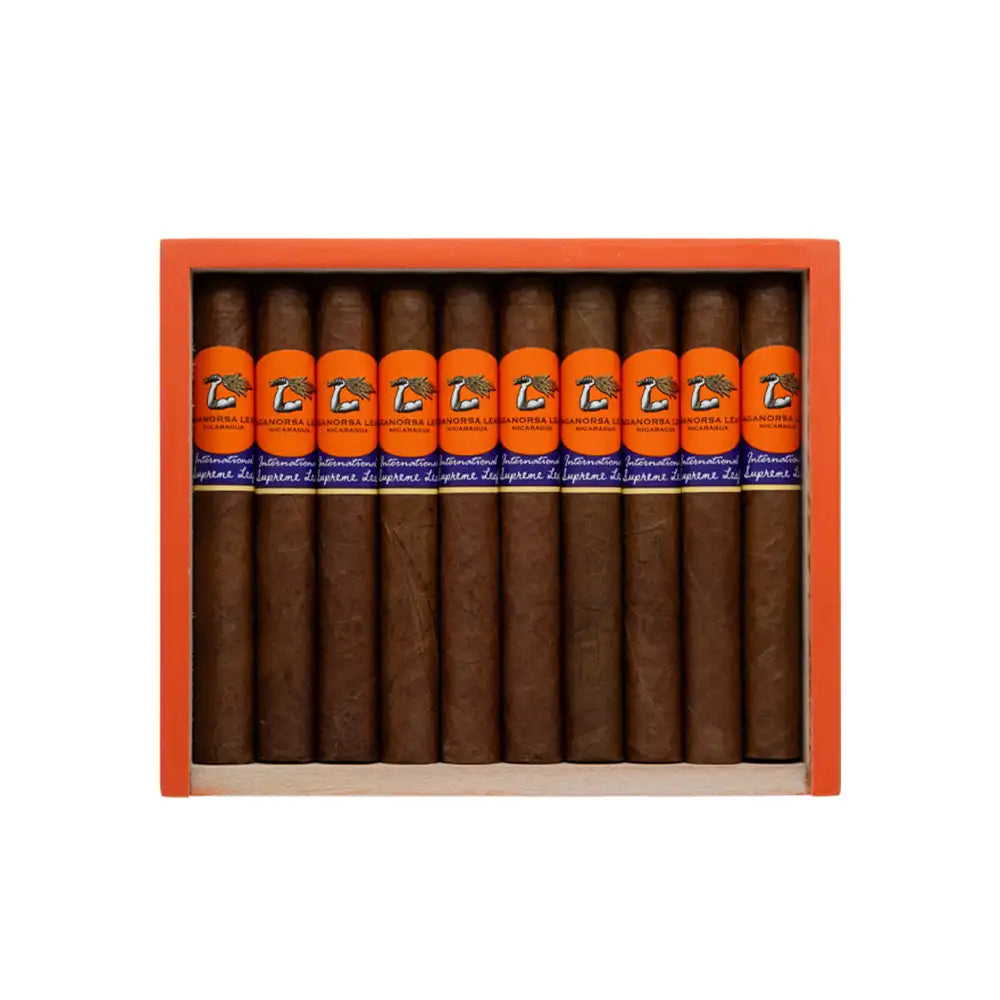
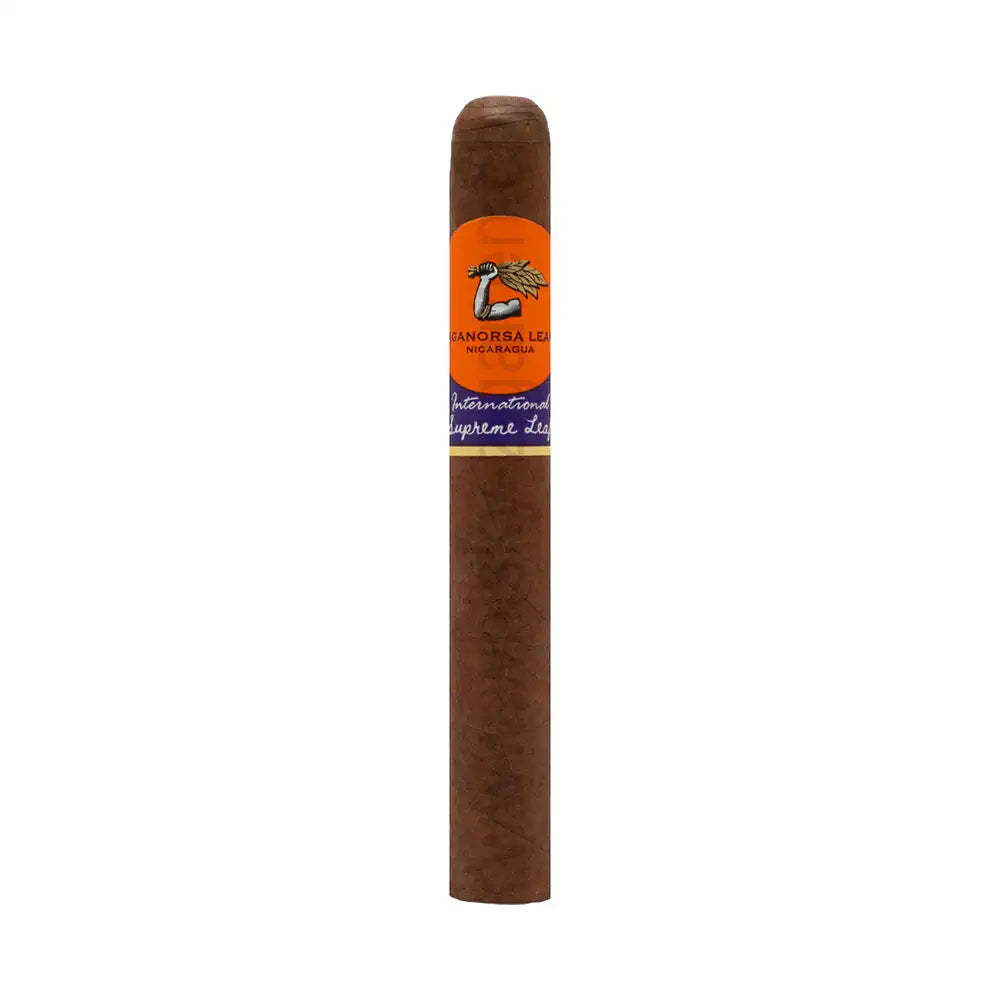
A maduro wrapper, aged longer and darker, delivers cocoa, espresso and dried-fruit sweetness. The Aganorsa Leaf Anniversario Maduro Toro is a connoisseur's choice, while the boutique Aganorsa Leaf Supreme Leaf Euro Toro is among the most sought-after small-batch smokes Aganorsa produces. For something built around exceptional balance, the AVO Syncro Fog Spec Toro brings a refined multi-origin blend with cedar, cream and a whisper of spice.
You will find toros throughout our New World cigars collection, where Nicaraguan, Honduran and Dominican craftsmanship shines. Cuba favours its own traditional naming, so while the word toro is a New World coinage, comparable formats appear among Cuban cigars under vitola names such as the Hermoso No. 4. For those who appreciate boutique New World blending, the family-owned EGM Cigars range is also worth exploring.

When is the right occasion for a toro?
The toro is the natural choice for an unhurried hour. It rewards the after-dinner moment, the long weekend afternoon on a terrace, or the quiet evening with a good book and a better glass. Its size signals intention — you are settling in, not snatching a quick smoke between appointments.
For pairings, the toro's balance flatters a wide range of drinks. A mild Connecticut toro sits gracefully beside an espresso or a flute of champagne. A Corojo or Habano answers well to an aged Cuban rum or a lightly peated single malt. And a dark maduro toro is the natural companion to a vintage port, a tawny, or a robust cognac, each echoing the cigar's cocoa-and-coffee depths.
How should a toro be stored and cut?
A toro asks for nothing unusual, but it deserves proper care. Keep it in a humidor held at 68–72% relative humidity and a steady 16–18°C; this keeps the wrapper supple, the burn even and the flavours intact. A cigar that has dried out smokes hot and harsh, while one kept too damp draws poorly.
Because of its 50 ring gauge, a toro needs a cutter that opens cleanly without crushing the cap. A quality double-bladed guillotine is the most versatile choice; a punch cut also works well and concentrates the draw. Toast the foot gently with a butane flame or a cedar spill, take your time, and let the cigar rest between draws so it never overheats. Smoked patiently, a fine toro is one of life's most civilised pleasures.
Frequently asked questions
What size is a toro cigar in mm?
A classic toro measures about 152 mm in length (6 inches) with a ring gauge of 50, which equals roughly 20 mm in diameter. Variations are common, ranging from around 6 x 48 to a fuller 6 x 54, with "super toro" or "toro gordo" formats reaching 56 ring gauge and above for those who prefer an even broader barrel.
How long does a toro cigar take to smoke?
Expect a relaxed 60 to 90 minutes, depending on the blend, the wrapper and your smoking pace. That makes it longer than a robusto, which runs around 45 to 60 minutes, but shorter than a churchill. The leisurely burn is part of the toro's charm, allowing the flavour to evolve through three distinct thirds.
Is a toro a good cigar for beginners?
Yes, provided you choose a milder blend. A toro with a Connecticut-shade wrapper offers a smooth, creamy and approachable smoke, while the longer length lets you set it down and return without rushing. Newcomers may simply find the full hour-plus a generous first commitment; a robusto is a fine shorter alternative.
What is the difference between a toro and a robusto?
They share the same 50 ring gauge, so they smoke with a similar girth and feel in hand. The difference is length: a robusto runs around 5 inches and a toro around 6. That extra inch gives the toro a longer burn and more room for the blend's flavours to develop and shift across the smoke.
Share:
Partagás: Full-Flavoured Cuban Power
Cigar Lounge Etiquette: A First-Timer's Guide