

There is a romantic idea, encouraged by wine merchants and cigar magazines alike, that any premium cigar gets better the longer it sits. The truth is more interesting. Some cigars age beautifully for decades; some peak at one year; some never needed the wait at all.
What ageing actually does
Inside a sealed humidor at 65–70% humidity, tobacco continues to mature. The harshness of young leaf — the ammonia notes, the sharper edges — gradually softens. Flavours marry; the wrapper, binder and filler stop tasting like three separate components and start tasting like one. The cigar becomes integrated.
This isn't decomposition. It is enzymatic activity slowing down to a near-halt under stable conditions, allowing the chemistry of the leaf to settle. The same principle that ages wine, hard cheese and certain spirits.
What makes a cigar a good candidate for ageing
Not every cigar rewards patience equally. The candidates that benefit most:
- Full-bodied blends with serious wrapper character. The intensity smooths over time without losing the flavour profile. Most powerful Nicaraguans, Cubans and the heaviest Hondurans.
- Cigars from established producers with traceable harvest dates. If you don't know when the tobacco was grown, you don't know when the cigar will peak.
- Cigars released young. Many premium brands ship cigars after as little as six months' factory rest. These have the most to gain from a few years in your humidor.

What doesn't benefit much
Mild Connecticut-wrapped cigars, particularly Dominican Connecticuts, are released essentially ready. Six months of rest will smooth them; five years may simply hollow them out, draining the bright wrapper notes that made them interesting in the first place. The same is true of small-format cigars (cigarillos and Petit Coronas) — there isn't enough tobacco mass to support a long evolution.

Cubans and ageing
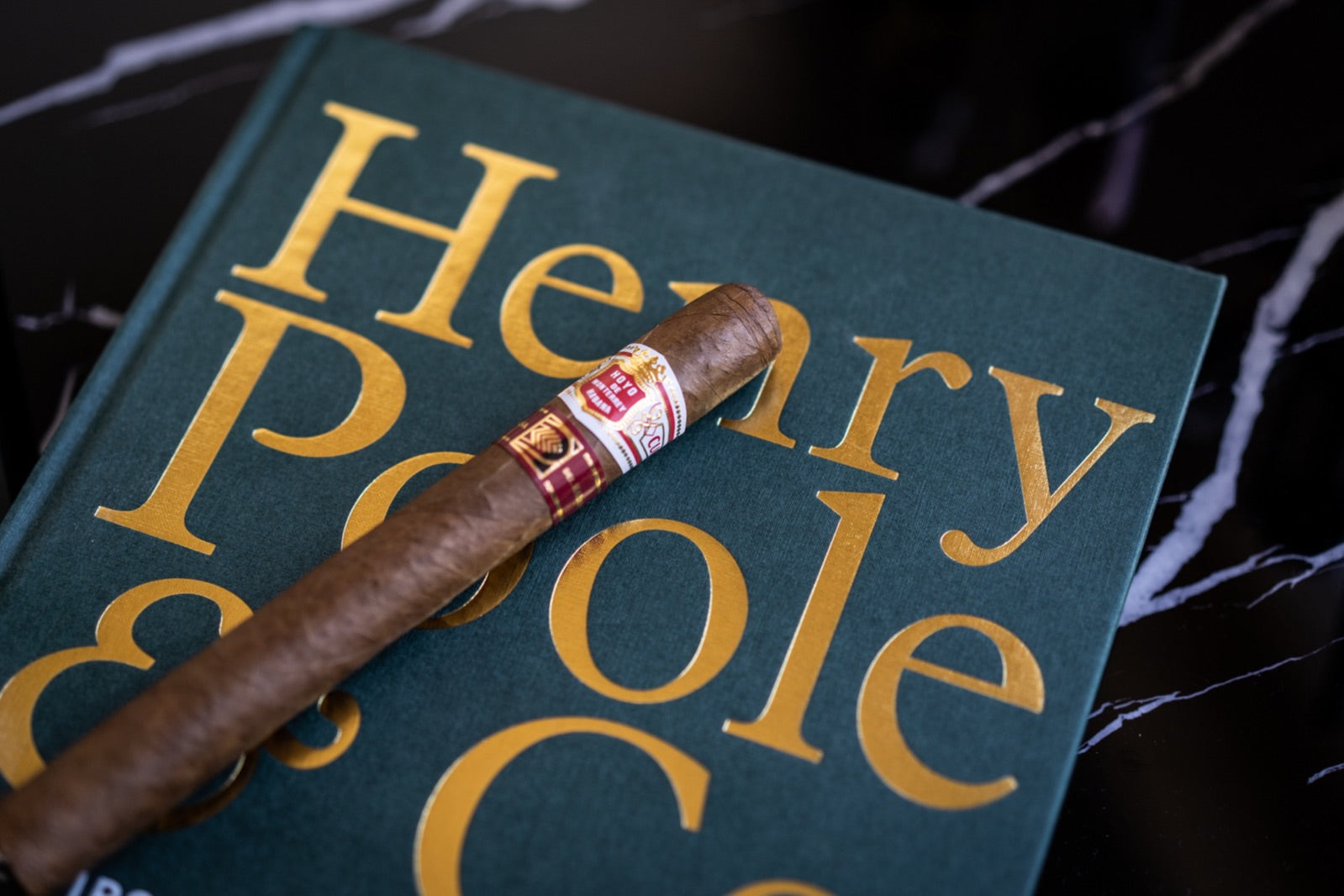
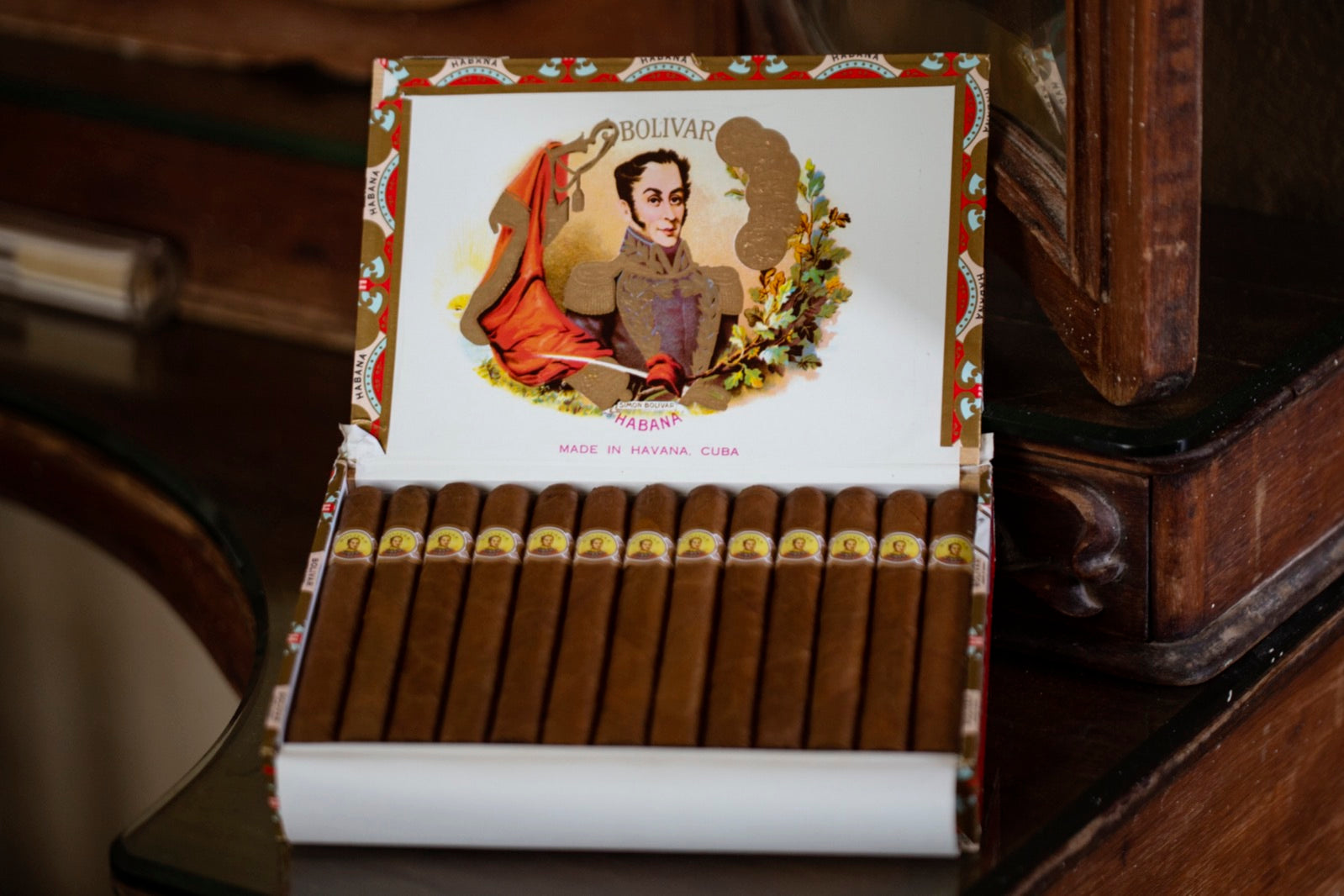
Cubans are the textbook ageing candidate. Habanos are shipped young, sometimes aggressively so. Most Cuban experts will tell you that a Cohiba, Partagás or Montecristo is at minimum a different cigar after three years, and a better one after five to ten. If you have any of our Cuban Cigars in your humidor that you bought recently, the question isn't whether to age them — it's how long.

How long to age, by style
- Refined Dominicans (Davidoff, Arturo Fuente Don Carlos): 1–3 years.
- Full Nicaraguans (Plasencia Alma Fuerte, Oliva Serie V): 2–5 years.
- Cuban regular production: 3–7 years to peak. The wait is rewarded.
- Cuban Limited Editions and Gran Reservas: 5–15 years. These are wine-style ageing candidates.
- Maduros and Oscuros: typically released more mature; 1–2 years extra is plenty.
How to age, practically
You need three things: a properly sealed humidor (see our storage guide), stable humidity in the 65–68% range (slightly drier than smoking humidity, as wetter cigars age slower and risk mould), and discipline. The most common ageing mistake is opening the humidor to check, breaking the equilibrium every few days. Once a month is enough.
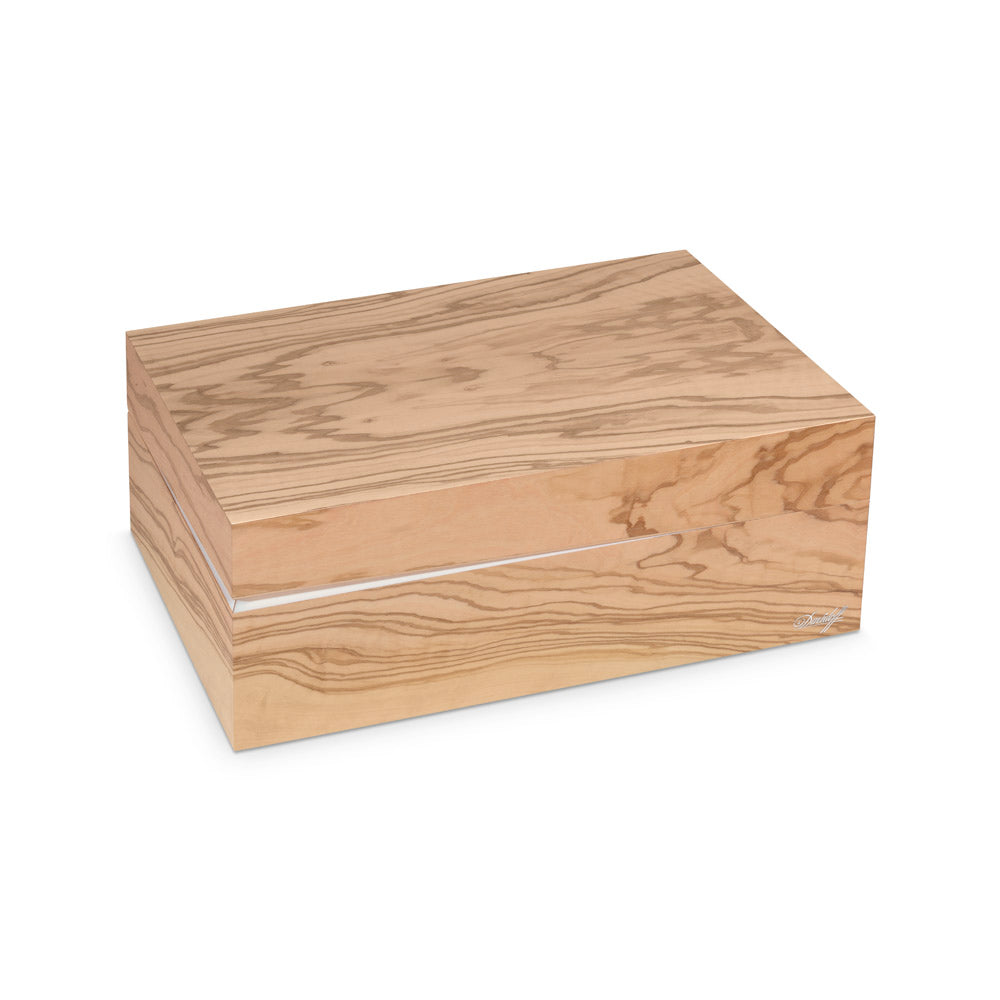
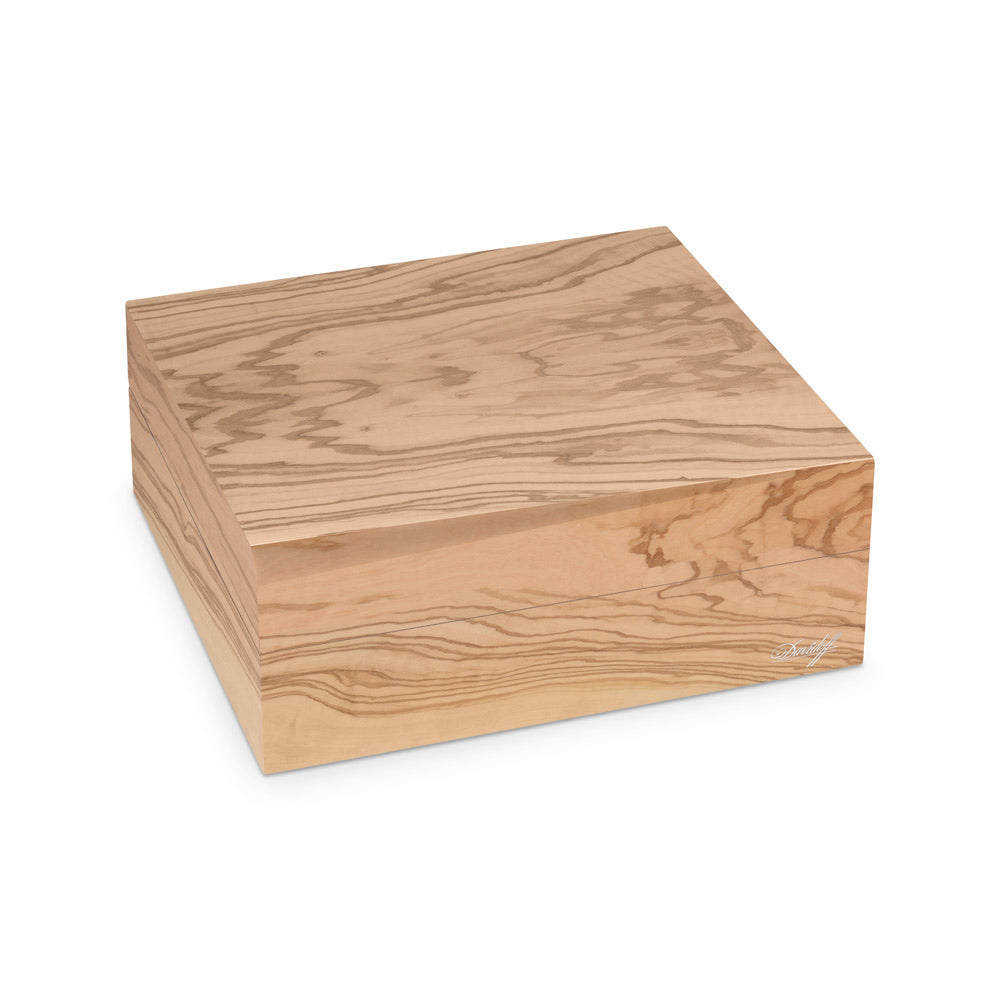
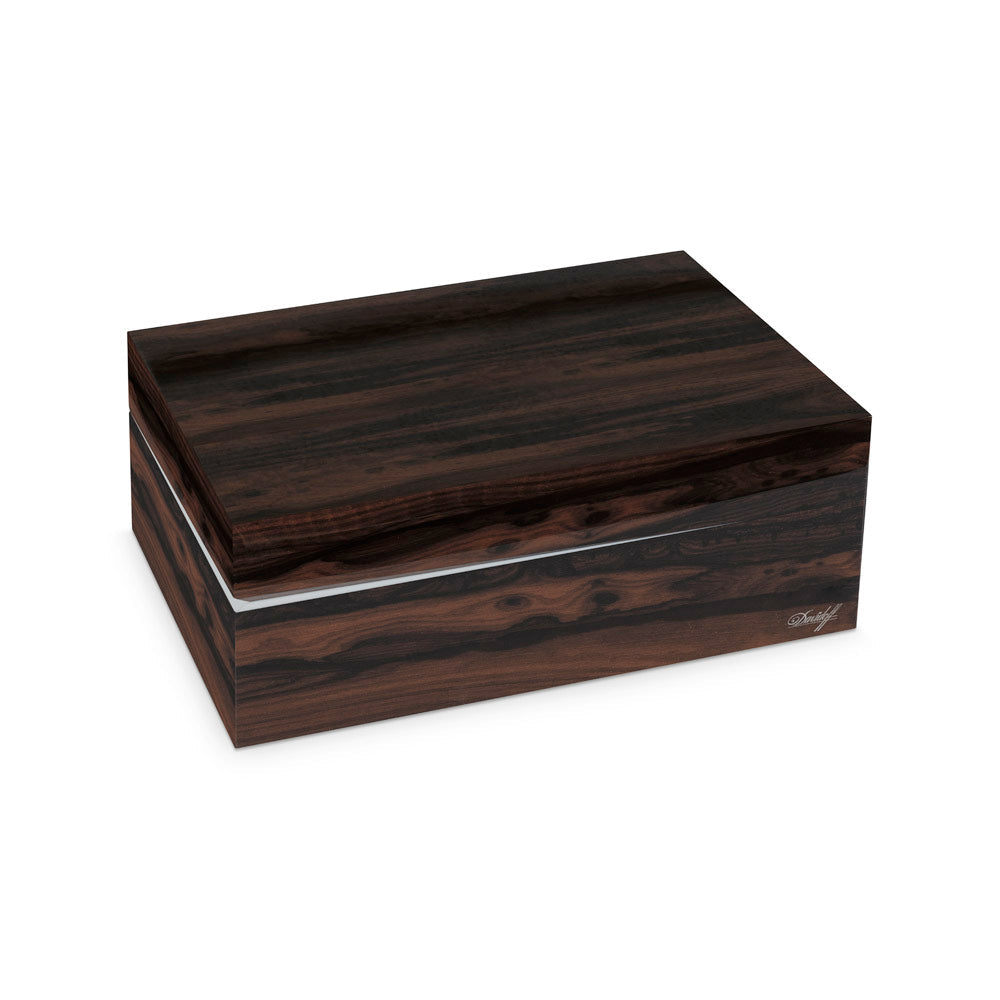
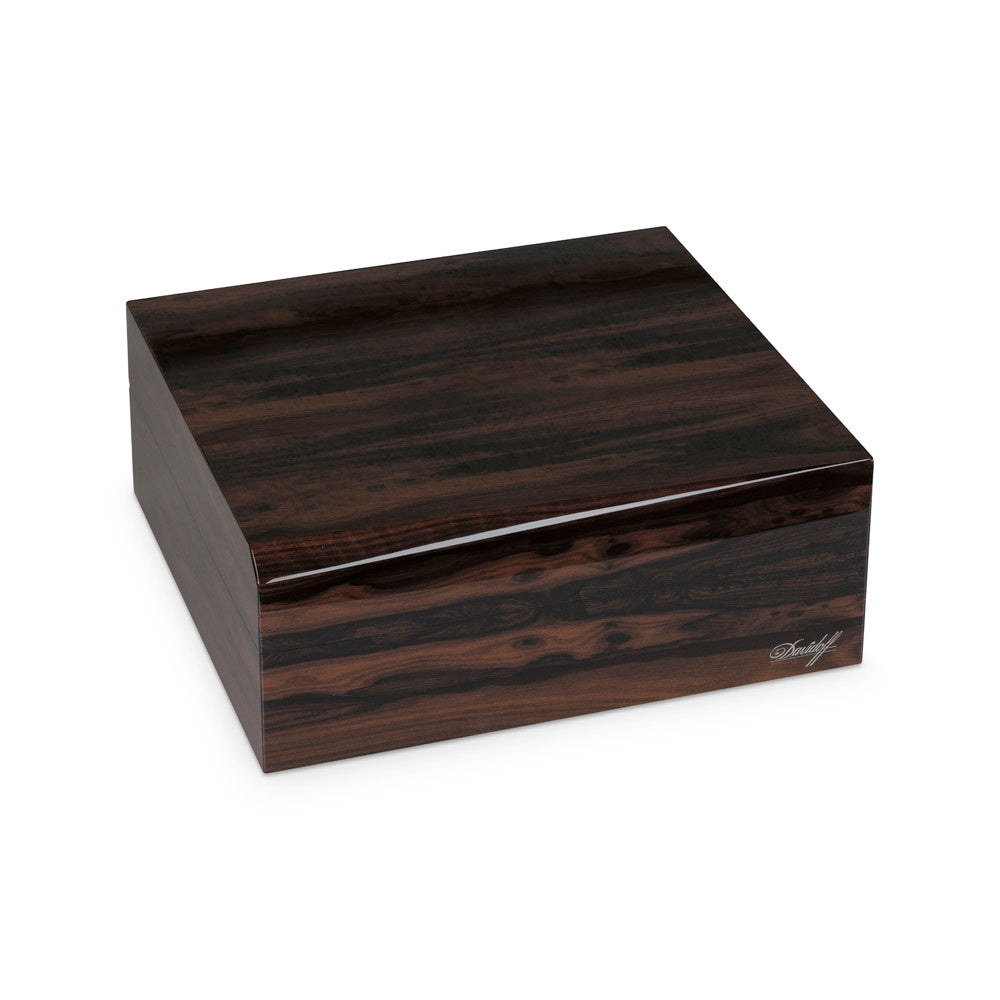
Keep your ageing cigars separate from your everyday smokers. A small dedicated humidor or a sealed box inside a larger one — the Davidoff Air de Famille works well for this if you have a serious collection.
A pragmatic closing thought
Cigars are made to be smoked, not collected. The point of ageing is to enjoy a better cigar at the end — not to build a museum. If you have one box you've been holding for three years, smoke one this week. Compare it to the one you smoked when fresh. That comparison is the only way to learn what ageing does for the blend you love. Read also our brand histories on Davidoff and Plasencia for context on which factories ship their cigars most rested.
Share:
Cigars and Rum: A Caribbean Match
Cigars and Coffee: From Espresso to After-Dinner Smoke