


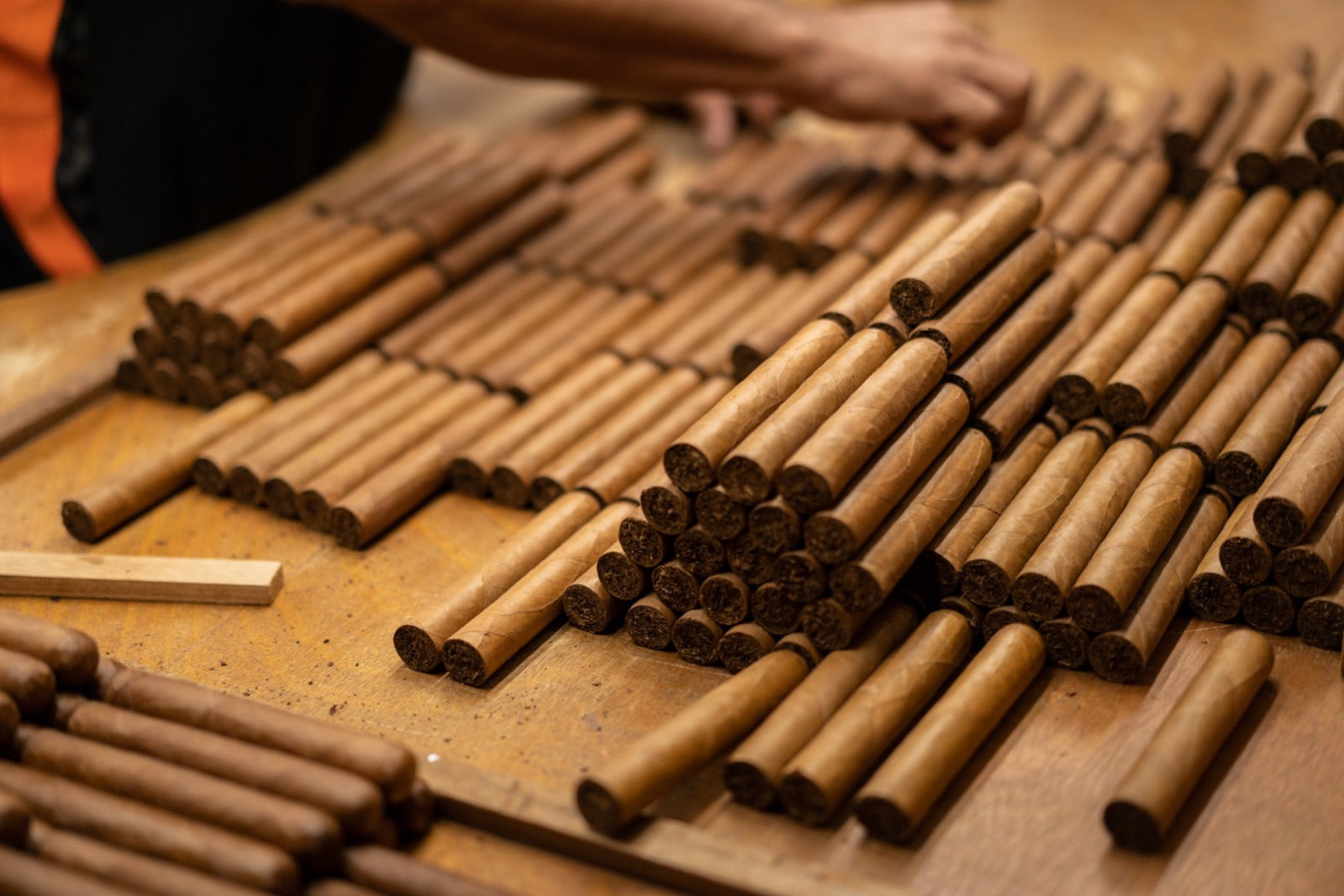
If your daily cigar is excellent and inexpensive, there's a decent chance it's a Perdomo. The family runs one of the largest vertically integrated cigar operations in Nicaragua — growing their own tobacco, fermenting it in their own facilities, rolling it in their own factory. This is unusual in the industry, where most premium brands buy leaf from a small number of large growers (a topic we cover in our Plasencia story).
From Cuba, to Florida, to Estelí
Silvio Perdomo, the founder's grandfather, ran a cigar business in Havana from 1929. The 1959 revolution ended that. Silvio's son Nick Perdomo Sr. moved the family to Miami, where he worked in the cigar industry as a roller for decades. Nick Jr., the grandson, launched the modern Perdomo brand from a garage in 1992 — first as a small Miami operation, then, after acquiring tobacco fields in Estelí, Nicaragua, as a serious vertically integrated business.
By the early 2000s, Perdomo controlled the full chain. Today the family farms over 1,000 hectares of Nicaraguan tobacco and operates one of the largest factories in the country.

What 'vertical integration' actually means
Most premium cigars are blends of tobaccos bought from independent farmers, sometimes across three countries. The blender's skill is in selection and combination. Perdomo cigars are different: nearly every leaf is grown by Perdomo, fermented by Perdomo, aged by Perdomo. The blender has fewer ingredients but knows each one intimately.
This is the reason Perdomo cigars are unusually consistent and unusually well-priced. There's no middleman markup, no surprise harvest variation, no leaf bought blind. A box of Perdomo Legacy from this year will taste much like a box from two years ago. That consistency is itself a kind of quality.

The lines worth knowing
Perdomo Legacy
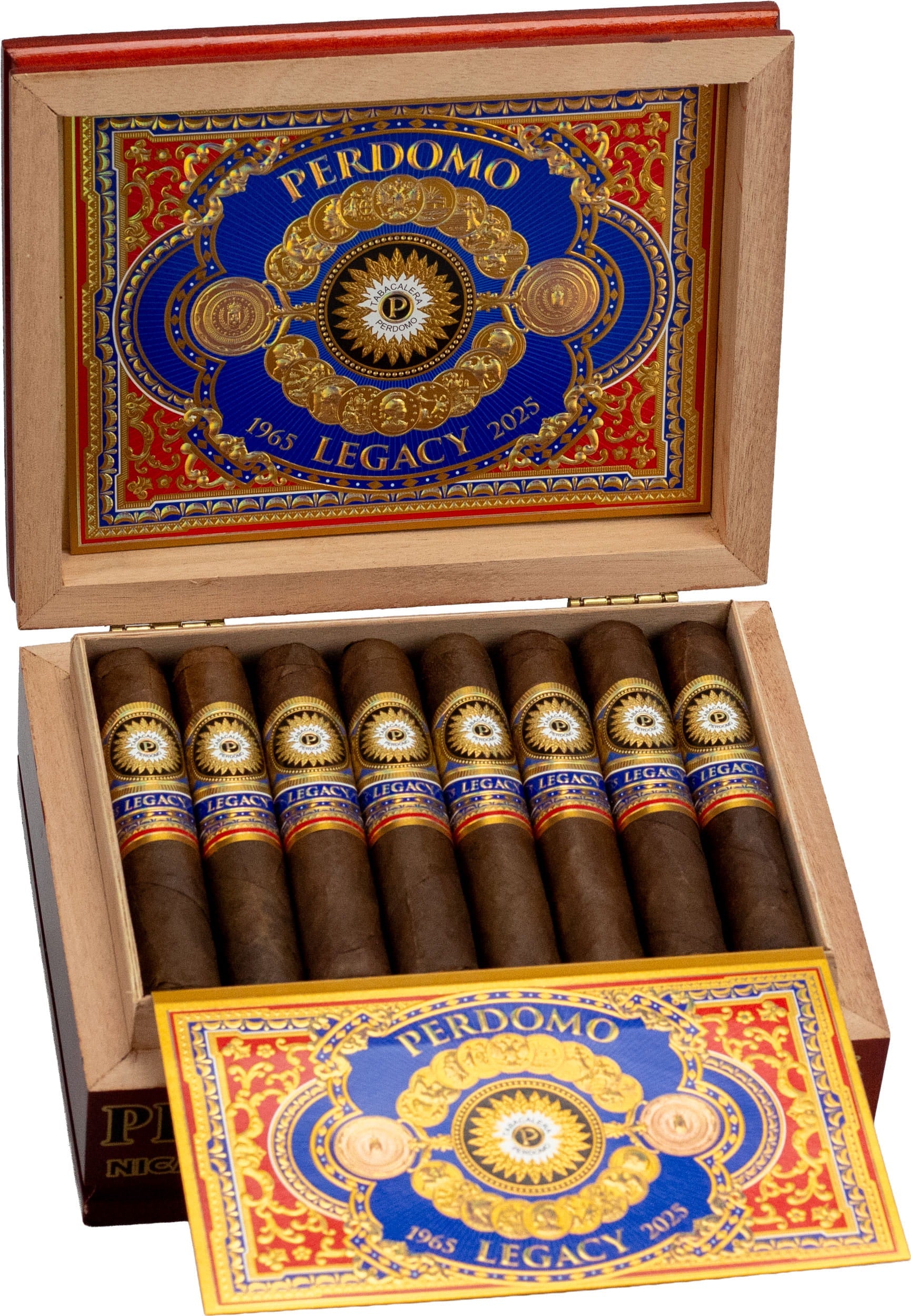
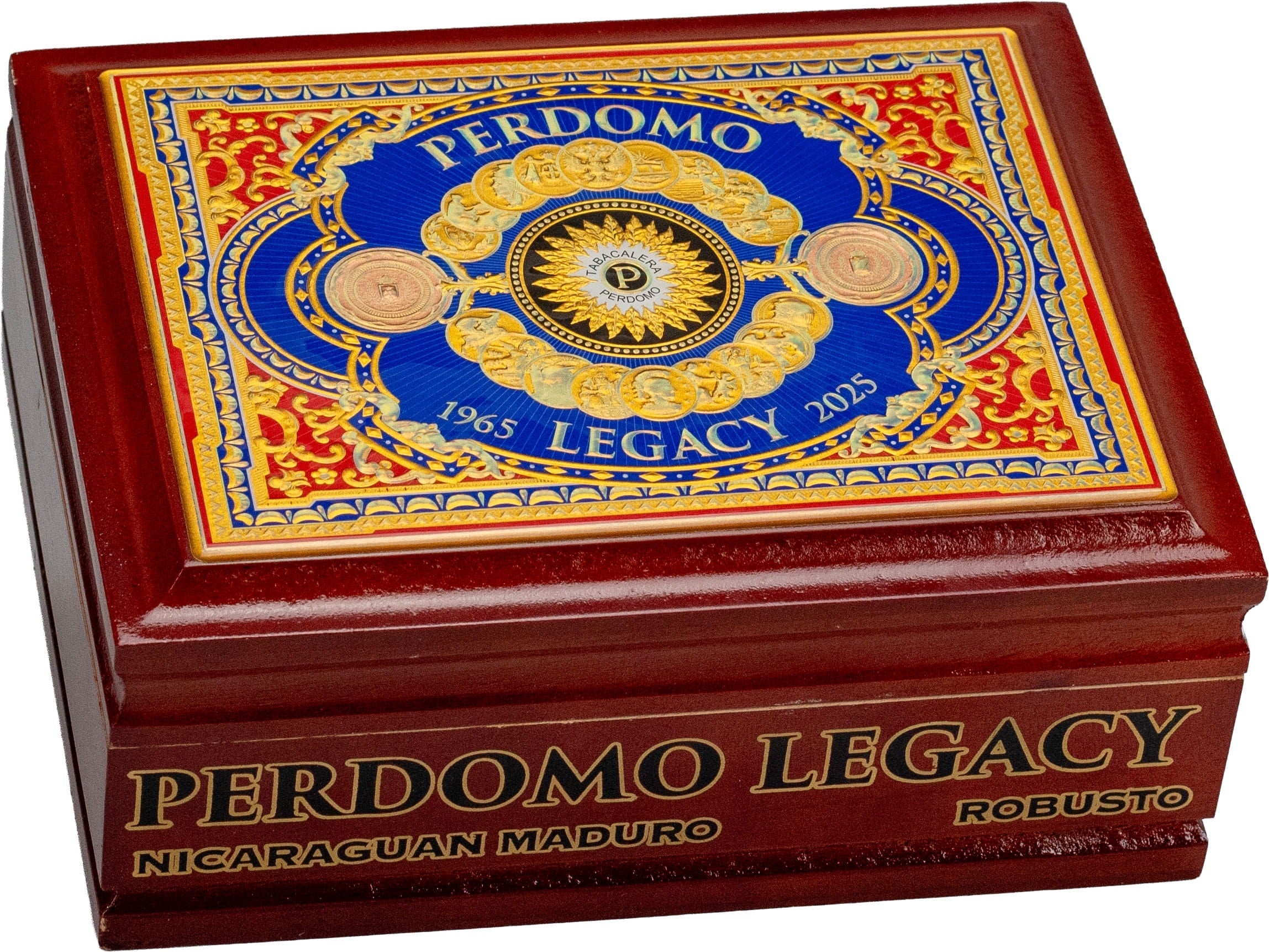
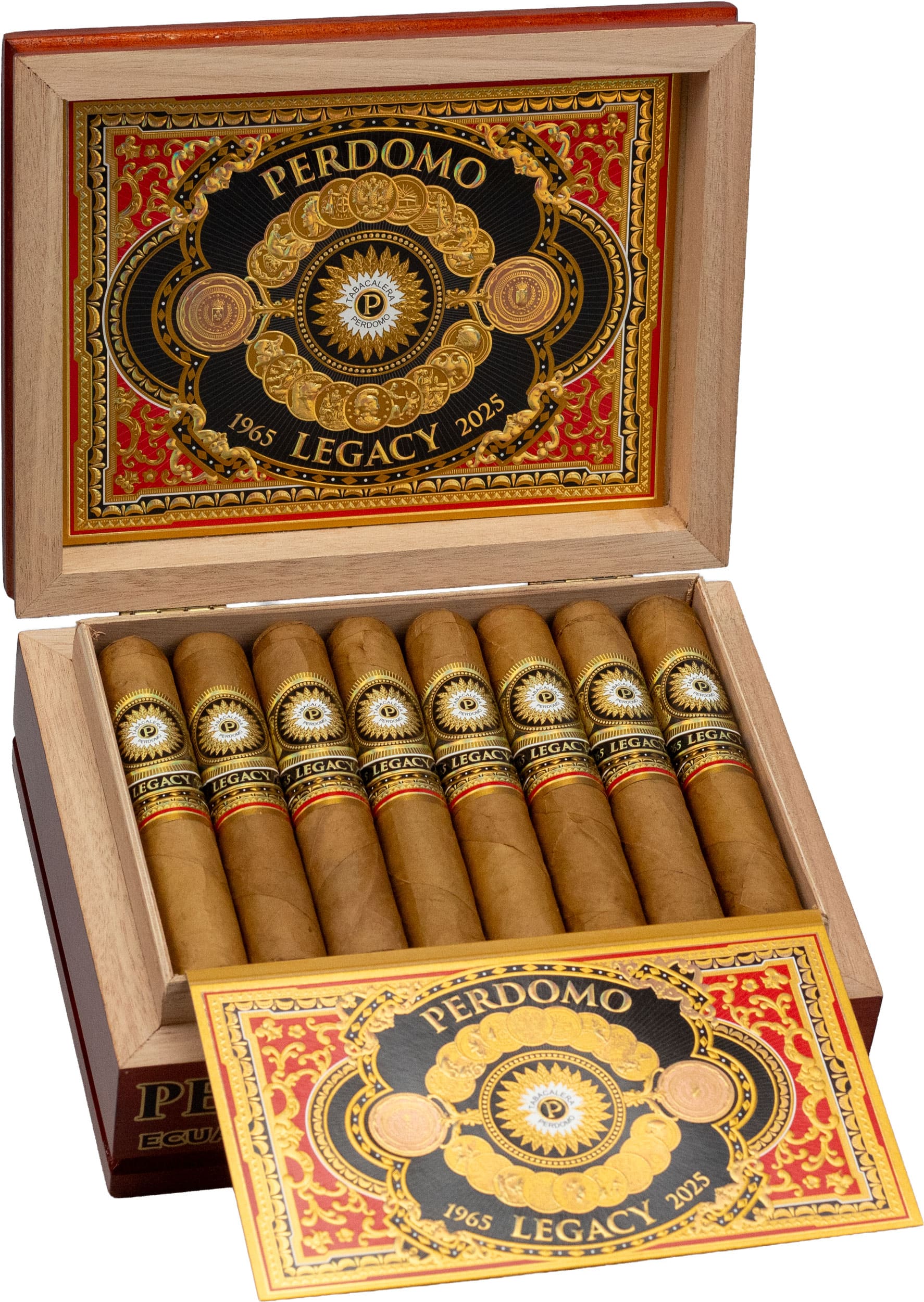
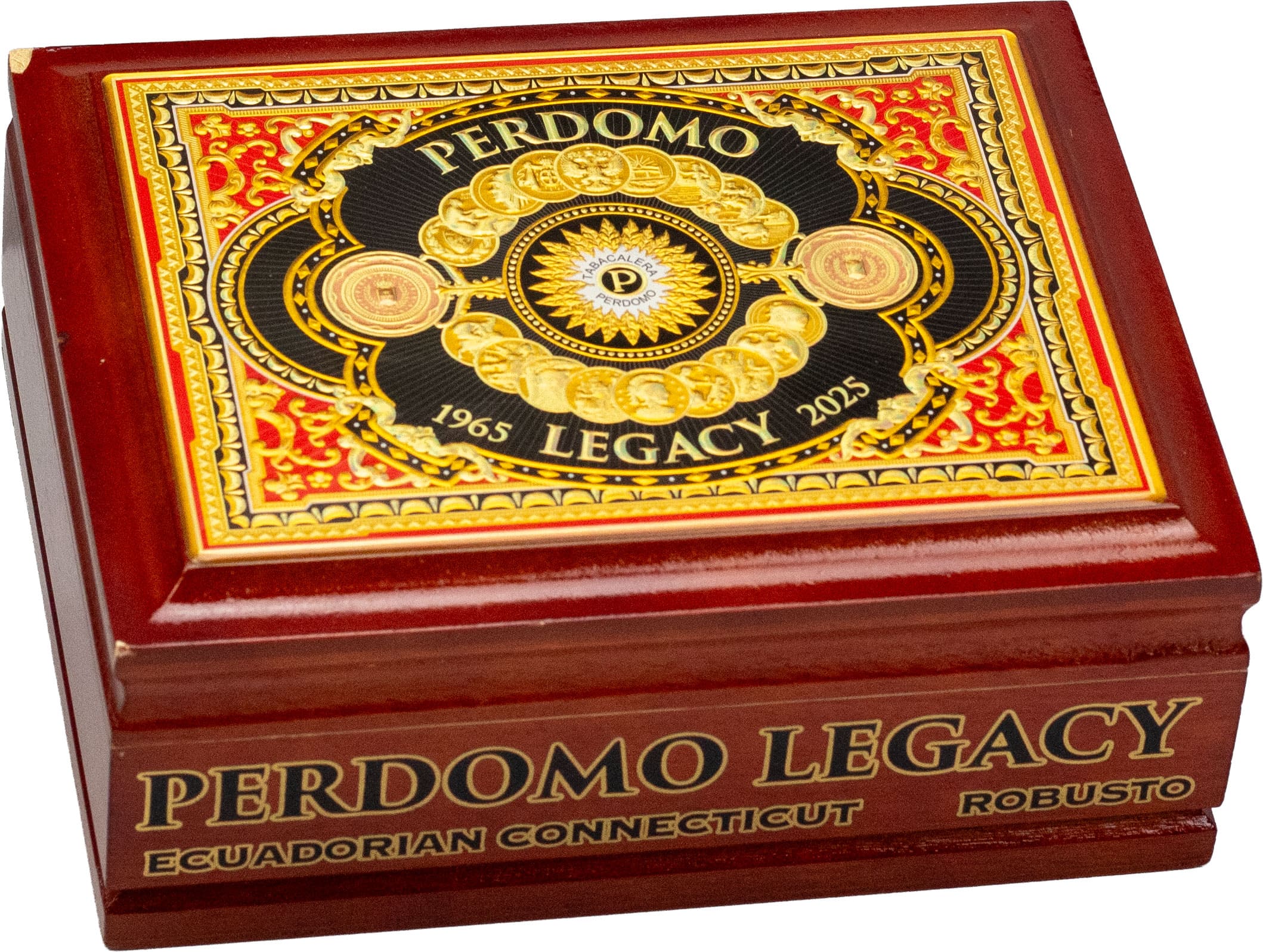
The flagship everyday line. Available in three wrappers — Connecticut, Shade Grown, and Maduro — each offering a different expression of the Perdomo blend. The Legacy Maduro Robusto in particular is a benchmark for value Maduros; the Legacy Connecticut Robusto is among the better mild cigars under €15.
Perdomo Reserve 10th Anniversary
The line that put Perdomo on the international map. Twelve years' aged tobacco, more body than the Legacy, more wrapper character. Available across the same three wrappers (Connecticut, Sun Grown, Maduro). A serious cigar that competes with brands priced 50% higher.
Perdomo Double Aged 12 Years
The premium Perdomo. Tobacco aged for at least 12 years before rolling, then rested again before release. Refined, complex, with a long finish. The line that demonstrates what the Perdomo operation can produce when patience meets craft.
Perdomo Lot 23
A particular plot on the Perdomo farms, made into a self-contained blend. Medium-bodied, fruity, distinctive. A good entry to the Perdomo range for someone who finds the Legacy too straightforward.
Perdomo 30th Anniversary
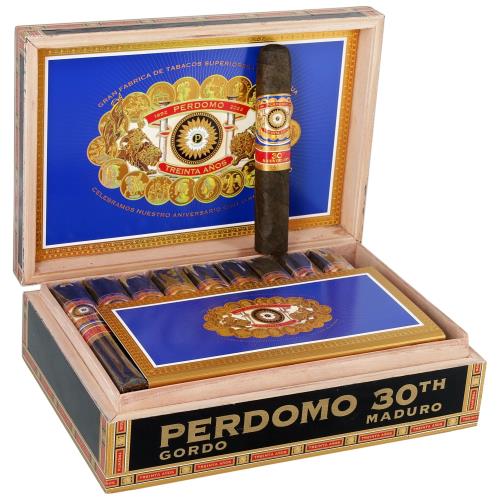
Released in 2022 to mark thirty years since Nick Jr. began the modern brand. A premium release with extended ageing and limited production. See Perdomo 30th Anniversary Maduro Gordo if you can find it.

The case for Perdomo
The case is unsentimental: pound for pound (or cigar for cigar), few brands deliver more for less. A Perdomo Legacy will not win a Cigar of the Year award. It will, however, smoke beautifully on a Wednesday, again on Friday, and reliably for the next decade. In an industry full of brands that ask you to pay for the story, Perdomo asks you to pay for the cigar. That's increasingly rare.
For more context on Nicaraguan tobacco generally, see our Plasencia story. For guidance on which Perdomo to start with, our beginner's guide includes the Connecticut Robusto in its starting set. Browse the full Perdomo collection at Chaveta.
Share:
Cigars and Whisky: A Pairing Guide
Cigars and Cognac: The Classic Combination