

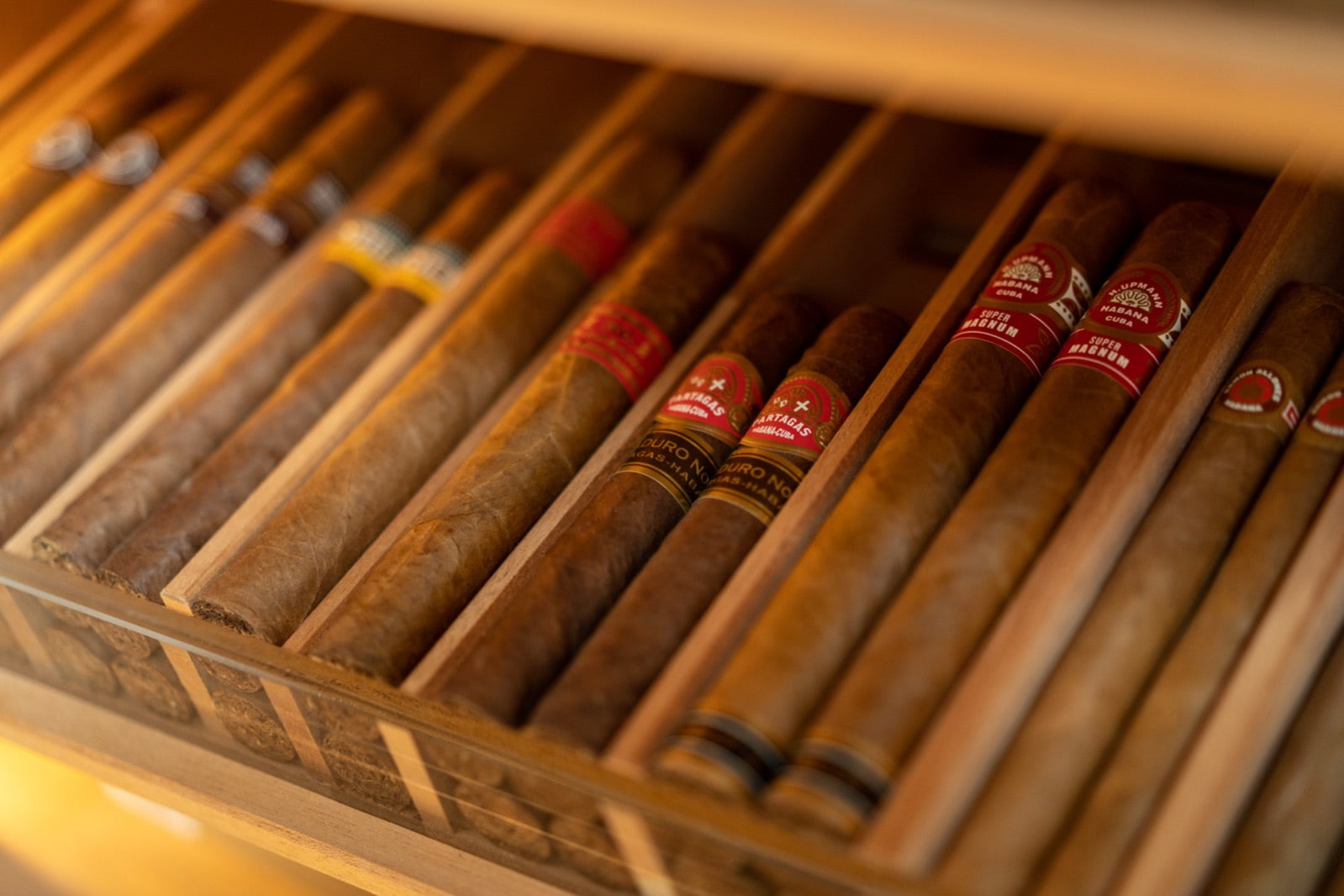
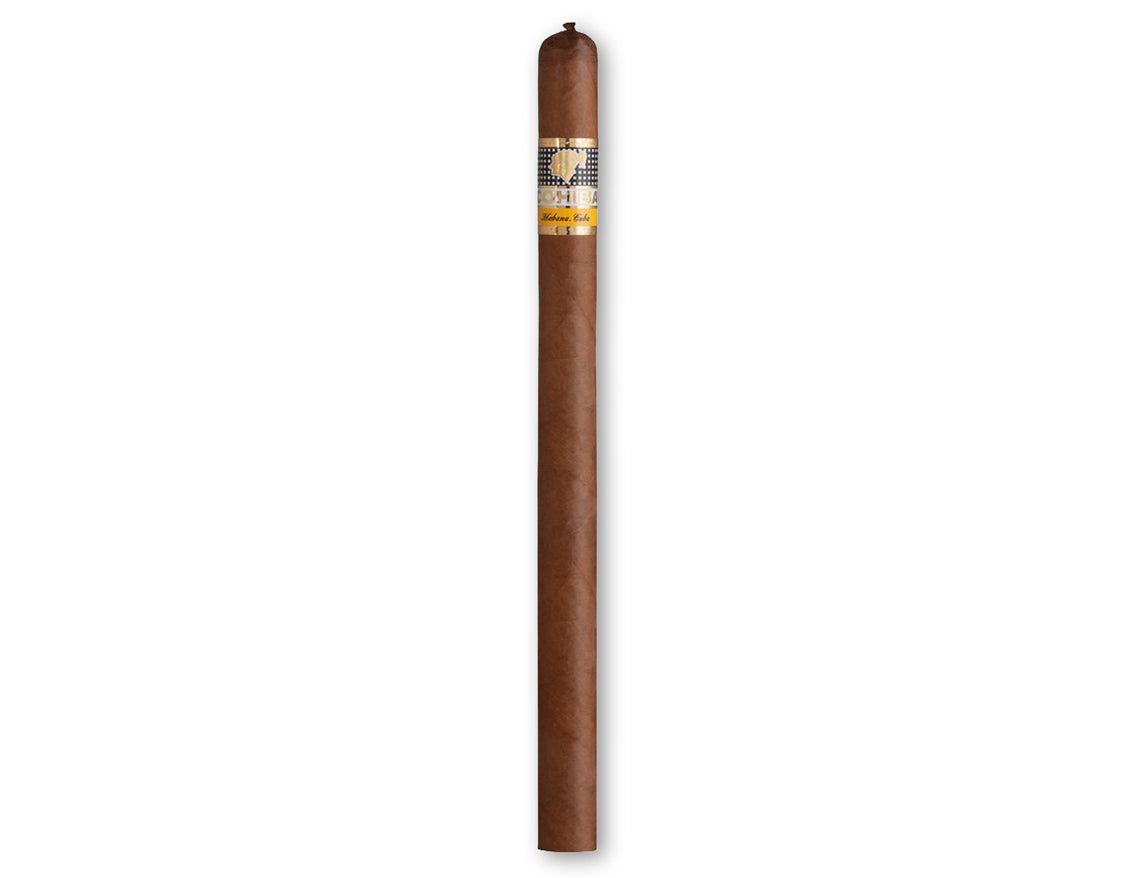
A lancero is a long, slender cigar — in its classic Cuban form measuring roughly 192mm (7½ inches) with a slim 38 ring gauge, often finished with a delicate pigtail cap. Long regarded as the connoisseur's vitola, it is celebrated for the way its narrow body concentrates the flavour of the wrapper leaf and demands an unhurried, attentive smoke.
- The classic lancero measures about 192mm x 38 ring gauge; "petit lanceros" run shorter at roughly 152–165mm.
- Its narrow shape raises the wrapper-to-filler ratio, so wrapper character — sweetness, spice, aroma — comes forward.
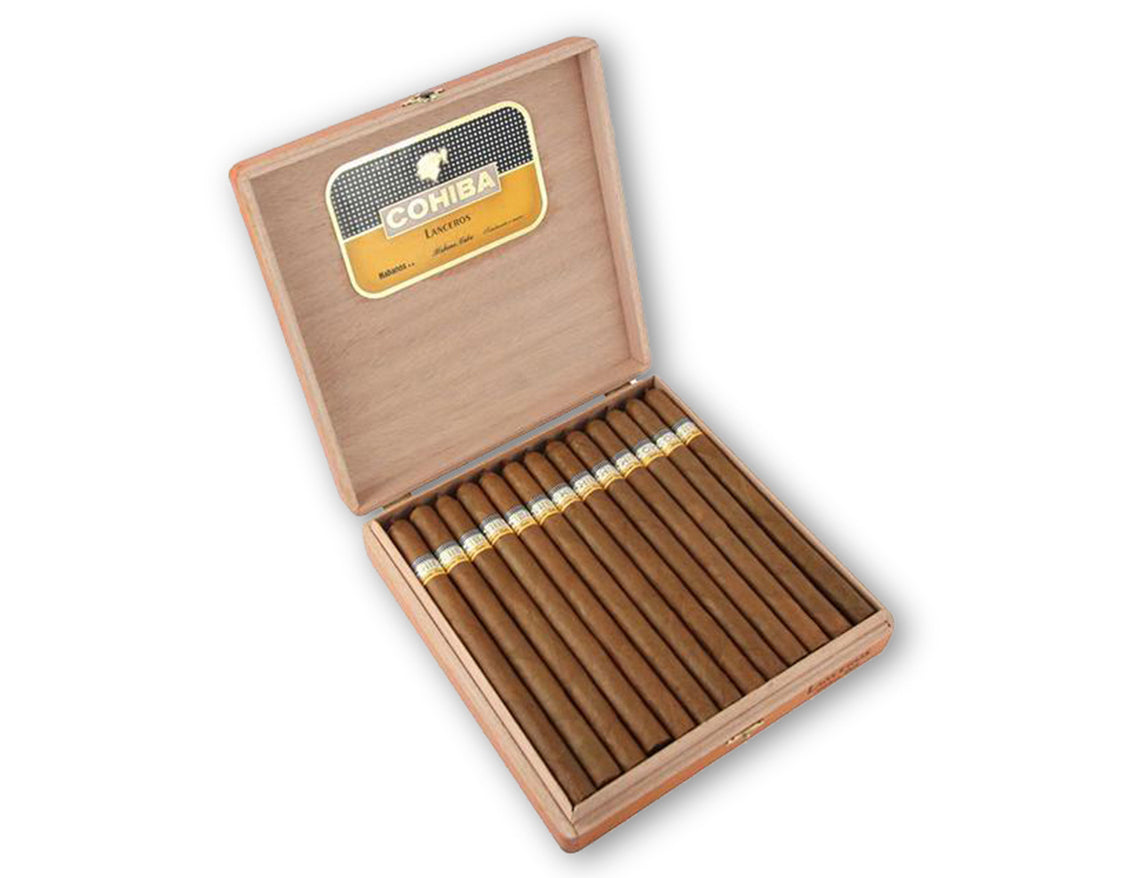
- The format was made famous by the Cohiba Lanceros, originally rolled for Fidel Castro's private supply.
- It rewards a slow, cool draw; rush it and the thin column overheats and turns harsh.
- An expressive, contemplative cigar best enjoyed unhurried — and a true test of a roller's skill.
What exactly defines a lancero?
Among the family of cigar shapes known as vitolas, the lancero belongs to the parejo group — straight-sided cigars with a rounded head — but it is distinguished by an unusually elongated, slim silhouette. Where a robusto is short and stout and a Churchill is long and substantial, the lancero stretches the length of a Churchill onto a frame barely wider than a cigarillo.
The defining proportions are:
- Length: typically 178–192mm (7 to 7½ inches).
- Ring gauge: 38, occasionally 38–40 — the ring gauge being the diameter measured in 64ths of an inch.
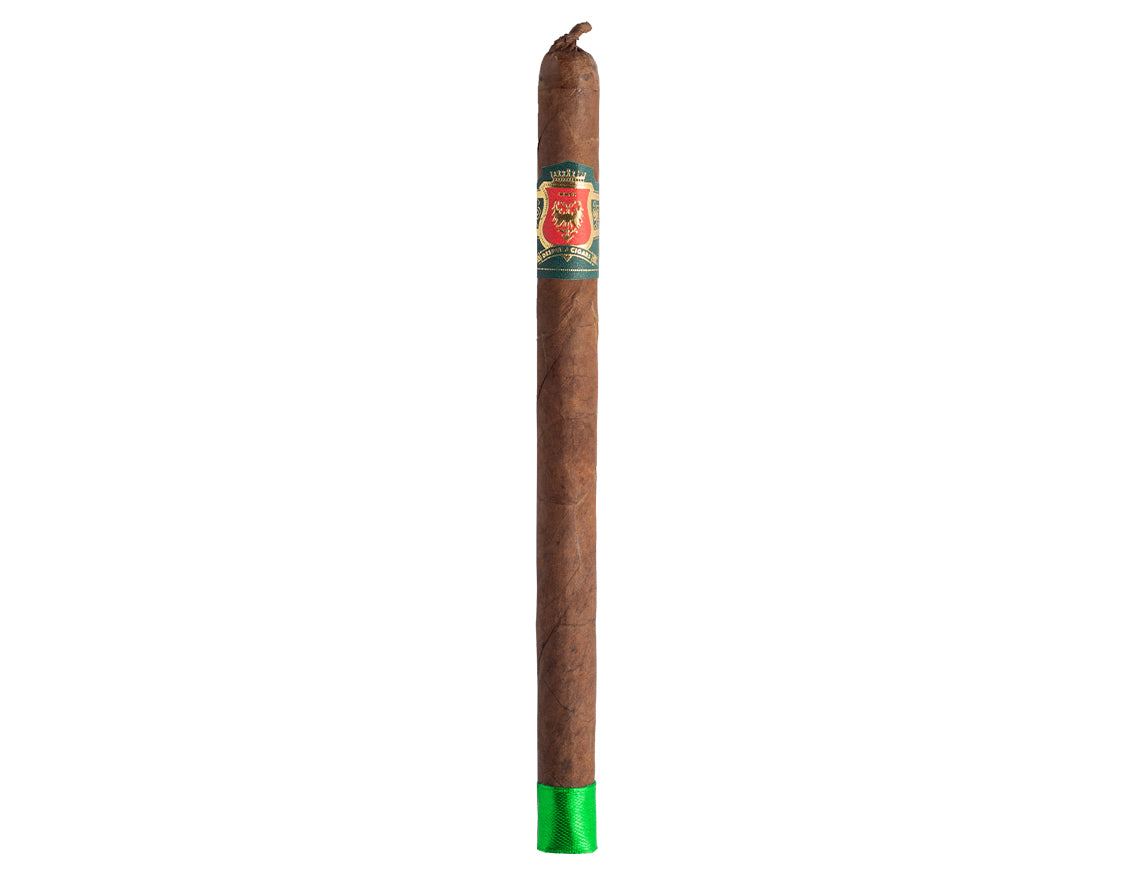
- The cap: many lanceros are finished with a twisted "pigtail" or rabo de cochino flourish, a signature of the format.
That slender geometry is the whole point. Because the cigar is thin, the proportion of wrapper leaf to filler tobacco is higher than in a thick cigar, and since the wrapper is the most carefully selected, flavour-rich leaf on any cigar, its voice carries further. If you want to understand a blend's wrapper in its purest expression, the lancero is the format that lets you hear it. For a fuller picture of how diameter and length shape the experience, our guide to cigar sizes, vitolas and ring gauge is a useful companion read.

Where did the lancero come from?
The format's modern fame is inseparable from one cigar. In the 1960s, a personal blend was created in Havana for Fidel Castro, rolled in a long, thin shape that would later become the flagship of a new marque: Cohiba. When the brand was released commercially, the Cohiba Lanceros — at 192mm x 38 — became the benchmark against which every other lancero is still measured, and it remains one of the most coveted Cuban cigars ever made. You will find it and its peers gathered within our Cuban cigars selection.
The word lancero itself means "lancer" in Spanish — a fitting image for a cigar shaped like a slender lance. Though the shape predates Cohiba, it was that single release which elevated the lancero from a niche roller's curiosity to the connoisseur's vitola of choice. In the decades since, master blenders across the New World have embraced it as a way to showcase their finest wrapper leaf.

Why do aficionados love the lancero?
Few formats divide and delight enthusiasts quite like this one. Its appeal rests on three qualities.
Concentrated, wrapper-forward flavour
With less filler to dilute it, the wrapper's personality dominates — whether that is the cedar and honeyed sweetness of a Cuban Corojo or the cocoa and black-pepper bite of a Nicaraguan habano. Flavours often arrive more vividly and with greater clarity than in a thicker cigar of the same blend.
A cooler, more nuanced smoke — when handled well
A narrow cigar holds less burning tobacco at any moment, which can keep the smoke refined and aromatic. The trade-off is that the thin column heats quickly, so the lancero demands a gentle, patient draw. Puff too eagerly and it will run hot and bitter; treat it with respect and it delivers some of the most elegant smoking in the cigar world.
A showcase of craftsmanship
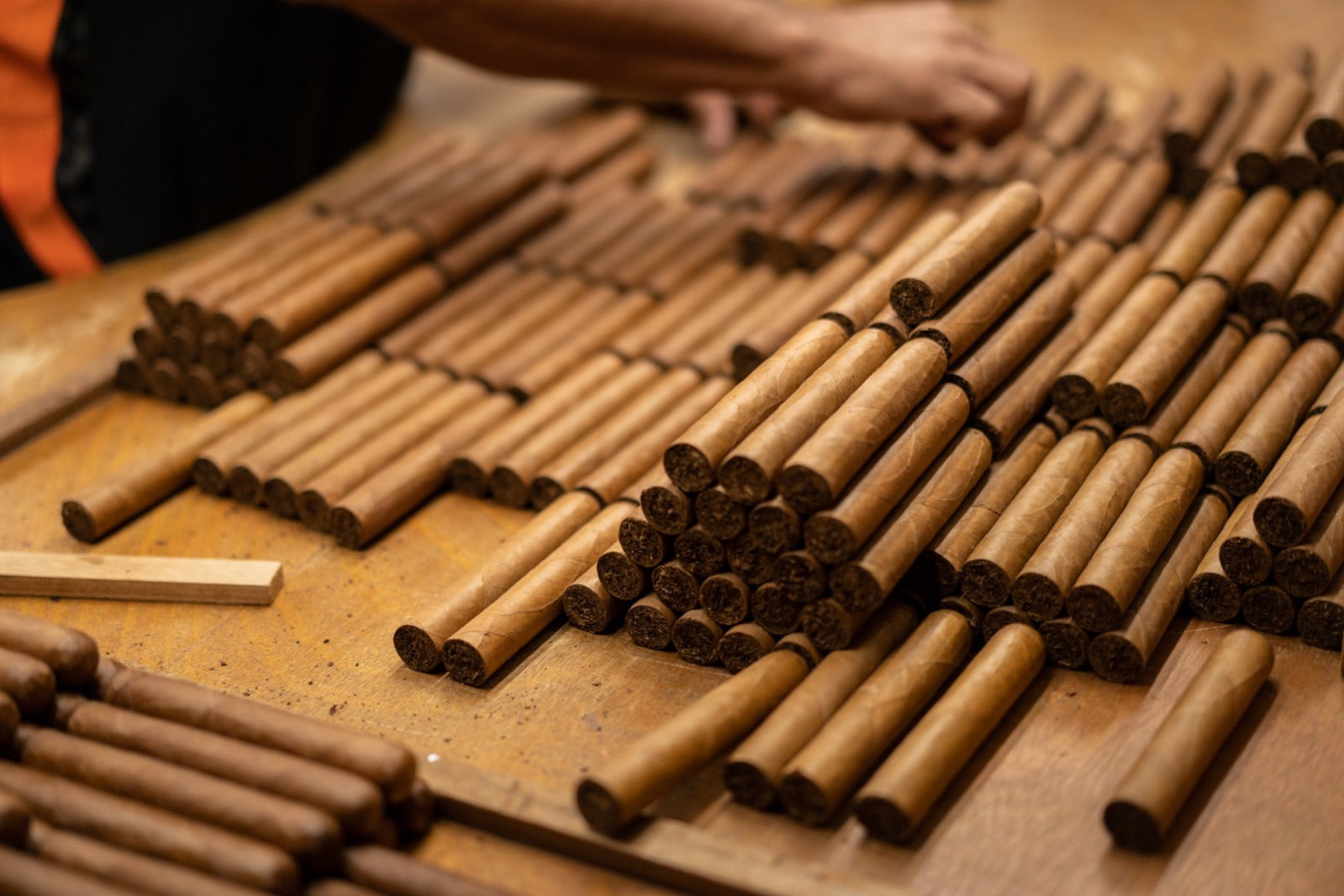
Rolling a lancero well is genuinely difficult. The slim body leaves no room for error in bunching, and an uneven roll betrays itself immediately in the draw and burn. A flawless lancero is, quietly, a badge of a roller's skill — which is part of why connoisseurs hold the format in such esteem.
Which lanceros should you try first?
The format has flourished beyond Havana, and some of today's most rewarding examples come from the New World. A few worth seeking out:
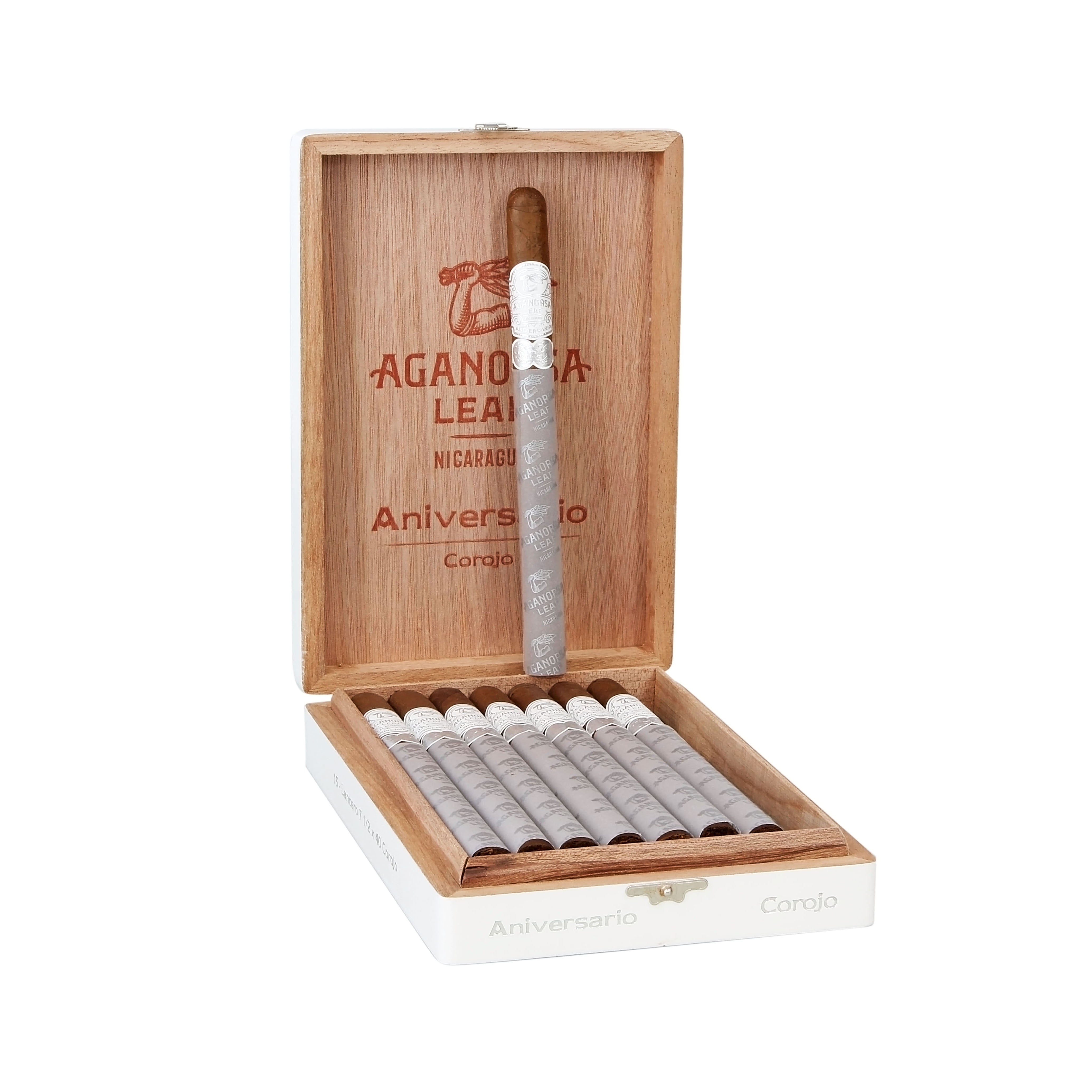
- Aganorsa Leaf Anniversario Corojo – Lancero — built on Aganorsa's prized estate-grown Corojo, this is a richly layered, full-flavoured lancero with sweet cedar, leather and a peppery lift; a connoisseur's benchmark from Nicaragua.
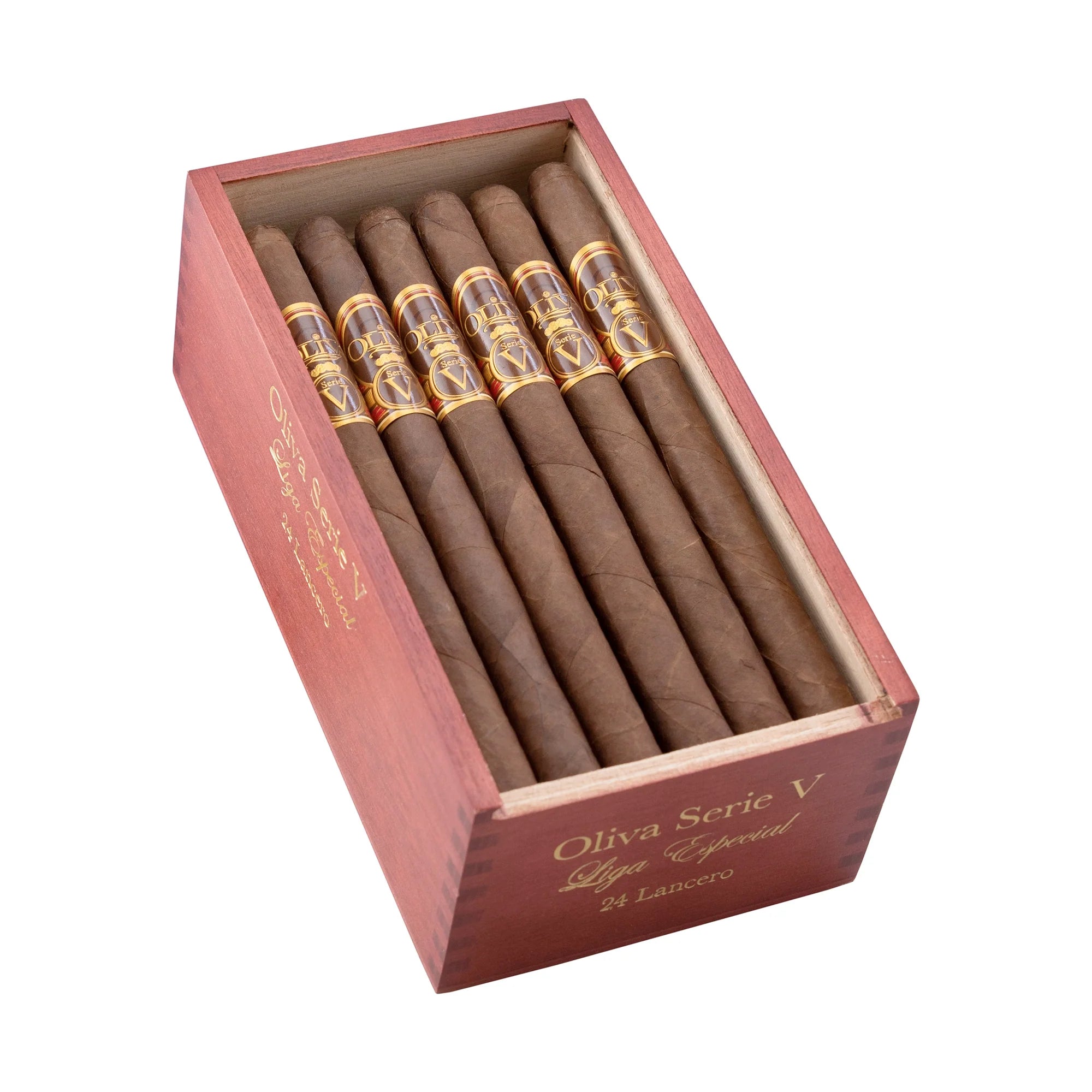
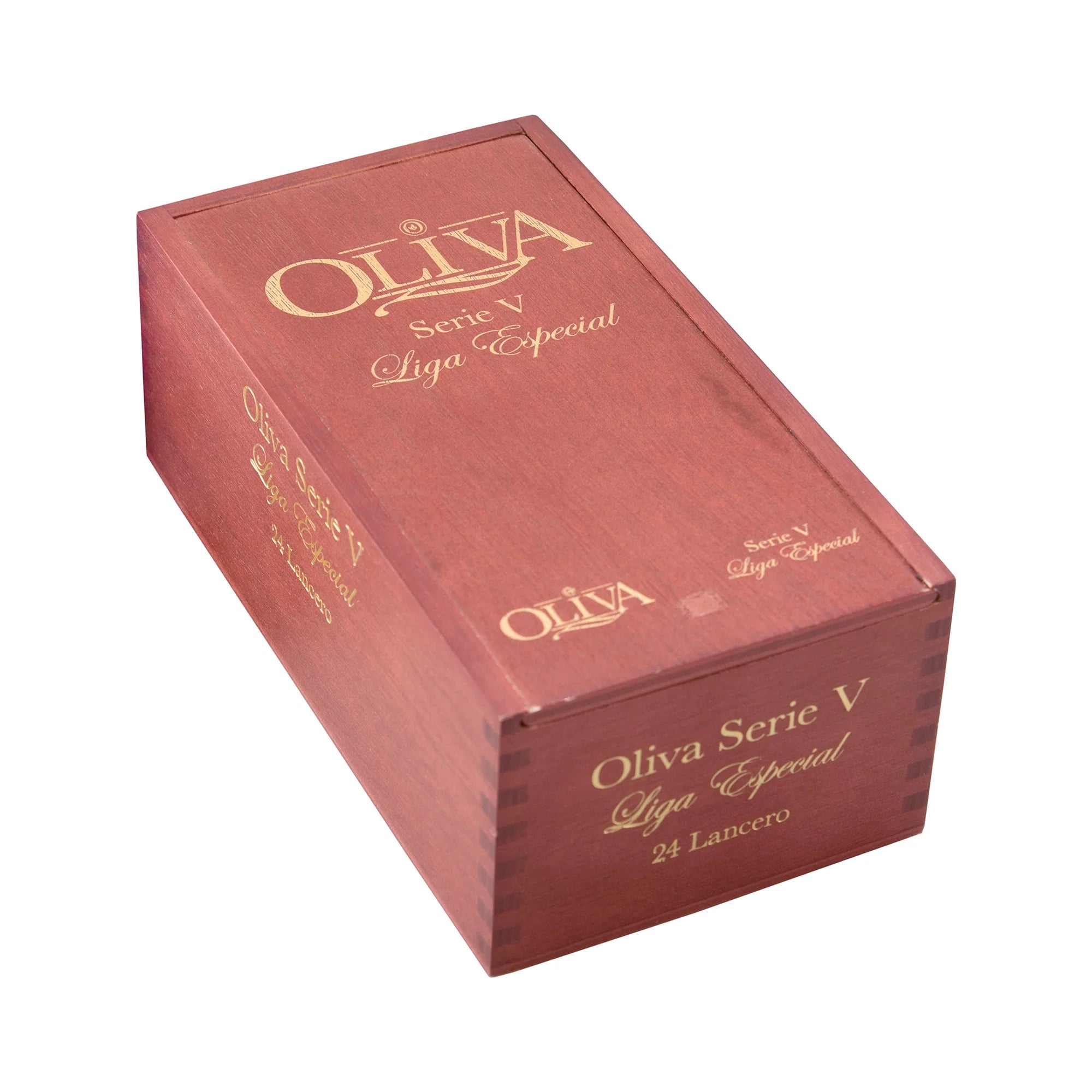
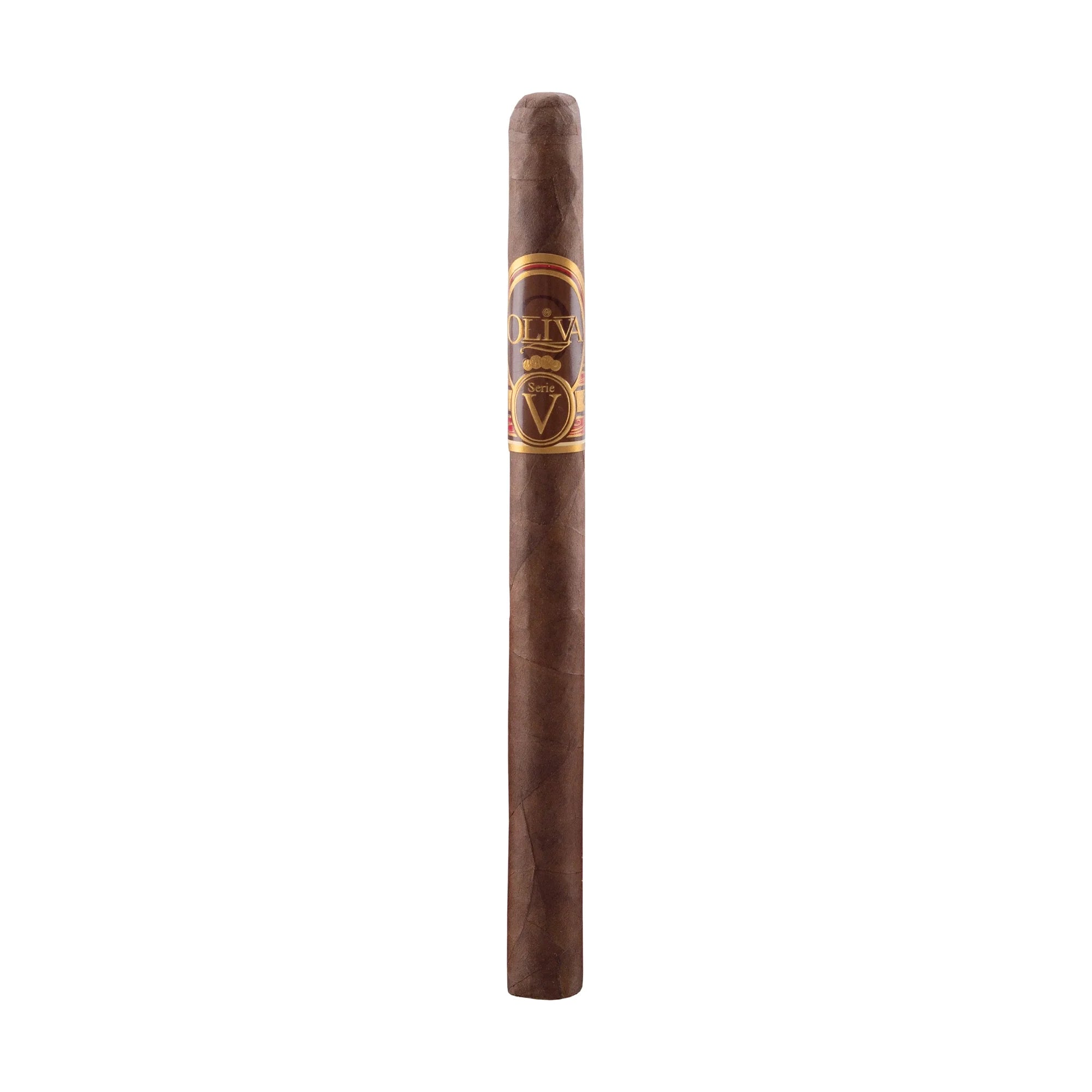
- Oliva Serie V 7x38 Lanceros — a classic 7 x 38 from Oliva's celebrated Serie V, offering cocoa, espresso and warm spice with the polish the line is known for.
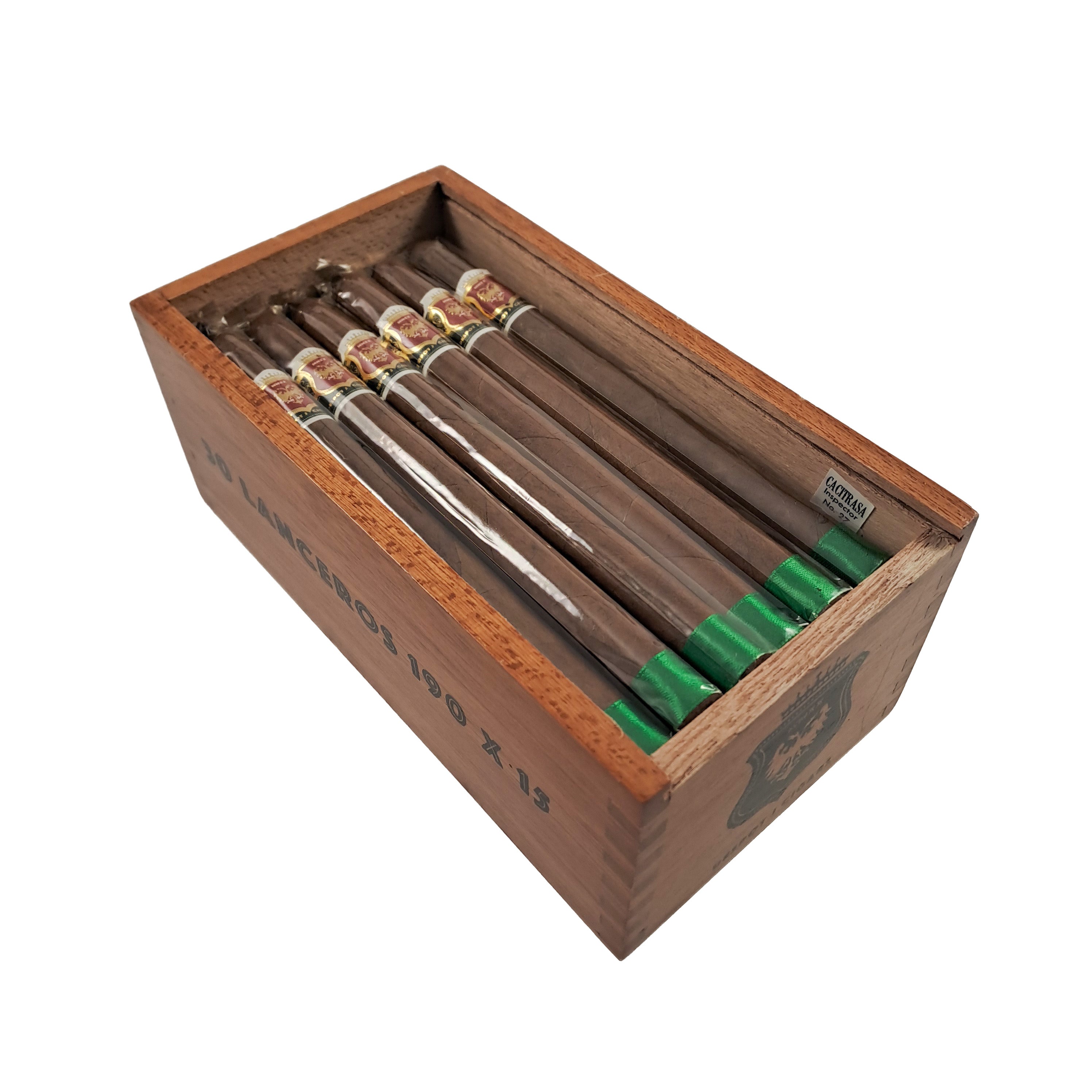
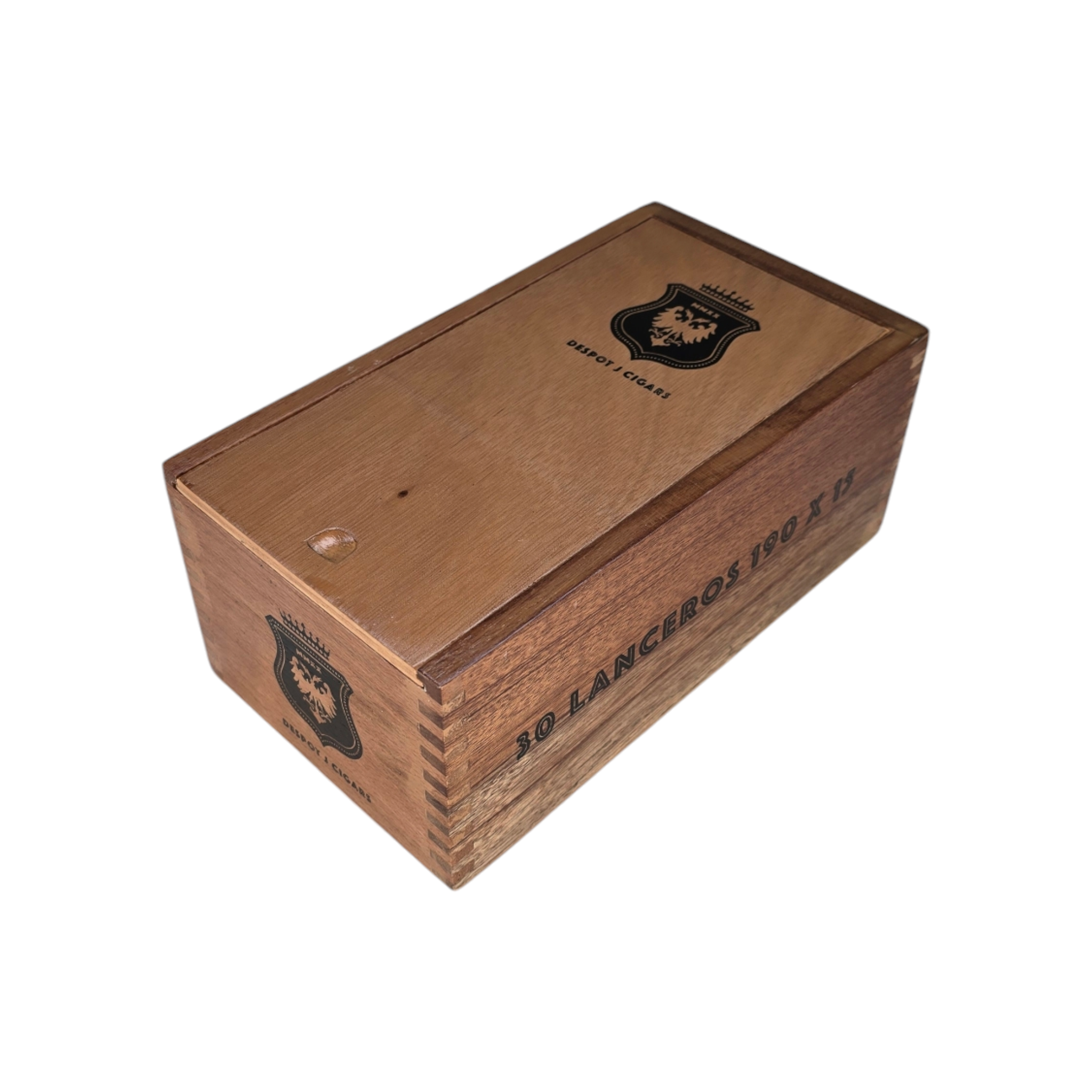
- Despot J Series Lancero — an elegant, expressive lancero that lets a refined wrapper take centre stage; an excellent introduction to what the format can do.
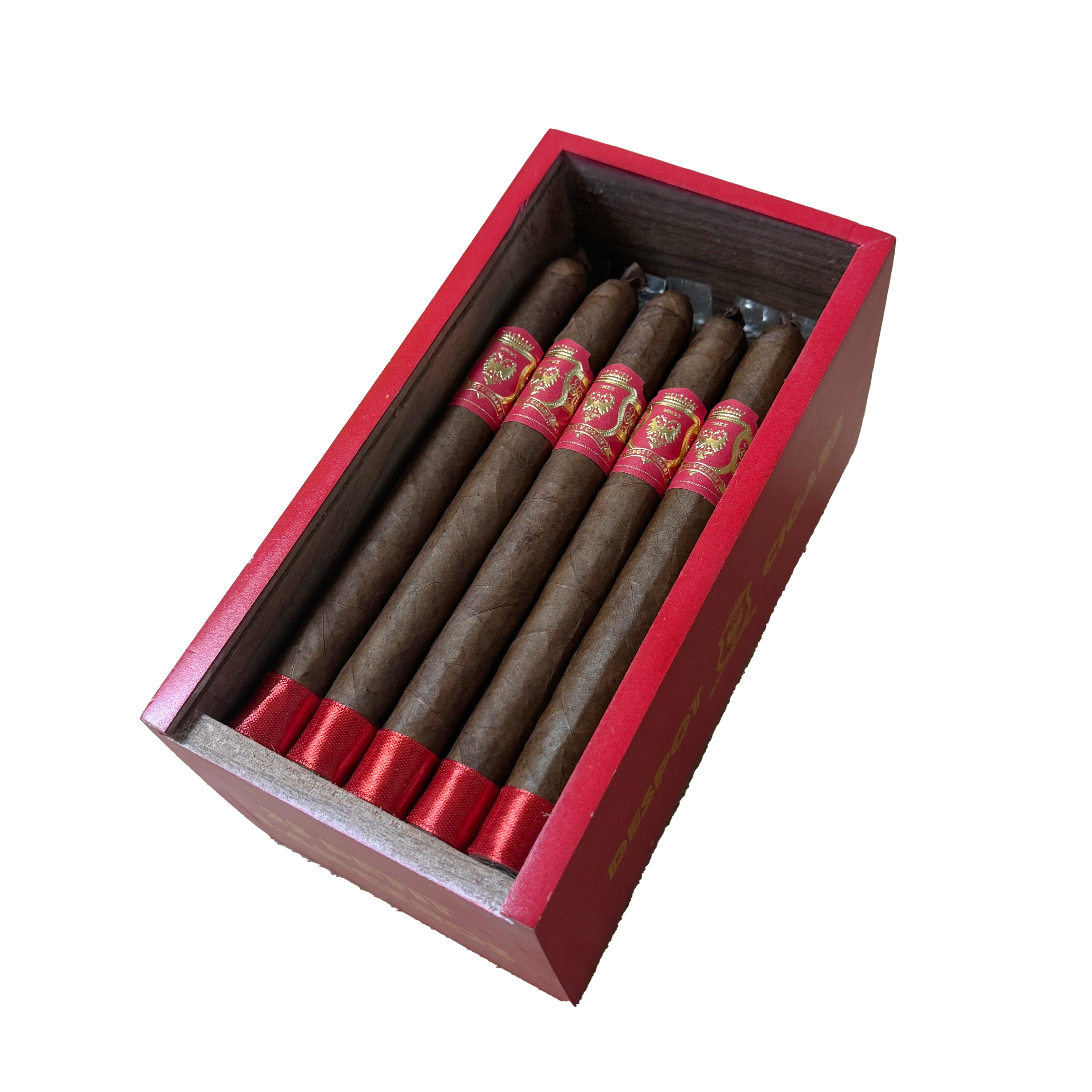
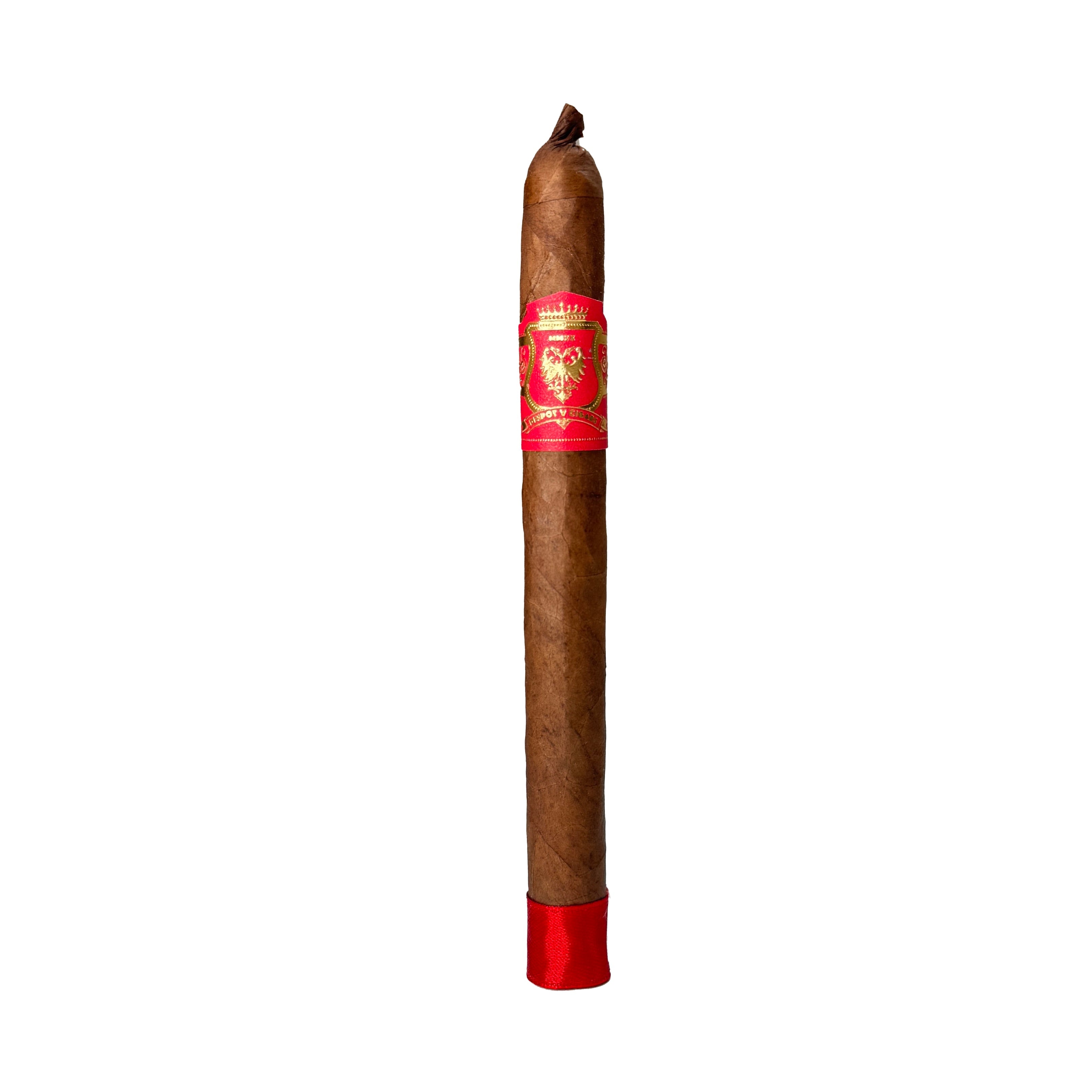
- Despot V Series Petit Lancero — a shorter "petit lancero", delivering the format's wrapper-forward character in a more compact smoke when time is limited.
If you are newer to slender vitolas, beginning with the Oliva or a Despot before progressing to the more intense Aganorsa is a graceful path. Each shows a different face of what the lancero can be.

How should you smoke and store a lancero?
A little technique transforms the experience.
- Cut sparingly. With a slim 38 ring, a precise straight cut or a small punch is all you need; over-cutting risks unravelling the head, especially on a pigtail cap, which you simply twist off or snip.
- Toast and light gently. Take your time at the foot so the narrow column lights evenly from the start.
- Draw slowly. Allow longer pauses between puffs than you would with a robusto. This keeps the cigar cool and lets the wrapper flavours bloom rather than scorch.
- Allow time. A full 192mm lancero is a contemplative cigar best paired with a quiet hour, an espresso or an aged rum — not a quick break.
For storage, keep lanceros in a humidor at a steady 68–72% relative humidity and around 16–18°C. A slightly drier setting — towards 65% RH — can sharpen the burn on very thin cigars, but 68–70% remains the comfortable middle ground for keeping the wrapper supple and the draw true. As with all fine cigars, patience in the humidor only deepens the reward. Among the artisans who treat slender formats with this level of care, EGM Cigars are well worth exploring for those drawn to the craft side of the format.
Frequently asked questions
What size is a lancero cigar?
The classic lancero measures around 192mm (7½ inches) in length with a slim 38 ring gauge, the proportions made famous by the Cohiba Lanceros. Some brands roll theirs slightly shorter at 178mm. A "petit lancero" is a more compact variation, generally between 152mm and 165mm, keeping the narrow ring gauge but trimming the length.
Why are lanceros considered a connoisseur's cigar?
Their slim shape raises the wrapper-to-filler ratio, concentrating the wrapper's flavour, and the thin body demands a slow, attentive draw to smoke at its best. Rolling one flawlessly is also notoriously difficult. Together, these qualities make the lancero a format that rewards experience and care, hence its reputation among seasoned aficionados.
Is a lancero good for beginners?
It can be, with a little patience. Because the narrow column heats quickly, newcomers benefit from drawing slowly and unhurriedly. Starting with a milder, well-balanced lancero — such as one from Oliva or the Despot J Series — before moving to fuller blends is the most rewarding way to discover the format without it running hot.
What is the pigtail cap on a lancero?
The pigtail, or rabo de cochino, is a small twist of wrapper leaf finishing the cigar's head instead of a conventional flat cap. It is a traditional flourish closely associated with the lancero and signals a hand-rolled cigar. To smoke, simply twist it off gently or trim it with a careful cut before lighting.
Share:
Aladino: A Guide to Authentic Honduran Corojo
Por Larrañaga: A Guide to Havana's Oldest Marca