


A cigar is built from three layers of tobacco — the outer wrapper, the binder beneath it, and the filler at its core — finished with a cap at the head you cut and a foot at the open end you light. Understanding these parts, and the smaller details between them, reveals why a great hand-rolled cigar draws so cleanly and tastes so complete.
- Wrapper: the flawless outer leaf — contributes a large share of flavour and sets the cigar's colour and aroma.
- Binder: the leaf that holds the filler bunch together and guides the burn.
- Filler: the blended core of long-filler leaves that gives a cigar its body, strength and character.
- Cap & head: the rounded, sealed end you cut and draw from.
- Foot: the open end you light; the shoulder and band sit between the two.
What are the three main parts of a cigar?
Every premium, long-filler cigar is a construction of three tobacco components, each chosen and aged for a specific job. Master blenders spend years balancing them, because the way these layers interact determines almost everything you taste.
The wrapper
The wrapper is the single, immaculate leaf spiralled around the outside of the cigar. It is the most expensive and most carefully selected tobacco in the entire blend, prized for being smooth, elastic and free of blemishes. Beyond its looks, the wrapper contributes a surprisingly large proportion of a cigar's flavour and most of its aroma — which is why blenders treat it as a defining ingredient rather than mere packaging.
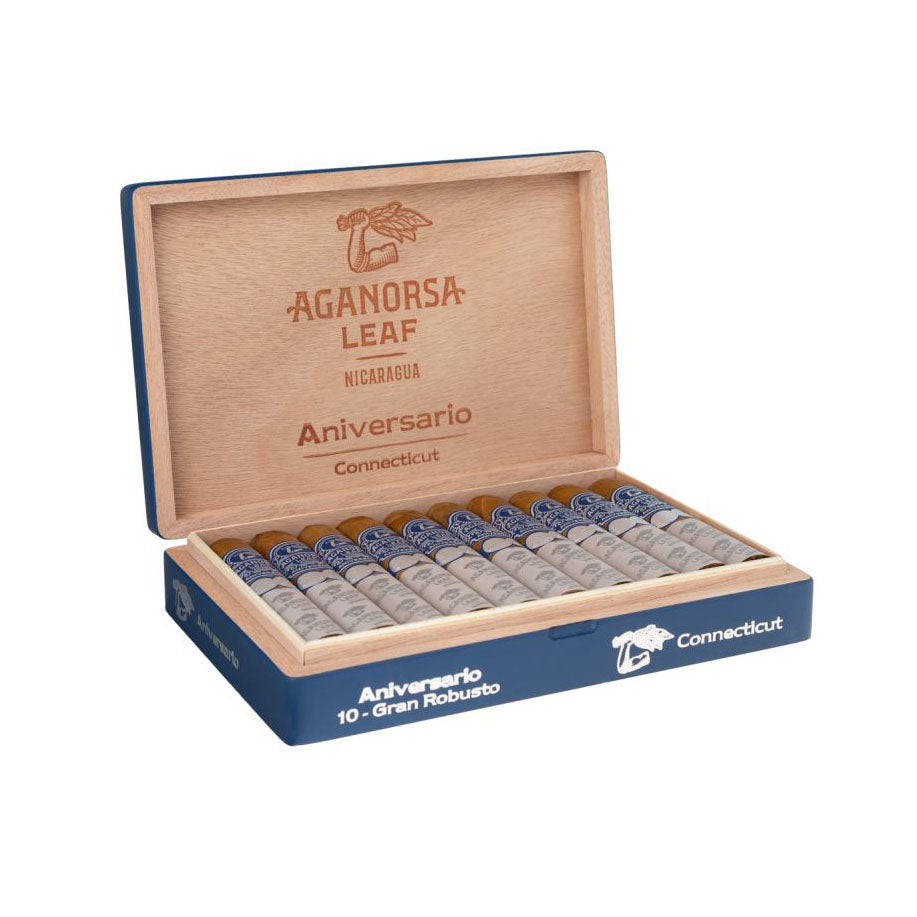
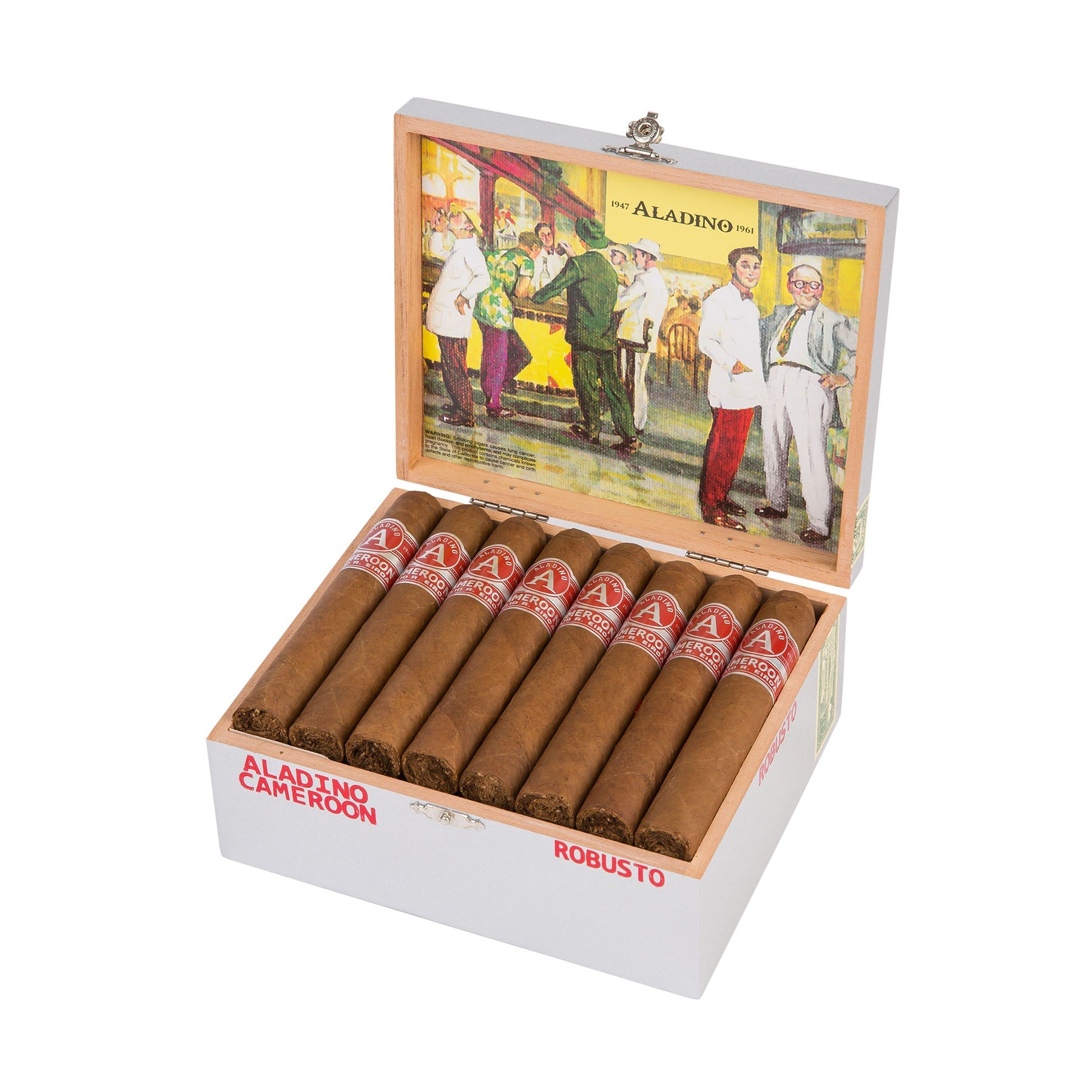
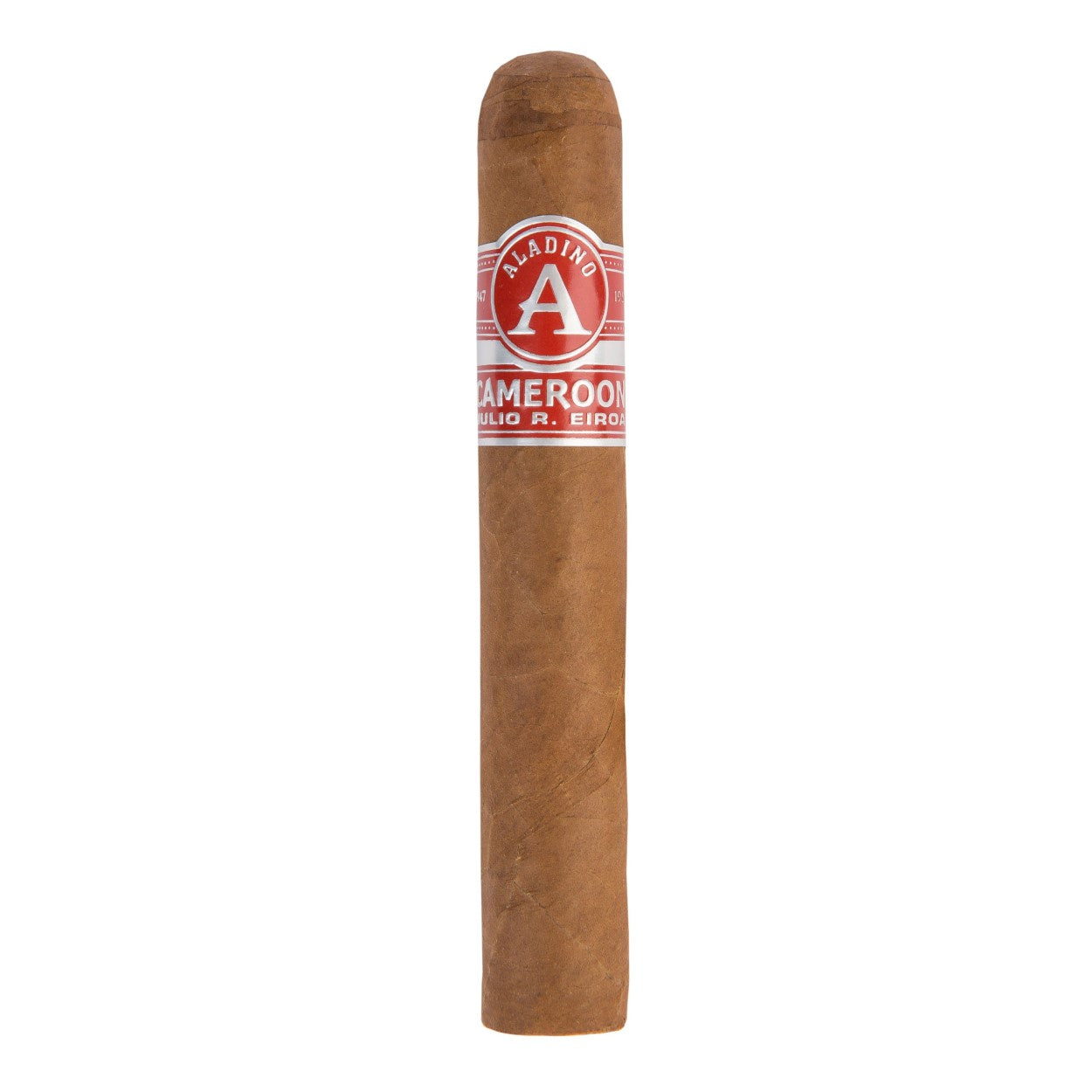
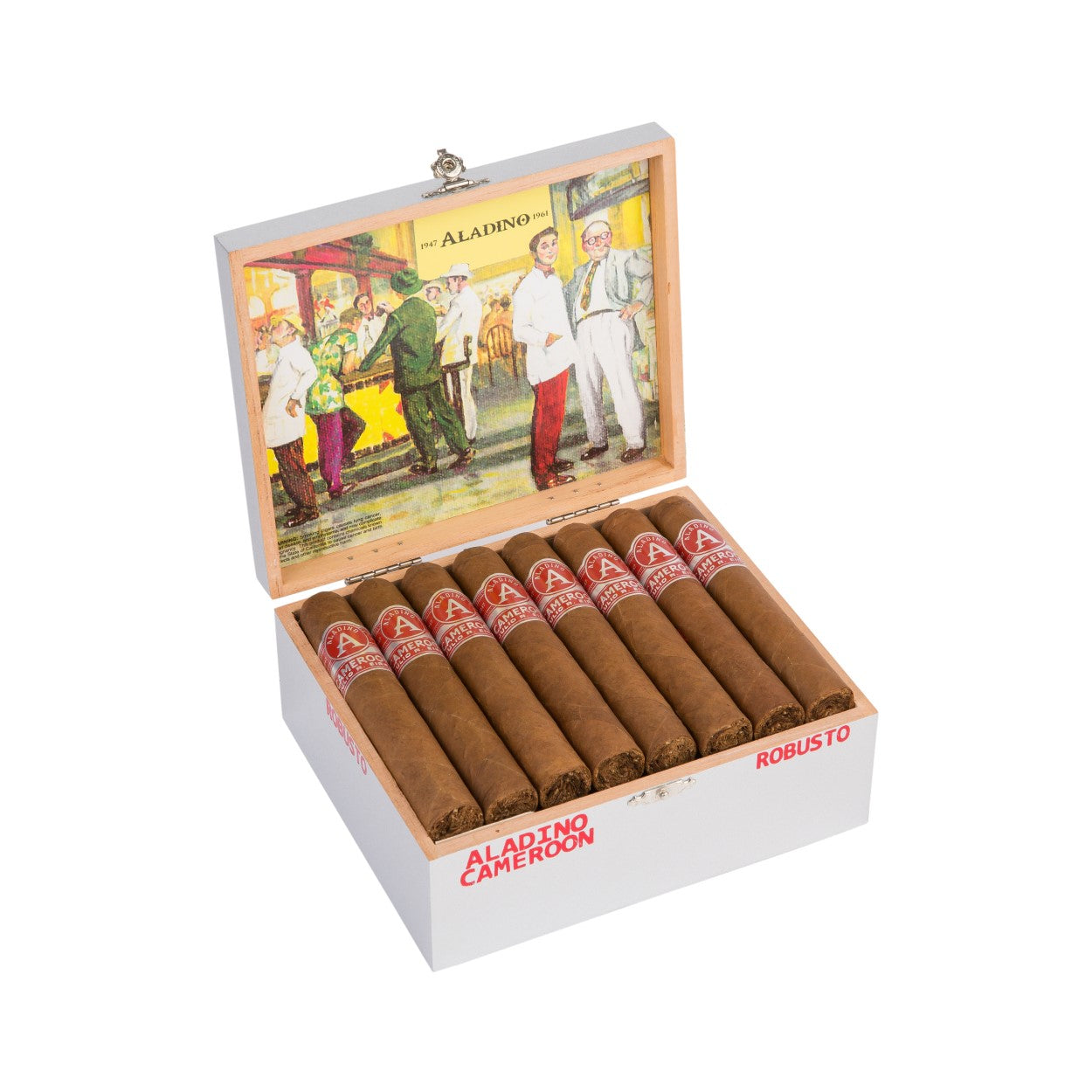
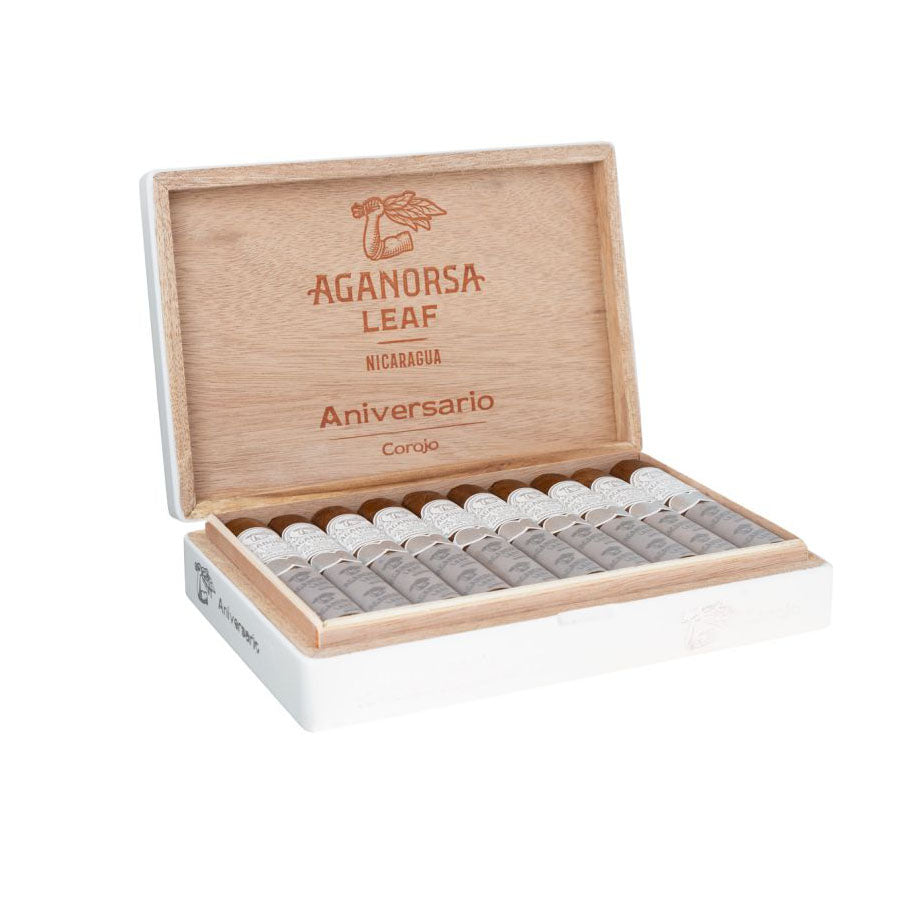
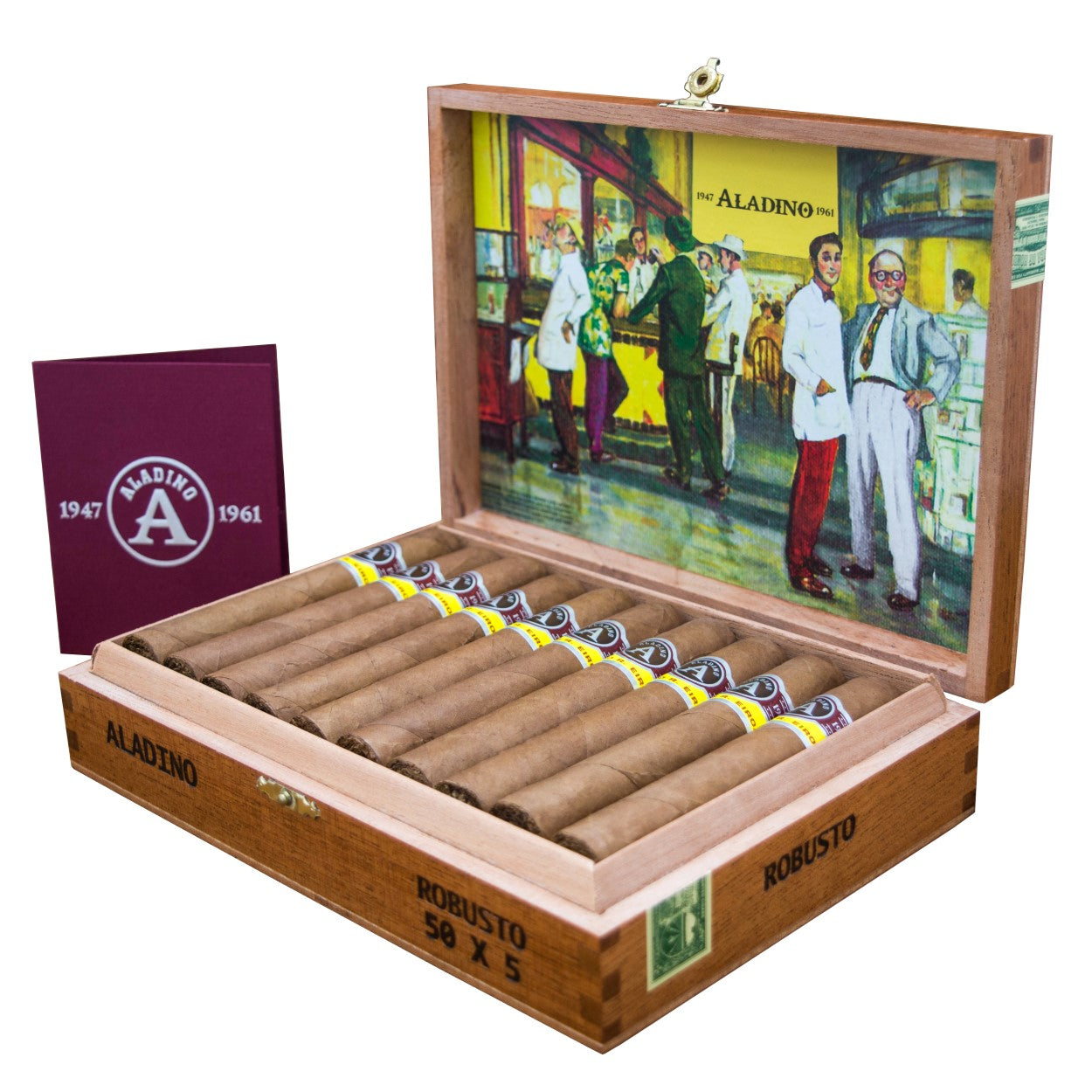
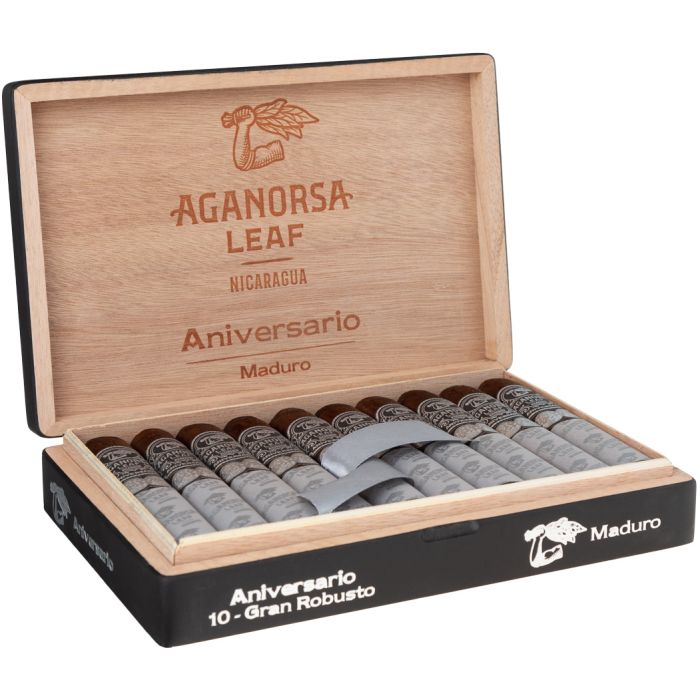
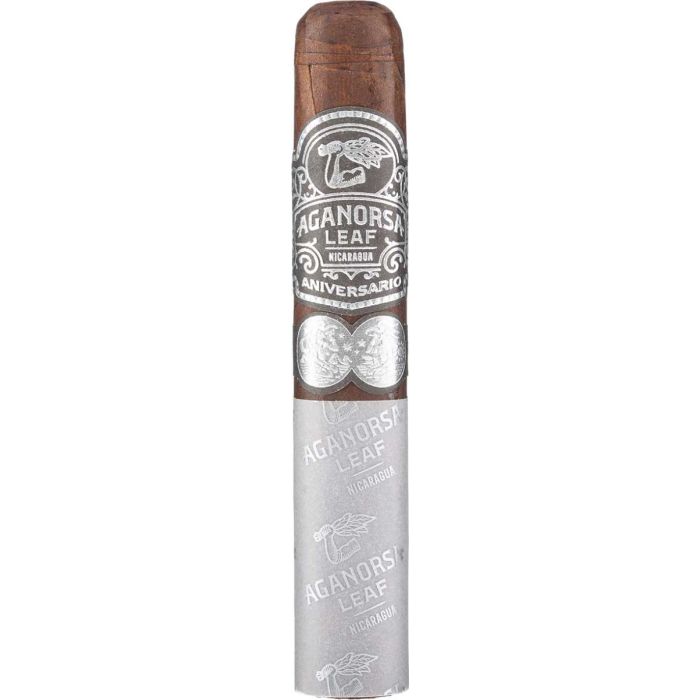
Wrapper varieties shape the experience dramatically. A pale, silky Connecticut leaf tends toward creamy, cedar and almond notes, as in the Aganorsa Leaf Anniversario Connecticut – Gran Robusto or the gentler Aladino Cameroon Robusto. A sun-grown Corojo brings spice and sweetness, beautifully expressed in the Aganorsa Leaf Anniversario Corojo – Gran Robusto and the Aladino Corojo Robusto. A dark, oily Maduro, aged longer and fermented to a deep brown, lends cocoa, espresso and dried-fruit richness — try the Aganorsa Leaf Anniversario Maduro – Gran Robusto. For a fuller tour of leaf types, see our guide to cigar wrappers explained.
The binder
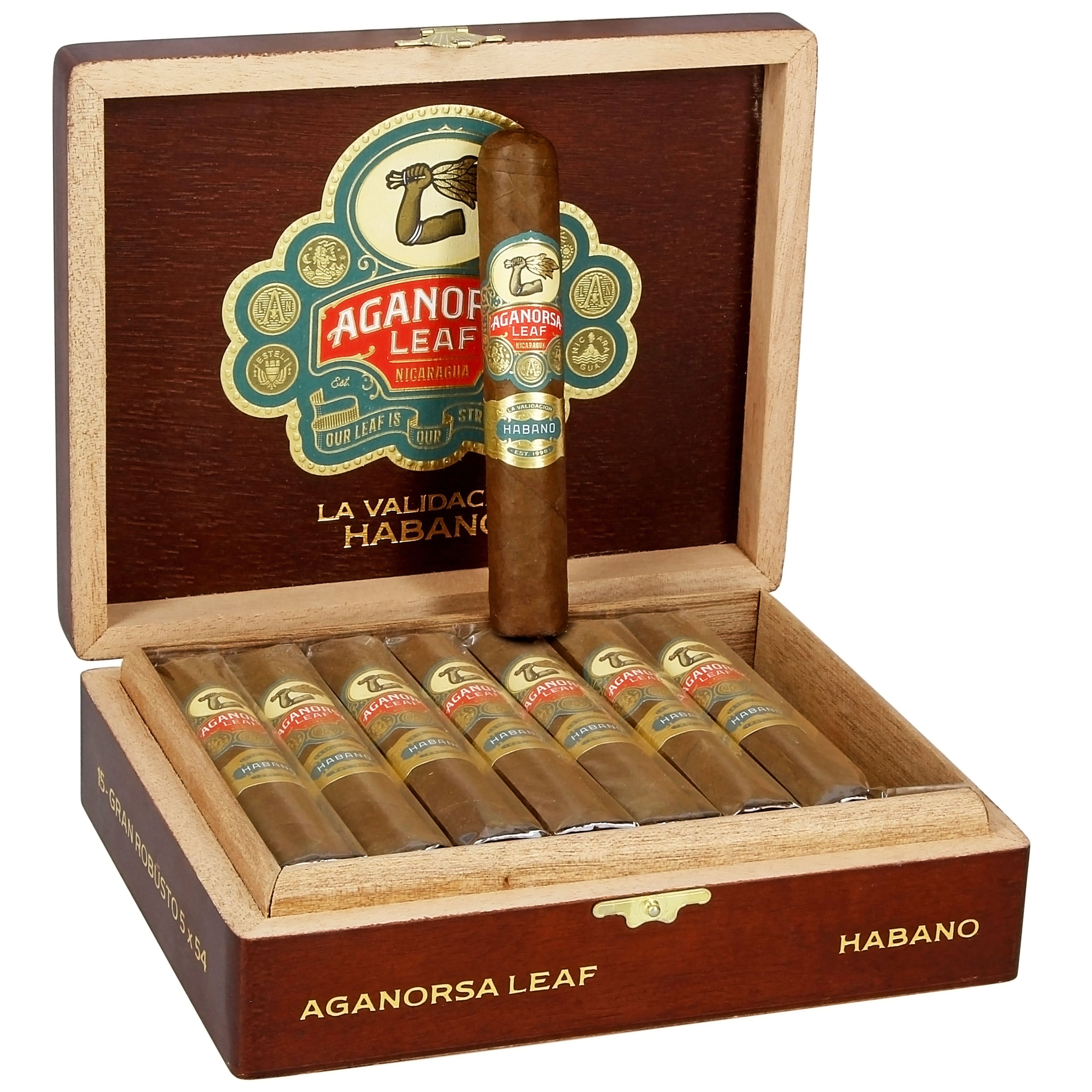
Directly beneath the wrapper sits the binder — a sturdier, less photogenic leaf whose job is structural. It wraps around the bunched filler and holds everything in a tidy cylinder before the wrapper is applied. Though it works quietly behind the scenes, the binder influences the burn rate and adds its own subtle seasoning to the smoke. A well-chosen binder is part of why a cigar like the Aganorsa Leaf La Validación Habano – Gran Robusto burns so evenly from light to nub.
The filler
The filler is the heart of the cigar: a blend of whole, ripe leaves folded lengthwise and bunched together to form the core. In a fine hand-made cigar these are long-filler leaves that run the full length of the cigar, allowing a clean, unobstructed draw. Blenders combine leaves from different parts of the plant — the lower, milder volado for combustibility, the central seco for aroma, and the powerful upper ligero for strength and richness — to dial in the body they want. The depth of the Aganorsa Leaf Supreme Leaf – Inter Robusto comes largely from a generous, well-aged filler core.

What are the head, cap, foot and shoulder?
Once the three tobacco layers are rolled, the cigar's two ends and its contours take on names worth knowing — they are the parts you actually handle.
- Head: the closed, rounded end you place to your lips. This is where you draw the smoke.
- Cap: a small piece of wrapper leaf applied over the head to seal it. You cut, punch or pierce the cap — taking off only a sliver — so the wrapper does not unravel.
- Shoulder: the gentle curve where the head rounds into the body. Cutting just above the shoulder keeps the cigar intact.
- Foot: the open end you toast and light. On most cigars the filler is visible here.
- Body (or barrel): the long straight section in between, where the band usually sits.
- Band: the paper ring identifying the marque — historically said to keep gloves clean, today a mark of provenance.
A clean cut at the cap and a patient, even light at the foot are the two small rituals that let all that careful construction express itself properly.

Why does a cigar's shape and size matter?
The overall format — its vitola — is part of a cigar's anatomy too, because dimensions change how the wrapper-to-filler ratio reads on the palate. A cigar's two key measurements are its length (given in inches or millimetres) and its ring gauge (the diameter, measured in 64ths of an inch).
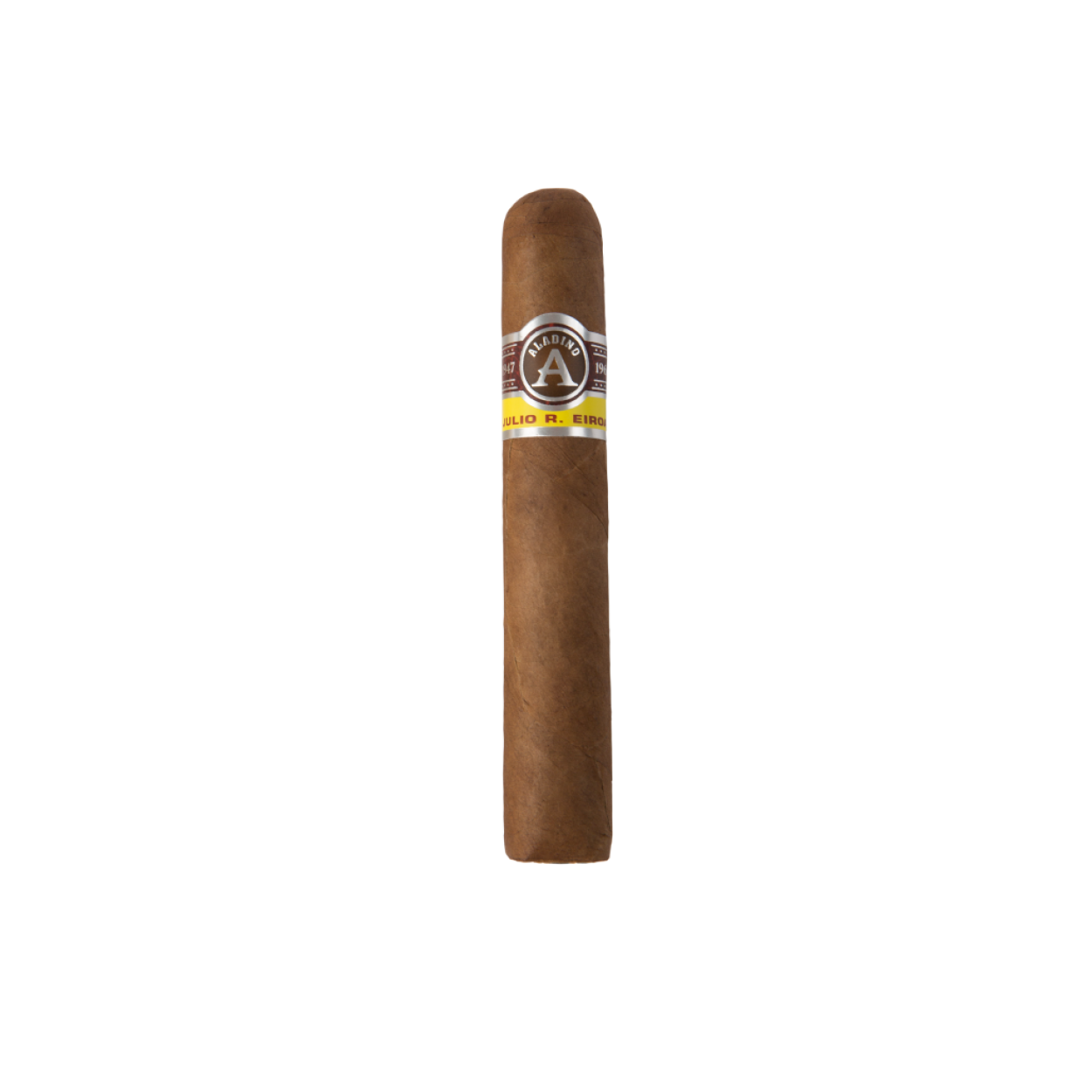
A Robusto, the most popular modern format, typically measures around 5 inches (about 127mm) by a 50 ring gauge — substantial enough to show a blend's depth within a comfortable 45–60 minute smoke. The Arturo Fuente Don Carlos – Personal Reserve Robusto is a refined example, while the broader Don Carlos Double Robusto uses a thicker ring gauge to deliver a cooler, rounder smoke. A wider gauge generally means more filler relative to wrapper, often a smoother and slightly milder draw; a slimmer vitola pushes the wrapper's character forward. To choose with confidence, read our companion piece on cigar sizes, vitolas and ring gauge.

How do the parts work together when you smoke?
The pleasure of a fine cigar lies in the conversation between its parts. As you draw through the head, air passes over the long-filler core, the binder governs how steadily it burns, and the heated wrapper releases its oils into the smoke. A cigar that has been rolled with the right density draws with gentle resistance — never tight, never loose — and produces a firm, pale-grey ash that holds.
That balance only holds if the tobacco is kept in good condition. Store your cigars at a relative humidity of 68–72% RH and a temperature around 18–20°C; this keeps the wrapper supple, the filler responsive and the burn even. A cigar that is too dry burns hot and harsh, while one that is too damp draws tight and struggles to stay lit. Whether you are exploring single sticks from our single cigars selection or building a humidor, condition is what lets the anatomy perform as the blender intended. Many of the New World favourites above sit alongside the Cuban and boutique lines, including those from EGM Cigars, that reward this kind of attention.
For an everyday-elegant introduction to balanced construction, the Aganorsa Leaf La Validación Connecticut – Gran Robusto is a fine place to begin: a creamy Connecticut wrapper over a thoughtfully bunched core that shows exactly how the three layers should sing together.
Frequently asked questions
Which part of a cigar gives the most flavour?
Both the wrapper and the filler are decisive. The wrapper, being a single carefully selected leaf, contributes a large share of the flavour and most of the aroma, which is why wrapper variety — Connecticut, Corojo or Maduro — so strongly defines the profile. The filler core, however, supplies the body and strength. The finest cigars balance the two.
What is the difference between the cap and the head?
The head is the closed end of the cigar that you put to your lips and draw from. The cap is the small piece of wrapper leaf applied over the head to seal it shut. When you cut a cigar, you remove only a thin slice of the cap, just above the shoulder, so the wrapper stays neatly in place and does not unravel as you smoke.
What does long-filler mean?
Long-filler describes whole tobacco leaves that run the entire length of the cigar, rather than chopped scraps. This is the hallmark of premium hand-made cigars, as it allows a smooth, unobstructed draw and an even burn. Blenders fold several long-filler leaves of differing strength — volado, seco and ligero — to compose the body and character of the smoke.
Which end of the cigar do I light?
You light the foot — the open, uncapped end where the filler is exposed. The head, with its sealed cap, is the end you cut and draw from. Toast the foot gently with the flame just below it until the rim glows evenly, then draw softly to establish a clean, cool light before settling in to enjoy the cigar.
Share:
The Best Cigars to Take on Holiday
What Is a Churchill Cigar? Size, History & Best Churchills