

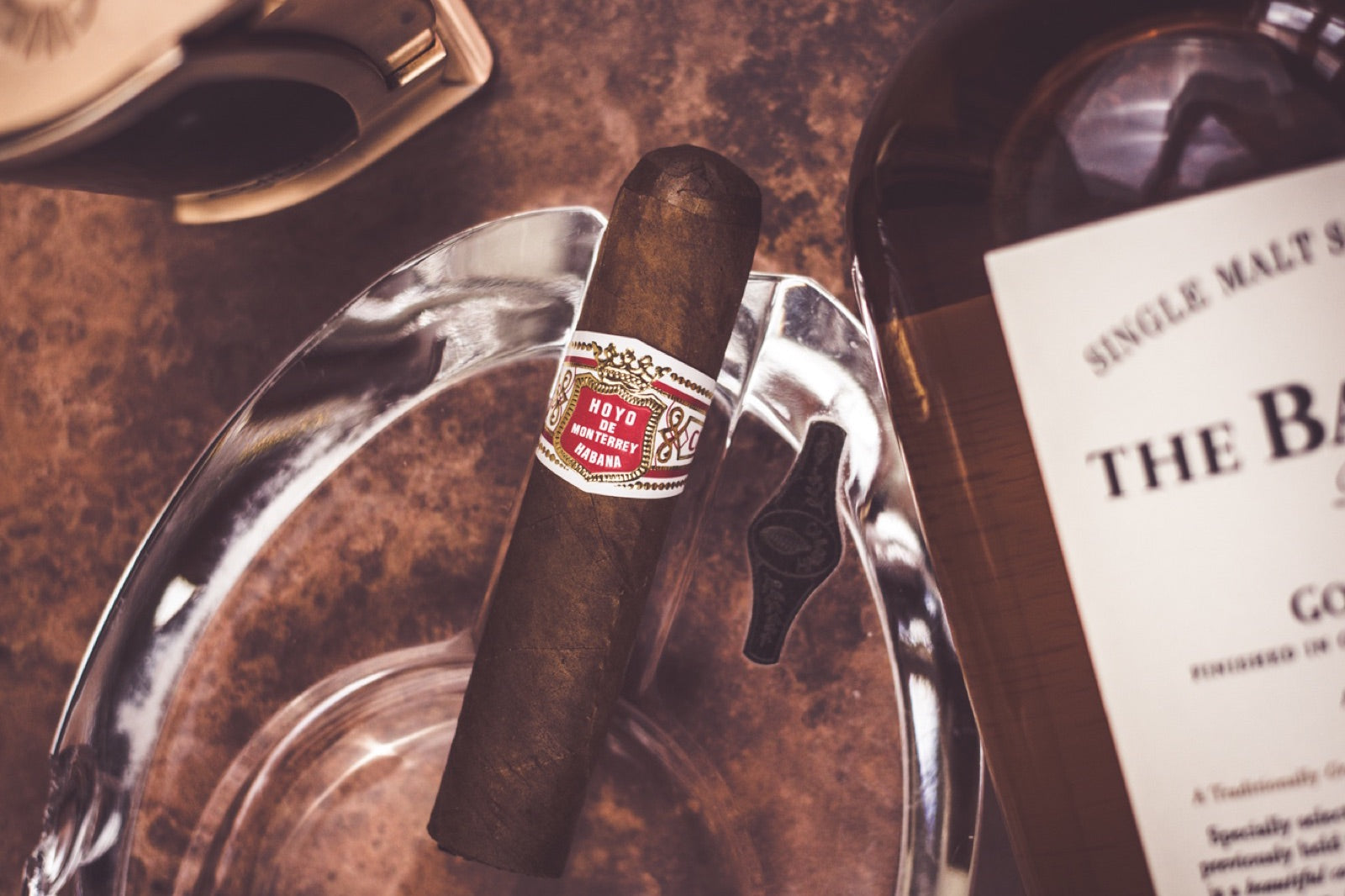
A gordo is a generously proportioned cigar with a ring gauge of roughly 60 or more (around 24mm in diameter), prized for its cool, smooth draw and the broad, blended flavour that only a large volume of filler tobacco can deliver. "Big ring gauge" is the wider family it belongs to — typically anything from ring 54 upwards — where the emphasis shifts from sheer length to girth, body and a longer, more contemplative smoke.
- Ring gauge is the diameter of a cigar measured in 64ths of an inch — so ring 60 equals 60/64", or about 24mm.
- A gordo (Spanish for "fat") usually means ring 60+; the broader big ring gauge category begins around ring 54.
- More filler means a cooler, slower burn and a rounder, more layered flavour, with the wrapper contributing proportionally less.
- Expect a leisurely 60–90 minutes, making gordos ideal for unhurried evenings rather than a quick morning smoke.
- Store them, like all premium cigars, at 68–72% relative humidity and around 18°C.
What exactly is a gordo cigar?
"Gordo" is simply Spanish for "fat", and in the cigar world it has come to denote the broadest commonly available vitolas — those with a ring gauge of 60 or more. To put that in perspective, a classic Corona sits at ring 42 (about 16.7mm) while a gordo at ring 60 measures roughly 24mm across. That is a meaningful difference in the hand and on the palate.
The term sits at one end of a spectrum. A Toro at ring 50–52 already feels substantial; push past 54 and you enter big ring gauge territory; reach 60 and you have a true gordo. Some houses go further still, offering ring 64 and even 70 for those who relish the experience. If you would like to understand where these figures come from, our primer on cigar sizes, vitolas and ring gauge is the ideal companion to this piece, and our guide to the Toro covers the gateway format that leads many smokers towards larger rings.
How is ring gauge measured?
Ring gauge is expressed in 64ths of an inch. A cigar described as ring 52 is therefore 52/64" in diameter, which converts to roughly 20.6mm. The system can feel arcane at first, but the conversions are worth committing to memory:
- Ring 46 — about 18.3mm (a generous Corona Gorda).
- Ring 50 — about 19.8mm (the everyday Robusto/Toro standard).
- Ring 52–54 — about 20.6–21.4mm (the entry to big ring gauge).
- Ring 60 — about 23.8mm (a classic gordo).
Length is quoted separately, usually in inches or millimetres. A gordo is defined by its girth rather than its length, so you will find them in everything from a stout 5" format to a stately 6½".

Why have big ring gauge cigars become so popular?
For much of the twentieth century, slender vitolas dominated. The rise of the gordo over the past two decades reflects a genuine shift in how many enthusiasts like to smoke, and it rests on more than fashion.
A cooler, smoother draw
A wider cigar holds more air and more tobacco, so the smoke travels a greater distance through cool filler before it reaches your lips. The result is a gentler, less heated draw that many find smoother and more forgiving, particularly across a long sitting.
A rounder, blend-led flavour
In a thin cigar the wrapper leaf — the most flavourful, most expensive component — makes up a large share of the whole. Widen the ring and the proportions invert: filler and binder dominate, letting the master blender's recipe of different tobaccos express itself in fuller, more layered fashion. This is why big ring gauge cigars often taste more complex and creamy rather than simply stronger.
Time to relax
A gordo is an invitation to slow down. With more tobacco to enjoy, the smoke unfolds in distinct chapters, rewarding the patient smoker who has set aside a proper evening.

How do gordos taste, and how long do they last?
Because the blend leads, flavour profiles vary widely by house, but a few generalisations hold. Big ring gauge New World cigars frequently show notes of cedar, roasted coffee, cocoa, sweet baking spice and a creamy, leathery core, with strength building gradually rather than spiking. The larger format also keeps combustion temperatures lower, which preserves nuance from first light to final third.
On timing, allow yourself room. A ring 54 will typically run 60–75 minutes, while a full ring 60 gordo can comfortably reach 90 minutes at an unhurried pace. These are after-dinner companions, not interludes — best enjoyed with an espresso, an aged rum or a peated whisky, and in good company or contented solitude.

Which gordo and big ring gauge cigars should you try?
Chaveta's selection spans both the Cuban and New World traditions, so you can explore girth across very different styles. A few to begin with:
New World gordos
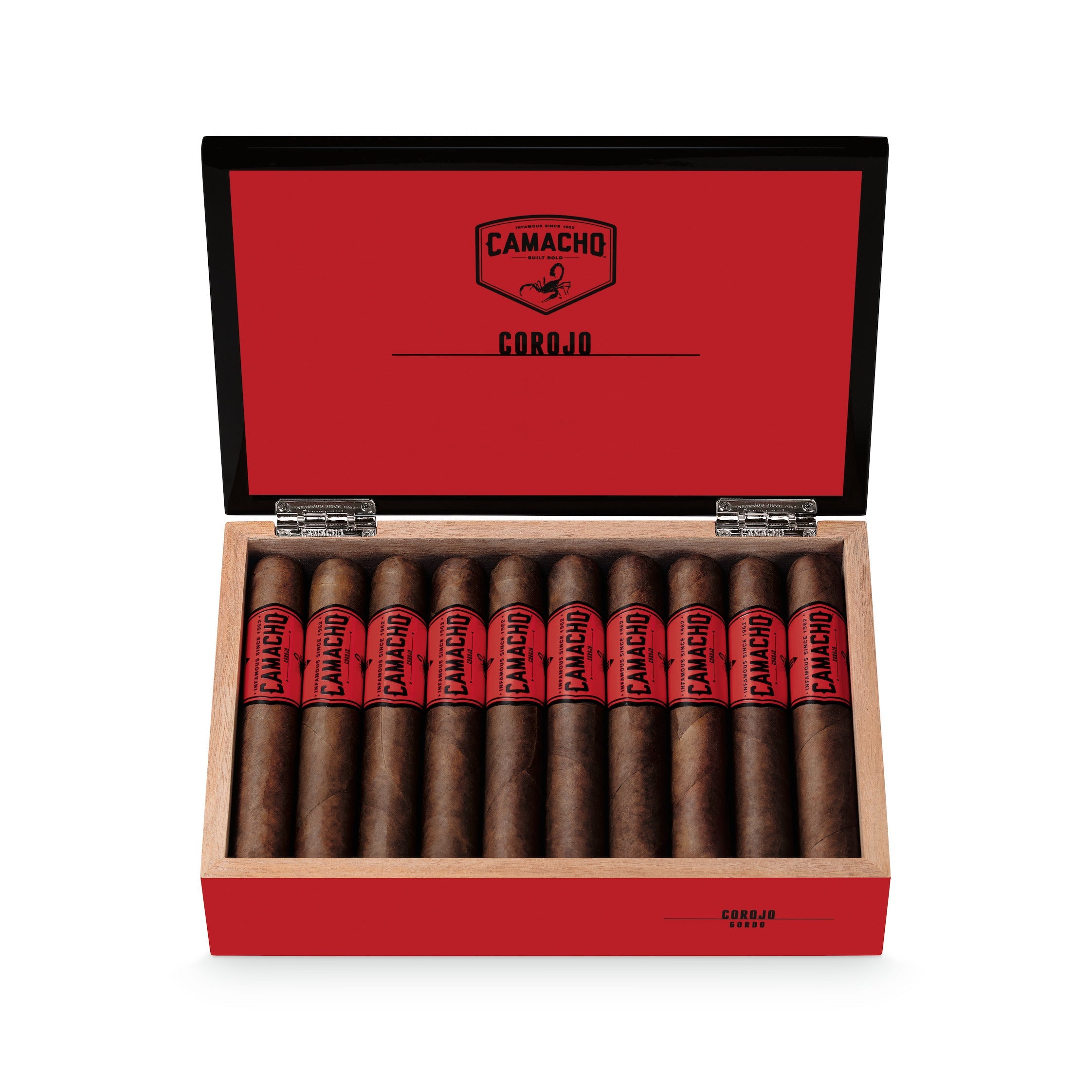
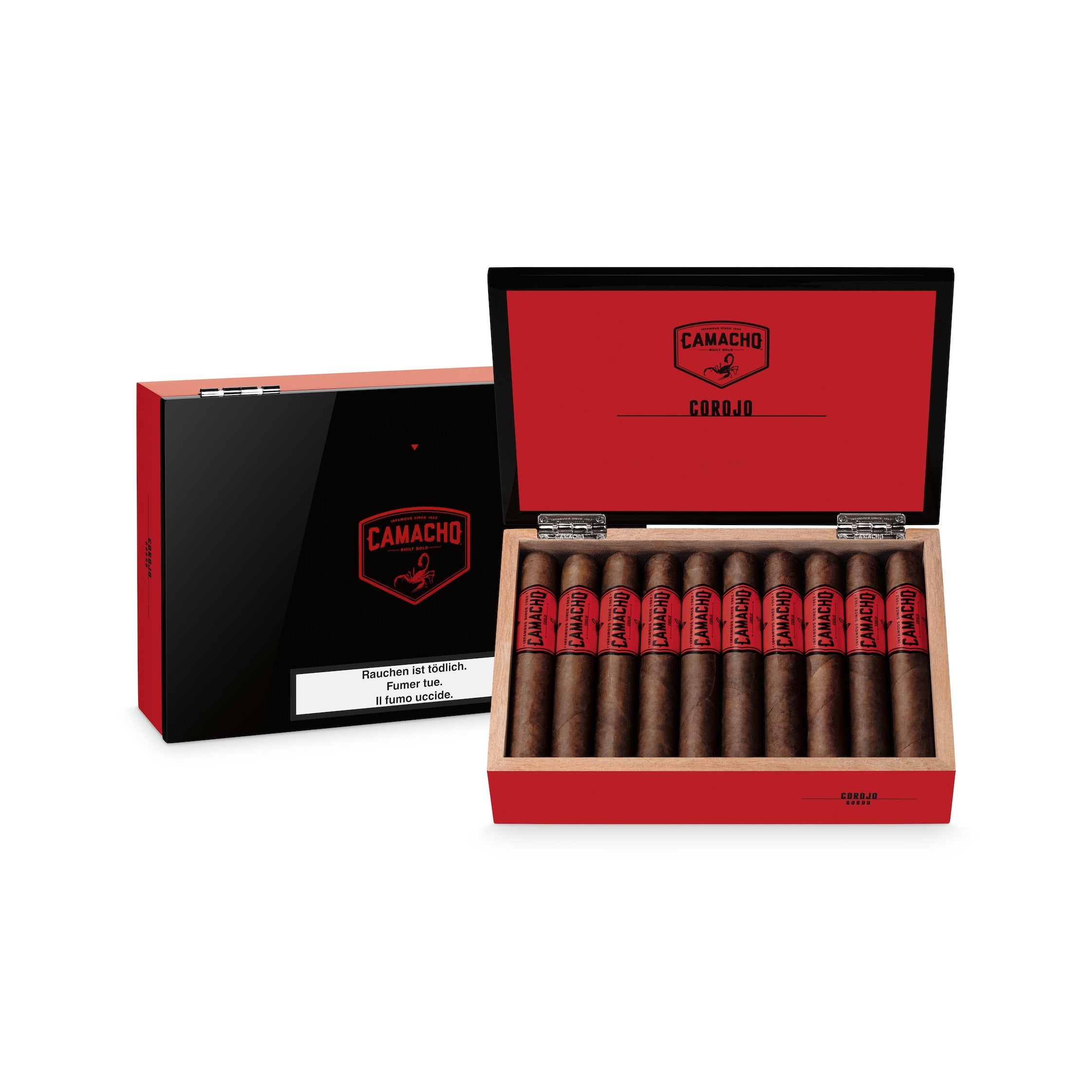
- Camacho Corojo Gordo — a bold, spice-forward Honduran built on the house's signature Corojo, and a textbook example of how the format amplifies a robust blend.
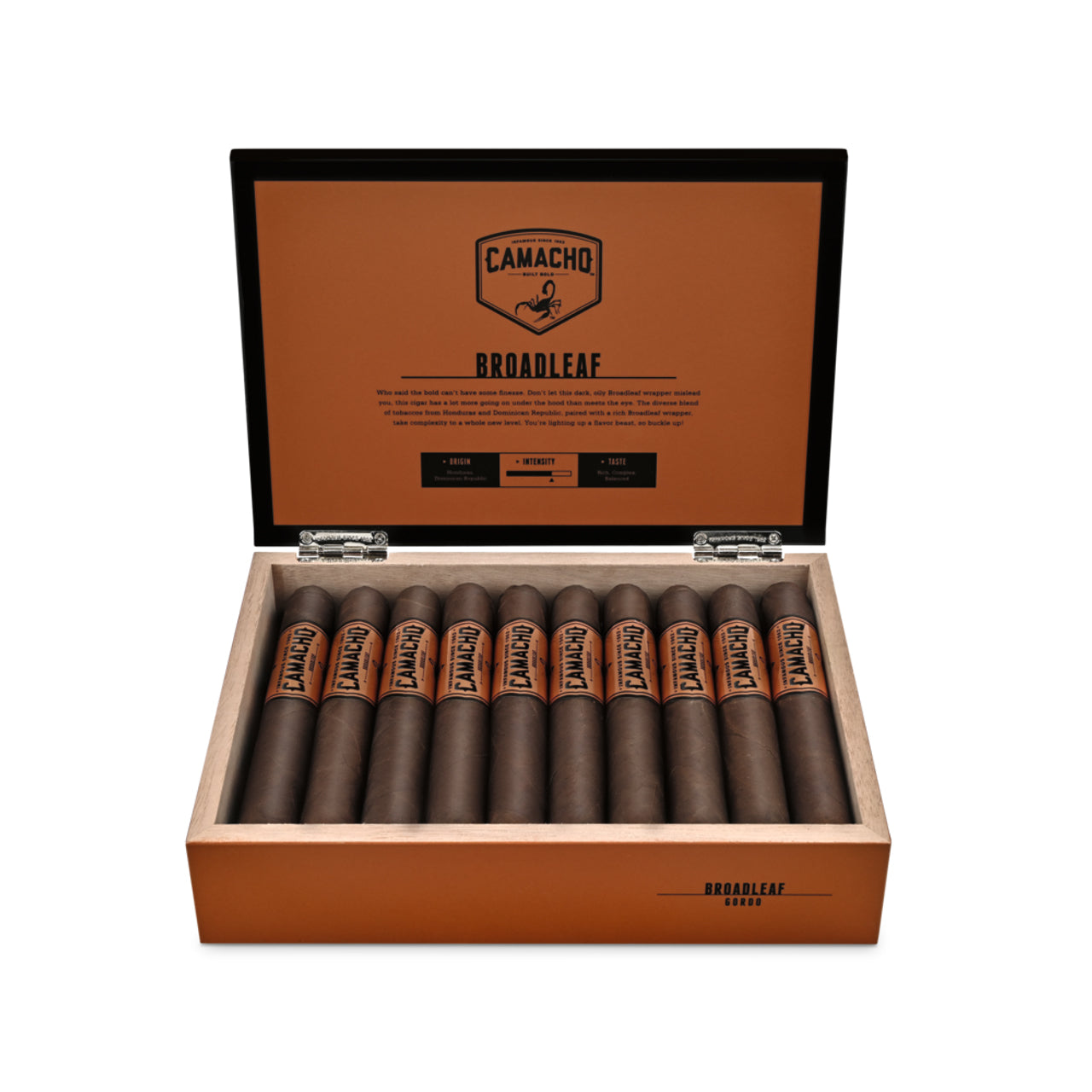
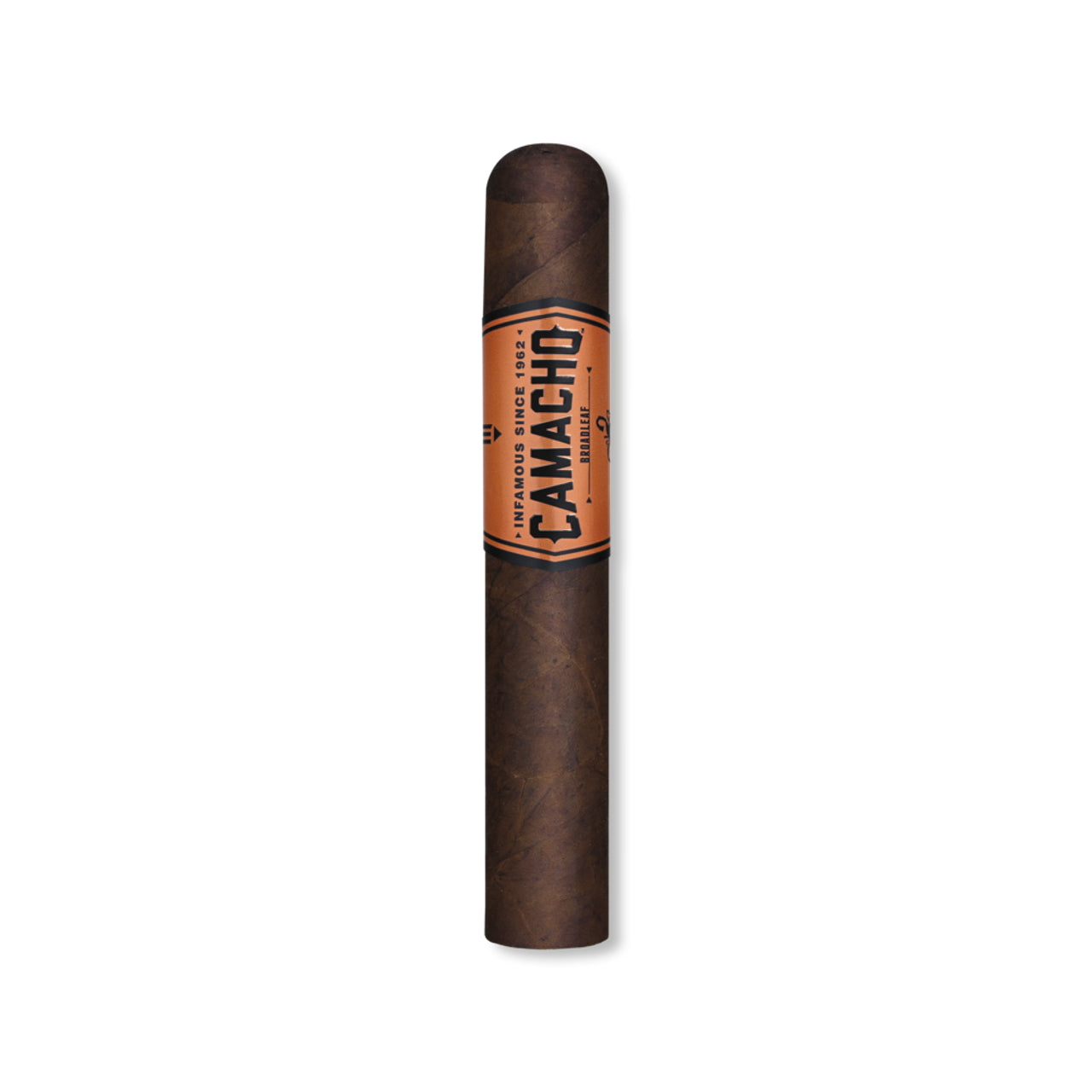
- Camacho Broadleaf Gordo — wrapped in dark, oily Connecticut Broadleaf for a sweeter, earthier counterpoint of espresso and cocoa.
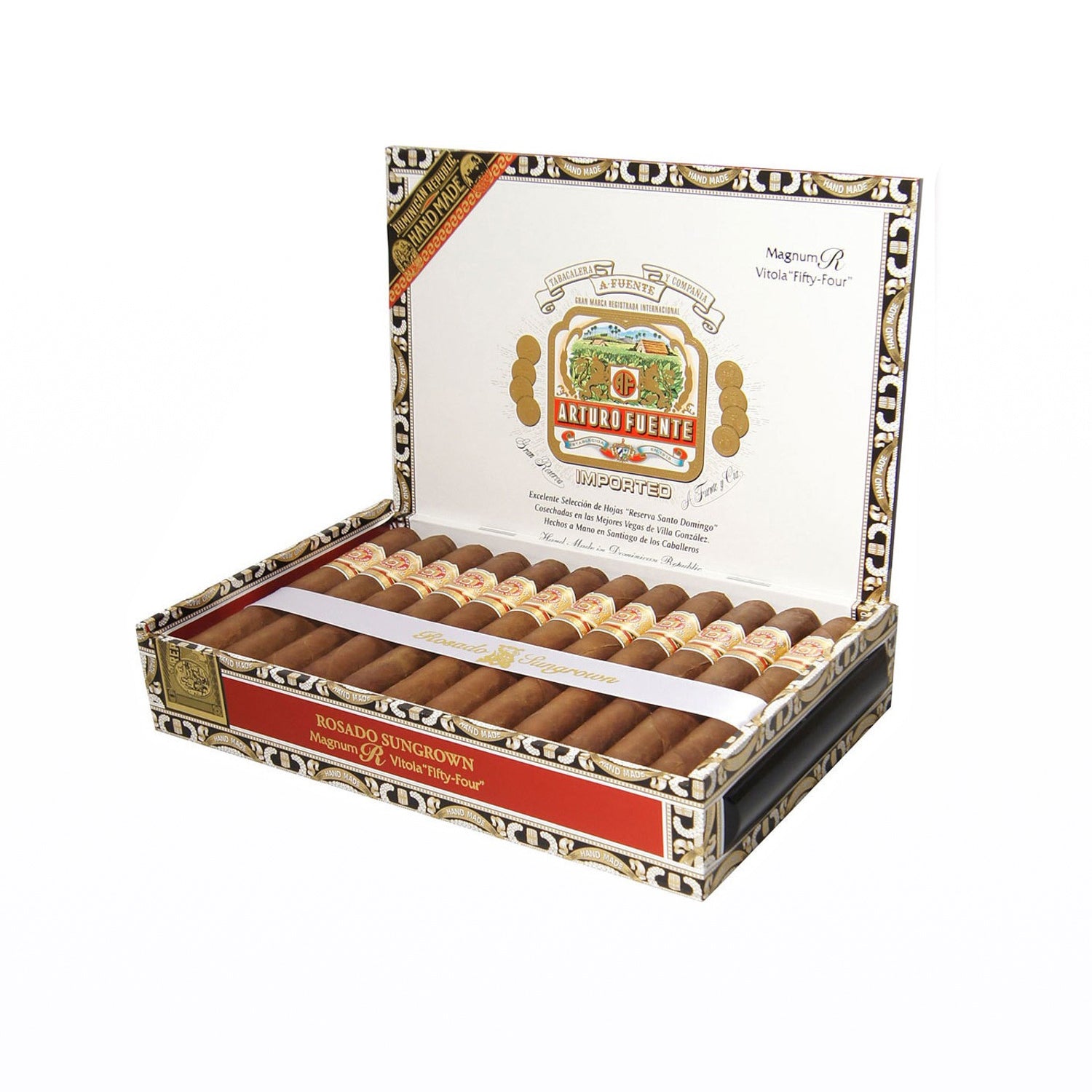
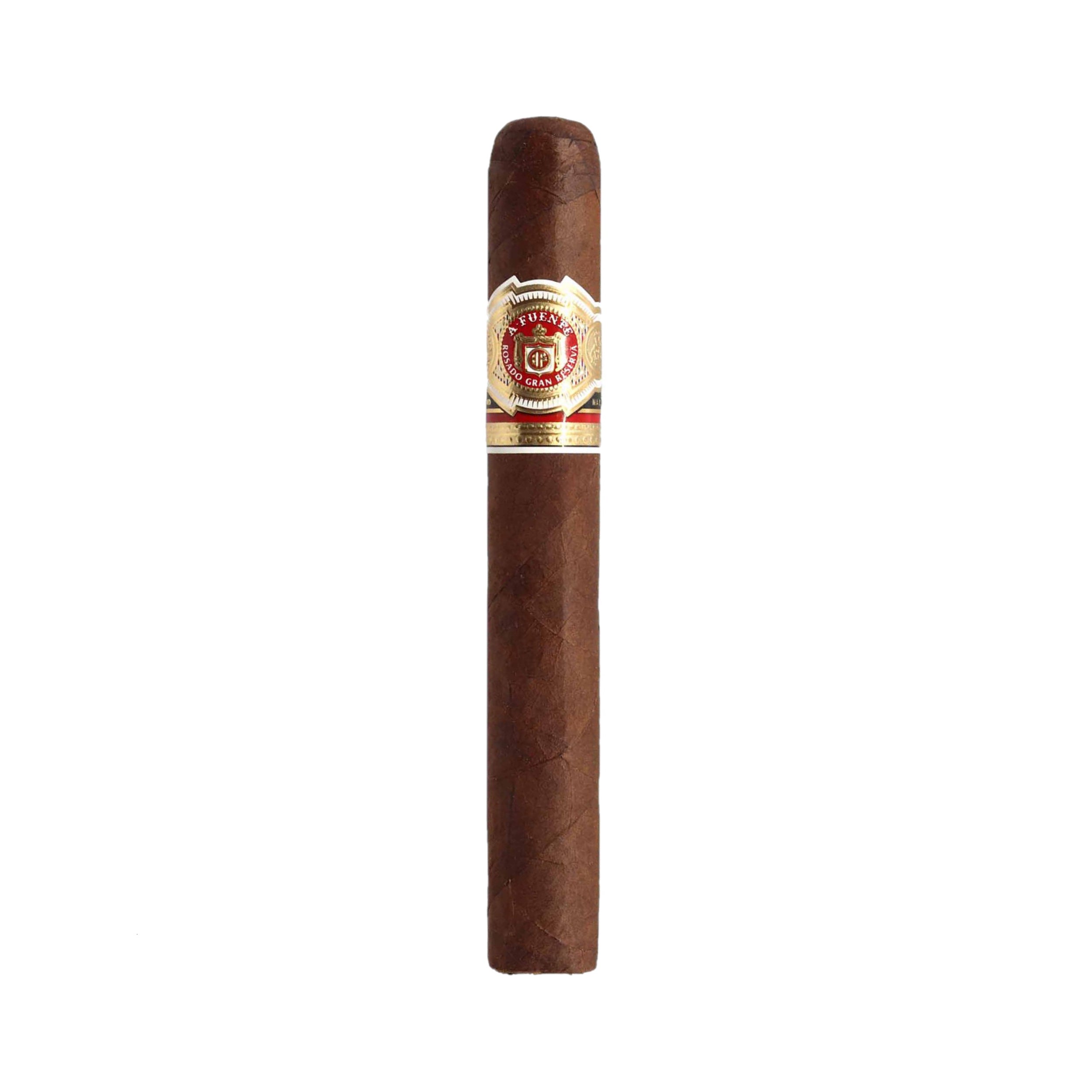
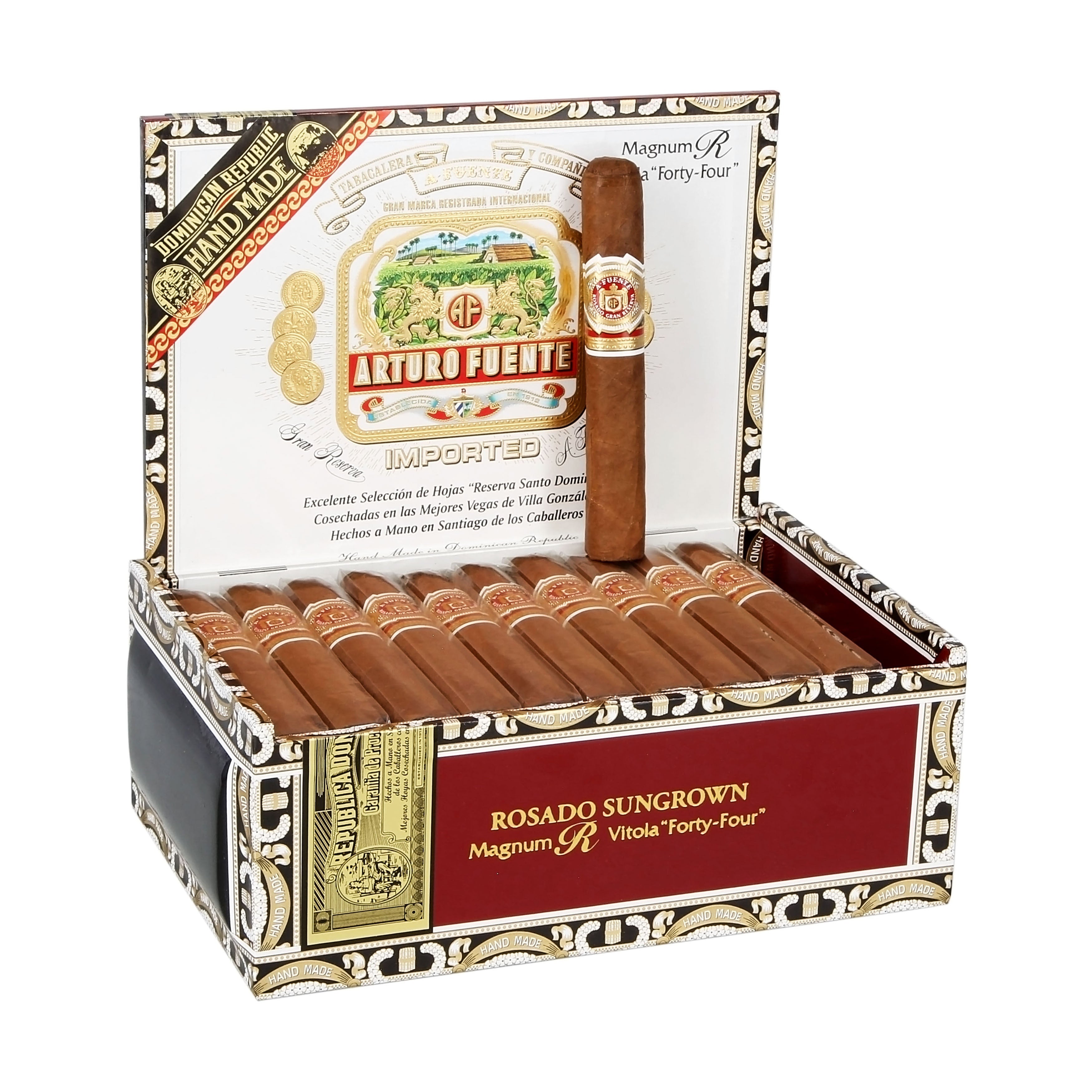
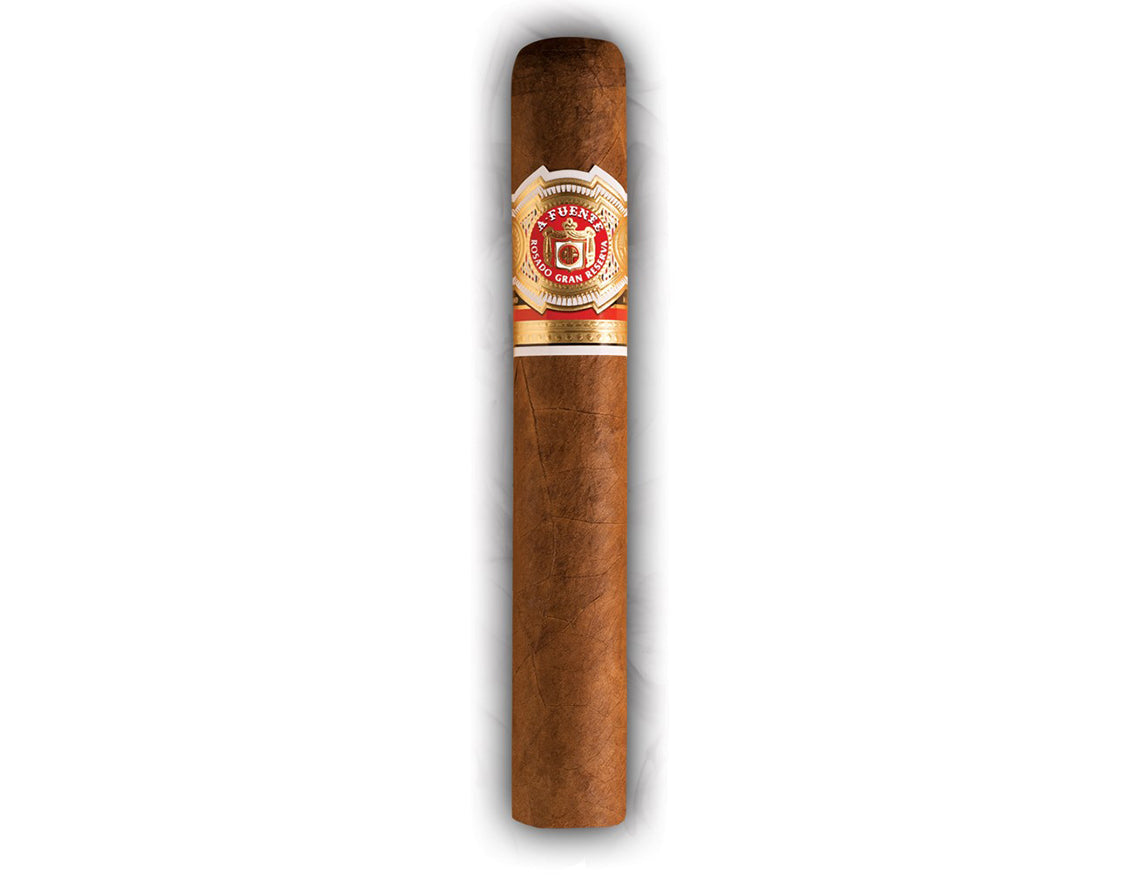
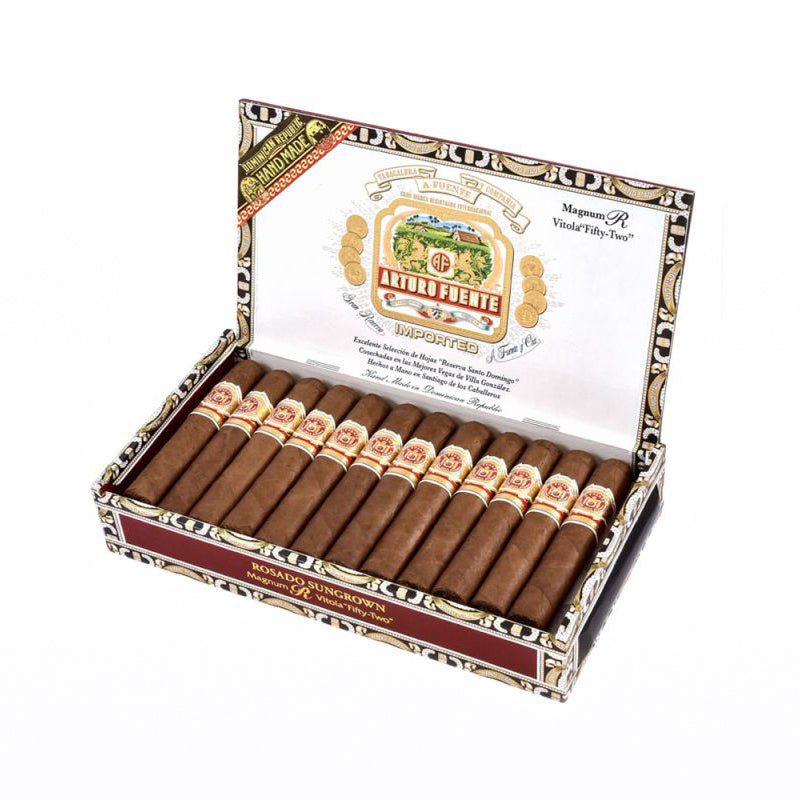
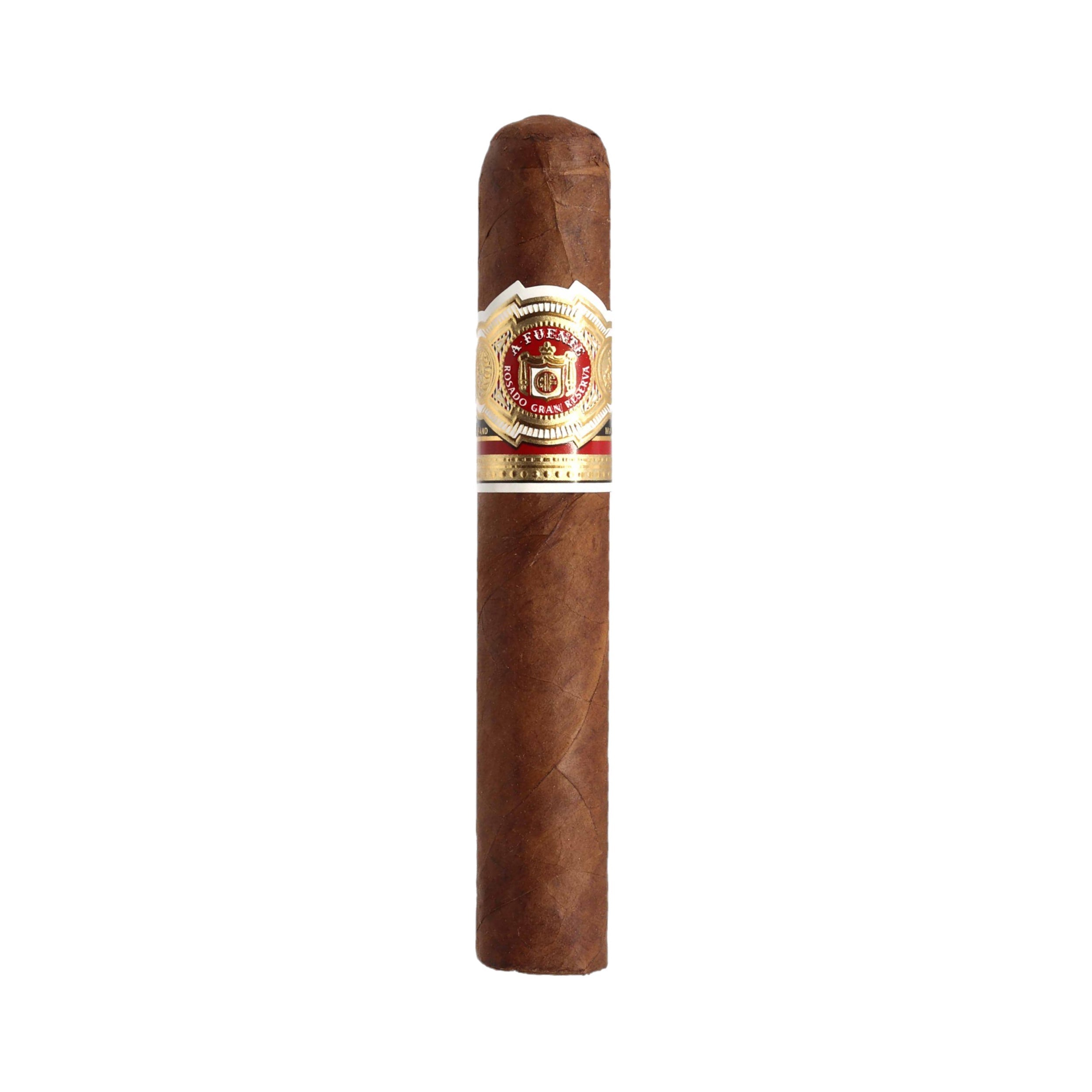
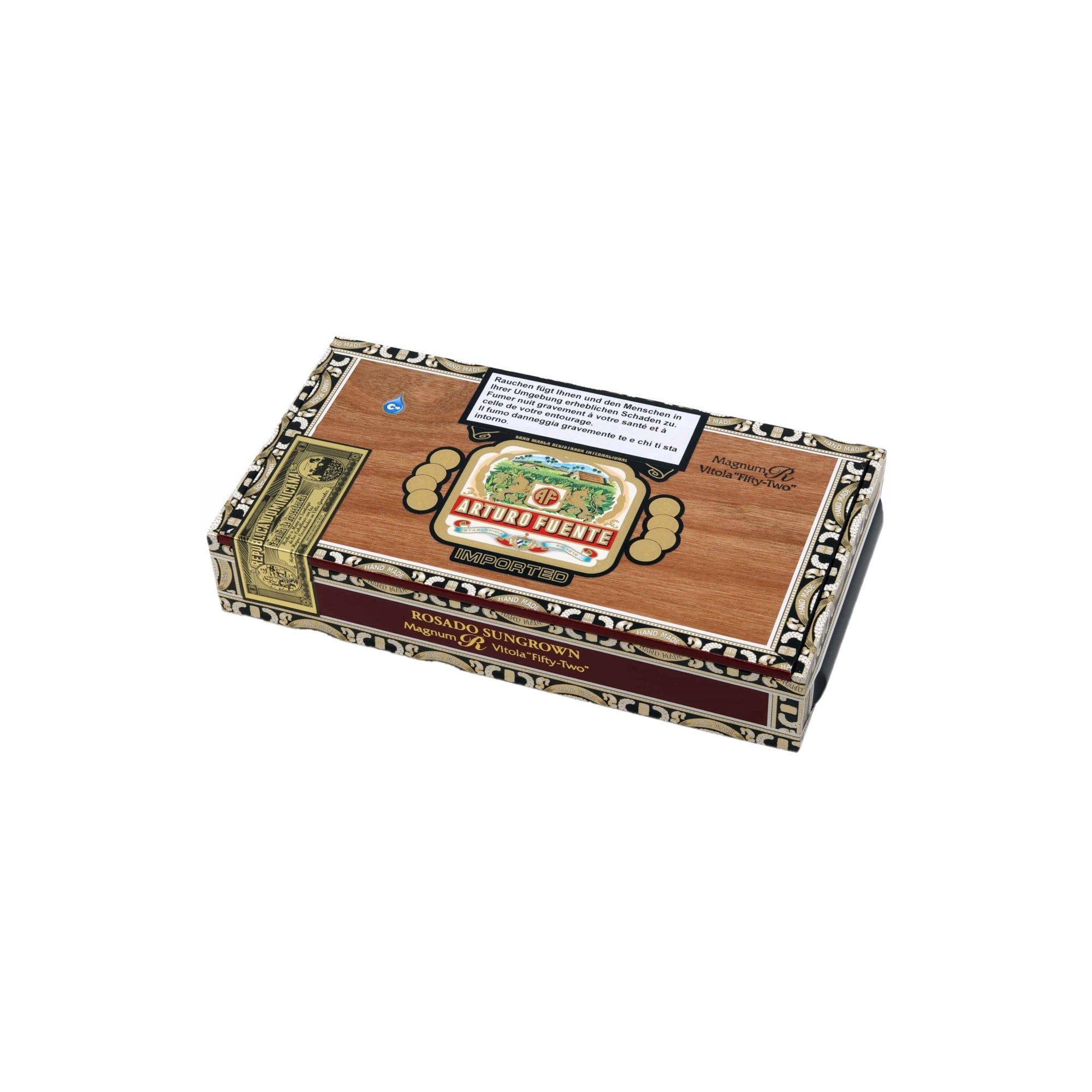
- Arturo Fuente Magnum R Rosado 54 — the broadest of Fuente's elegant Magnum R line, offering cedar, nutty sweetness and impeccable balance at ring 54.
Stepping up gradually
If you are easing towards the bigger end, the Magnum R Rosado range lets you climb in measured stages — from the medium-bodied Rosado 44 through the rounder Rosado 52 before the full ring-54 expression. Browse the wider New World cigars collection to compare wrappers and origins side by side.
The Cuban perspective
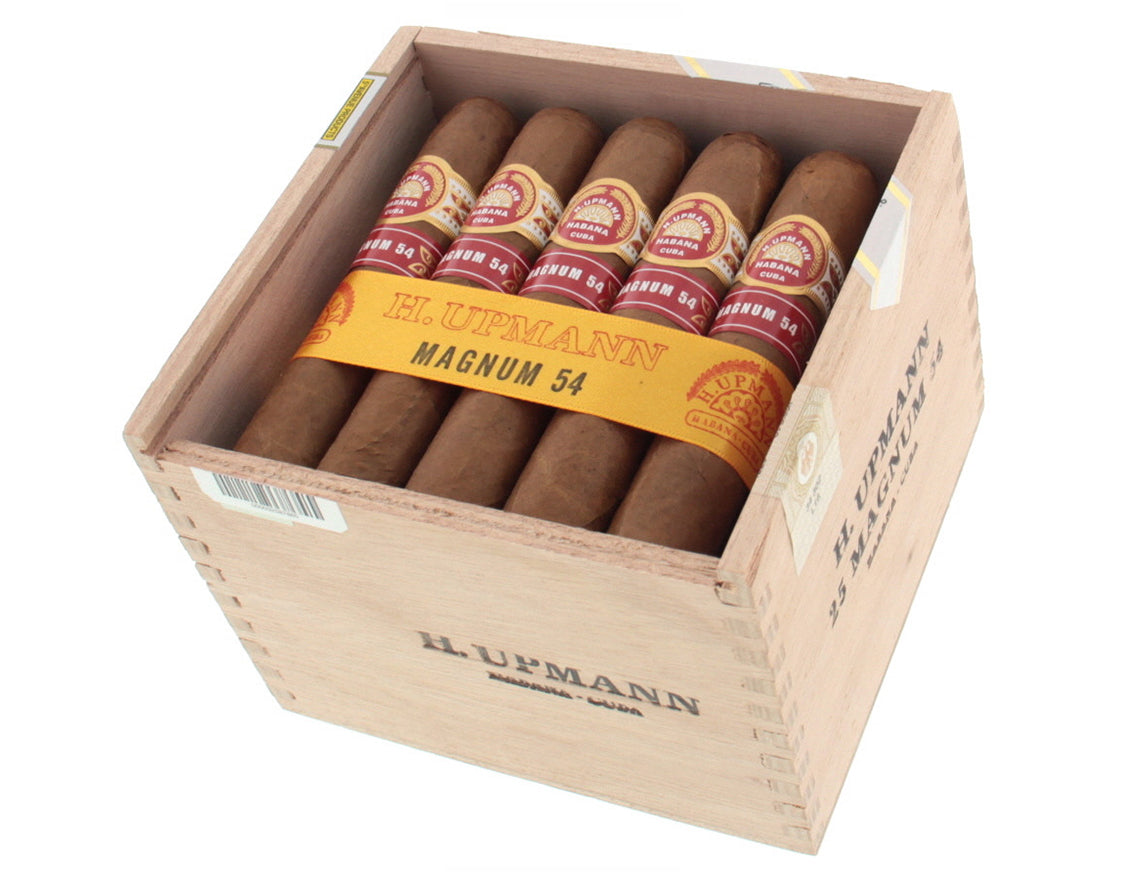
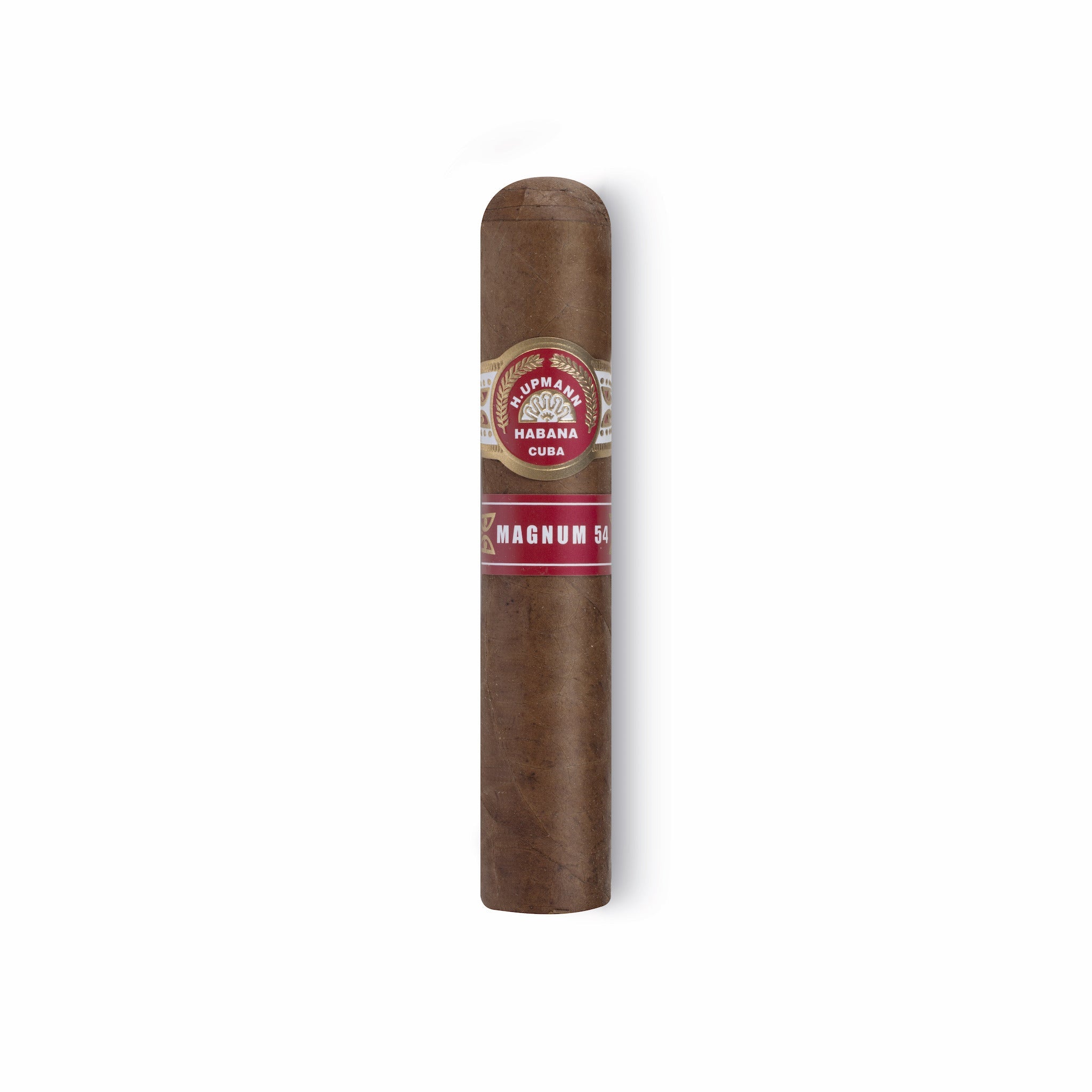
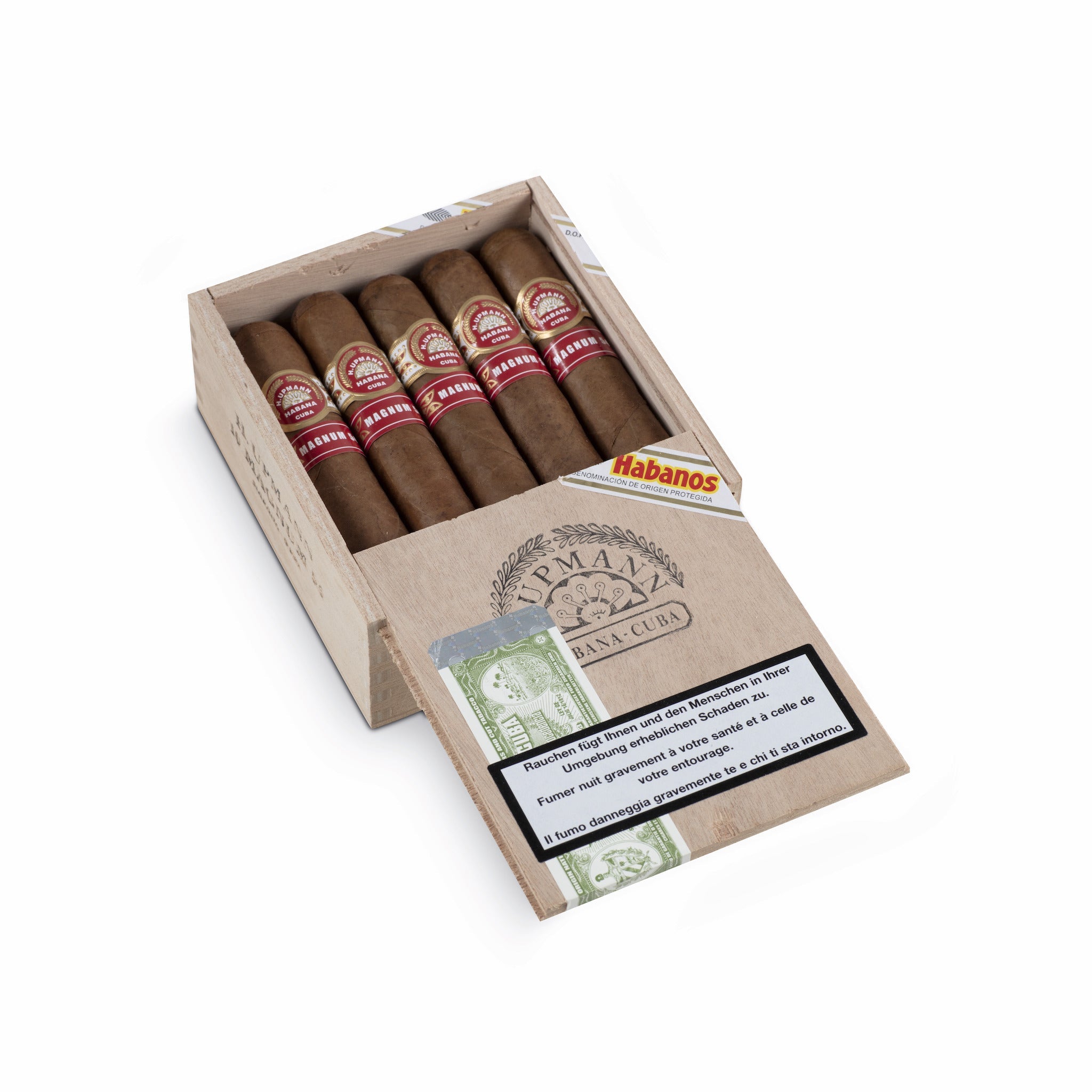
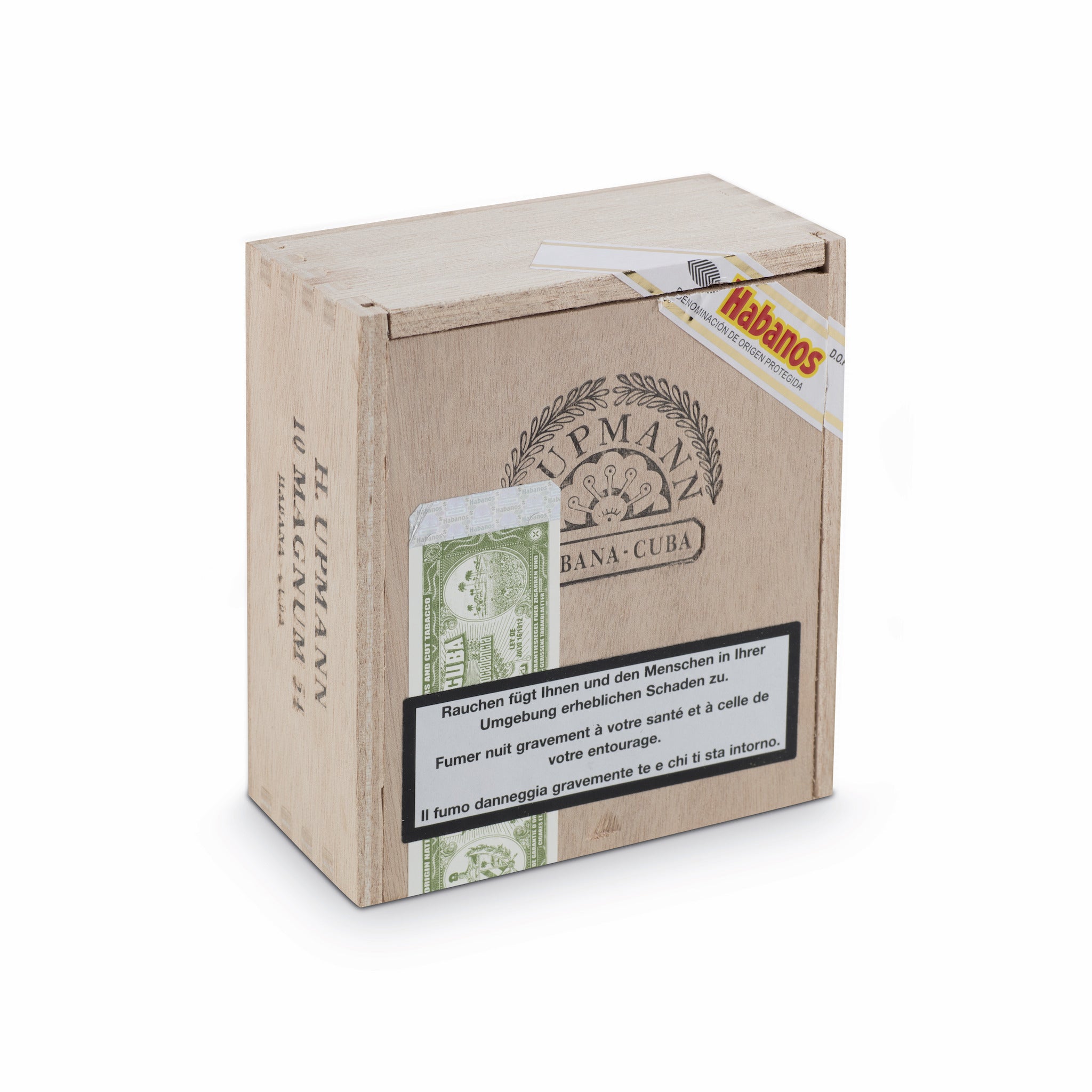
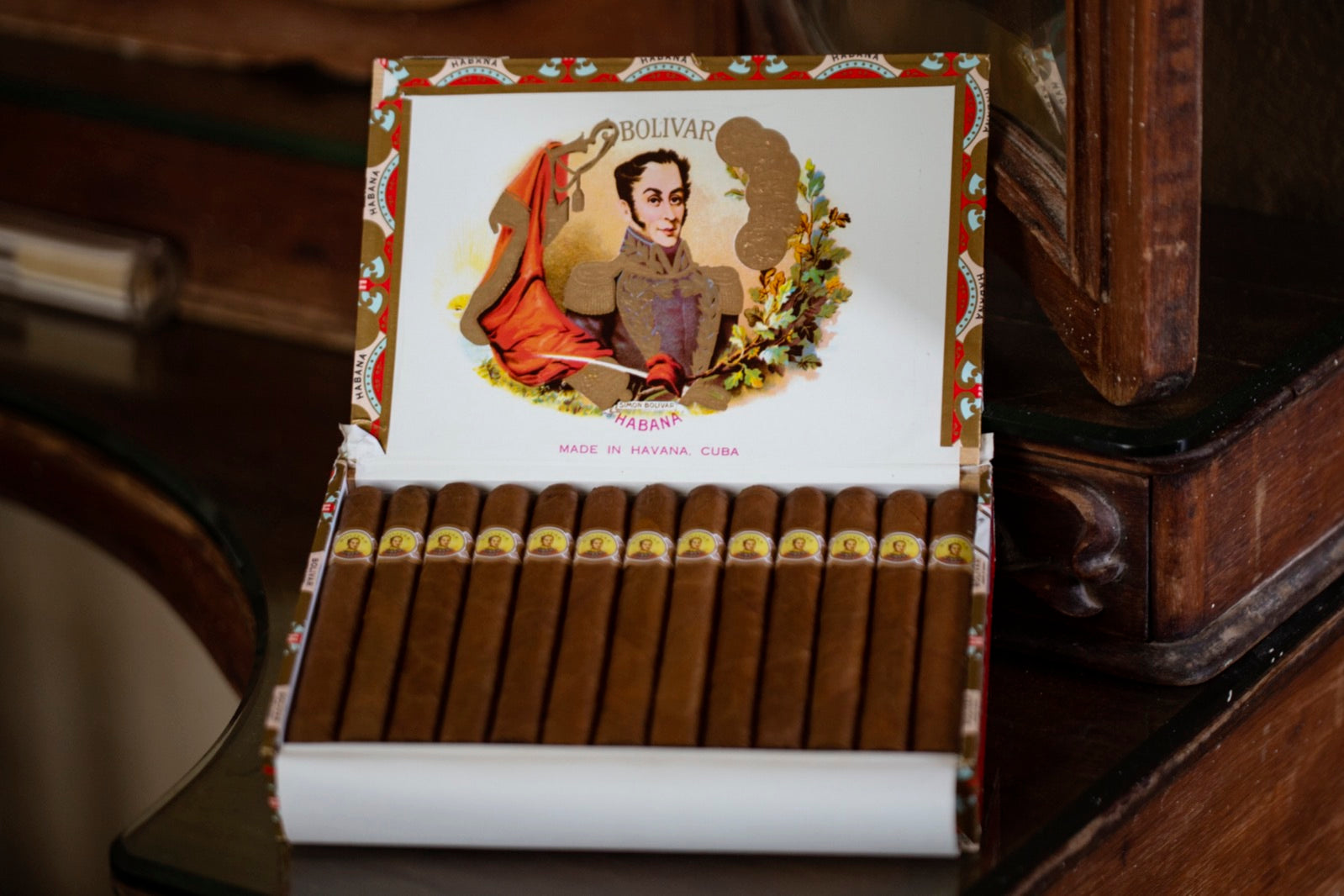
Havana has historically favoured more classical proportions, but it offers its own large-ring pleasures. The H. Upmann Magnum 54 is a refined, comparatively recent big-ring Cuban — creamy, cedary and beautifully constructed — while the celebrated Bolívar Coronas Gigantes at ring 47 shows that even a "modest" Cuban can deliver enormous depth and a richly earthy, full-bodied character.
Are big ring gauge cigars right for you?
Choosing a gauge is a matter of mood and occasion as much as preference. Consider a gordo when you have an unhurried hour or more, want a cooler and smoother draw, and enjoy a flavour led by the blend itself. Reach instead for a slimmer Corona or Lonsdale when time is short or when you prize the concentrated, wrapper-forward intensity that narrow vitolas provide.
A practical note for newcomers: a larger cigar needs a clean, generous cut and an even light across its full diameter. Toast the foot patiently and rotate it so the whole ring catches before you take your first draw — a well-lit gordo burns true and rewards the small ceremony. For those drawn to artisanal New World blending, EGM Cigars' own portfolio sits naturally alongside these formats; you can explore EGM Cigars directly.
Frequently asked questions
What ring gauge counts as a gordo?
A gordo is generally a cigar of ring 60 or more, meaning a diameter of roughly 24mm or above. The broader "big ring gauge" category is usually taken to begin around ring 54. There is no single governing body, so the lines are conventional rather than official, but ring 60 is the widely accepted threshold for a true gordo.
Do bigger cigars taste stronger?
Not necessarily. A wider ring increases the proportion of filler relative to wrapper, which tends to make flavour rounder and more blend-led rather than simply stronger. Strength comes from the tobaccos chosen, not the diameter. Many big ring gauge cigars are medium-bodied and notably smooth, with complexity building gently over the smoke.
How long does a gordo cigar take to smoke?
Allow around 60 to 90 minutes, depending on the exact ring gauge and your pace. A ring 54 often runs an hour or so, while a full ring 60 gordo can comfortably reach an hour and a half. They are designed to be enjoyed slowly, which makes them ideal after dinner rather than for a brief smoke.
How should I store big ring gauge cigars?
Store gordos exactly as you would any premium cigar: in a humidor held at 68–72% relative humidity and around 18°C. Their greater mass means they can take a little longer to settle to your preferred moisture level, so allow a few weeks of rest after arrival for the blend to marry and the draw to reach its smoothest.
Share:
Romeo y Julieta Cigars: The Romance of Havana
Partagás: Full-Flavoured Cuban Power