

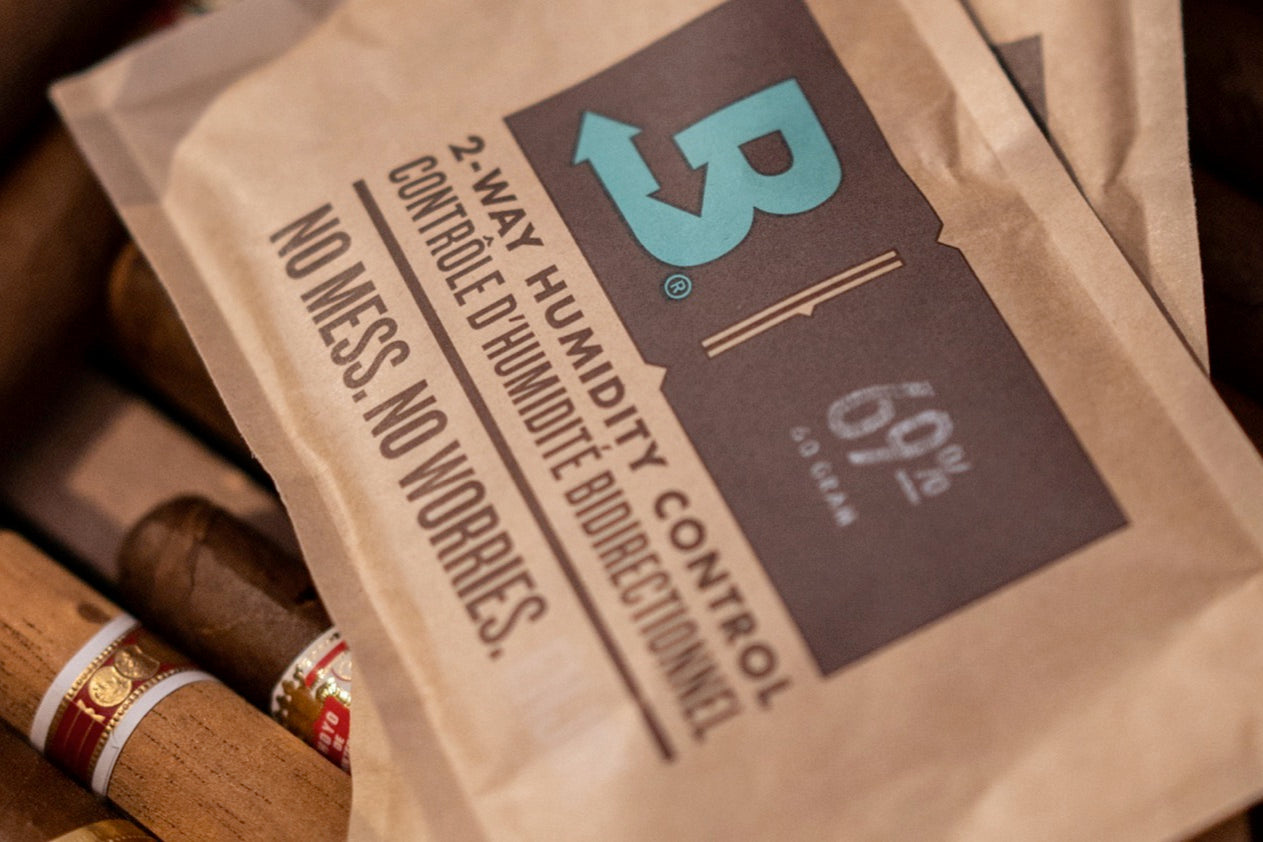
Cigars do not expire the way milk or bread does — there is no date after which they are unsafe. Kept at the right humidity a premium cigar will happily last for many years and frequently improves with age; left in the open air it simply dries out and loses its character within days to weeks. In short, a cigar's lifespan is decided almost entirely by how it is stored.
- Properly humidified (68–72% RH): effectively indefinite — good cigars hold for years and many become more refined with age.
- Out of a humidor, unwrapped: a few days to a couple of weeks before the smoke turns harsh and papery.
- In cellophane on a shelf: a slightly longer grace period, but it still slowly dries.
- The real enemy is not time — it is dryness (and, less often, excess moisture). Stabilise the humidity and a cigar keeps beautifully.
- A two-pouch humidor with a quality humidification pack is all most enthusiasts need to keep a collection in perfect condition.
Do cigars expire? The honest answer
A handmade cigar is simply fermented, aged tobacco leaf rolled into a bunch and bound in a wrapper. There is nothing in it to spoil in the way perishable food spoils. What changes over time is the moisture content of the leaf and, with it, the balance of oils and aromas that make a cigar a pleasure to smoke.
Tobacco is hygroscopic: it constantly exchanges moisture with the air around it. In a controlled environment that exchange is gentle and the cigar matures slowly and gracefully. In a dry room it loses moisture quickly, the wrapper grows brittle, and the smoke becomes hot and acrid. So the better question is not "when does a cigar expire?" but "how is it being kept?" — and the answer to that determines everything from a few days to a few decades.
Scenario 1: properly humidified — they last, and often improve, for years
Stored at 68–72% relative humidity and a stable temperature of around 18–20°C, a fine cigar is in its element. The leaf stays supple, the construction holds, and the flavours stay vivid. Under these conditions there is no meaningful expiry: well-kept cigars are routinely enjoyed five, ten, even twenty years after rolling.
Many improve. With patient ageing the harsher young notes soften, sharp edges round off, and the components of the blend marry into something more harmonious — the cedar, leather and cocoa knitting together. Full-bodied Cuban classics in particular reward the wait; a robusto such as a Cohiba or a rich Partagás that is bold and a touch brash on release can become wonderfully composed after a few years of rest. If the idea of deliberately cellaring cigars appeals, our piece on the art of ageing cigars: when time makes them better goes deeper into how and what to lay down.

Scenario 2: unwrapped or out of a humidor — days to weeks
Take that same cigar out of its protected environment and leave it on a desk, and the clock starts ticking. In a typical heated or air-conditioned room — often 35–50% humidity — a naked cigar begins giving up moisture within hours. Within a few days the foot can feel crisp; within a week or two the wrapper may crack when you handle it and the draw turns hot and bitter.
Cellophane sleeves slow this down a little, as they are slightly breathable and offer some protection, but they do not preserve humidity — a celloed cigar left out will still dry, just more slowly. The practical takeaway: cigars meant to be smoked soon can sit out for an evening or two without harm, but anything you want to keep belongs in stable storage. If you are new to this, how to store cigars: humidors, pouches and humidity 101 covers the essentials end to end.
Scenario 3: travelling without proper storage
Travel is where good cigars most often come to grief — bouncing loose in a jacket pocket or a suitcase, exposed to dry cabin air and crushing. For a single day out, a cigar carried in its tube or a slim case will be perfectly fine. For anything longer, a dedicated travel solution pays for itself many times over.
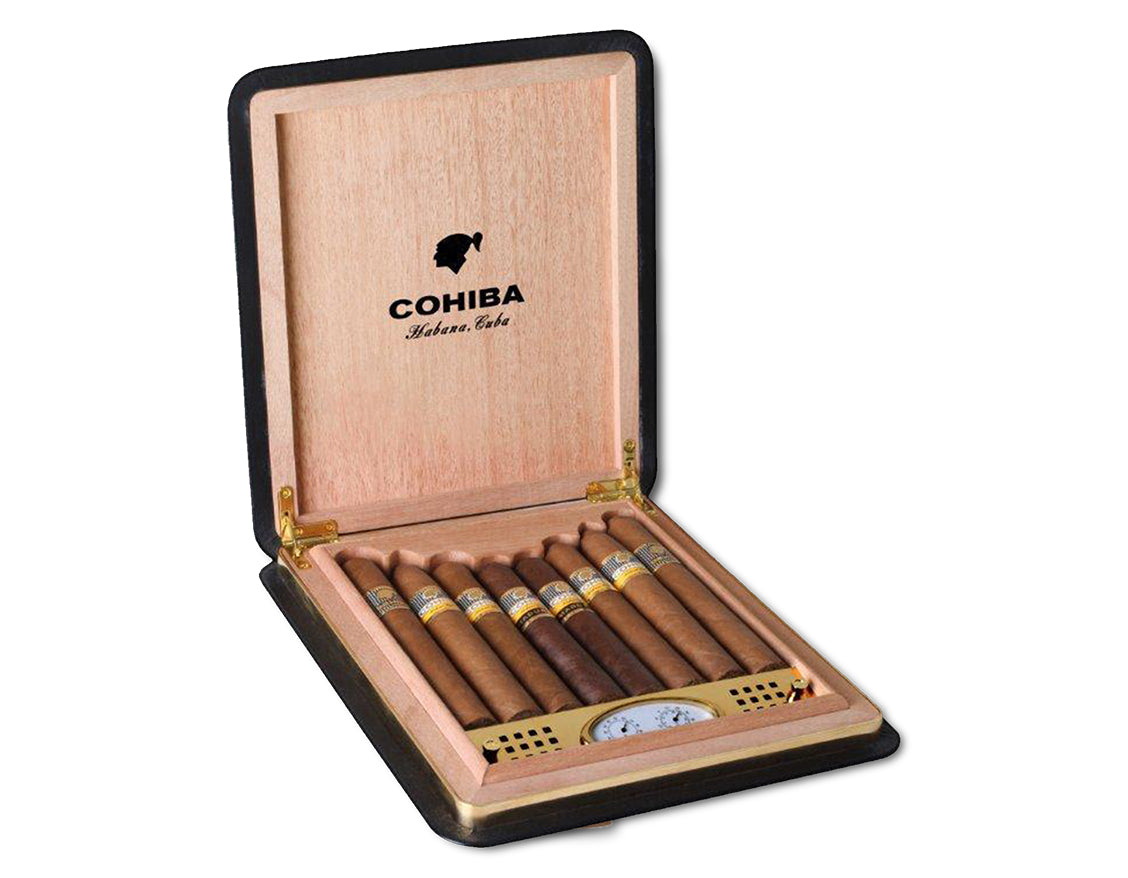
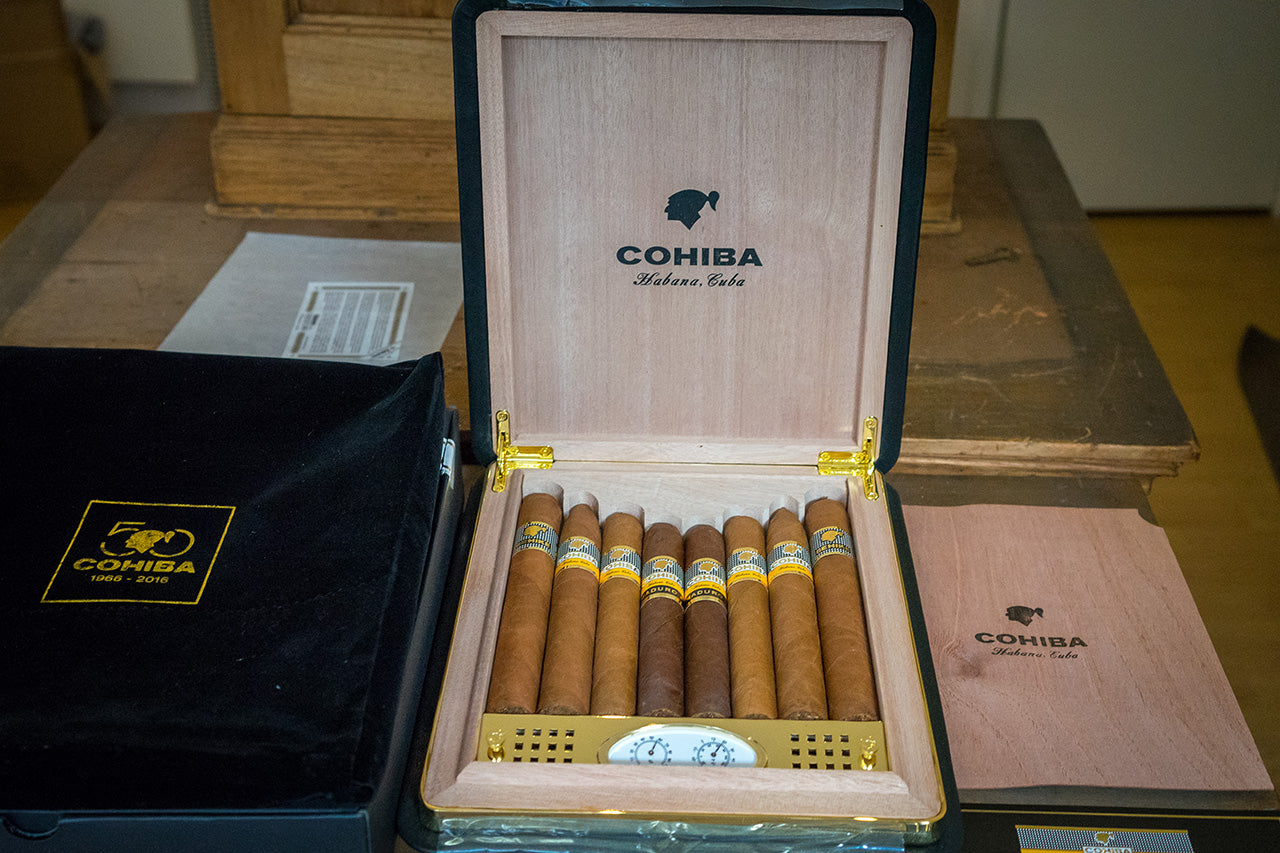
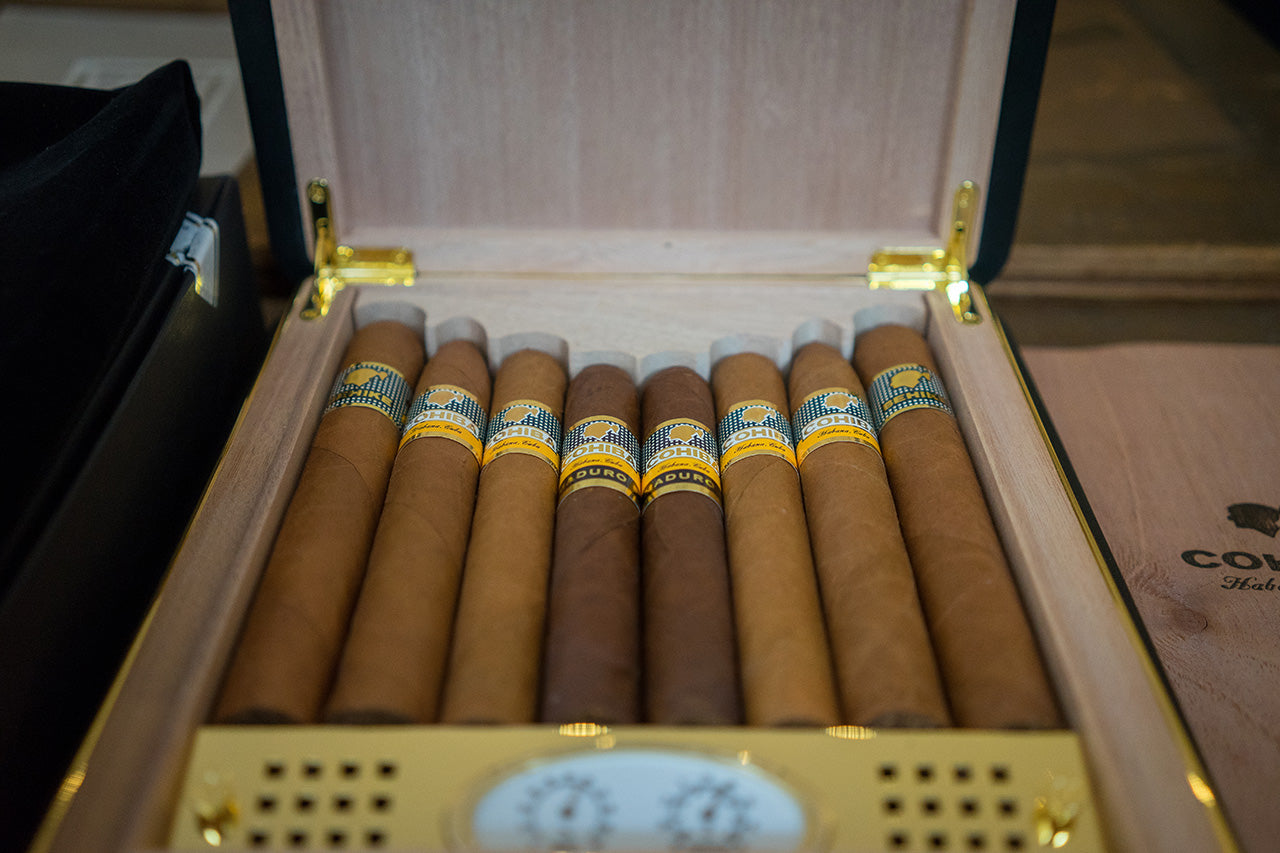
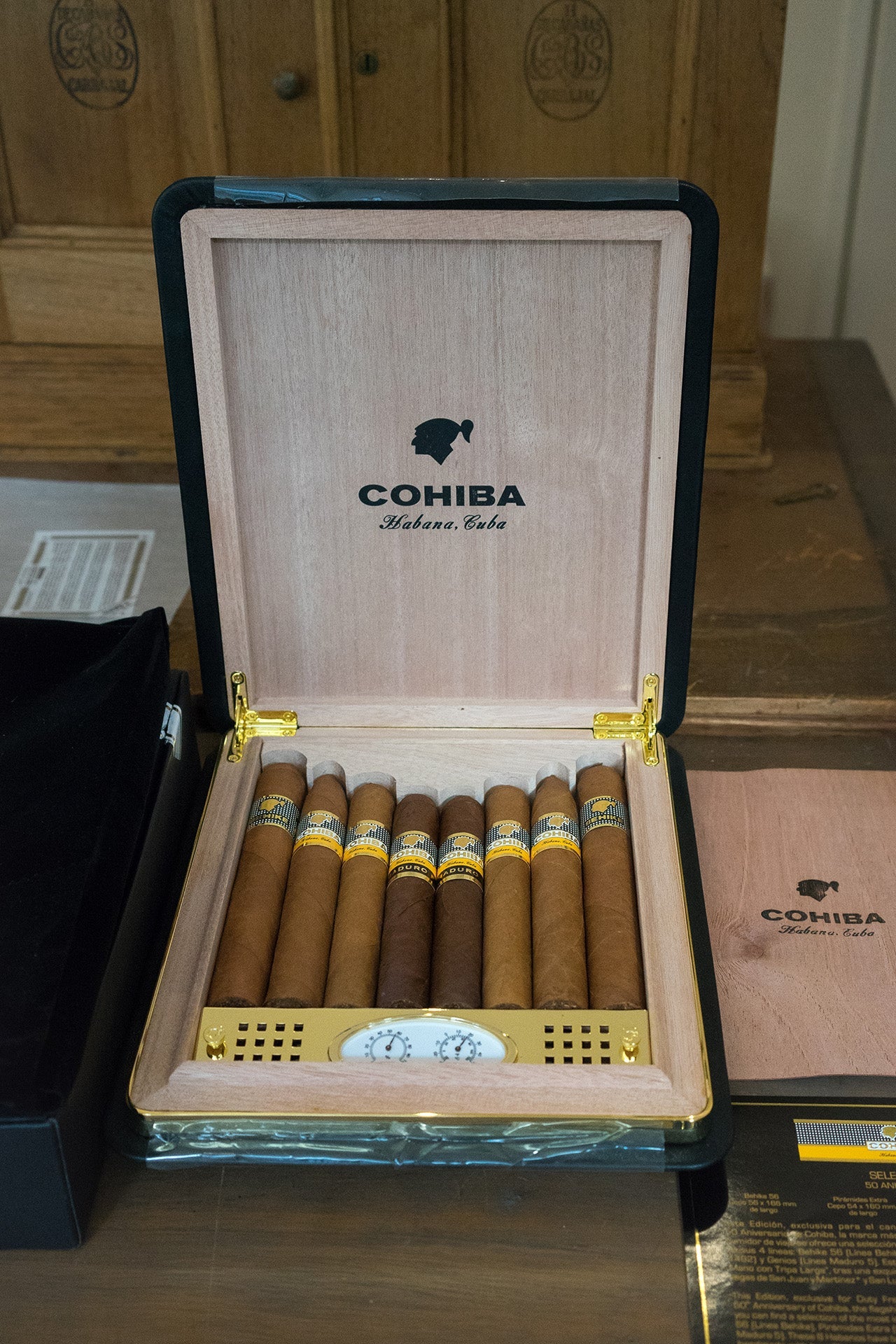
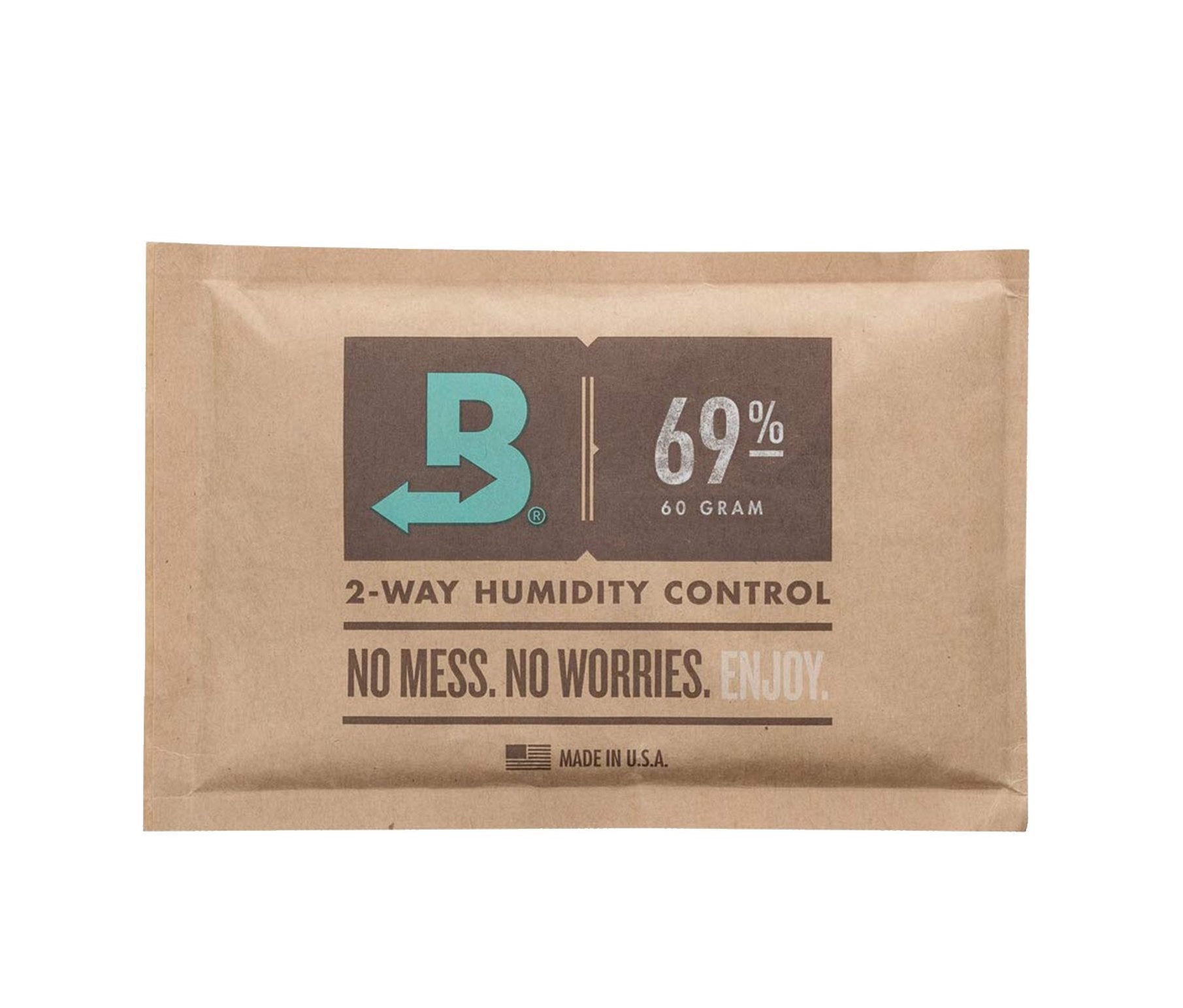
A crush-proof travel humidor keeps cigars both protected and humidified on the move. The Romeo y Julieta Wide Churchills Cigars Travel Humidor is a handsome, robust option for a few cigars, while the Cohiba 50 Aniversario Travel Humidor brings a touch of occasion to a weekend away. Drop a small Boveda 60g Packet inside and your cigars will arrive in the same condition they left.

What are the signs a cigar has dried out — and can you revive it?
A tired, over-dry cigar usually announces itself before you light it:
- Sound and feel: it rustles or crackles when gently rolled near the ear, and feels light and hard rather than springy.
- Wrapper: brittle, with flaking or fine cracks, sometimes lifting at the seams.
- The smoke: hot, fast-burning and harsh, with the sweetness and complexity stripped out — that flat, "papery" character.
Reviving a dried-out cigar
A cigar that has dried out gradually can often be brought back, though patience is essential. Rushing moisture back in too fast can split the wrapper or, worse, leave the cigar prone to other issues. The reliable method is slow rehydration: place the cigars in a humidor or sealed container alongside a two-way humidification pack and leave them for several weeks — ideally longer — turning them occasionally. Some character is usually lost for good, but a once-dry cigar can become very enjoyable again. For the opposite problem — cigars that have been kept too damp — and the cosmetic and construction issues that can follow, see common cigar problems: tunnelling, canoeing, mould and the beetle.
How do you keep cigars fresh? Humidor, Boveda and 68–72% RH
Keeping cigars in good order is genuinely simple once the basics are in place. The aim is a stable environment, not a fussy one.
1. Give them a home
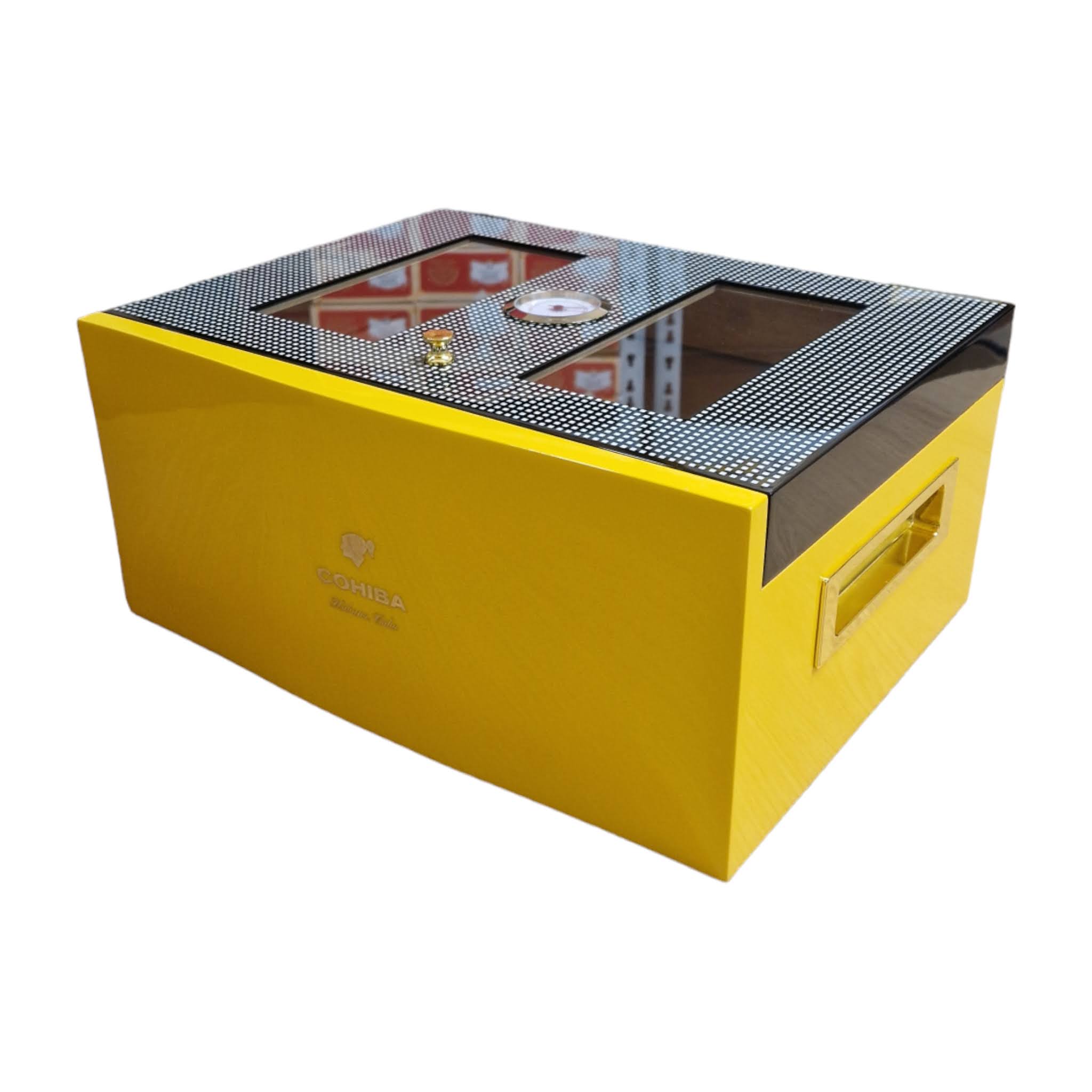
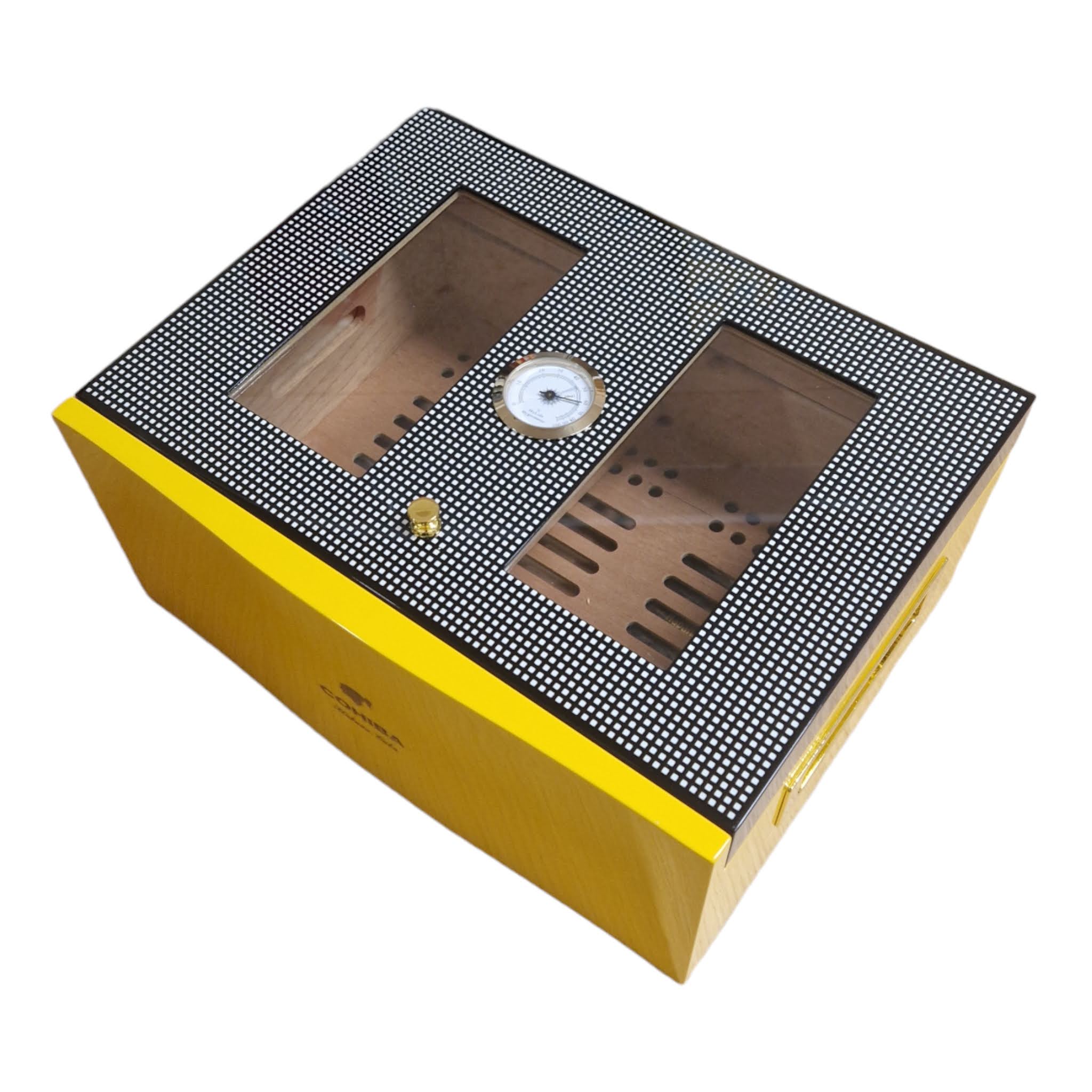
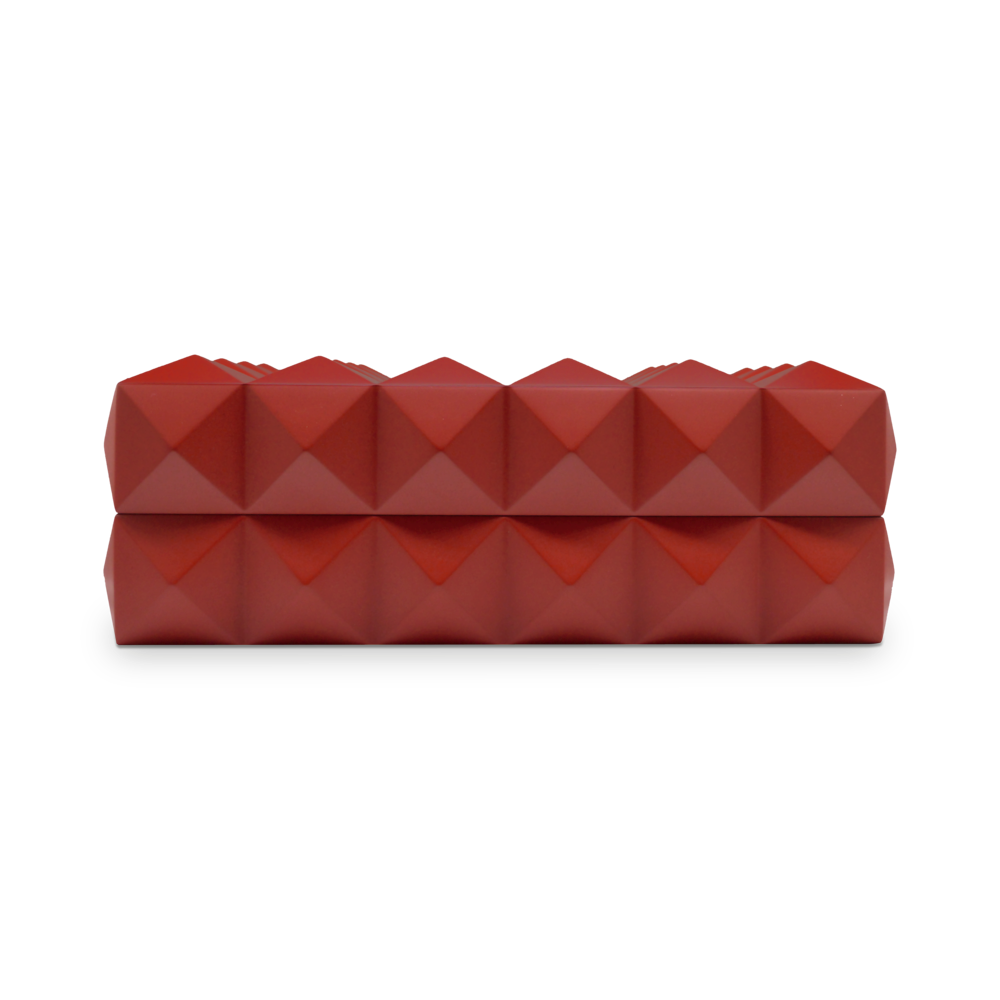
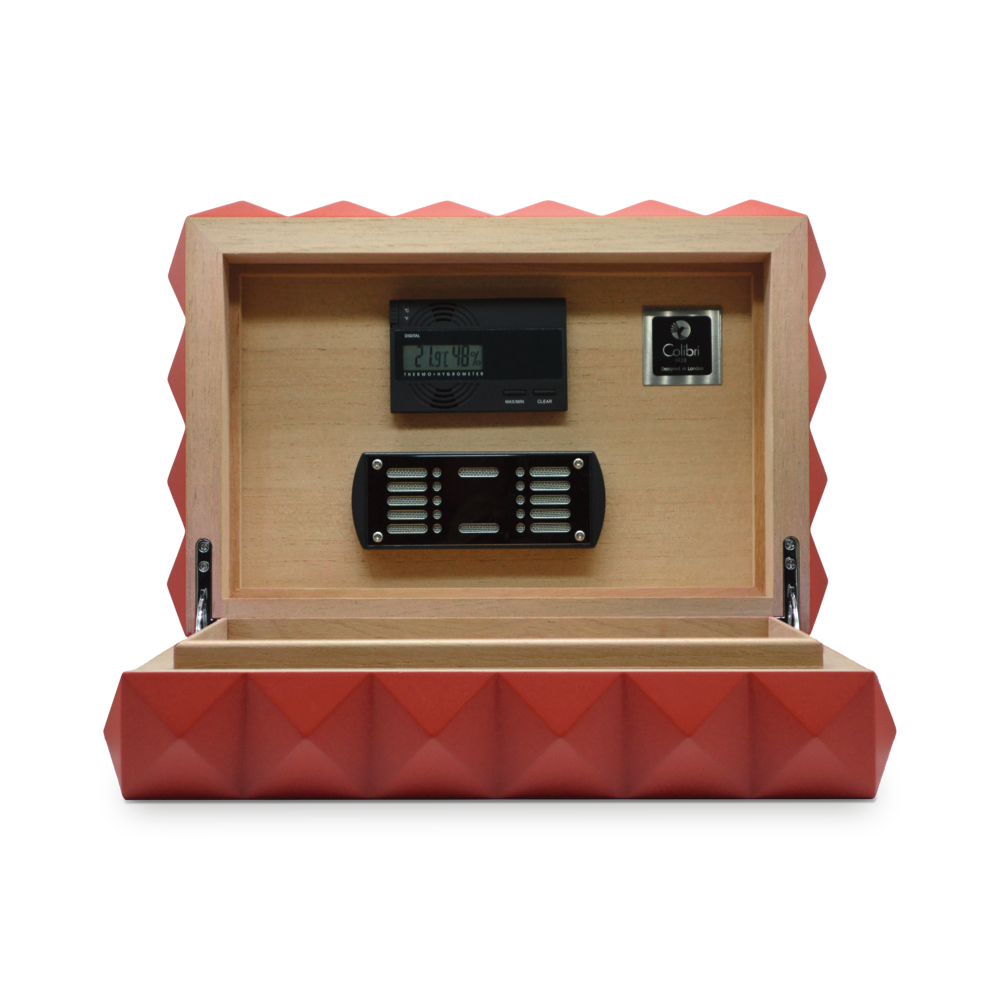
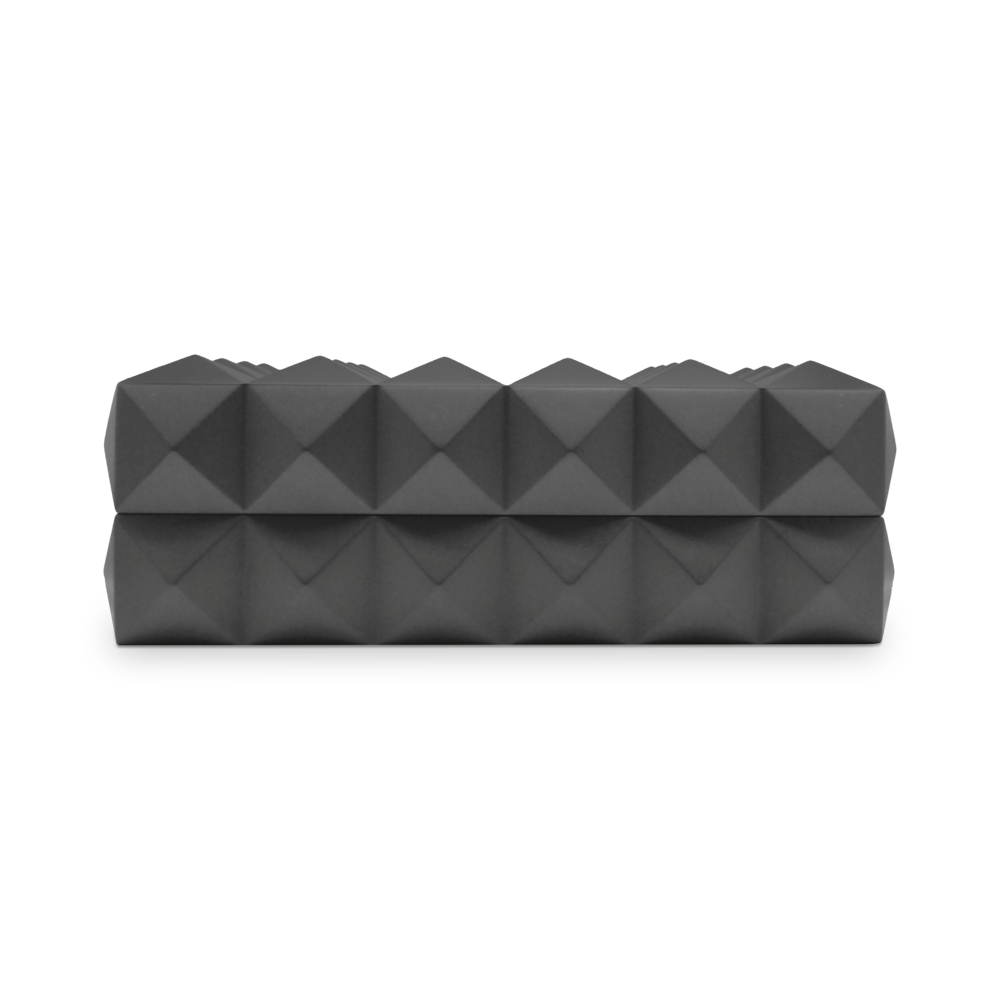
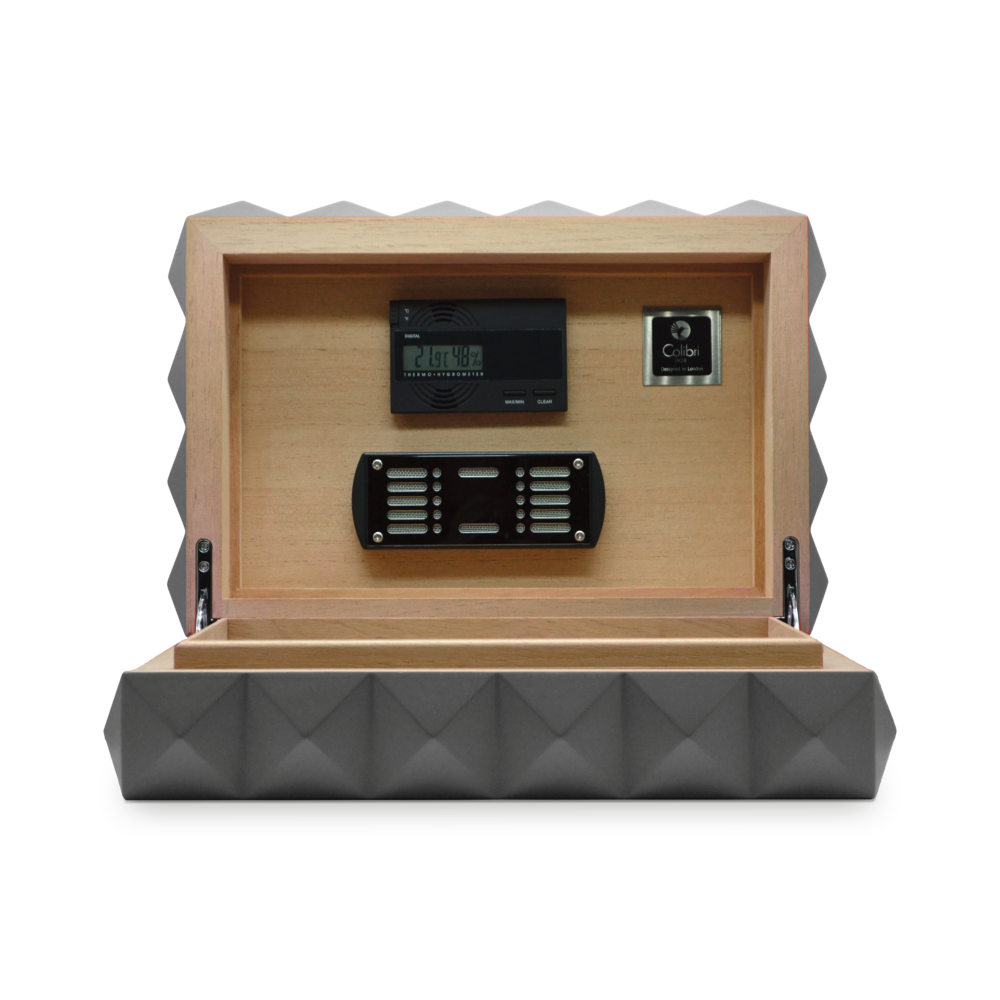
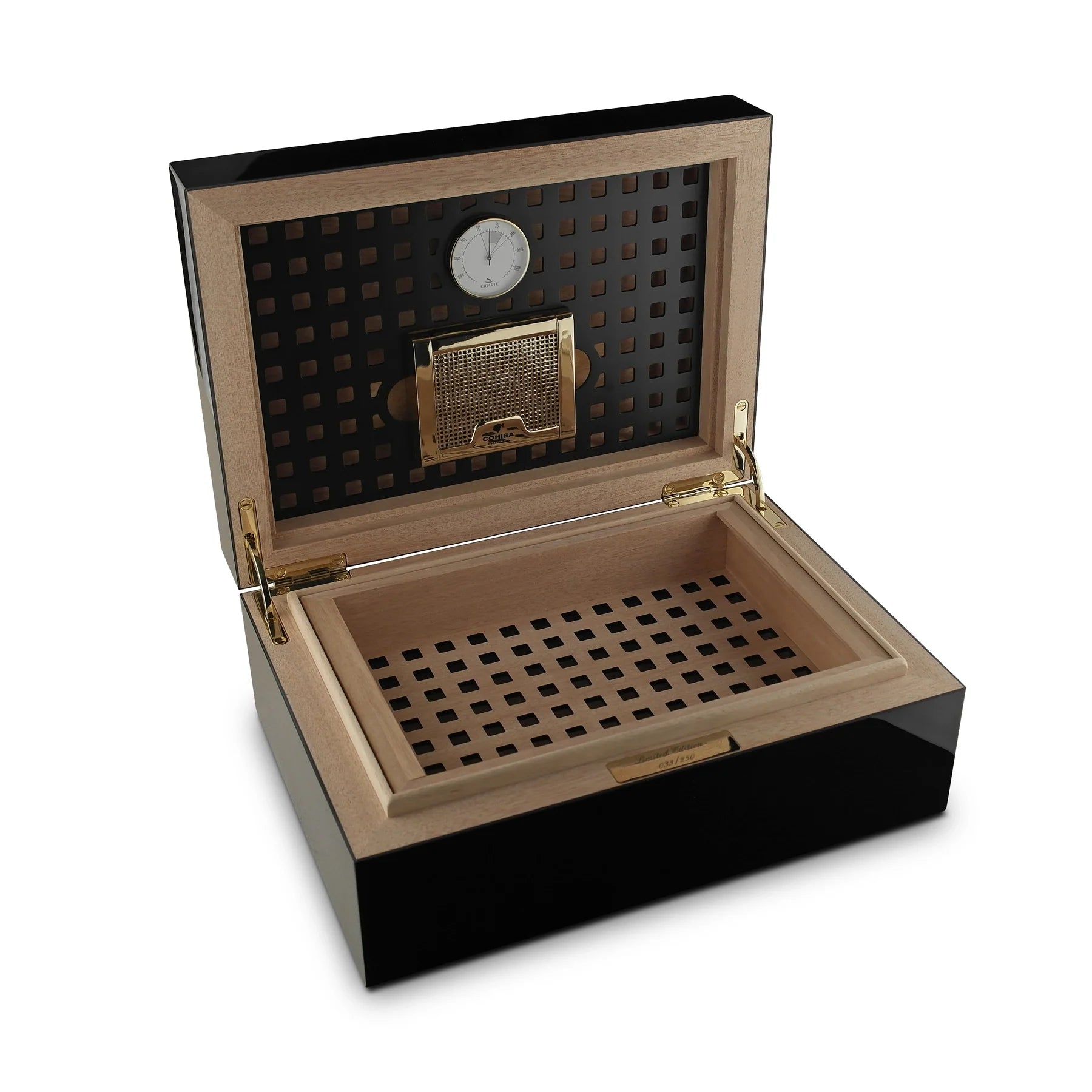
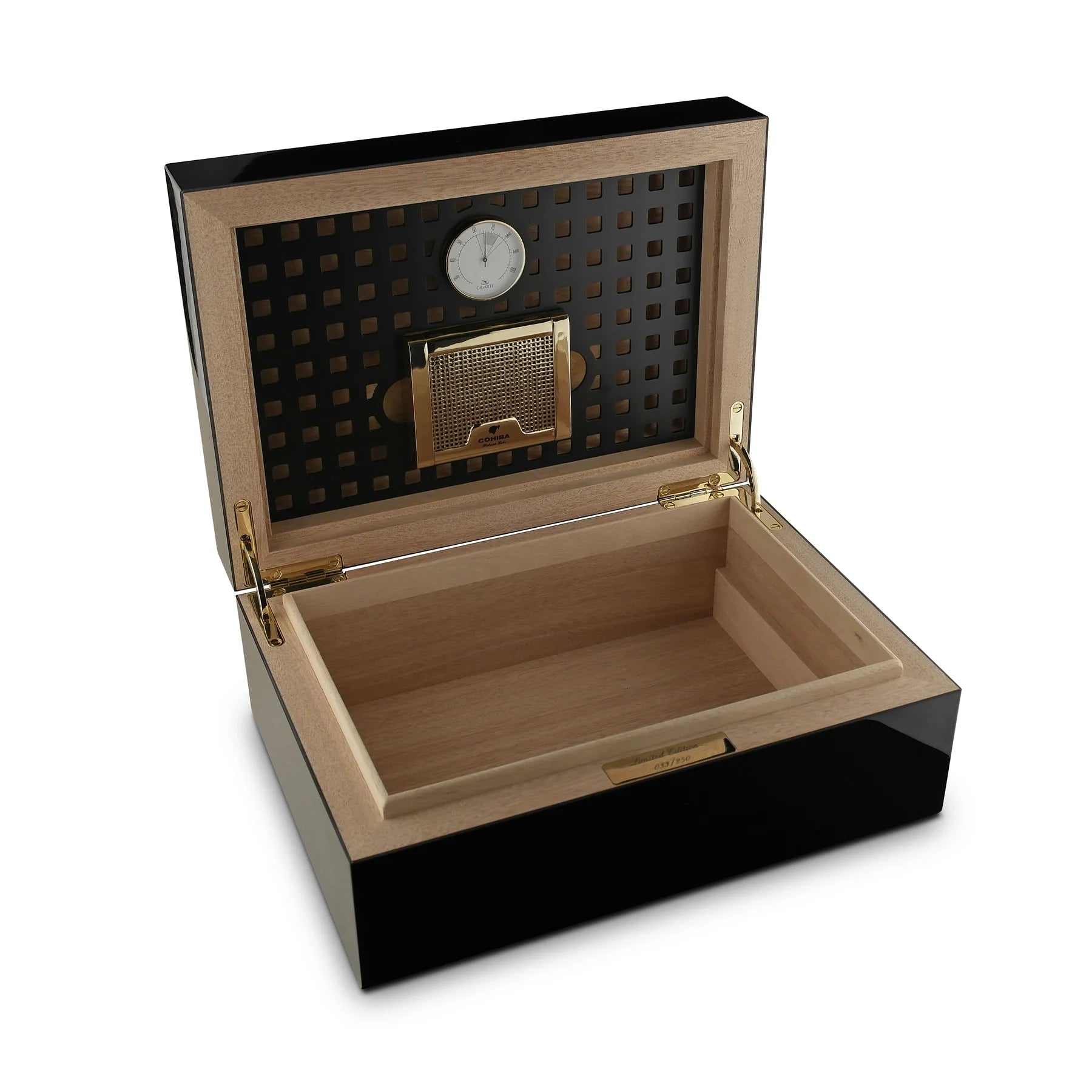
A humidor regulates humidity and shields cigars from light and air. For everyday keeping, a well-built desktop humidor such as the Cohiba Desktop Humidor — Habanos Global Brand Series or the sleekly modern Colibri Quasar Humidor will serve a growing collection beautifully. Collectors and gift-givers often look to statement pieces like the Cohiba Gold Humidor or a limited-edition release such as the Cohiba Behike Limited Edition 2023 Humidor. Browse the full range in our humidors collection.
2. Control the humidity
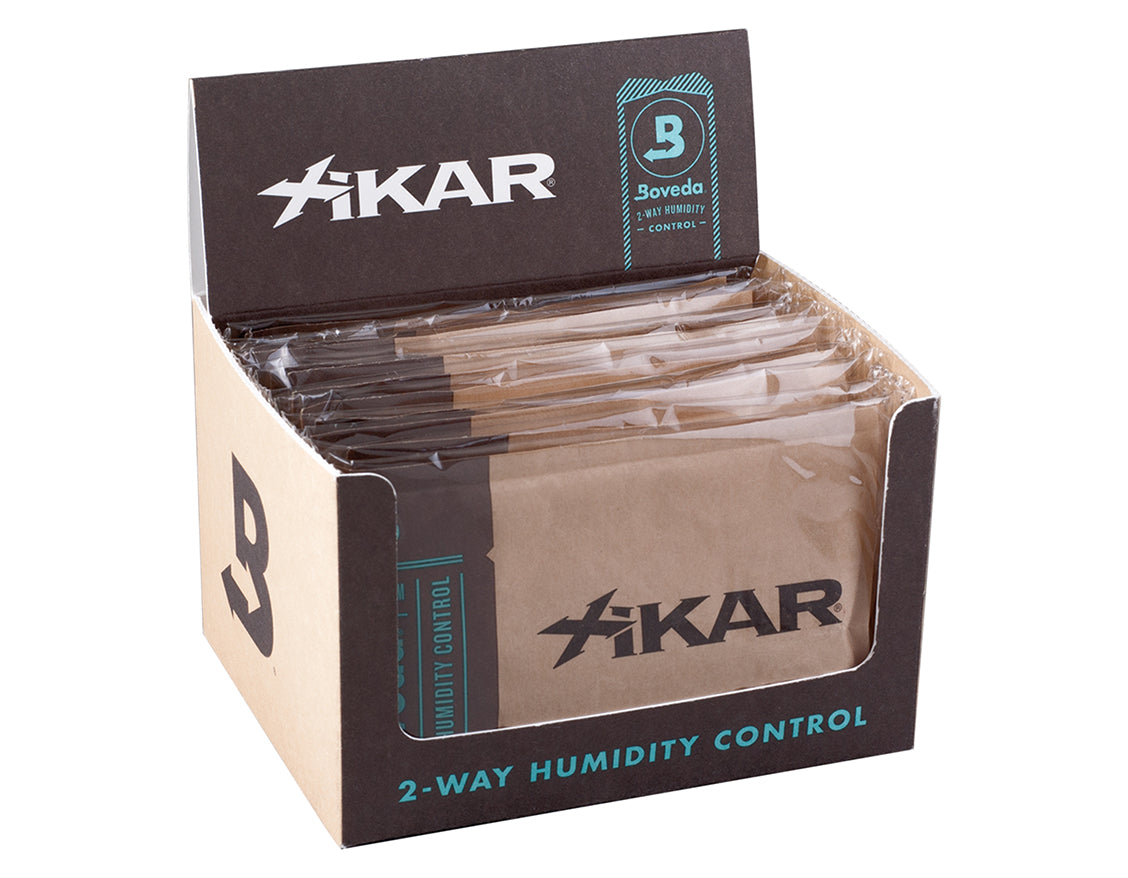
Two-way humidification packs are the easiest route to a steady 68–72% RH. They both add and absorb moisture to hold a set point, removing the guesswork of older sponge-and-solution systems. A Boveda Pack tucked into a box does the job for smaller quantities, while a Boveda 320g Packet 69% on a Boveda 320g Mounting Plate is ideal for a larger cabinet. If you are setting up from scratch, the Boveda Humidor Starter Kit bundles the essentials, and you can keep spares neatly to hand in Boveda 60g Wooden Packet Holders. Our full Boveda selection sits alongside the rest of our accessories.
3. Keep it stable
Site the humidor away from radiators, sunny windowsills and draughts. Check the reading from time to time with a reliable hygrometer, top up or swap humidity packs before they harden, and avoid opening the lid more than you need to. Stability — not constant fiddling — is what keeps cigars at their best.
Frequently asked questions
Do cigars go stale?
Yes, in a sense — but not from age alone. A cigar goes "stale" when it loses moisture and its aromatic oils dry out, leaving a flat, harsh smoke. This is caused by poor storage, not the passing of time. Kept at 68–72% relative humidity, a cigar stays fresh for years and frequently improves rather than fading.
Can you smoke an old cigar?
Absolutely. There is no safety-based expiry on a cigar, and well-stored older cigars are often the most rewarding to smoke, having mellowed and gained complexity with age. The only real question is condition: if it has been kept humidified it should be a treat. If it has dried out, slow rehydration over several weeks can bring much of it back.
How long do cigars last without a humidor?
In an ordinary room, an unprotected cigar stays at its best for only a few days and noticeably declines within one to two weeks as it dries. Cellophane buys a little extra time but does not preserve humidity. For anything beyond short-term keeping, store cigars in a humidor or a sealed container with a two-way humidity pack.
What humidity should cigars be stored at?
The widely accepted sweet spot is 68–72% relative humidity, with around 70% a dependable target, at a temperature near 18–20°C. This keeps the wrapper supple, the draw even and the flavours intact. Slightly drier (around 65%) suits those who prefer a crisper burn; much higher risks an over-tight draw and other moisture-related problems.
Do cigars get better with age?
Many do. Given stable storage, full-bodied cigars in particular tend to soften and integrate over the years, trading youthful sharpness for harmony and depth. Not every cigar transforms dramatically, and lighter blends change less, but proper ageing rarely harms a good cigar and often elevates it — which is precisely why collectors cellar them.



Share:
How Many Cigars Are in a Box? Standard Counts Explained (10, 20, 25)
Best Cigars for an Anniversary Gift