

For most smokers the honest answer is this: choose Cohiba if you want Havana's most polished, prestige-driven experience and you savour grassy, honeyed elegance; choose Montecristo if you love a richer, cocoa-and-coffee classic with one of the broadest, most approachable ranges in Cuban cigars. Neither is objectively "better" — they pursue different ideals, and the right one depends on your palate, the moment and your budget.
- Cohiba is the flagship marque of Cuba — refined, aromatic and built around triple-fermented seco, ligero and the rare medio tiempo leaf. Think prestige and finesse.
- Montecristo is the world's best-selling Habano — a benchmark of chocolate, espresso and cedar that defines what a "classic Cuban" tastes like.
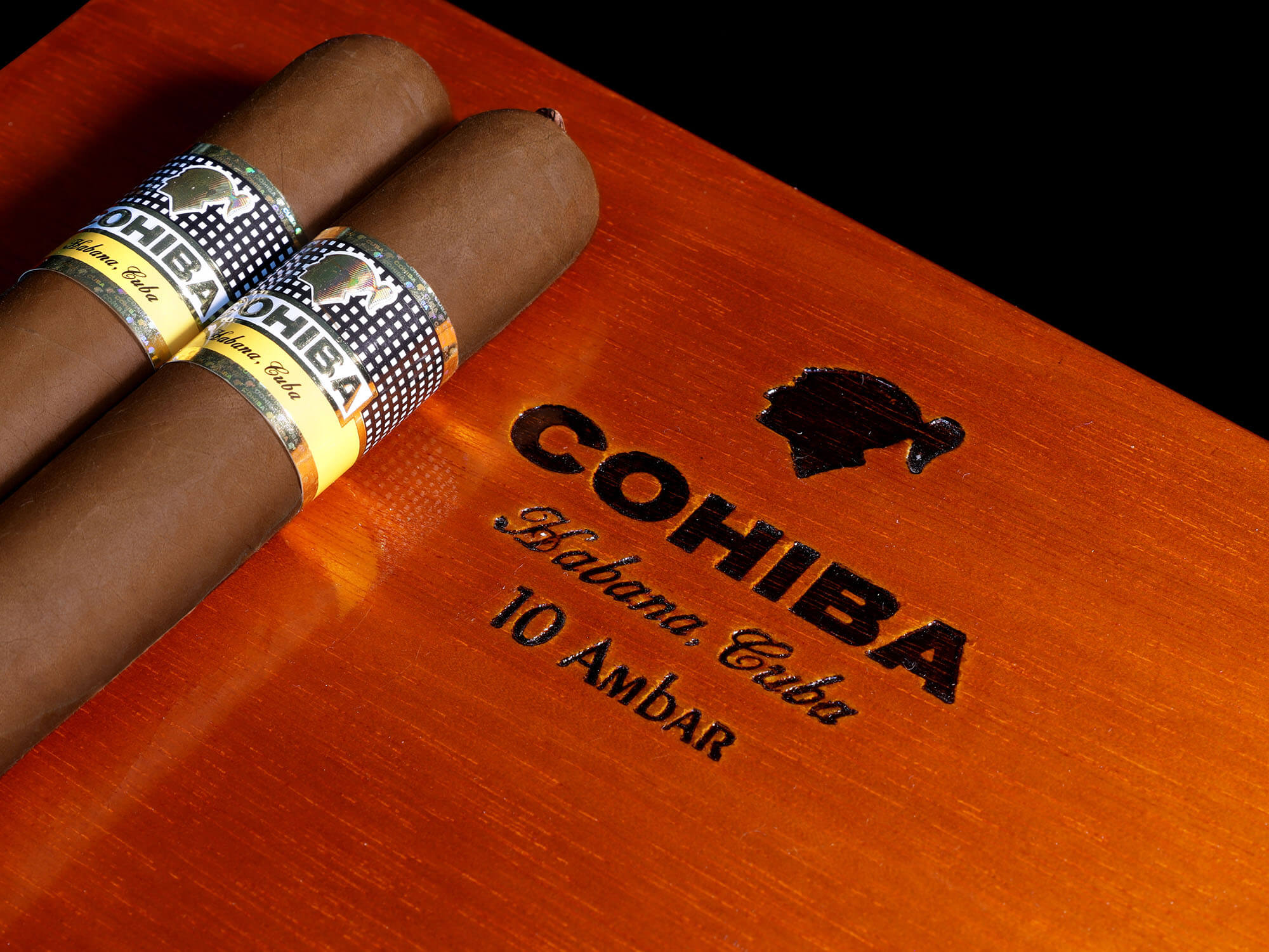
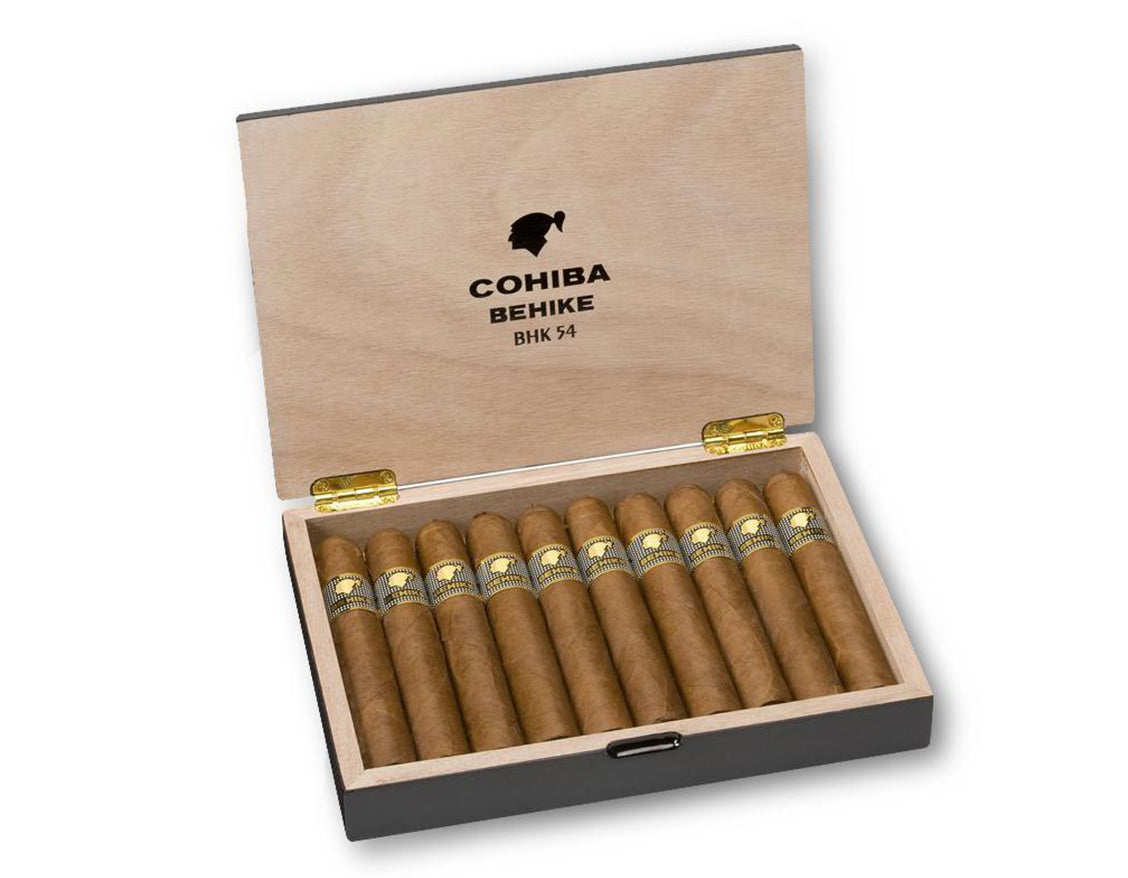
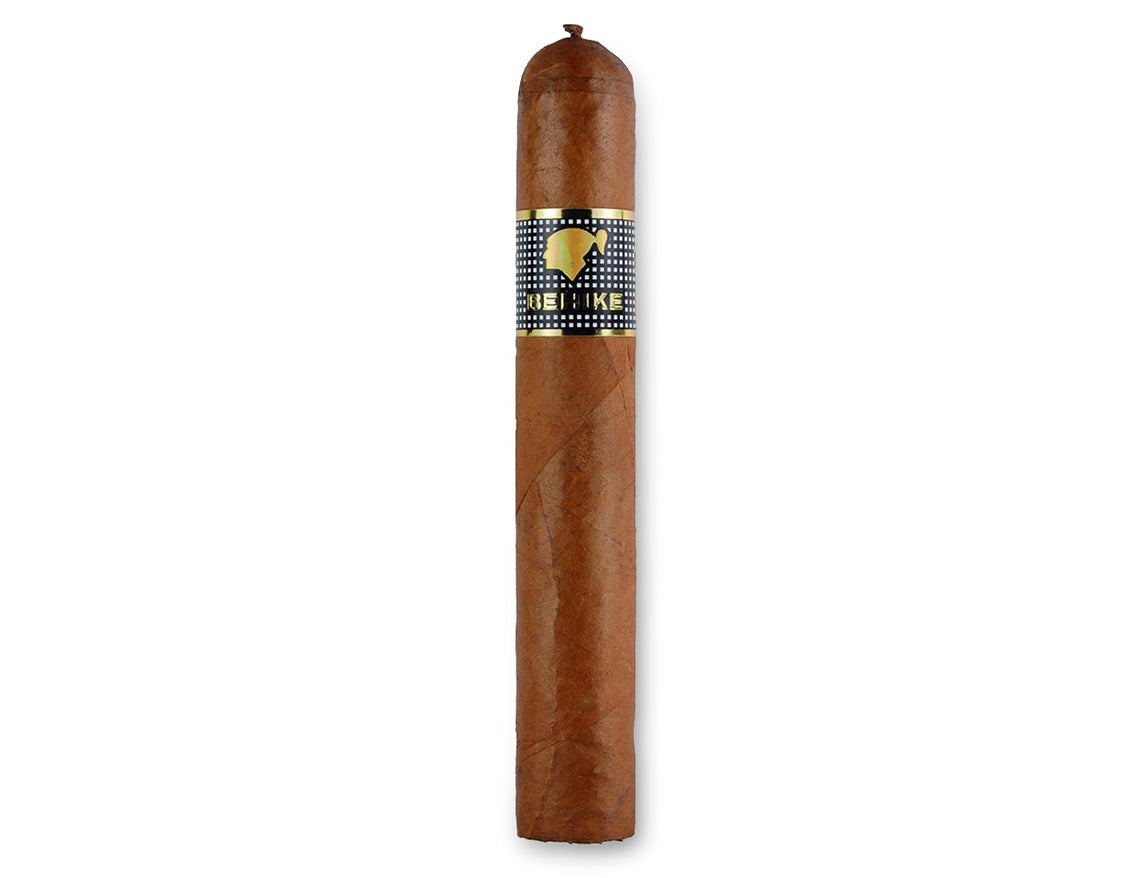
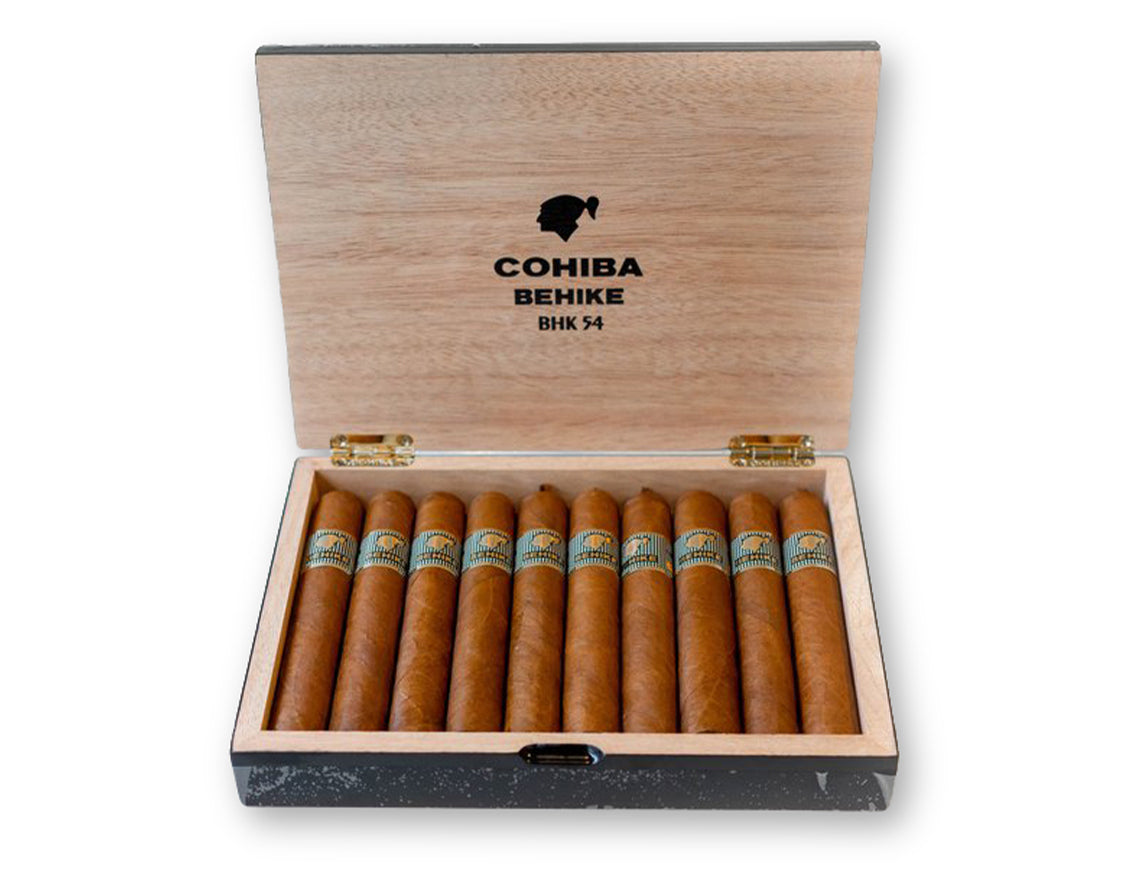
- For finesse and occasion: Cohiba, from the everyday Cohiba Ambar to the legendary Behike 54.
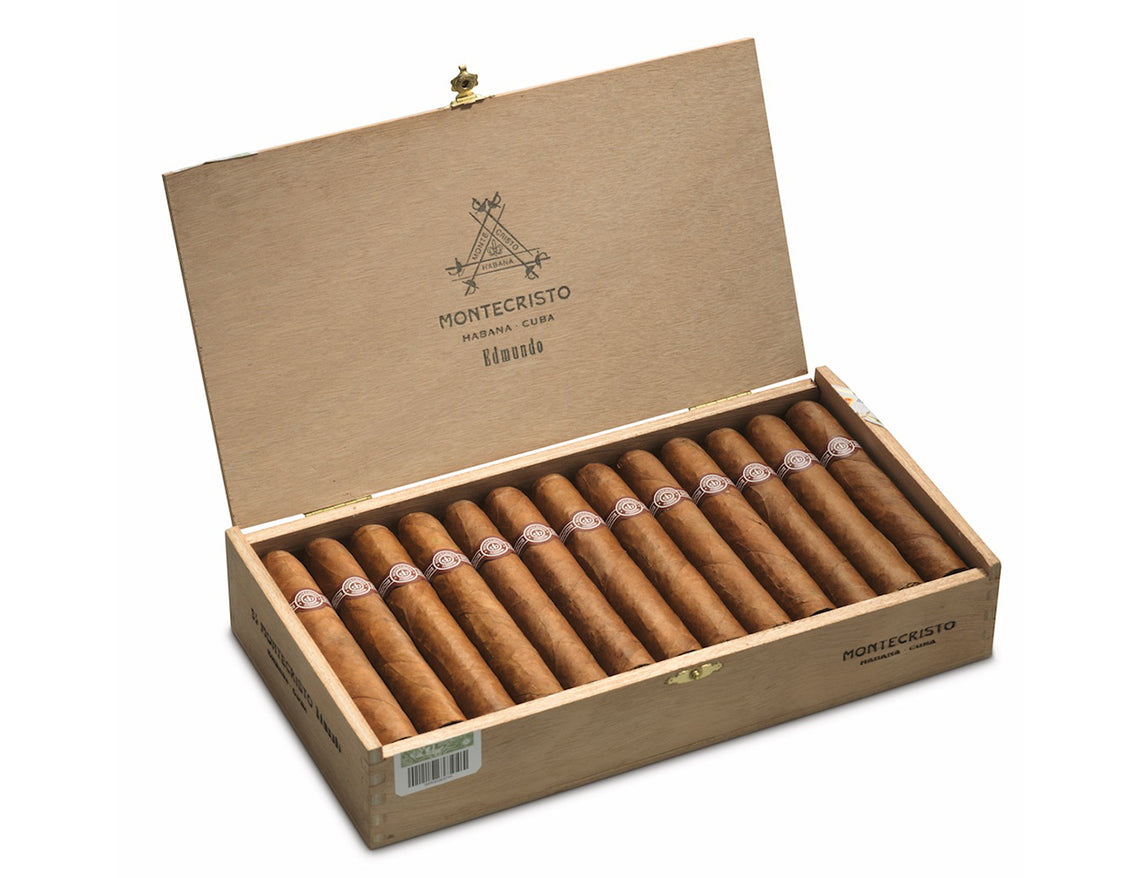
- For everyday reliability and value: Montecristo, anchored by the Edmundo and the iconic No. 2 and No. 4.
- Store both at 68–72% RH and around 16–18°C; both reward patient ageing.
What is the real difference in philosophy between Cohiba and Montecristo?
Cohiba and Montecristo represent two distinct visions of the Cuban cigar. Cohiba, created in 1966 and released to the public only in 1982, was conceived as Cuba's showcase marque — its tobaccos undergo an extra, third fermentation, and its blends draw on the finest vegas of the San Juan y Martínez and San Luis districts of the Vuelta Abajo. The result is a house style prized for aroma, sweetness and finesse rather than sheer weight.
Montecristo, founded in 1935, is the marque that built the modern Habanos market. It is the most recognised name in Cuban cigars and the global volume leader, beloved for a dependable, full-flavoured profile of cocoa, roasted coffee and cedar. Where Cohiba chases refinement, Montecristo chases the timeless, satisfying classic — and does so across an unusually deep range. Our buyers at Chaveta often describe the choice as polish versus pedigree.
How do their history and pedigree compare?
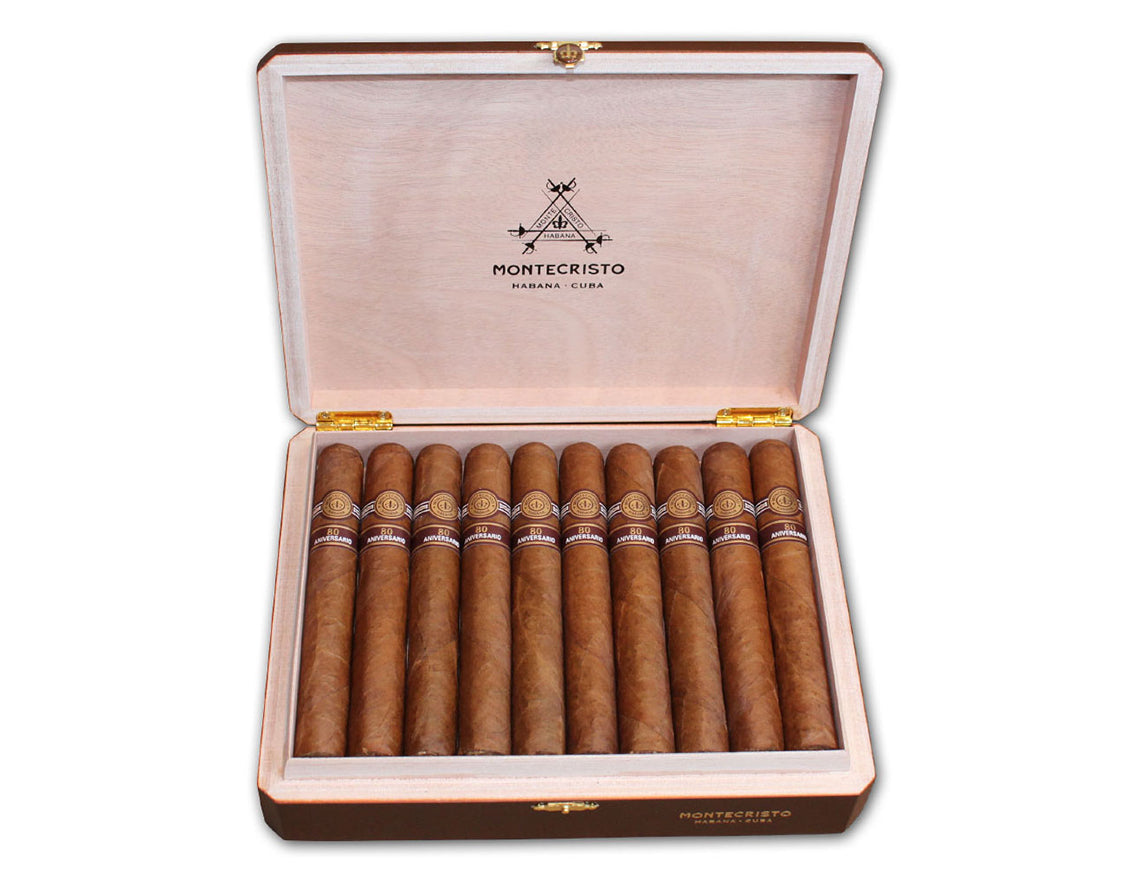
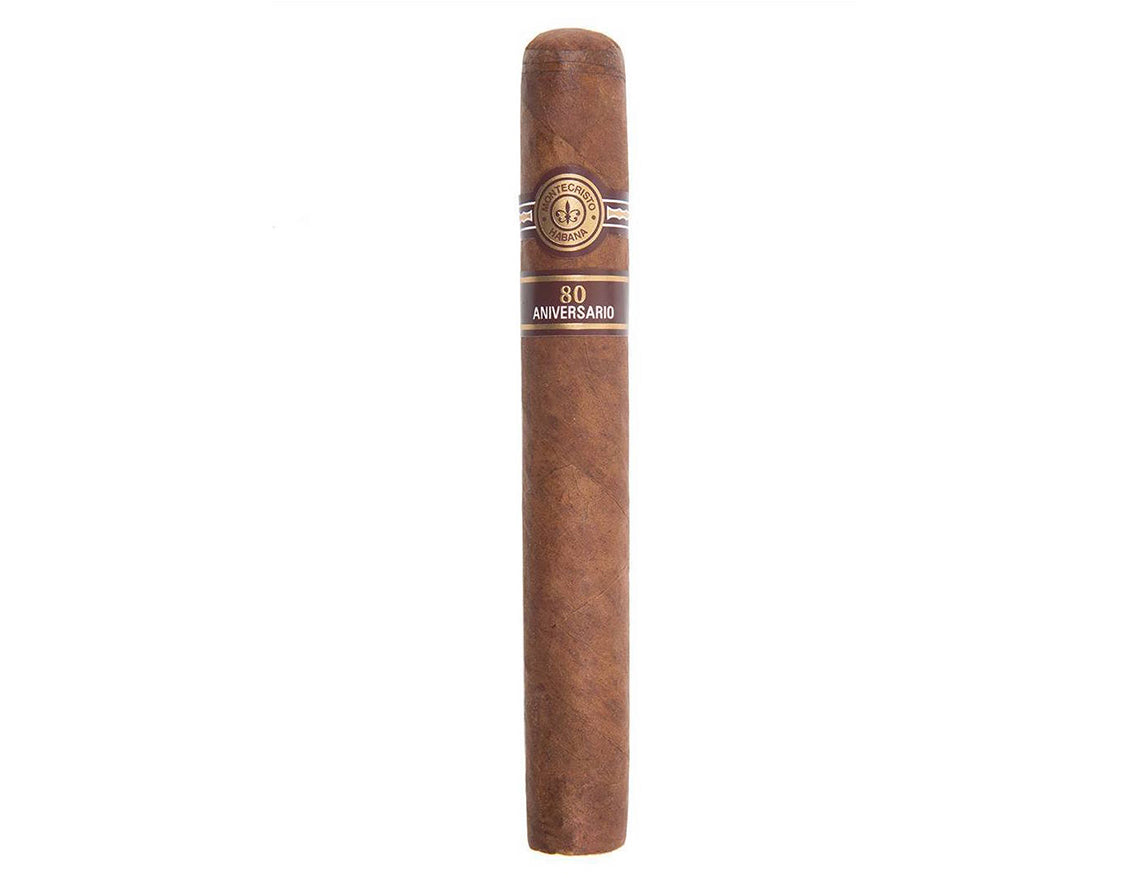
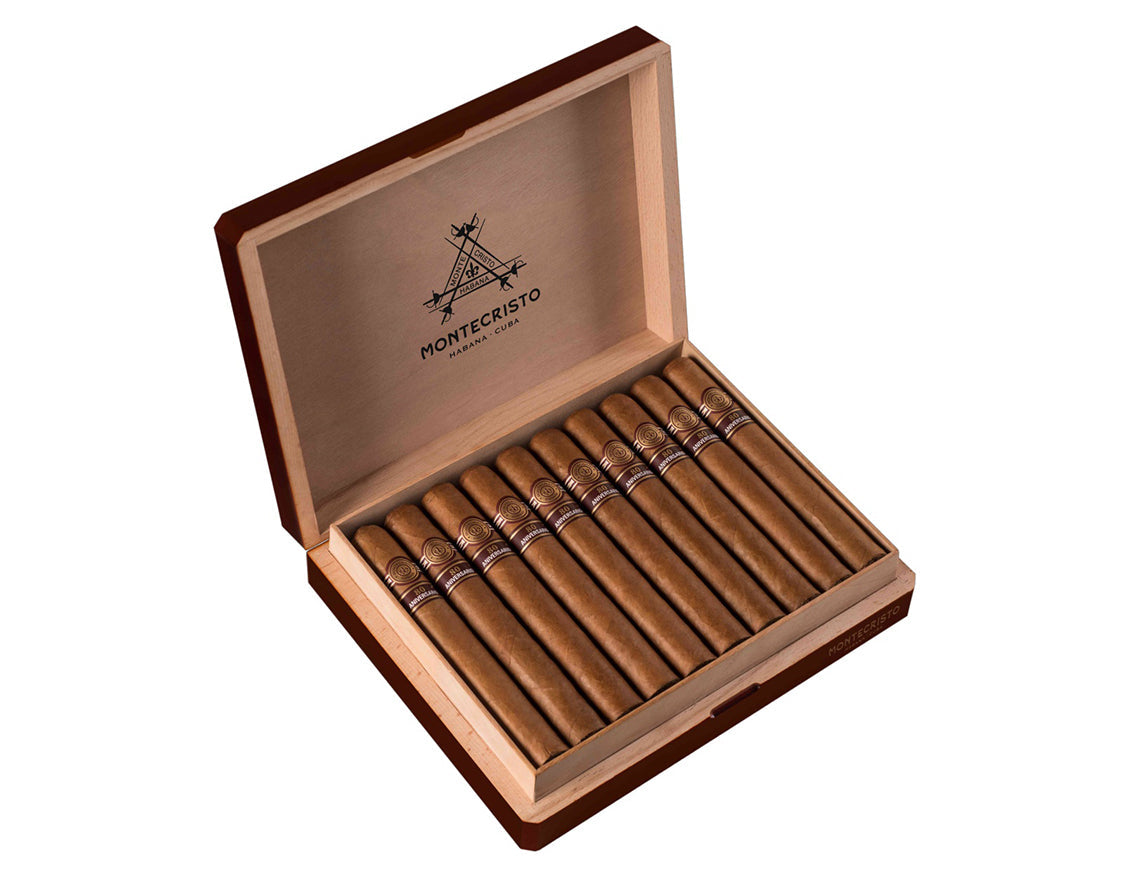
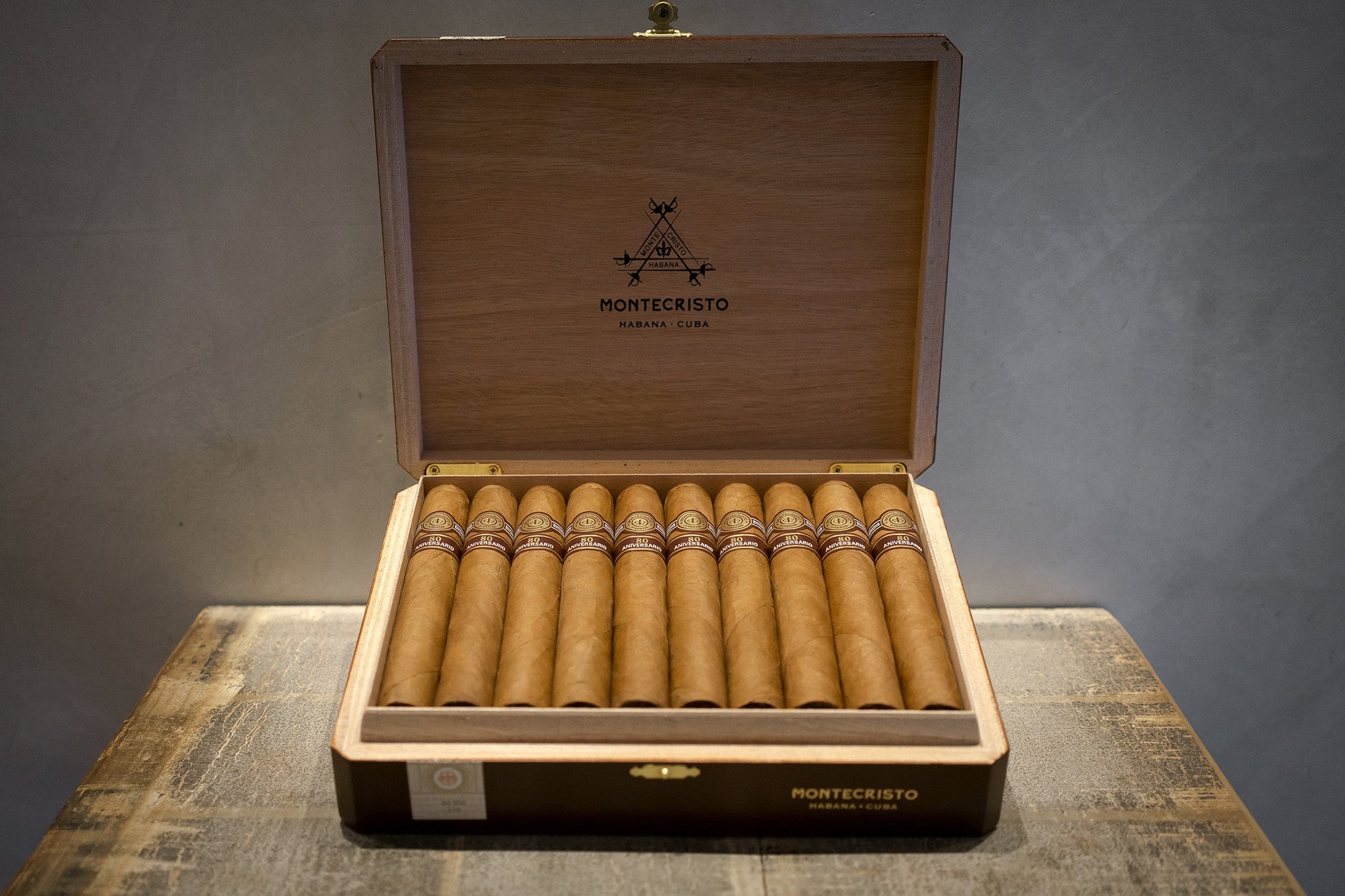
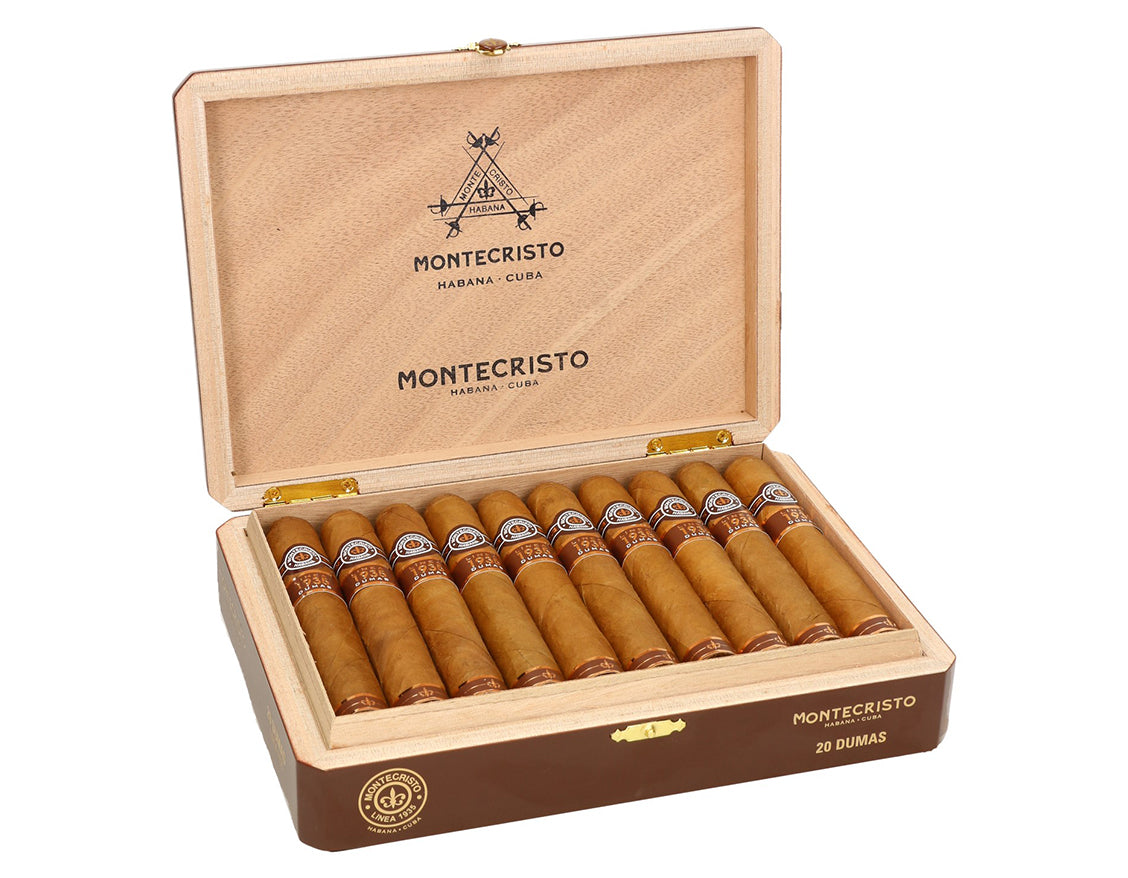
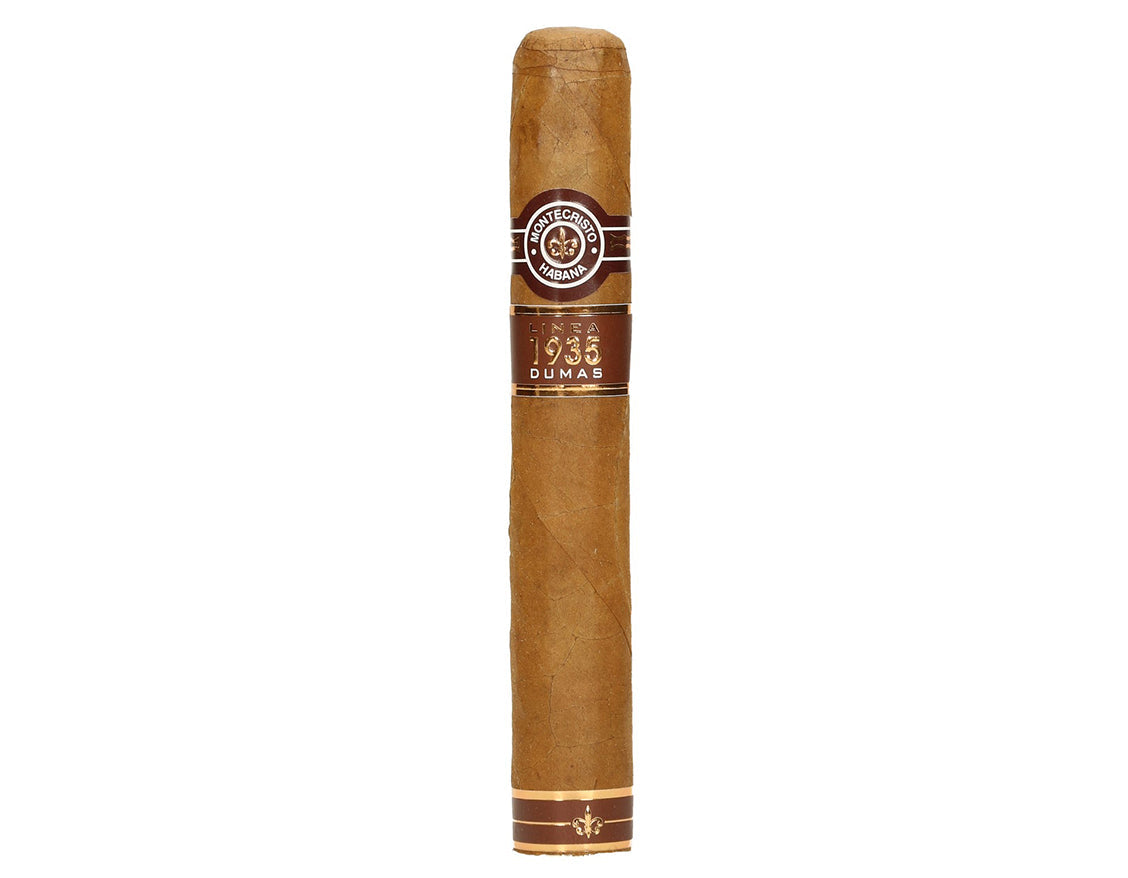
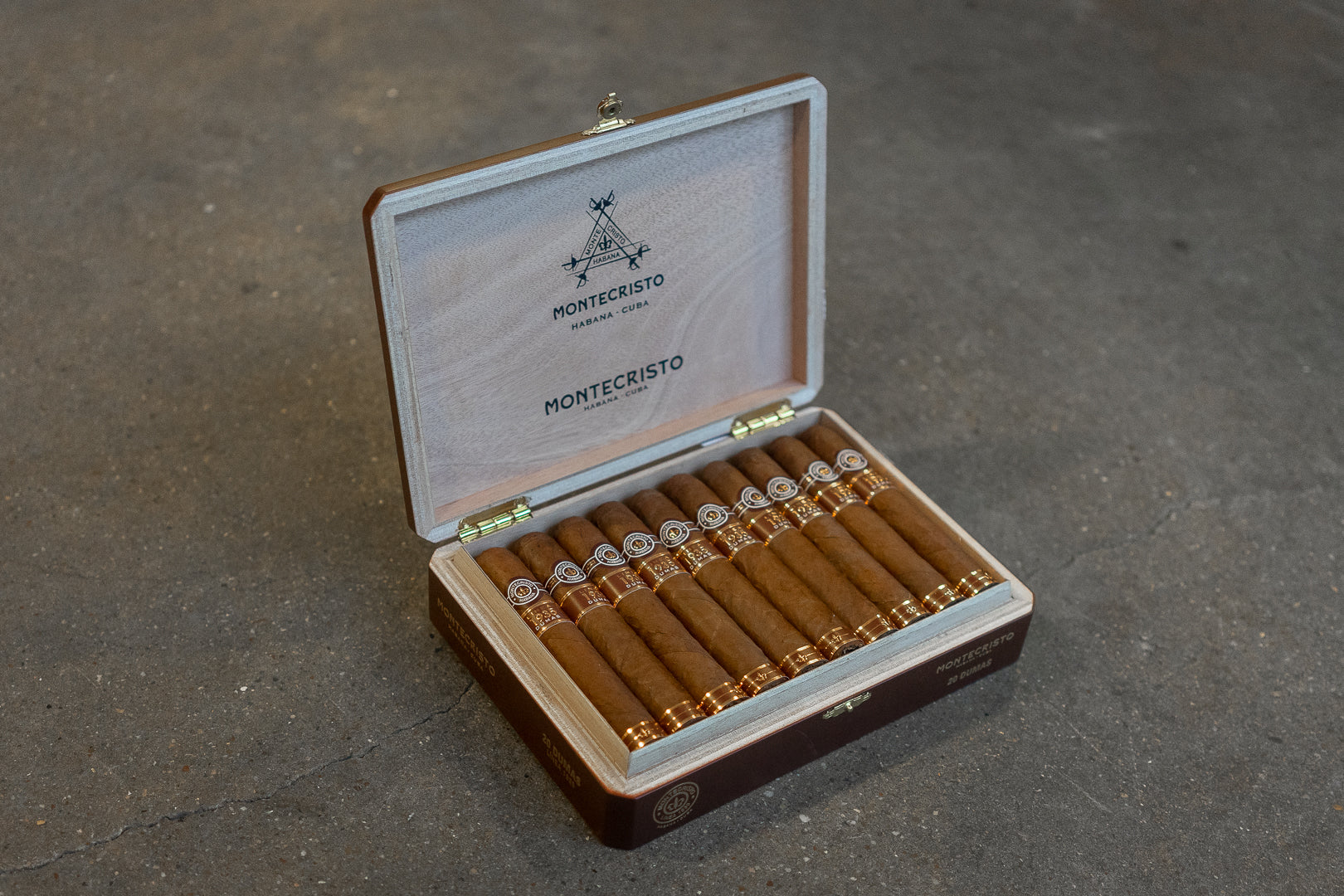
The two houses could hardly have more different origins. Montecristo was born in pre-revolutionary Havana, named after the Dumas novel The Count of Monte Cristo — reportedly a favourite of the cigar rollers (torcedores) who heard it read aloud in the galleys. Its instantly recognisable fleur-de-lis-and-swords emblem has adorned boxes for nearly a century. The marque's heritage is celebrated in commemorative releases such as the Montecristo 80 Aniversario and the elegant Línea 1935 Dumas, a line that nods directly to the founding year.
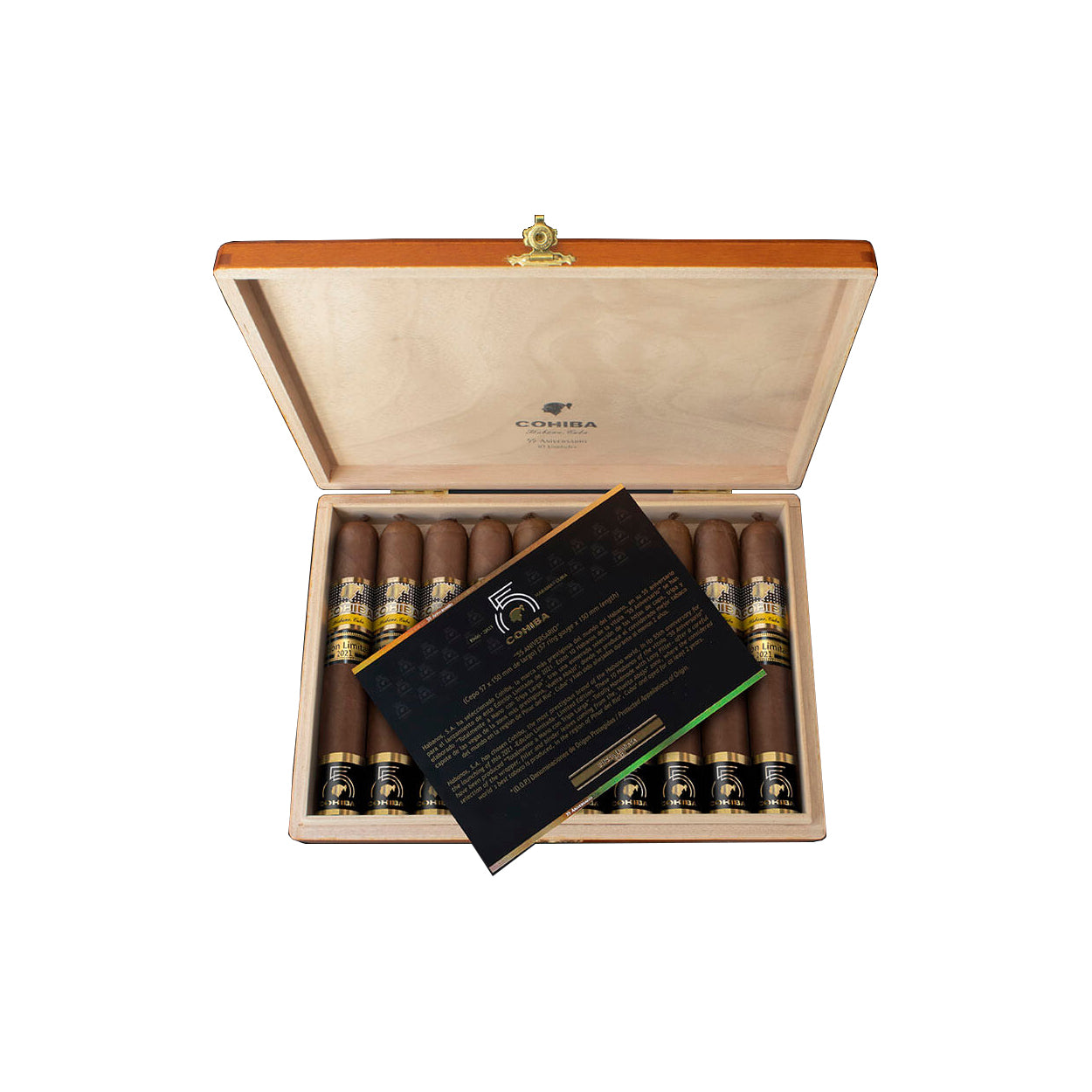
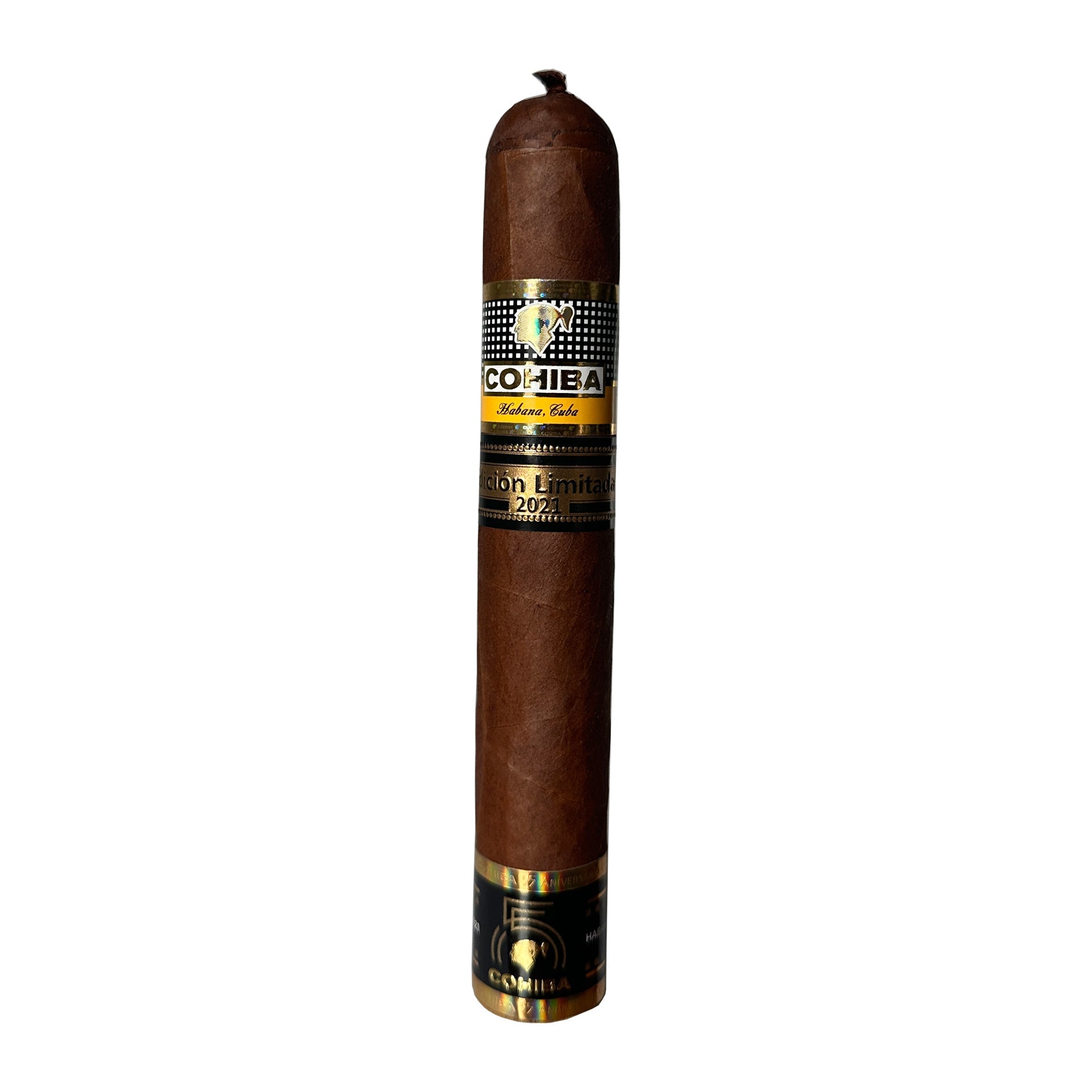
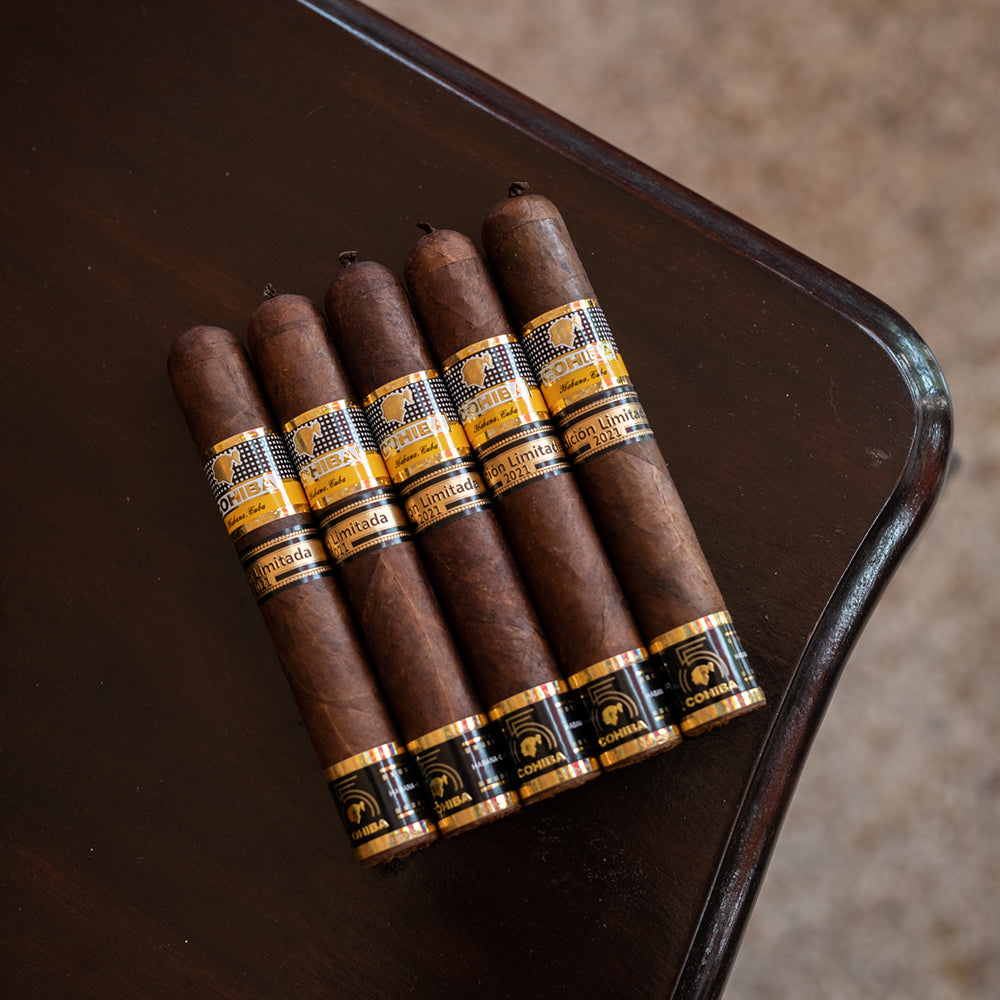
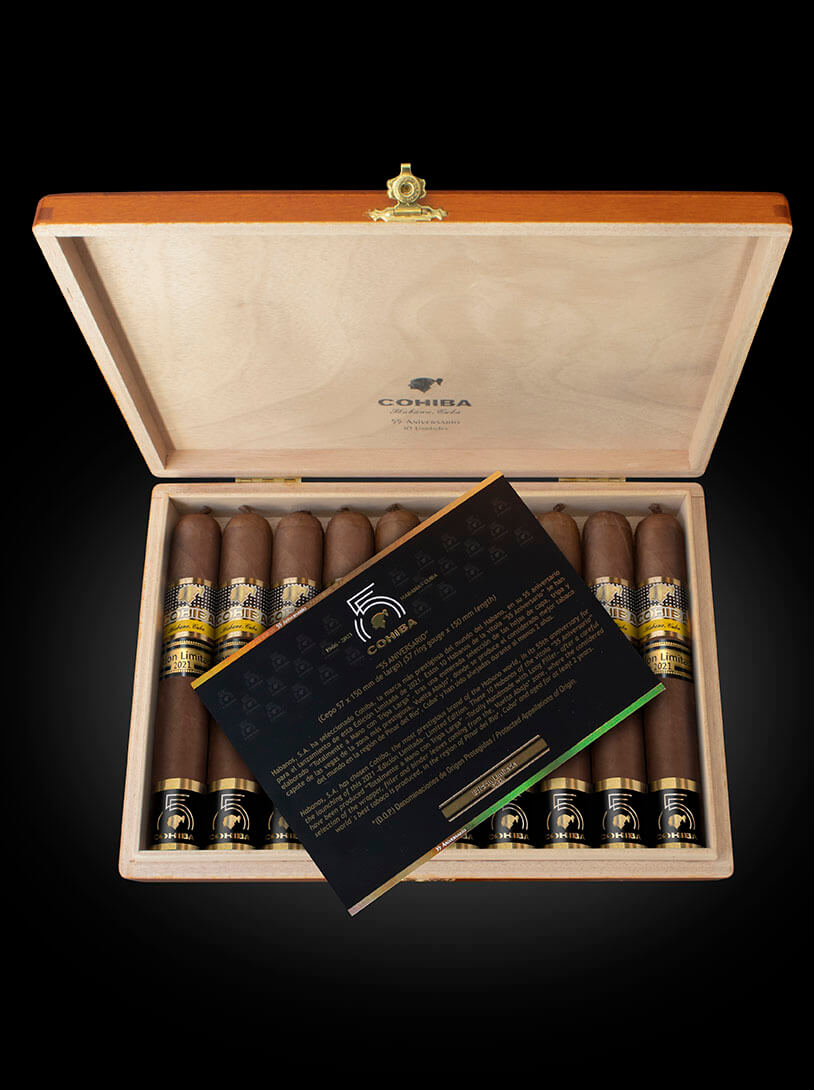
Cohiba's story is more modern and more exclusive. It began as a private blend rolled for Cuba's head of state and diplomatic gifts before reaching connoisseurs. Anniversary and Edición Limitada pieces such as the Cohiba 55 Aniversario Edición Limitada 2021 and the celebrated Cohiba 1966 Edición Limitada 2011 trace that arc of prestige. For a fuller tour of each house, see our guides to the best Cohiba cigars and the best Montecristo cigars.

How do the flavour profiles compare?
This is where the two marques separate most clearly on the palate.
Cohiba: grassy, honeyed, aromatic
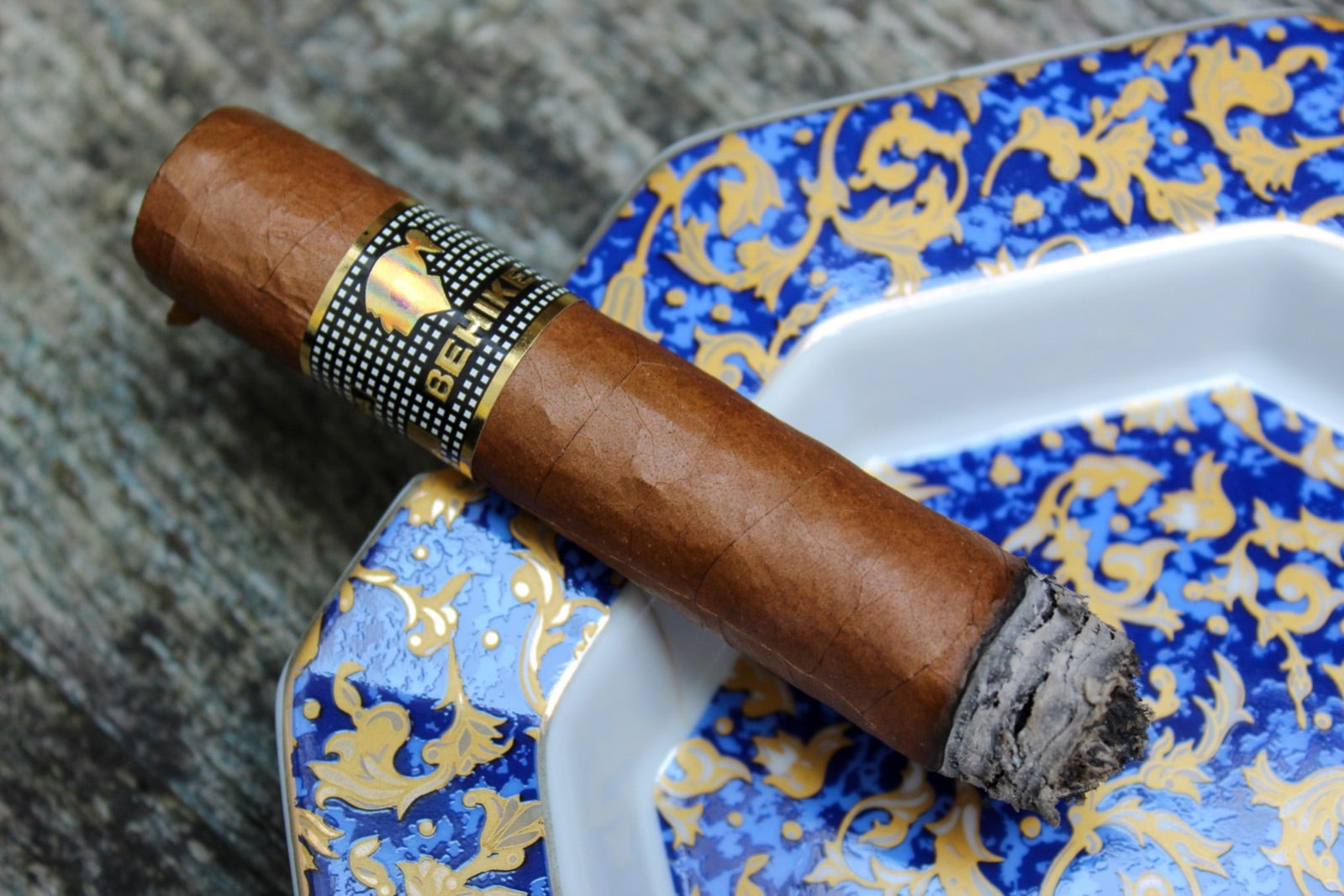
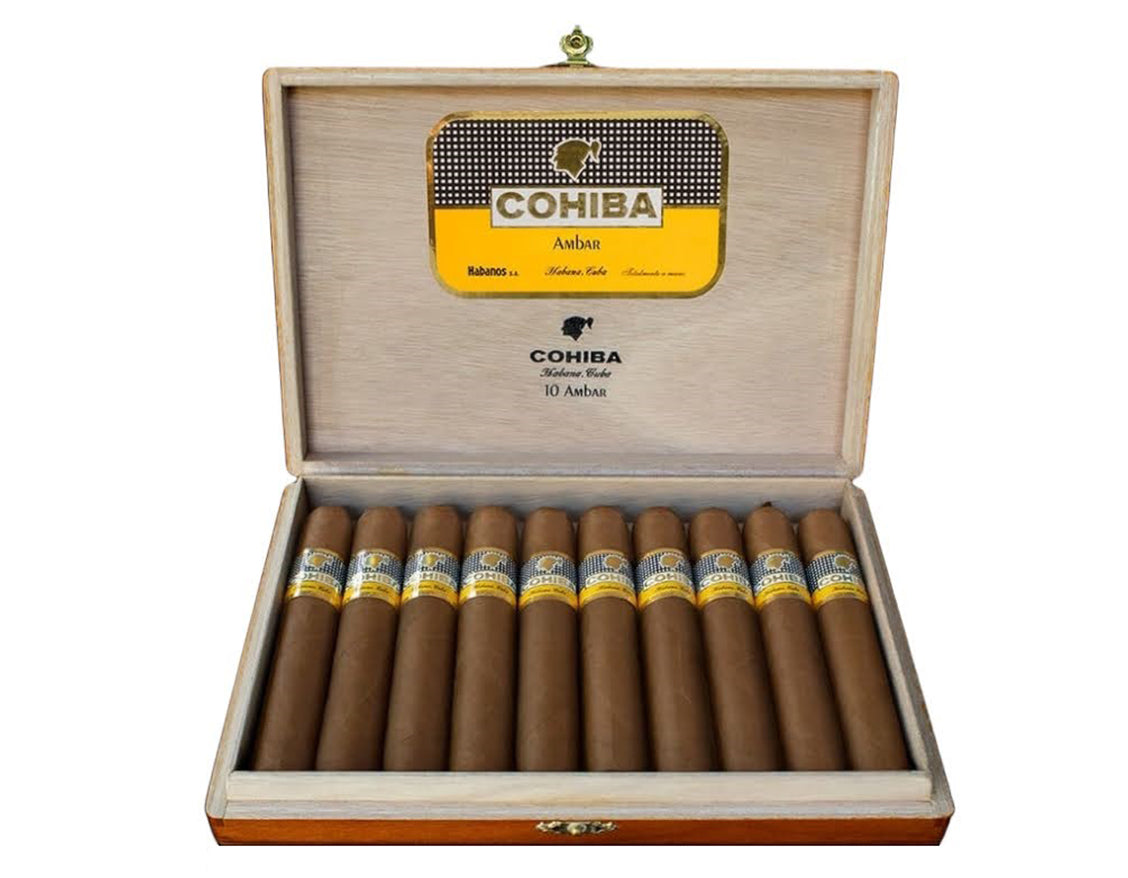
Cohiba's signature is a distinctive grassy-herbaceous note — often called "the Cohiba twang" — wrapped around honey, toasted cedar, vanilla and a clean mineral finish. The line spans medium-bodied charmers like the Cohiba Ambar up to the powerful, oily Behike 56, whose inclusion of the rare medio tiempo leaf adds a concentrated, almost peppery depth. Across the range, expect elegance and length rather than brute strength.
Montecristo: cocoa, coffee, cedar
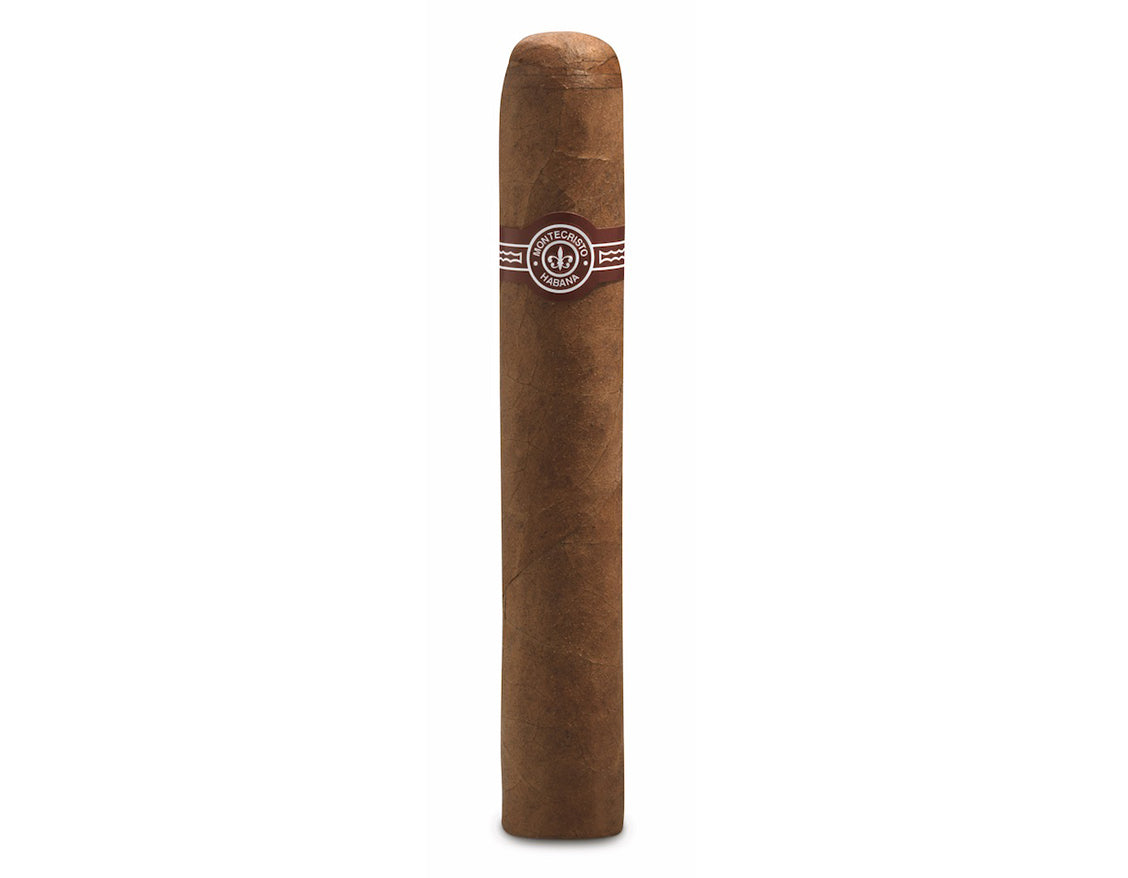
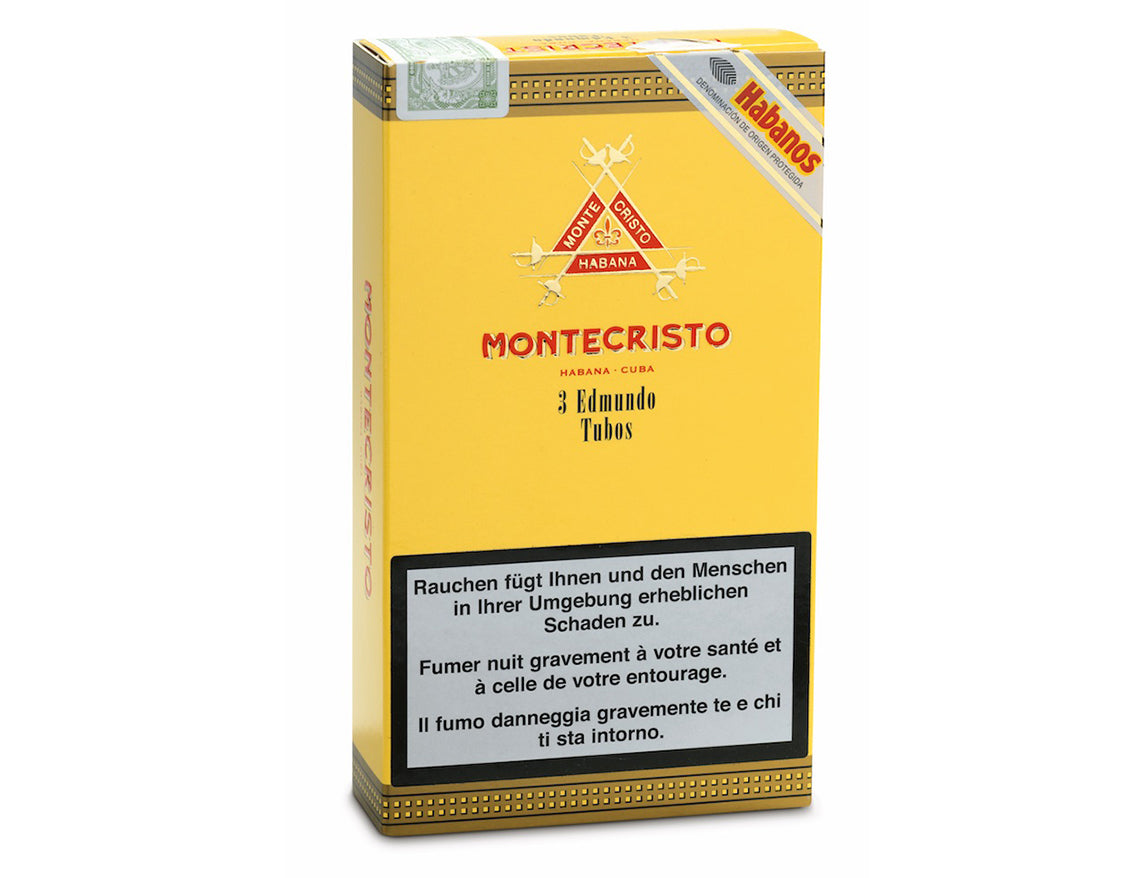
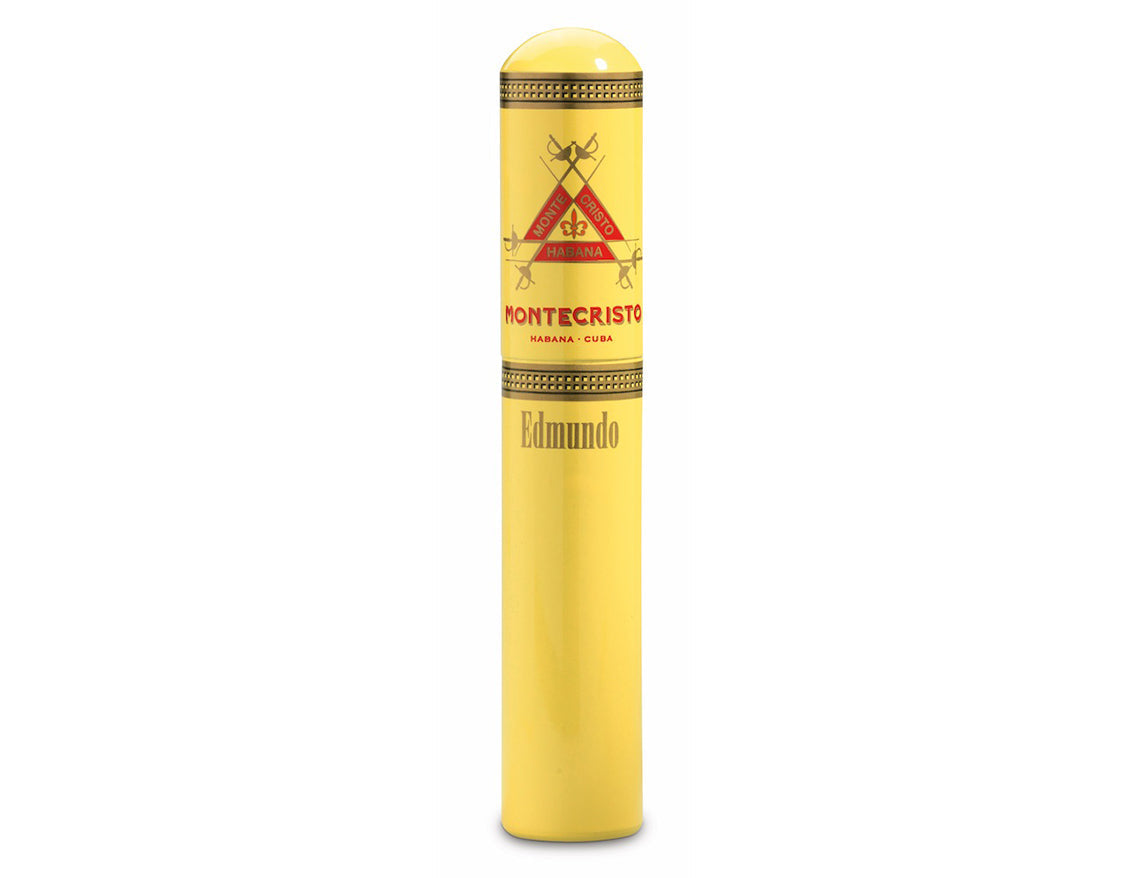
Montecristo is the textbook "Cuban" flavour: dark cocoa, roasted espresso, baking spice, cedar and a touch of earthy leather, building to a satisfying medium-to-full body. The Edmundo and its larger sibling the Double Edmundo showcase this beautifully, while aged expressions such as the Edmundo Reserva Cosecha 2018 add mellow, honeyed sweetness from extended maturation. If you are new to Havana, this profile is the most intuitive starting point — see our guide to the best Cuban cigars for beginners.
What do you get at each tier?
Both marques span an accessible everyday tier through to rarefied limited editions, so the comparison is less about one being grander and more about where each excels.
- Everyday luxury: the Cohiba Ambar and Montecristo's Edmundo are the natural entry points — true to house style without committing to a flagship.
- Connoisseur staples: Montecristo's classic No. 2 and No. 4, alongside the Double Edmundo, offer the deepest everyday range in Cuban cigars; Cohiba's Siglo and Línea 1492 deliver finesse for special evenings.
- Pinnacle and limited editions: the Cohiba Behike 54 and 55 Aniversario Premier sit at the very summit, matched on the Montecristo side by the towering Montecristo A and rarities like the Dantés Edición Limitada 2016.
Browse the full Cohiba collection and Montecristo collection to see each tier side by side.

Which vitolas win head-to-head?
Comparing like for like by format is the most useful way to choose.
The flagships: Behike vs Montecristo No. 2
The Cohiba Behike 54 (Gordito vitola, 166mm × 54 ring gauge) is widely regarded as one of the finest cigars in the world — creamy, complex and unmistakably Cohiba. Its rival in stature is the Montecristo No. 2 (Pirámides, 156mm × 52), the definitive torpedo and a benchmark by which other figurados are judged. The smaller Behike 52 (Laguito No. 4, 119mm × 52) offers the same magic in a shorter, more intense smoke.
The robustos: Cohiba Robusto vs Montecristo Edmundo
In the robusto family, the Cohiba Robusto (124mm × 50) brings honeyed refinement, while the Montecristo Edmundo (135mm × 52) answers with rich cocoa power — a perfect illustration of the houses' contrasting characters in a comparable 50-minute smoke.
The grand formats
For a long, ceremonial evening, the Montecristo A (235mm × 47) is a true marathon, while the Montecristo Churchills Añejados offers pre-aged depth in the classic Churchill size (178mm × 47).

Which should you buy as a gift, and which for yourself?
For gifting, Cohiba's prestige and presentation are hard to beat. A piece like the 55 Aniversario Edición Limitada 2021 or the handsome Cohiba Ambar & Ideales gift set arrives with instant recognition, and accessories such as the Cohiba 50 Aniversario travel humidor or a Behike leather cigar case elevate the gesture further.
Montecristo, meanwhile, makes a wonderfully versatile gift for someone who simply loves to smoke — the Double Edmundo travel humidor pairs a beloved vitola with practical luxury, and a Montecristo cutter and lighter set rounds out any aficionado's kit. For yourself, the decision comes down to palate: reach for Cohiba when you want a refined solo moment, and Montecristo when you want dependable, deeply satisfying flavour you can enjoy regularly.
How should you store and age each marque?
Both Cohiba and Montecristo thrive under identical conditions: a stable 68–72% relative humidity and a temperature of roughly 16–18°C. At the lower end of that band the smoke draws crisper; at the upper end it feels rounder and richer. Montecristo's cocoa-and-coffee blends are famously rewarding to age, softening and gaining honeyed depth over three to five years and beyond — the Cosecha and Añejados releases simply do this work for you. Cohiba ages gracefully too, its grassy edge mellowing into deeper sweetness. A quality desktop or travel humidor, kept out of direct light, is the single best investment for either house.
Frequently asked questions
Is Cohiba better than Montecristo?
Neither is universally better; they pursue different ideals. Cohiba is Cuba's prestige marque, prized for refined, grassy-honeyed finesse and triple-fermented tobacco. Montecristo is the world's best-selling Habano, celebrated for its rich, classic cocoa-and-coffee profile and exceptional range. The "better" cigar is the one that matches your palate, the occasion and your budget on the day.
Which is better for a beginner, Cohiba or Montecristo?
Montecristo is generally the easier introduction. Its cocoa, coffee and cedar profile is the most intuitive expression of a classic Cuban cigar, and approachable vitolas like the Edmundo are forgiving and consistent. Cohiba is superb but more nuanced, so many newcomers appreciate it more fully once their palate is established. Either way, start medium-bodied rather than full.
Which marque ages better?
Both age beautifully under stable 68–72% humidity. Montecristo is especially renowned for ageing — its rich blends mellow into honeyed, harmonious depth over several years, and Reserva and Añejados editions are pre-aged for you. Cohiba also matures gracefully, its herbaceous notes softening into greater sweetness and complexity. For long-term cellaring, Montecristo's classic vitolas are a particularly safe and rewarding choice.
What is the most prestigious cigar from each house?
For Cohiba it is the Behike line, especially the Behike 54, which incorporates the rare medio tiempo leaf and is considered one of the finest cigars made. For Montecristo, the towering Montecristo A and limited editions such as the Dantés and Línea 1935 Dumas represent the pinnacle. Both sit among the most coveted releases in all of Cuban cigars.
Should I just smoke both?
Absolutely — and most aficionados do. Owning a few of each lets you match the cigar to the moment: a refined Cohiba for a quiet, contemplative evening, a robust Montecristo for relaxed enjoyment with friends. Exploring both marques is one of the great pleasures of Cuban cigars, and the surest way to discover your own enduring favourite.
Share:
Oliva Cigars: A Guide to Nicaraguan Excellence
Best Cigars for a Birthday Gift: Milestone Picks for 30th, 40th & 50th