

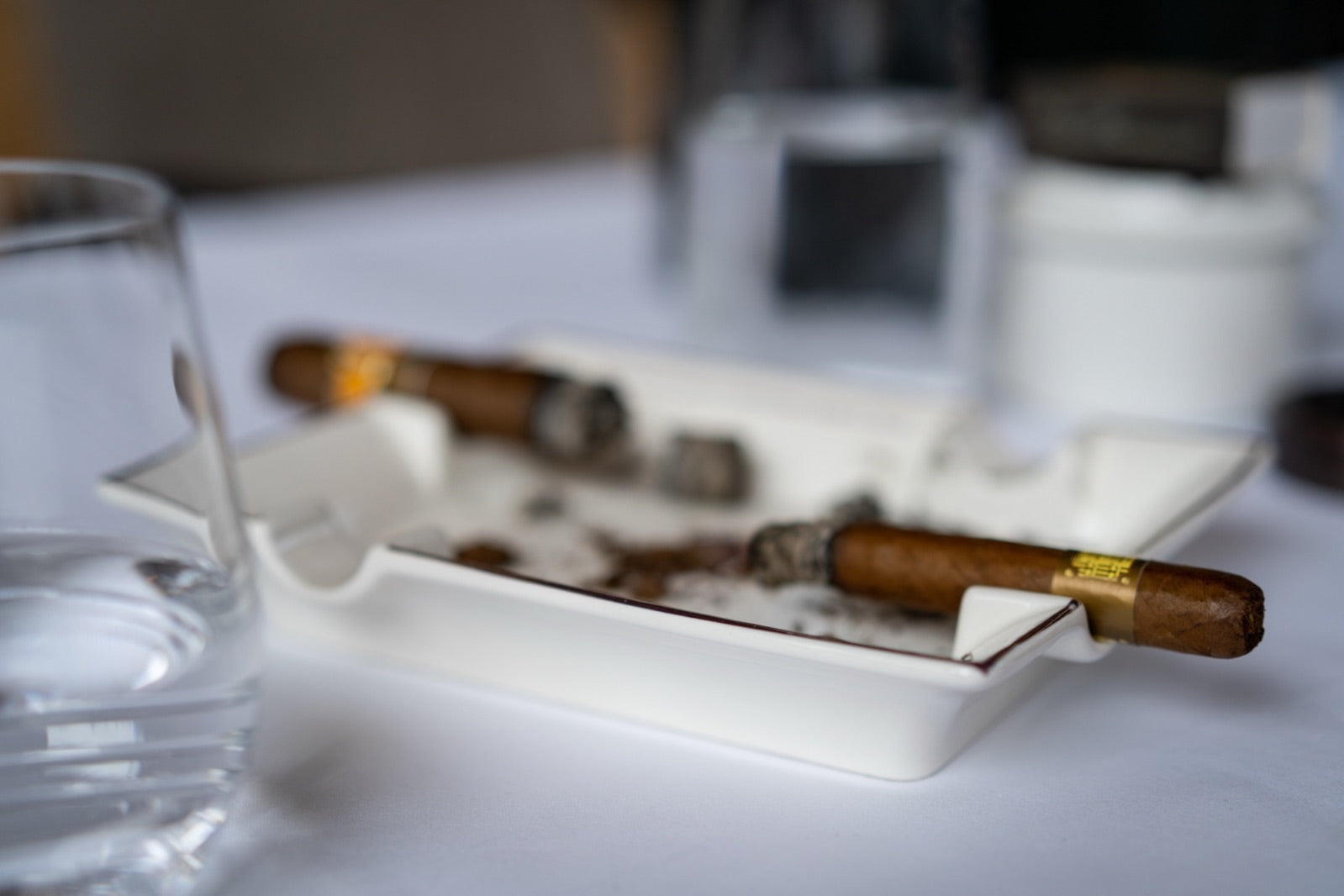
The most common beginner cigar mistakes are easy to put right: cutting too deeply, lighting in a hurry, inhaling the smoke, puffing too fast and starting with a cigar far stronger than your palate is ready for. Slow down, treat each step as part of the ritual, and the difference in flavour is immediate.
- Cut conservatively — remove only the cap (2–3 mm), never below the shoulder of the cigar.
- Toast the foot patiently with a butane or cedar flame; never rush it, and never use a petrol lighter.
- Do not inhale — a cigar is savoured in the mouth, drawing roughly once a minute.
- Begin with mild, well-made vitolas and let your palate develop before chasing full-bodied blends.
- Store cigars at 68–72% relative humidity so they smoke the way the roller intended.
What is the biggest mistake beginners make with cigars?
Without question, it is hurrying. A premium cigar is a slow pleasure measured in tens of minutes, not a cigarette to be dispatched between tasks. Almost every fault on this list — overheating, bitterness, a ragged burn — traces back to impatience. Once you accept that the cigar sets the pace, the rest becomes intuitive. Below are the ten habits worth unlearning early, each with a simple, lasting fix.
1. Cutting too much off the cap
A cigar's head is finished with a cap — a small piece of wrapper leaf glued over the shoulder to hold the bunch together. The single most frequent error is slicing too far down and unravelling that wrapper. Aim to remove only 2–3 mm, staying above the shoulder line, so the cap continues to bind the leaves while the draw opens cleanly.
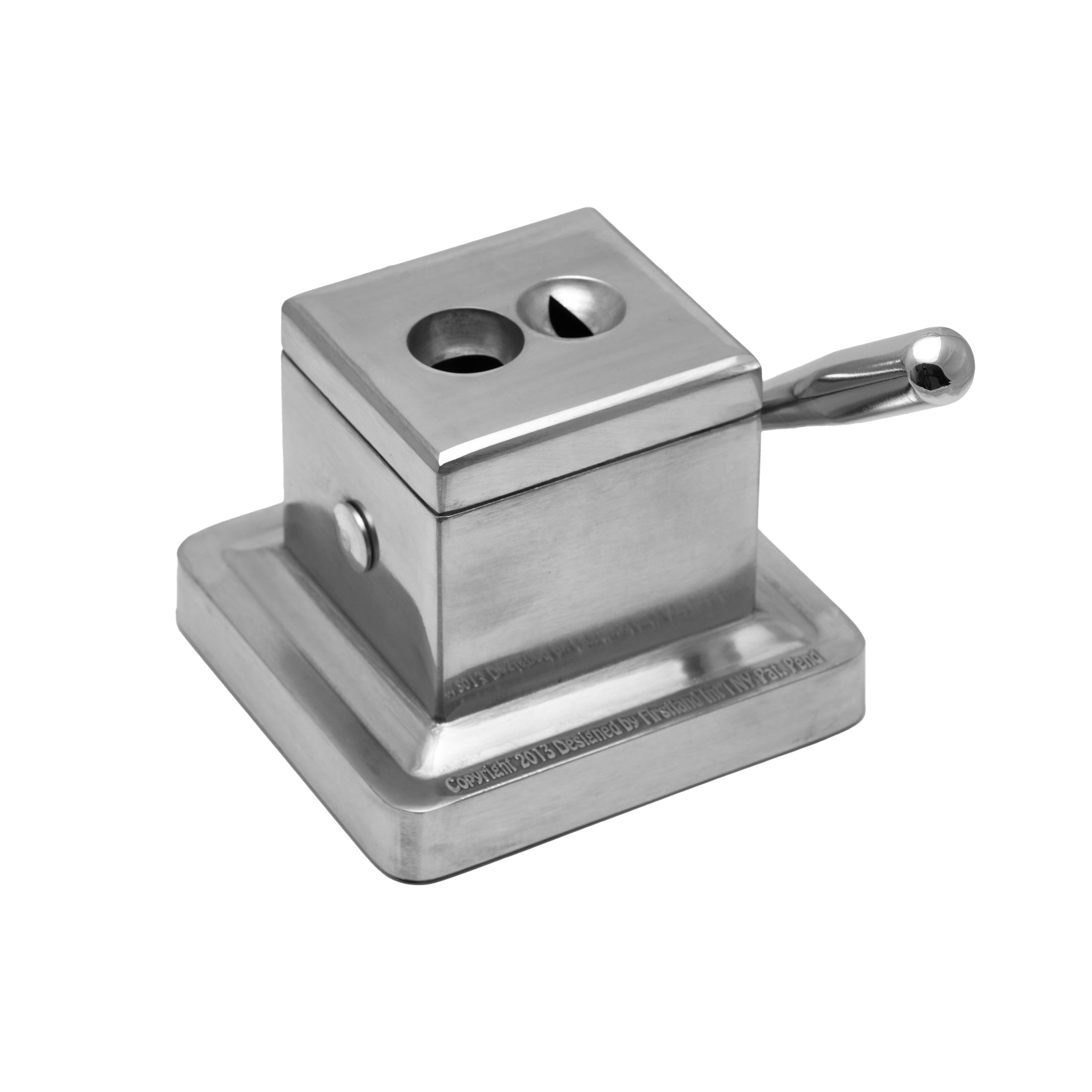
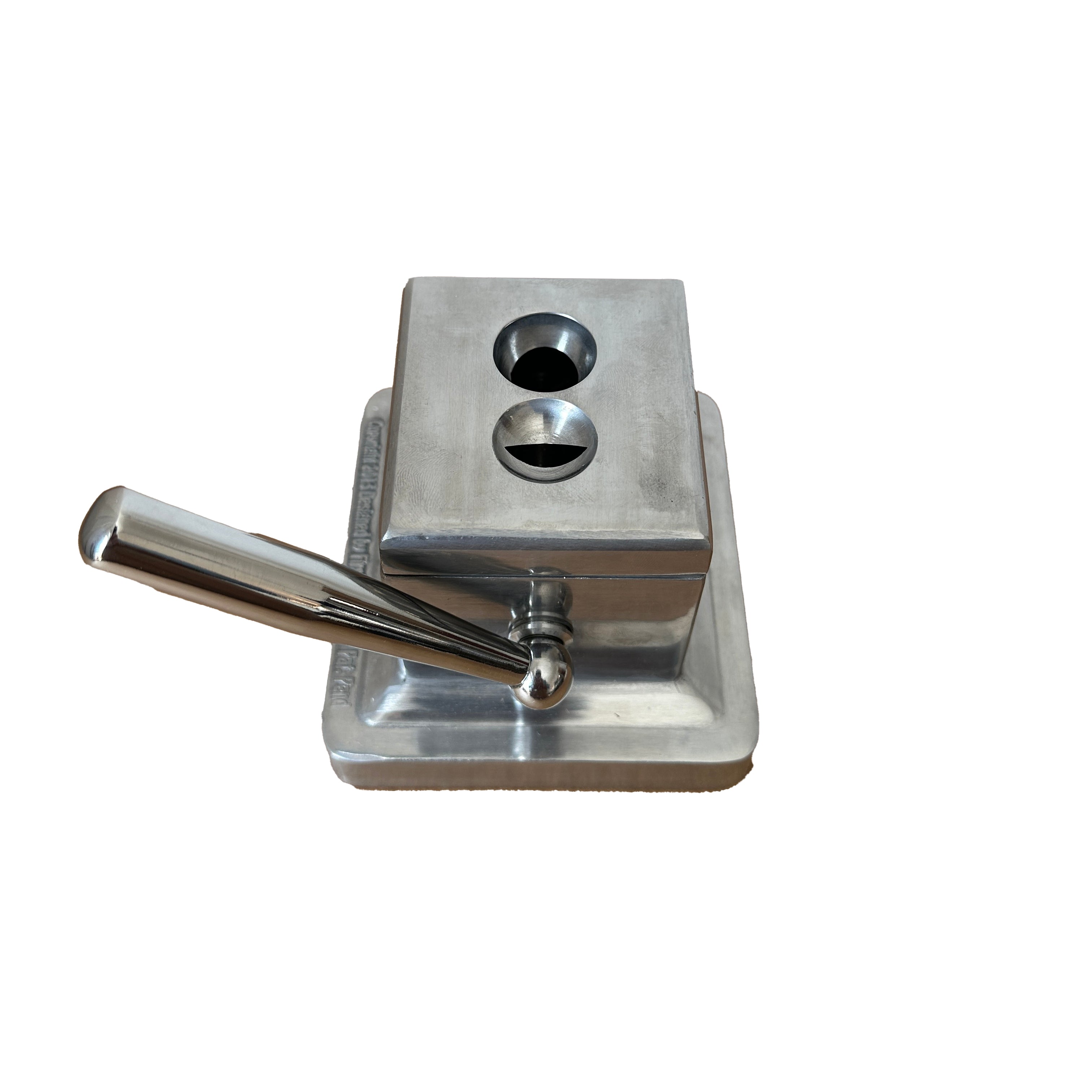
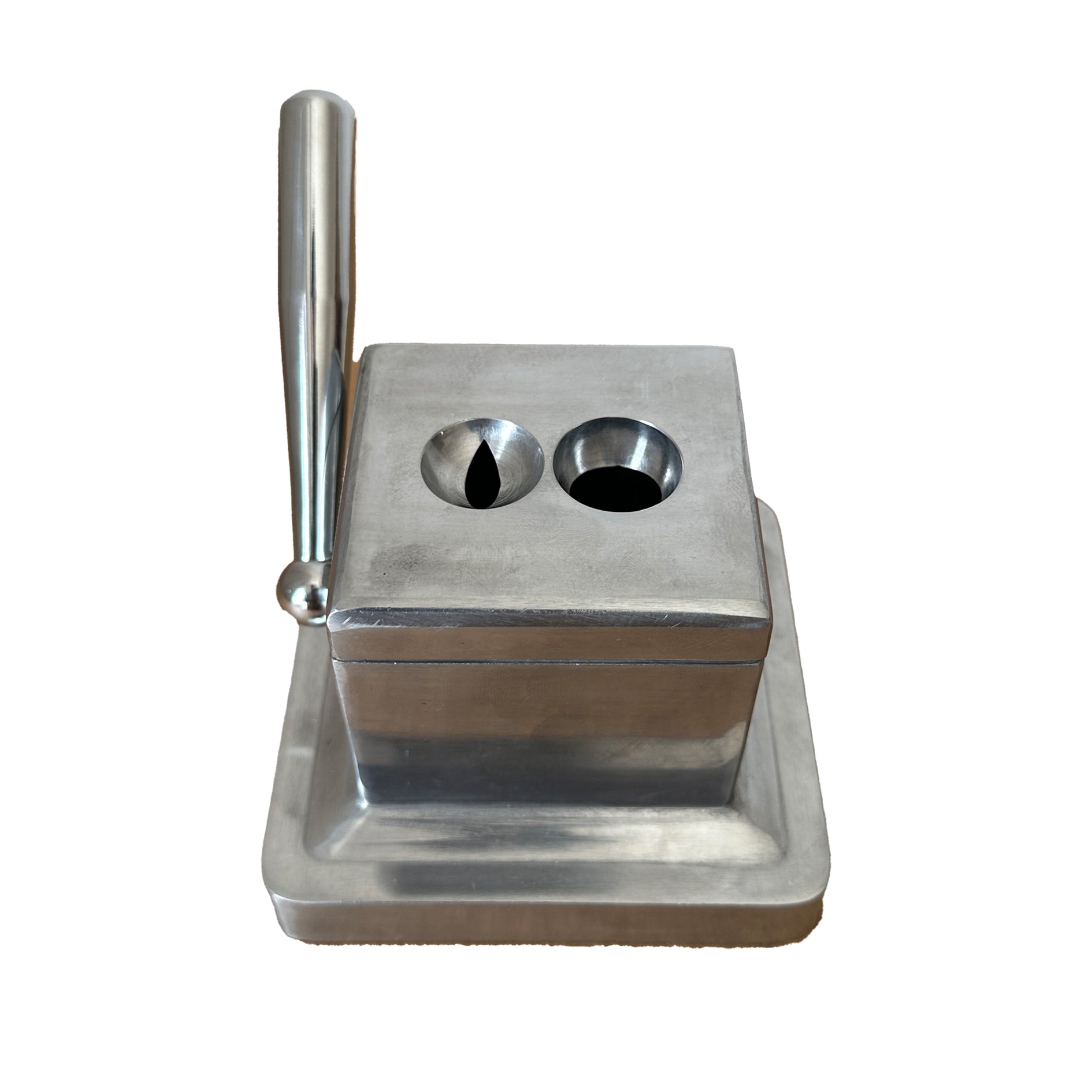
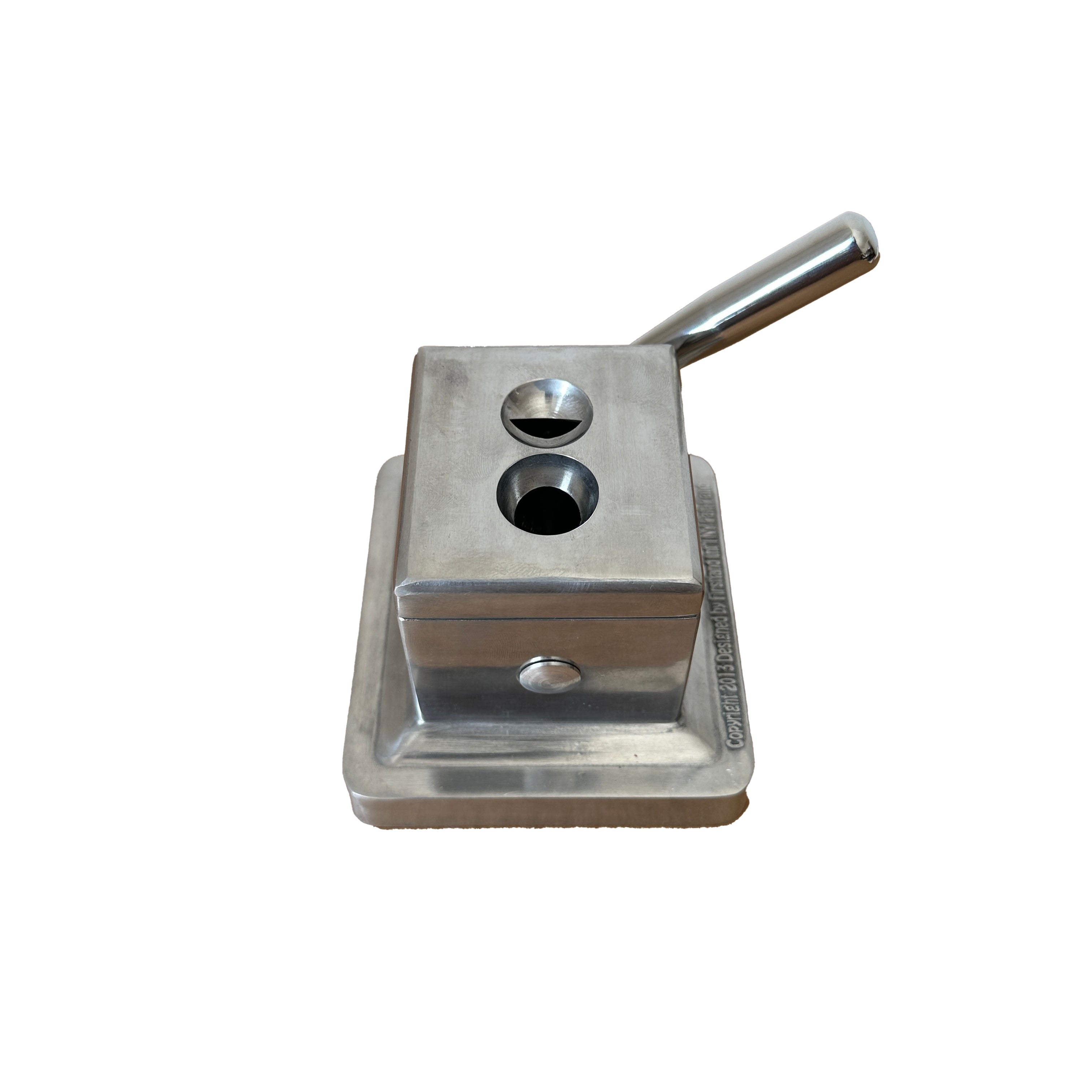
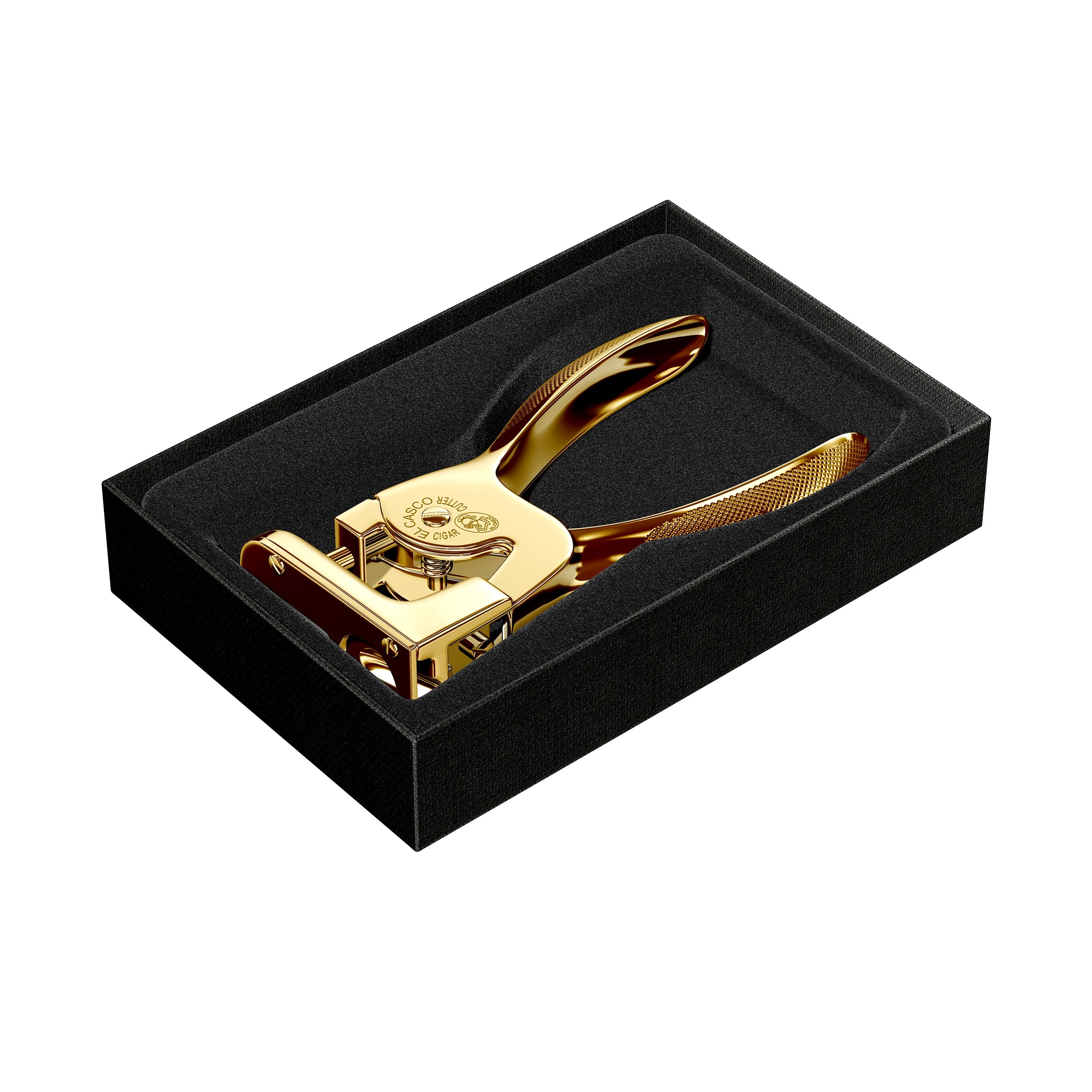
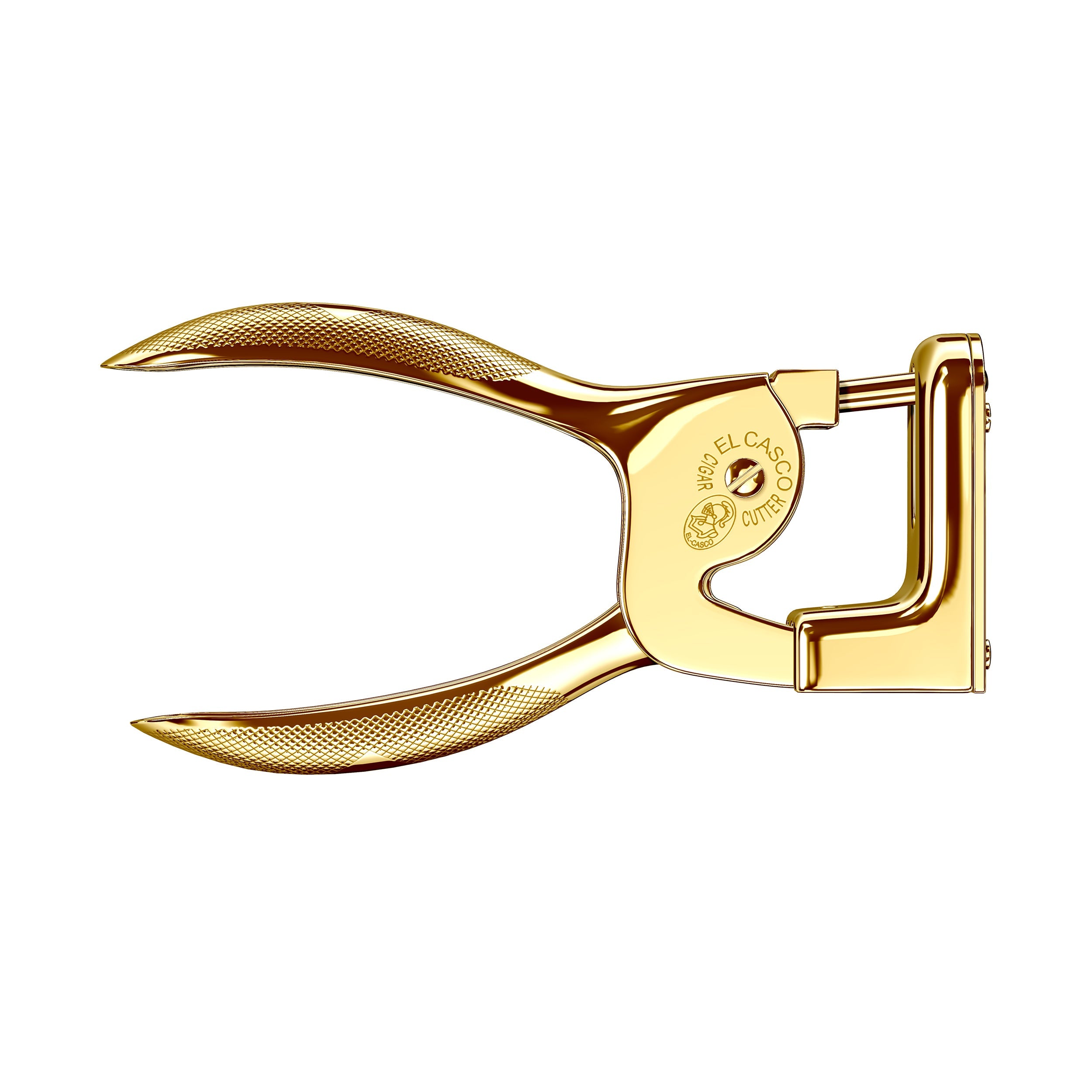
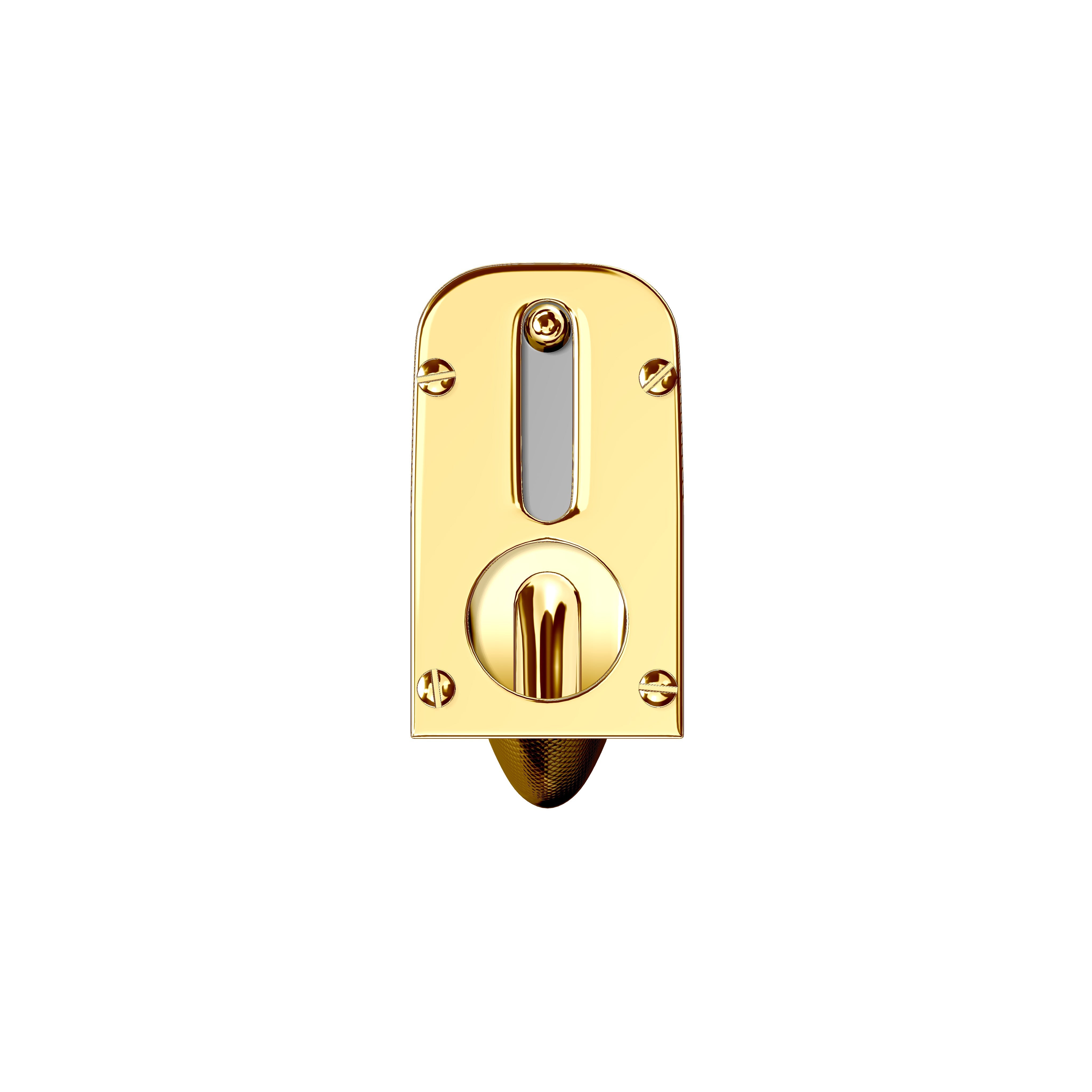
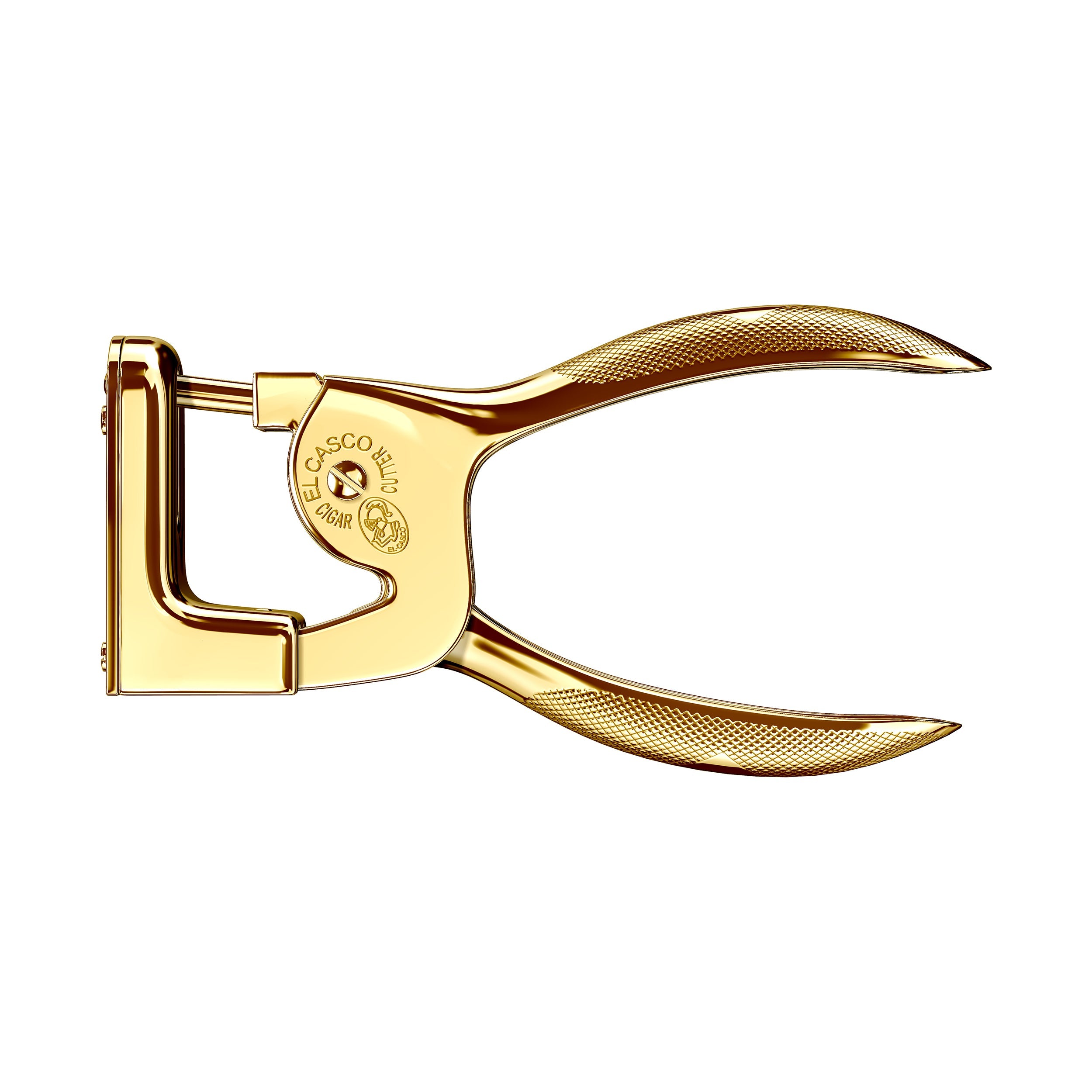
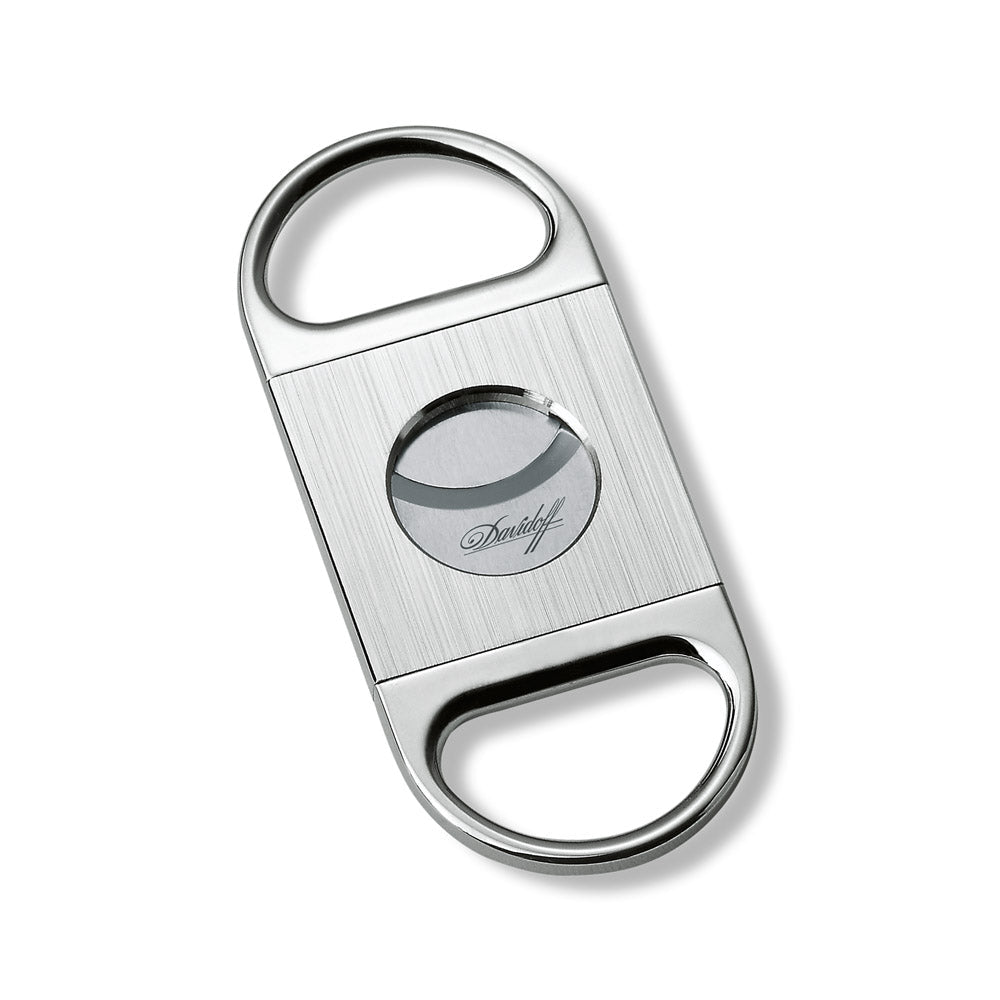
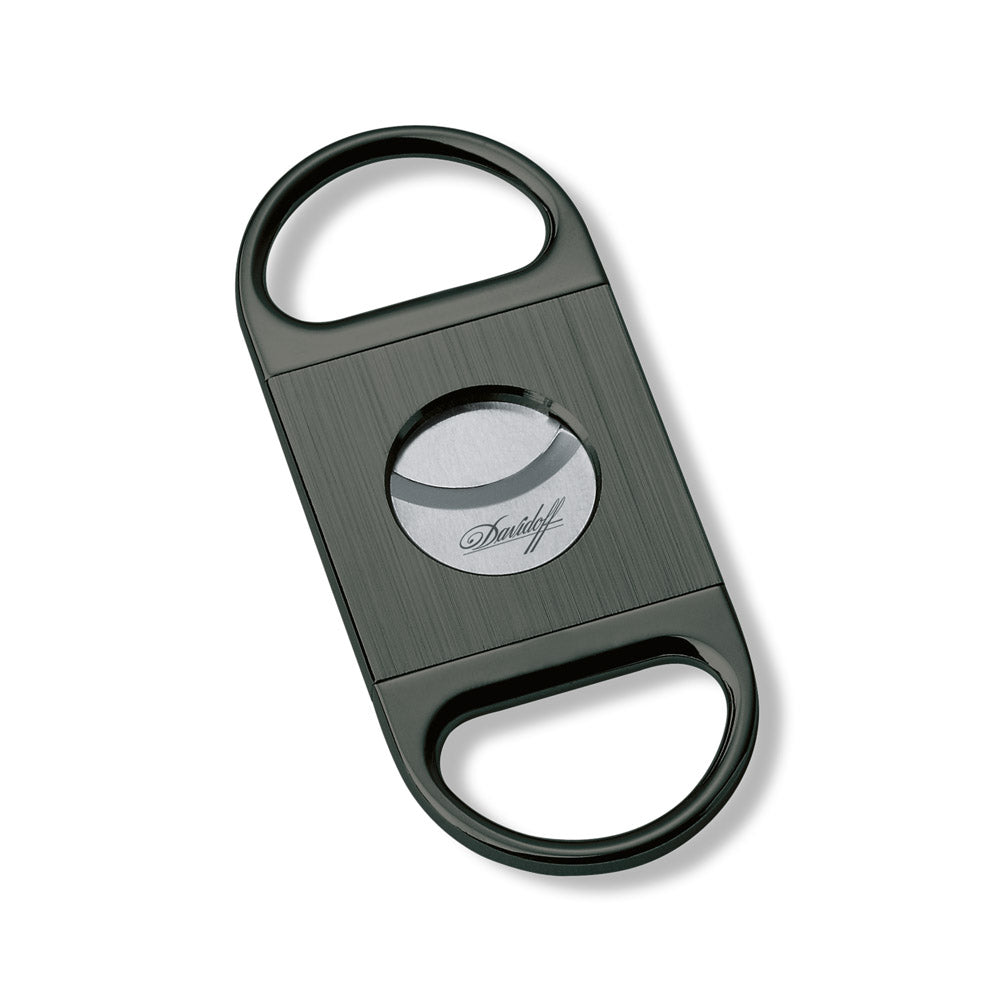
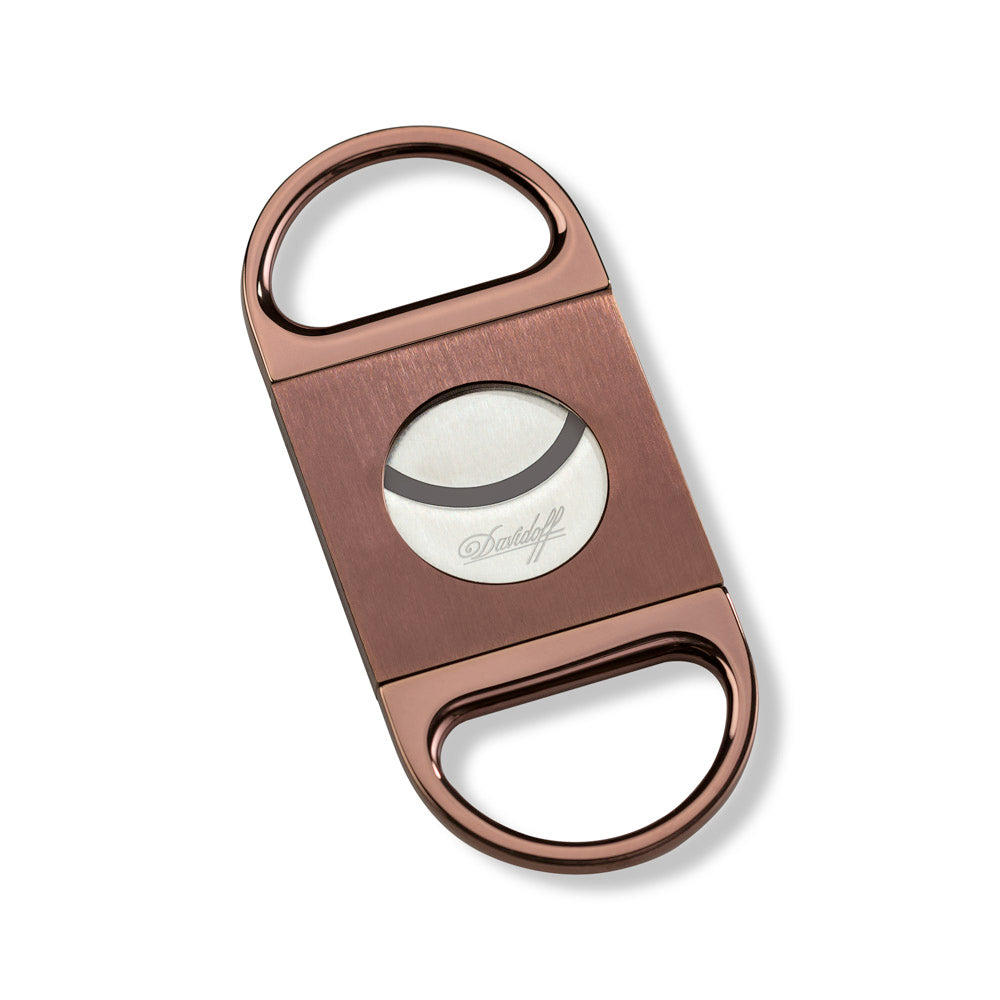
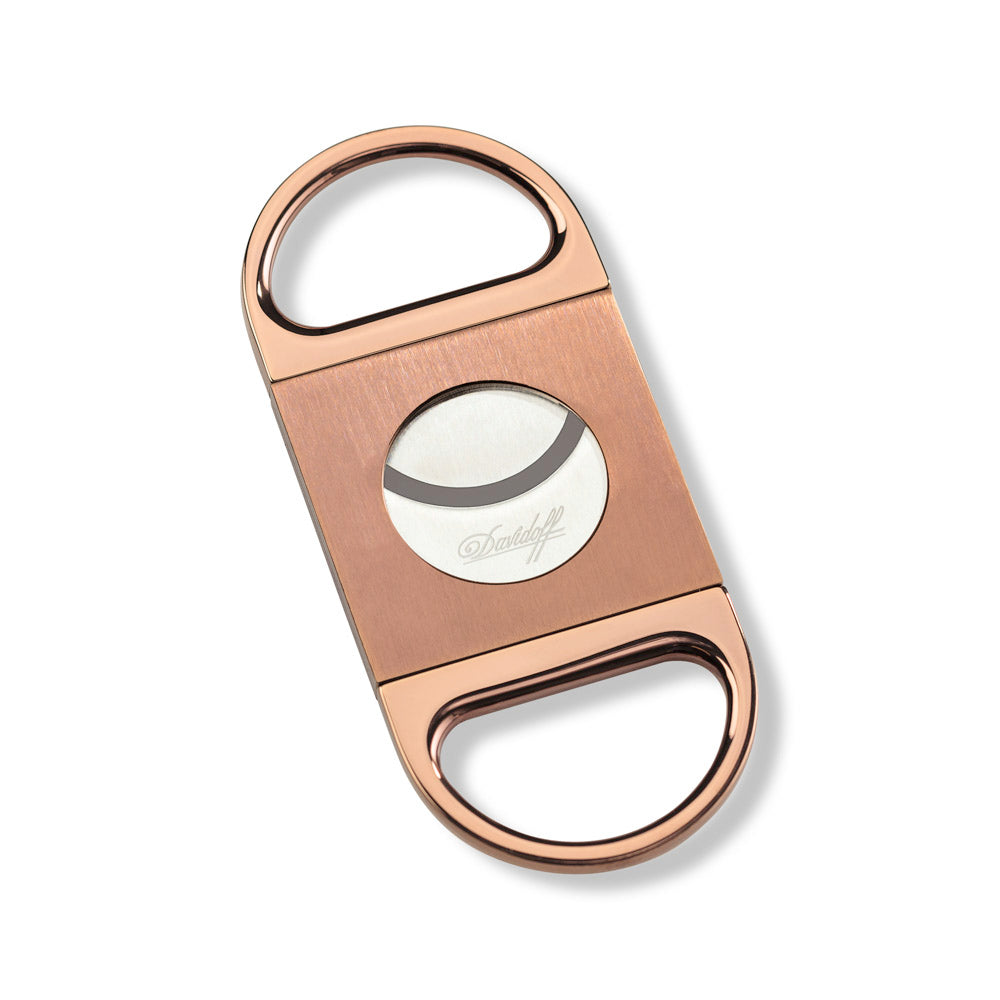
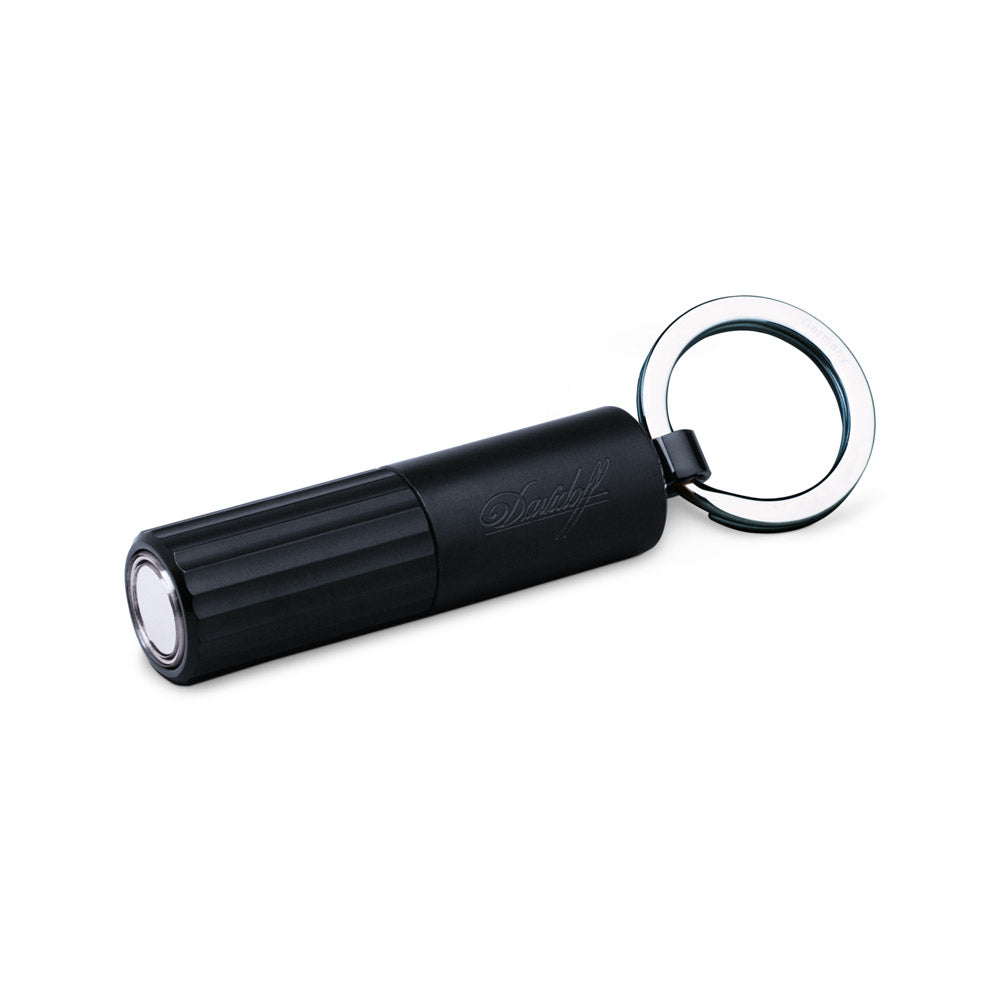
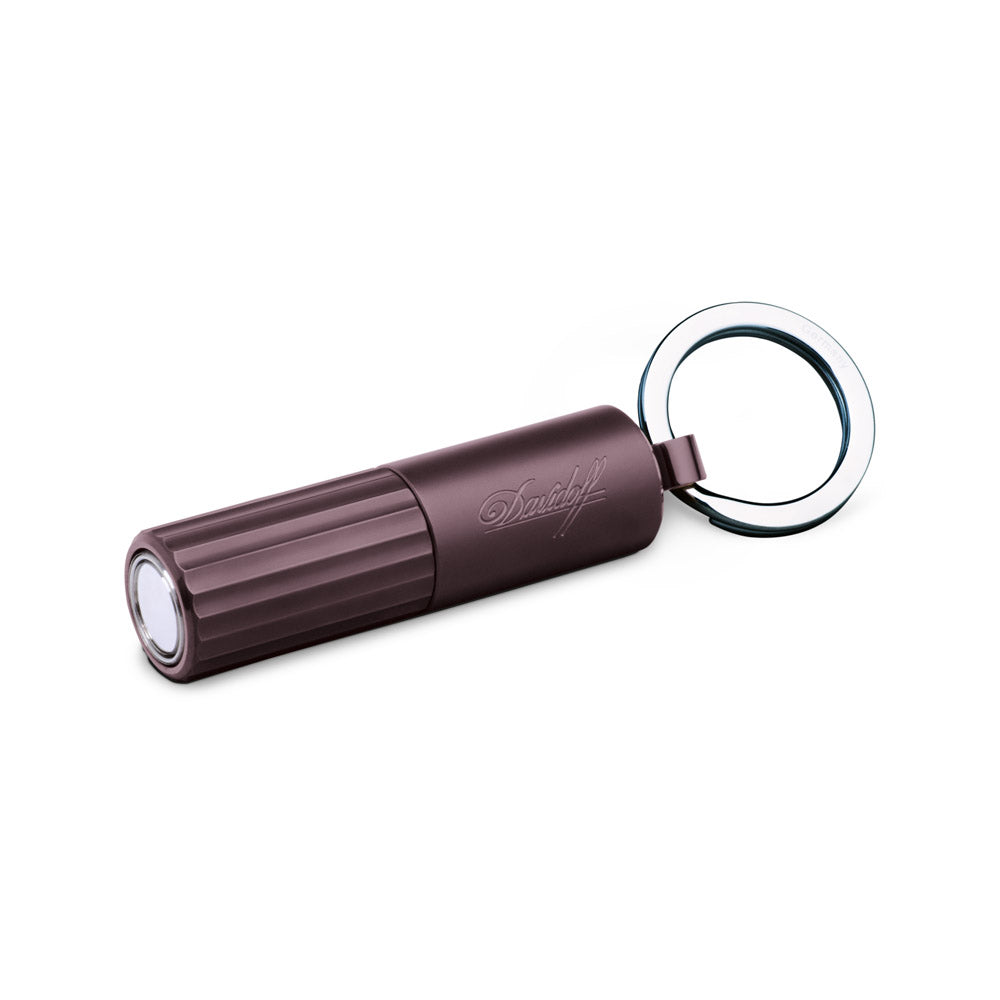
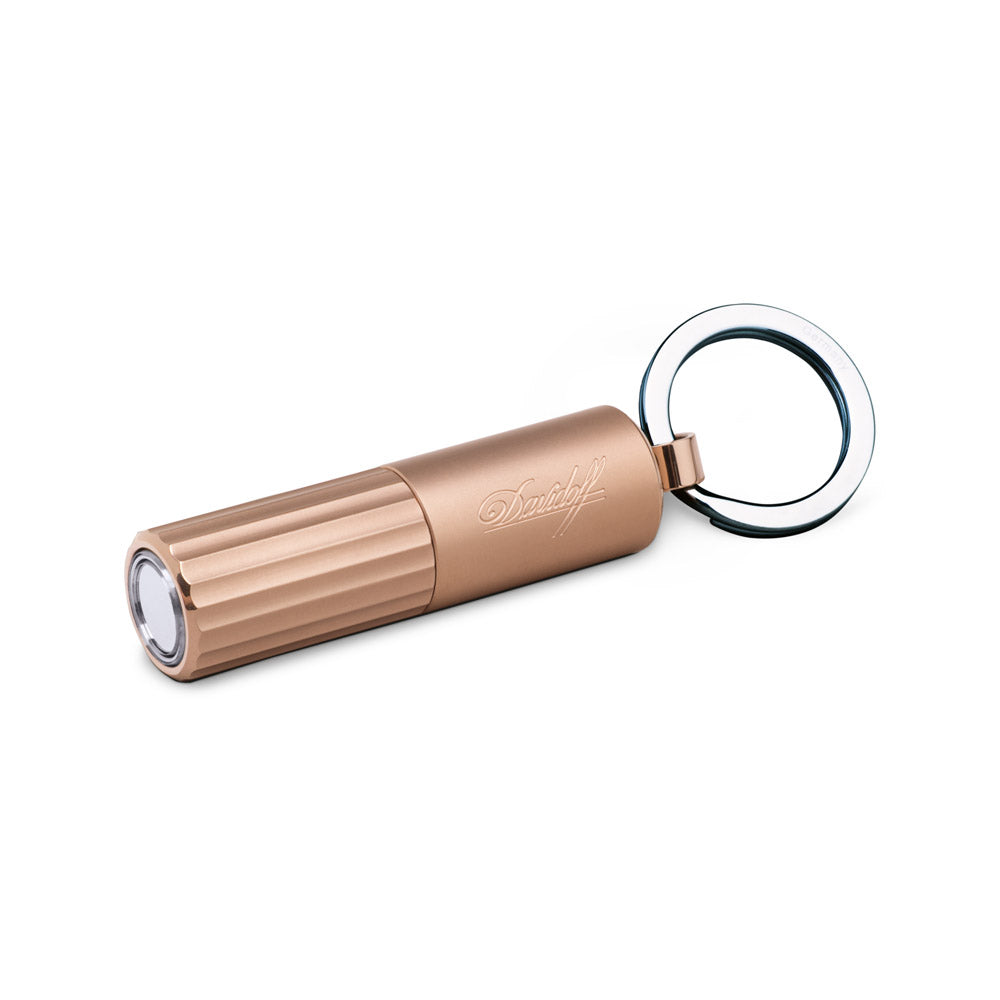
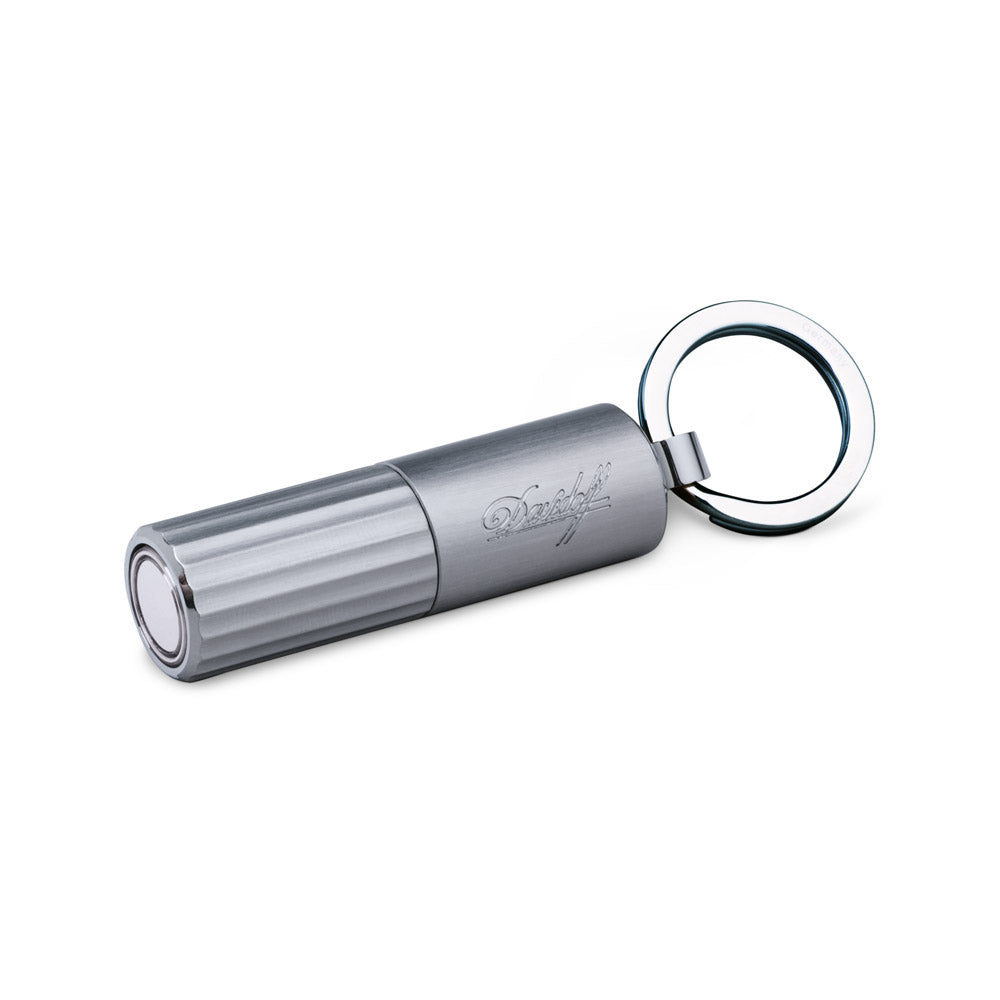
A precise, sprung blade makes this effortless. A heavier desk piece such as the Classic Moon Table Cigar Cutter or the elegant El Casco Gold Cigar Cutter gives a clean guillotine cut every time, while the Davidoff Double Blade Cigar Cutter uses twin blades to halve the crushing force on the cap. If you prefer a smaller opening that concentrates the flavour, a punch like the Davidoff Duocut bores a neat circle instead. Explore the full range in our cigar cutters collection, and read our detailed guide on how to cut, light and smoke a cigar properly.
2. Lighting in a hurry — or with the wrong flame
Toasting is where patience pays its first dividend. Hold the foot just above the flame, rotating it without letting fire touch the leaf, until the rim glows evenly. Only then draw gently while you finish the light. Rushing scorches the wrapper and produces a harsh first third.
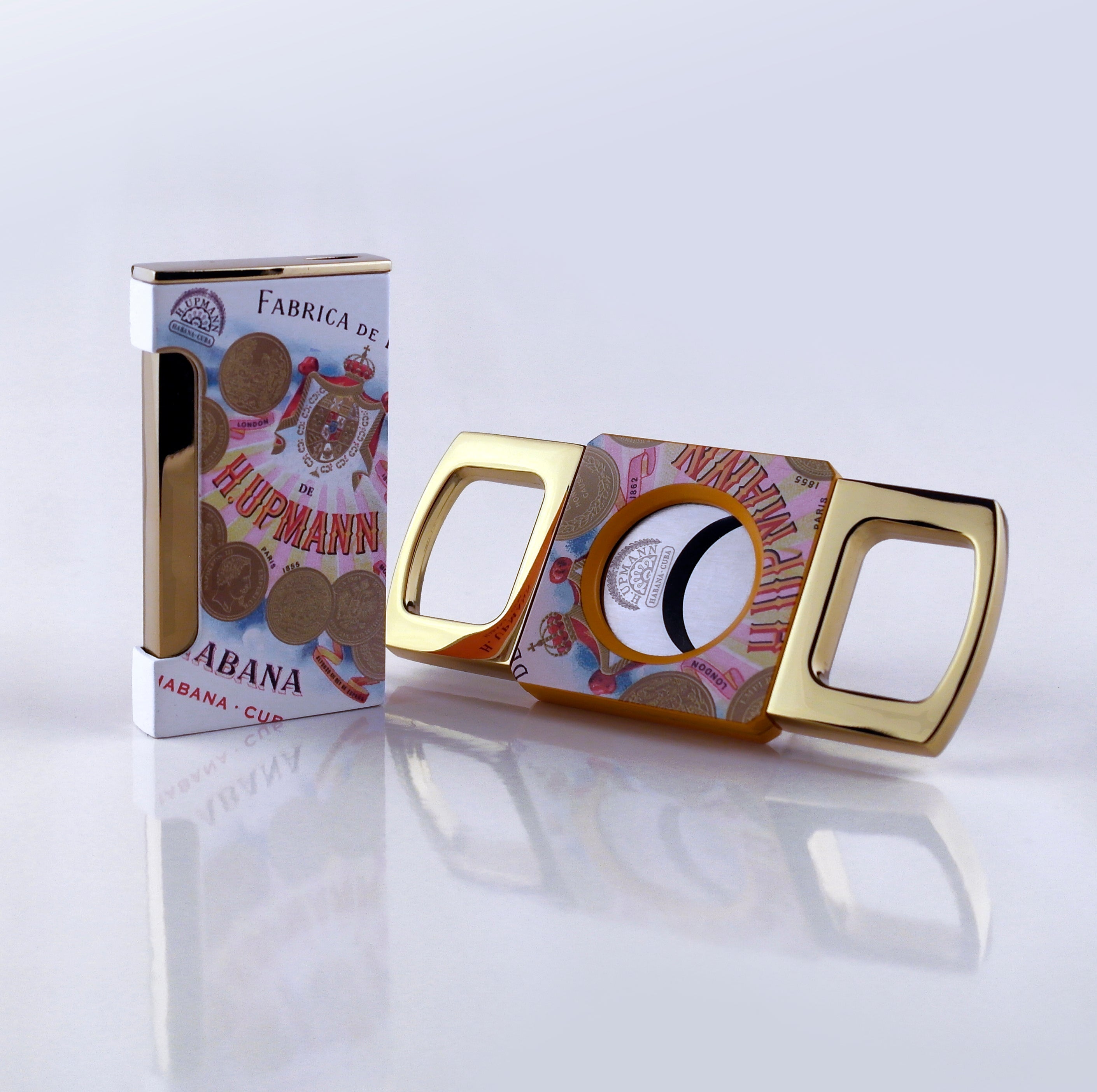
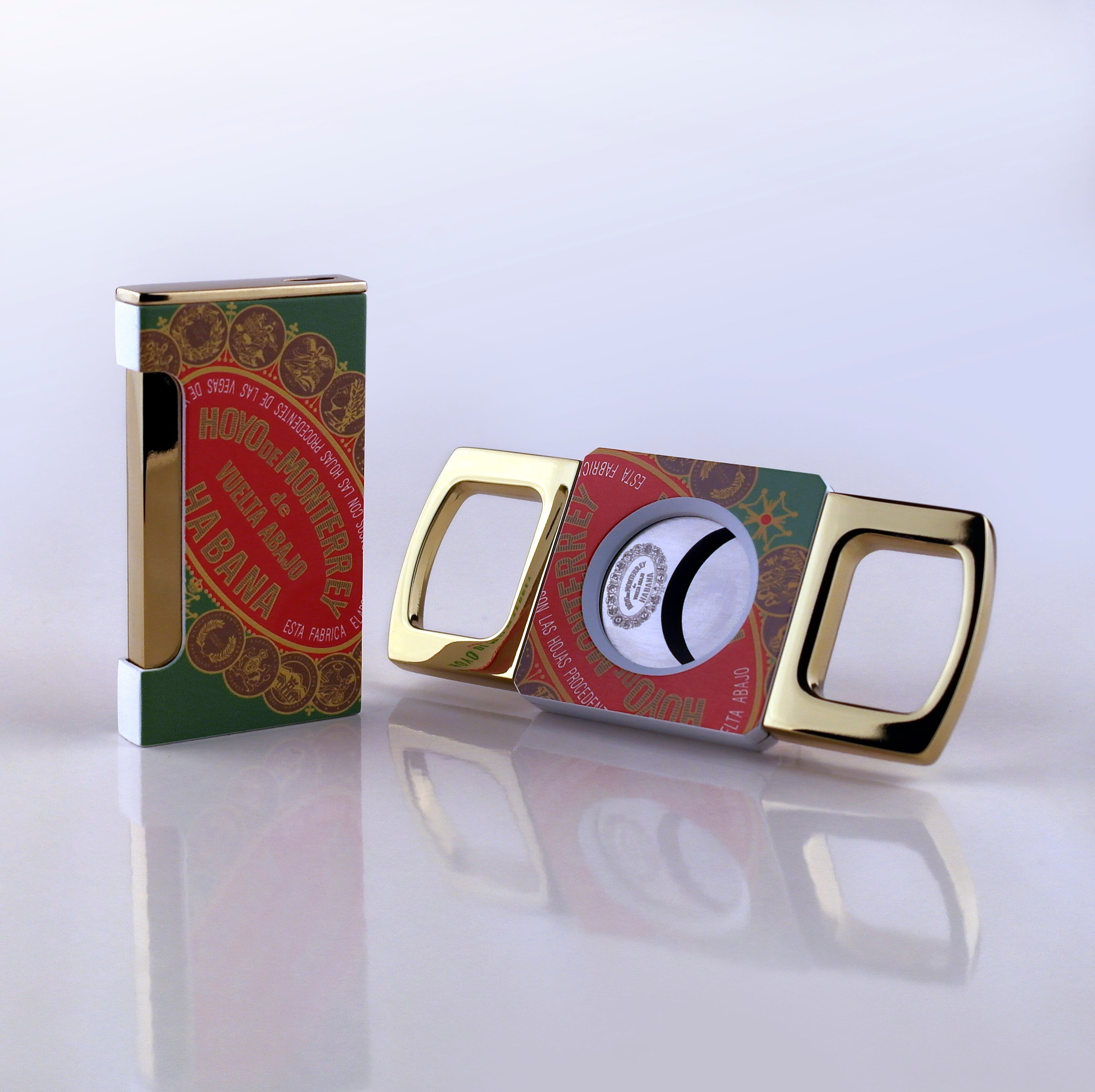
Fuel matters as much as technique. Use butane, a soft cedar spill, or a matchstick allowed to burn past its sulphur head — never a petrol lighter or a scented candle, which taint the tobacco. A matched H. Upmann Cutter and Lighter Set or Hoyo de Monterrey Cutter and Lighter Set keeps a clean torch flame and the right blade together in one case — ideal for travel.

3. Inhaling the smoke
This is the habit smokers arriving from cigarettes find hardest to break. Cigar smoke is not meant for the lungs; its pleasure lives on the palate. Draw the smoke into your mouth, hold it a moment to read the flavours, then let it go. Inhaling overwhelms the senses and, frankly, ruins a beautiful cigar. Retrohaling — gently exhaling a little smoke through the nose — comes later, and reveals aromas the mouth alone misses.
4. Puffing too quickly
A cigar smoked too fast runs hot, and heat is the enemy of flavour: it turns subtle cedar and cocoa into ammonia and bitterness. The classical guidance is roughly one gentle draw per minute. If the cigar feels warm to the lips or the smoke turns sharp, simply set it down for a minute and let it cool. You cannot rush a great smoke into being.
5. Starting with a cigar that is too strong
Ambition is admirable, but a full-bodied, ligero-heavy cigar will flatten an untrained palate and leave a beginner queasy rather than enchanted. Begin mild to medium and build up. A creamy Dominican Connecticut or a gentle, elegant Cuban such as an H. Upmann or Hoyo de Monterrey rewards a new smoker with sweetness and balance instead of pepper and power.
Our best cigars for beginners guide lays out specific recommendations, and the single cigars collection is the ideal way to sample several blends without committing to a full box.

6. Choosing the wrong size for the moment
Vitola — the cigar's shape and dimensions — should suit the time you actually have. A petit corona (around 129 mm by 42 ring gauge) offers a graceful 30–40 minutes, perfect after lunch. A robusto (124 mm by 50) gives a fuller, rounder hour. A Churchill (178 mm by 47) or a double corona (194 mm by 49) is a two-hour commitment best reserved for an unhurried evening. Lighting a grand cigar you cannot finish is a small tragedy; the second half is always the finest, and a relit, hours-old cigar never tastes the same.
7. Neglecting storage and humidity
A cigar is an agricultural product that keeps maturing in your care. Stored too dry it burns hot and cracks; too damp it draws tight, burns unevenly and can develop mould. The accepted sweet spot is 68–72% relative humidity at roughly 18–20°C. A simple desktop humidor with a calibrated hygrometer is all a beginner needs to keep a small collection in beautiful condition. Even a fortnight at the right humidity lets a travel-weary cigar settle and smoke as the maker intended.

8. Relighting and tunnelling problems
Letting a cigar go out for a few minutes is no crime — gently tap away the ash, blow through it once to clear stale smoke, and re-toast the foot. What causes trouble is an uneven, one-sided burn, or tunnelling, where the core burns ahead of the wrapper. Both usually stem from a rushed light or smoking too quickly. Touch up the lagging side with your flame and slow your rhythm, and the burn will correct itself.
9. Knocking the ash — and other etiquette slips
A good cigar holds a firm ash of 2–3 cm that actually insulates the ember and keeps the smoke cool. Tapping it nervously like a cigarette is unnecessary; let it fall of its own accord or rest it gently against the ashtray. Equally, a cigar is never stubbed out — simply lay it down and let it extinguish itself with dignity. These small courtesies are part of the pleasure.
10. Buying a fistful of tools you do not yet need
It is tempting to acquire everything at once. In truth, a beginner needs only two things done well: a clean cut and a clean flame. Invest in one cutter you enjoy holding — whether the precise twin-blade S.T. Dupont MaxiJet Cutter or a characterful table piece like the Cuban Cut Table Cutter — and a reliable butane lighter. Quality tools earn their place because you will use them at every smoke. Refinement of taste, not accumulation of gadgets, is what makes a cigar lover.
Build these ten habits and you will skip the awkward apprenticeship most smokers endure. Should you wish to deepen your knowledge of single estates and limited editions, our friends at EGM Cigars craft exceptional New World blends worth discovering once your palate is ready.
Frequently asked questions
How long should a beginner's first cigar take to smoke?
Plan for the cigar's natural pace rather than the clock. A small petit corona runs 30–40 minutes and a robusto closer to an hour. Draw roughly once a minute, set the cigar down whenever it feels warm, and never try to finish faster — heat is what turns a smooth cigar bitter.
Should I cut, punch or V-cut my cigar?
All three work; the difference is the size of the opening. A straight guillotine cut gives the most open, generous draw and suits most beginners. A punch bores a small hole that concentrates flavour and resists unravelling, while a V-cut sits in between. Start with a guillotine and experiment as your taste develops.
What humidity should cigars be stored at?
Aim for 68–72% relative humidity at around 18–20°C. This keeps the wrapper supple, the draw even and the flavours intact. Use a humidor with a calibrated hygrometer, and avoid extremes: too dry and cigars crack and burn hot; too damp and they draw tightly and risk mould.
Is it normal to feel light-headed after a cigar?
A little, especially early on — usually a sign you are smoking too quickly, on an empty stomach, or have chosen too strong a blend. Slow your draws, never inhale, and enjoy your cigar after a meal with water or a measured drink alongside. Beginning with milder cigars makes the experience far more comfortable.
Can I relight a cigar I set down?
Yes, within reason. If a cigar goes out during the same sitting, tap off the ash, blow through it once to clear stale smoke, and gently re-toast the foot. A cigar left for hours or overnight, however, takes on a stale, ashy character and is best retired rather than revived.
Share:
The Best Cigars of 2026: Our Top 15, Ranked
Best Maduro Cigars: Dark, Rich & Sweet