

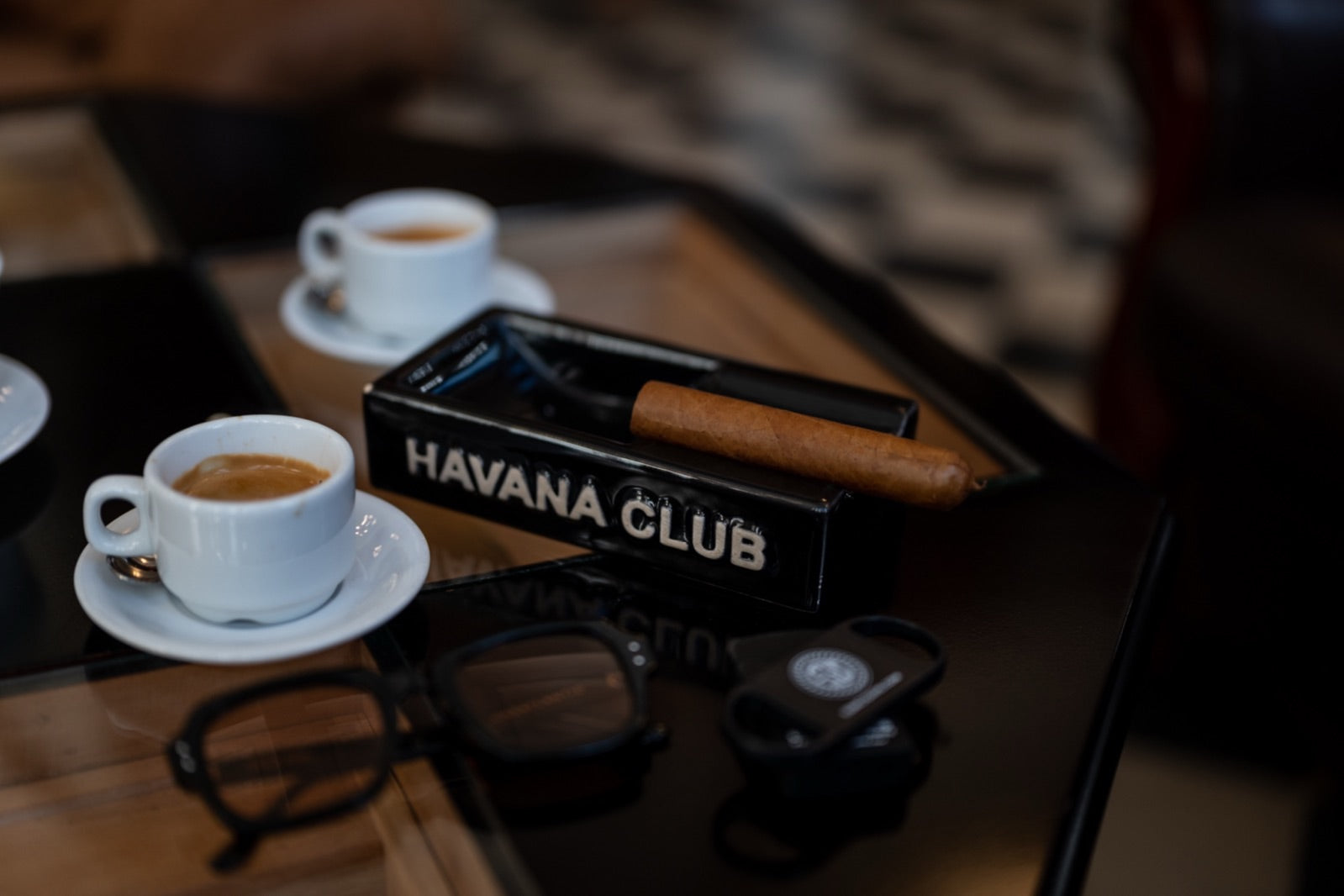
Most premium cigars take somewhere between 45 minutes and two hours to enjoy from first light to final third. A small petit corona may be done in half an hour, while a generous double corona can comfortably fill an entire evening. The single biggest factor is size — the length and ring gauge of the cigar — followed closely by how slowly and patiently you smoke.
- A typical robusto (roughly 124 mm × 50 ring) takes about 45 to 75 minutes.
- Smaller vitolas such as petit coronas or short panatelas run 25 to 45 minutes; large churchills and double coronas can stretch 90 minutes to two hours.
- Pace matters as much as size — aim for one gentle draw every 30 to 60 seconds to keep the cigar cool and the flavours clean.
- Ring gauge changes the maths: a wider cigar holds more tobacco and burns longer than its length alone suggests.
- You are never obliged to finish — setting a cigar down once it stops giving you pleasure is the mark of an unhurried smoker.
What determines how long a cigar lasts?
A cigar is simply rolled tobacco, and the more tobacco it contains, the longer it burns. Two measurements describe that volume: length, given in millimetres (or inches), and ring gauge, the diameter expressed in 64ths of an inch. A 50 ring gauge cigar is 50/64 of an inch thick. Together these define the vitola, or shape, and they are the most reliable predictor of smoking time.
Length governs how far the burn line has to travel; ring gauge governs how much leaf sits in each centimetre of that journey. This is why a stout, wide cigar can outlast a longer but slimmer one — there is more tobacco packed into the body. If you would like to understand the trade-offs in detail, our guide to cigar sizes, vitolas and ring gauge walks through every common format.
How long does each cigar size take to smoke?
The figures below assume an unhurried, well-maintained smoke. Treat them as a guide rather than a stopwatch — your own rhythm will move the needle by ten or fifteen minutes either way.
- Petit corona / short panatela (around 100–115 mm × 38–42 ring): 25–45 minutes. Ideal for a coffee break or a quick interlude.
- Robusto (around 124 mm × 50 ring): 45–75 minutes. The most popular size in the world for good reason — substantial flavour in a sensible window.
- Corona / corona gorda (around 140–150 mm × 42–46 ring): 50–80 minutes.
- Toro (around 152 mm × 52 ring): 70–90 minutes.
- Churchill (around 178 mm × 47 ring): 75–100 minutes.
- Double corona / Gran Robusto (around 194 mm × 49–52 ring): 90 minutes to two hours.
The robusto sits at the heart of most collections because it delivers a complete three-act smoke without demanding half a day. If you are new to the size, our explainer on the robusto covers why it has become the benchmark vitola.
The robusto sweet spot
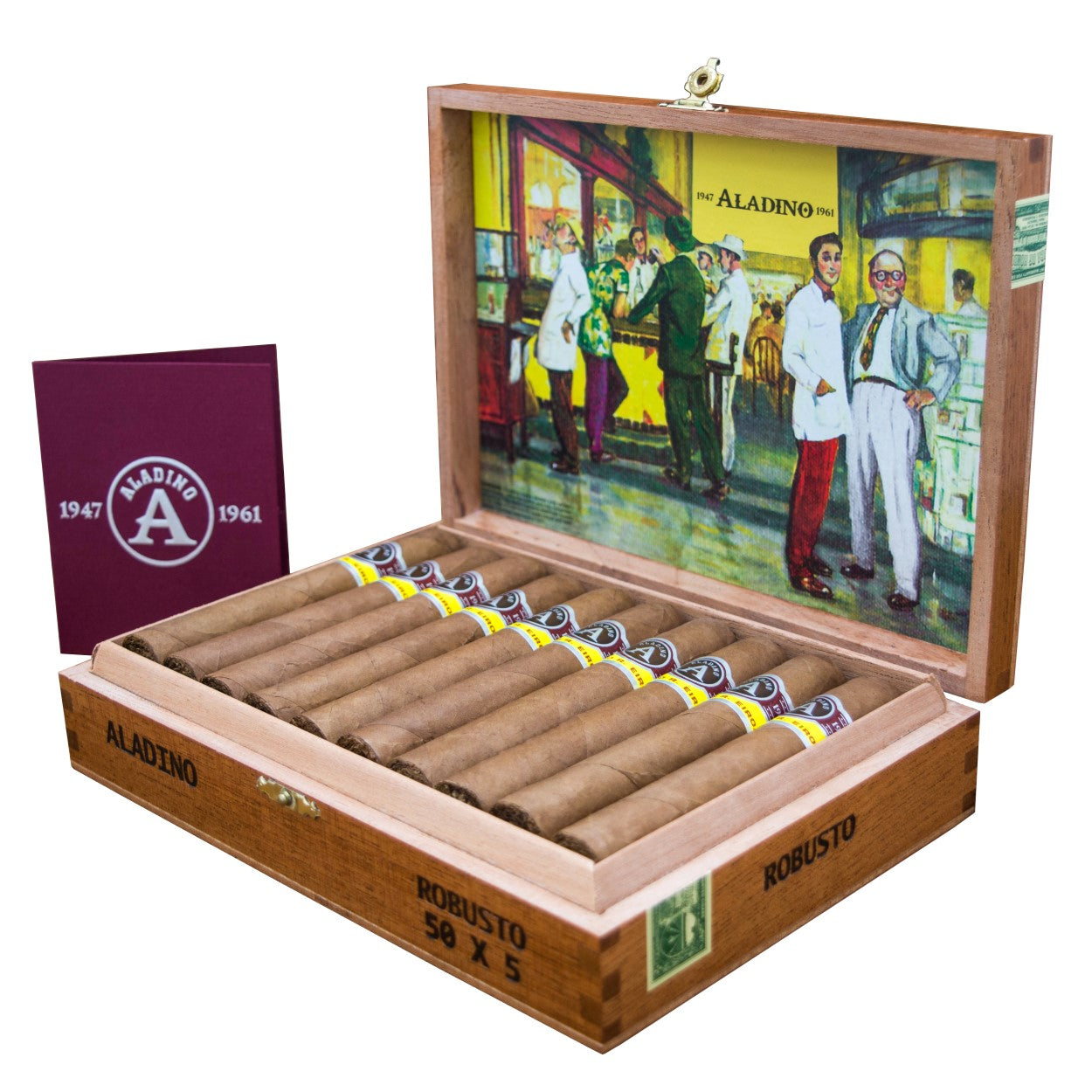
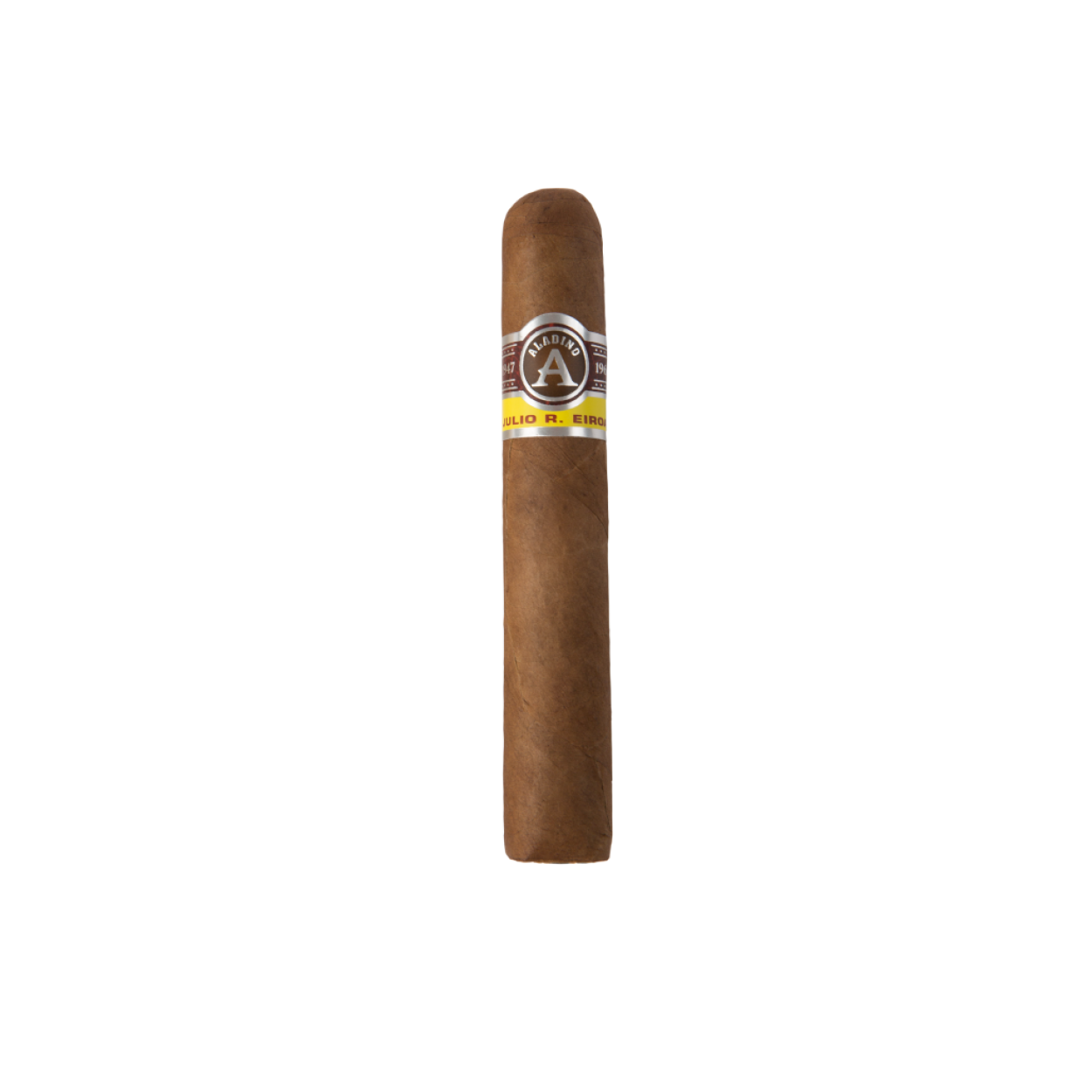
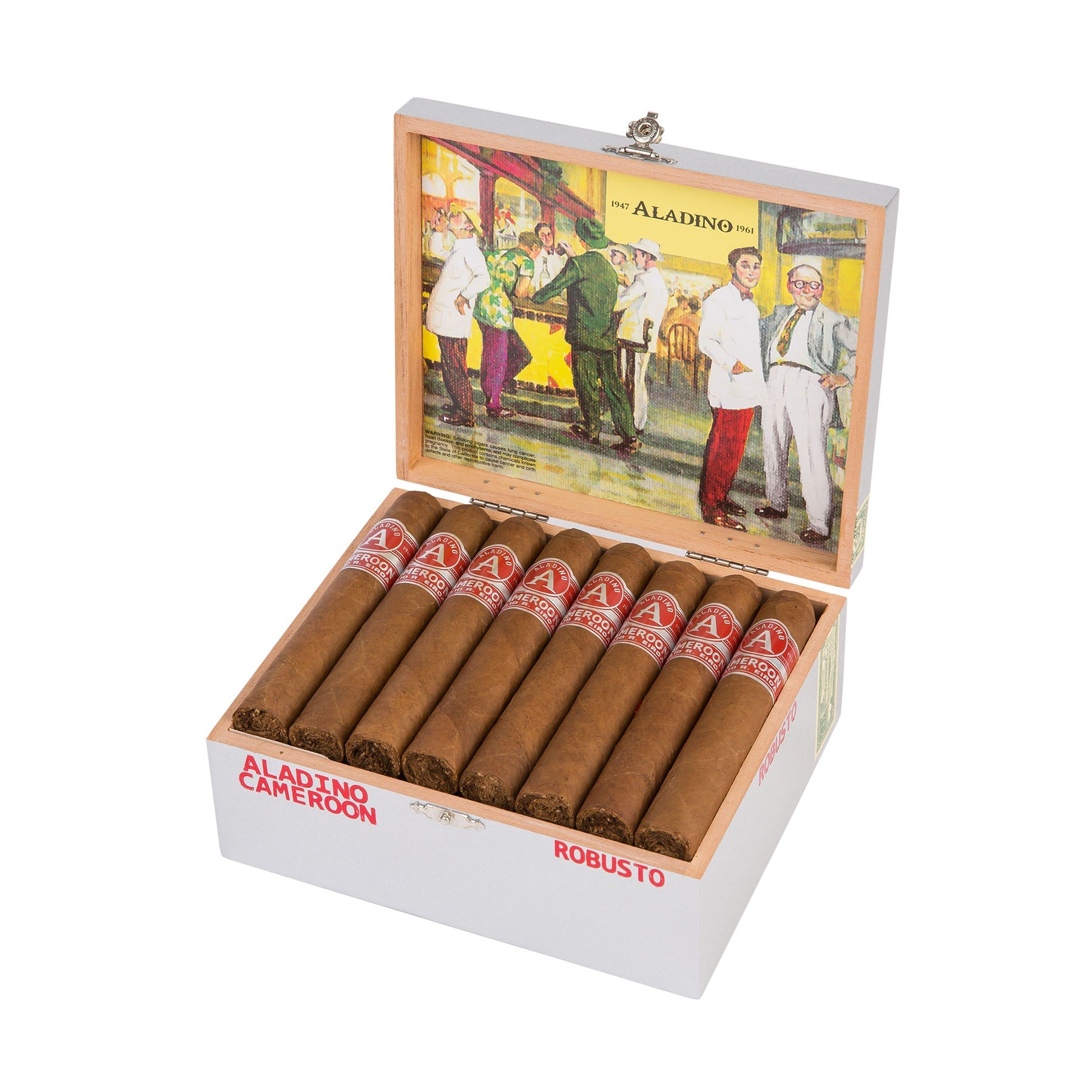
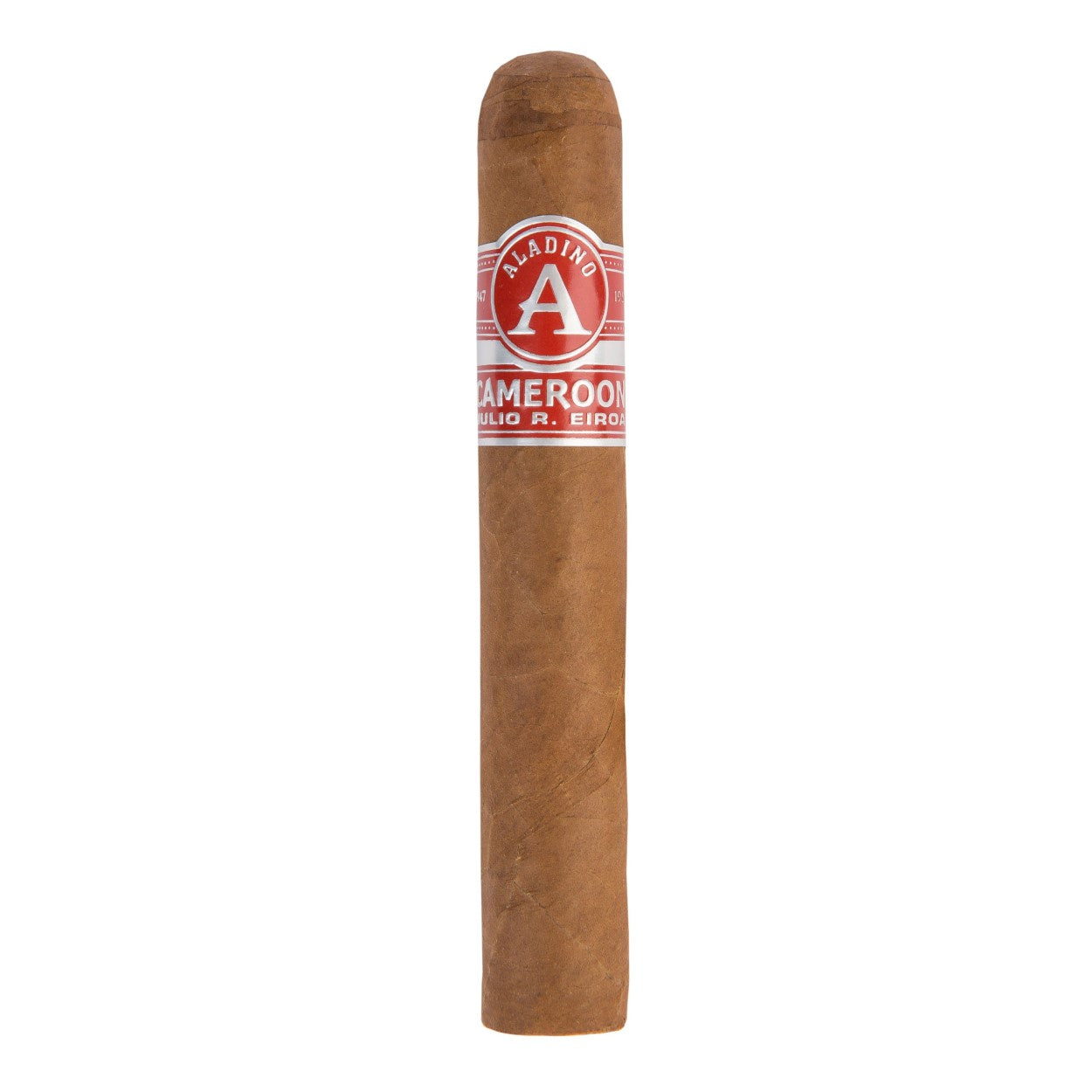
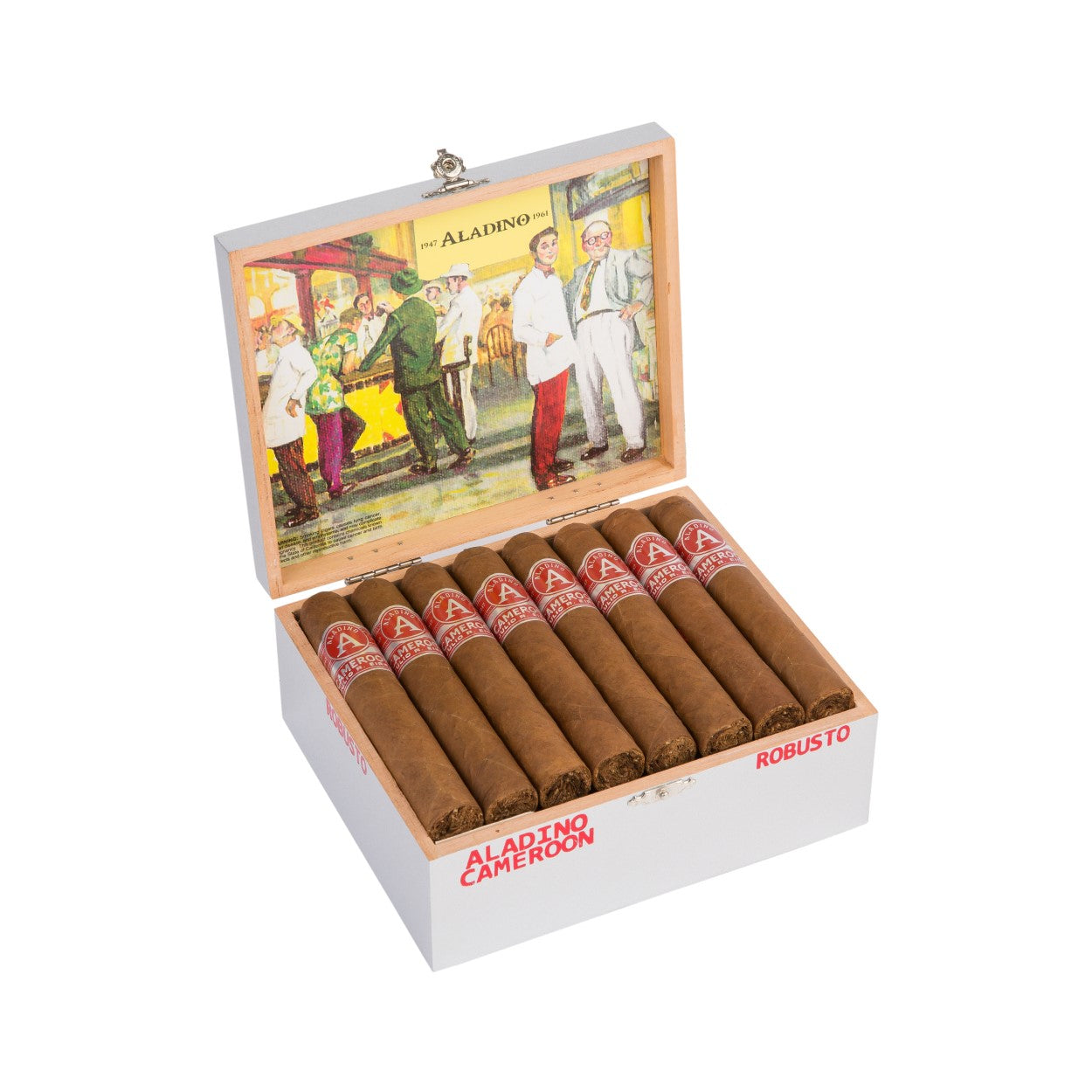
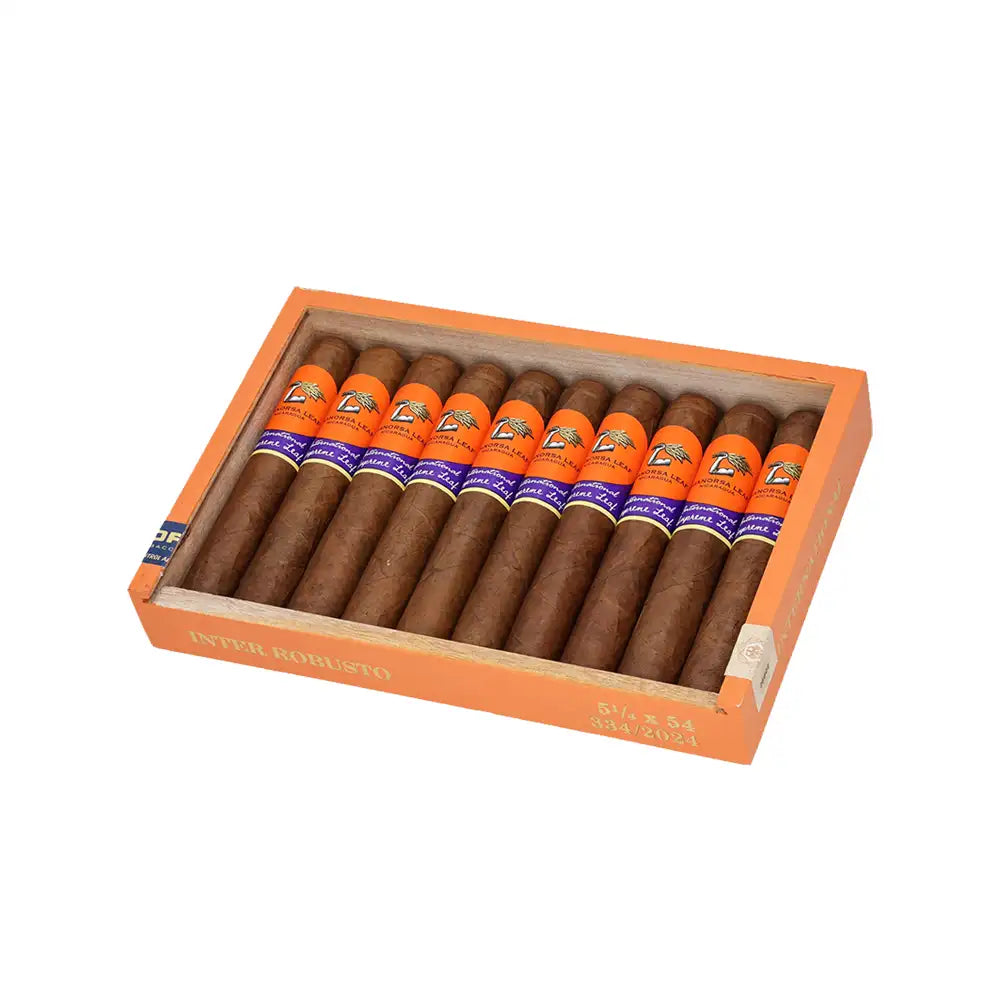
For an hour of genuine character, the robusto is hard to better. The Aladino Corojo Robusto from Honduras delivers a warm, spicy, cedar-and-leather profile across roughly an hour, while the Aladino Cameroon Robusto offers a softer, nuttier, faintly sweet alternative in the same time frame. For something with more body and a touch of indulgence, the Aganorsa Leaf Supreme Leaf Inter Robusto rewards an unhurried 70-odd minutes with deep, peppery Nicaraguan richness.
When you have the whole evening
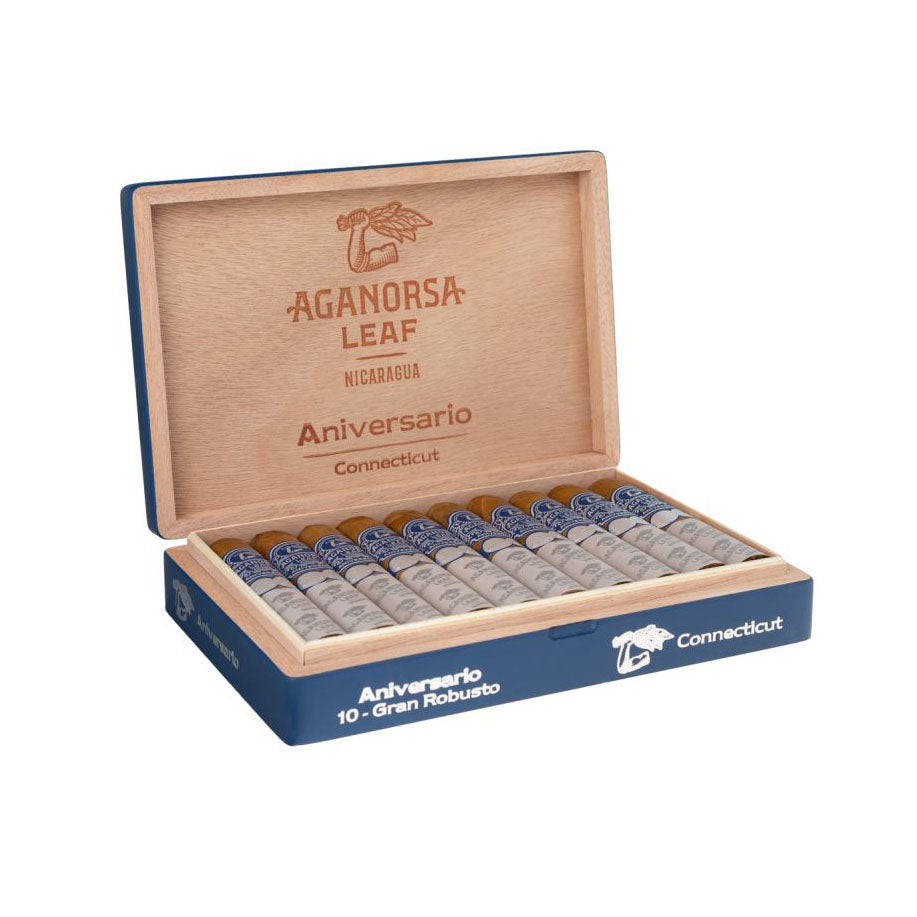
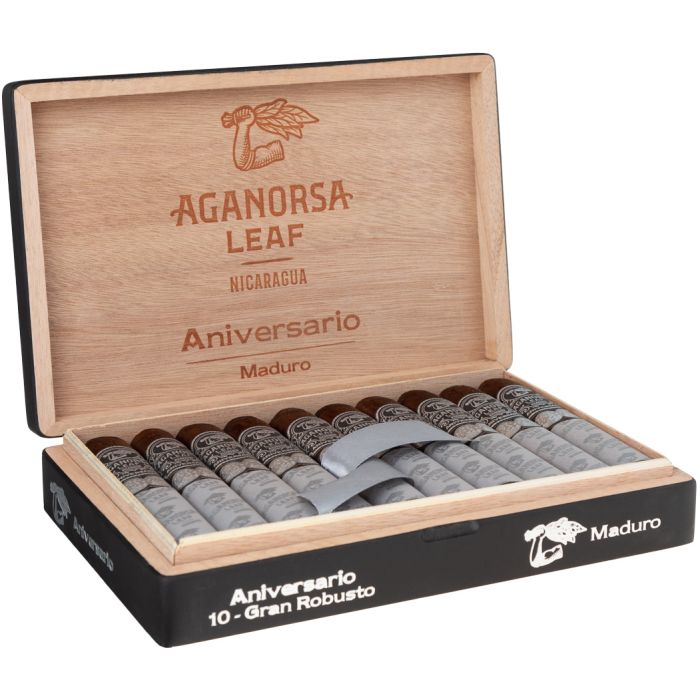
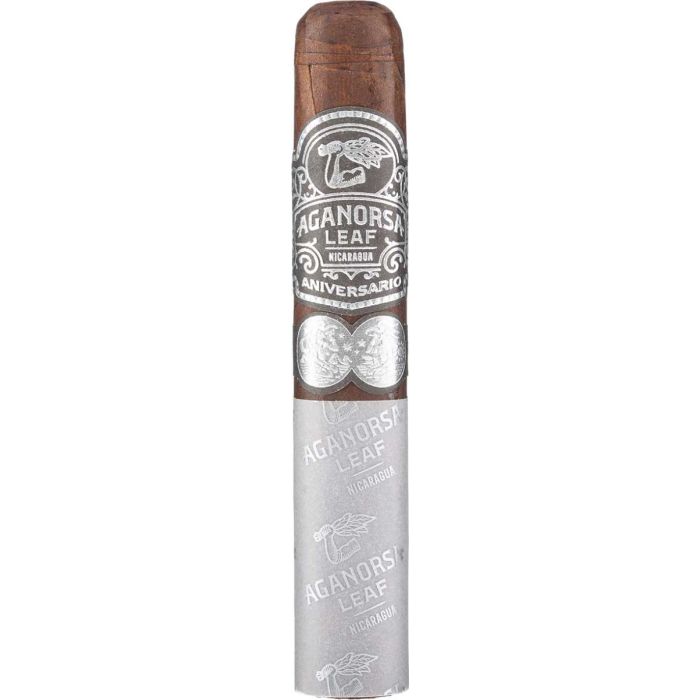
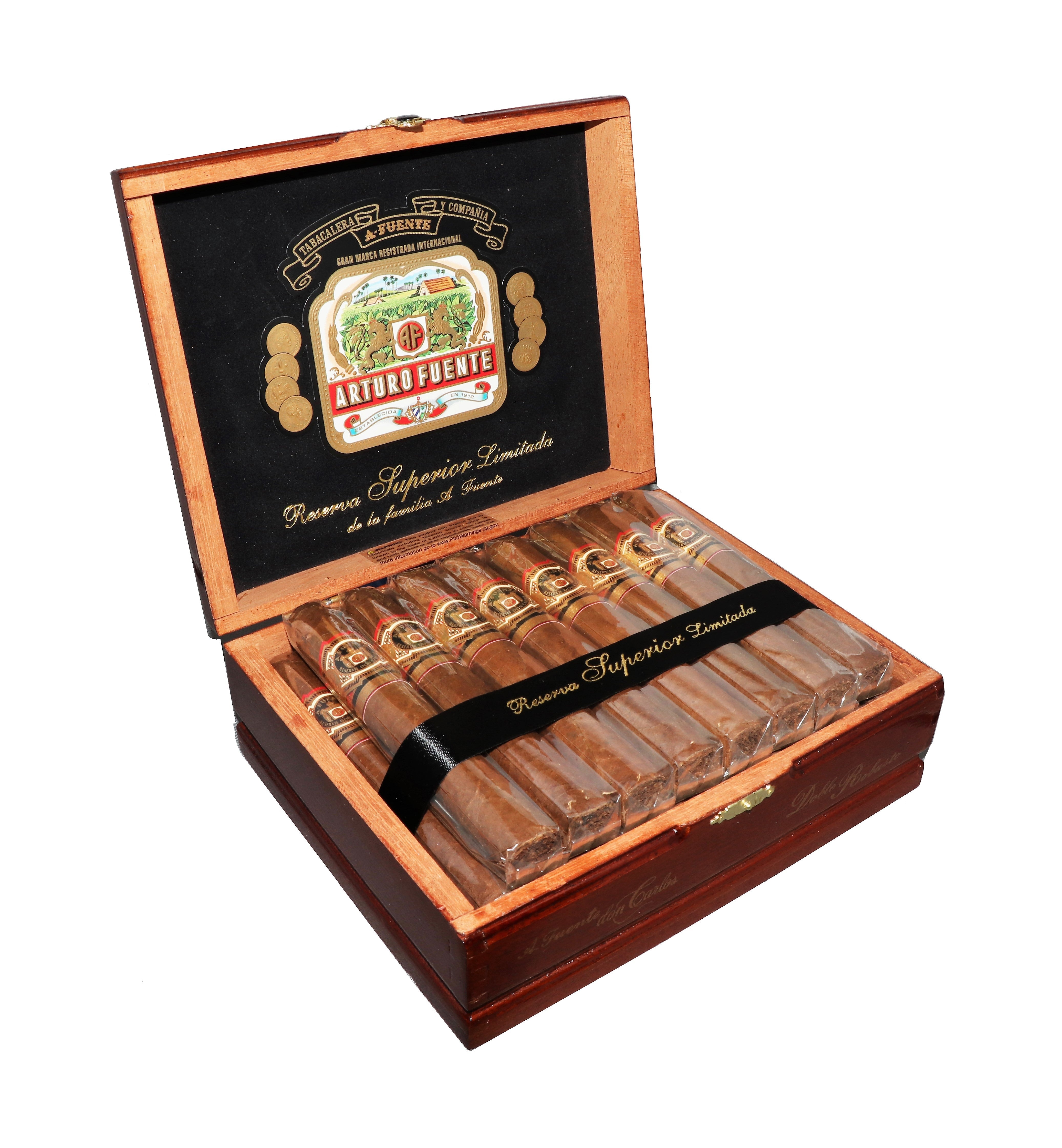
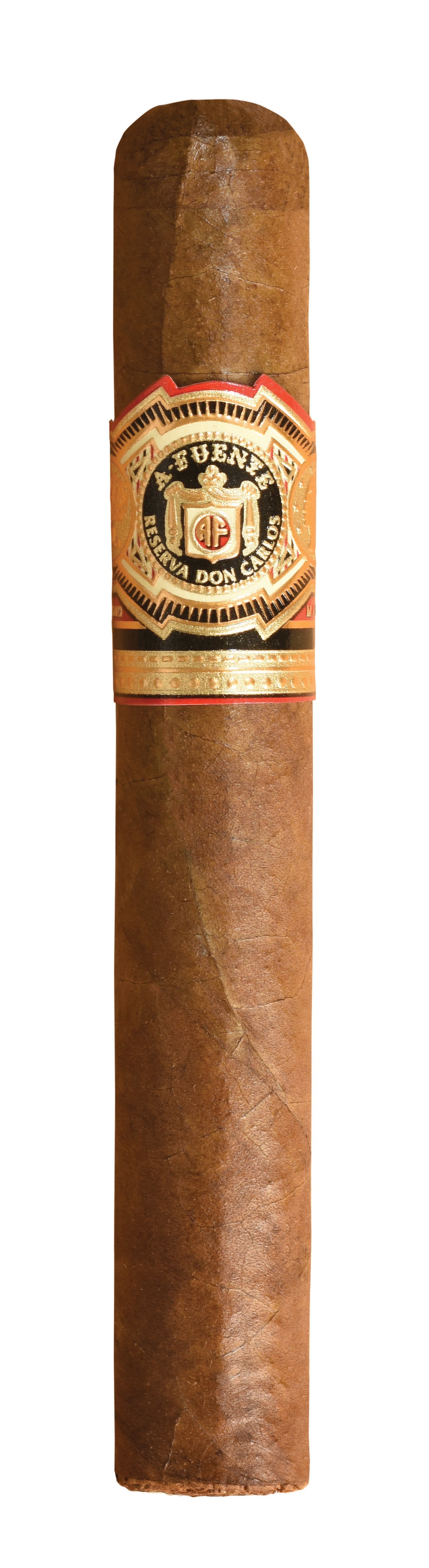
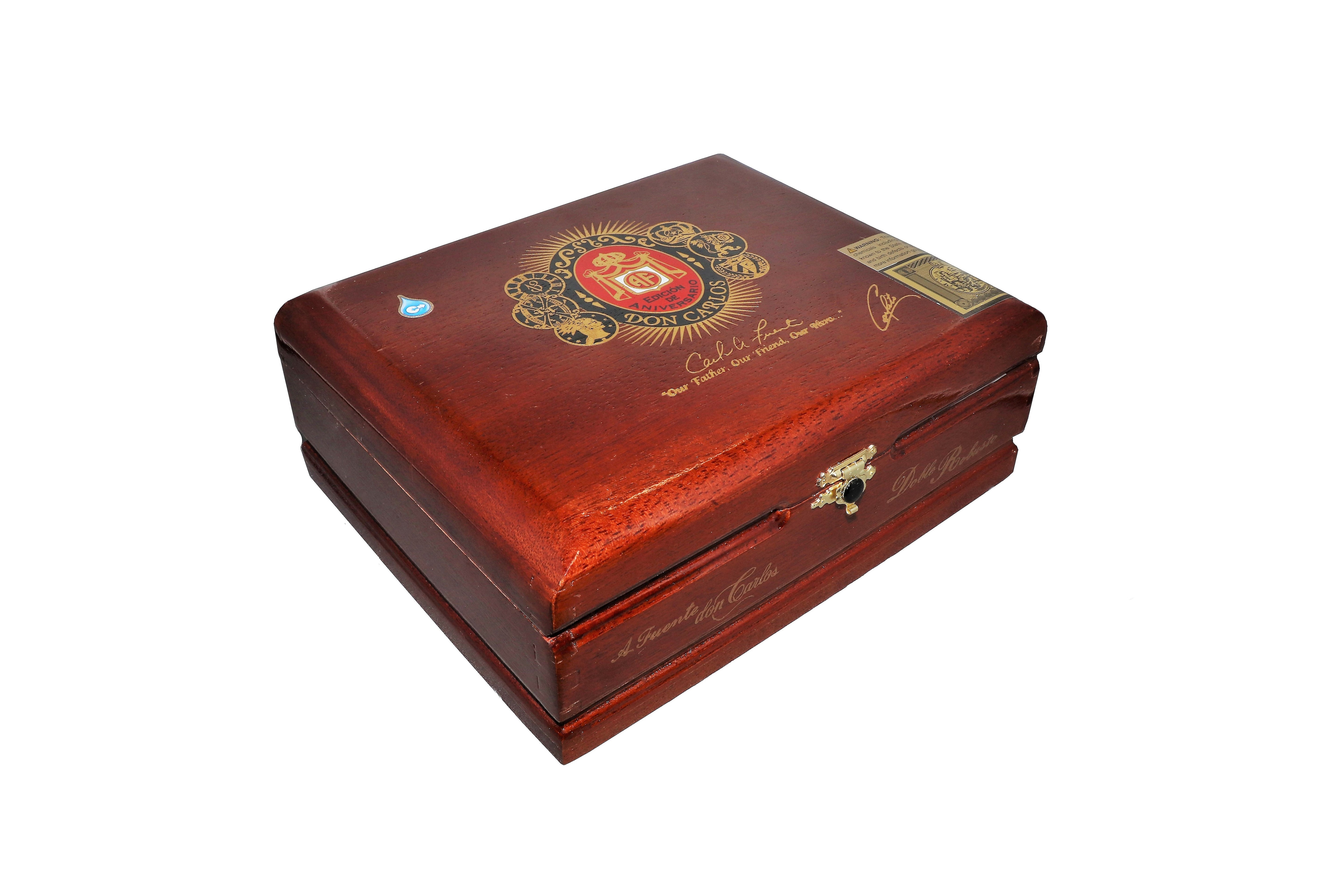
Larger vitolas are built for occasions when time is not pressing. The Gran Robusto format used across the Aganorsa Leaf Anniversario line — such as the bright, creamy Anniversario Connecticut Gran Robusto and the darker, cocoa-and-espresso Anniversario Maduro Gran Robusto — runs comfortably past the 90-minute mark. For a true celebration smoke, the Arturo Fuente Don Carlos Double Robusto is a refined Dominican classic worth setting aside a full evening for.

Does ring gauge change how long it takes?
Considerably. A wider ring gauge means more tobacco per centimetre, so two cigars of equal length can differ markedly in duration. A 152 mm × 52 toro will outlast a 152 mm × 38 lonsdale by a clear margin, because the toro simply has more leaf to work through.
Wider cigars also tend to burn a touch cooler and slower, since the lit foot has more surface area dissipating heat. That is part of why thick robustos and toros have grown so popular — they encourage a relaxed pace and resist overheating. Slimmer formats, by contrast, can run hot if you draw too eagerly, so they reward an especially gentle hand.

How does my smoking pace affect the time?
Pace is the variable entirely within your control, and it is the one that most separates a sublime smoke from a disappointing one. A cigar is meant to be sipped, not raced. The widely held guideline is roughly one draw every 30 to 60 seconds — enough to keep the ember alive without forcing it.
Smoke too quickly and the cigar overheats, turning the flavours harsh, bitter and ammonia-like. Smoke too slowly and it can go out, requiring a relight that dulls the experience. A few habits keep things on track:
- Let it rest between puffs; the ember will sit happily for a minute or two.
- Take long, gentle draws rather than short, sharp ones.
- Don't tap the ash too often — a healthy column of ash insulates the burn and helps the cigar smoke cool.
- Rotate the cigar occasionally if the burn line drifts to one side.
A cigar smoked at the right tempo evolves through three broad stages, and savouring each is the whole point of the exercise.

Do I have to smoke the whole cigar?
Not at all. A premium cigar typically unfolds in three thirds. The first third opens bright and lively as the wrapper leads. The second third deepens and balances, often the most complex and satisfying stretch. The final third intensifies as oils and tars concentrate nearer the band — full and rich, though it can turn warm and strong.
Many seasoned smokers set a cigar down once it stops giving pleasure, frequently with an inch or two remaining. There is no obligation to smoke to the nub. Letting it go out gracefully in the ashtray, rather than stubbing it, is the courteous farewell. The goal is enjoyment, not endurance — choose a cigar that matches the time and mood you have, and let the cigar set the pace.
How do I match a cigar to the time I have?
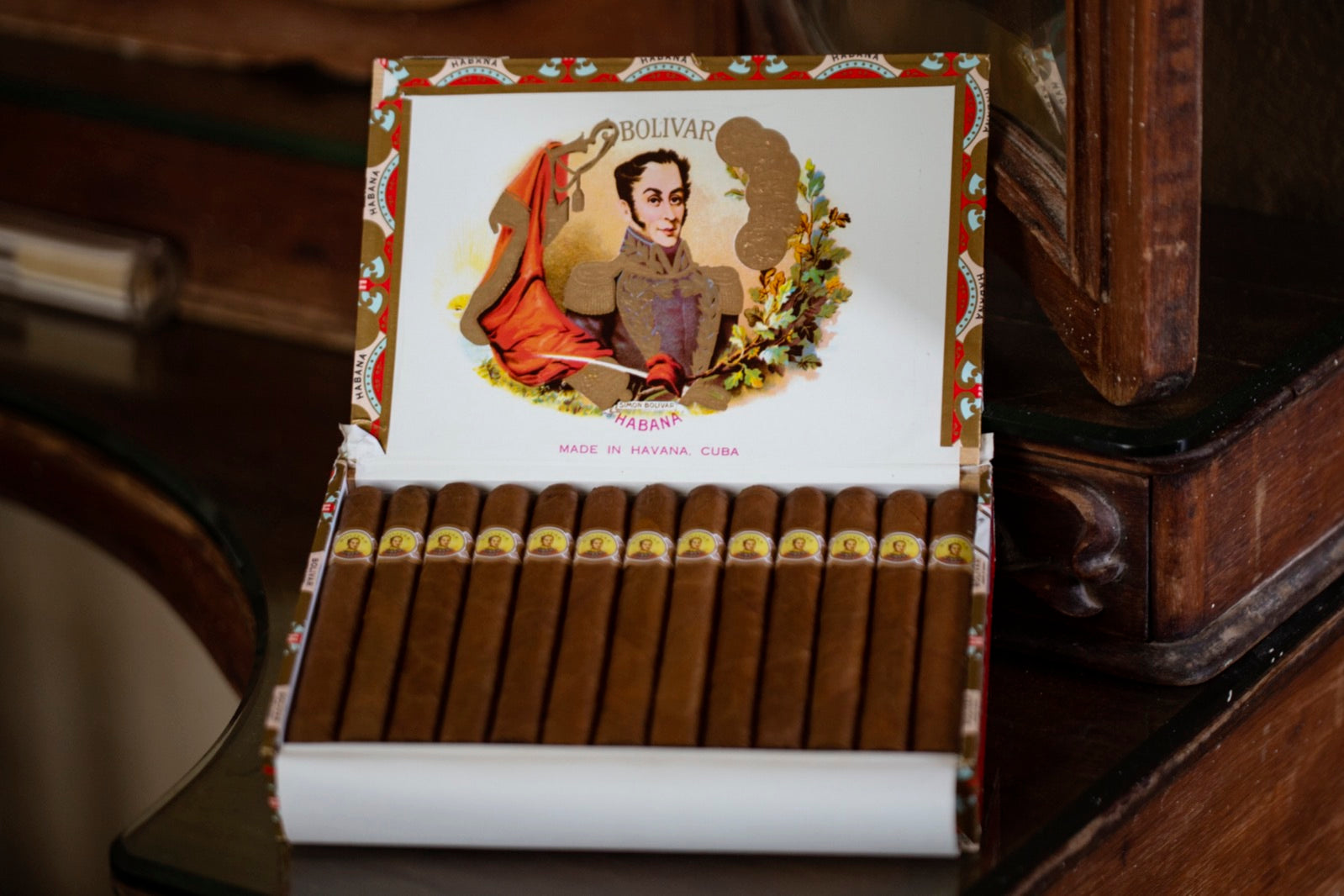
Think of the clock first, then the cigar. A 30-minute window suits a petit corona; a free hour calls for a robusto; an unhurried evening with friends invites a churchill or double corona. Buying by the single is the easiest way to explore different sizes and find your natural rhythm — browse our single cigars to try a range without committing to a box. If you are drawn to the heritage and construction of Havana, our Cuban cigars collection is a fine place to begin.
Frequently asked questions
How long does it take to smoke a robusto?
A robusto, measuring roughly 124 mm by a 50 ring gauge, generally takes between 45 and 75 minutes when smoked at a relaxed pace. It is the most popular size worldwide precisely because it offers a full, three-stage experience without demanding a large block of time, making it ideal for an evening after dinner.
Is it bad to smoke a cigar too fast?
Yes. Drawing too frequently overheats the tobacco, producing harsh, bitter and sometimes ammonia-like flavours that mask the cigar's character. Aim for one gentle draw every 30 to 60 seconds, and let the cigar rest between puffs. A cool, patient burn keeps the flavours clean, balanced and enjoyable from the first third to the last.
Can I put a cigar down and finish it later?
It is best enjoyed in one sitting. A cigar that has gone out can be relit shortly afterwards, but once it cools fully the flavours turn stale and ashy, and a later relight rarely satisfies. Rather than save a half-smoked cigar, choose a smaller vitola when time is short so you can enjoy it complete.
Does a bigger cigar always take longer to smoke?
Usually, but length alone does not tell the whole story. Ring gauge — the cigar's diameter — also matters, because a wider cigar holds more tobacco per centimetre and burns longer. A short, thick robusto can outlast a longer but slimmer panatela. Consider both dimensions, along with your own pace, when estimating how long a cigar will last.
Share:
Quai d'Orsay: Parisian Elegance, Cuban Soul
The Best Medium-Bodied Cigars: A Connoisseur's Guide