

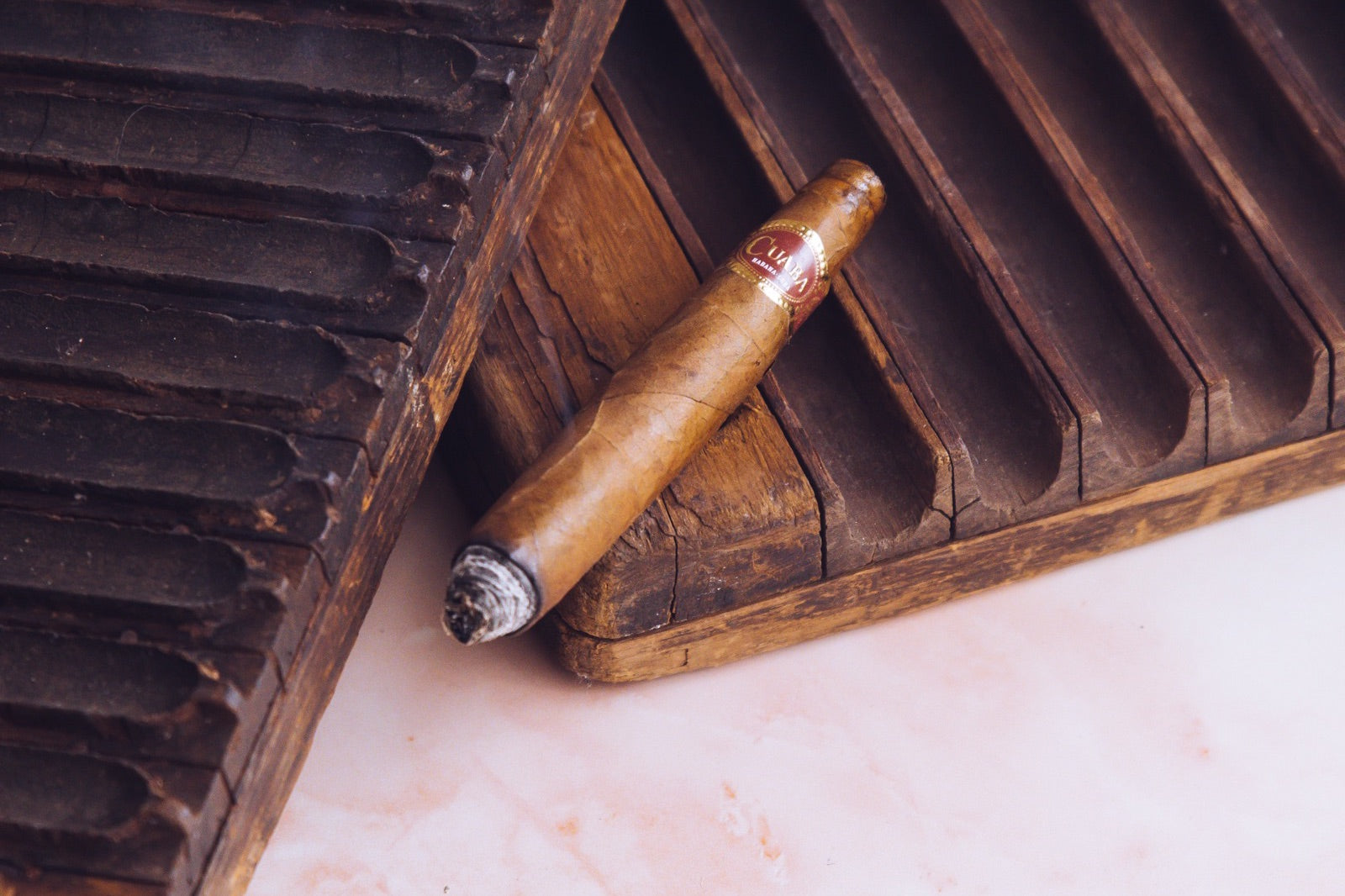
A corona and a petit corona share the same slender ring gauge of roughly 42, but the corona is longer — typically around 142mm against the petit corona's 129mm. That extra length gives the corona a more leisurely, evolving smoke, while the petit corona delivers the same classic profile in a shorter, more concentrated sitting.
- Ring gauge is the same — both sit around 42 ring (roughly 16.7mm diameter), which is the defining trait of the corona family.
- Length is the difference — a corona runs about 142mm (5⅝"), a petit corona about 129mm (5⅛").
- Smoking time — expect 35–50 minutes for a corona, 25–35 minutes for a petit corona.
- Flavour — both favour a balanced, wrapper-forward elegance; the corona reveals more evolution, the petit corona is brighter and more direct.
- Choose by occasion — corona for an unhurried evening, petit corona for an espresso-length moment.
What exactly is a corona?
The corona is, for many aficionados, the benchmark vitola — the size against which all others are measured. The classic Cuban corona measures around 142mm in length with a 42 ring gauge, finished with a straight body and a simple rounded head. Its proportions are deliberately moderate: slim enough to keep the wrapper leaf prominent in the blend, yet long enough to let a cigar's character unfold from first light to final third.
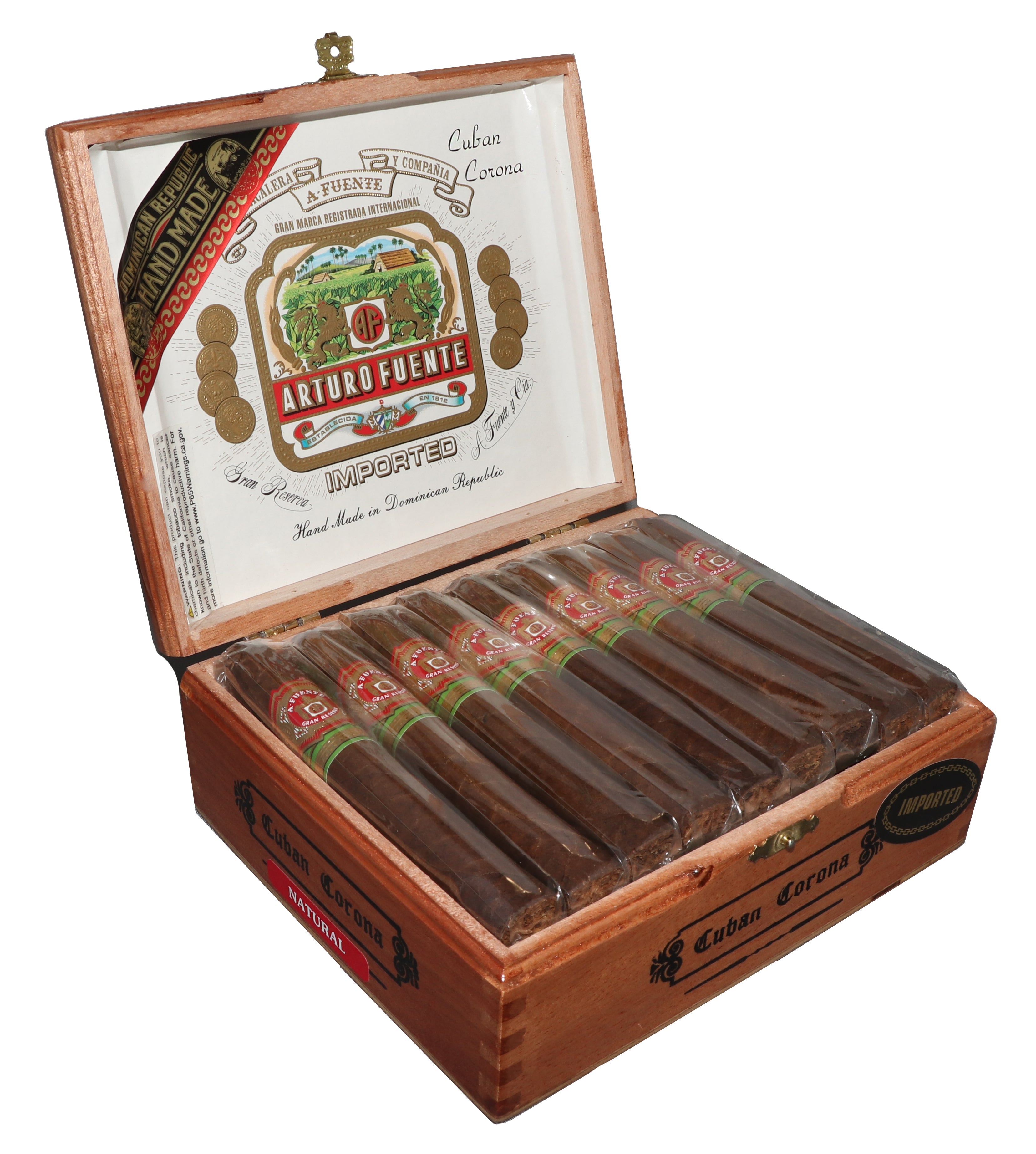
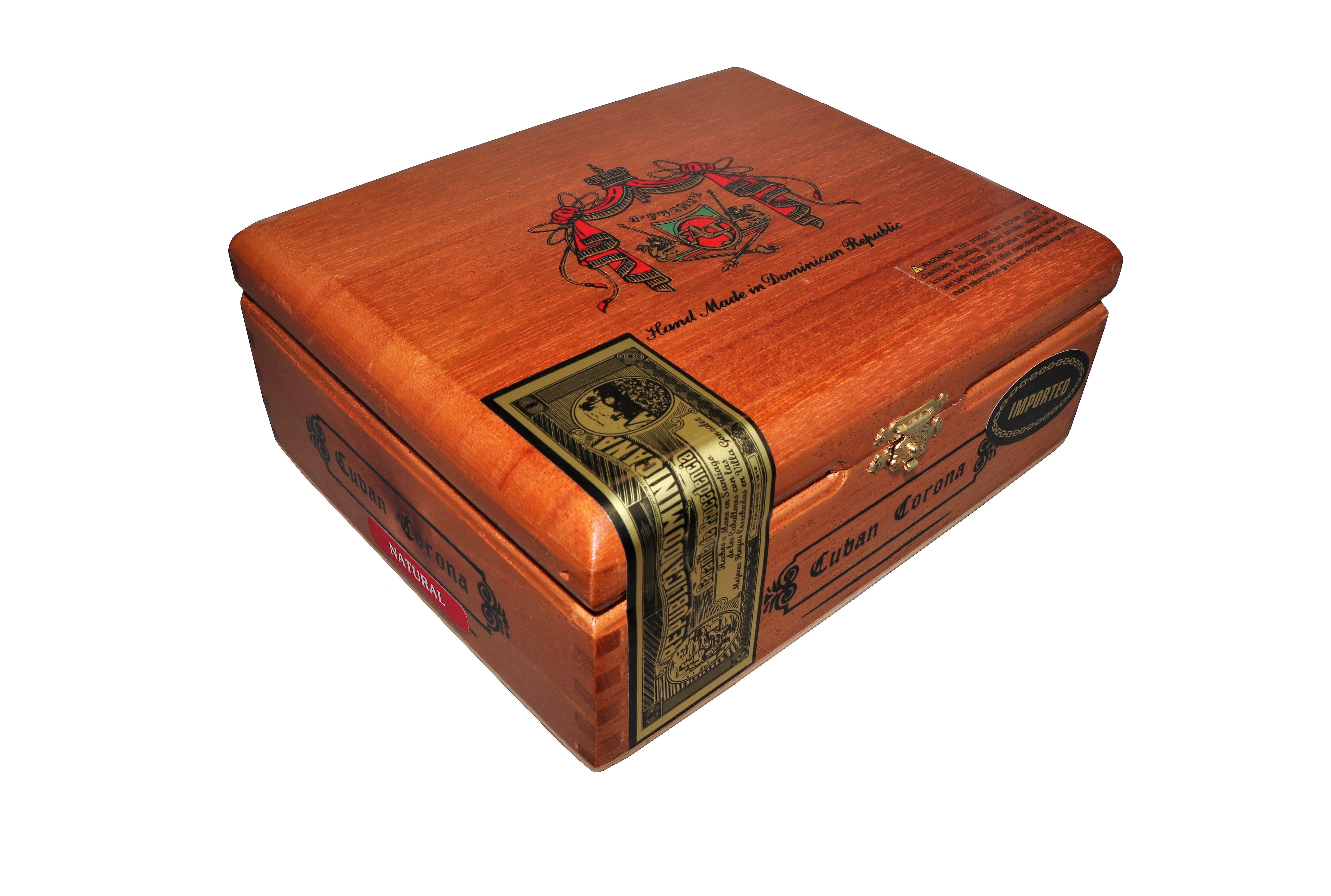
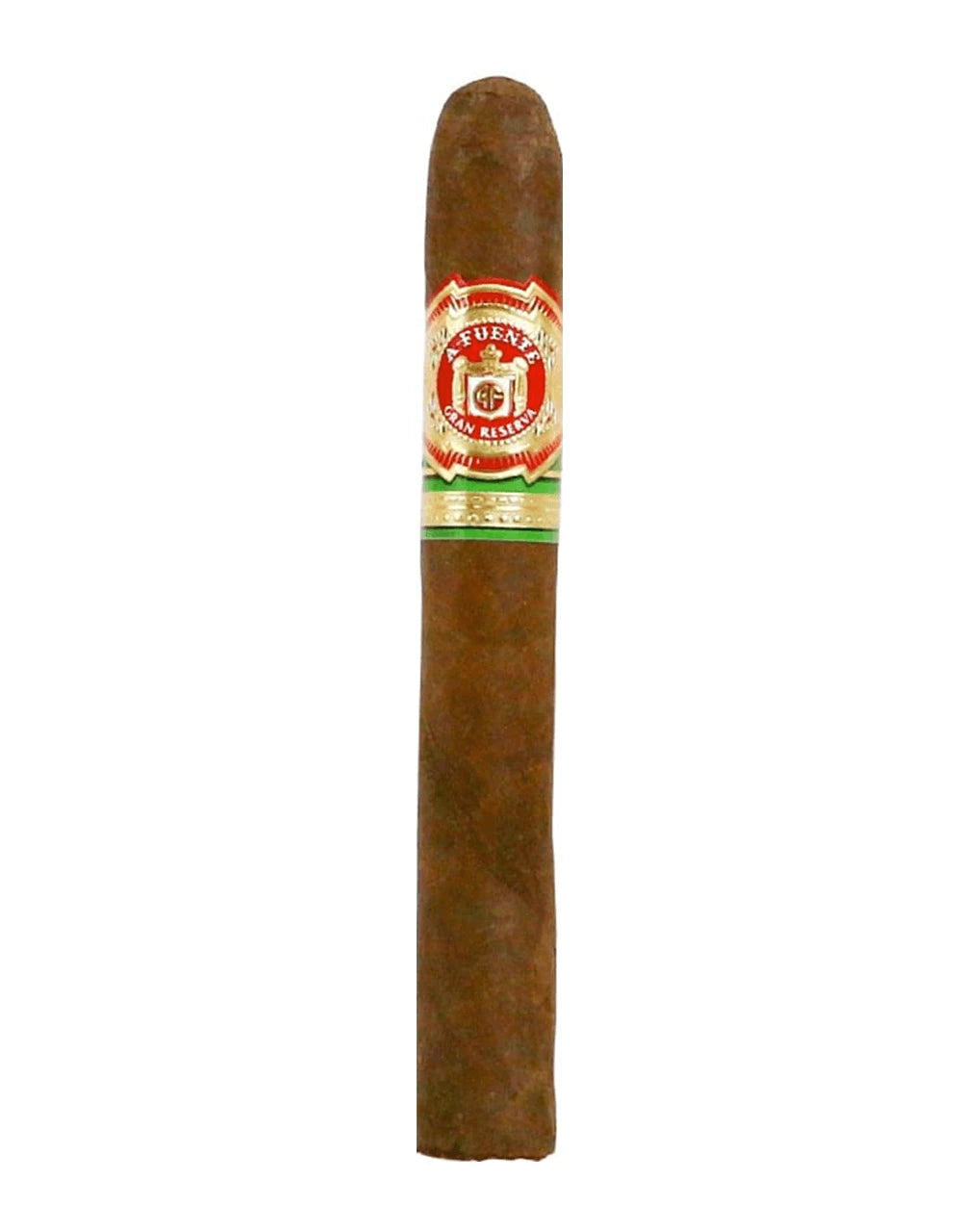
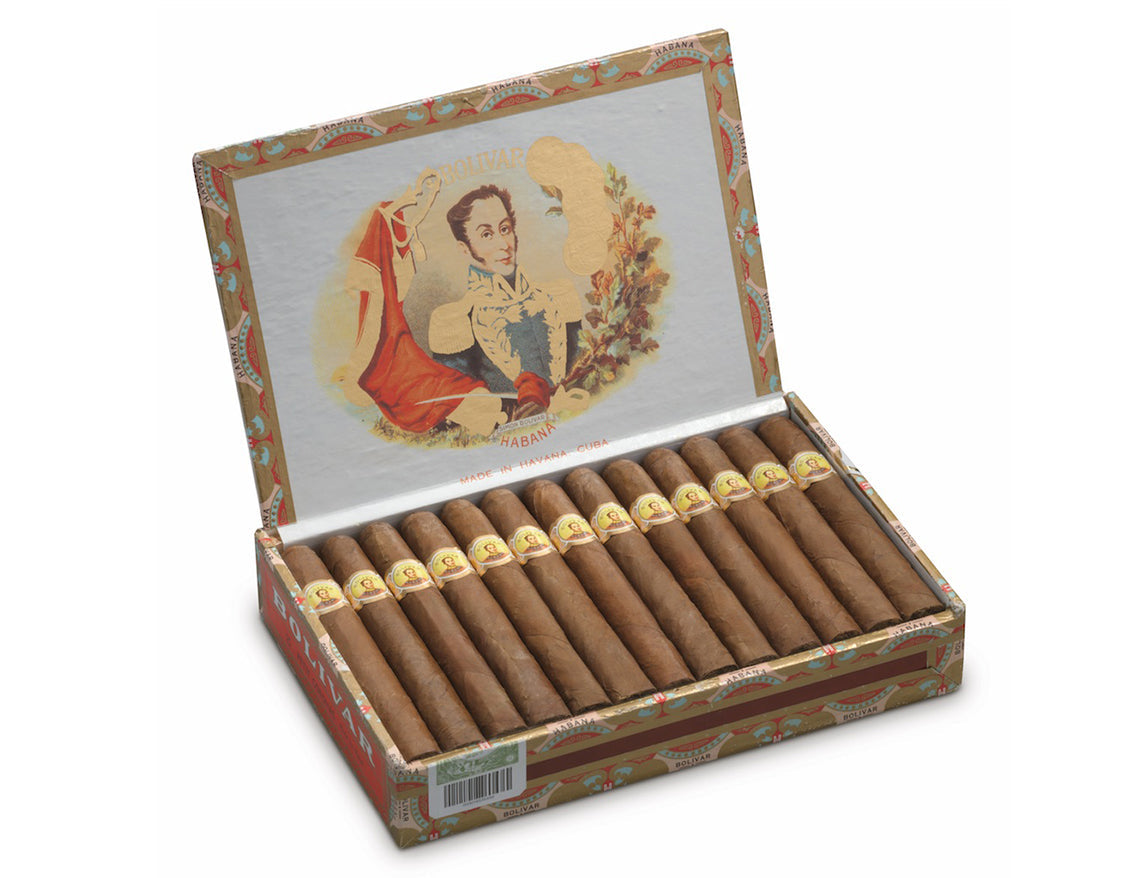
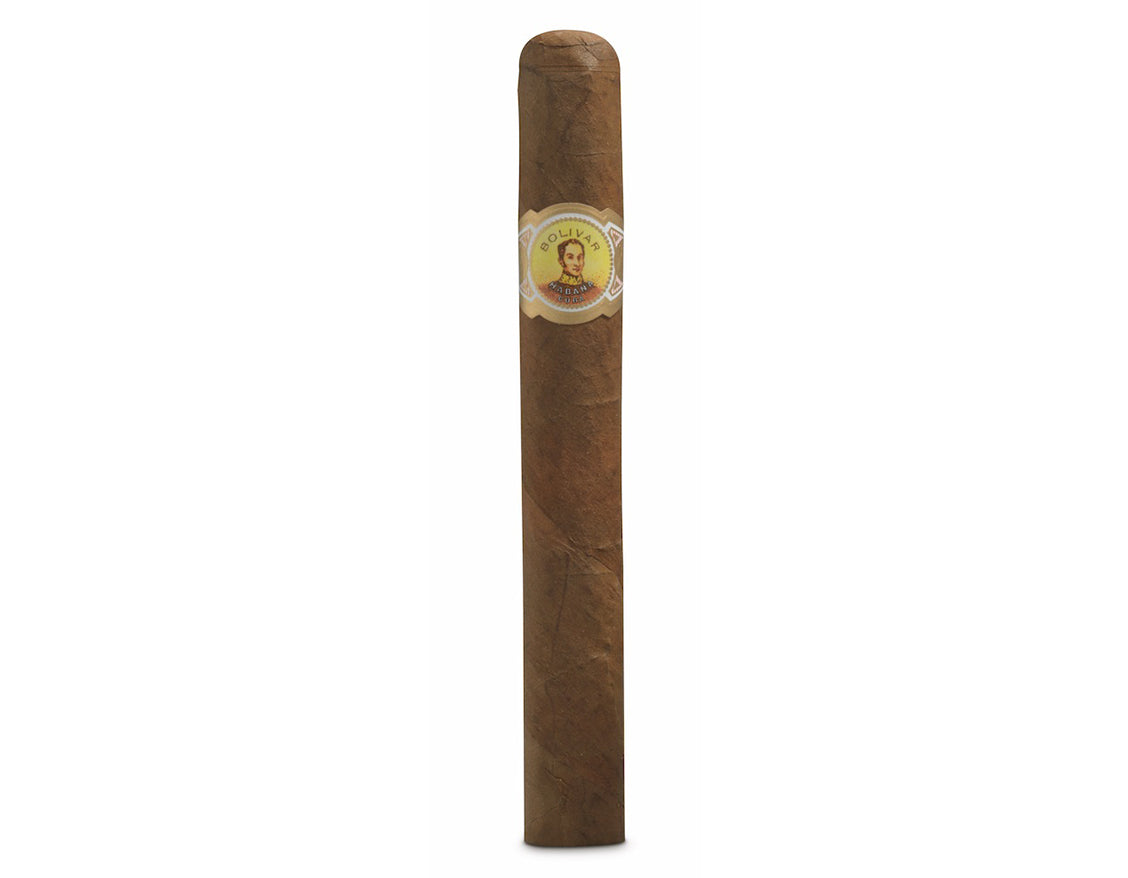
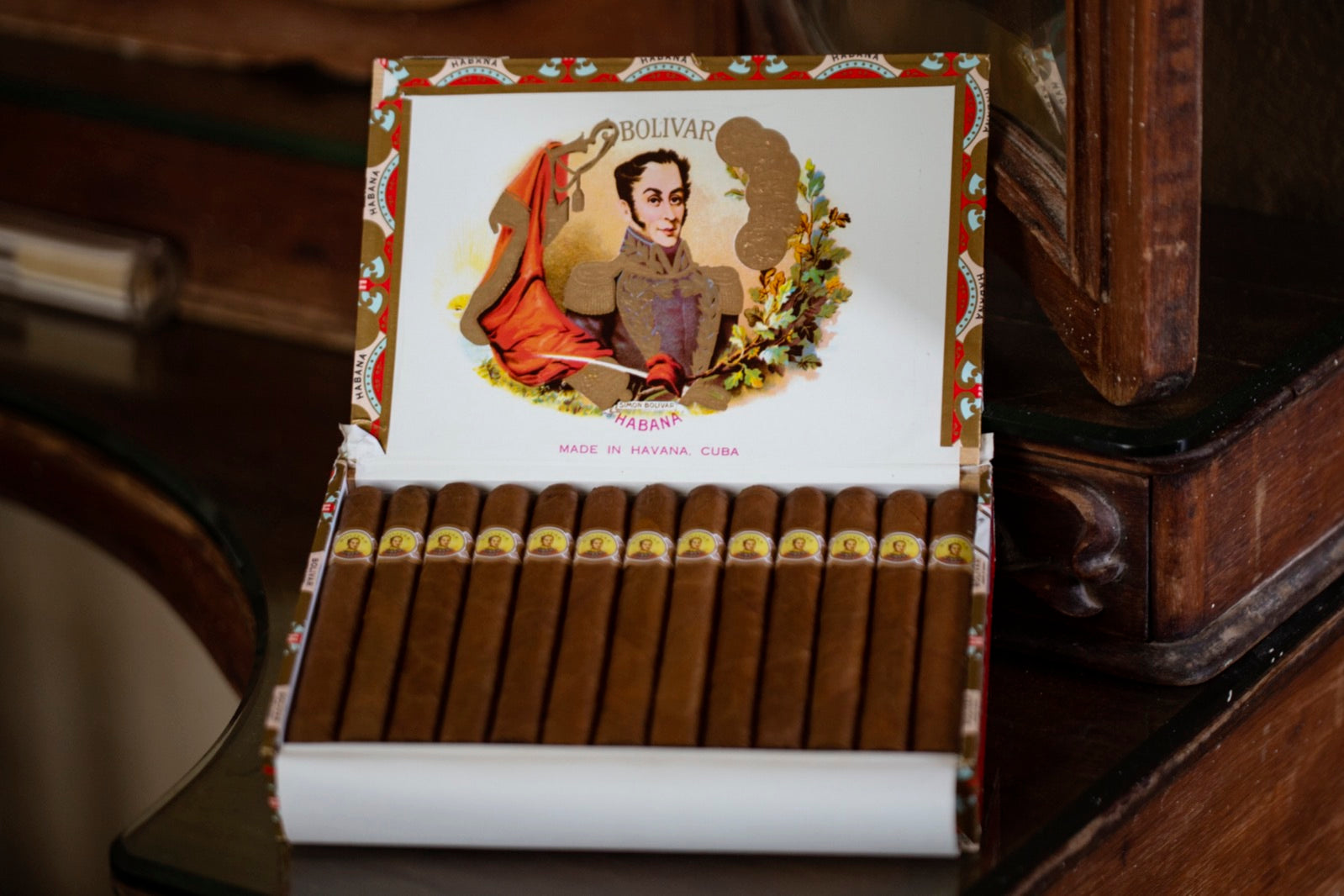
That balance is why master blenders have long used the corona as a reference point. With a thinner ring gauge, the wrapper makes up a greater share of the smoke than it would in a fat robusto or toro, so the corona tends to taste a little more refined and aromatic. A beautifully made example such as the Bolivar Royal Coronas shows this perfectly — though, confusingly, "Royal Corona" is the traditional Cuban factory name for the robusto format, a reminder that vitola names and ring gauges do not always line up. For a true corona shape in a New World expression, the Arturo Fuente Gran Reserva Cuban Corona is a graceful place to begin.
What is a petit corona, and how is it different?
The petit corona is, quite simply, a shorter corona. It keeps the same 42 ring gauge but trims the length to around 129mm (5⅛"). Everything that makes the corona elegant remains — the wrapper-forward balance, the easy draw, the classic silhouette — but it is delivered in a tidier package that suits a shorter window of time.
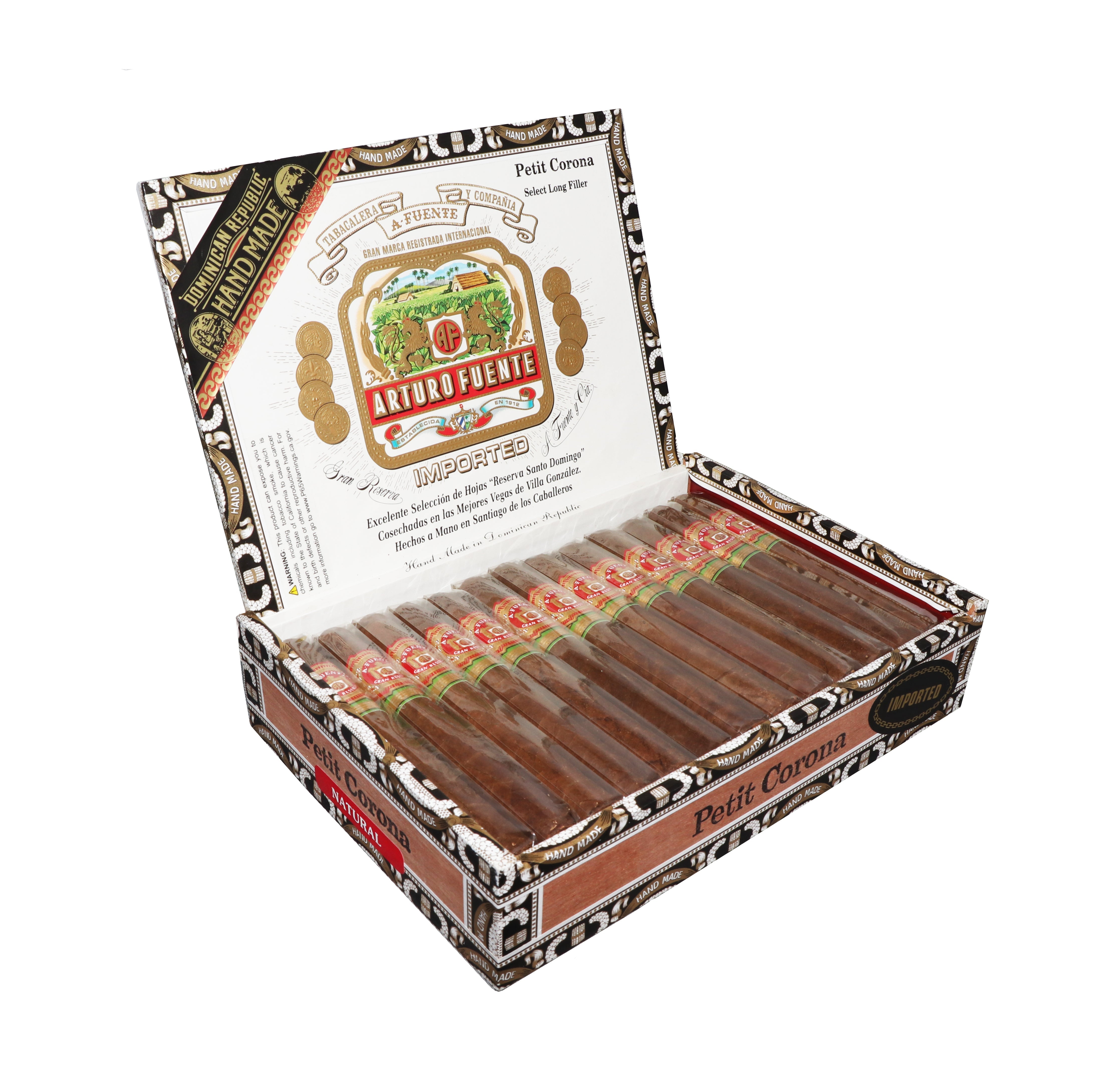
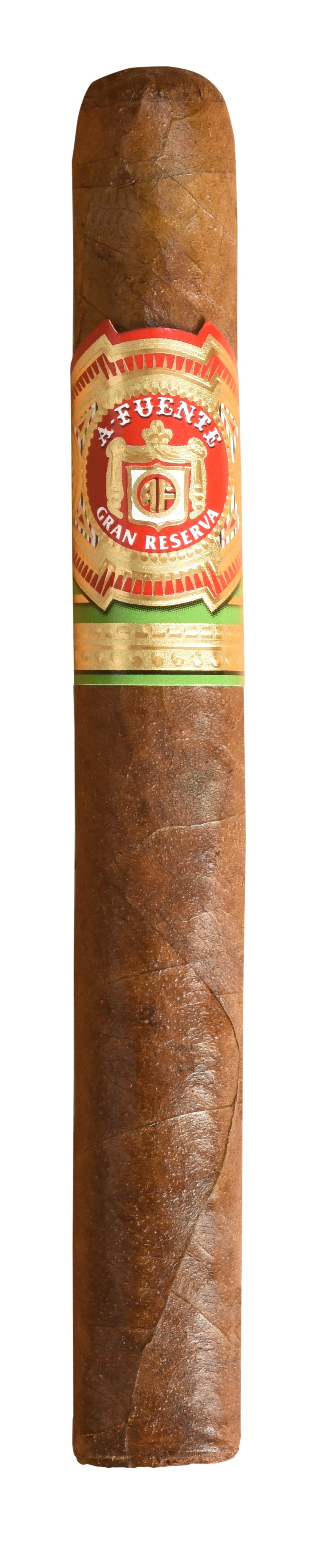
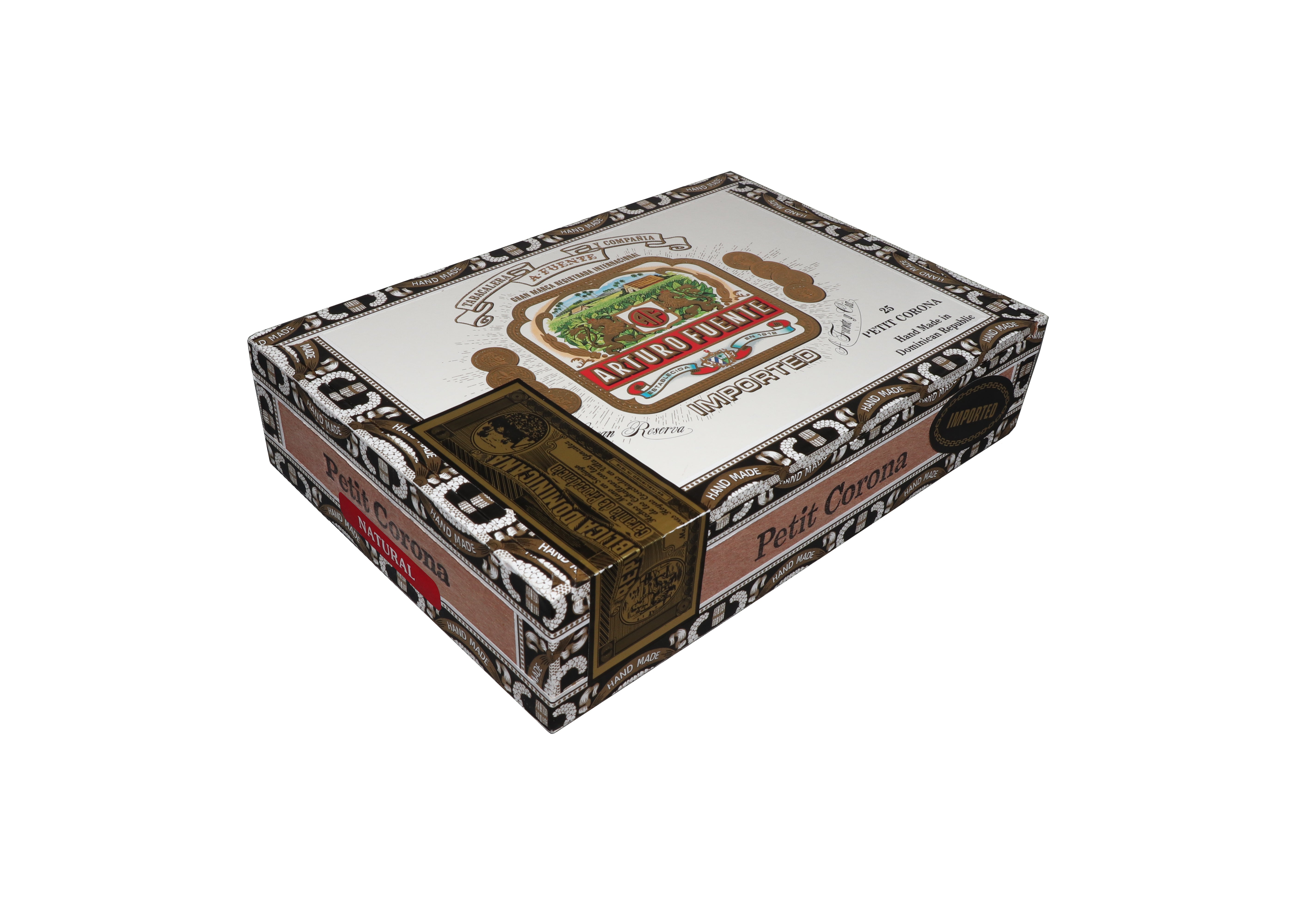
Because the tobacco is rolled to a shorter length, a petit corona often tastes a touch more immediate and focused. There is less room for the long, gradual transitions you get in a longer cigar, so the blend speaks more directly from the outset. The Bolivar Petit Coronas is a textbook Cuban example, offering that house's signature earthy depth in a brisk, satisfying format. From the New World, the Arturo Fuente Gran Reserva Petit Corona mirrors its larger sibling almost exactly, simply in miniature.
Corona vs petit corona at a glance
- Corona: ~142mm × 42 ring · 35–50 minutes · more evolution and complexity
- Petit corona: ~129mm × 42 ring · 25–35 minutes · brighter, more concentrated
- Shared: slim ring gauge, wrapper-forward elegance, straight parejo shape

Does the size change how a cigar tastes?
It does — though more subtly than many newcomers expect. Ring gauge is the bigger lever here, and since the corona and petit corona share the same 42 ring, their fundamental character is closely related. A slimmer cigar burns a little hotter and puts the wrapper leaf at the centre of the experience, which is precisely why both vitolas are prized for clarity and finesse rather than sheer power.
Length is where they diverge. The longer corona gives the smoke more distance to travel, allowing flavours to build, soften and shift across the three thirds — often opening floral or cedary, deepening into coffee, cocoa or leather, then mellowing at the close. The petit corona compresses that arc. You still meet the blend's signature notes, but the journey is shorter and more linear, which is ideal when you want classic flavour without a long commitment. If you are new to thinking about format and flavour, our guide to cigar sizes, vitolas and why ring gauge matters is a useful companion.

Where do these sit in the wider corona family?
"Corona" is also the name of an entire family of vitolas, all built around that slim profile but stretched or shortened to taste. Knowing the neighbours helps you place the corona and petit corona in context:
- Petit corona — ~129mm × 42: the compact classic.
- Corona — ~142mm × 42: the elegant benchmark.
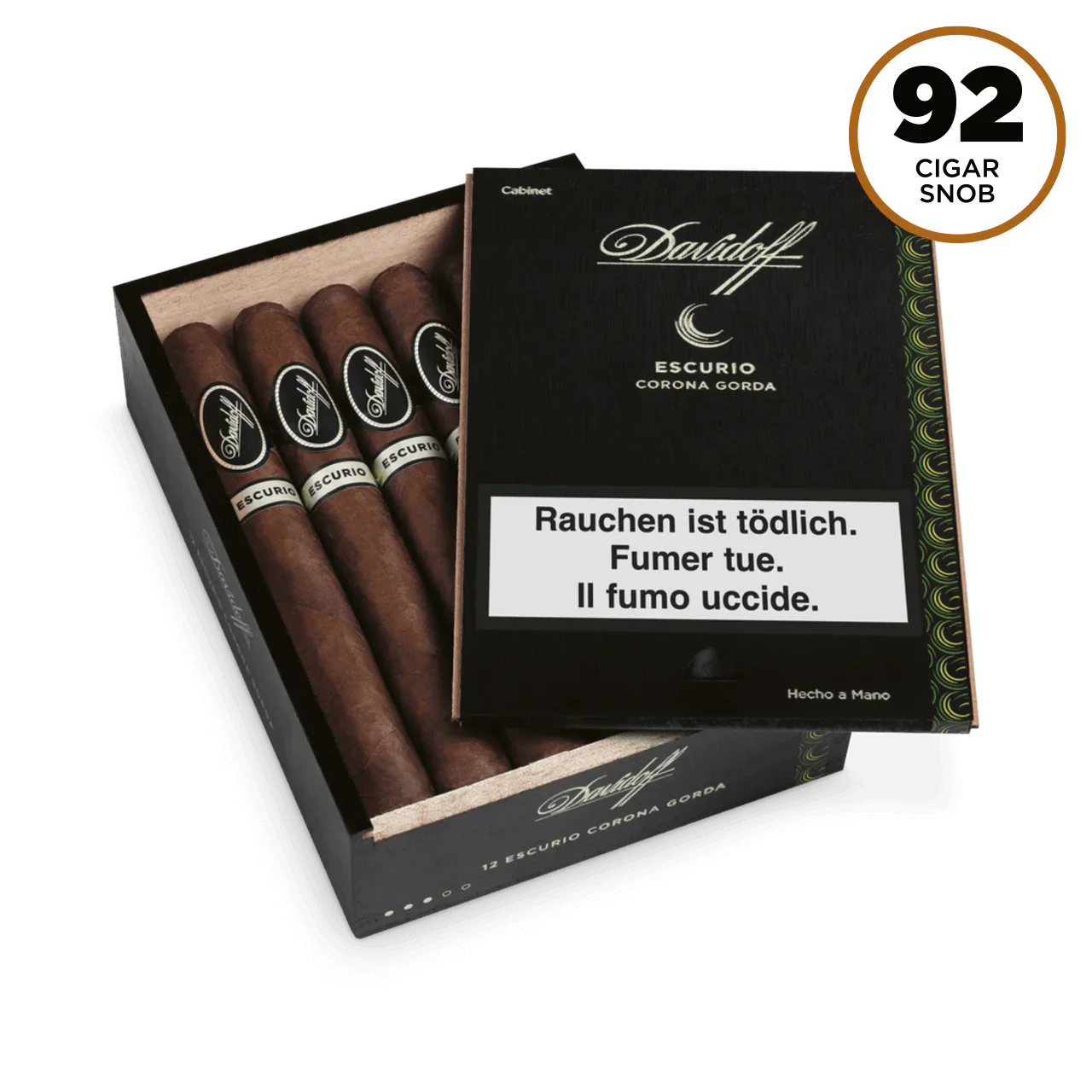
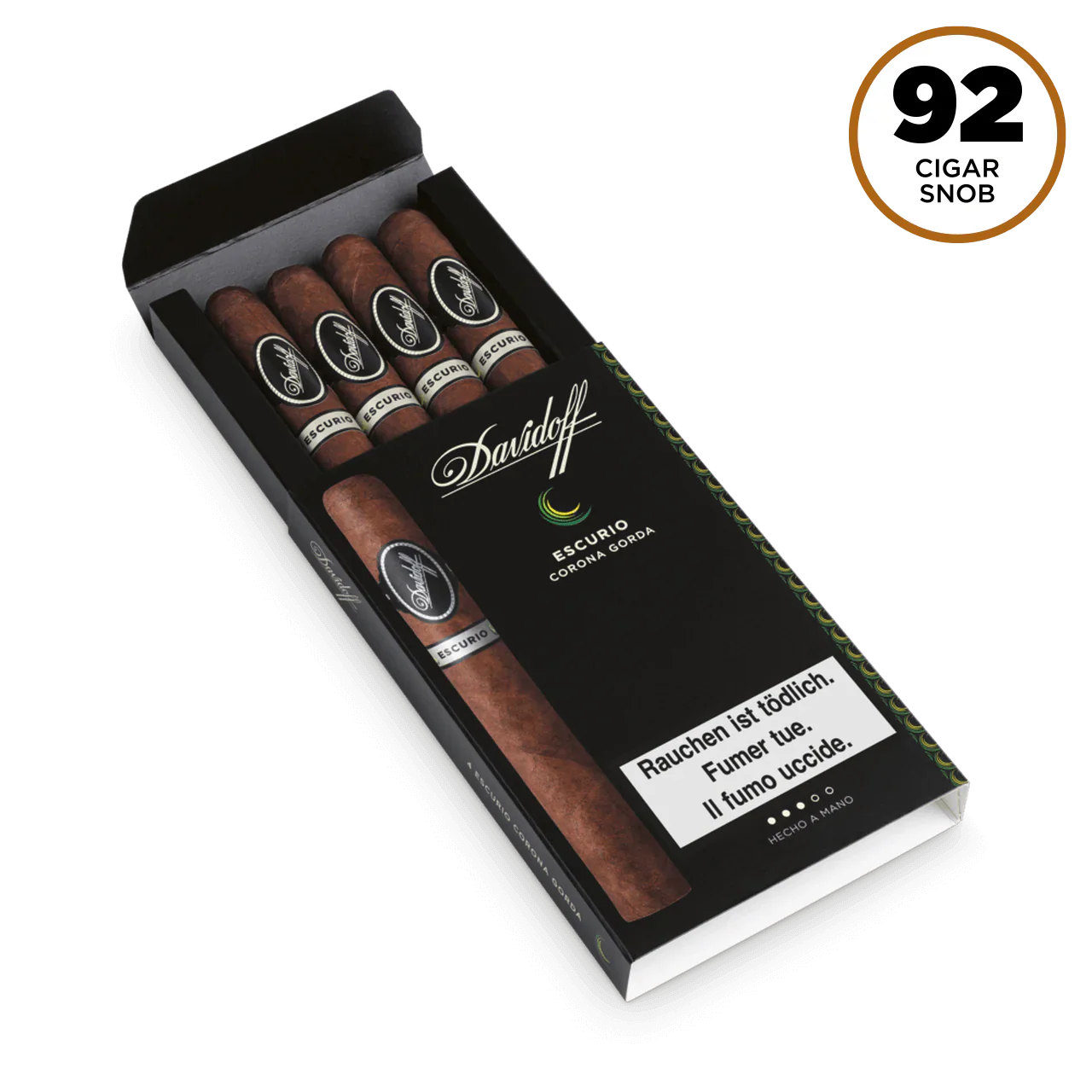
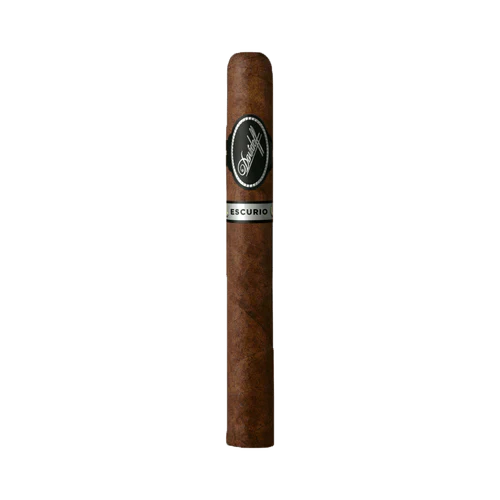
- Corona gorda — ~143mm × 46: a slightly fuller, "fat corona" with more body, as in the Davidoff Escurio Corona Gorda.
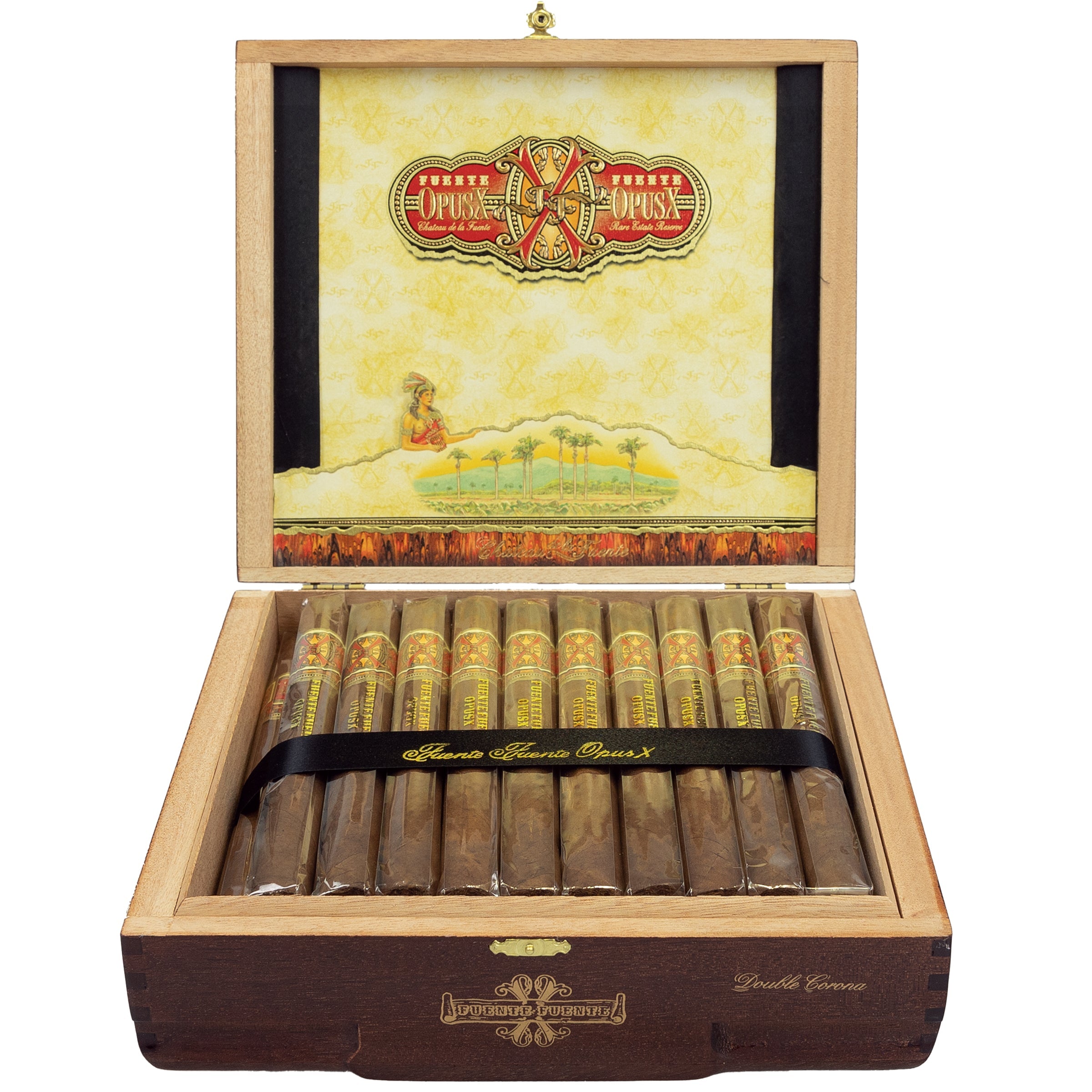
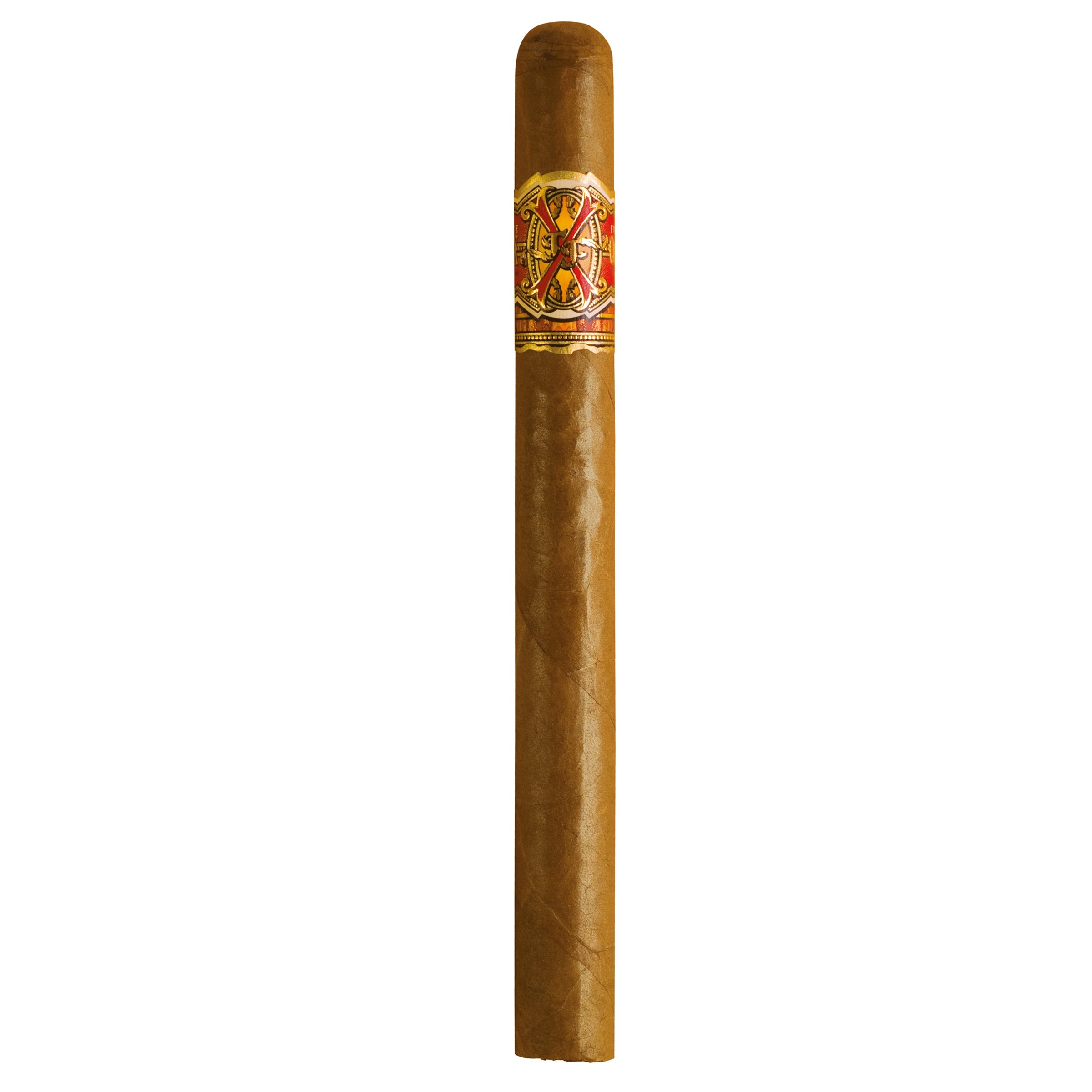
- Double corona — ~194mm × 49: a grand, ceremonial smoke for a long evening, exemplified by the celebrated Arturo Fuente Opus X Double Corona.
There are smaller relatives too. The Bolivar Coronas Junior is a petit-corona-length minuto, perfect for a 20-minute pause, while names like Coronas Gigantes and Super Coronas stretch the family in the other direction. If you enjoy the slim format but want a touch more girth, the robusto is the natural next step — our explainer on what makes a robusto sets out the contrast nicely.

Which should you choose, and when?
Think of it as a question of time and mood rather than quality — both are first-rate formats. Reach for a corona when you have the better part of an hour and want to follow a cigar through its full evolution: after dinner, with a glass of aged rum or a single malt, in good company or quiet solitude. The corona rewards patience.
Reach for a petit corona when time is shorter but the craving for something genuinely classic is not — a mid-morning espresso, the gap between meetings, or a brisk turn around the garden. It delivers the corona experience distilled. Many collectors keep both on hand, and exploring the Cuban cigars collection is a fine way to taste how a single marca interprets each length. For those drawn to richer, more aromatic petit coronas, the slim Cuban classics such as the Cohiba Coronas Especiales — a lithe lancero-style smoke — show just how much character can live in a narrow ring gauge.
How should you store coronas and petit coronas?
Slim cigars are no more demanding than any other, but their thinner construction means they respond quickly to their environment, so steady conditions matter. Keep them in a well-seasoned humidor at 68–72% relative humidity and a temperature around 18–20°C (65–68°F). At the lower end of that humidity band the draw stays crisp and the burn even — often the sweet spot for thinner vitolas — while the upper end preserves a little more oil and aroma in the wrapper. Rotate your cigars occasionally so they age evenly, and give a freshly delivered cigar a few days to settle before lighting.
Frequently asked questions
Is a petit corona just a small corona?
Essentially, yes. A petit corona keeps the corona's slim 42 ring gauge but is shorter — around 129mm versus roughly 142mm. The blend and shape are the same family; you are simply choosing a more compact format that smokes in about 25–35 minutes rather than 35–50, with a slightly more direct, concentrated character.
What ring gauge is a corona?
The classic corona and petit corona both measure approximately 42 ring gauge, which equals about 16.7mm in diameter. This slender profile is the defining trait of the entire corona family and is part of why these vitolas taste so wrapper-forward, balanced and elegant compared with thicker formats such as robustos and toros.
Which lasts longer, a corona or a petit corona?
The corona lasts longer because it is the longer cigar. Expect roughly 35–50 minutes for a corona and 25–35 minutes for a petit corona, depending on your pace and the blend's density. If you want an unhurried smoke that evolves through distinct thirds, choose the corona; for a shorter, classic interlude, choose the petit corona.
Are coronas good for beginners?
They can be excellent. Because their slim ring gauge keeps the strength approachable and the construction is easy to draw, well-made coronas and petit coronas are forgiving for those building their palate. A milder petit corona is a gentle, time-friendly introduction, while a corona offers a fuller lesson in how a cigar develops from light to finish.
Share:
Cigars and Tea: An Elegant Alternative Pairing
Best Cigars for a Retirement Gift